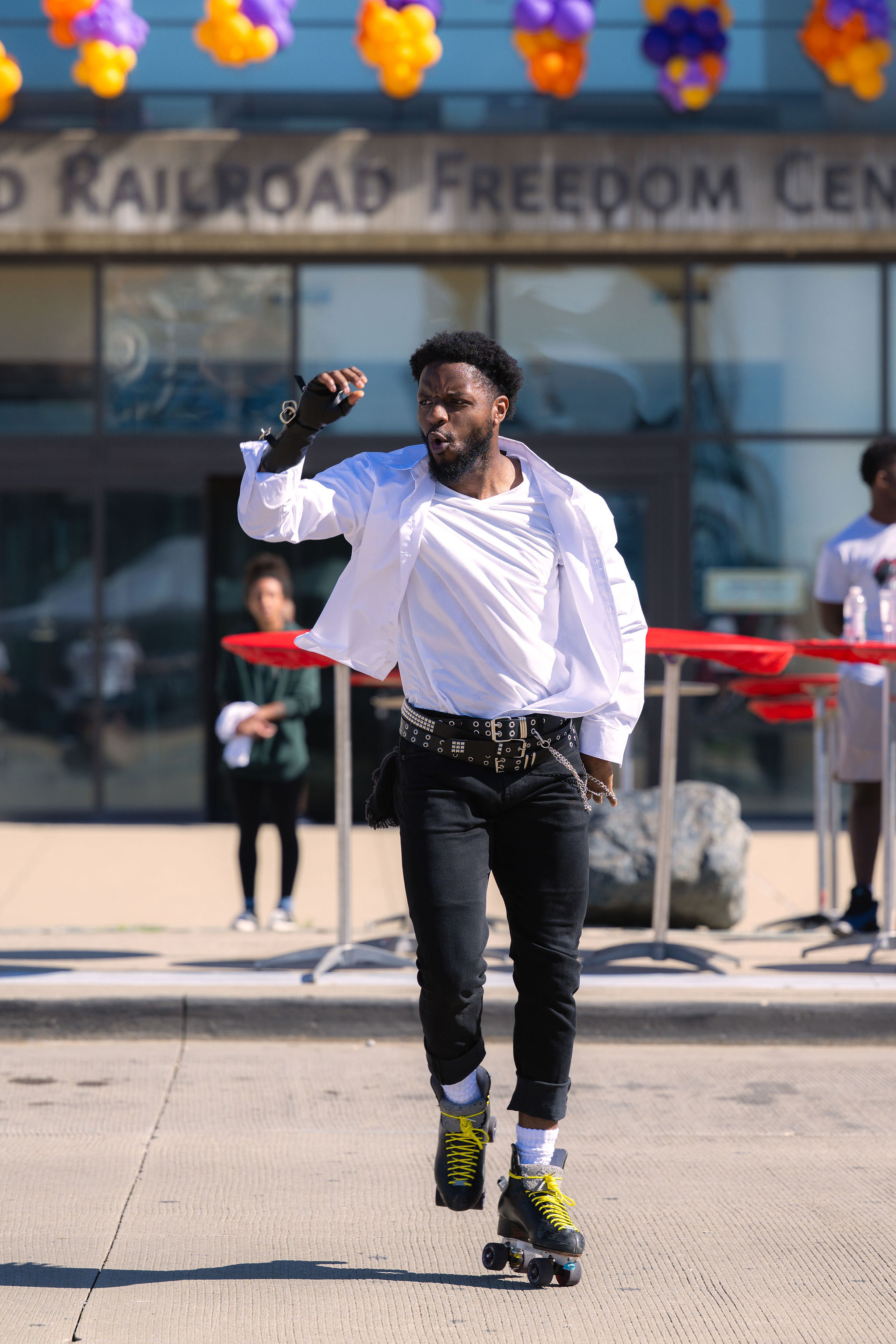
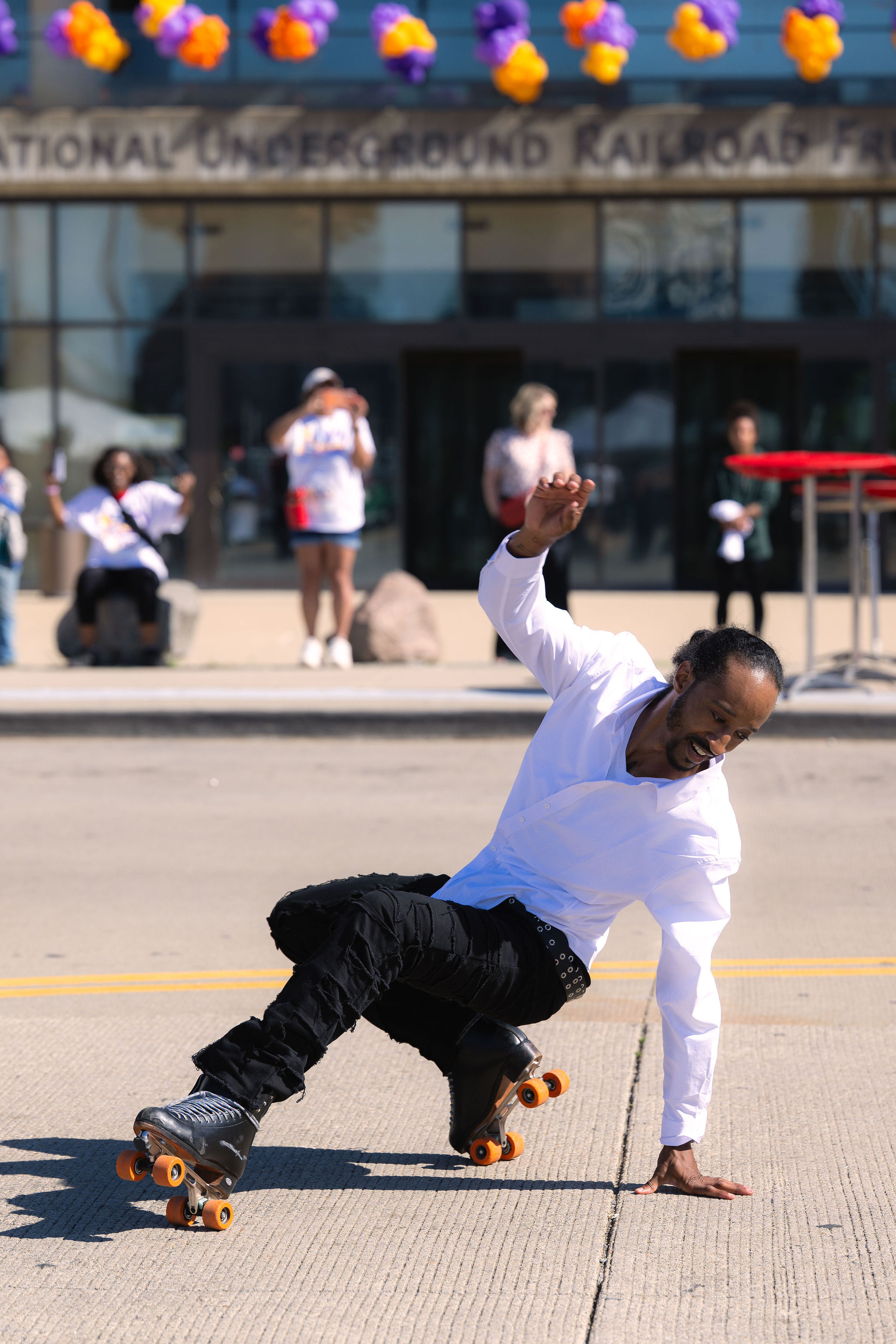
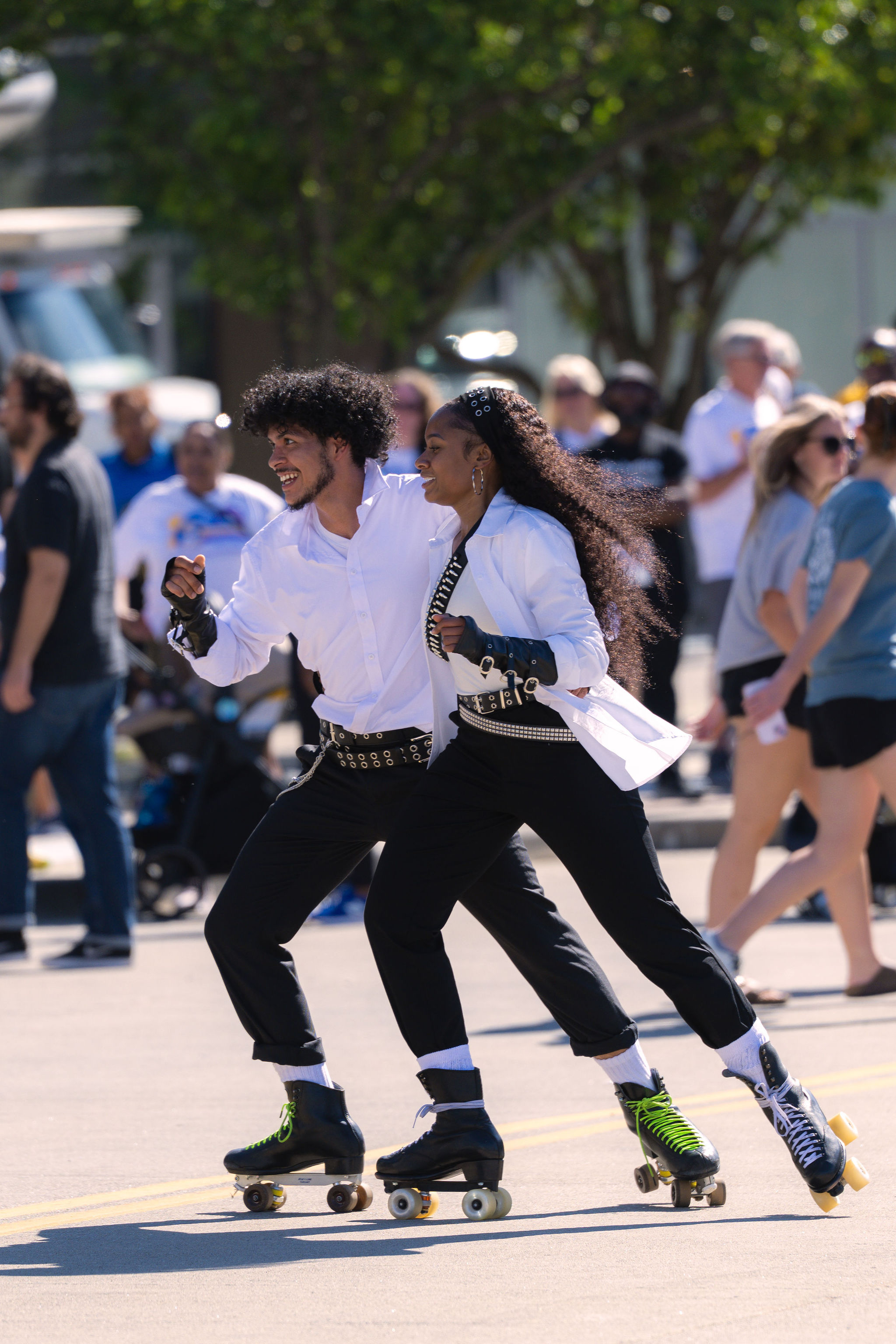
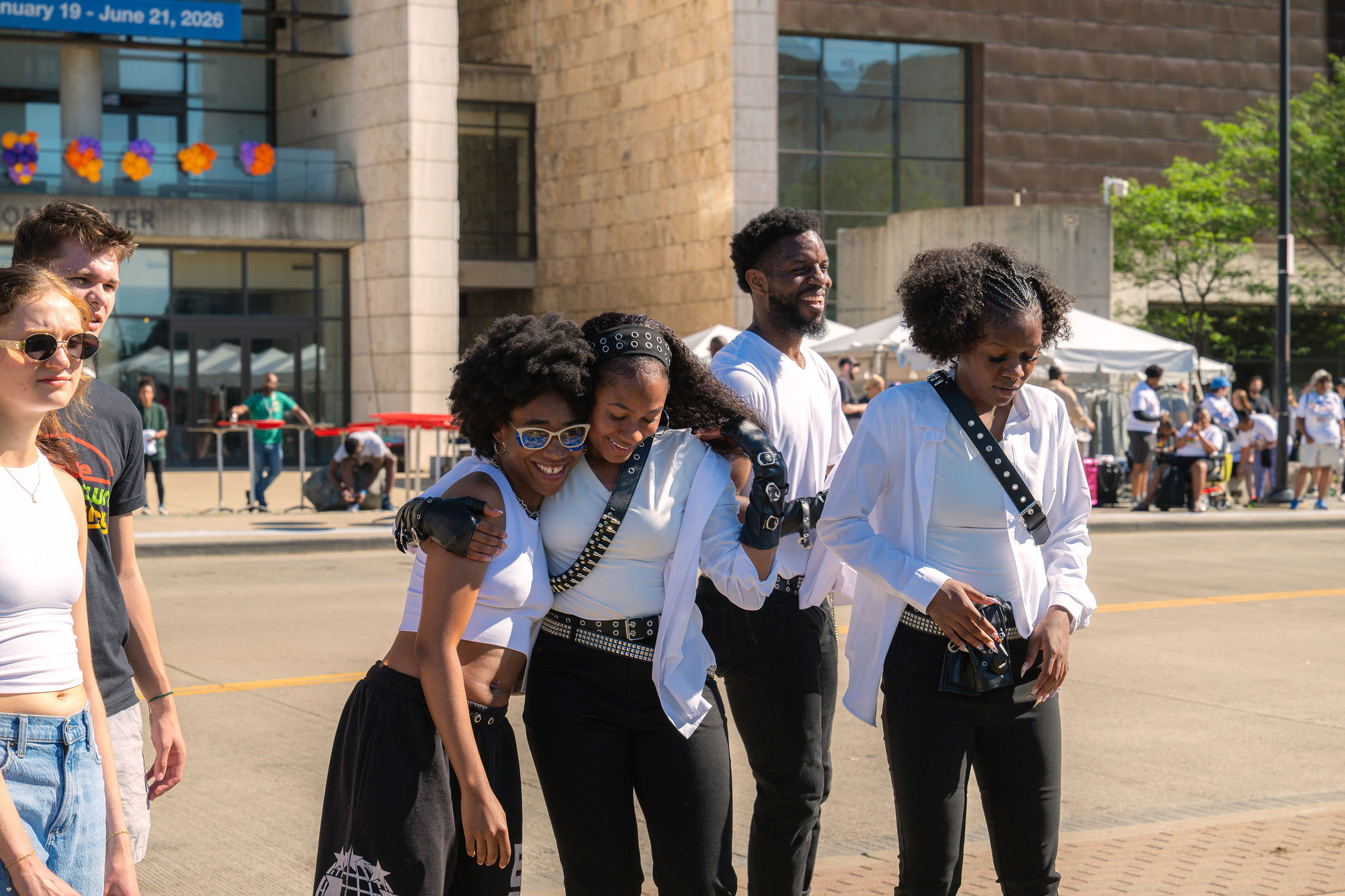
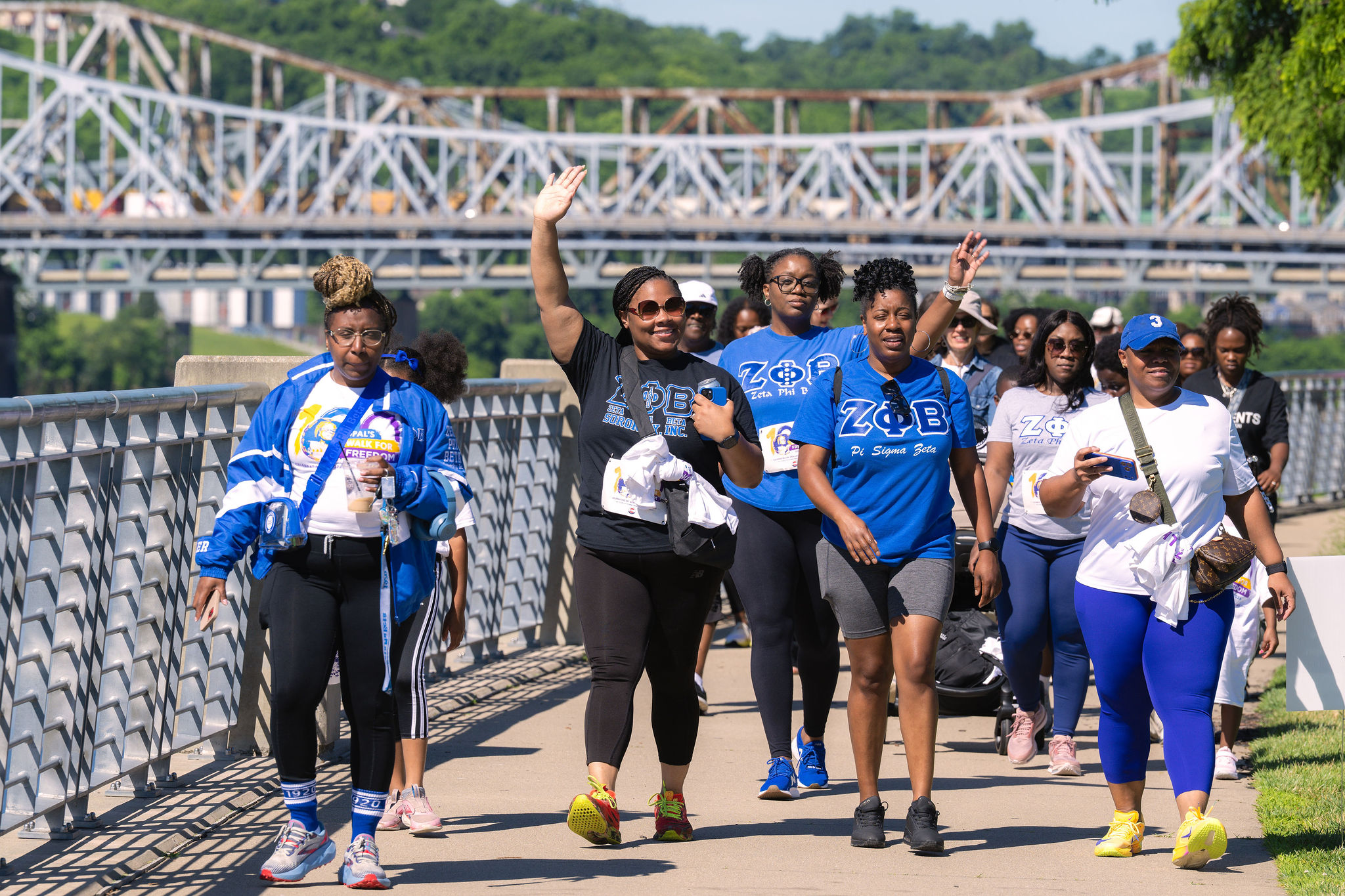
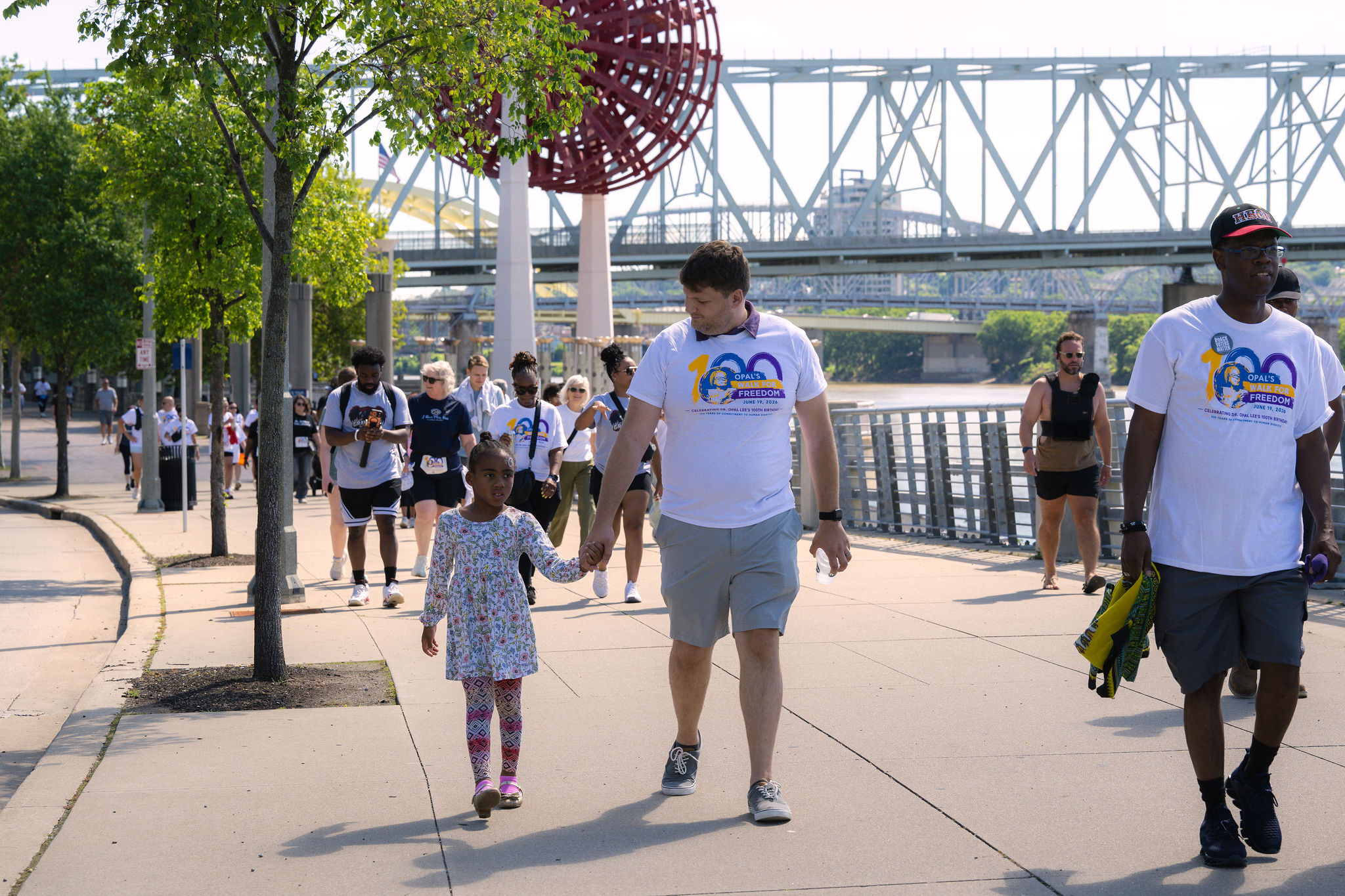
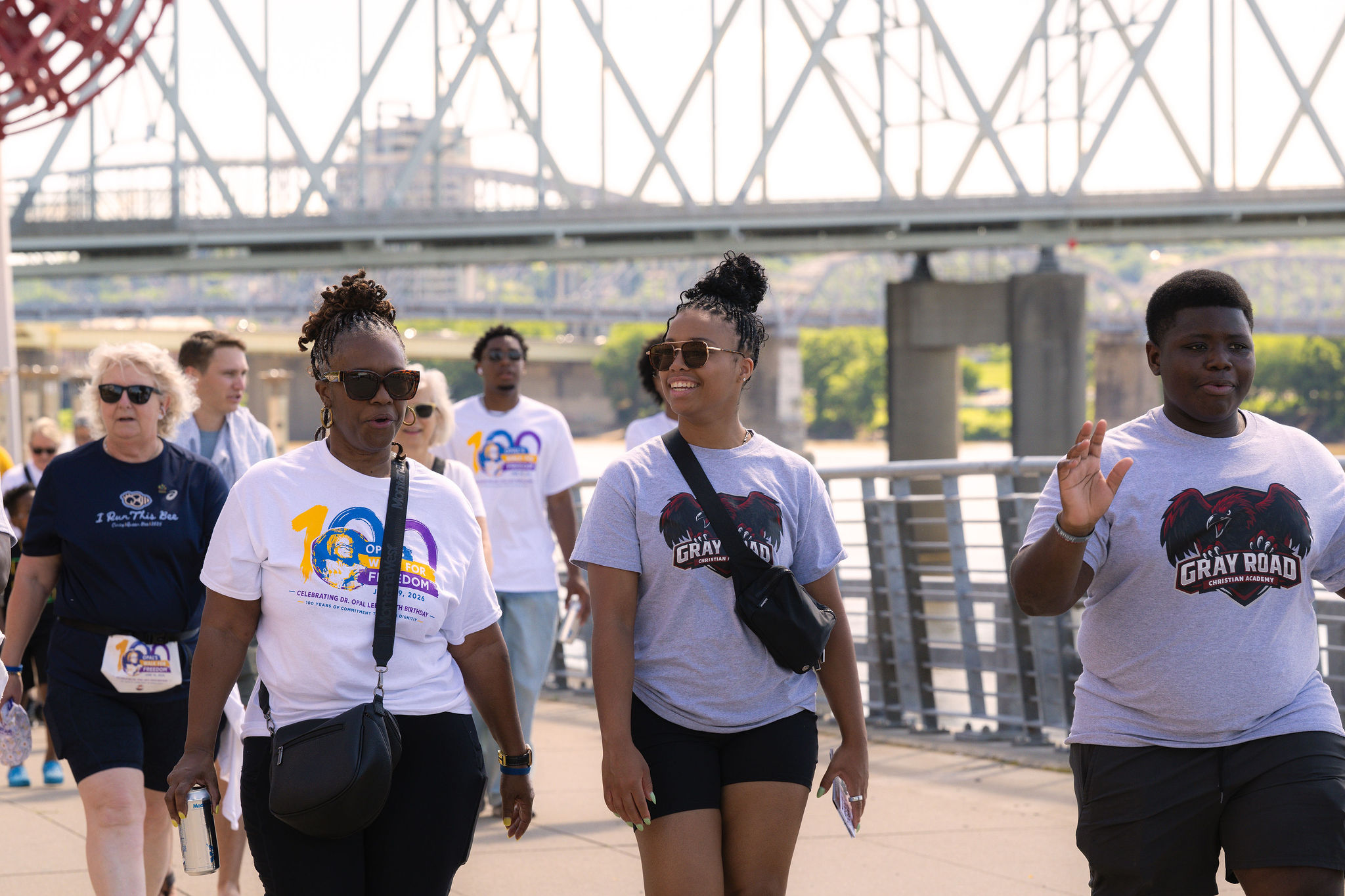
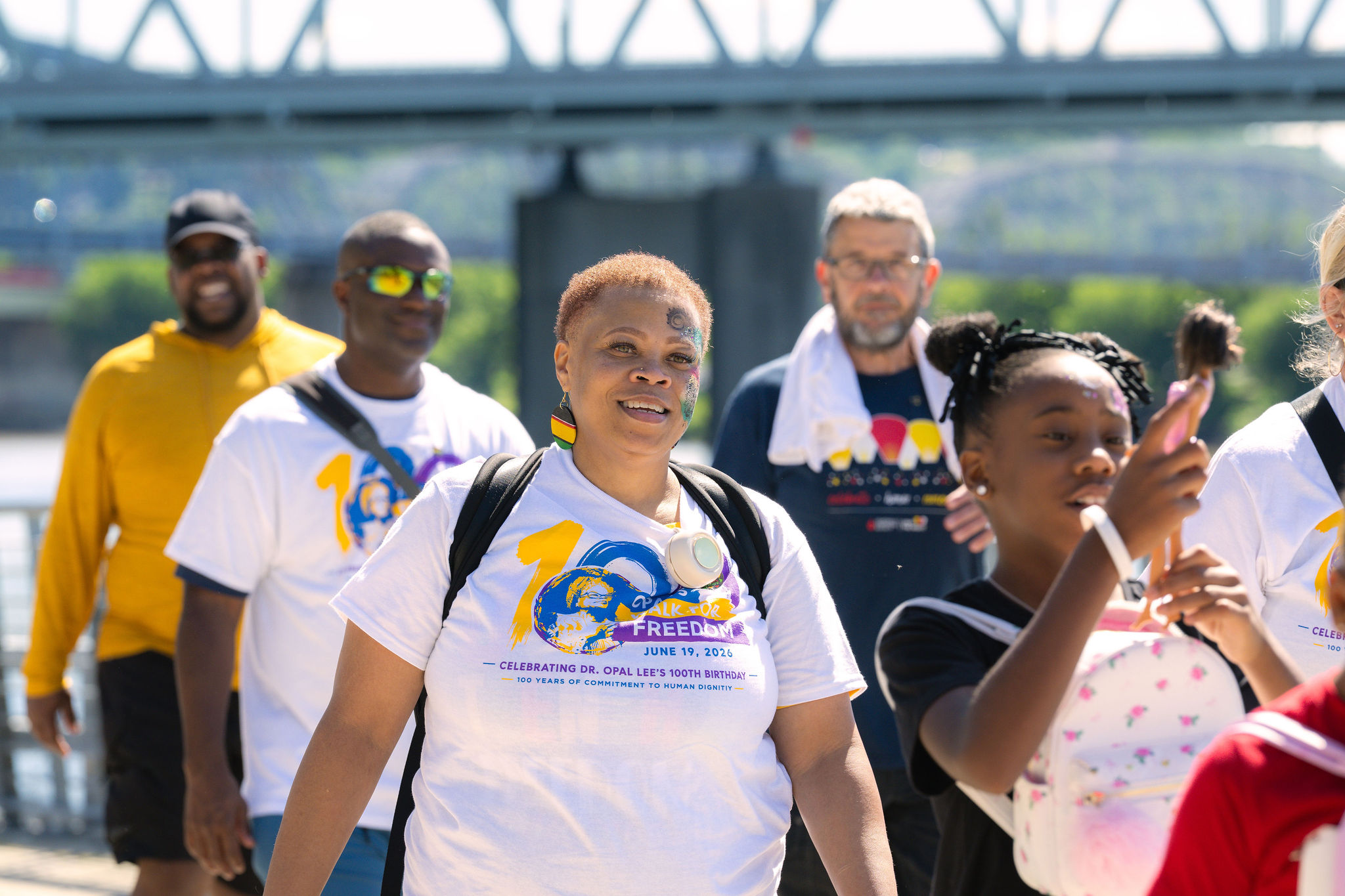
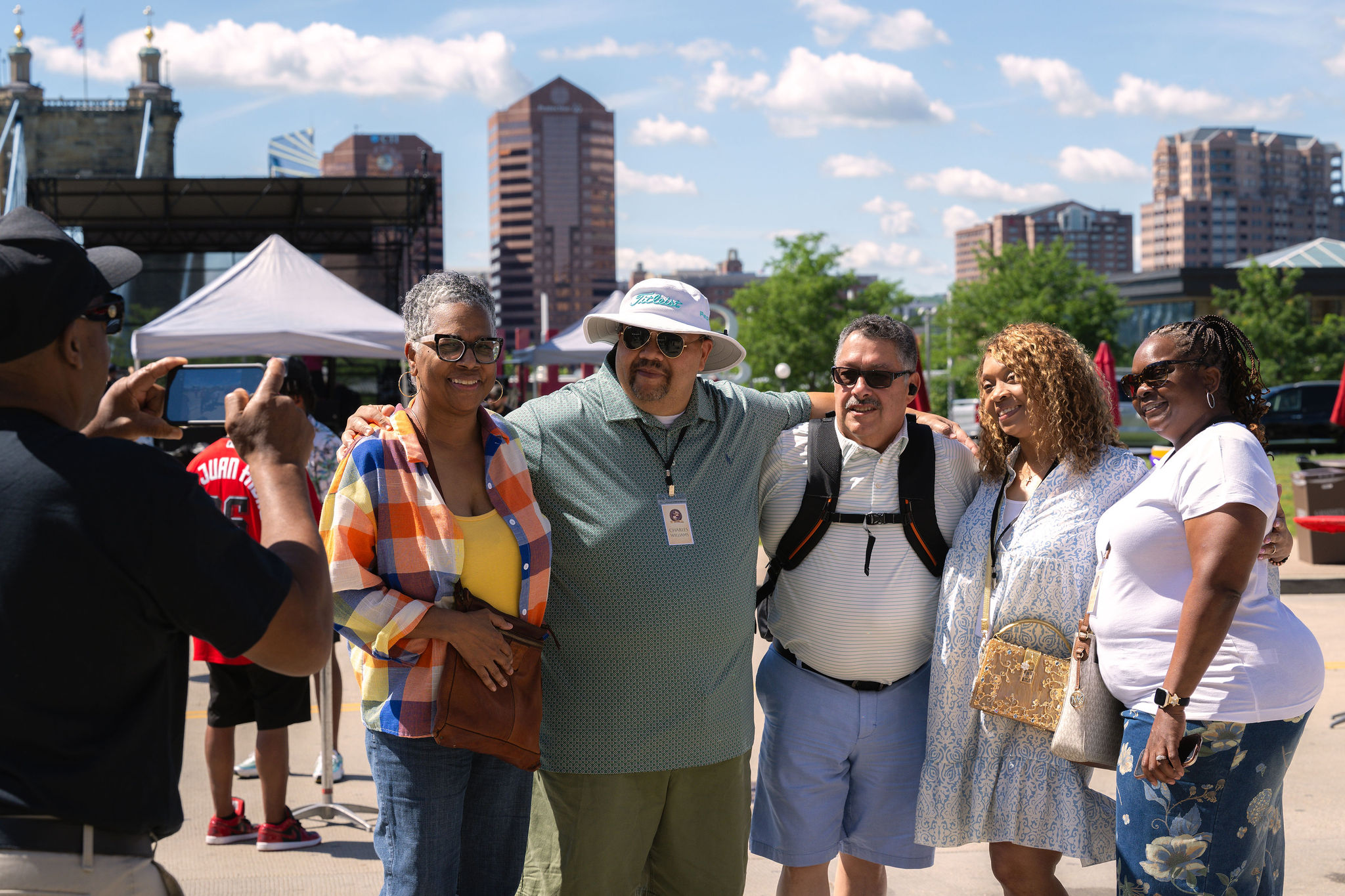
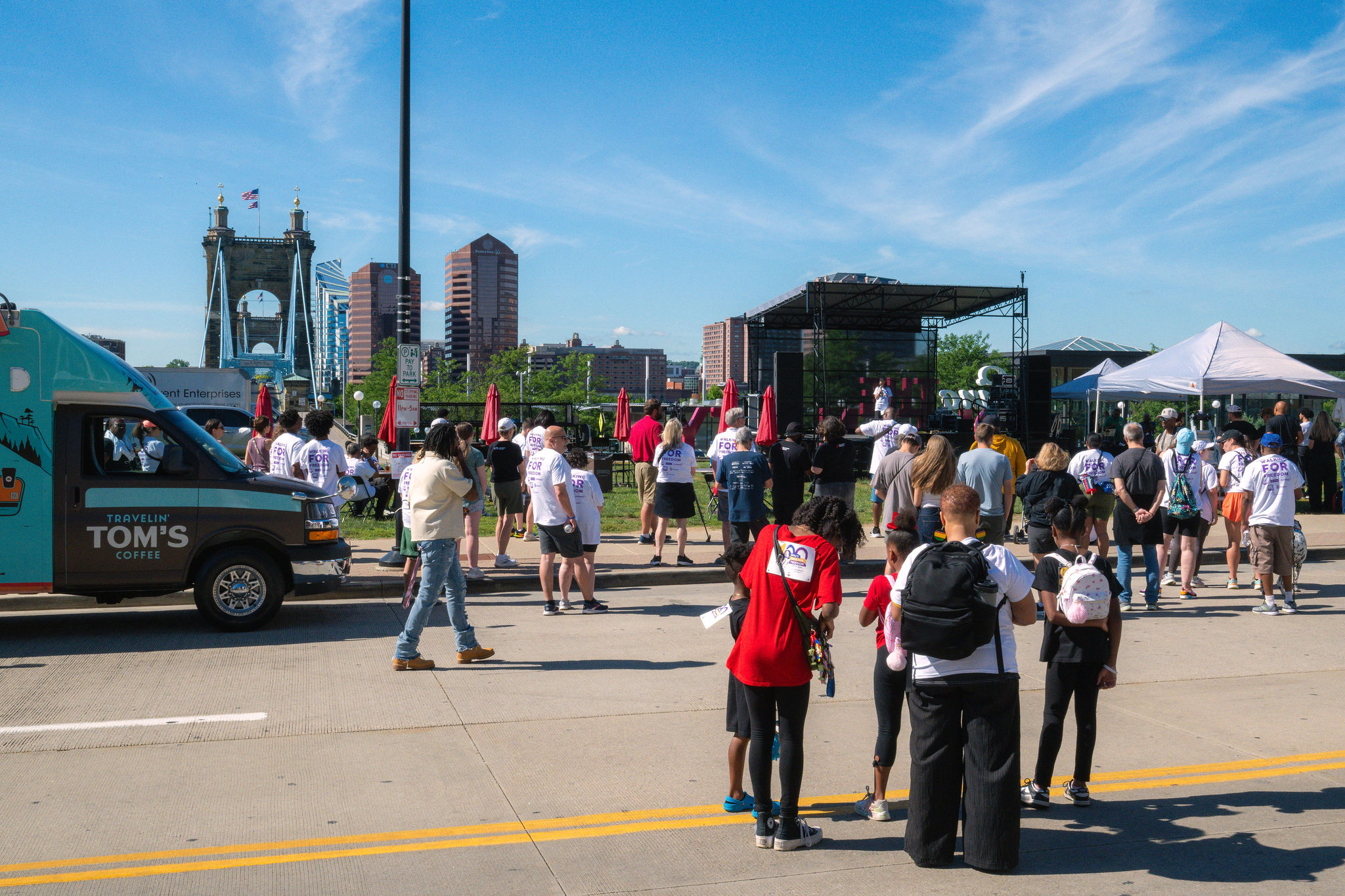
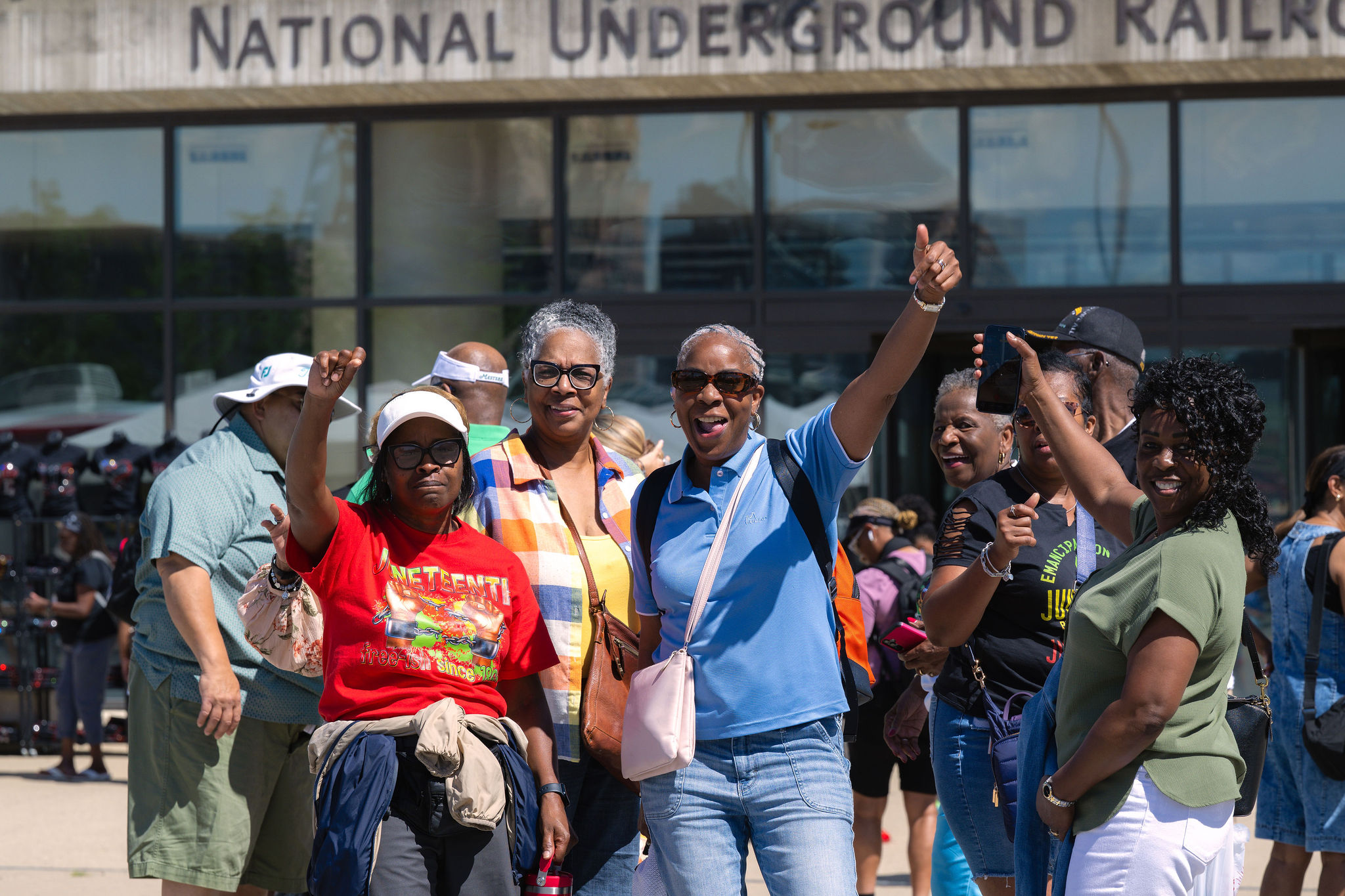
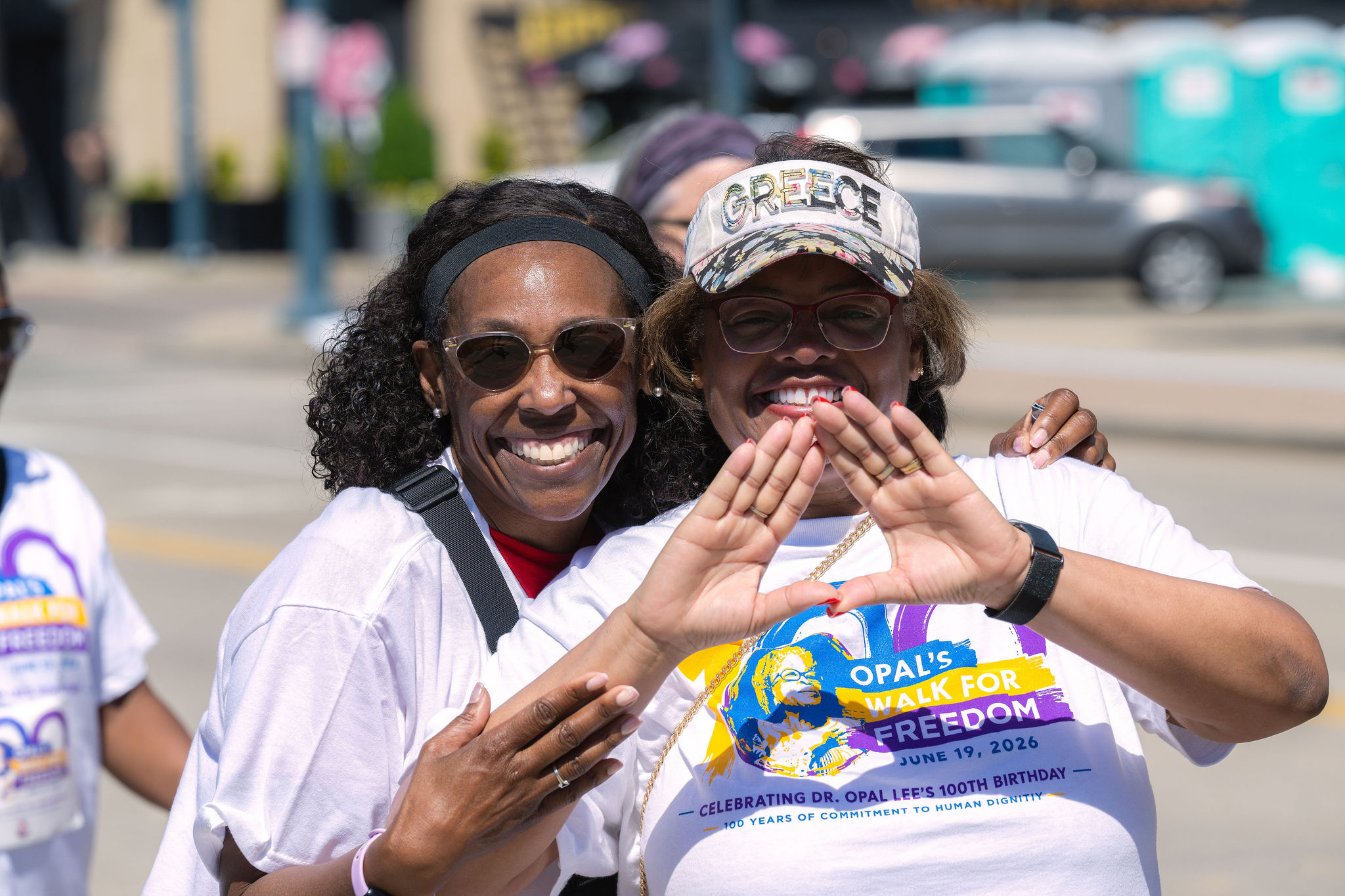
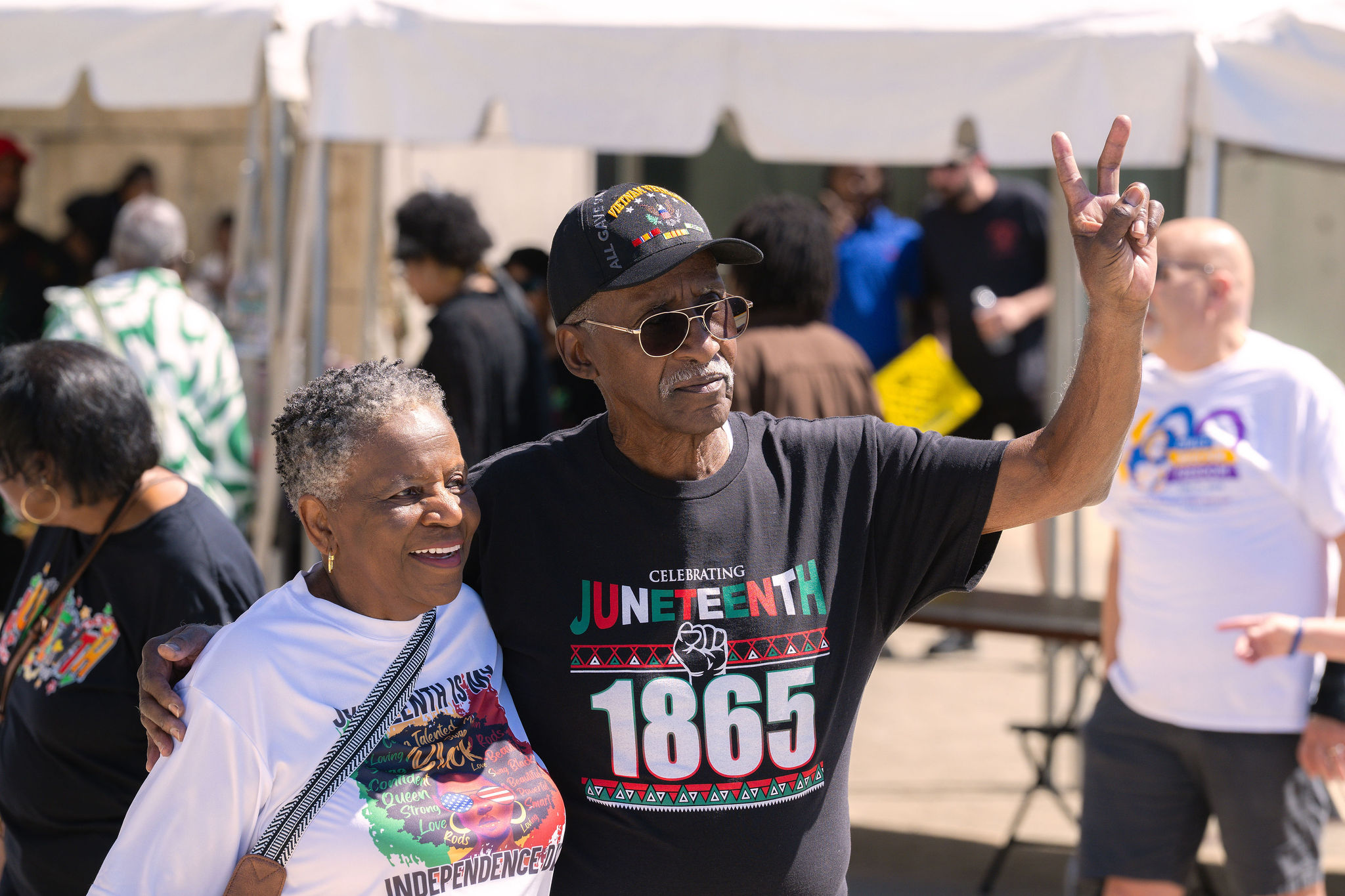
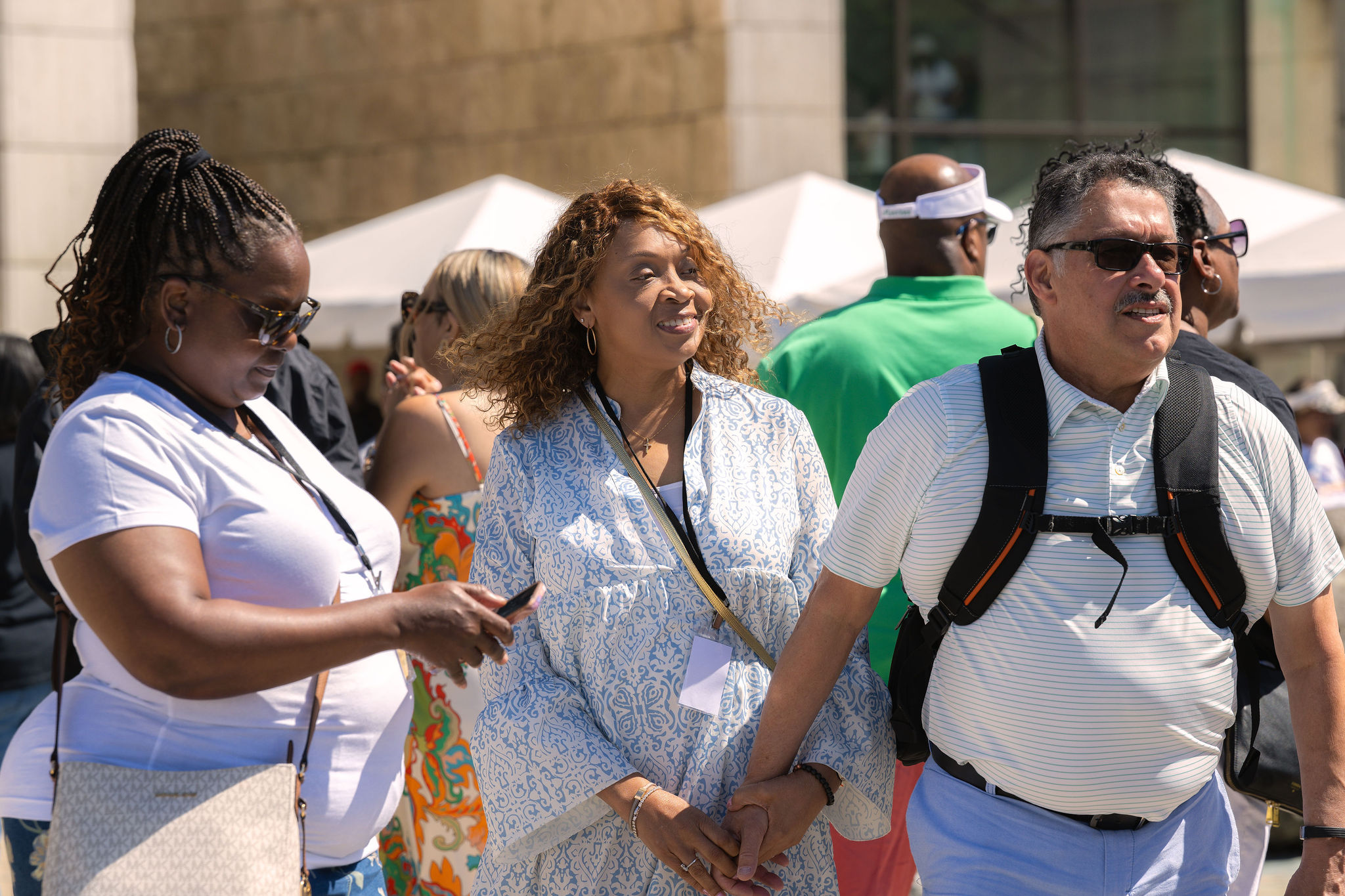
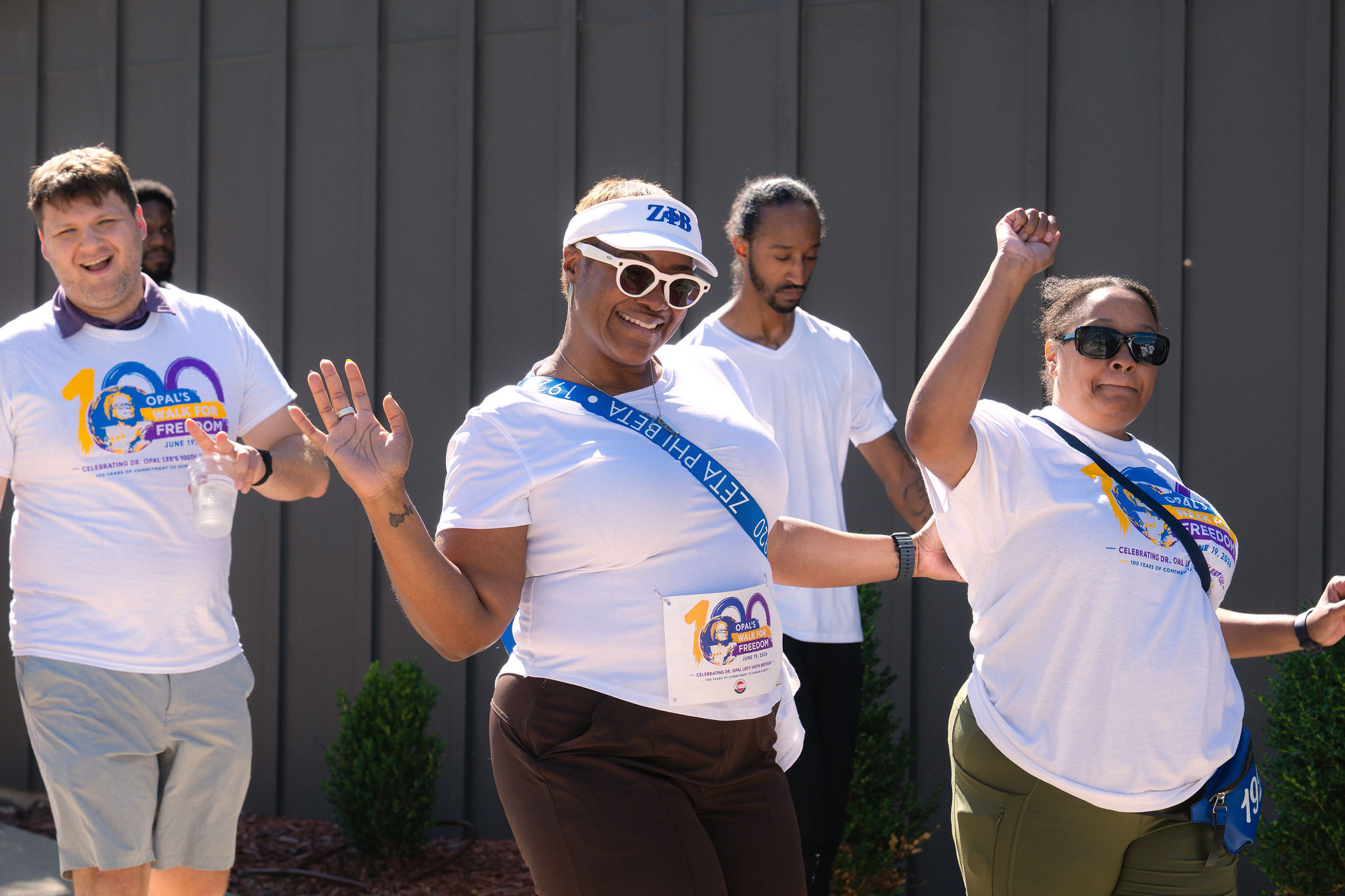
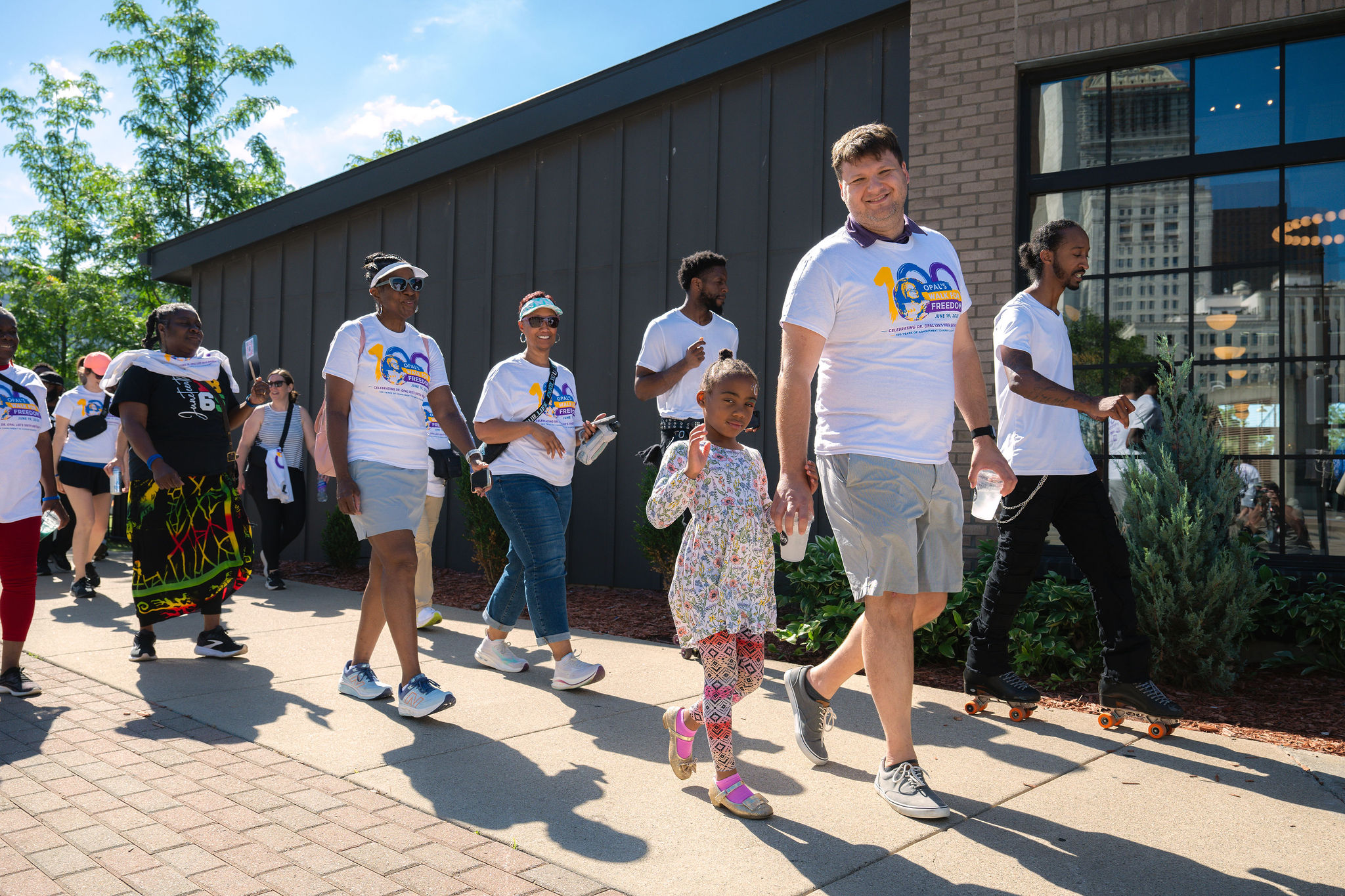
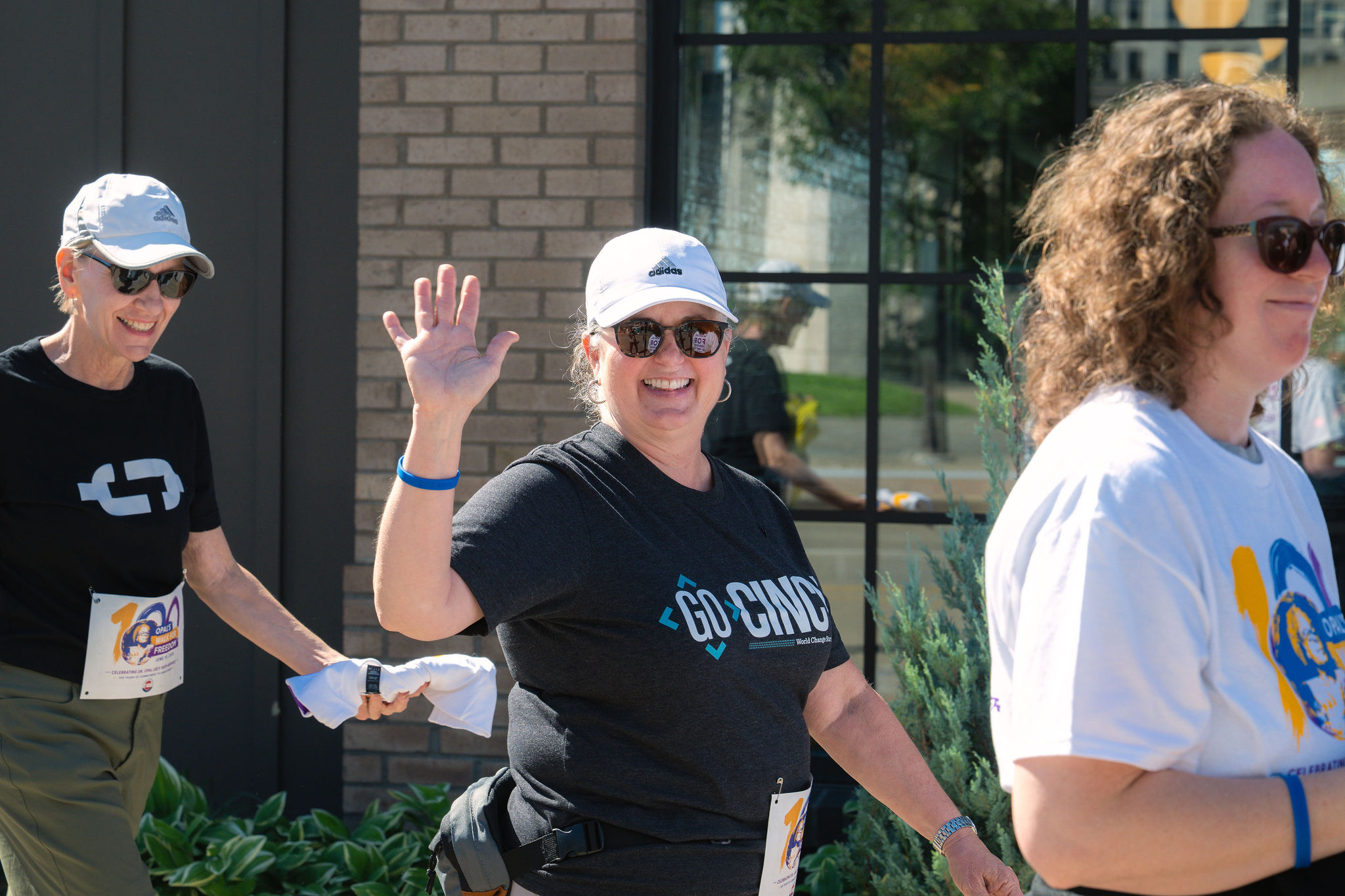
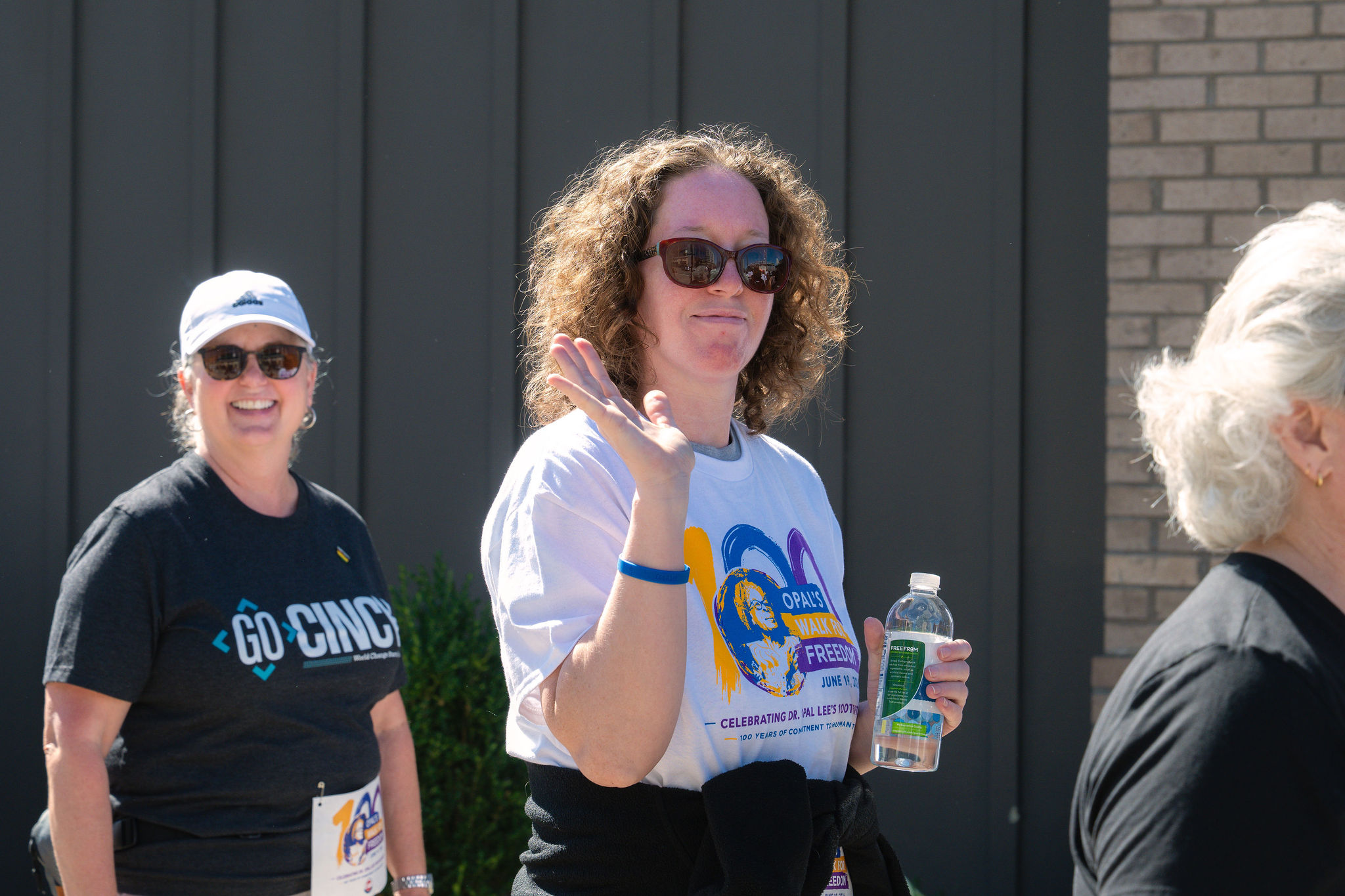
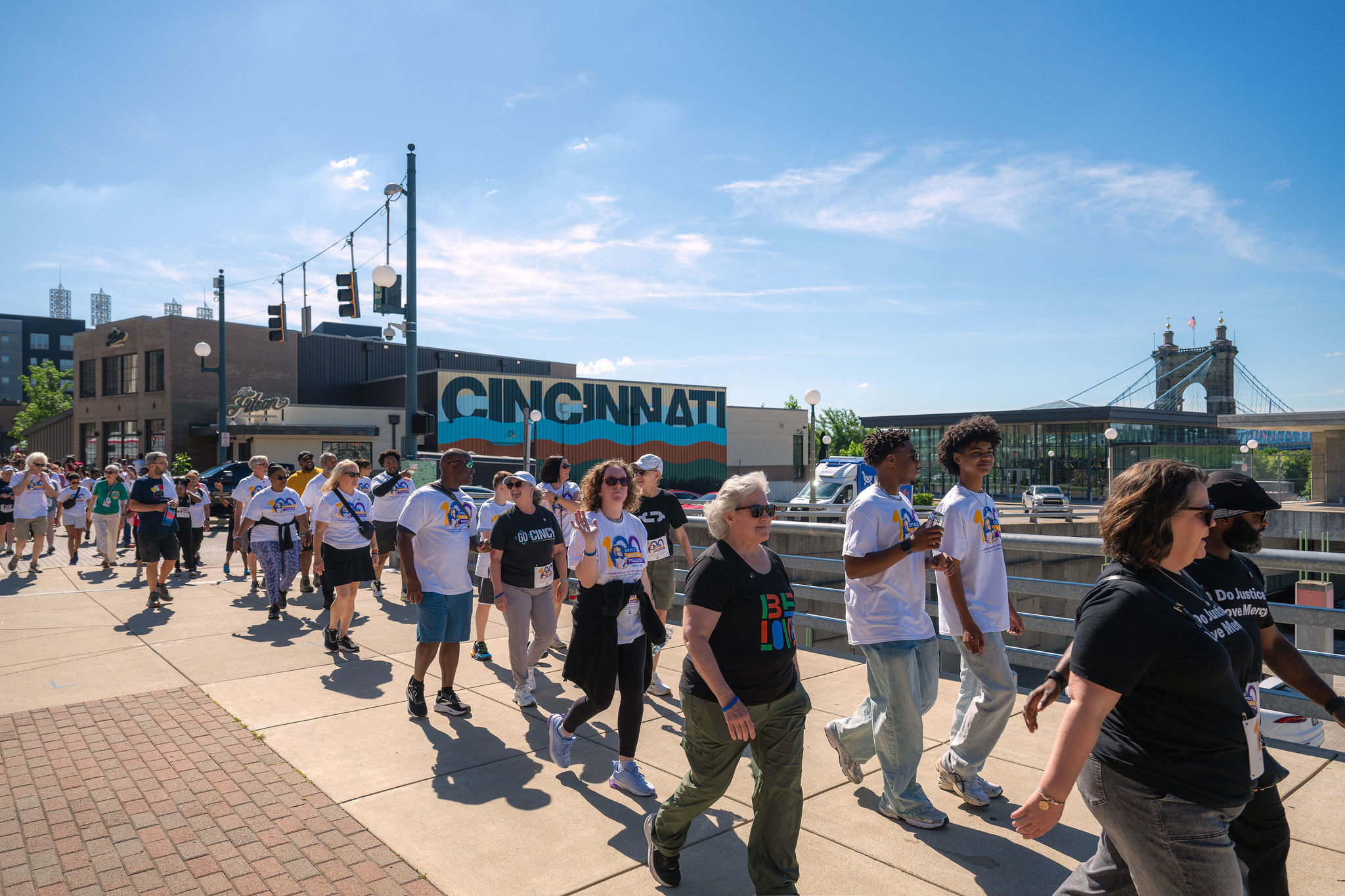
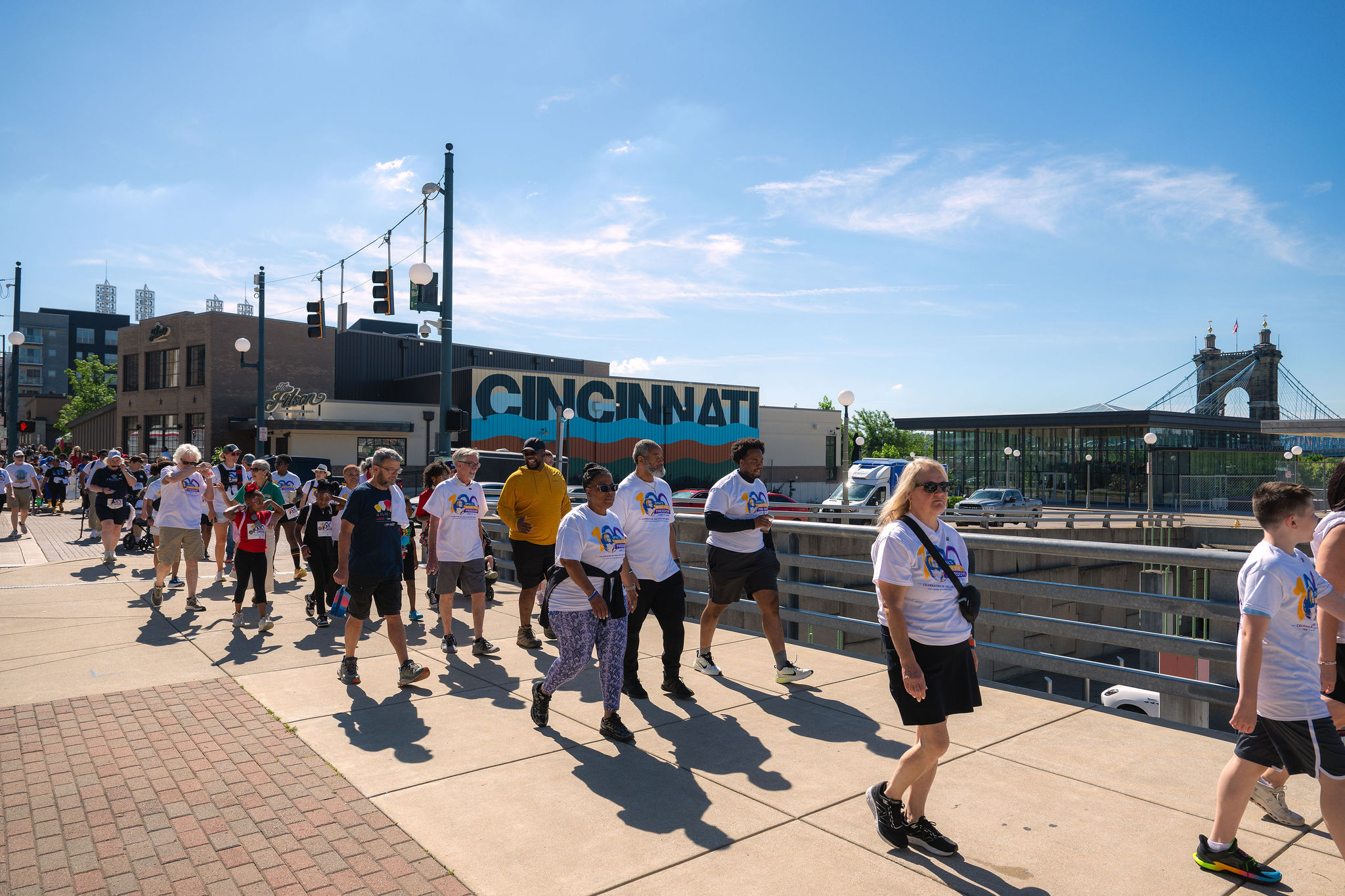
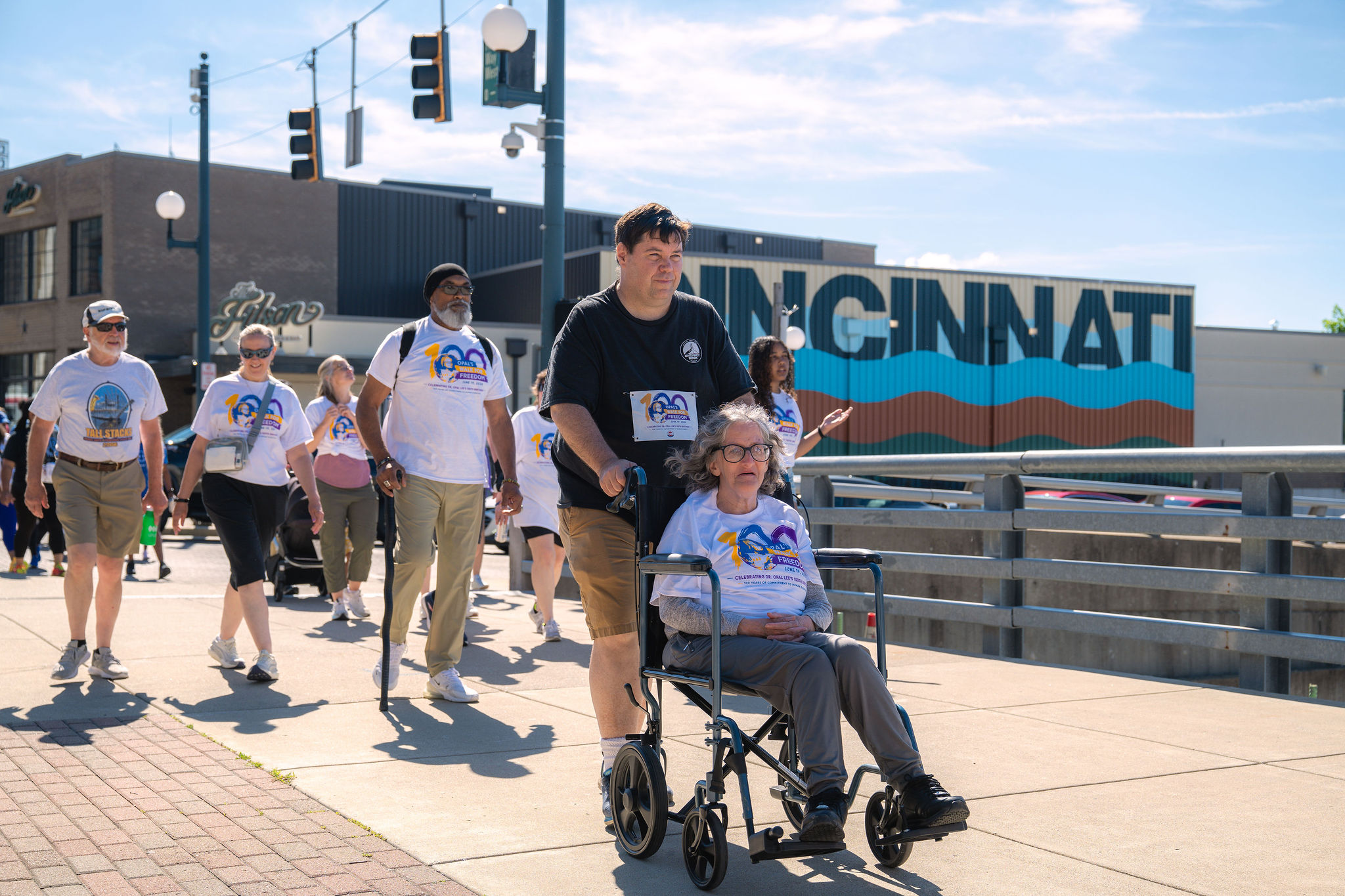
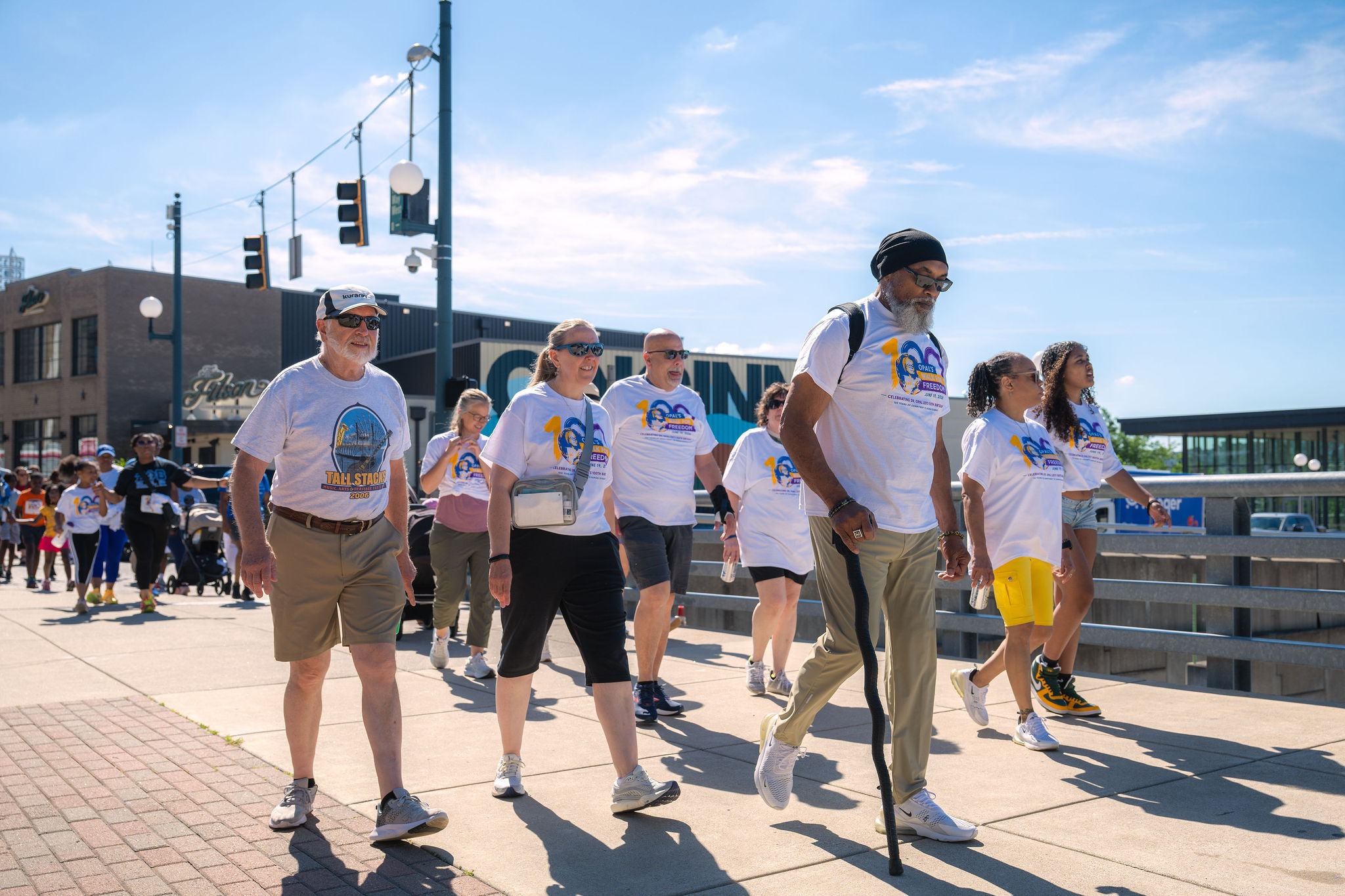
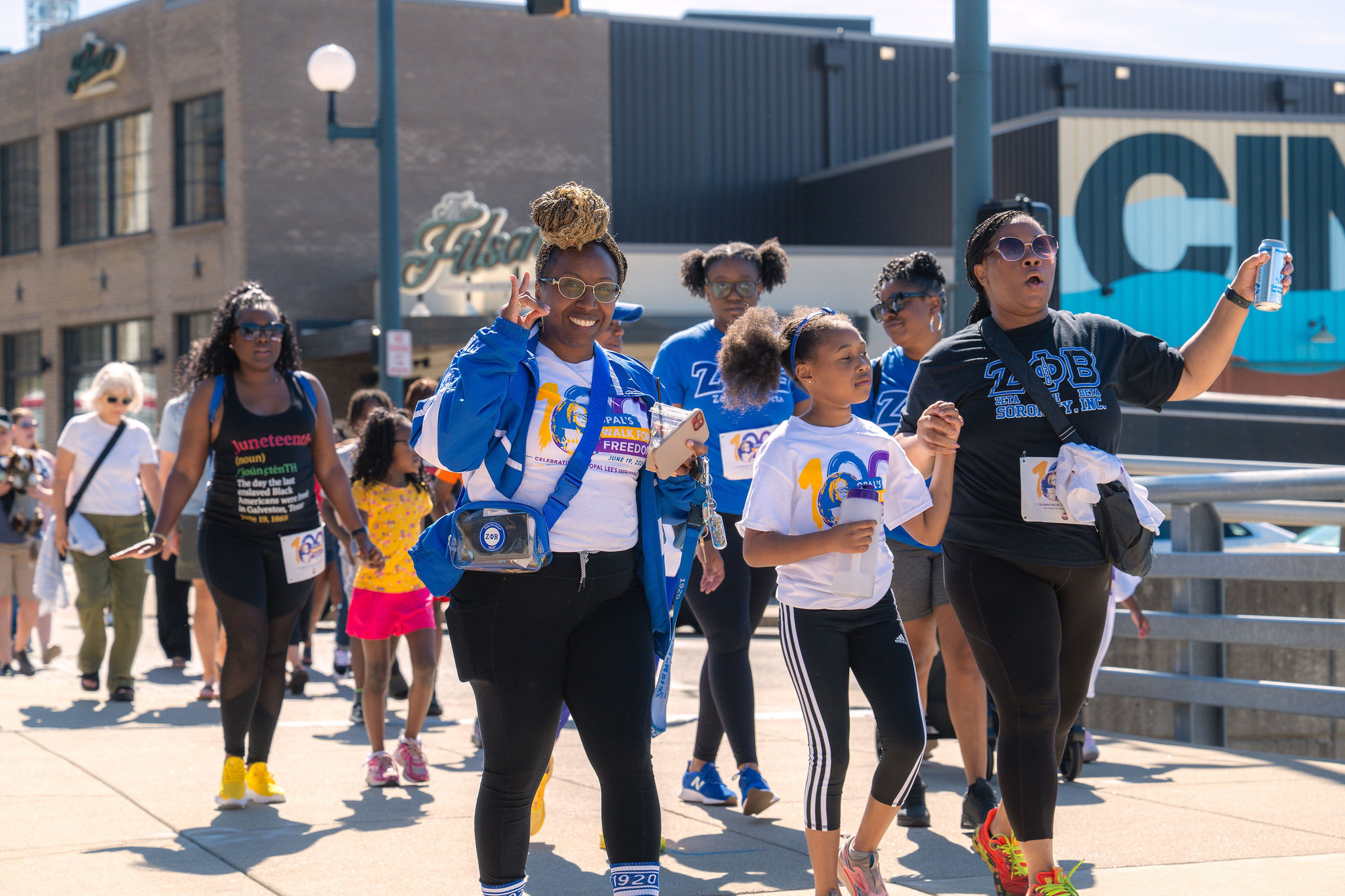
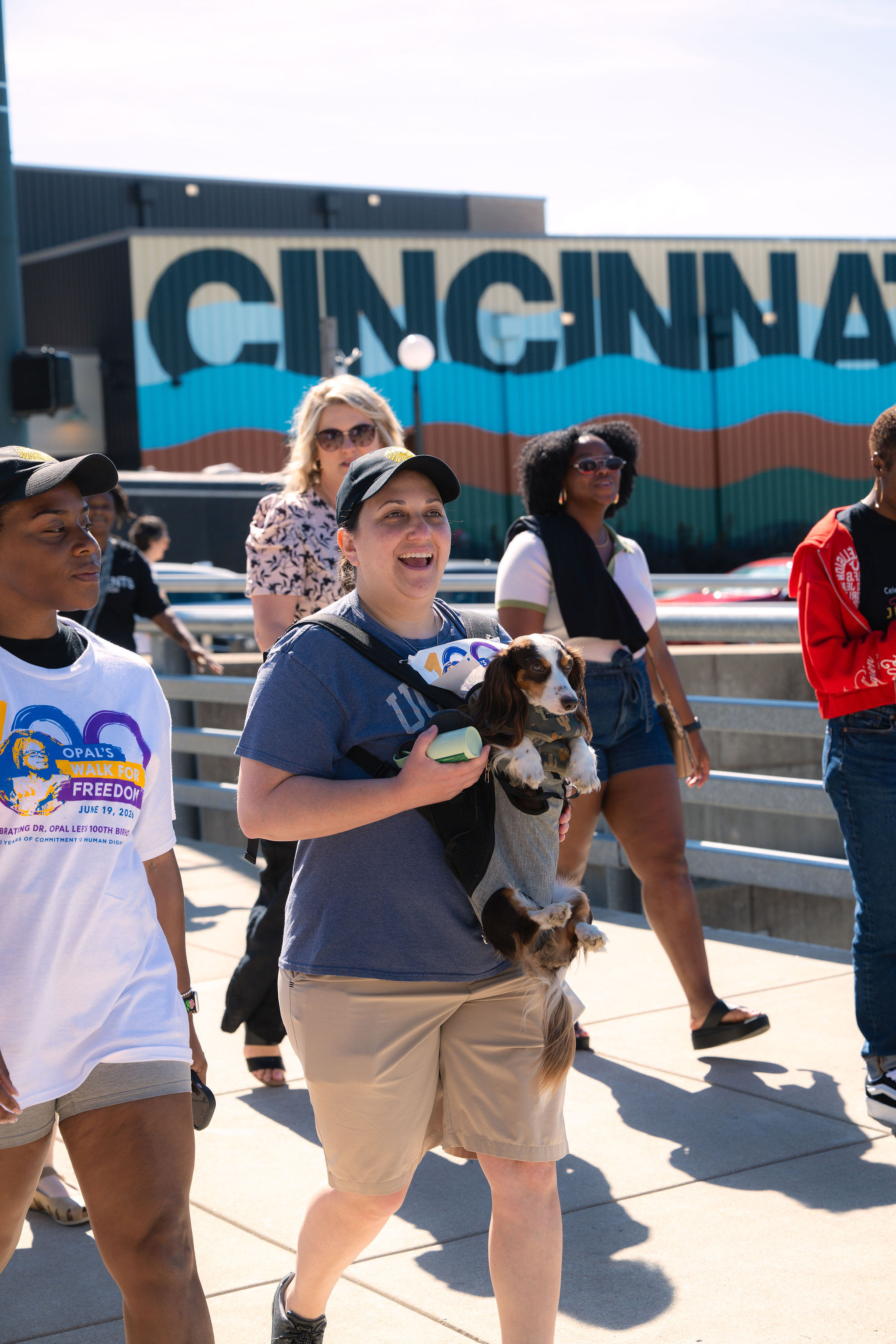
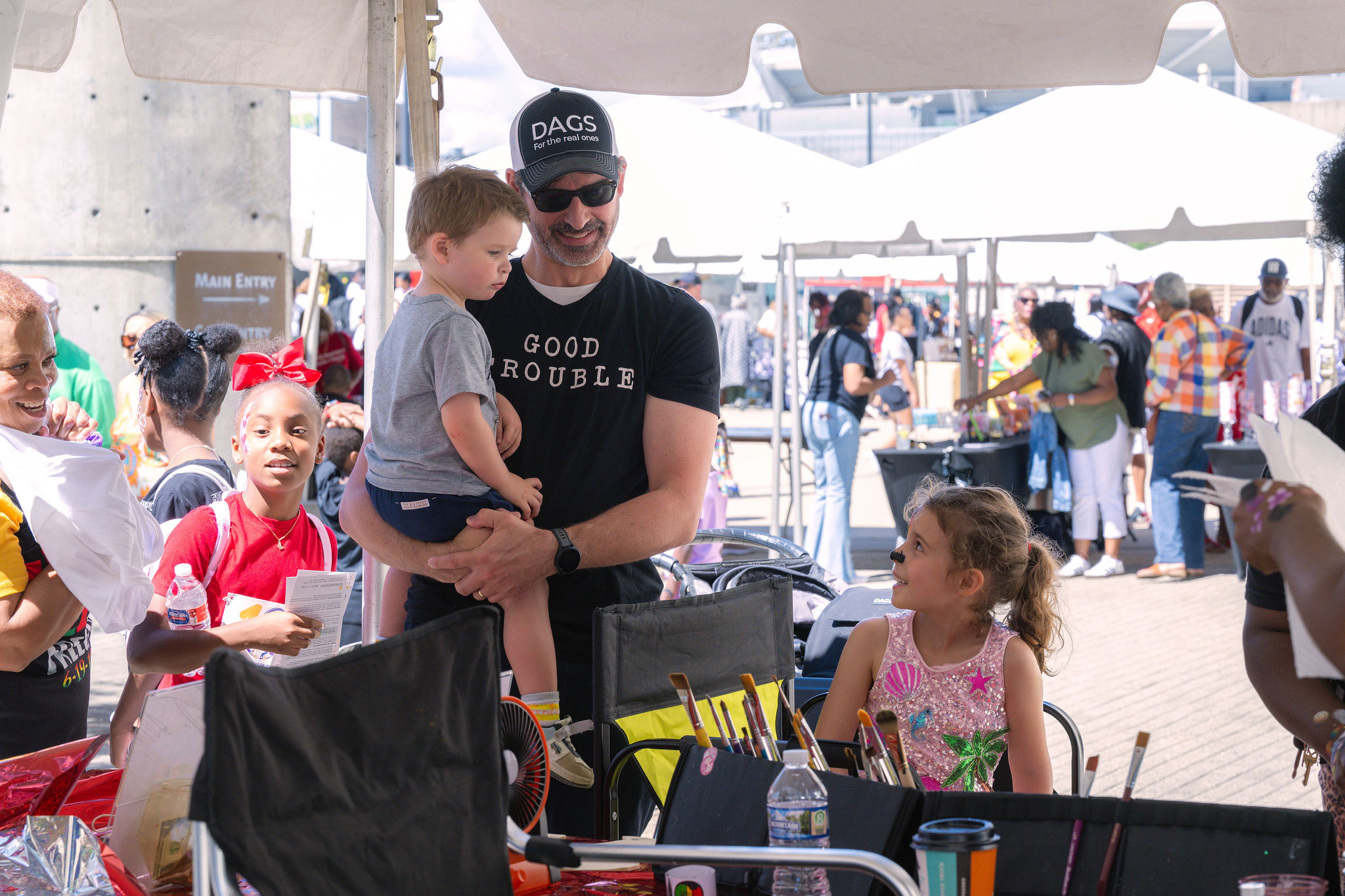
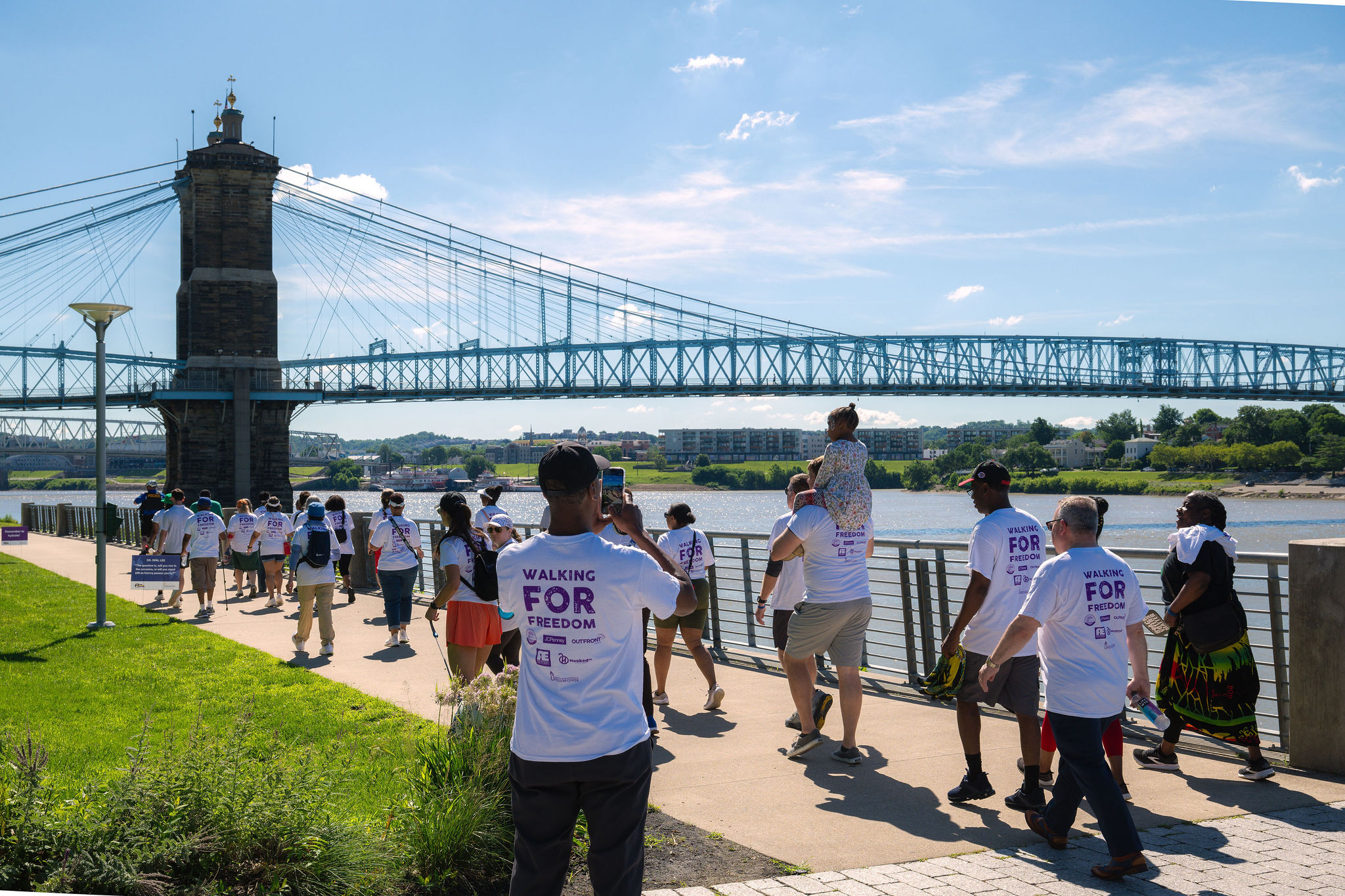
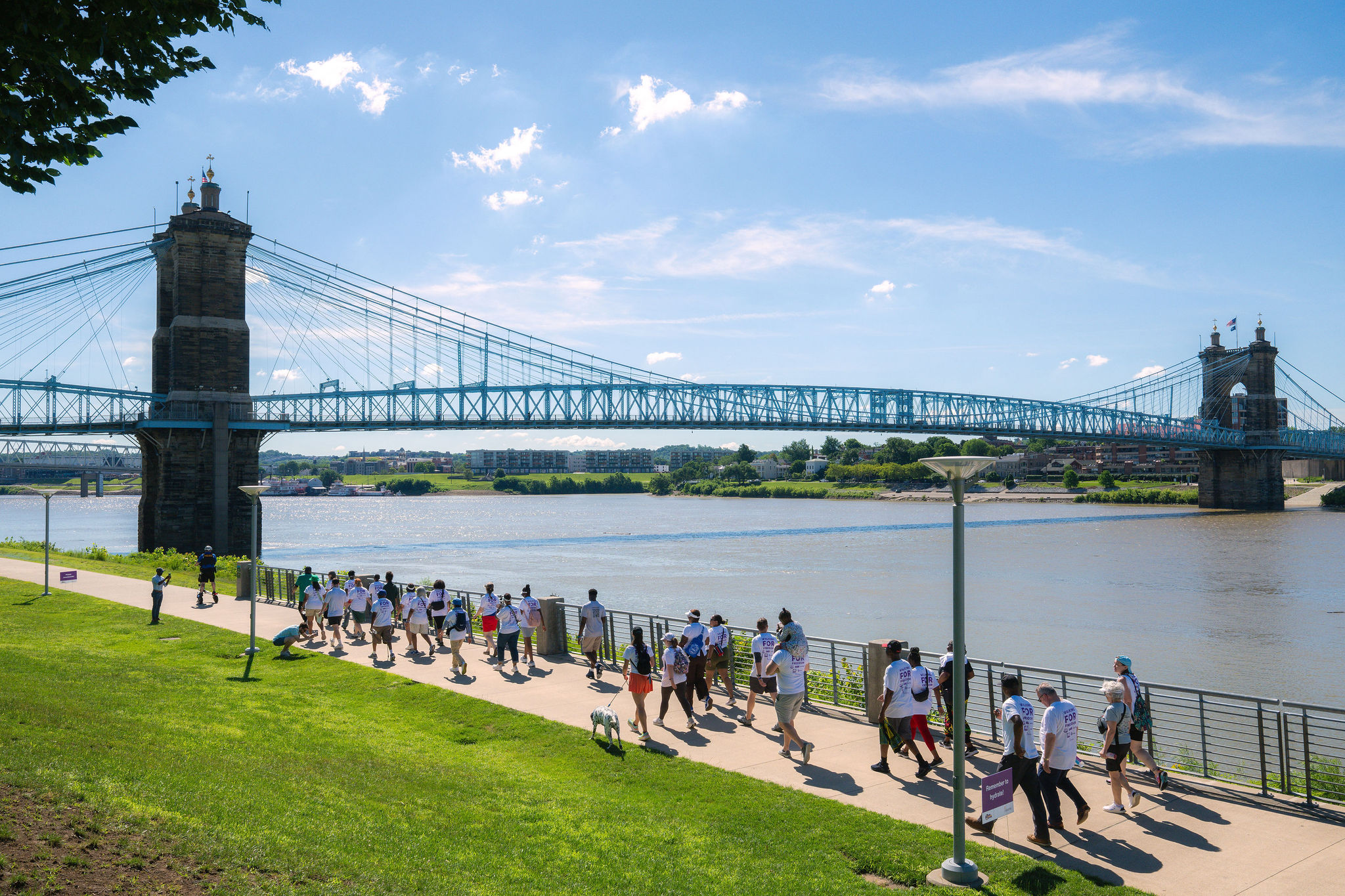
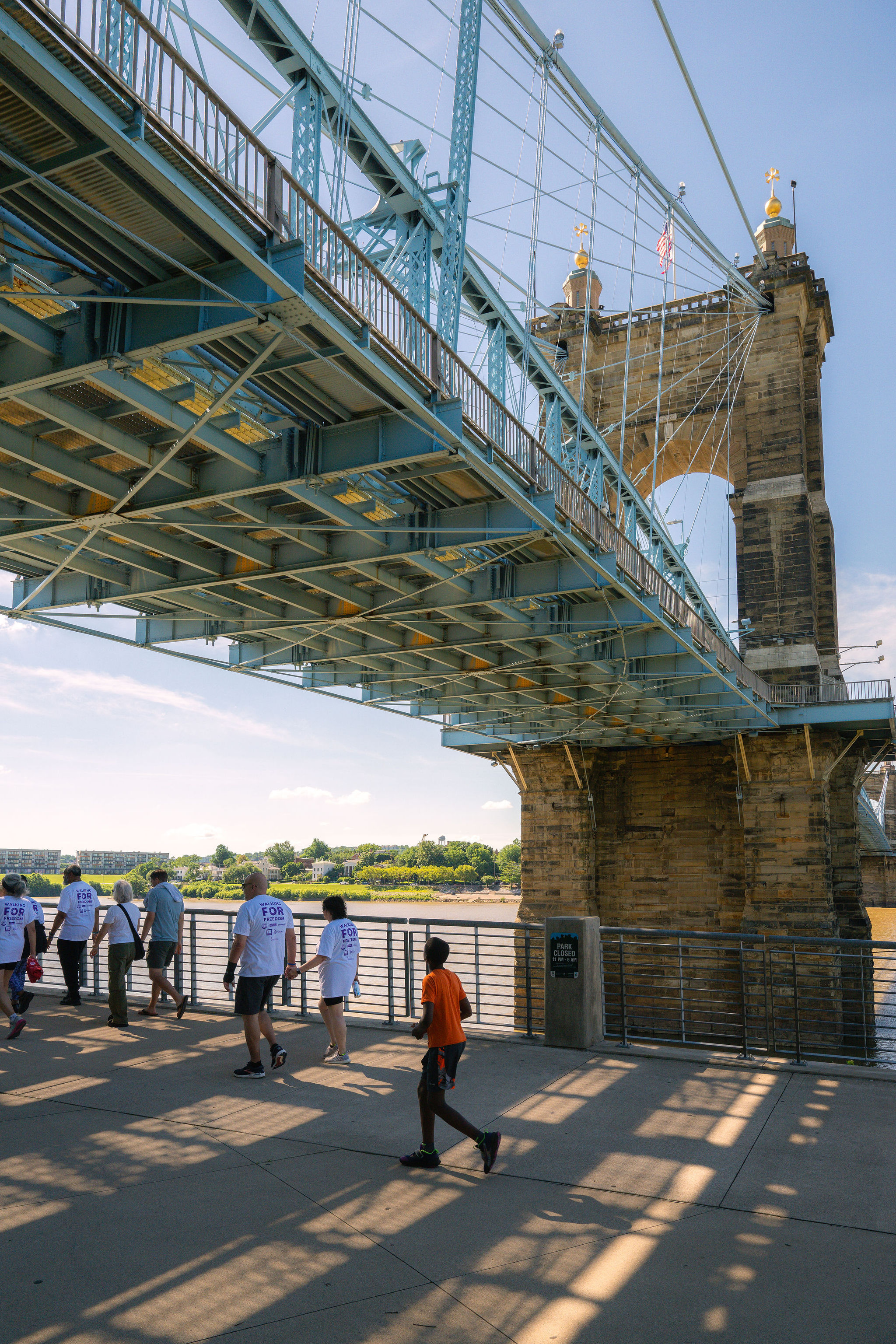
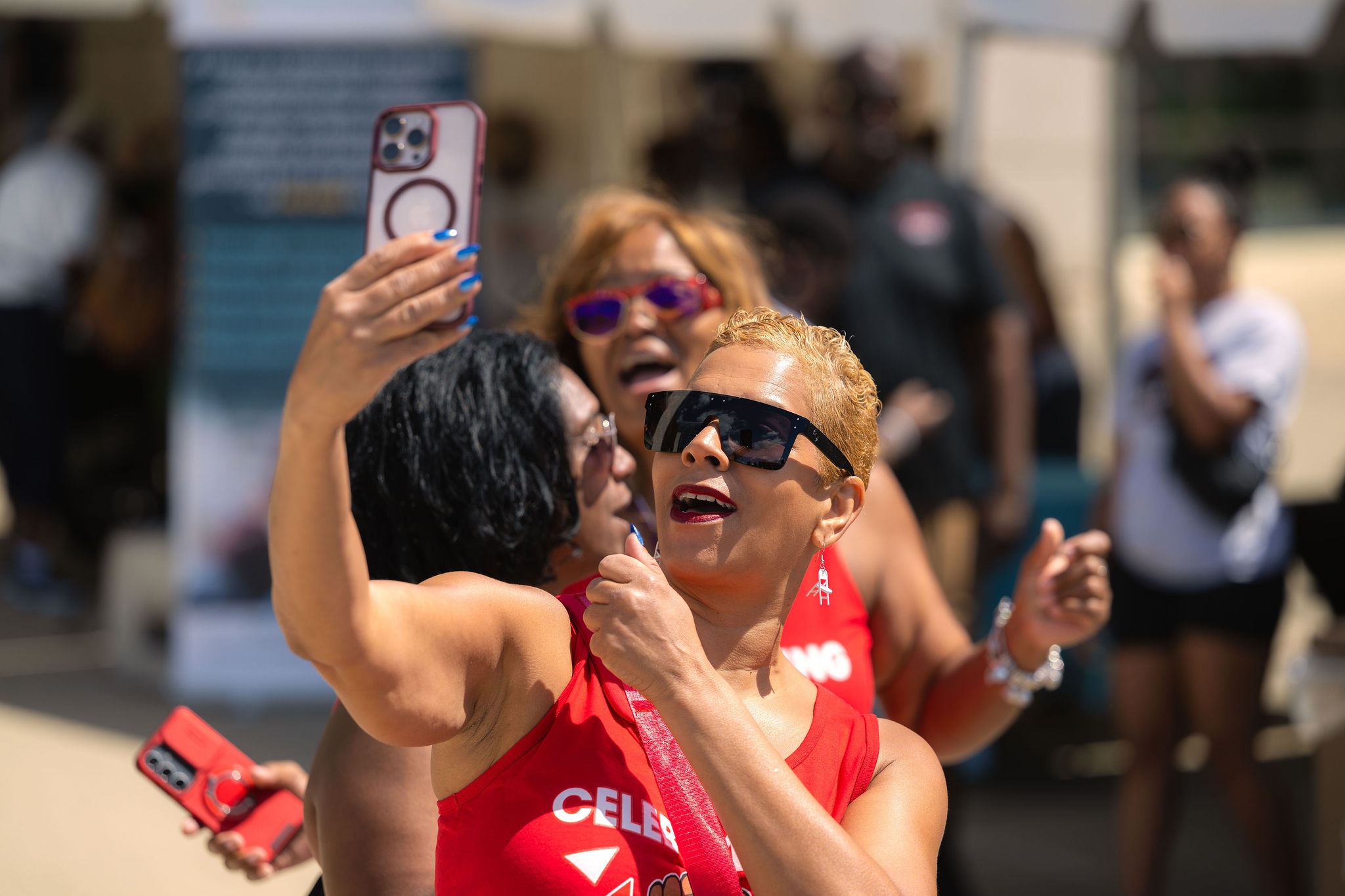
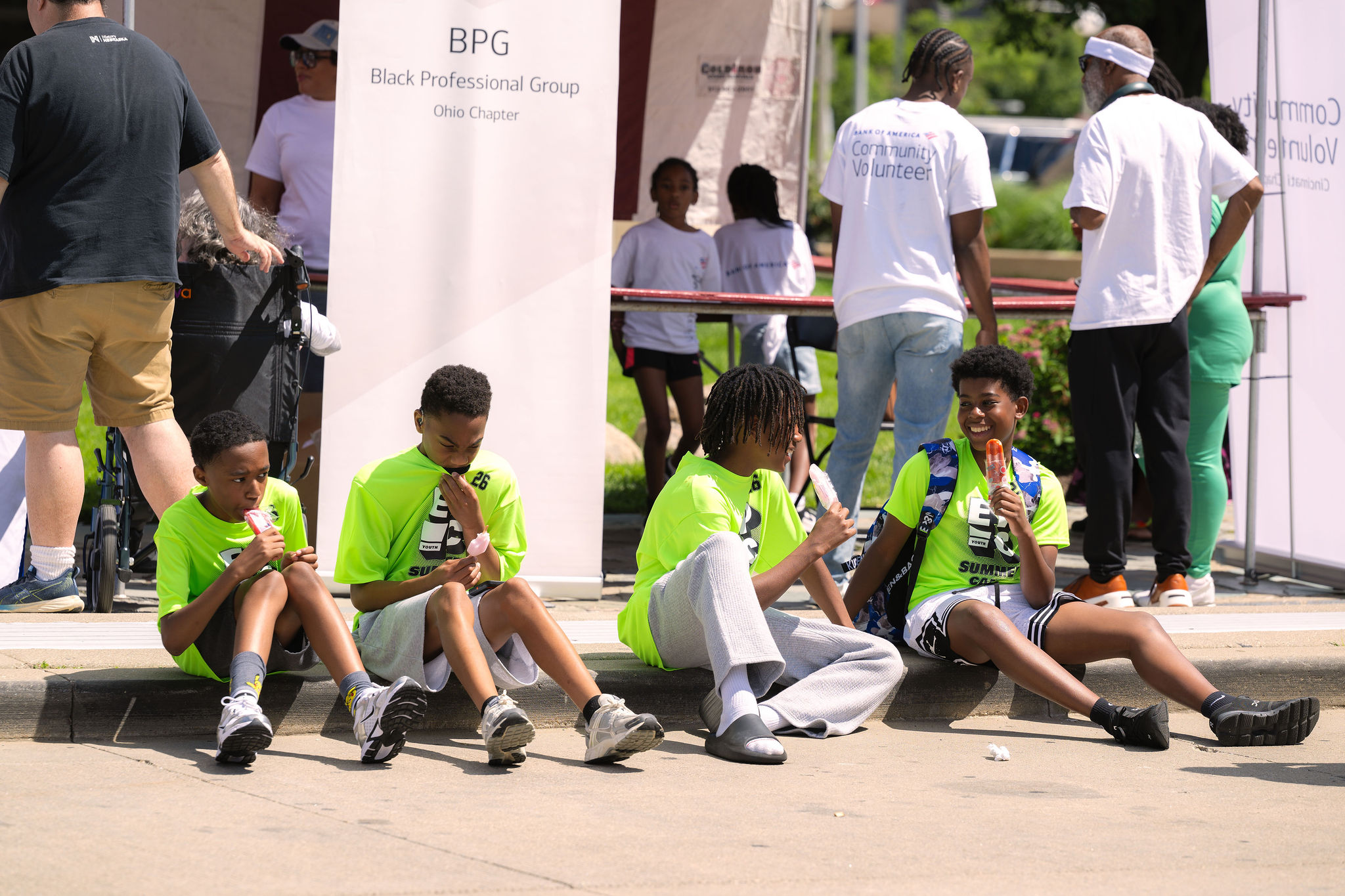
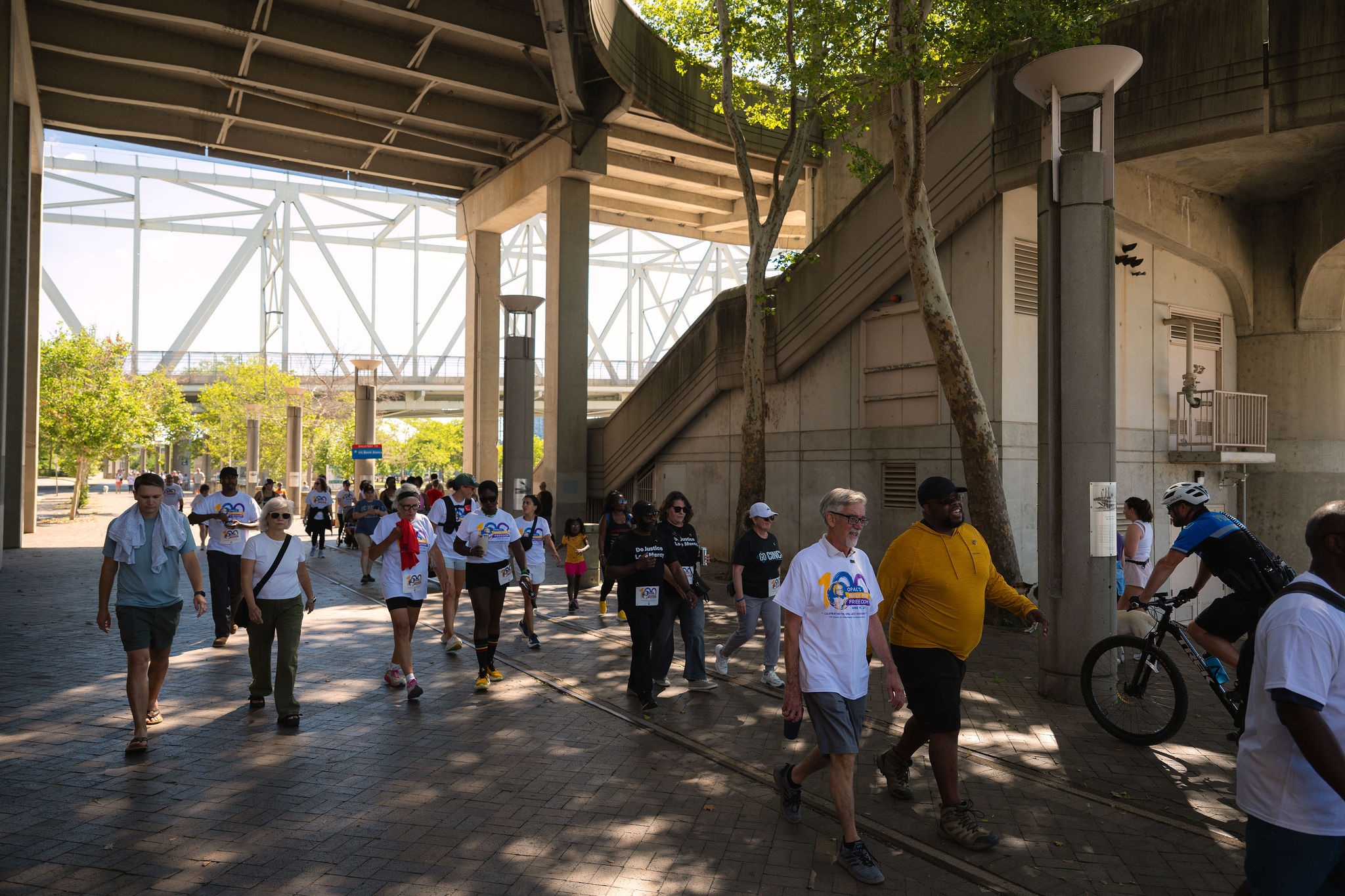
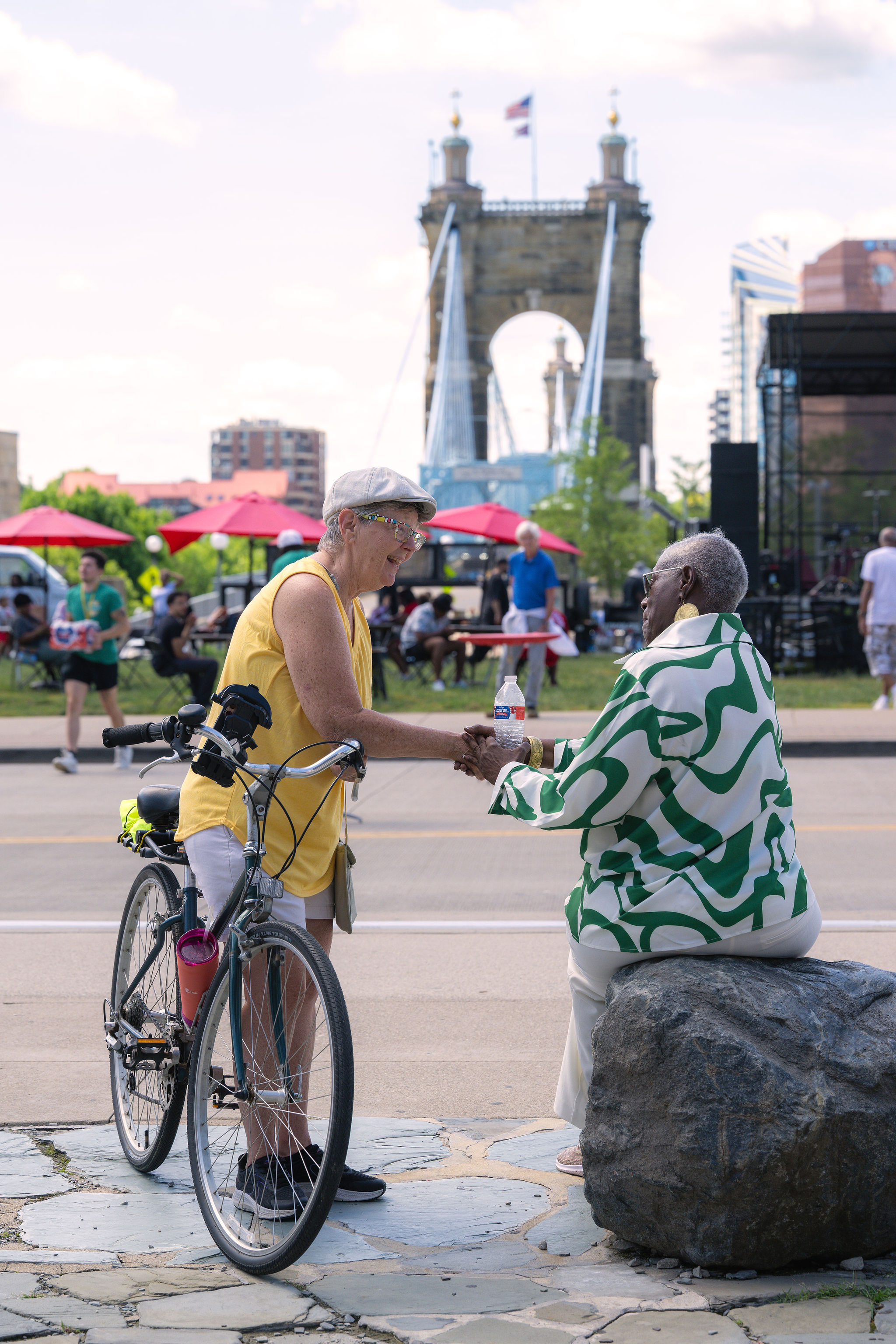
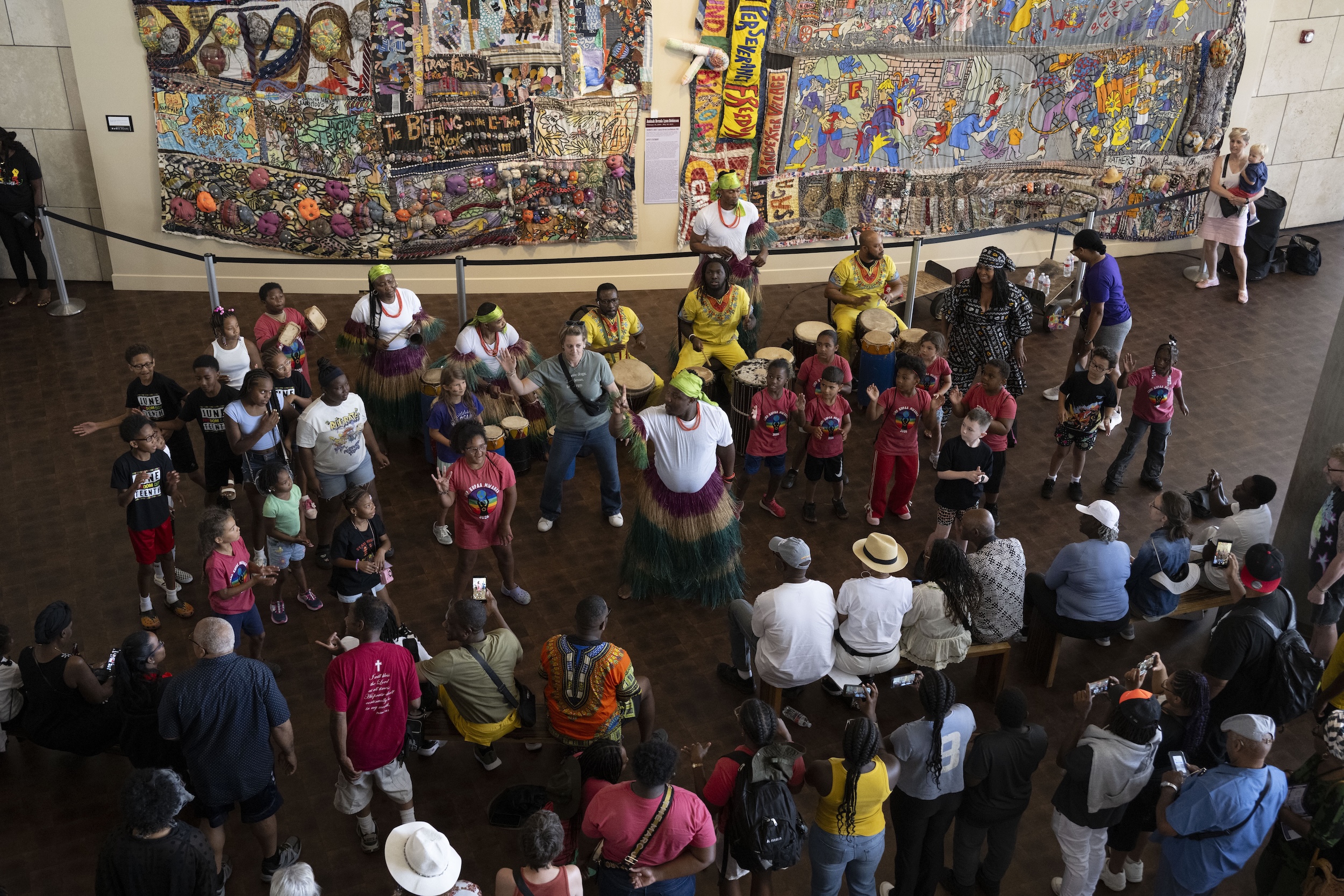
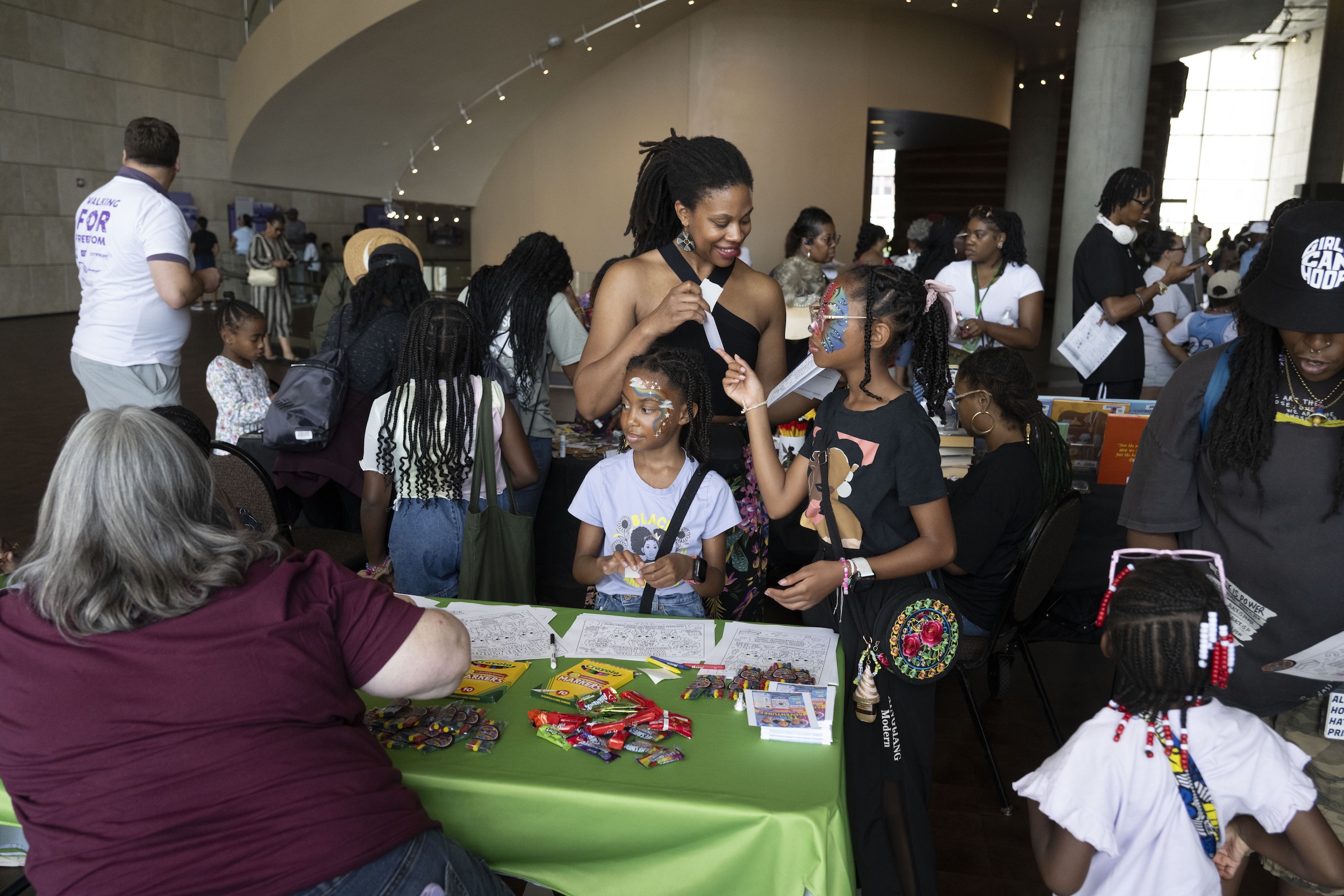
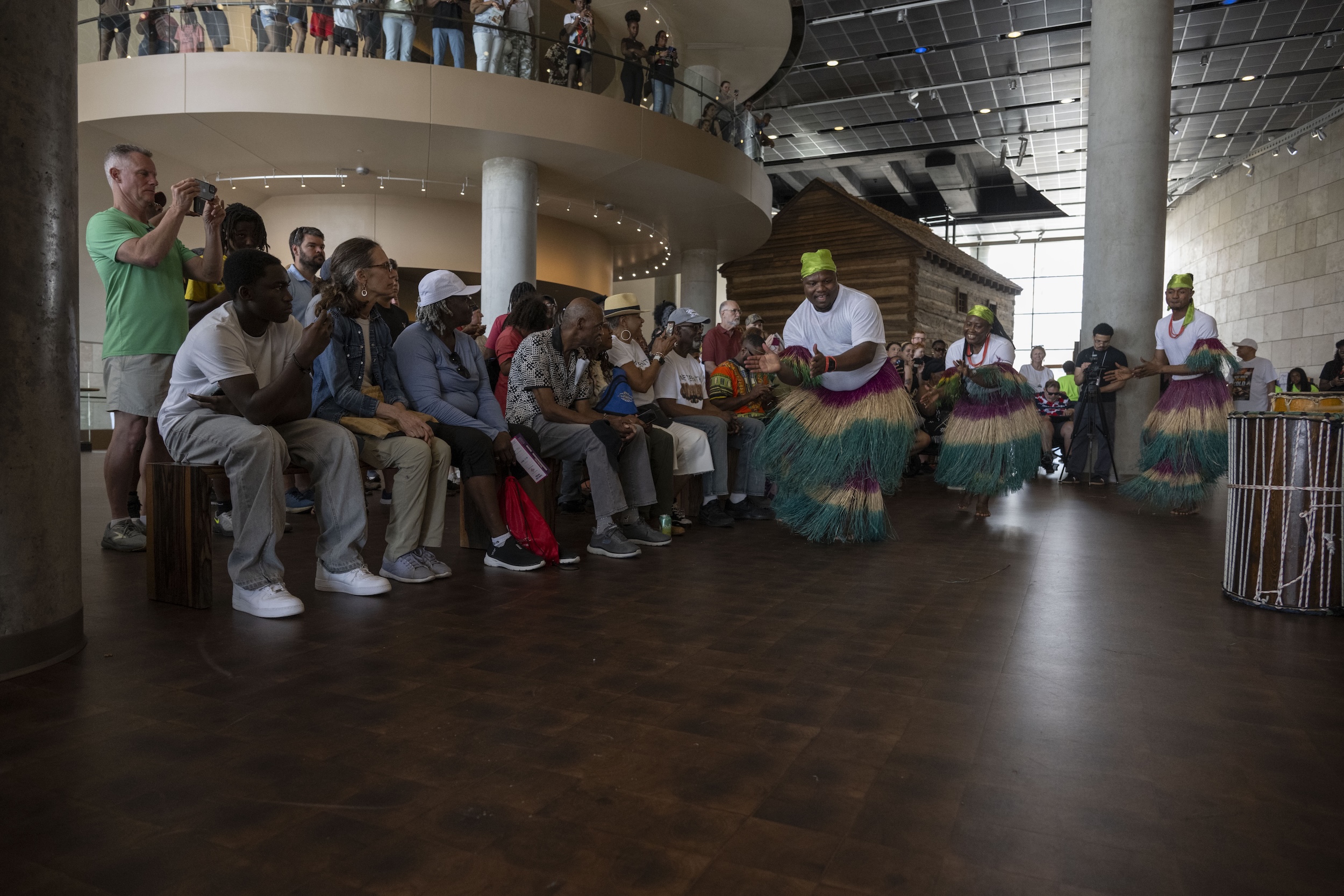
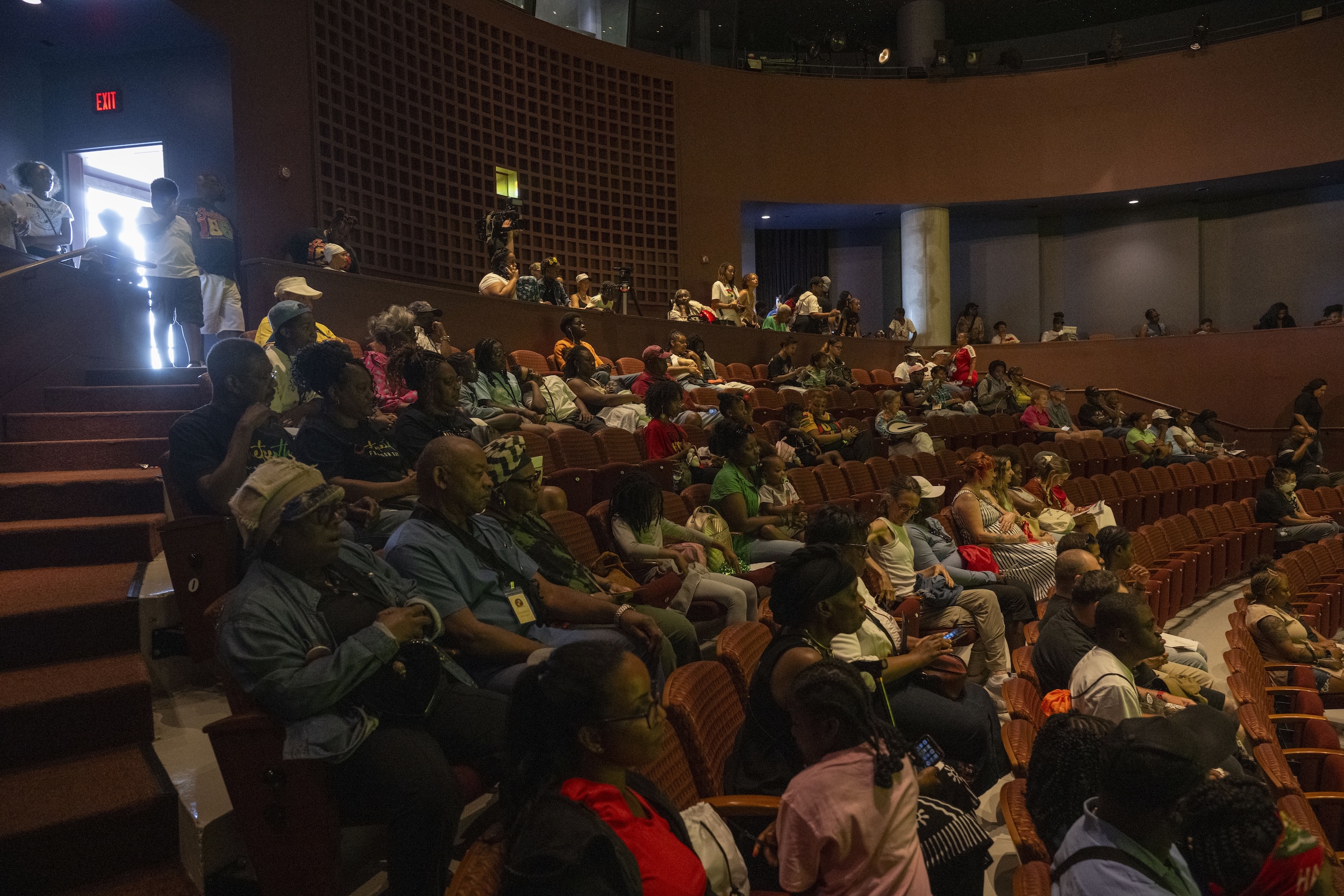
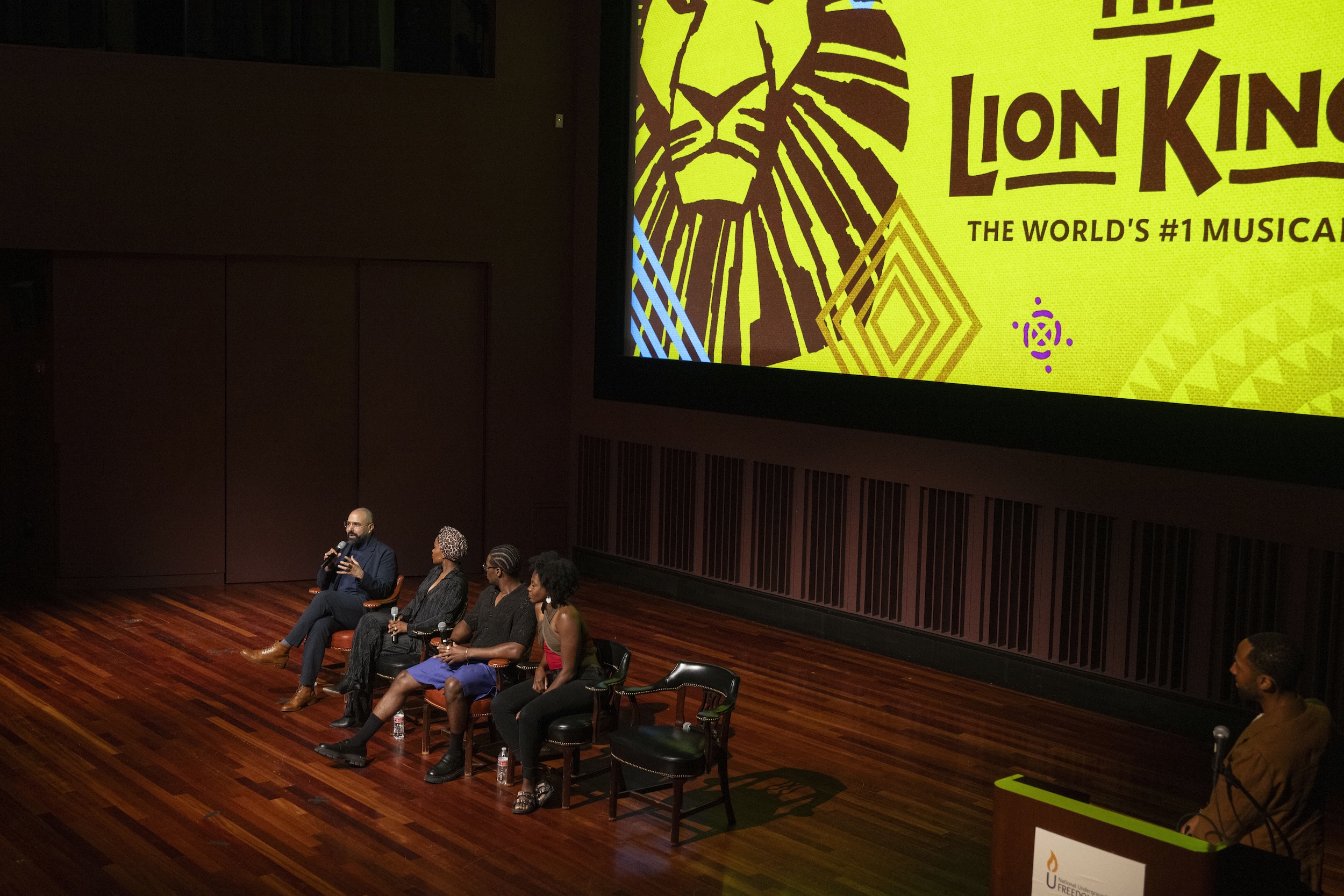
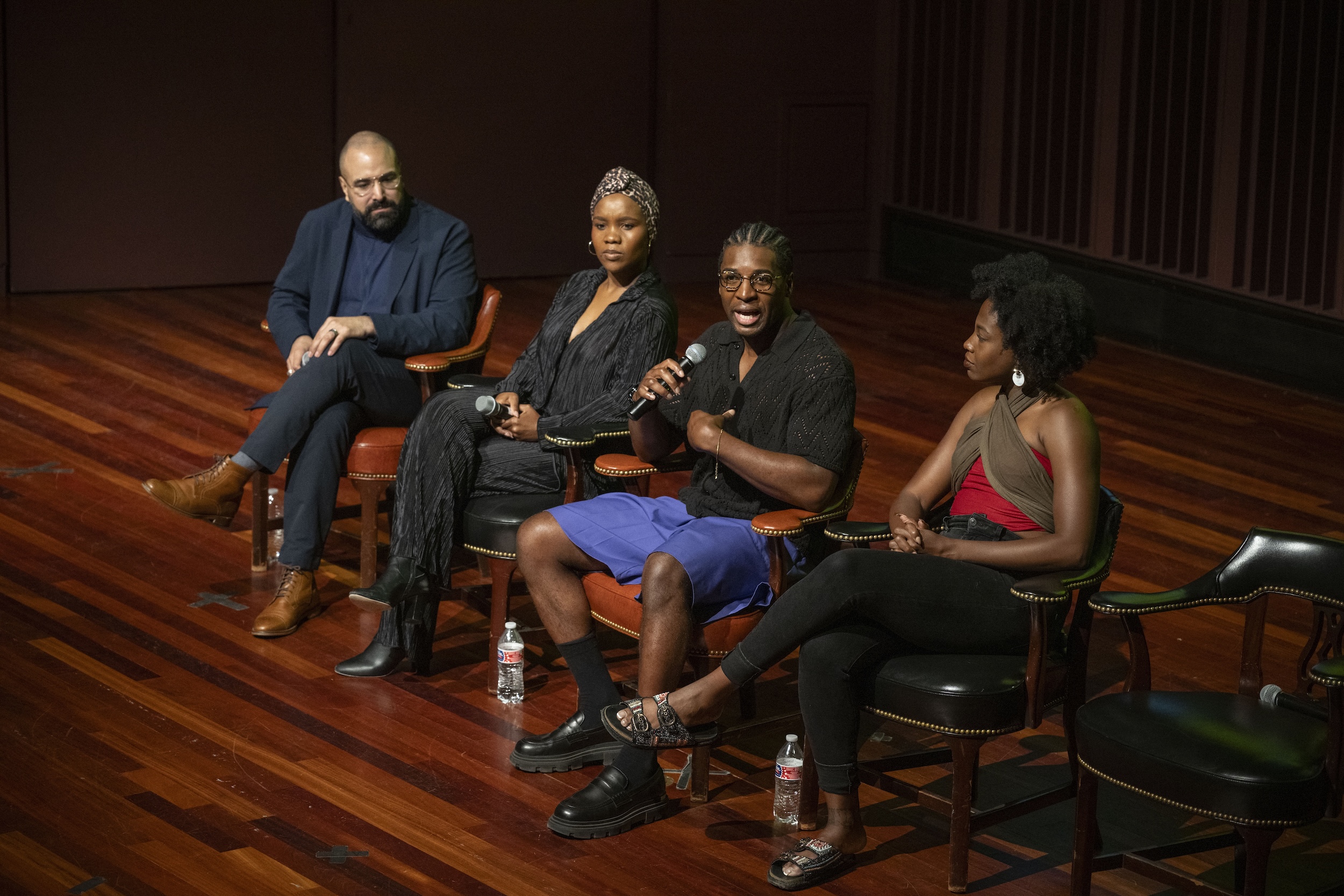
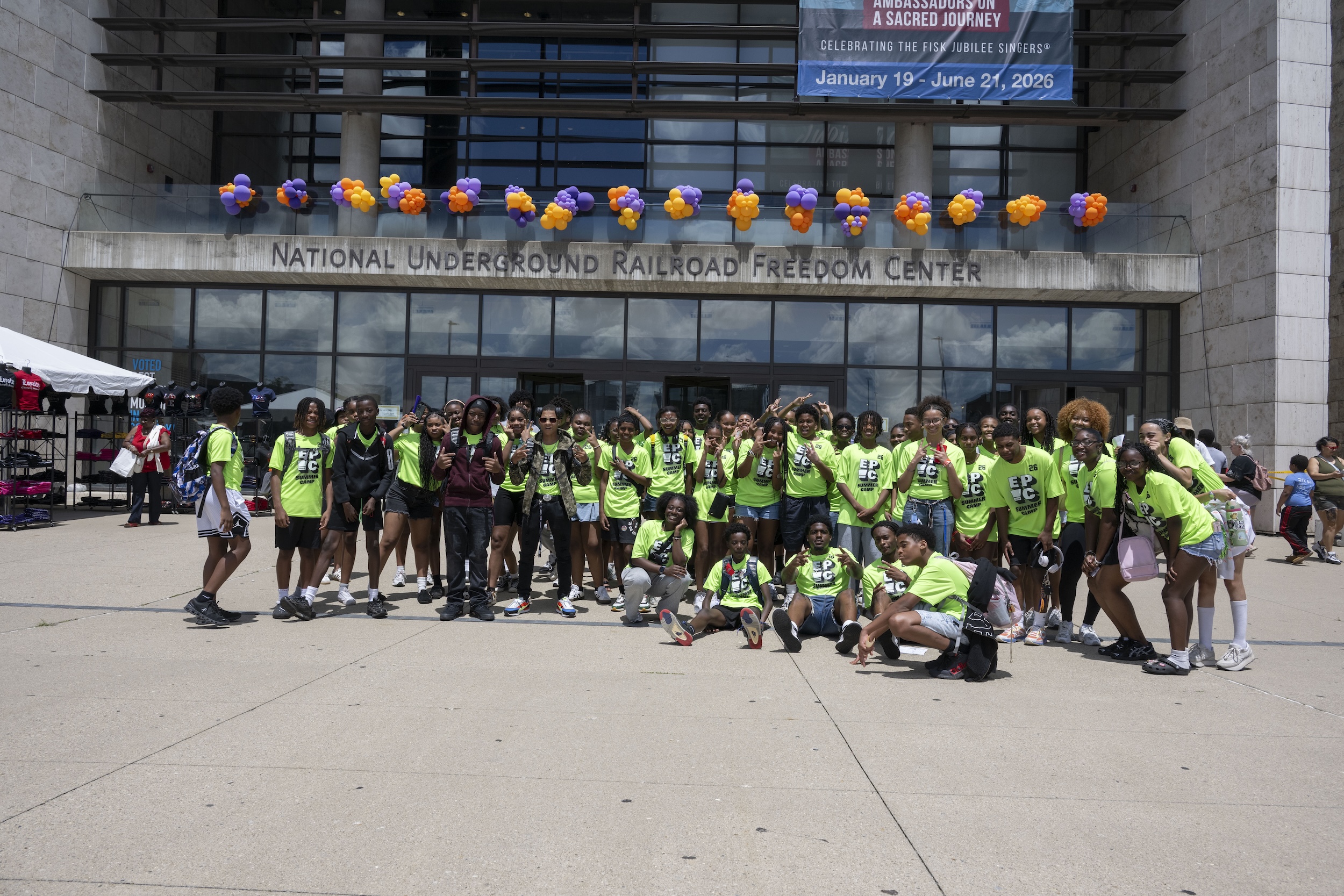
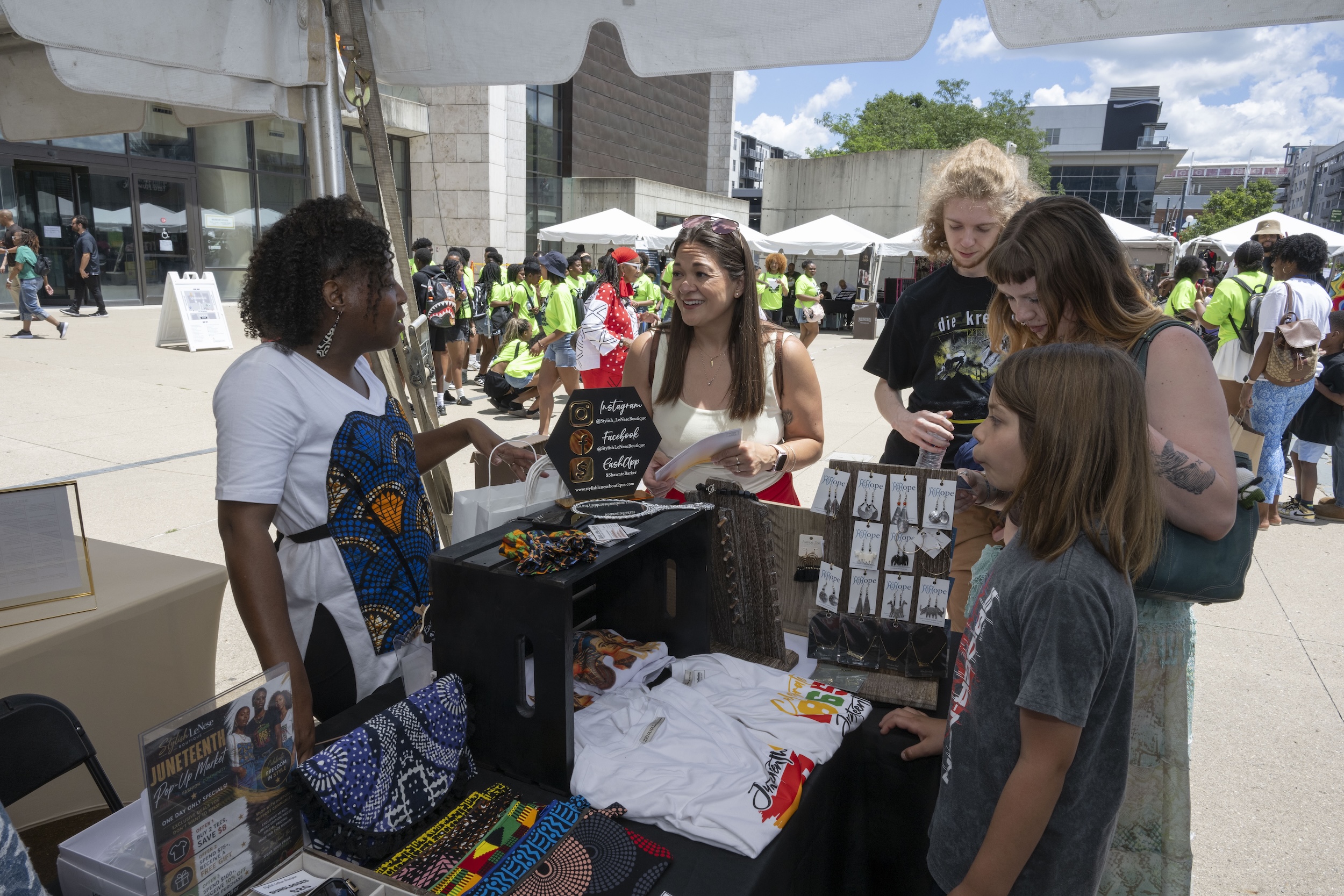
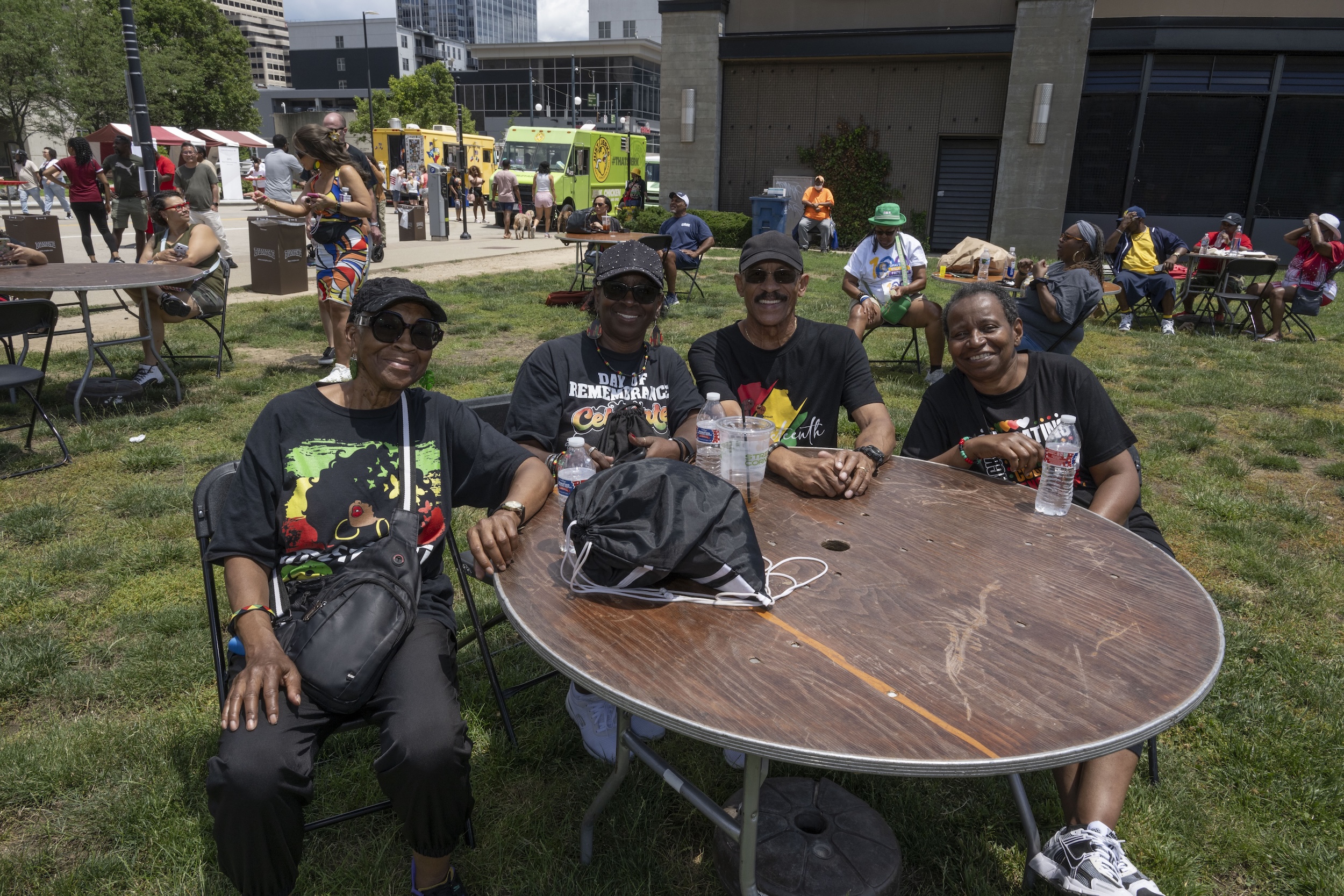
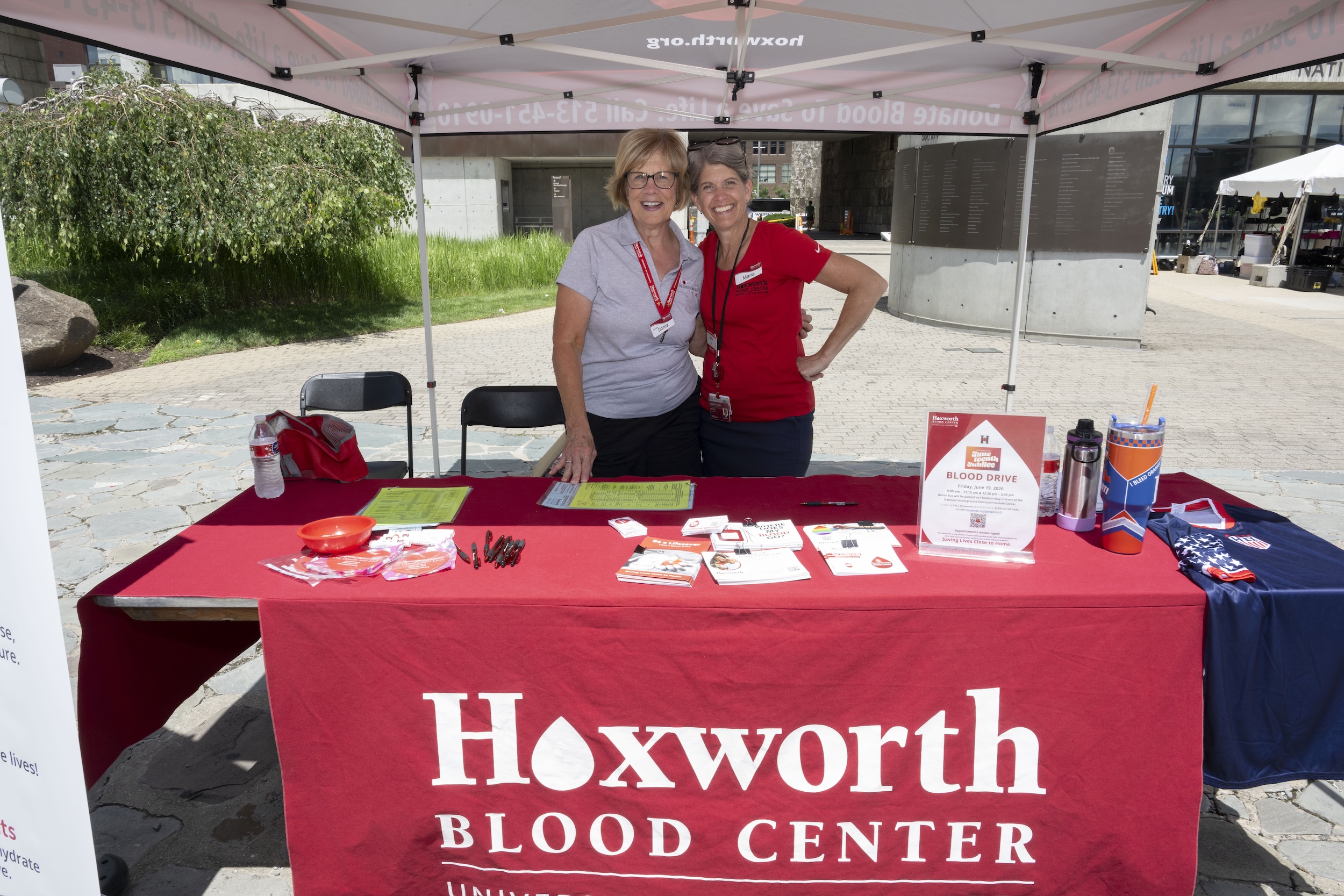
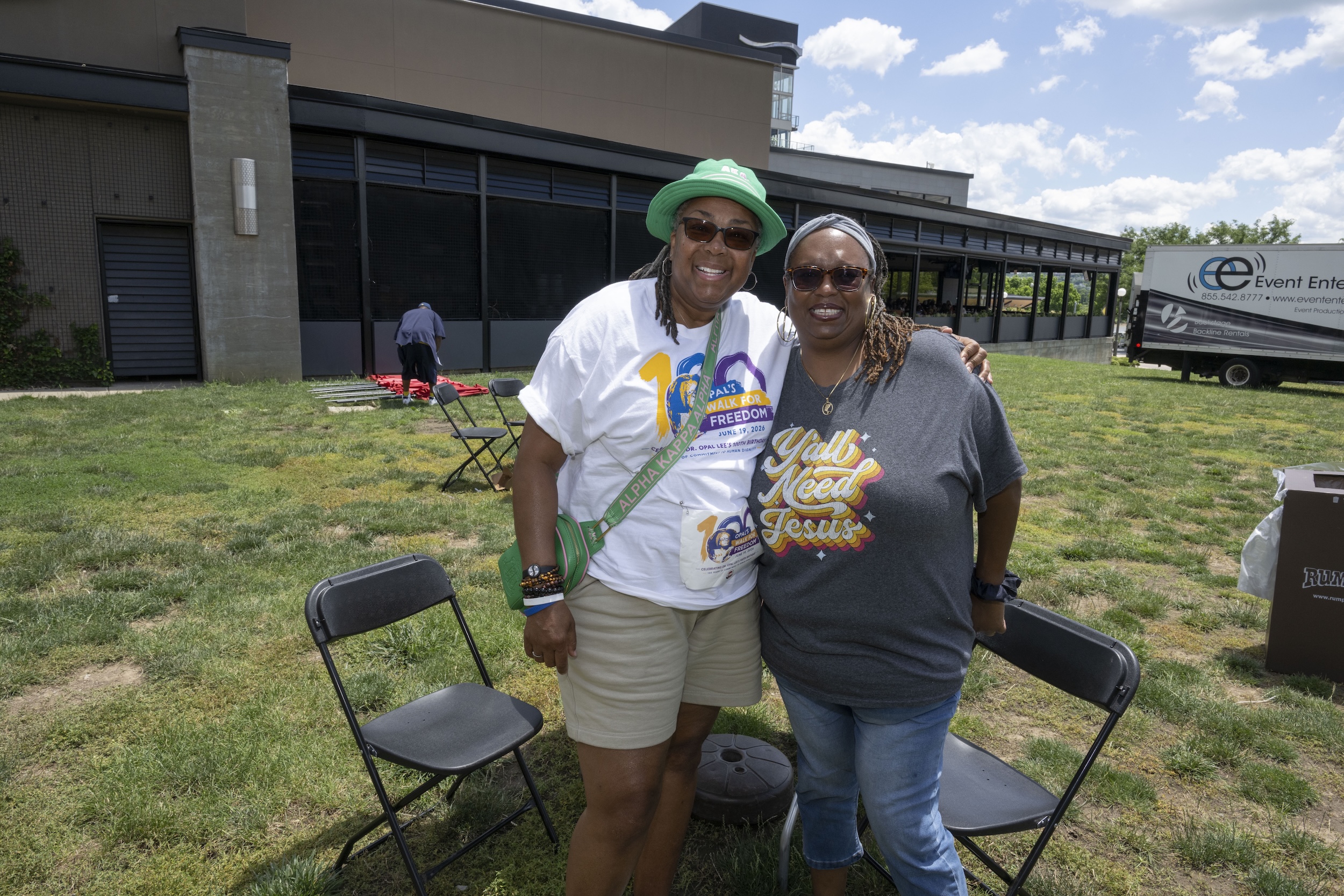
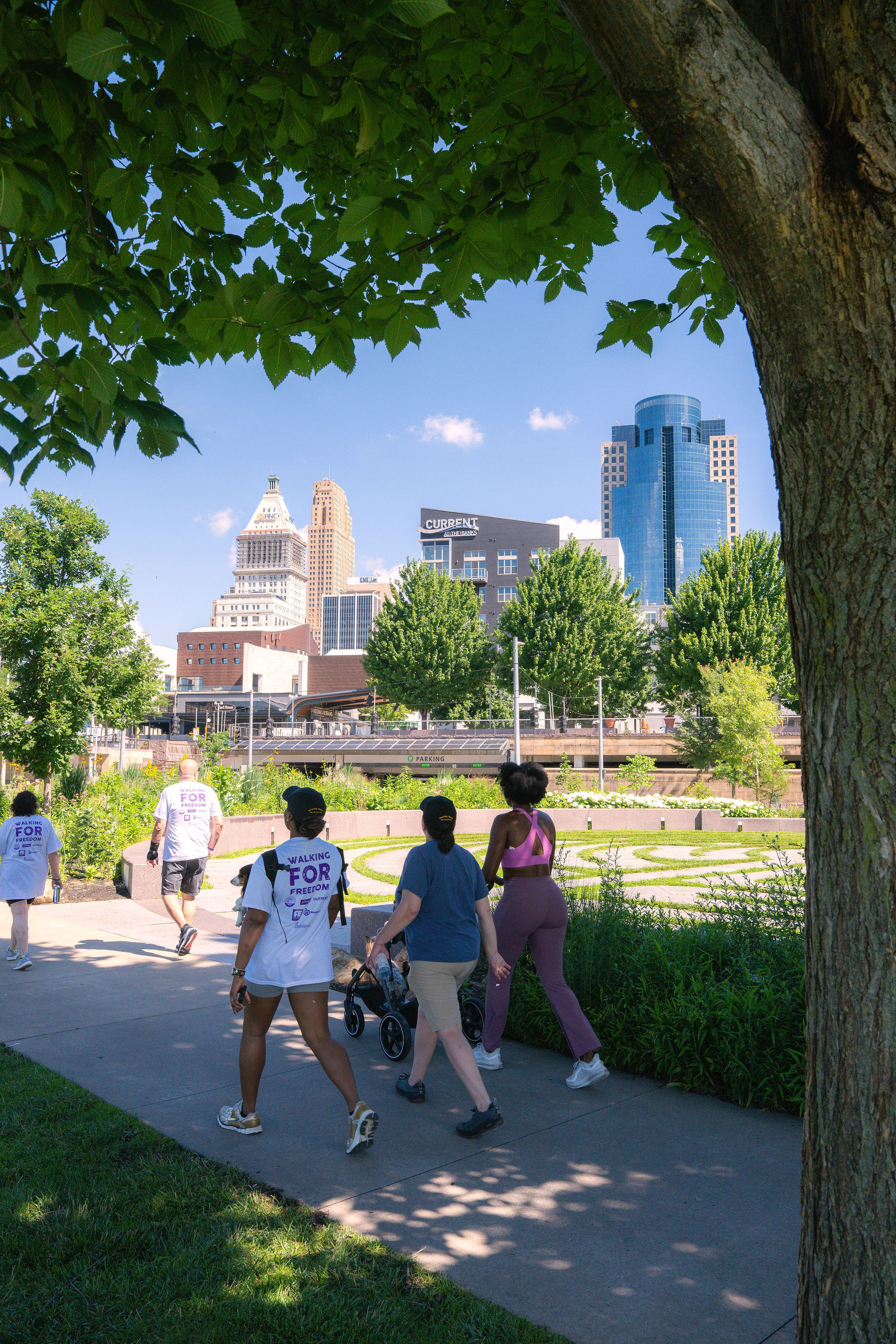
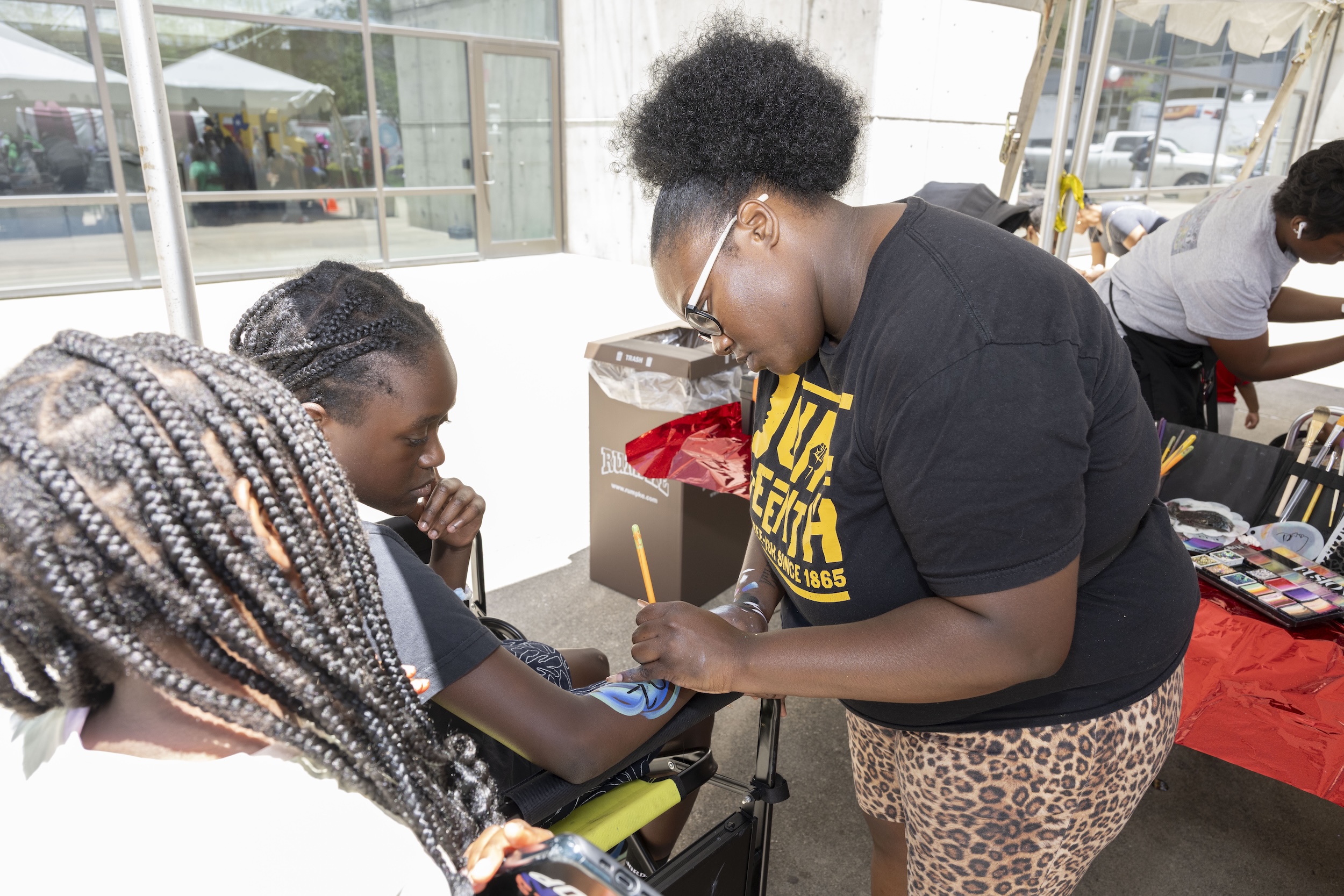
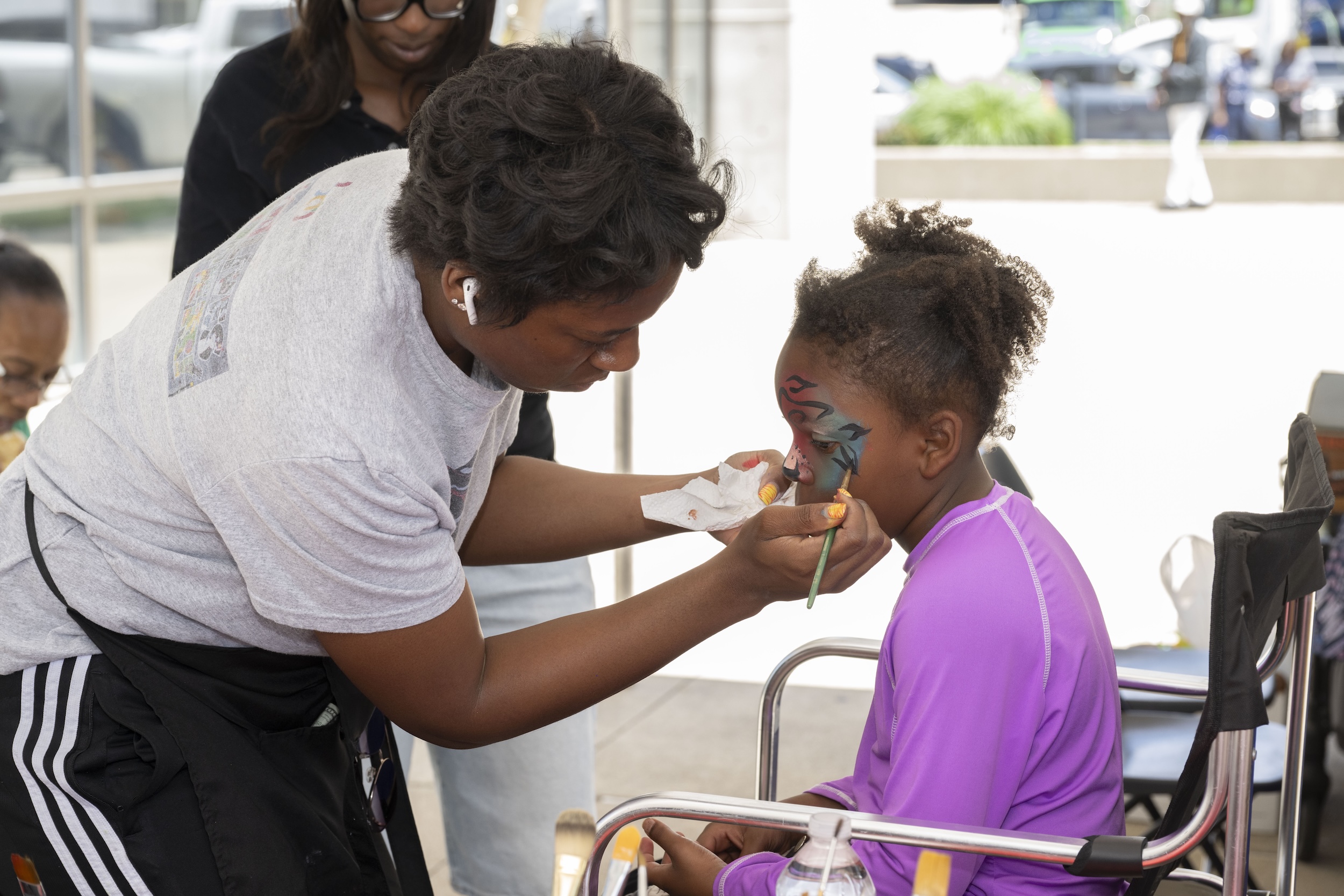
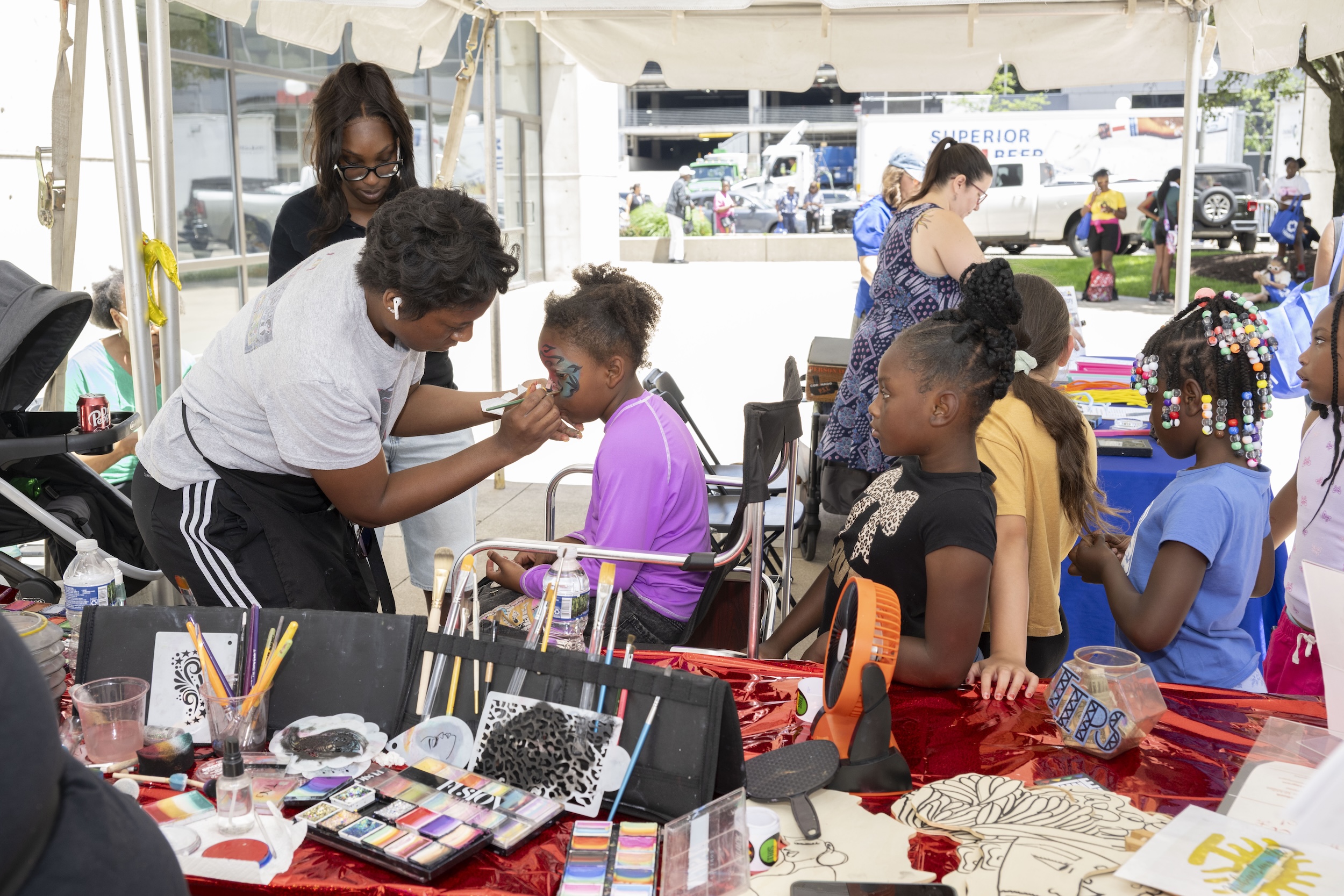
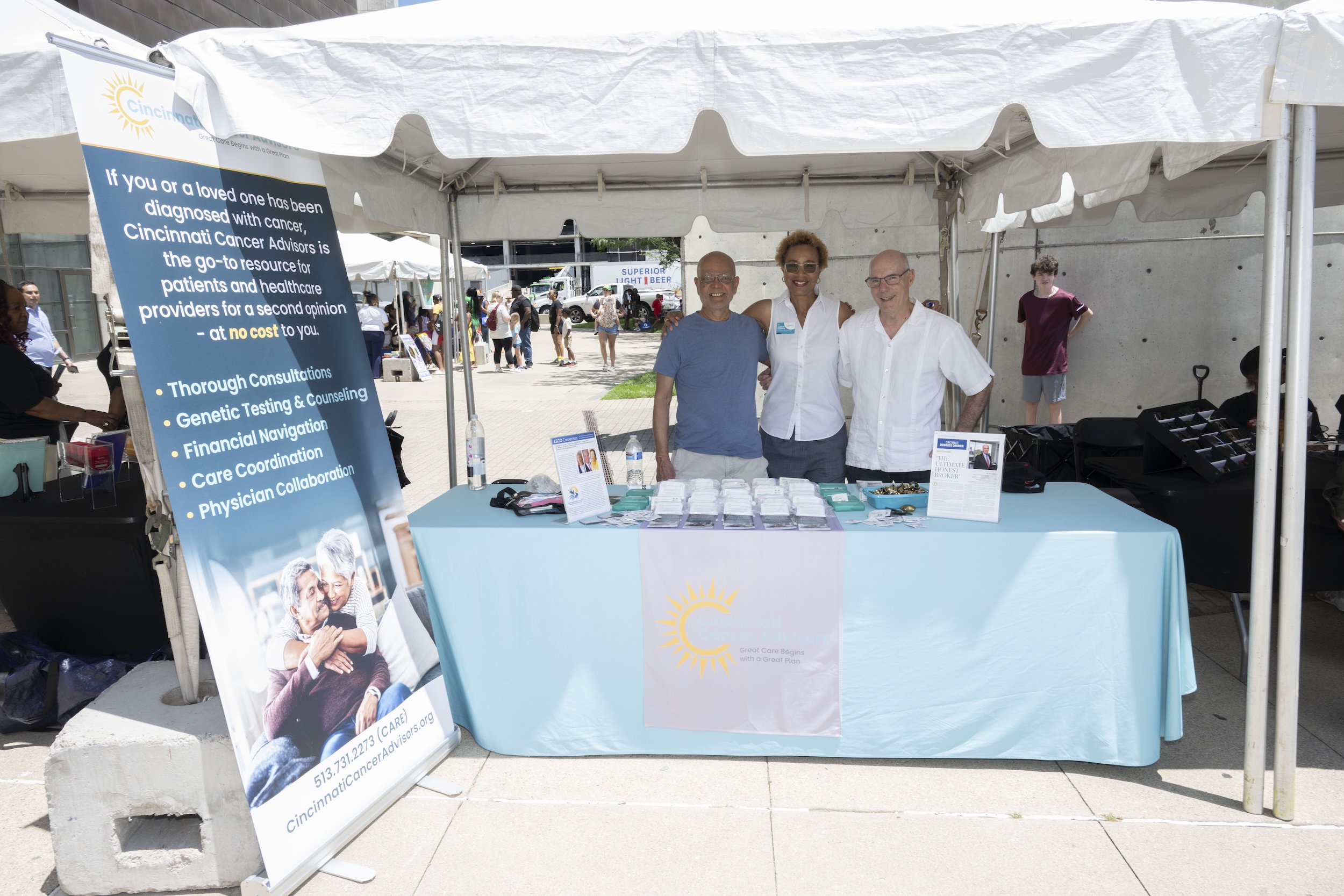
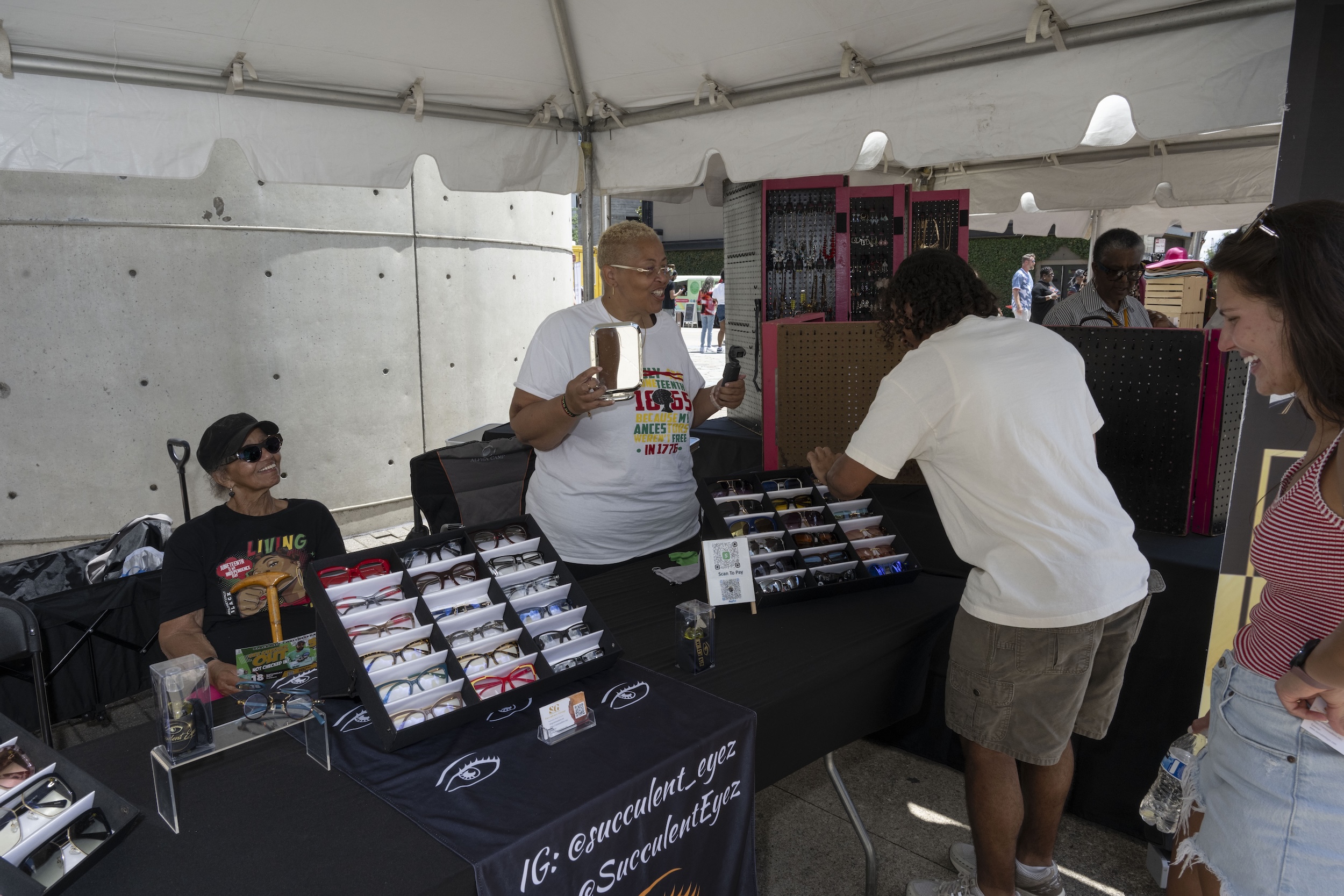
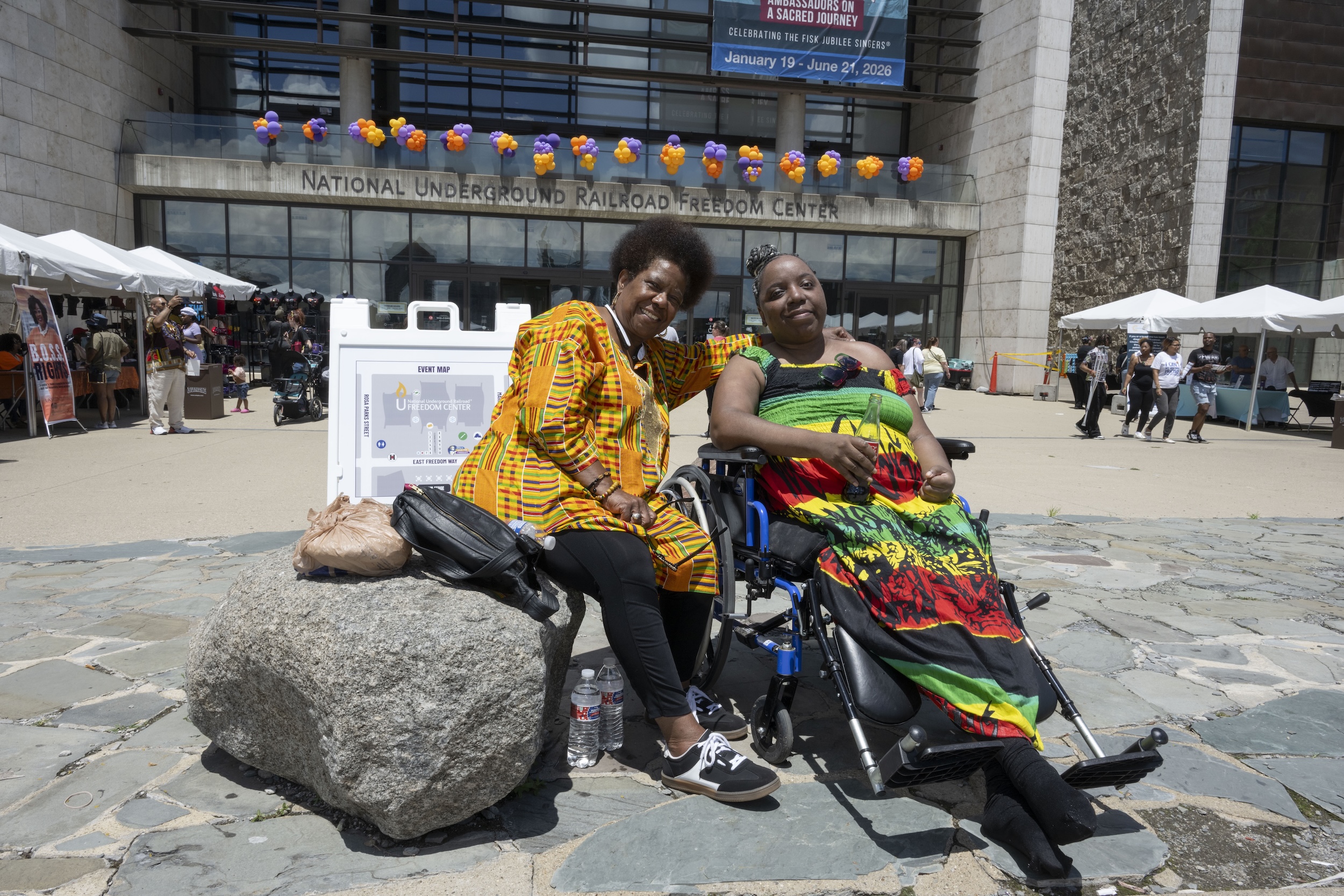
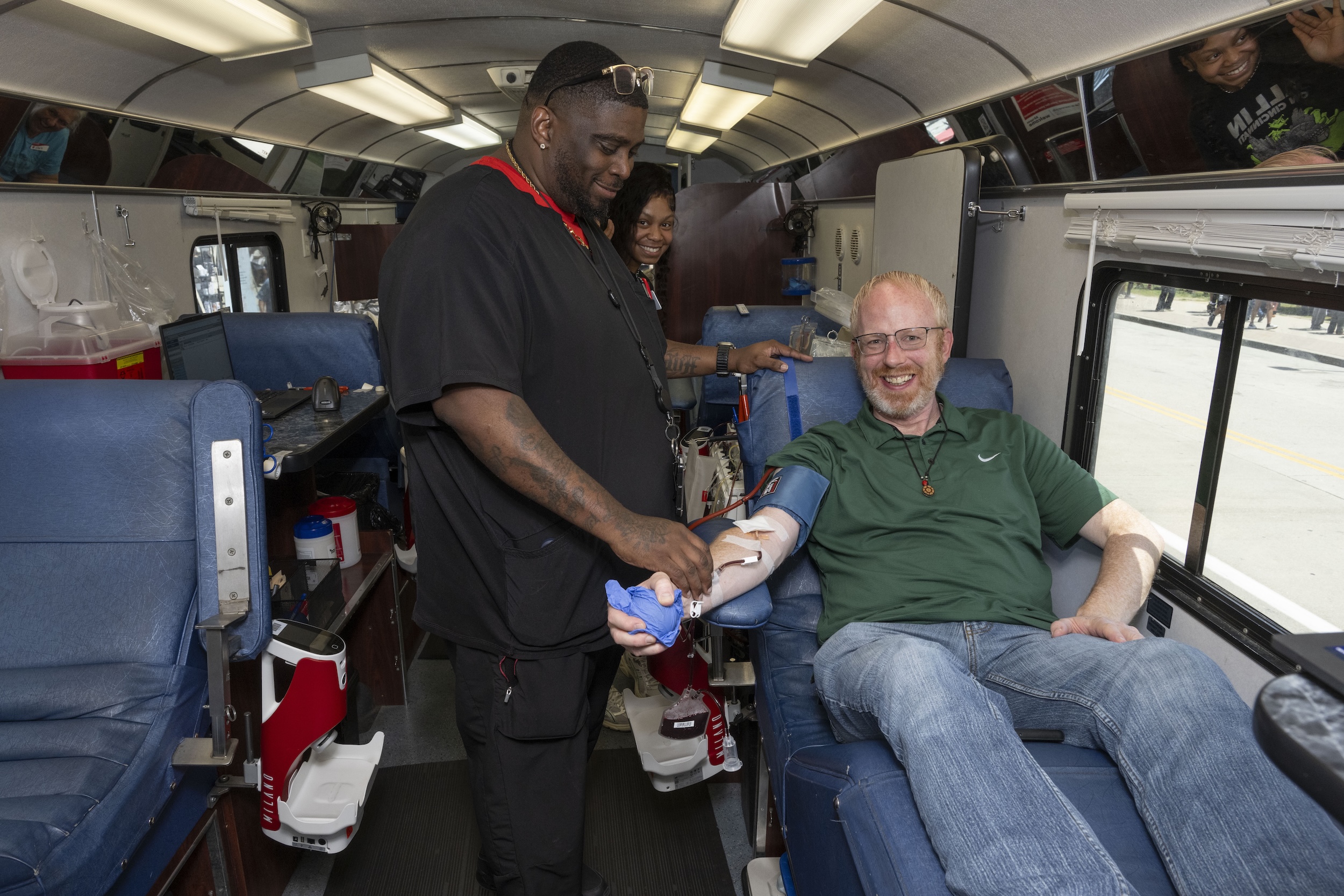
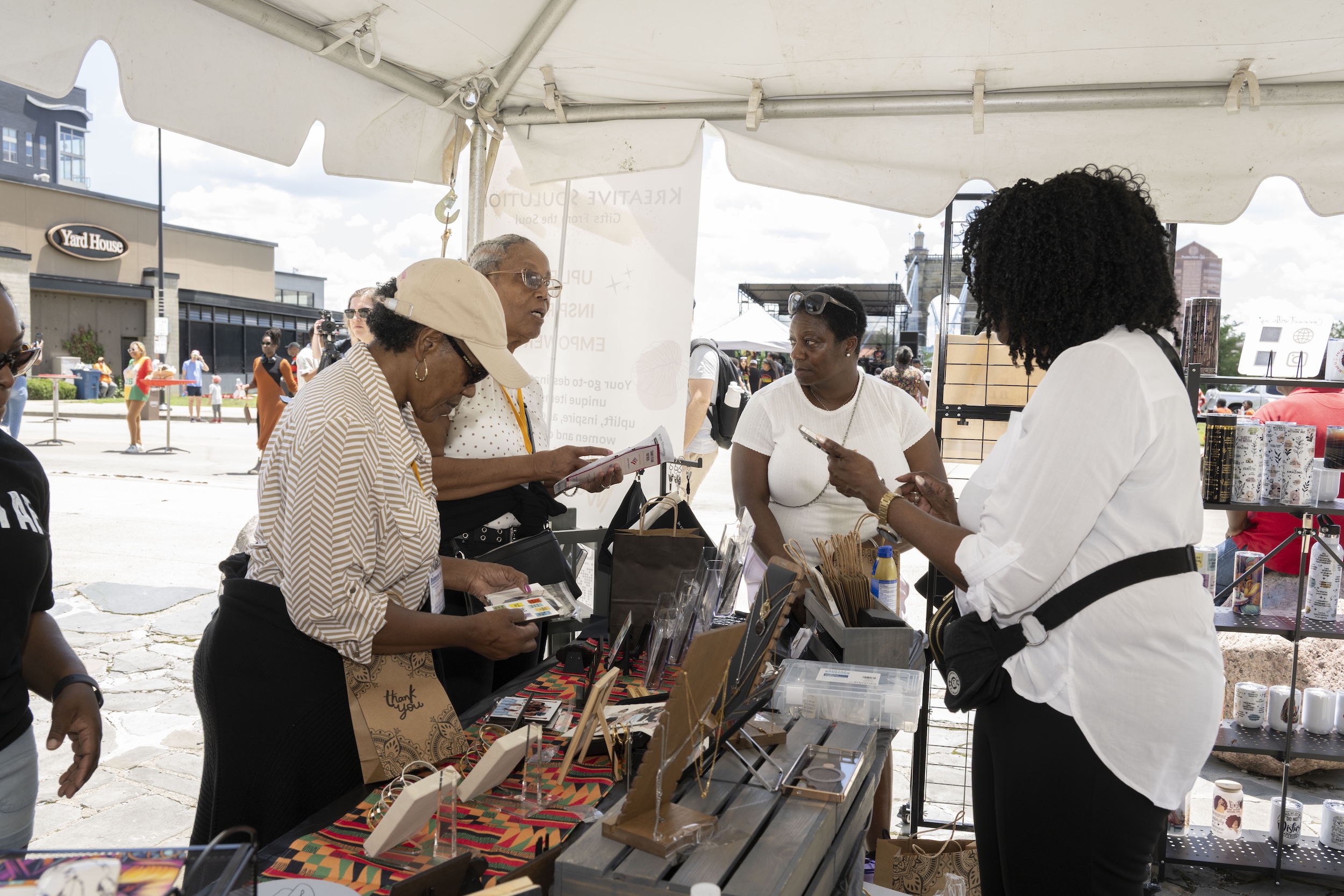
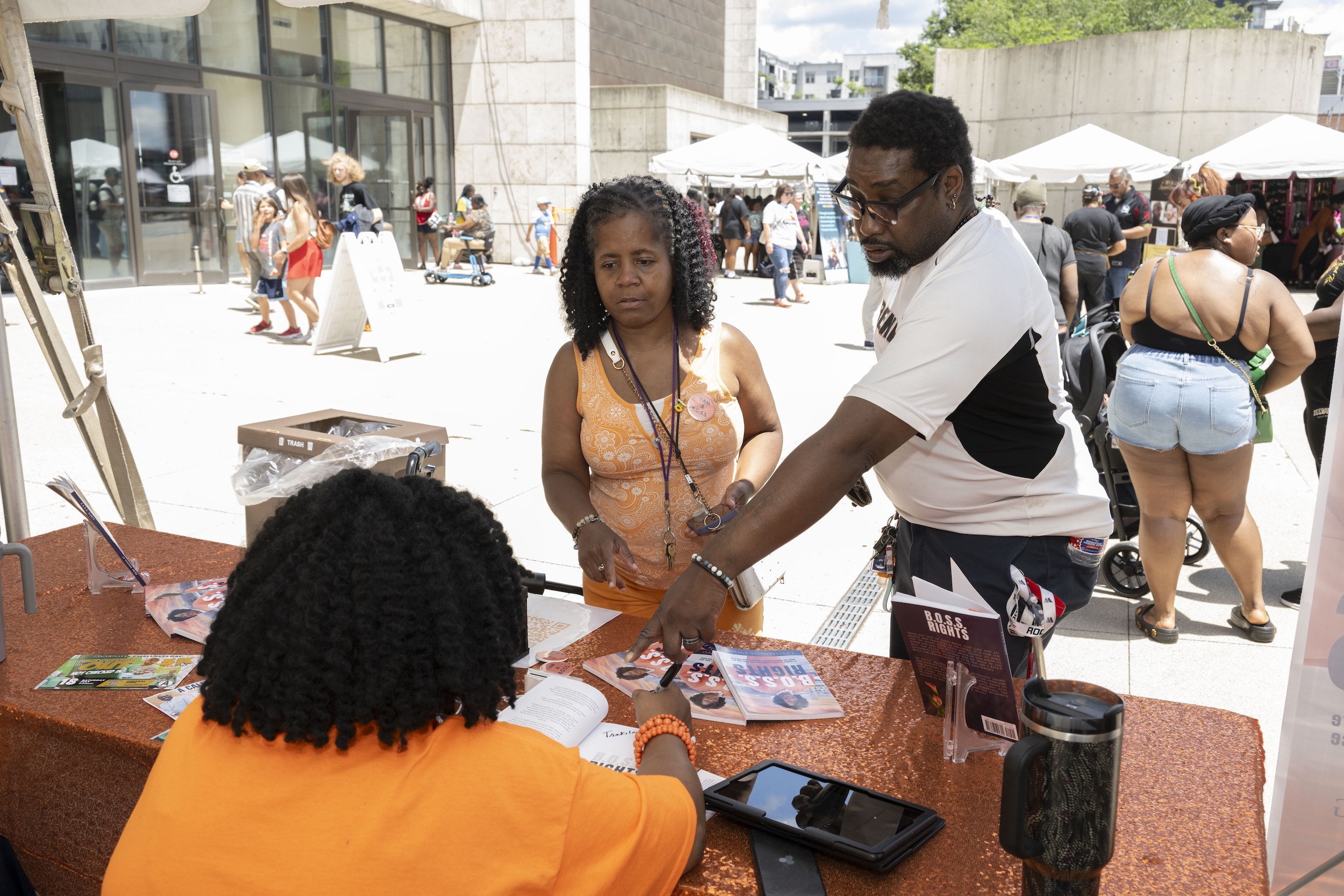
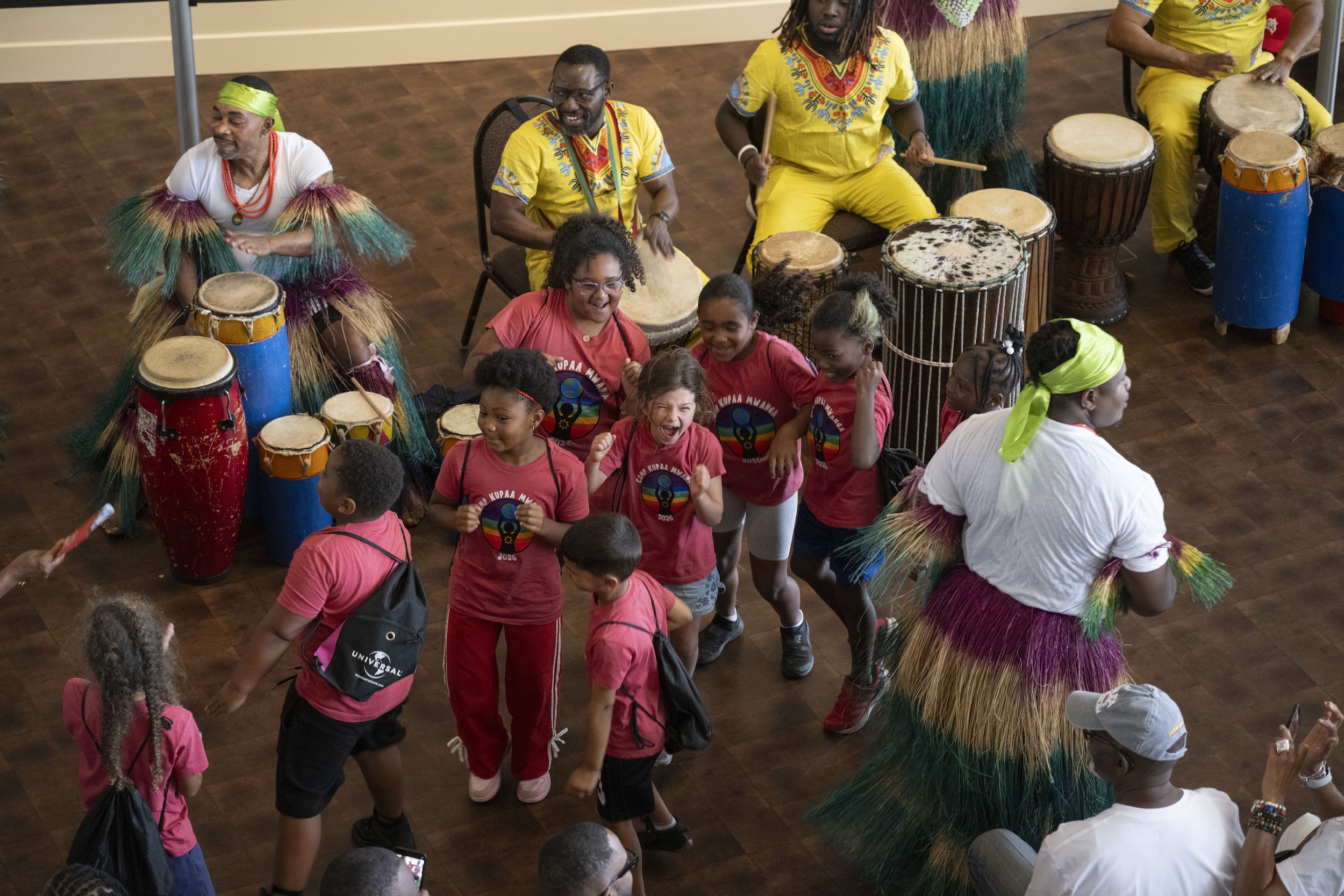
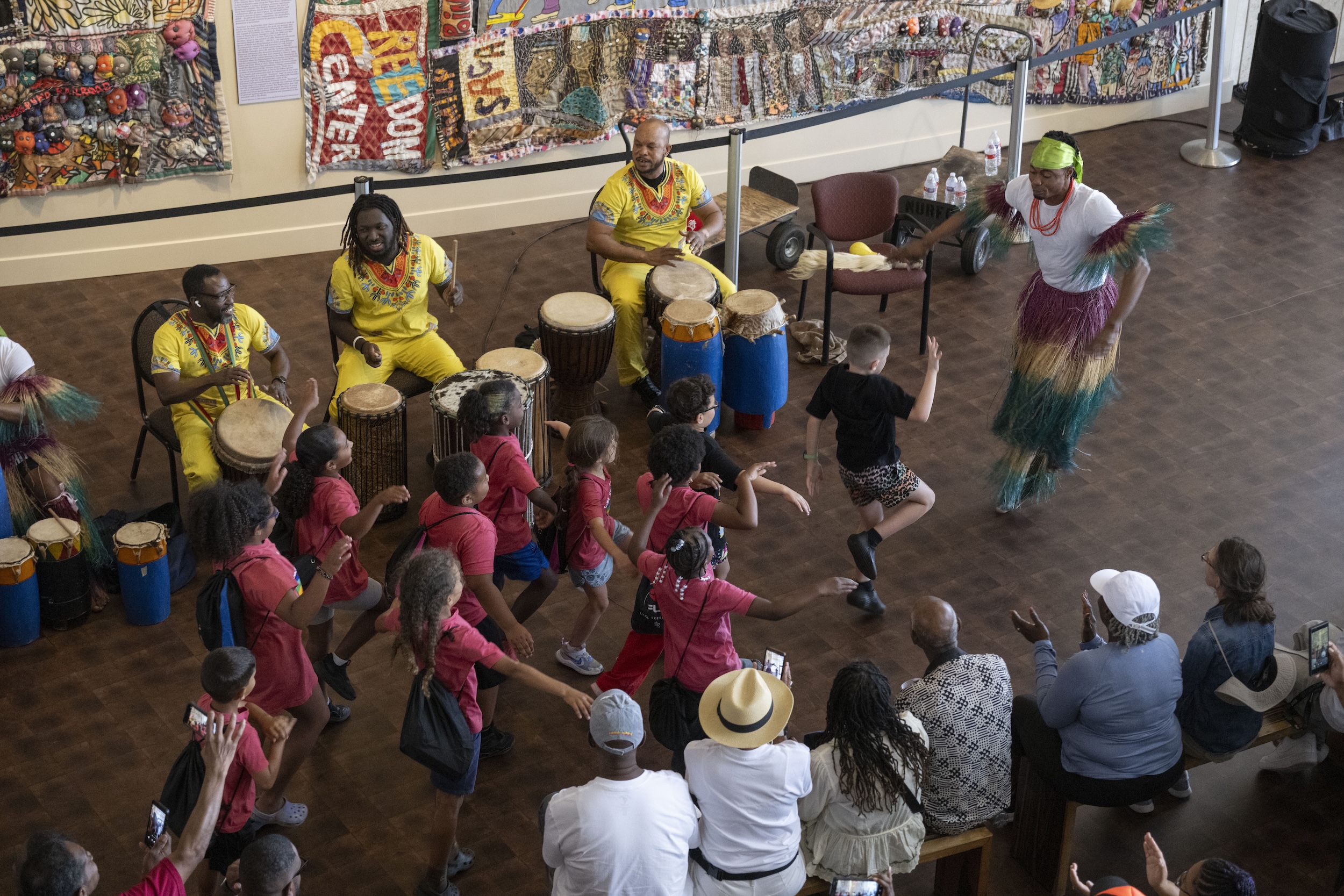
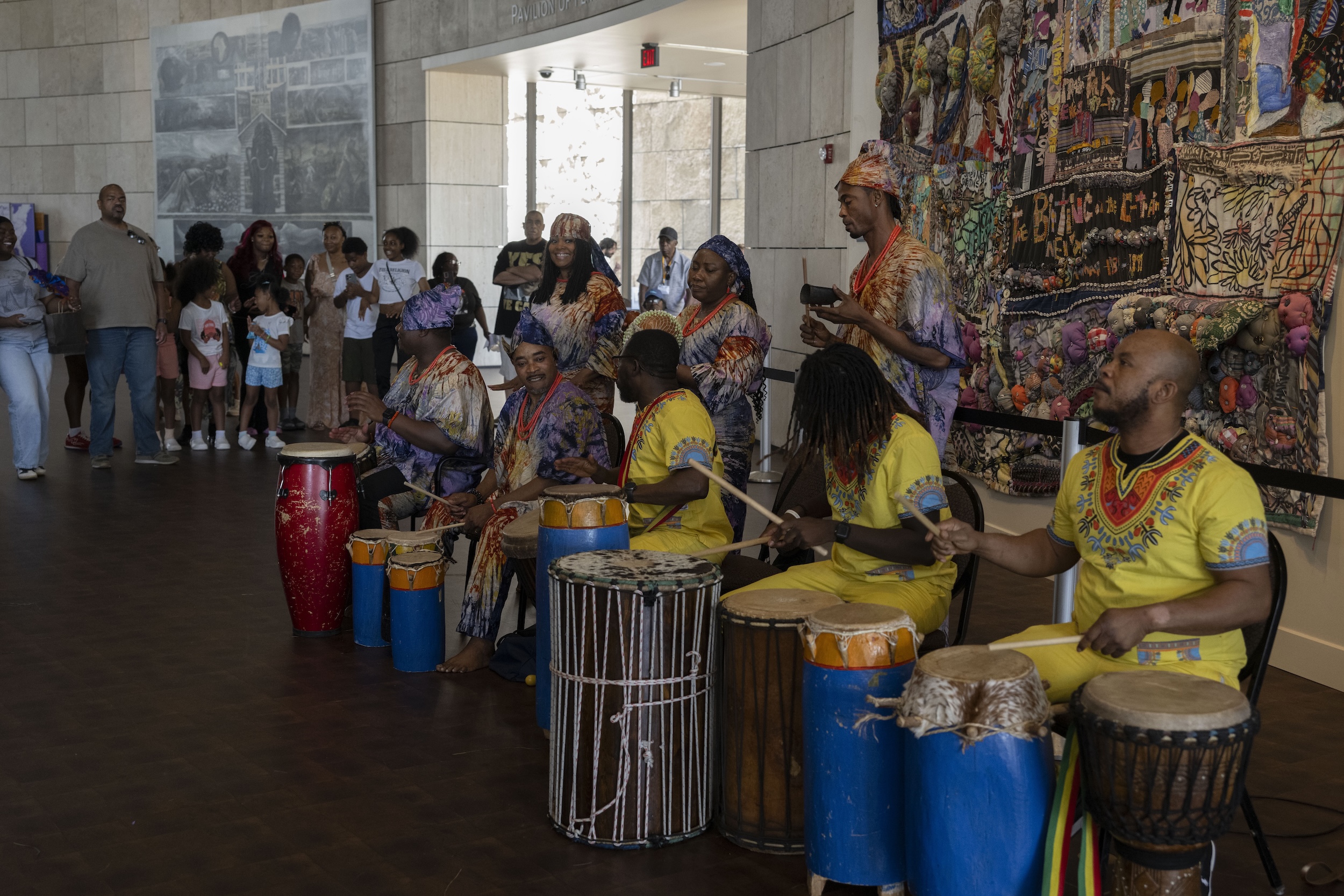
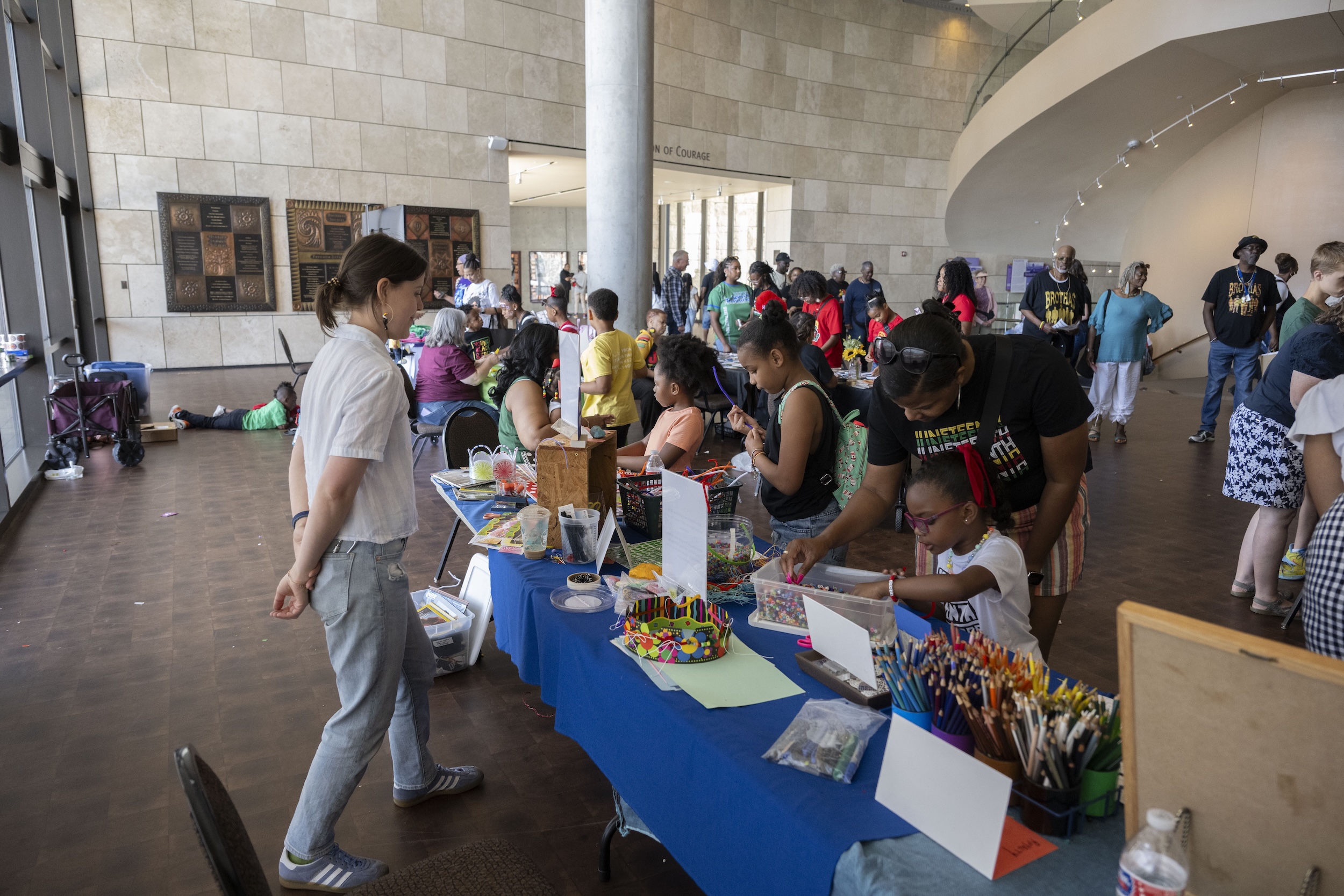
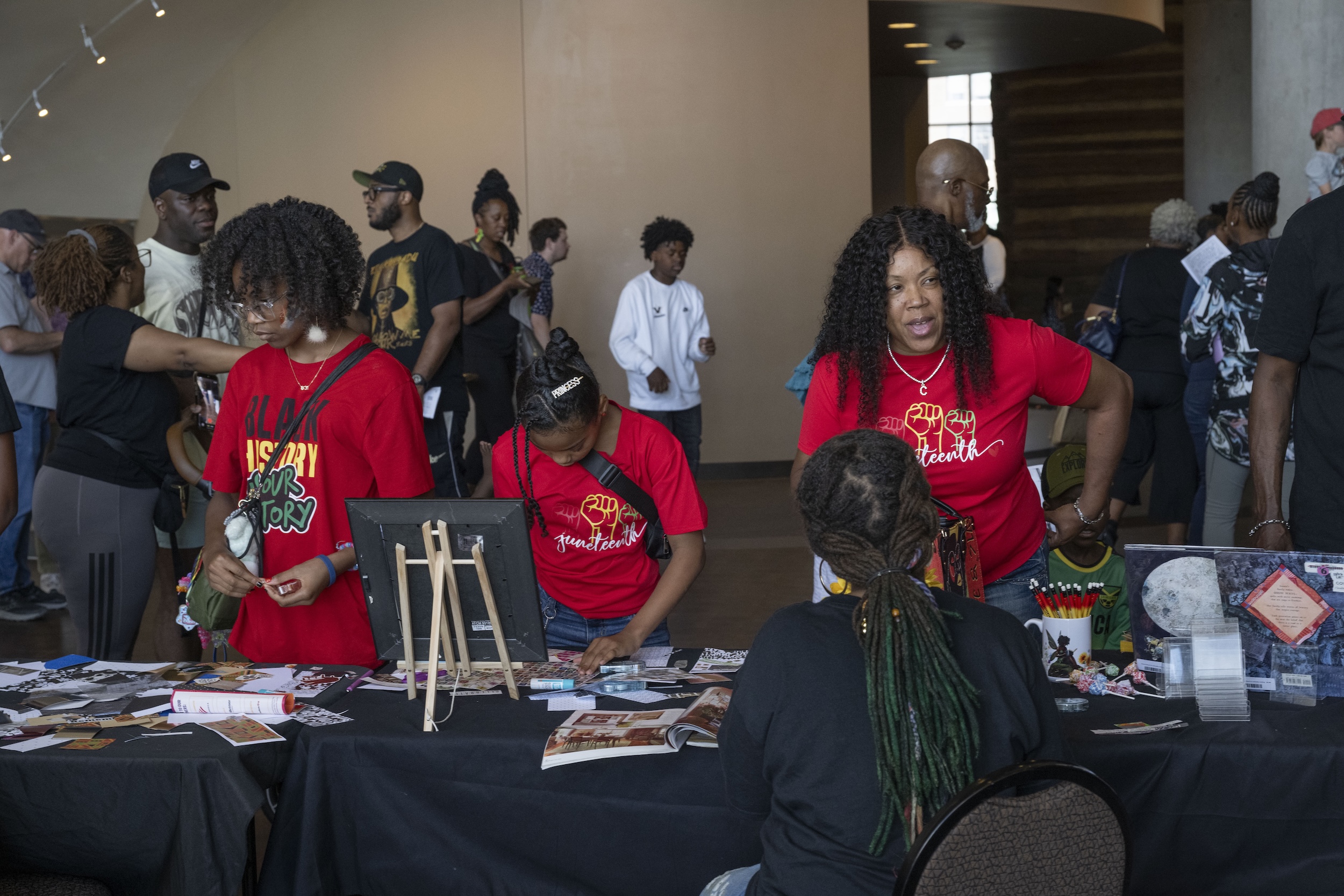
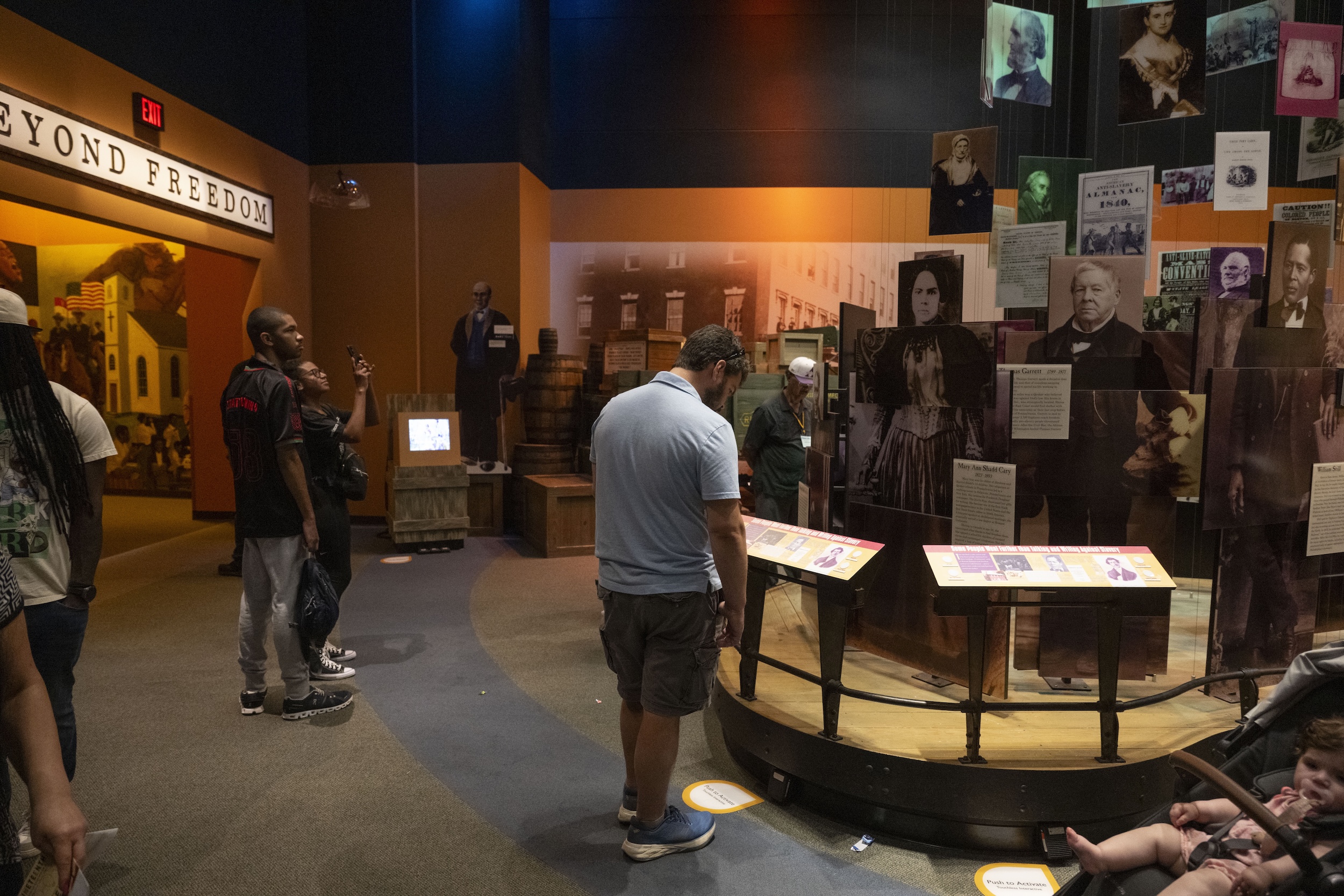
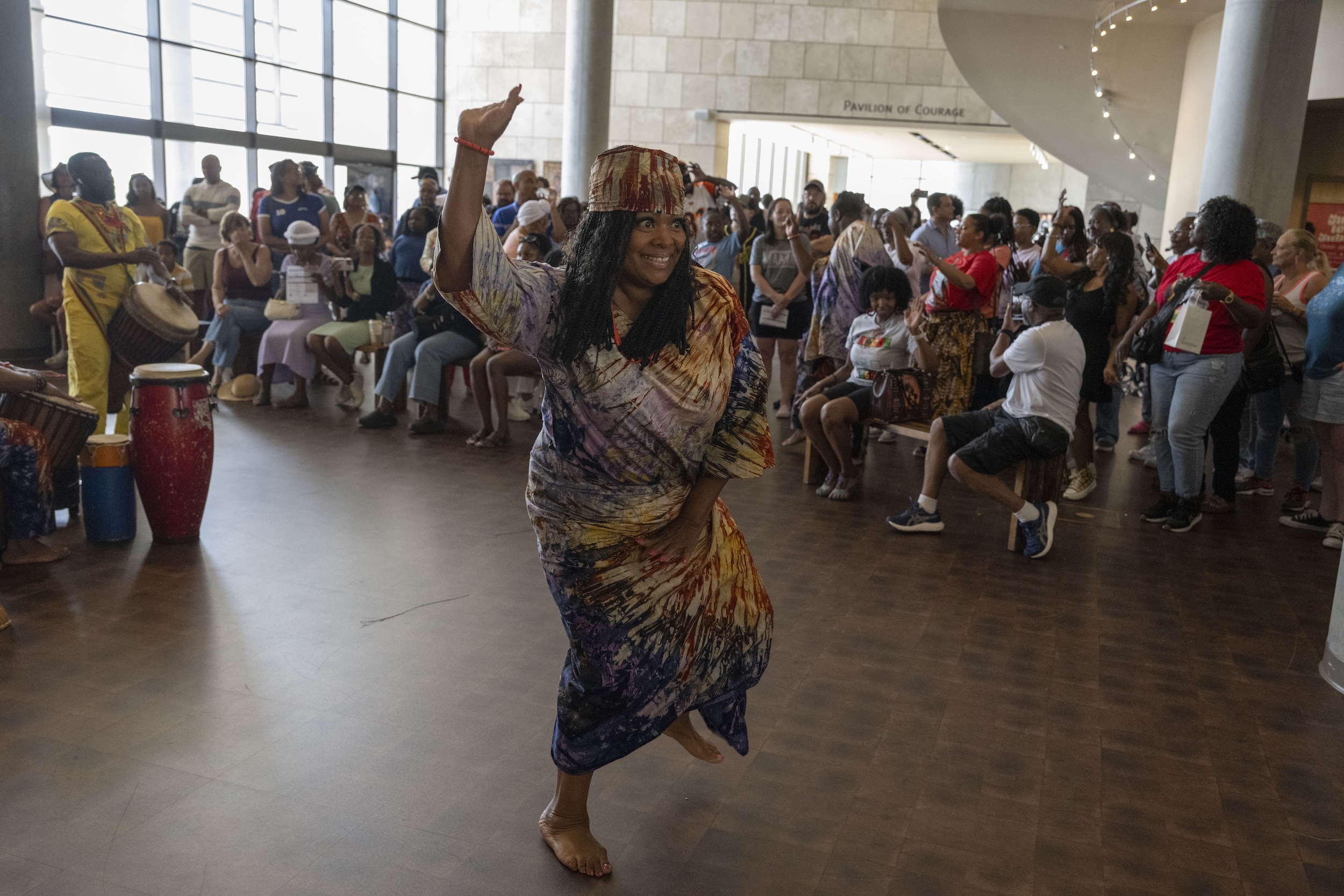
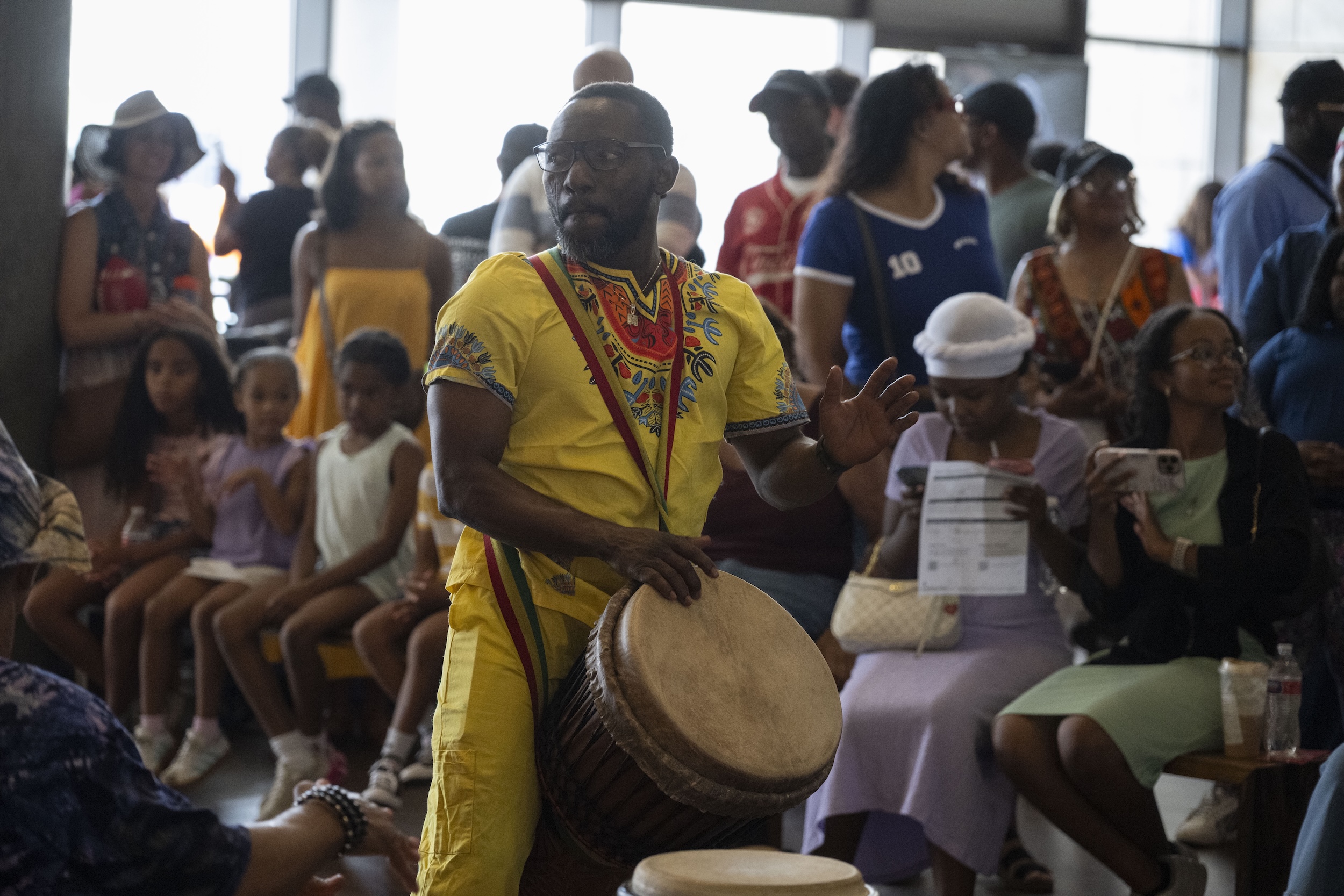
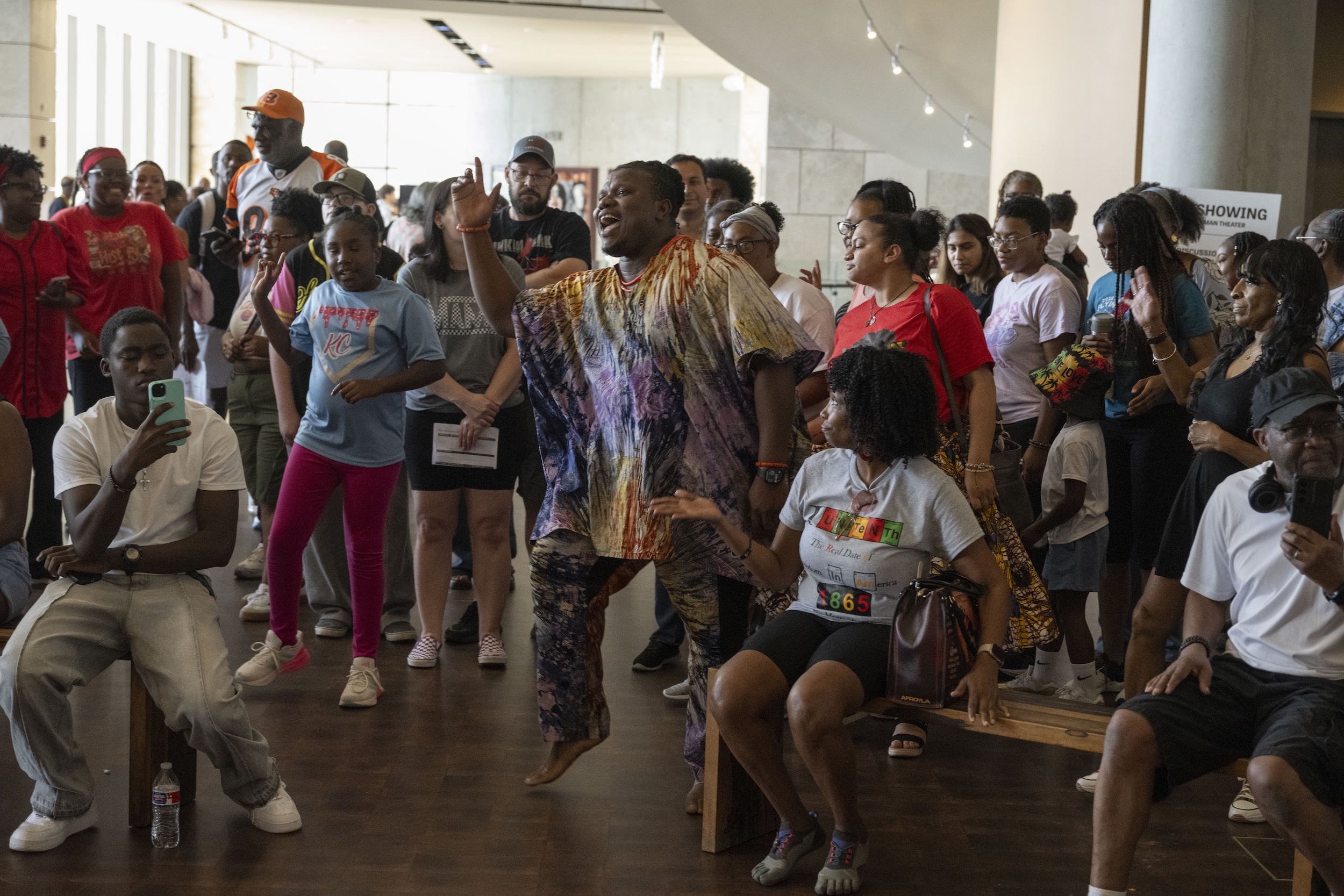
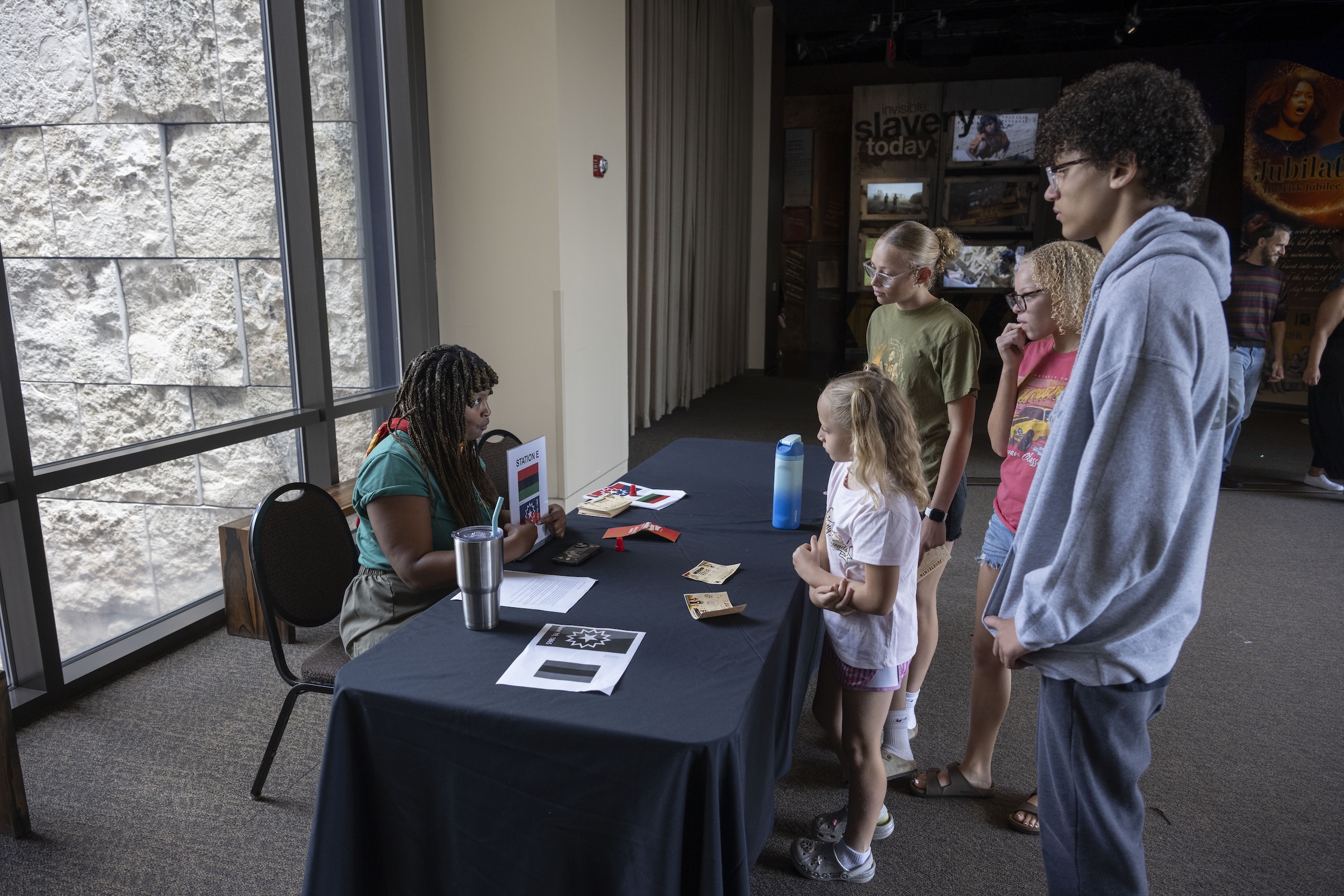
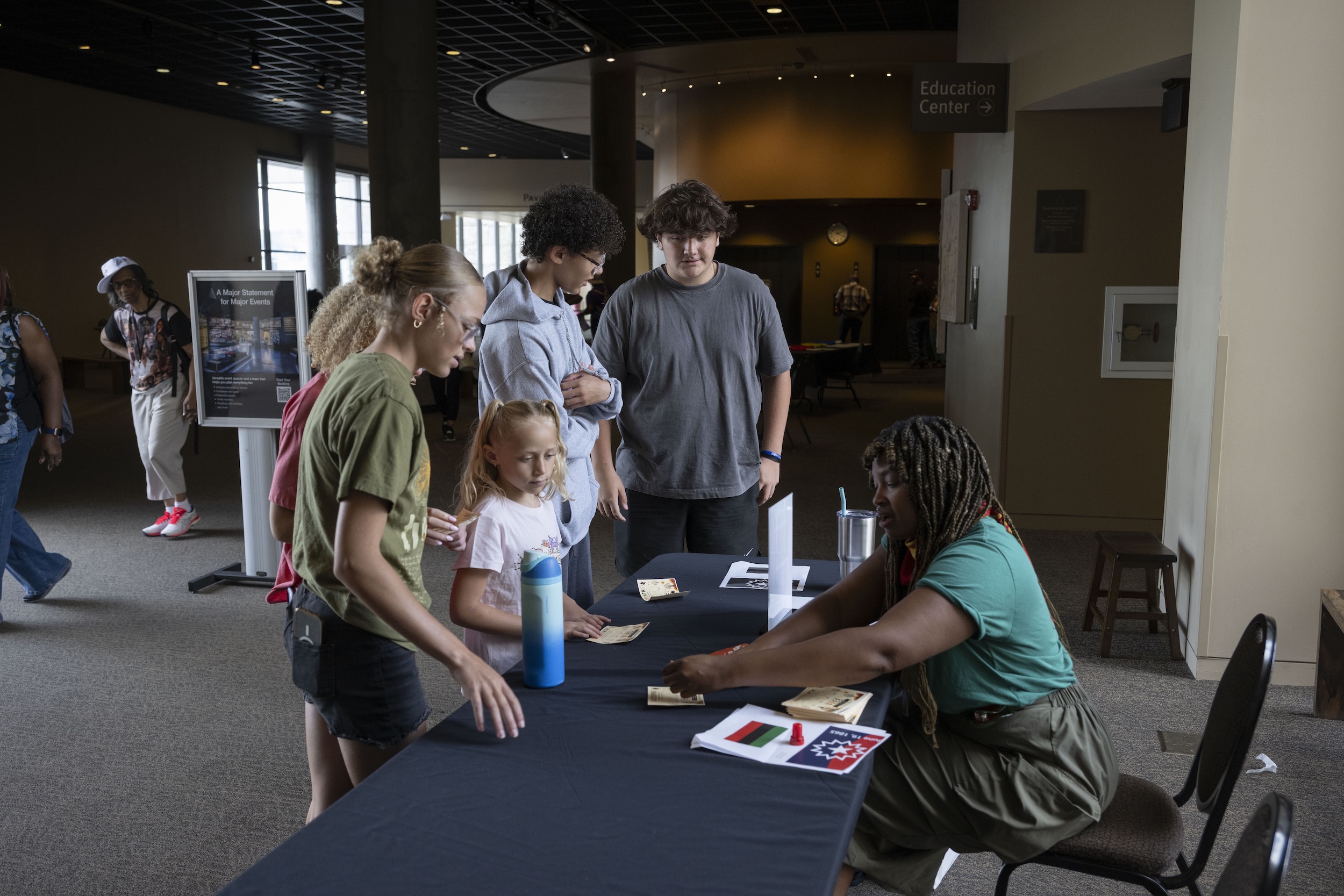
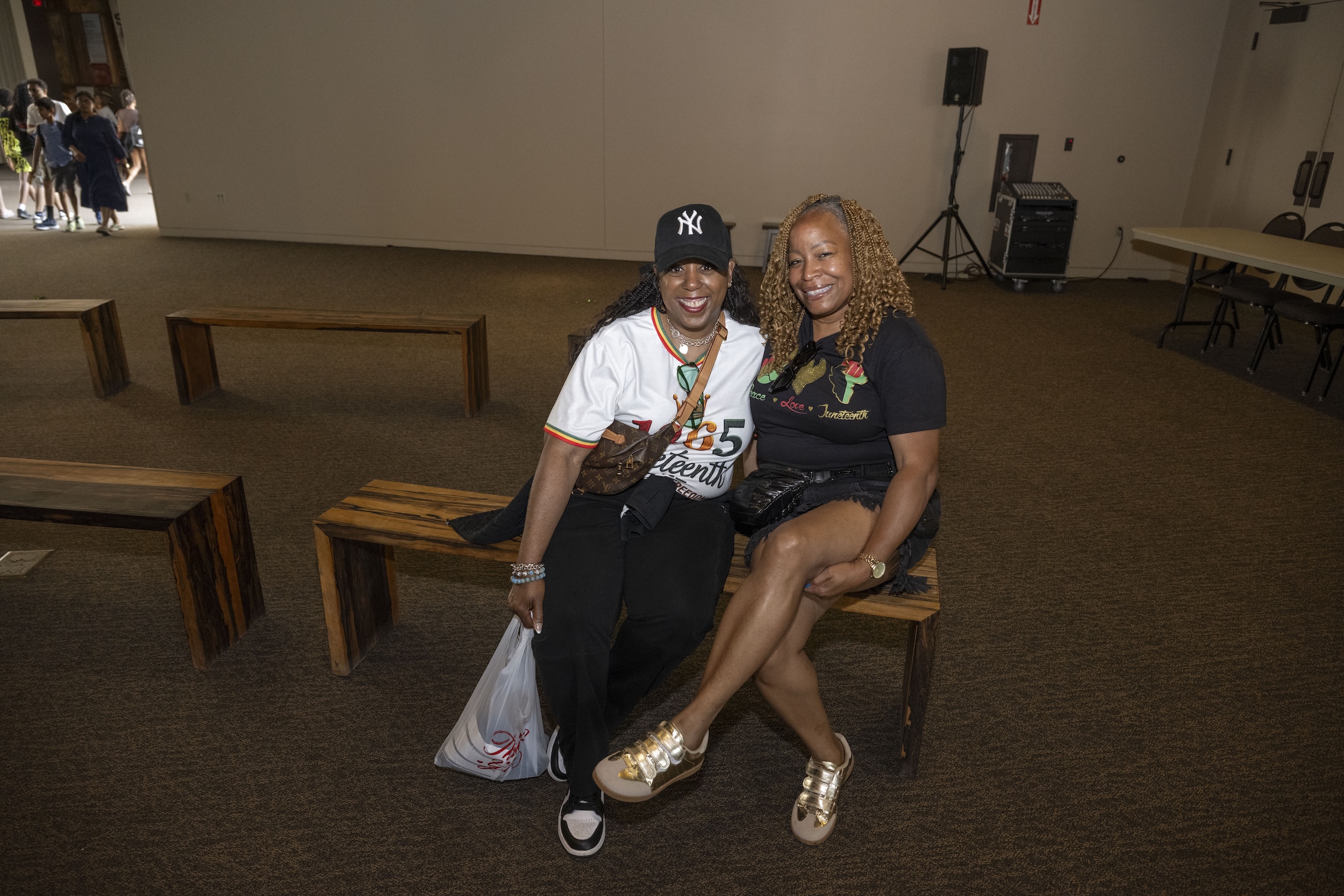
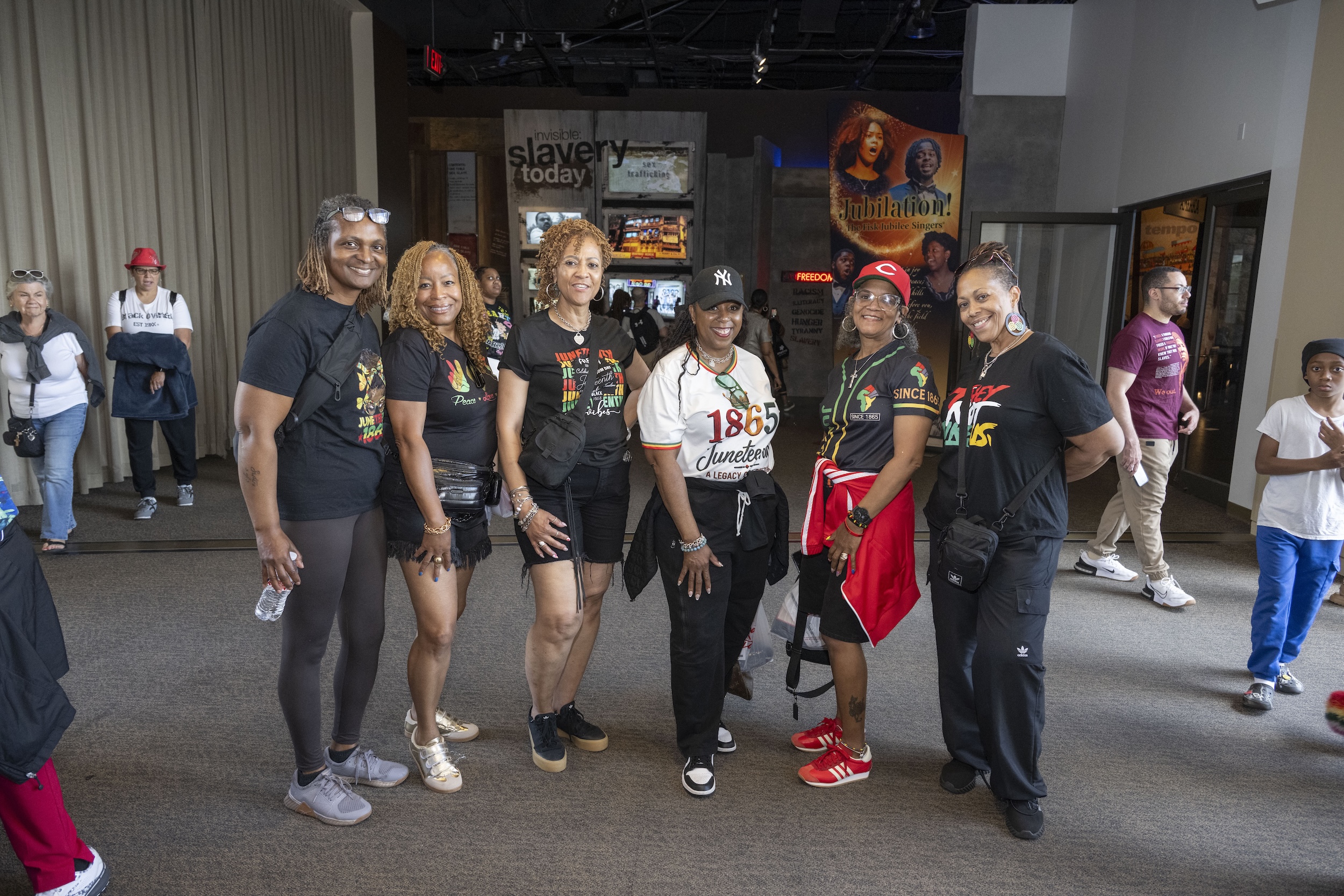
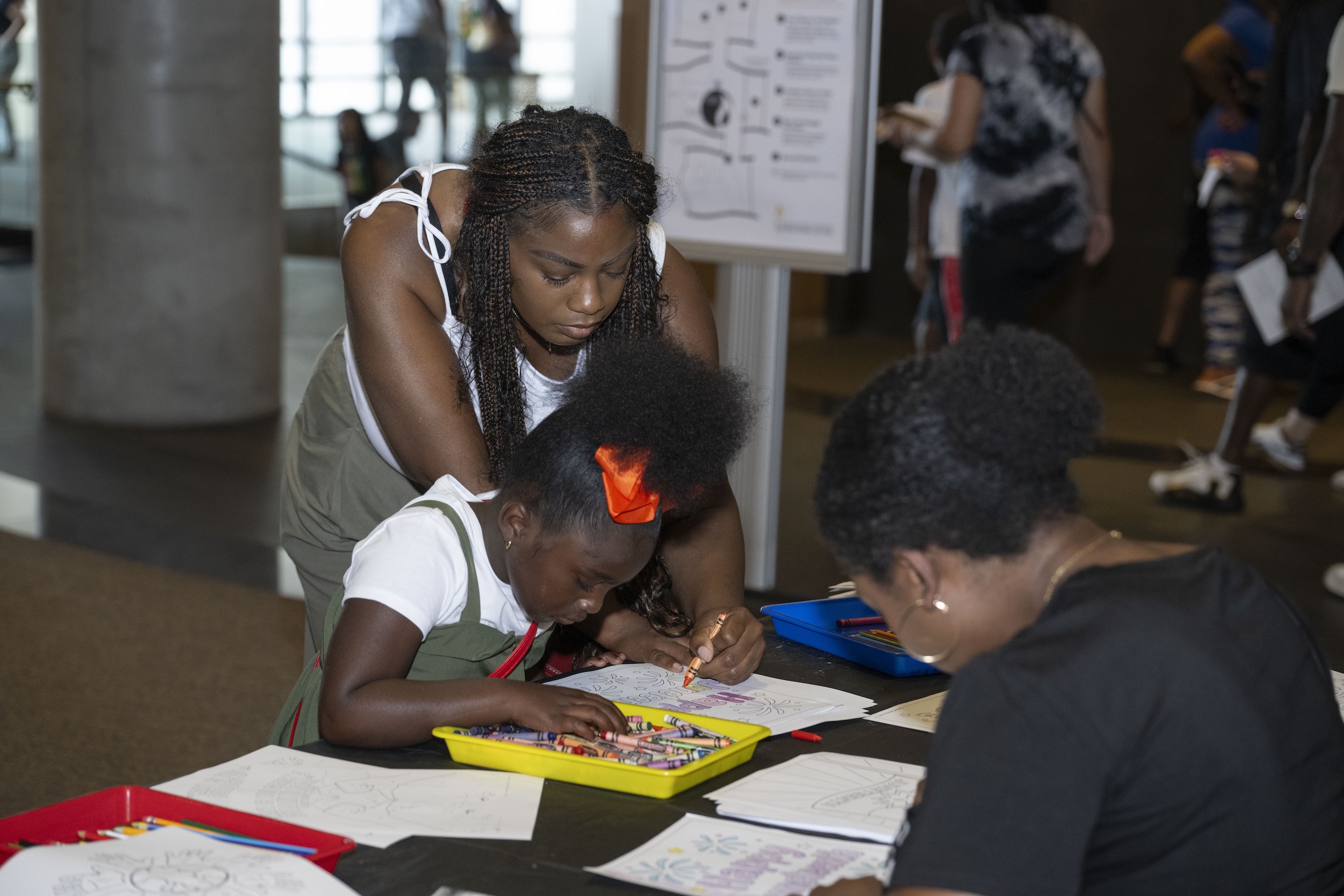
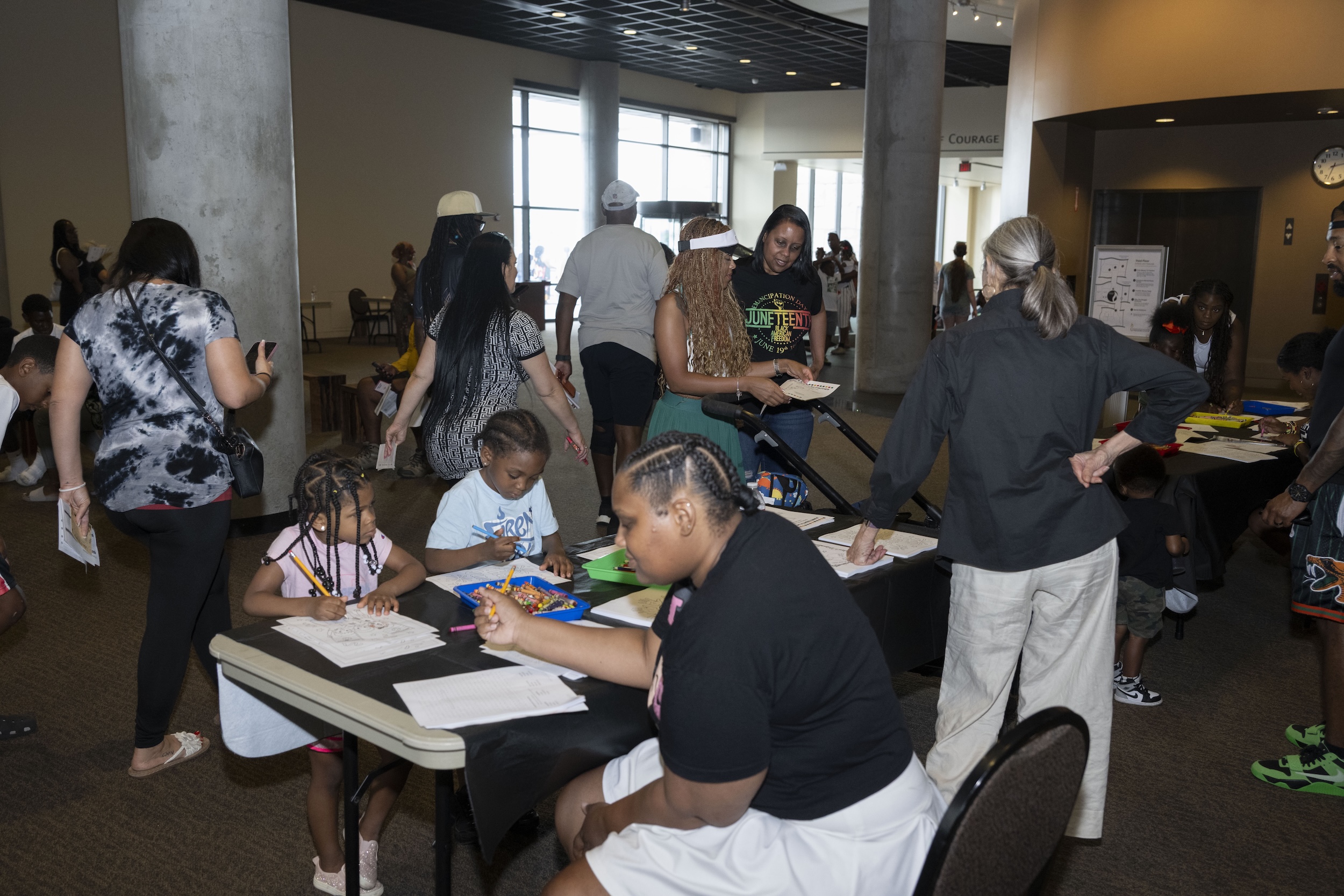
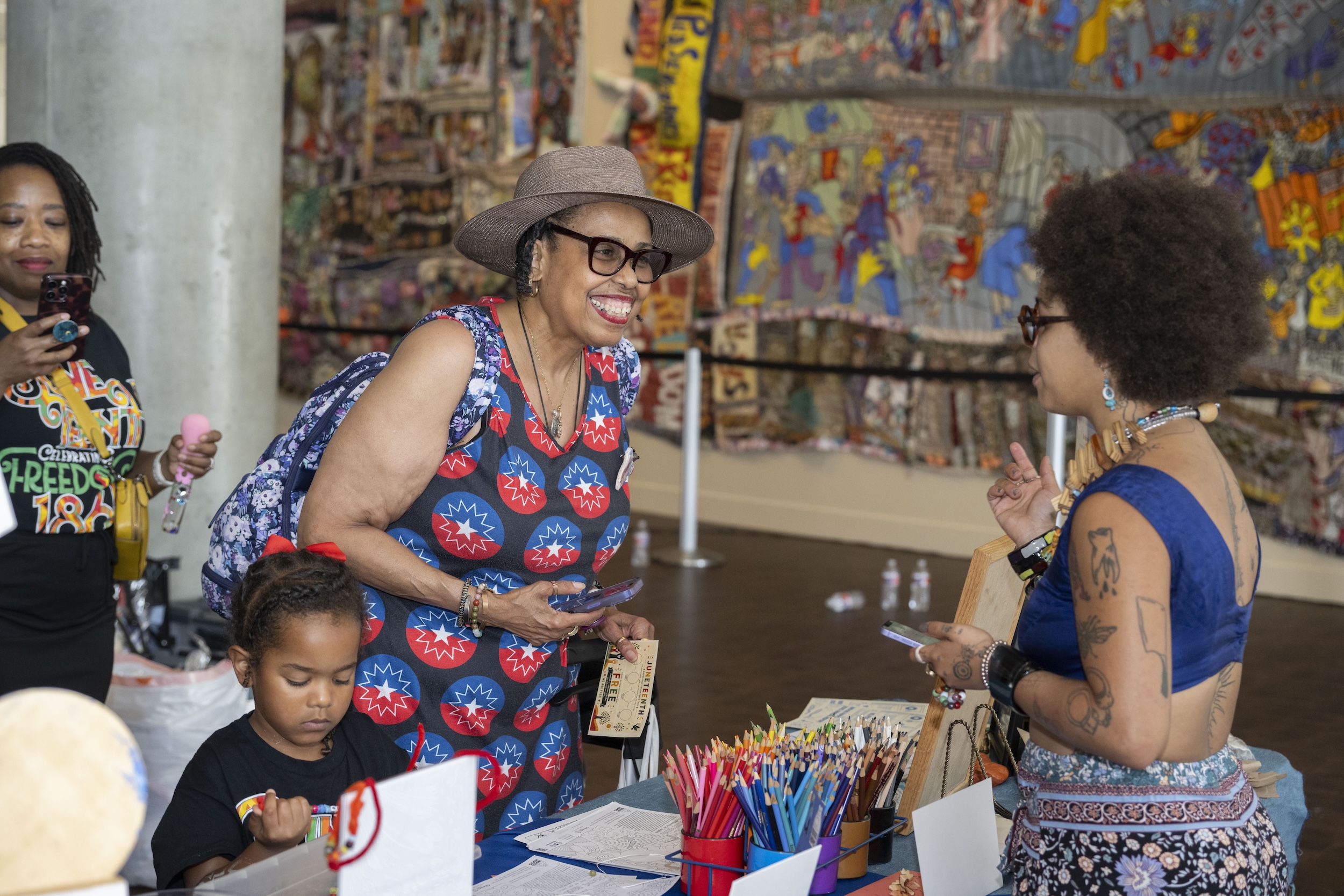
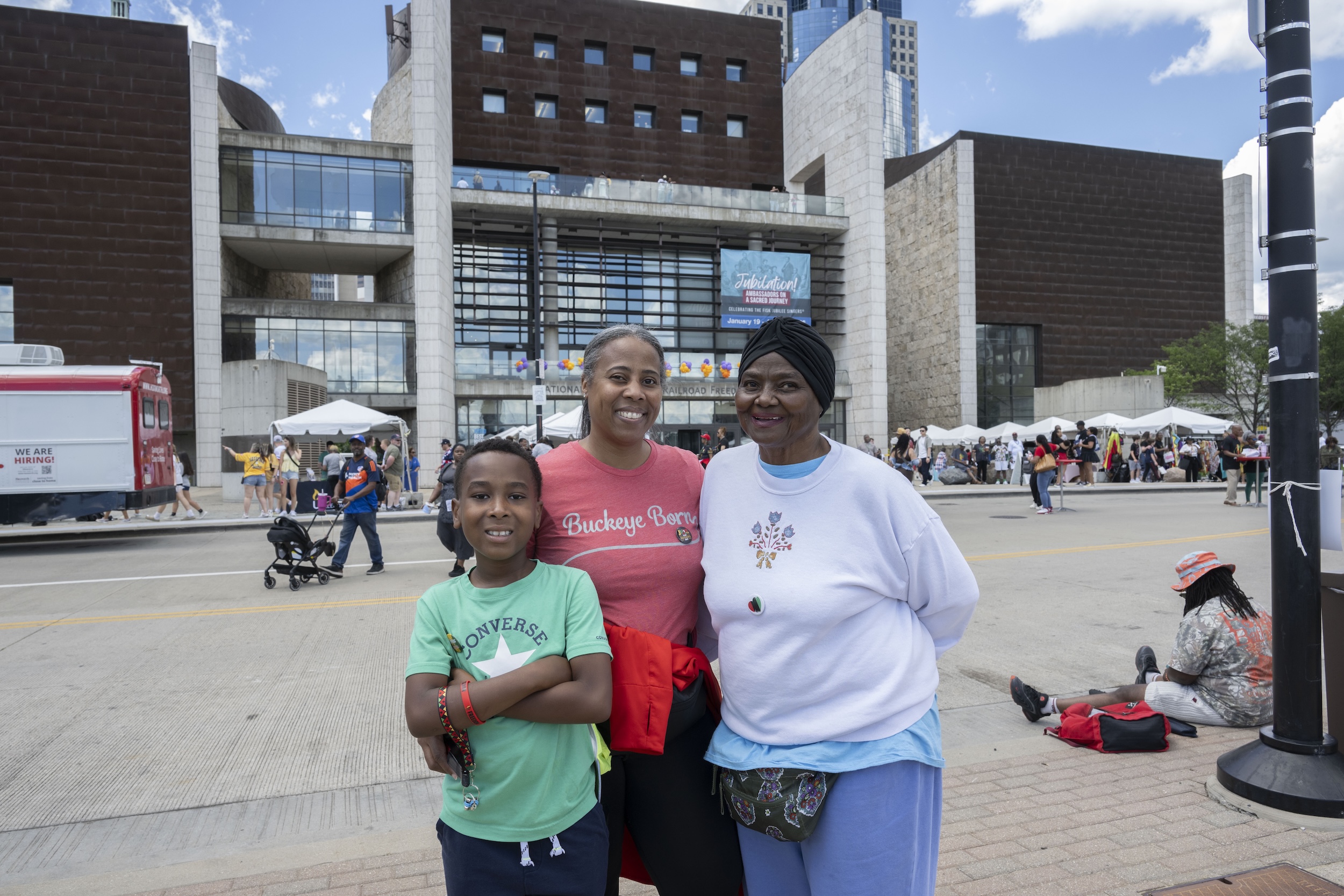
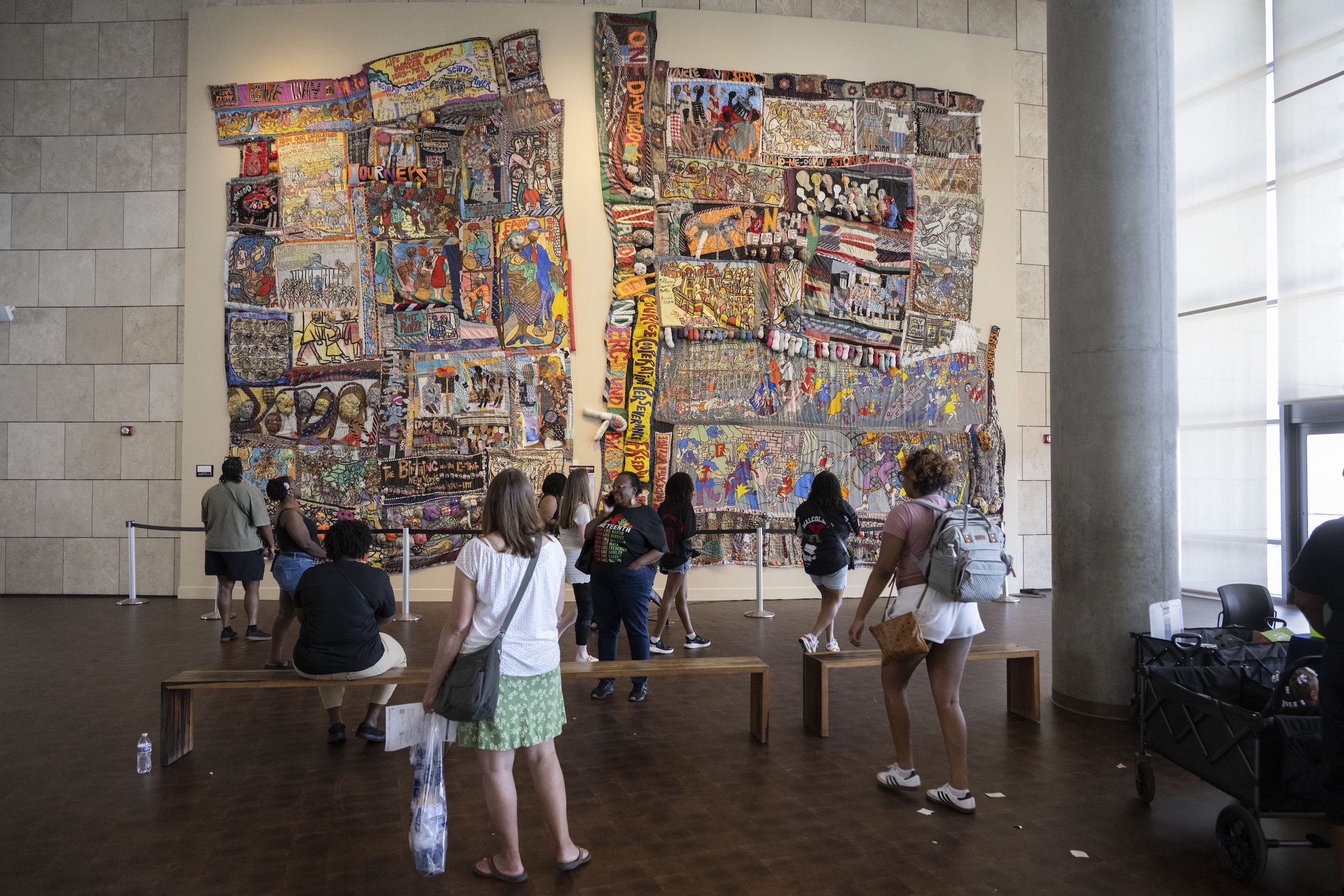
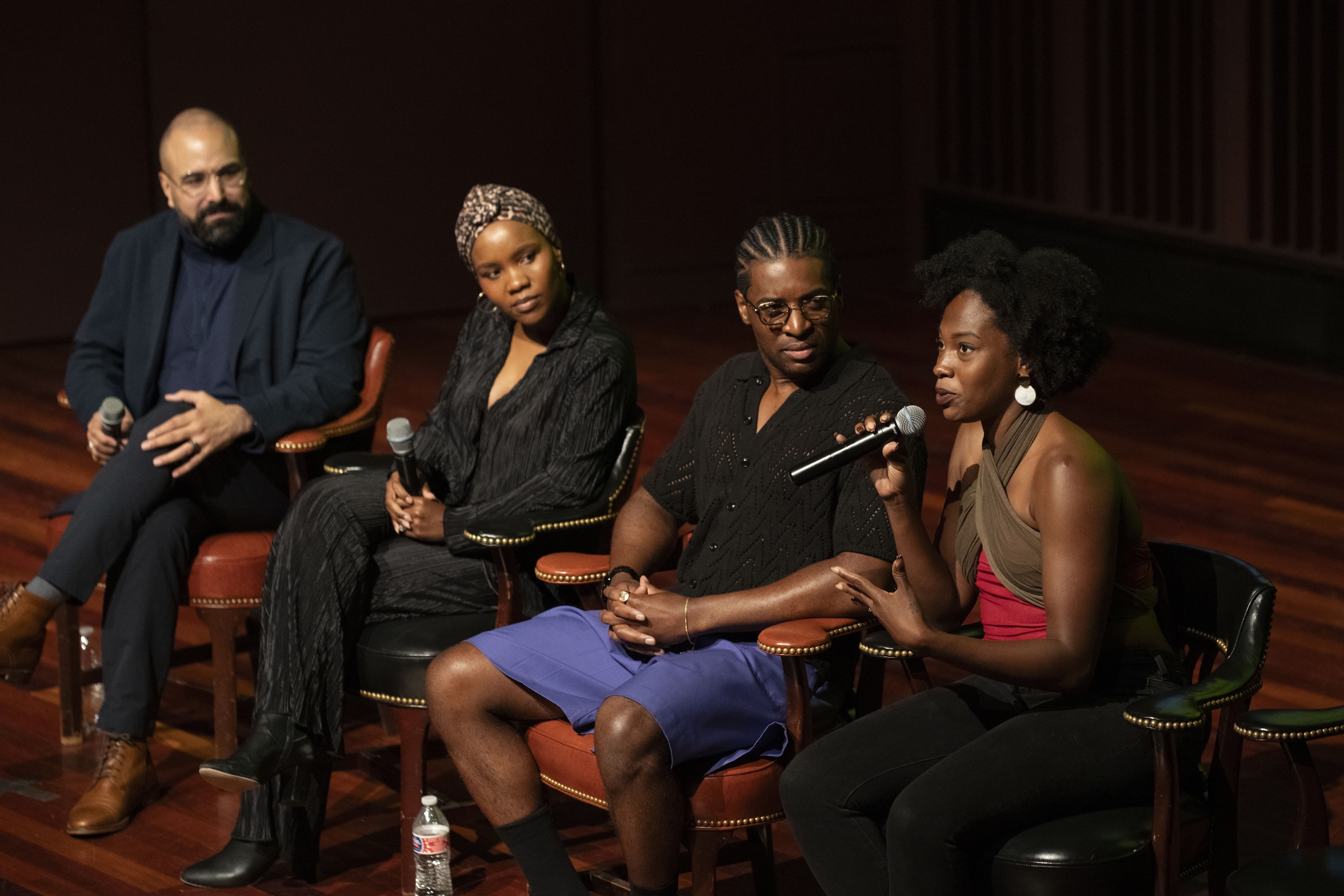
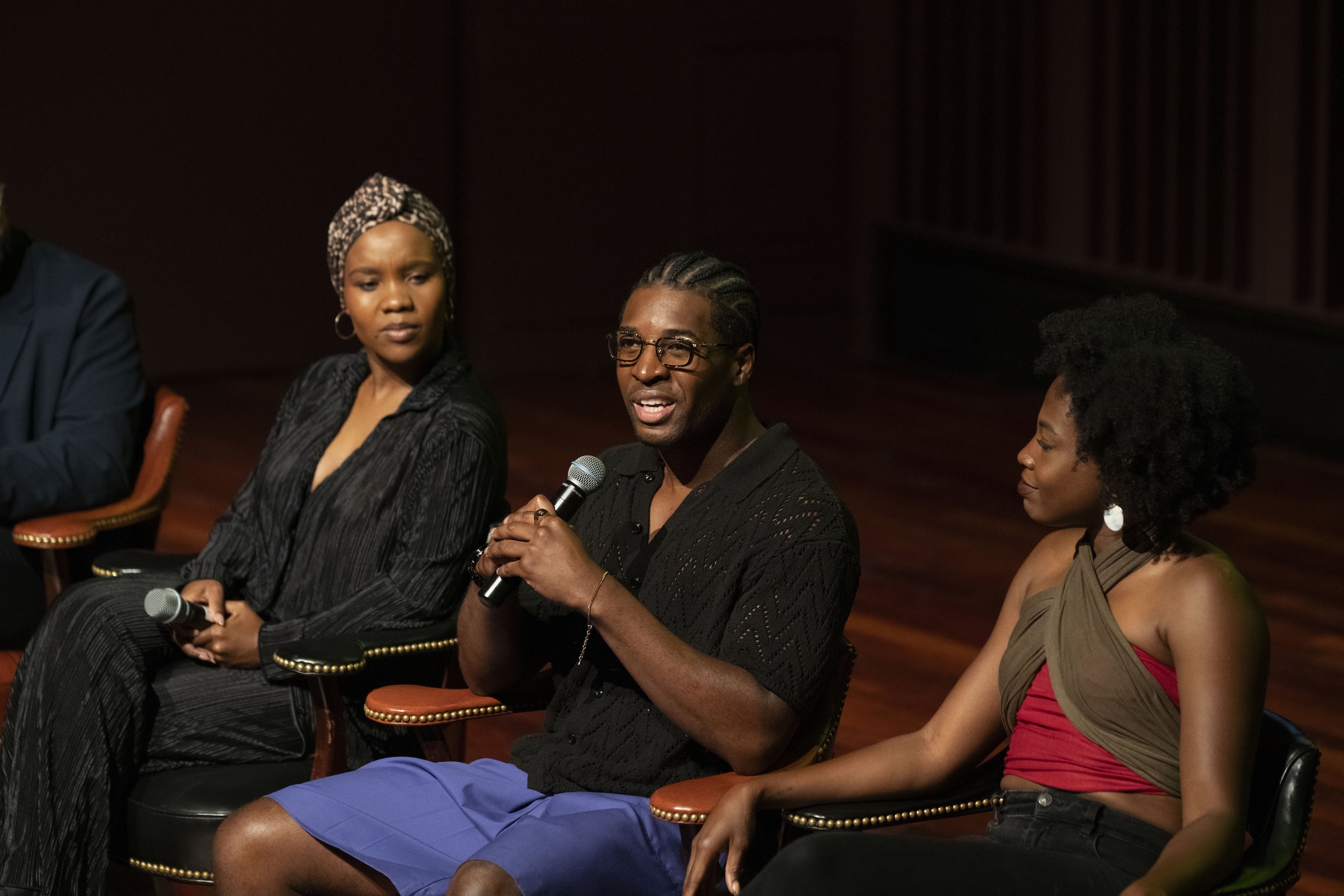
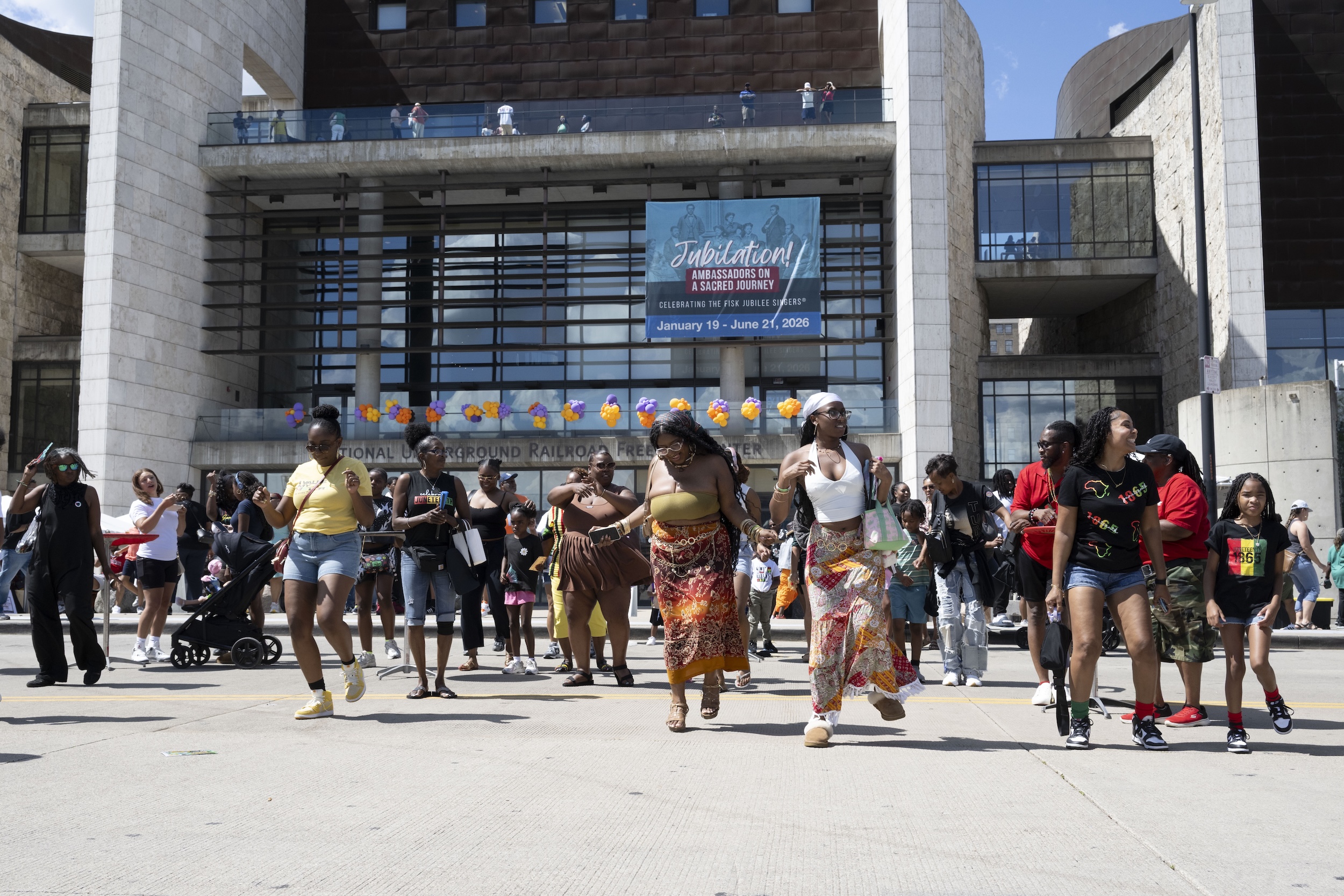
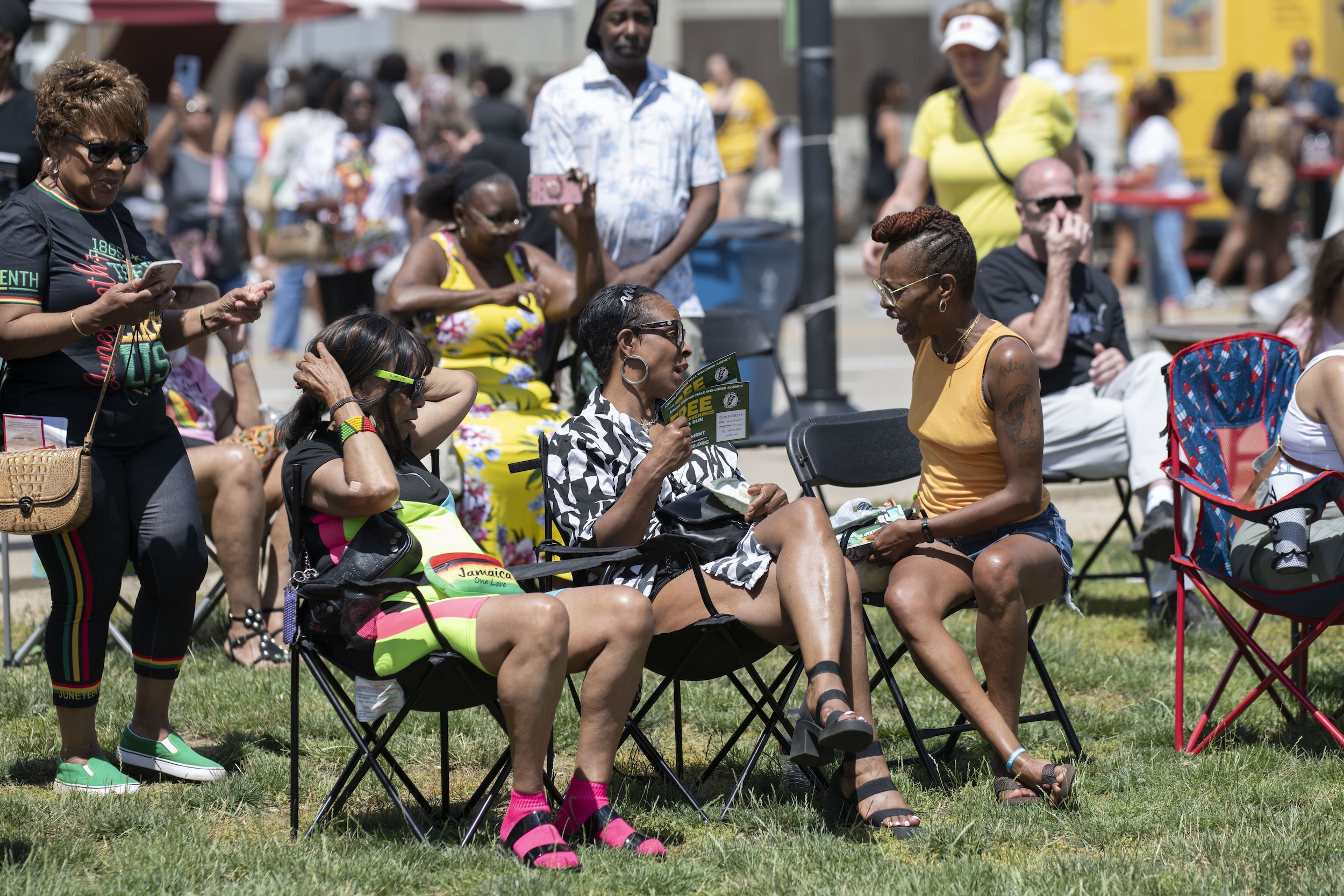
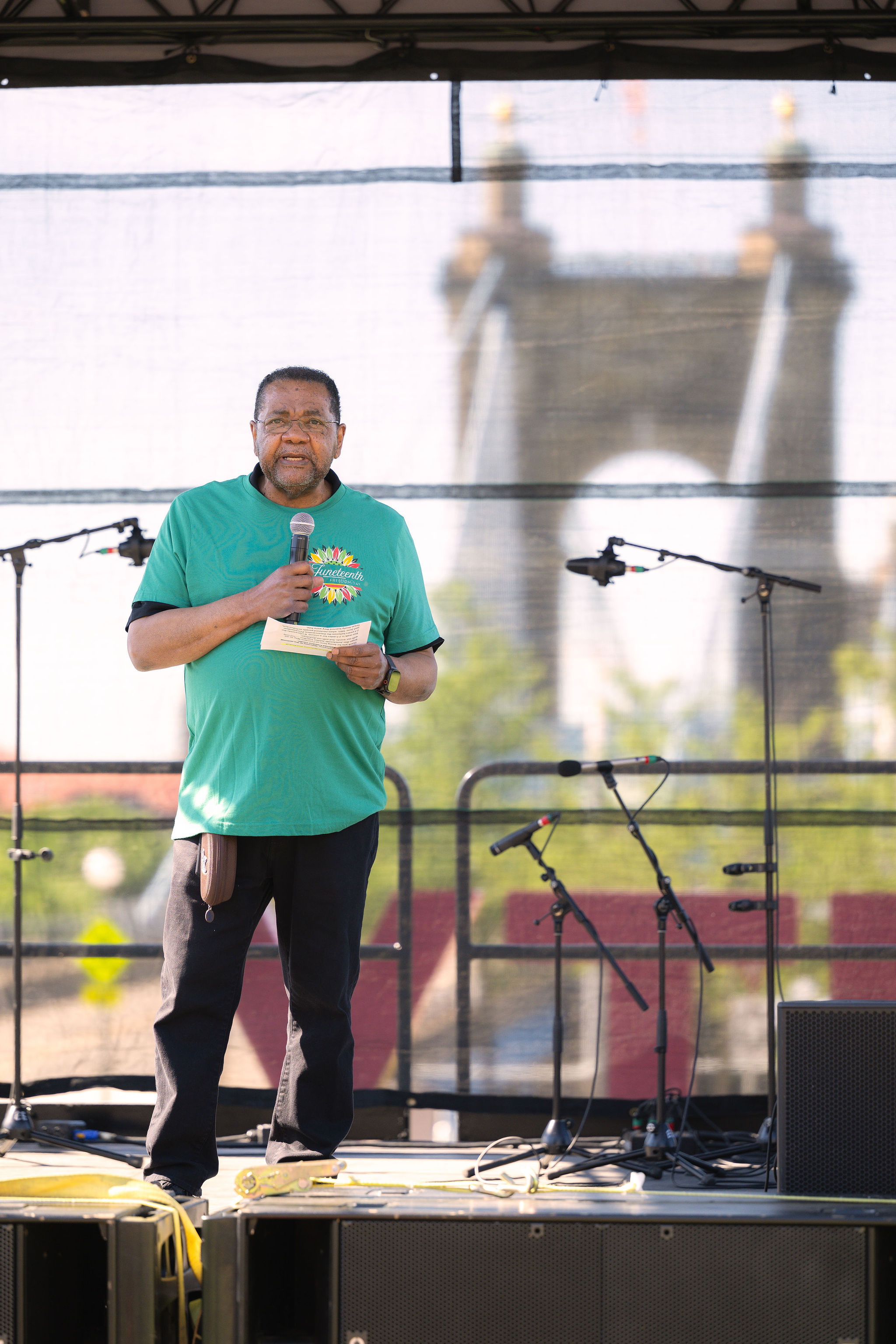
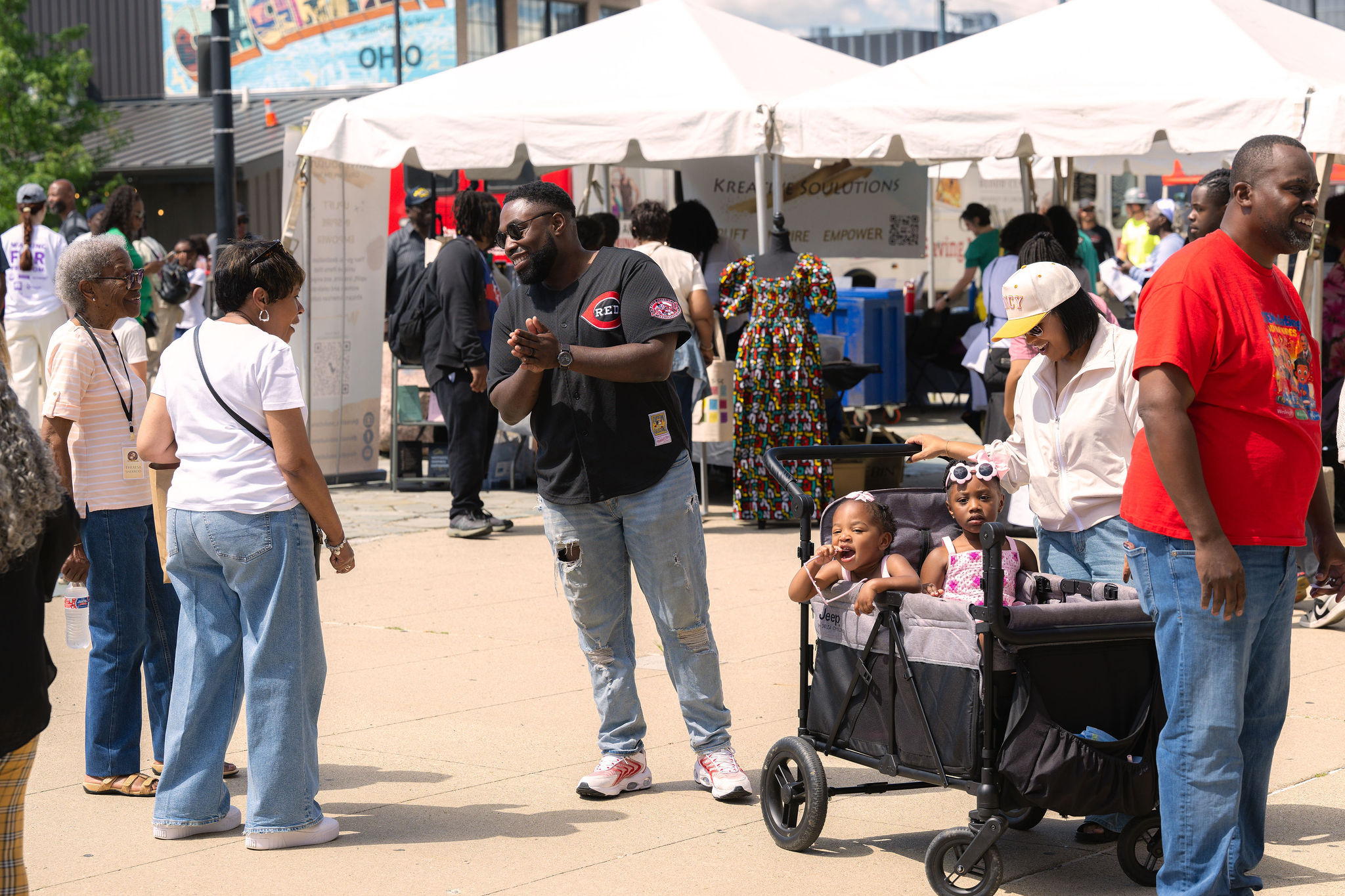
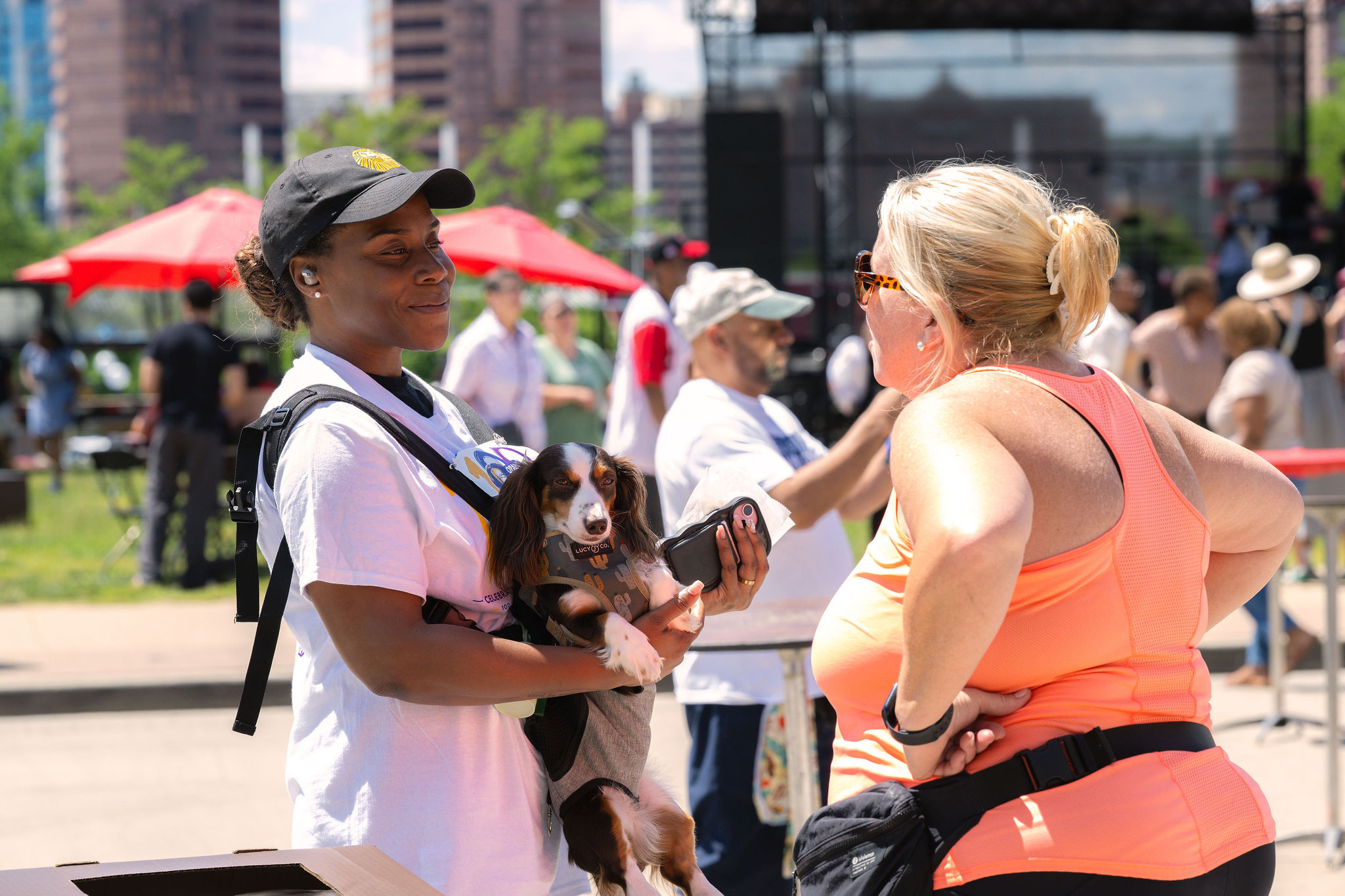
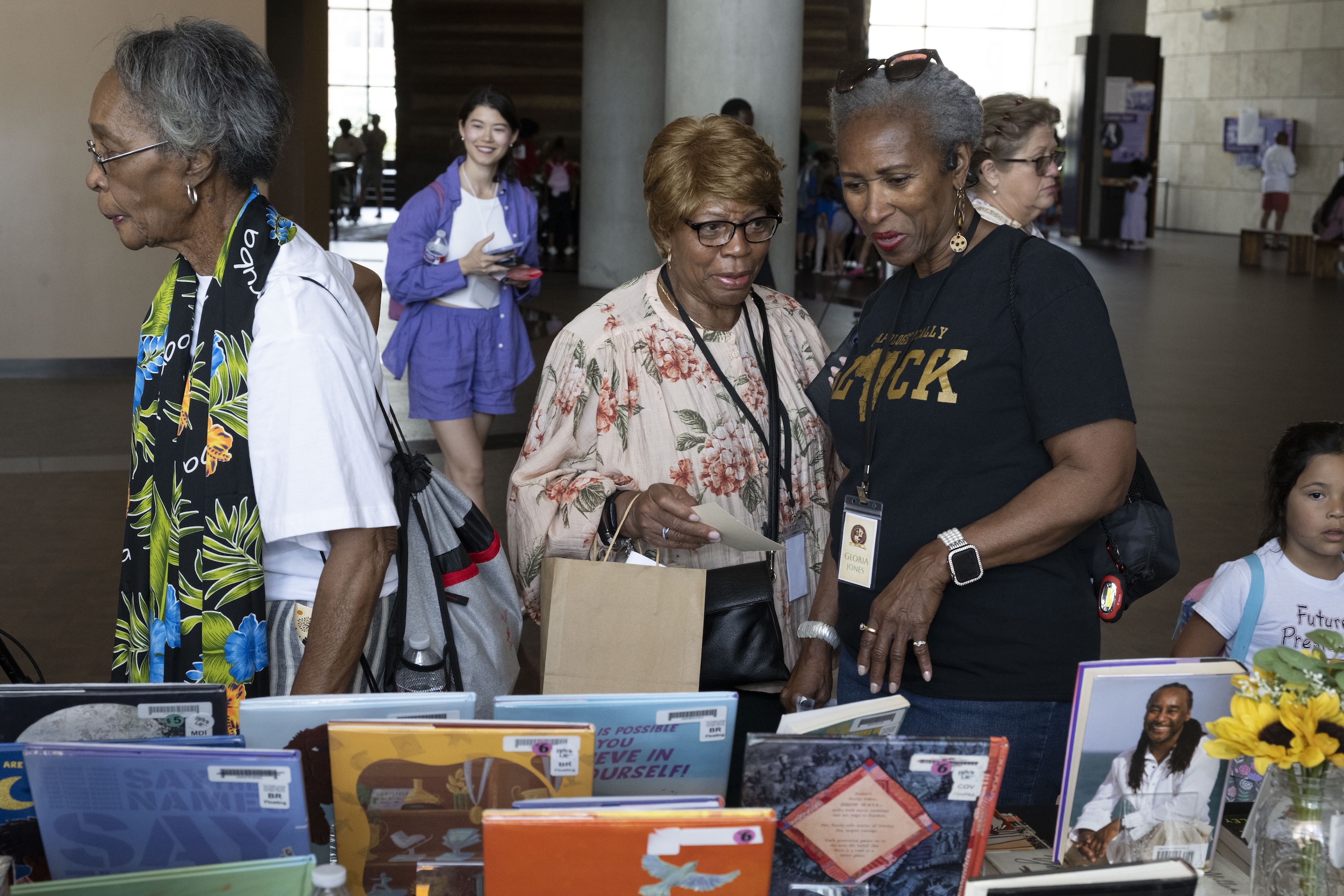
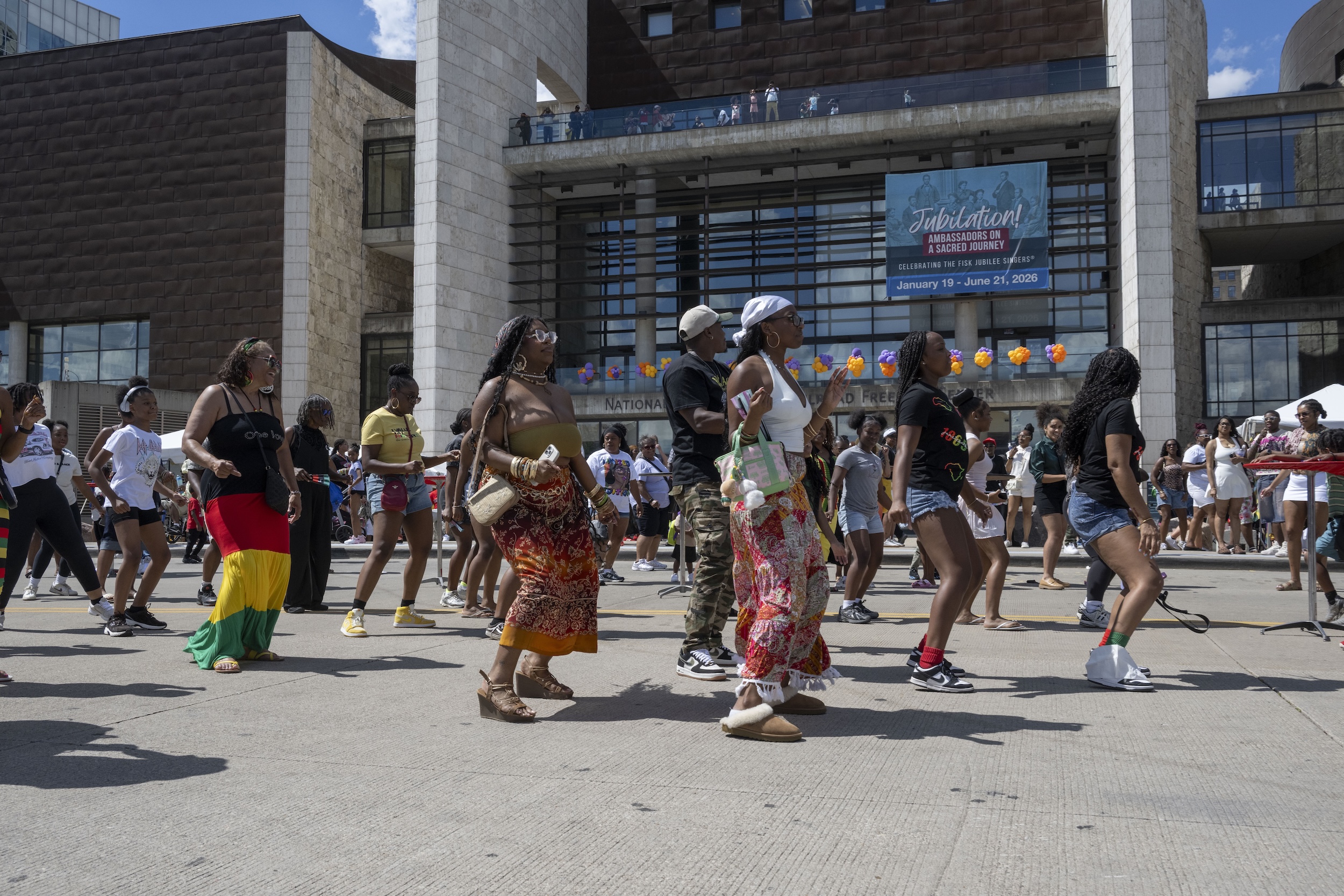
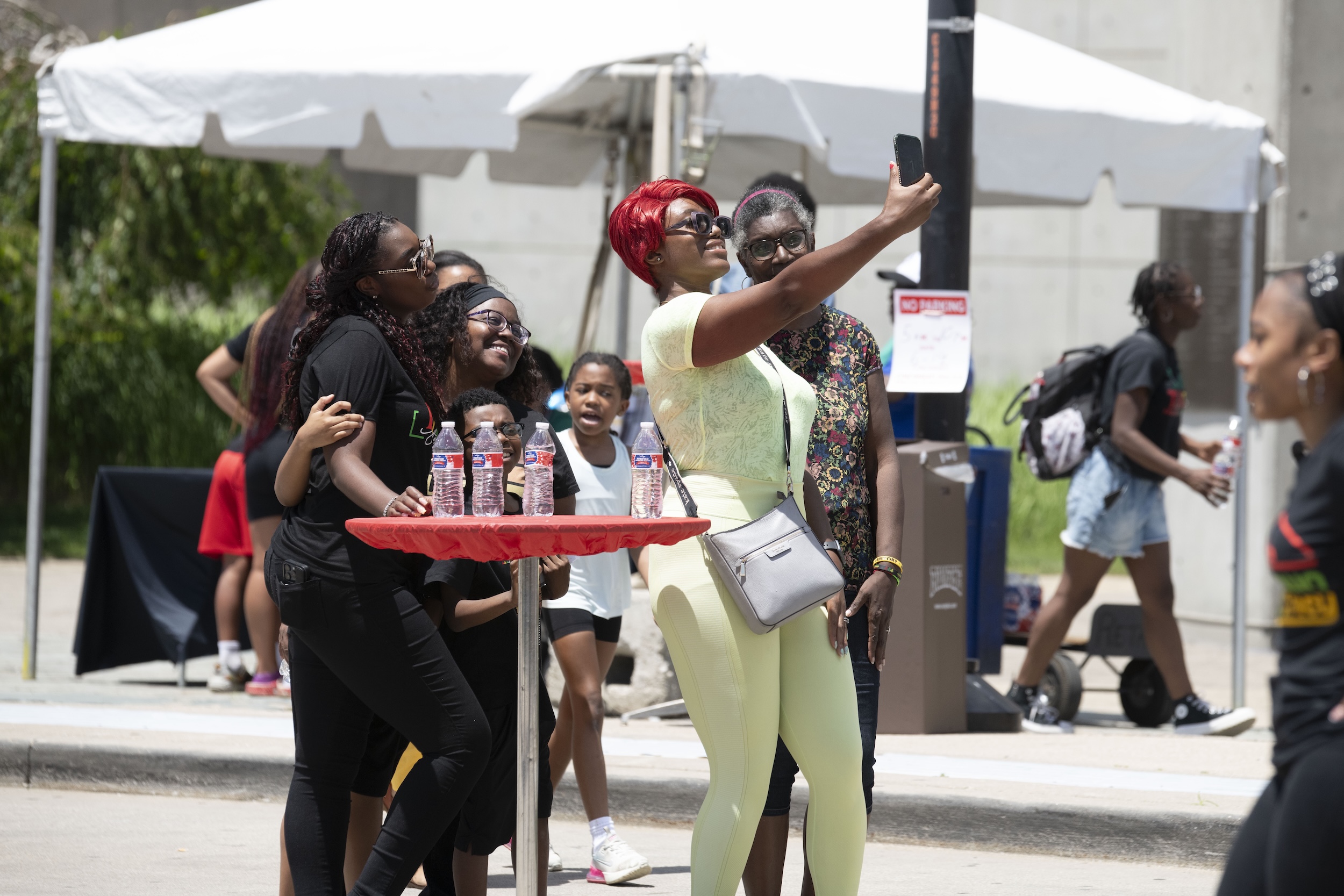
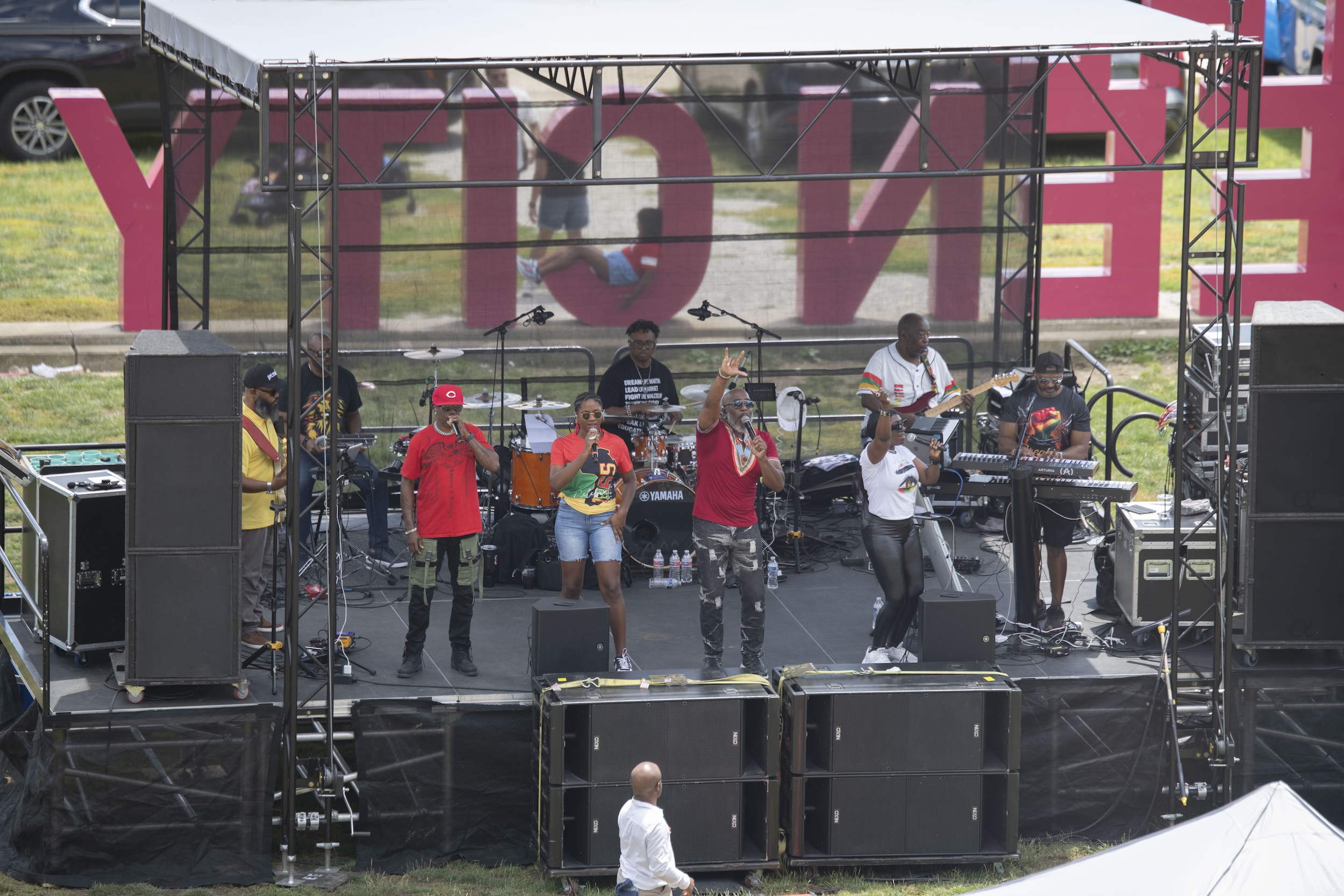
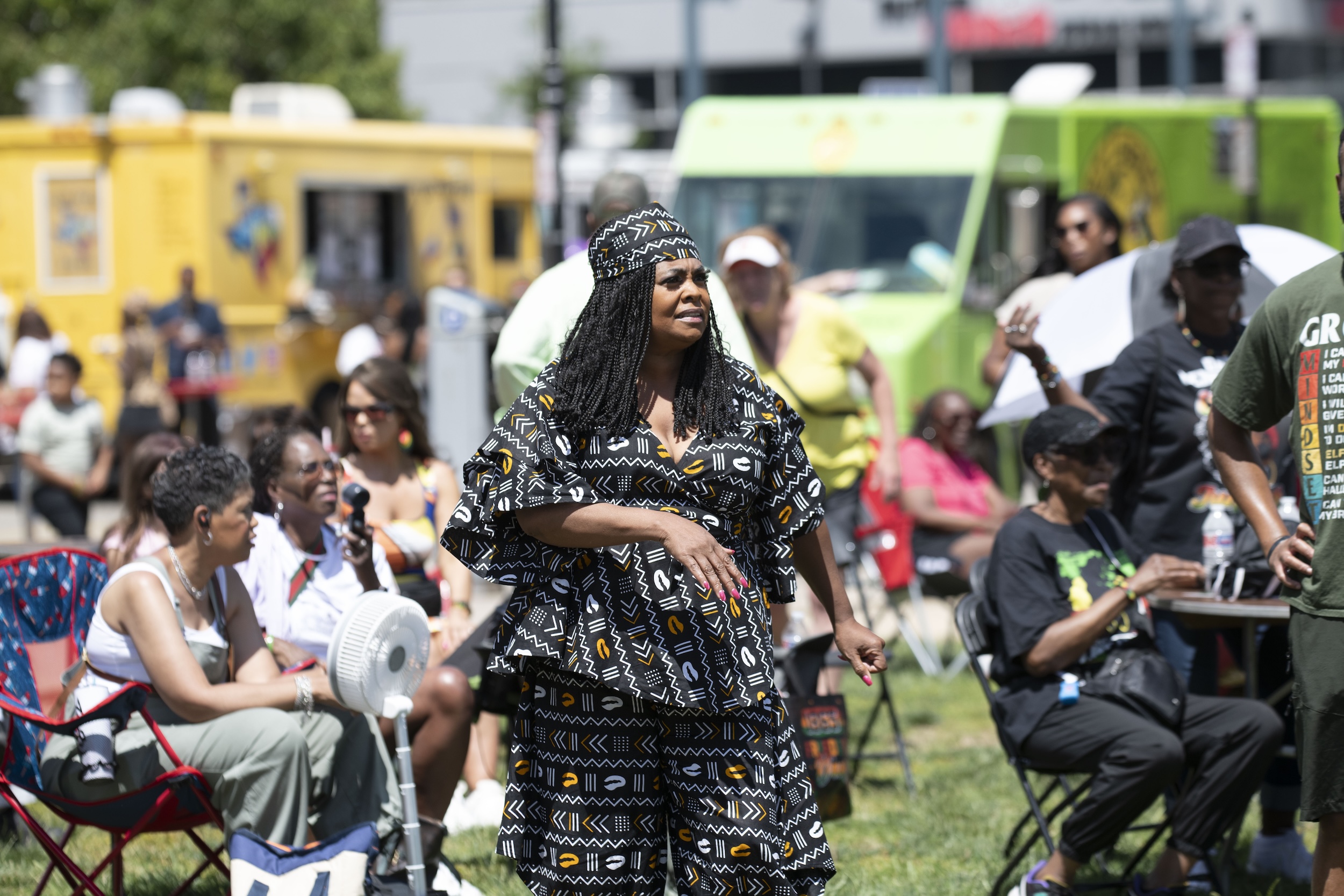
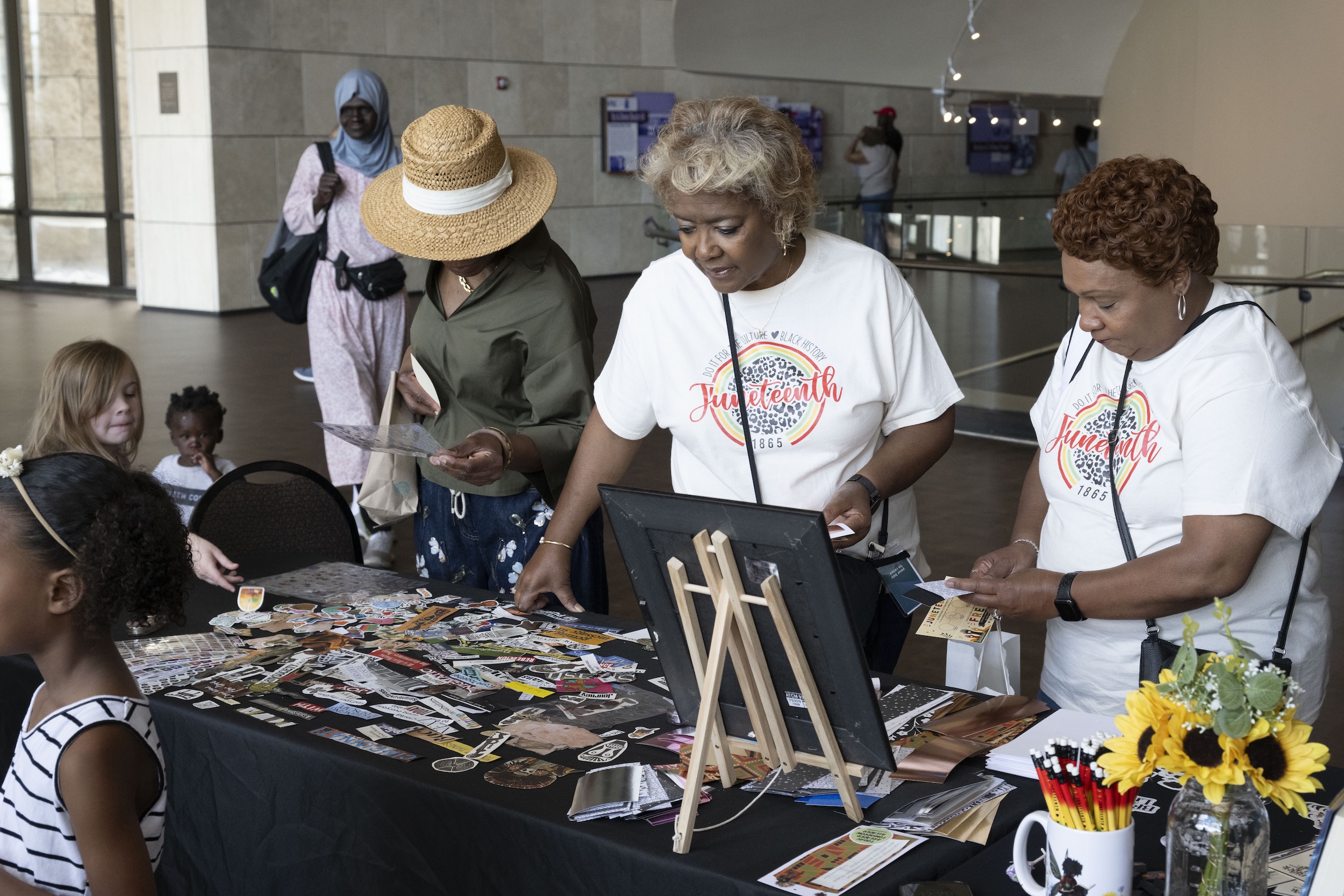
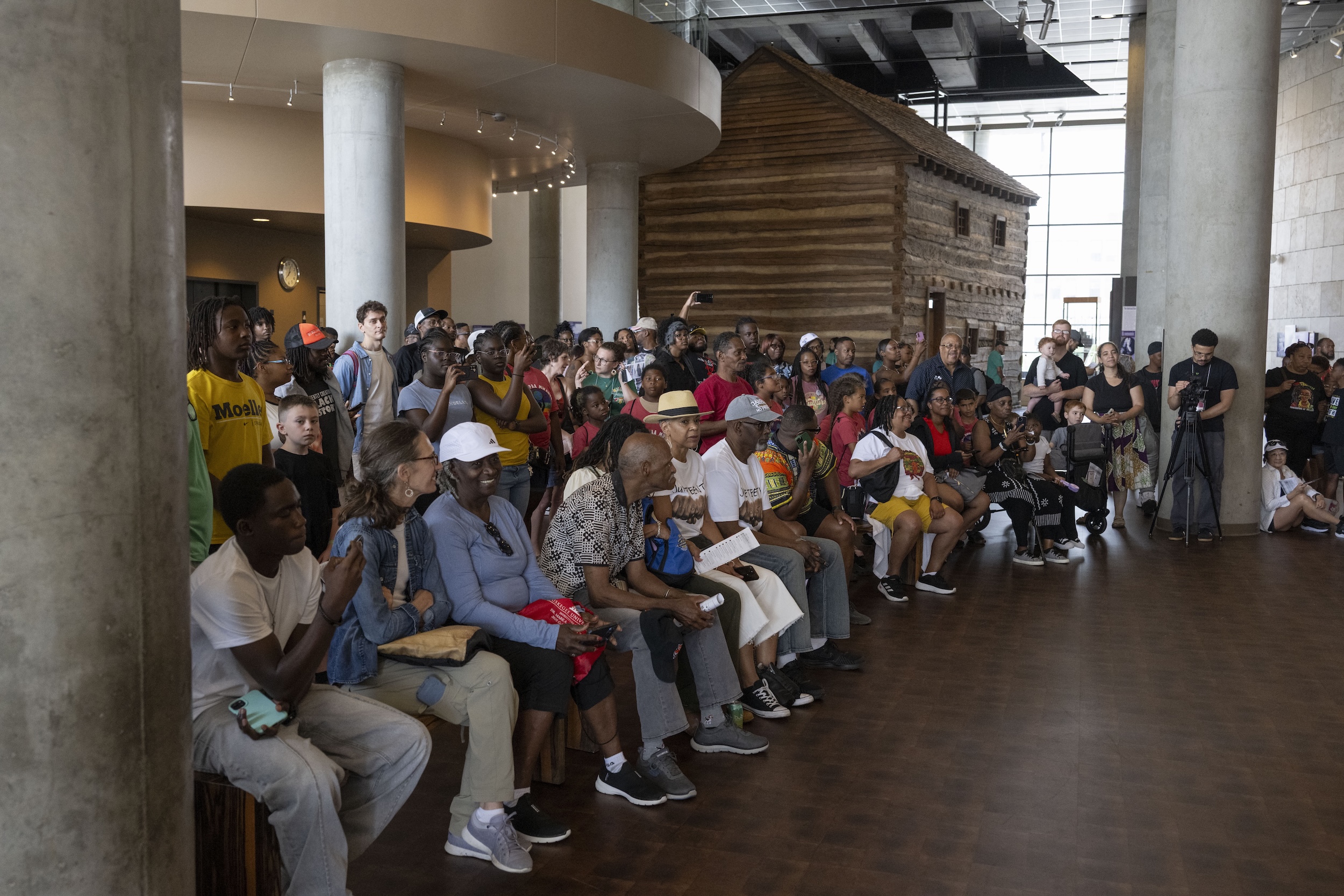
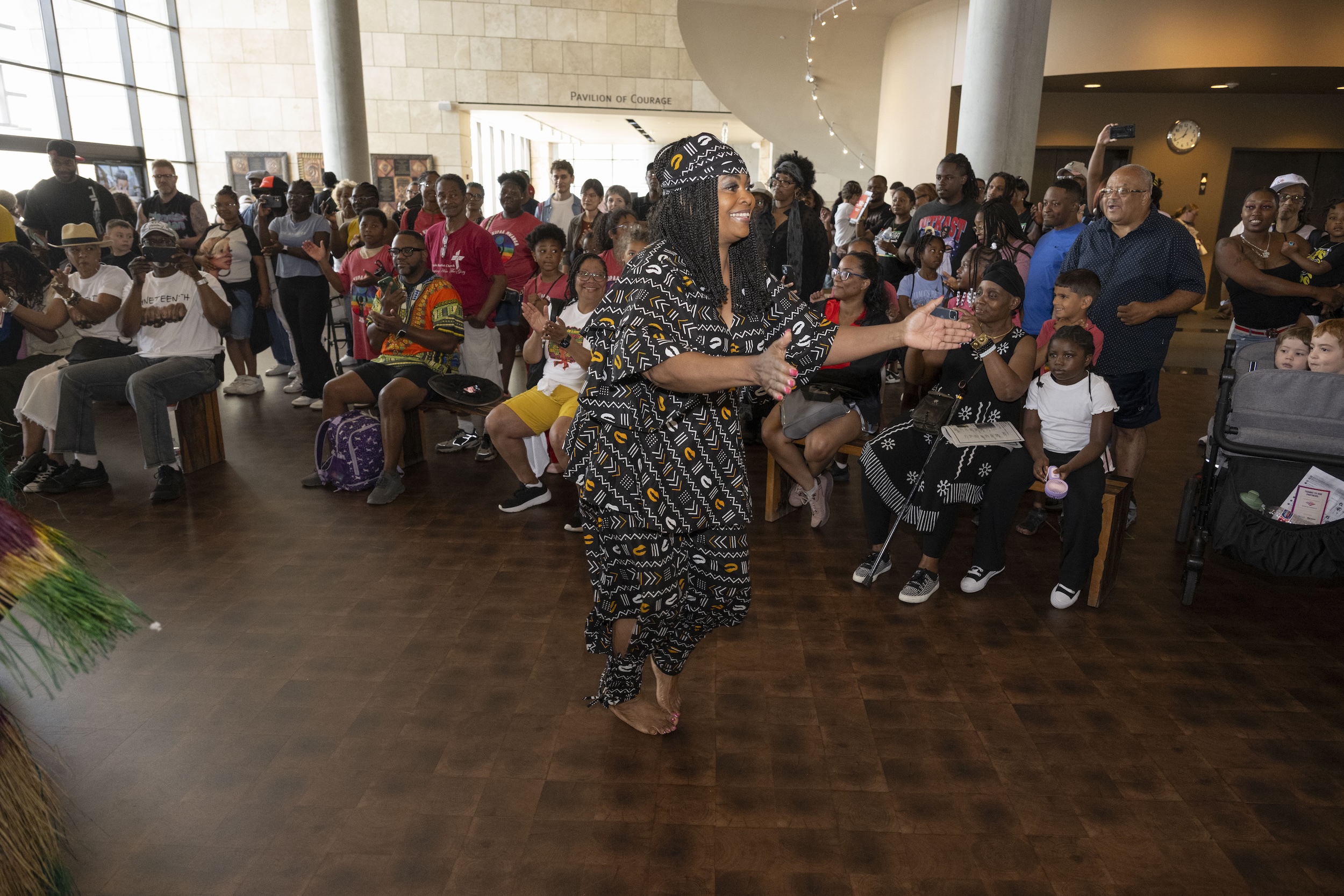
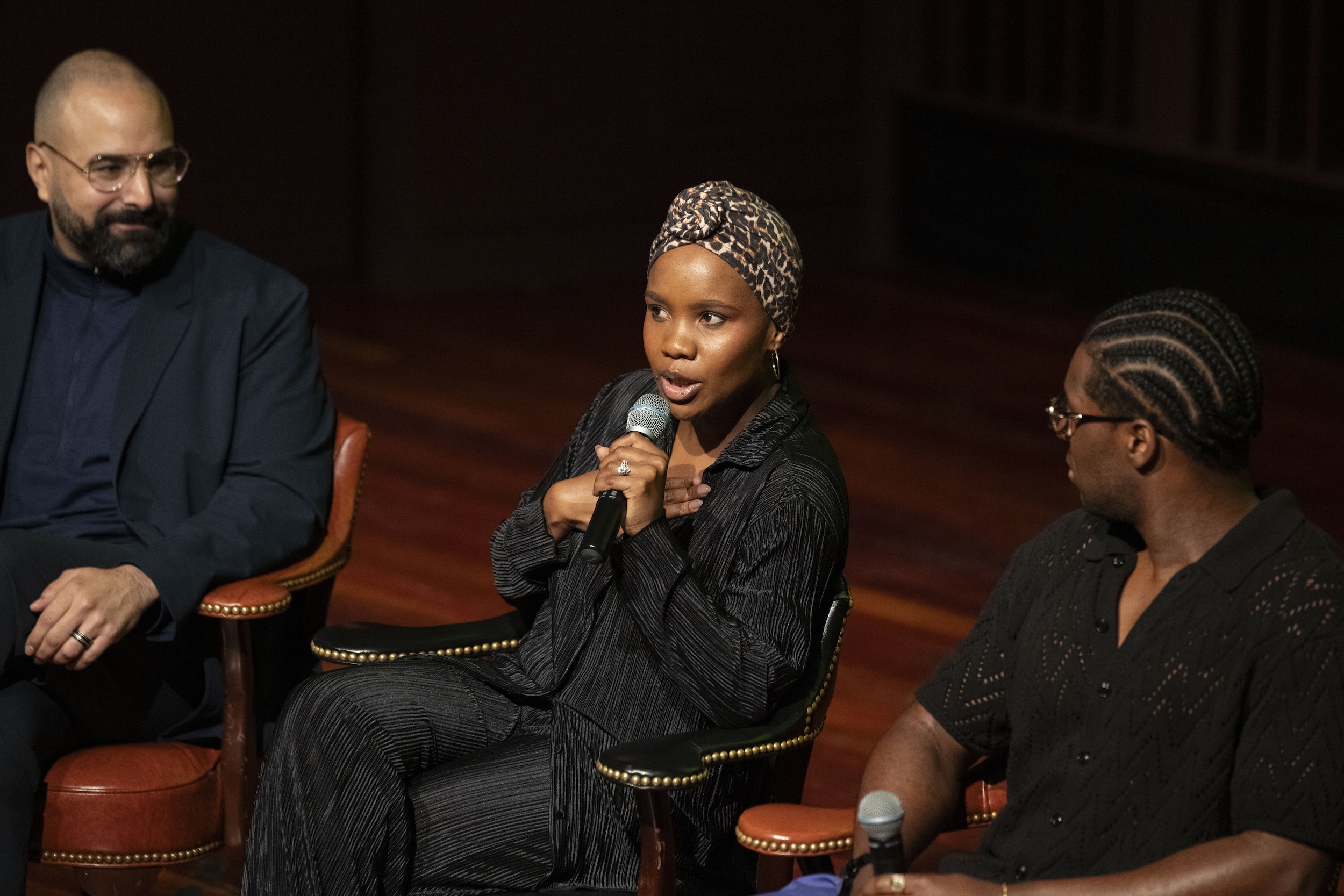
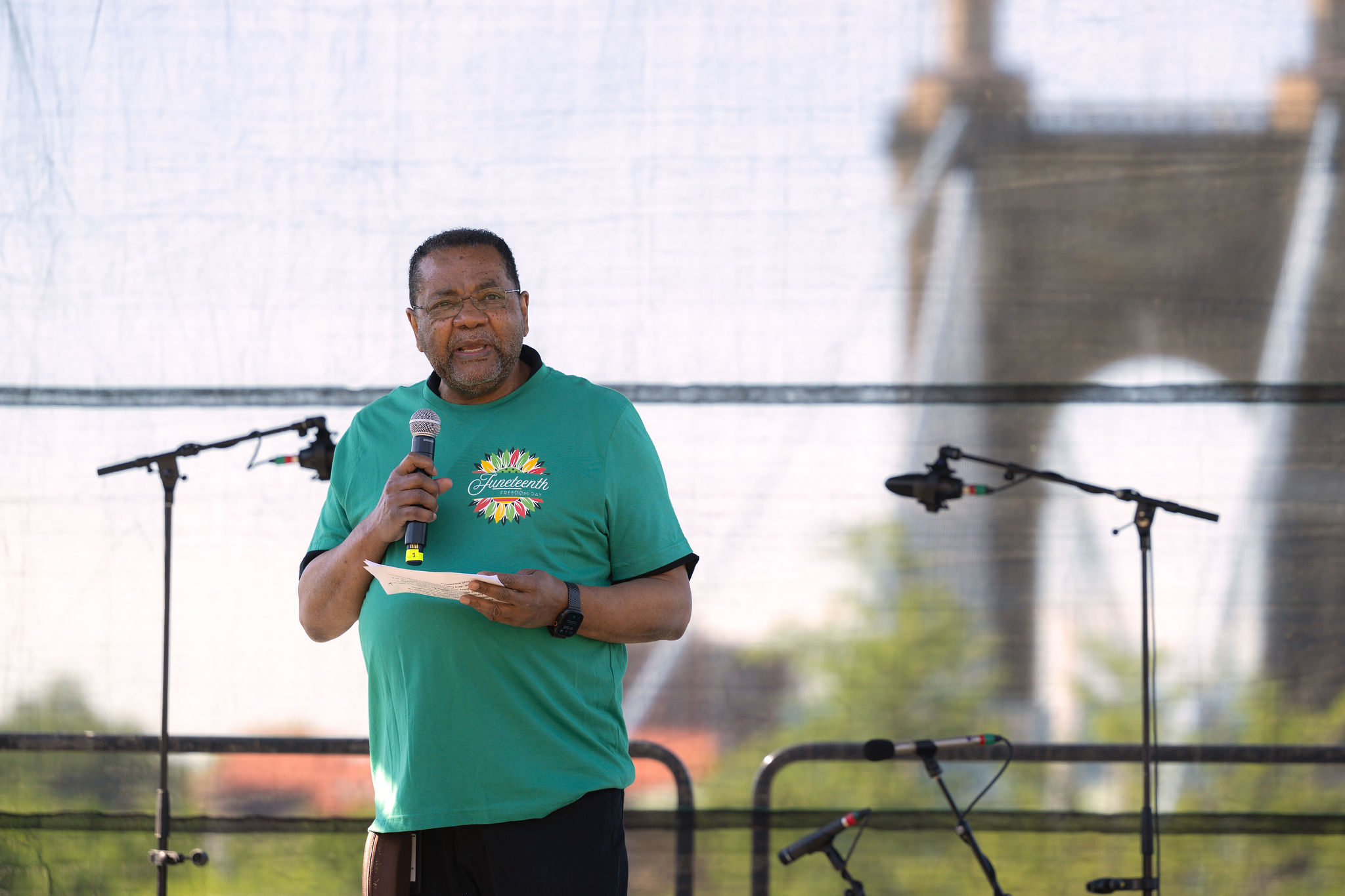
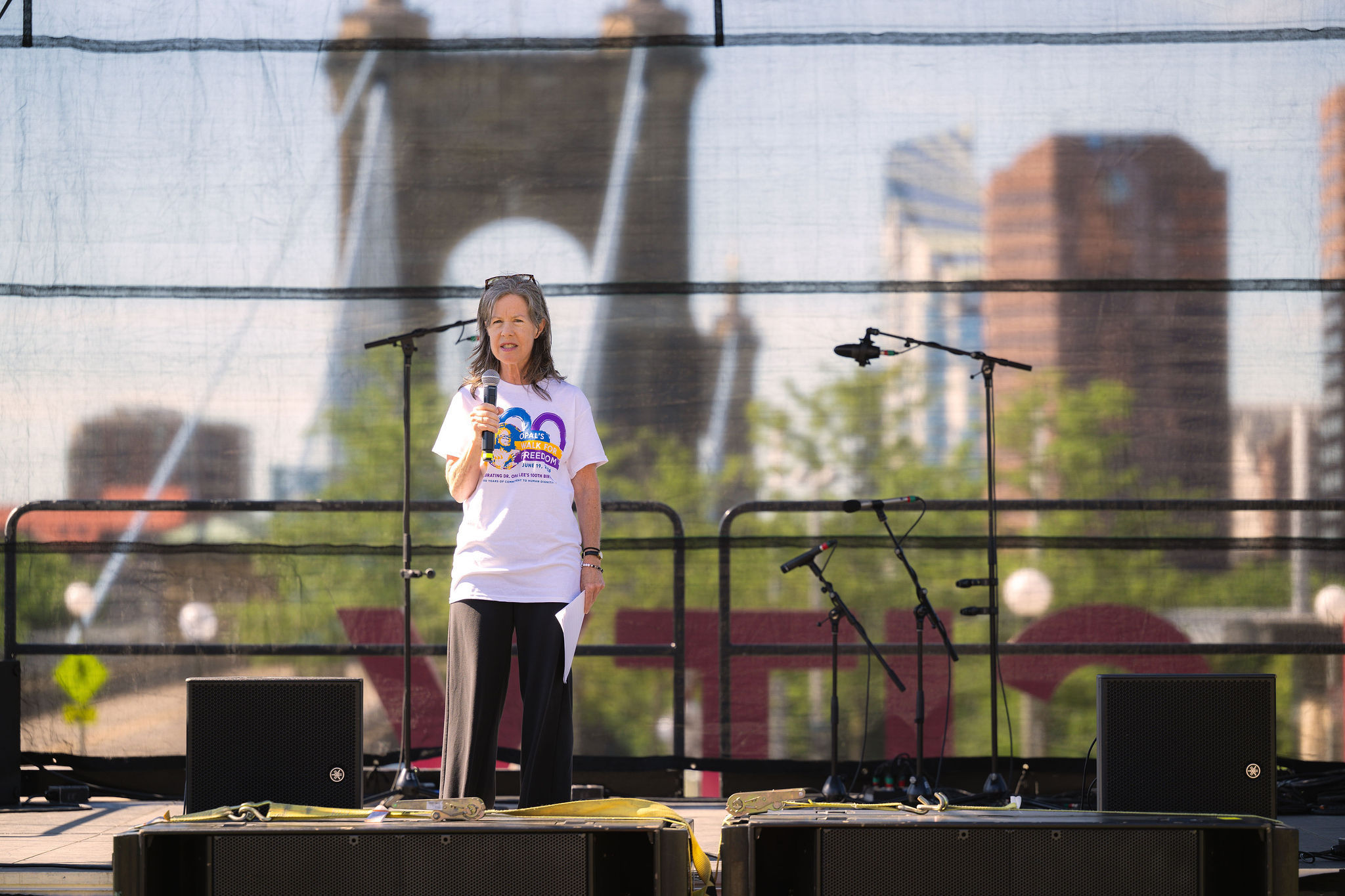
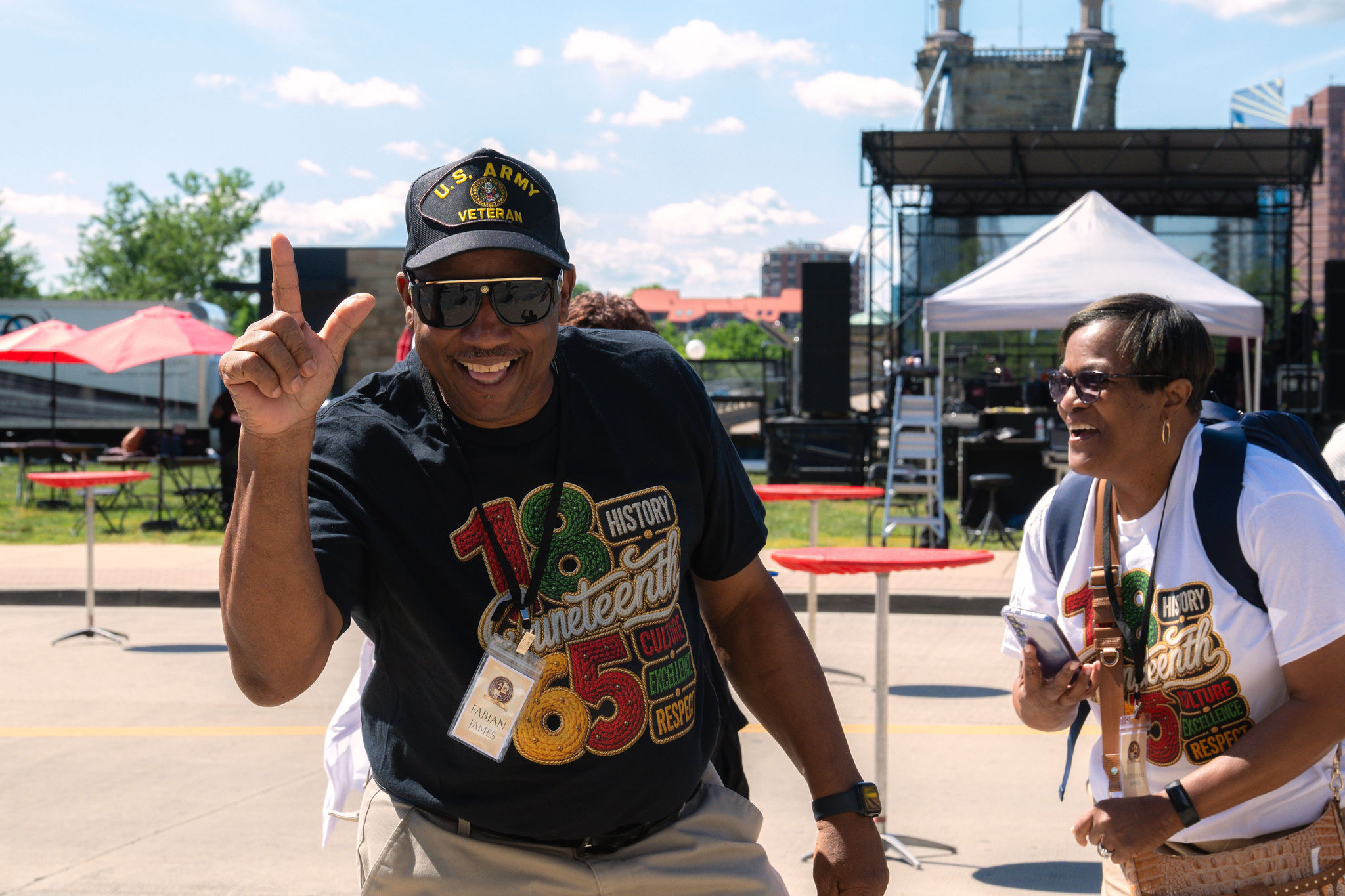
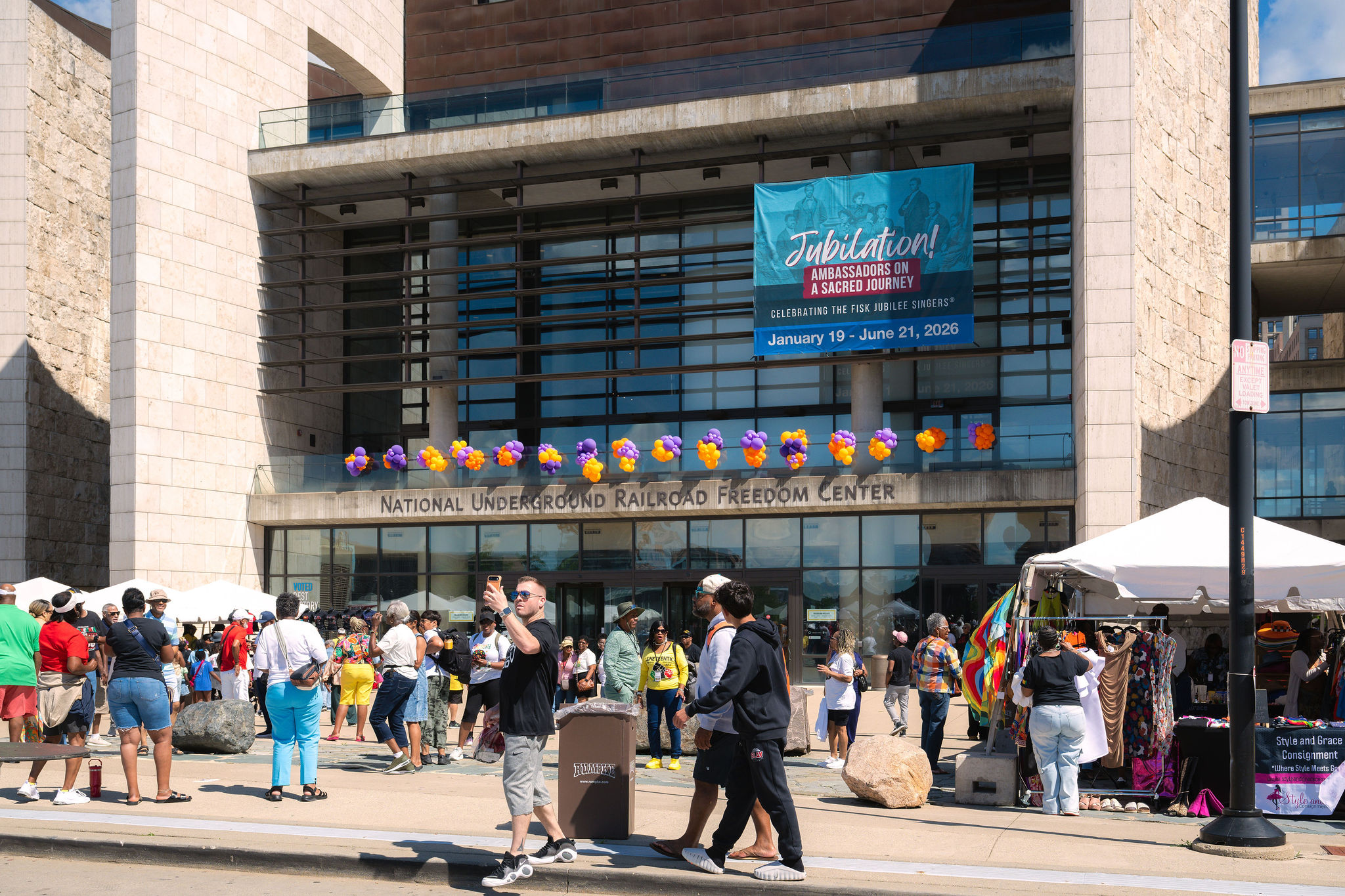
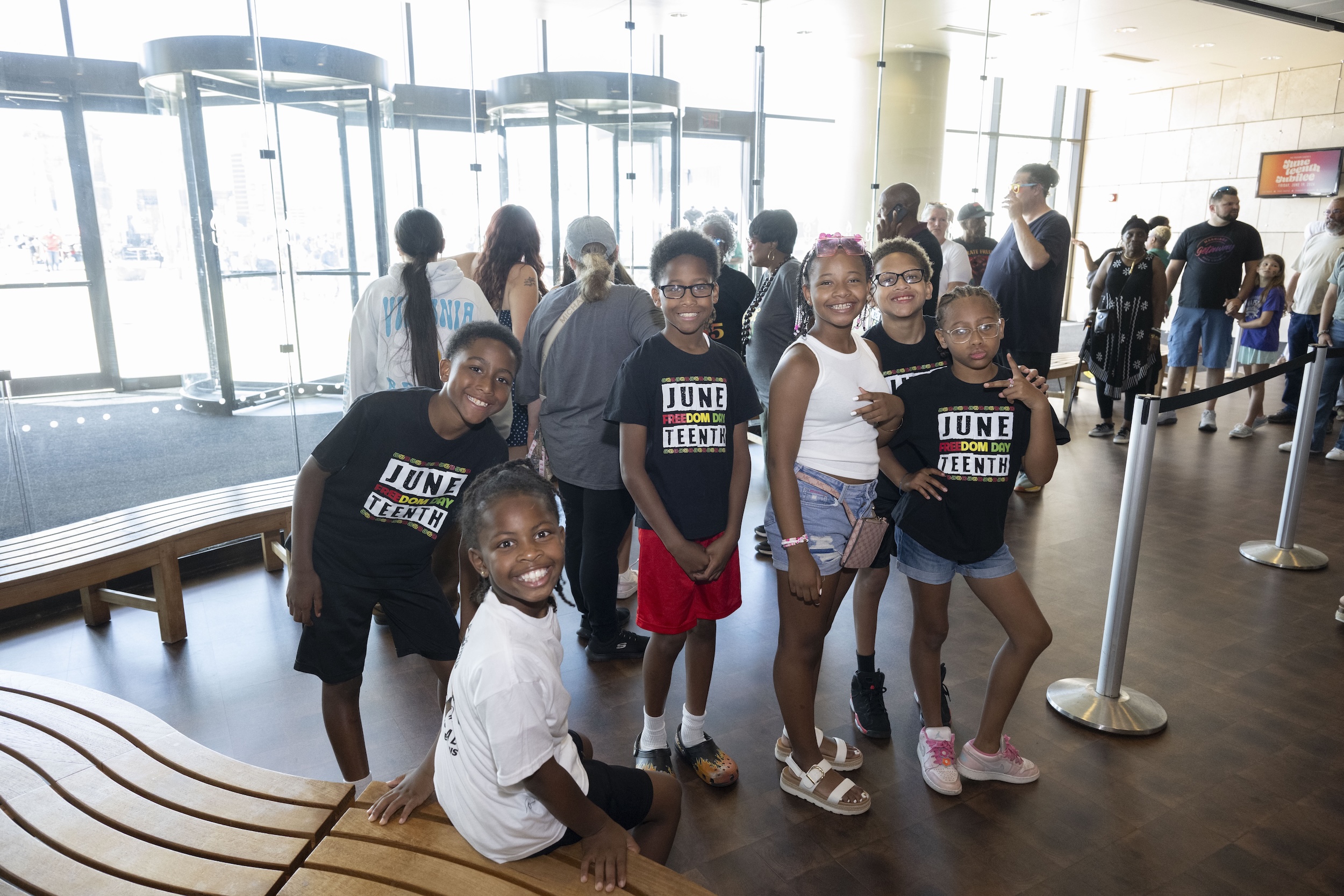
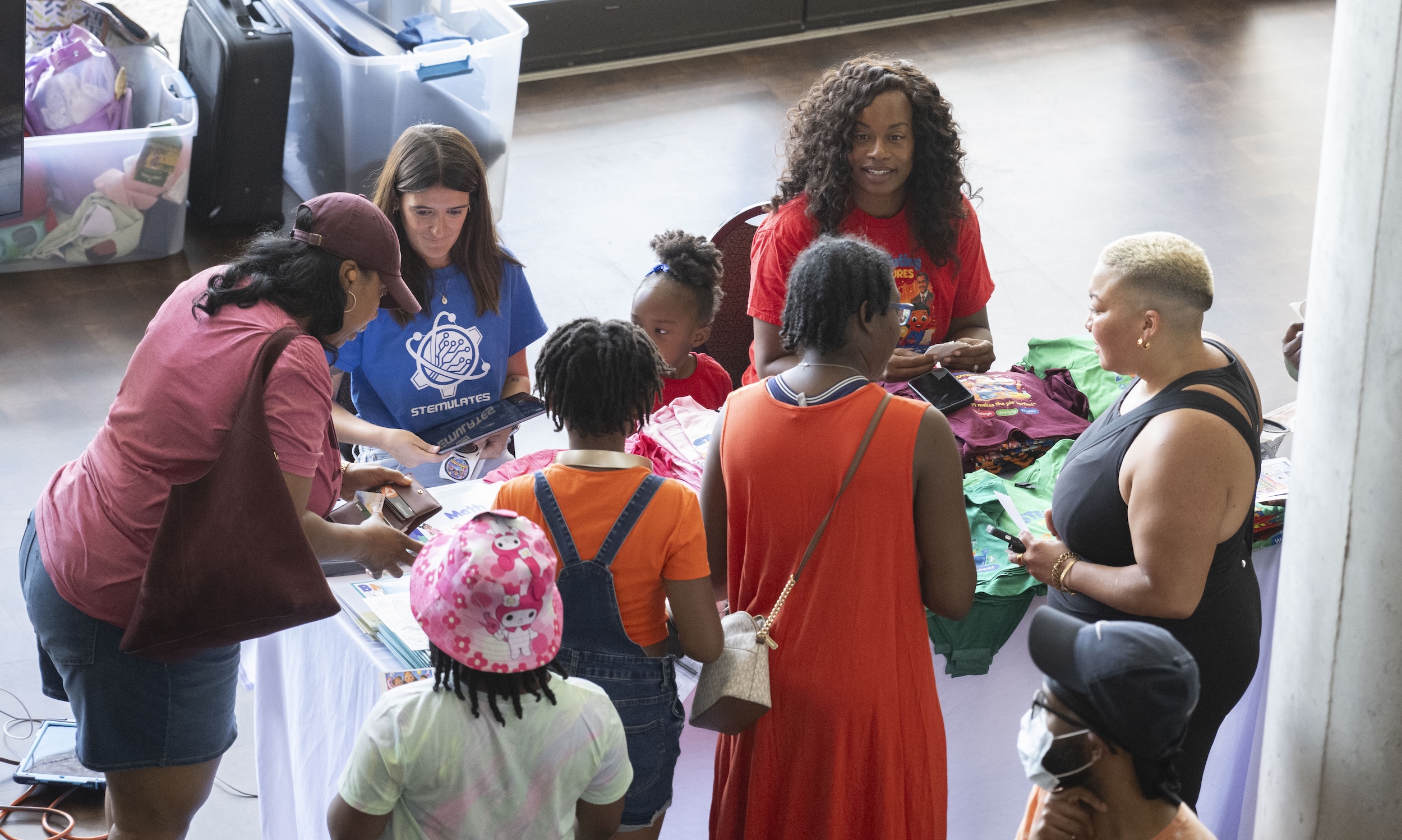
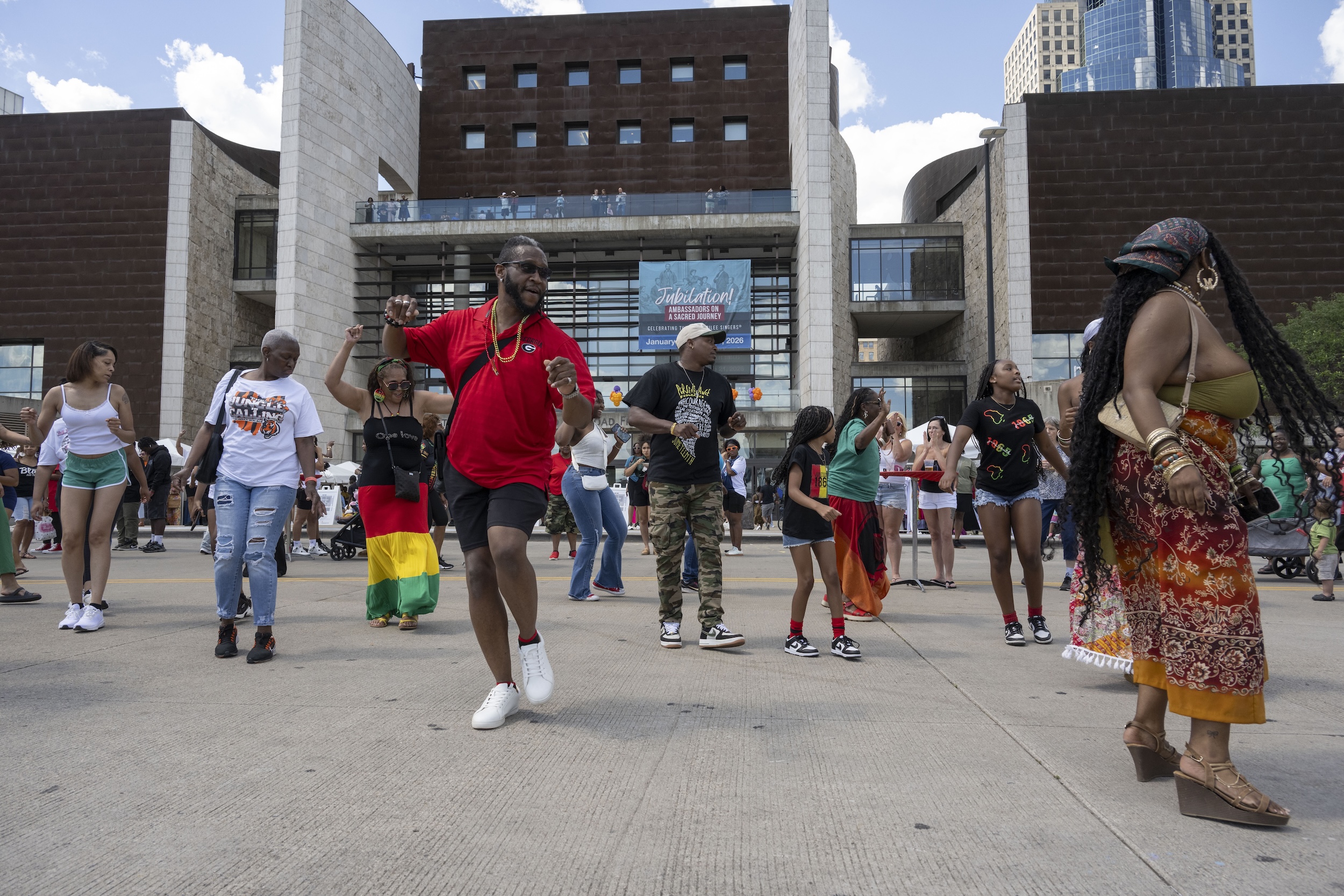
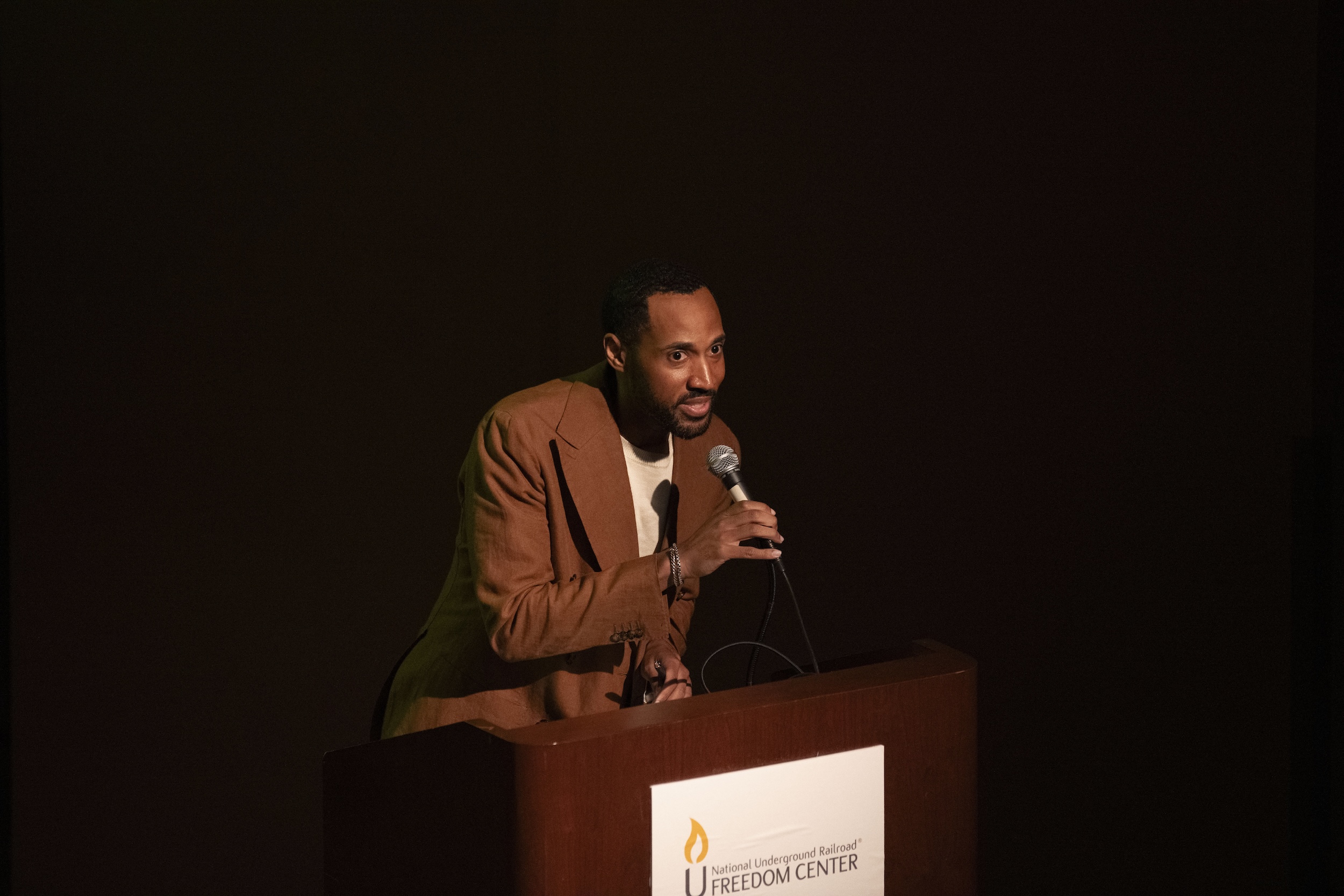
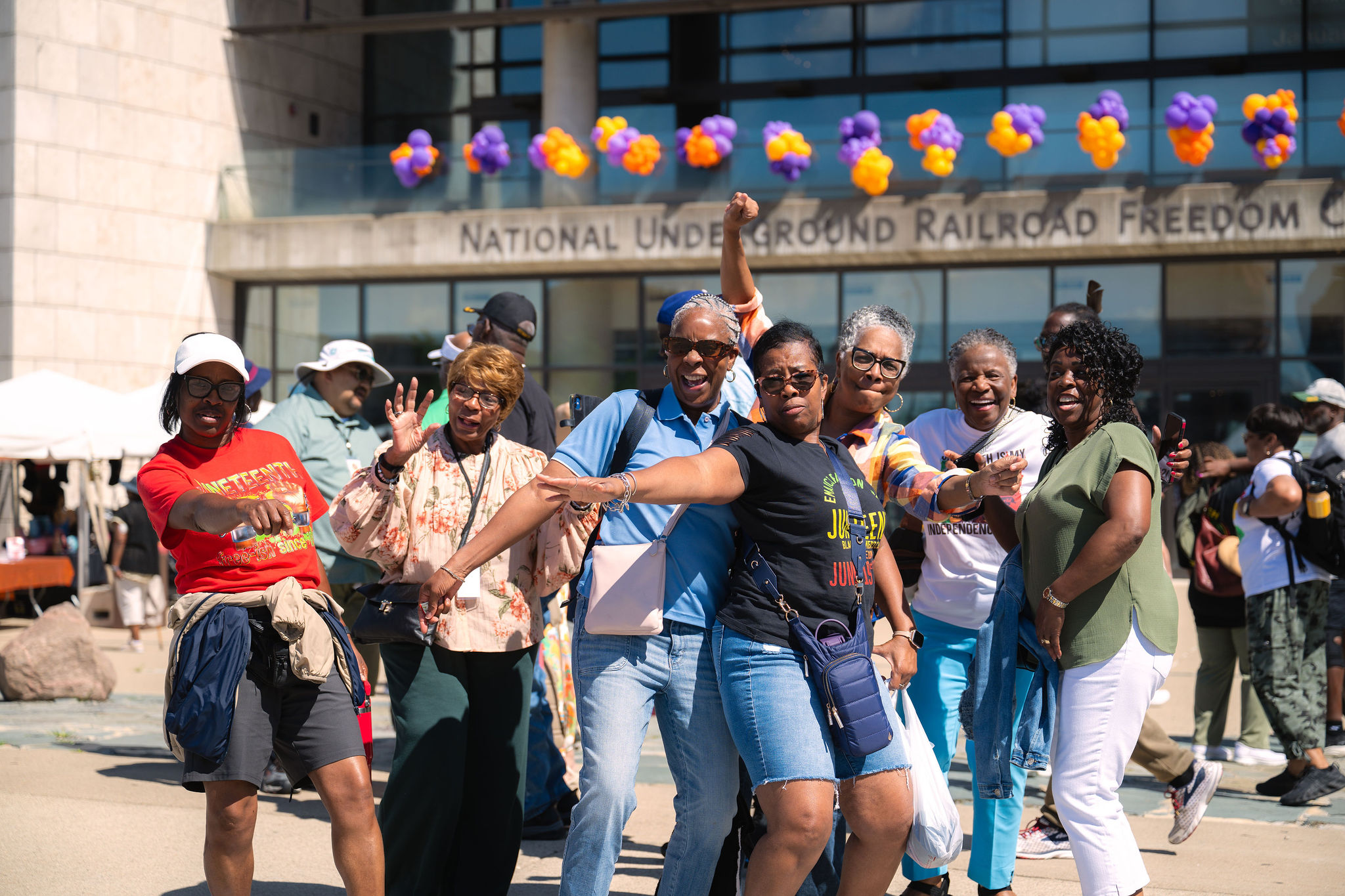
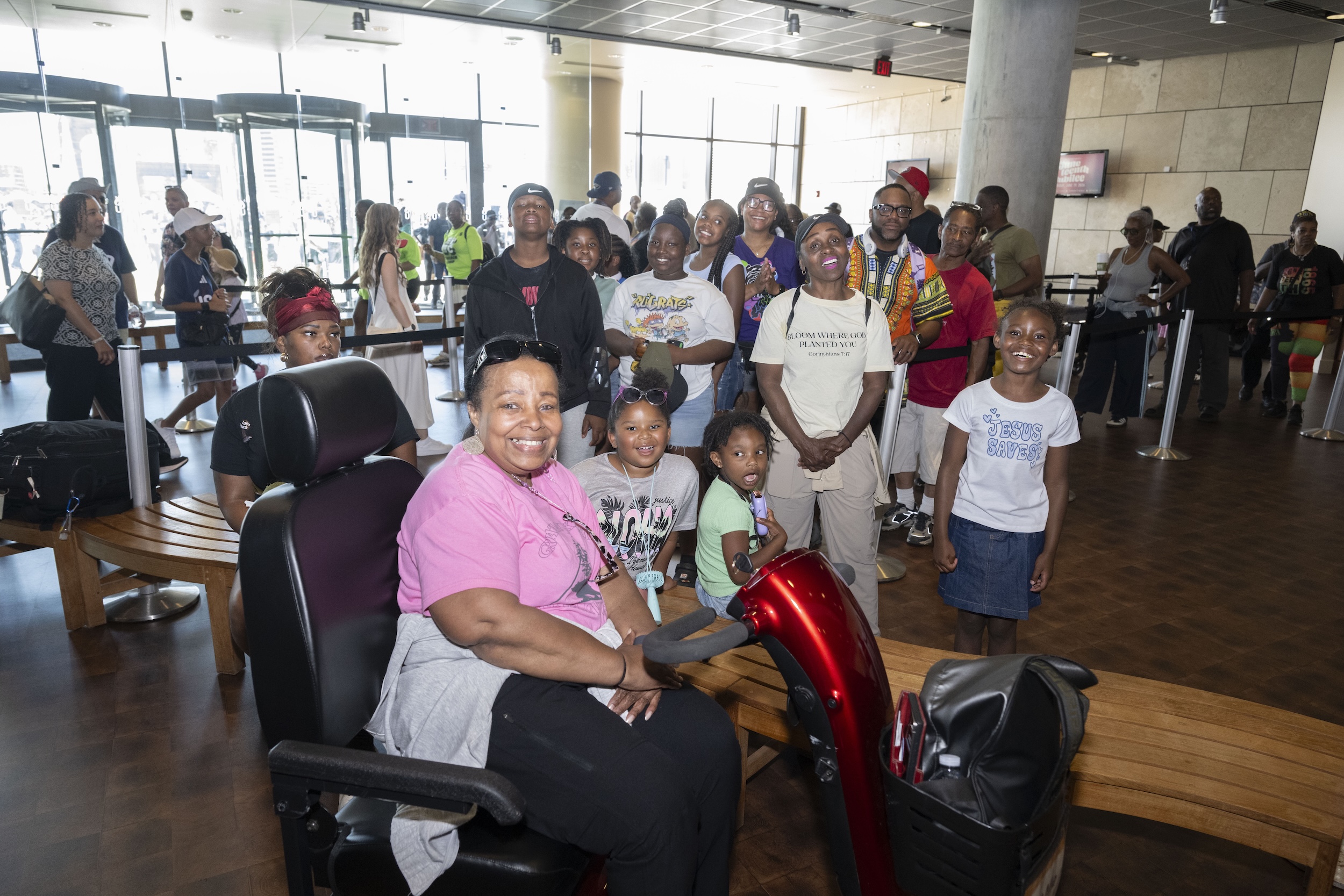
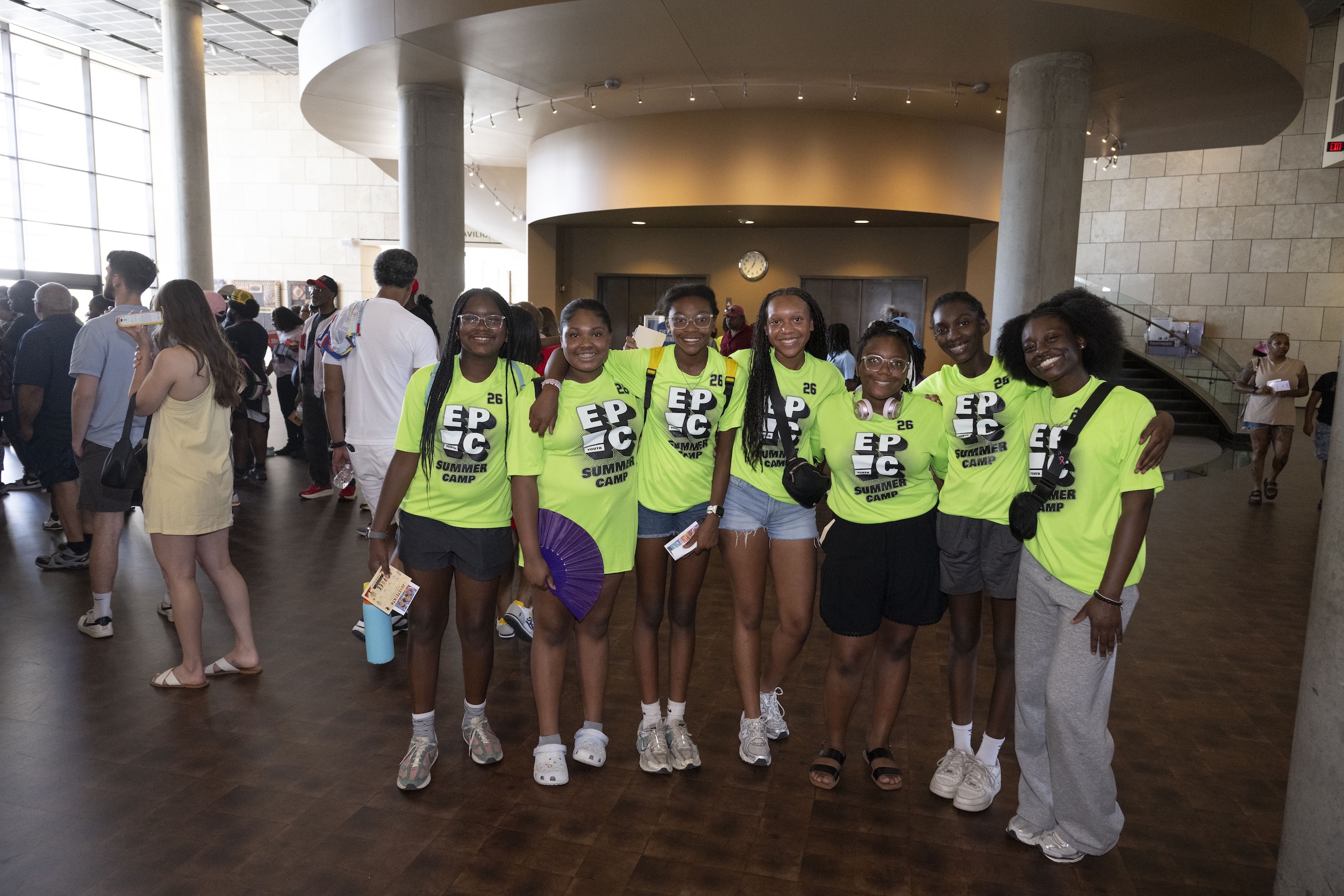
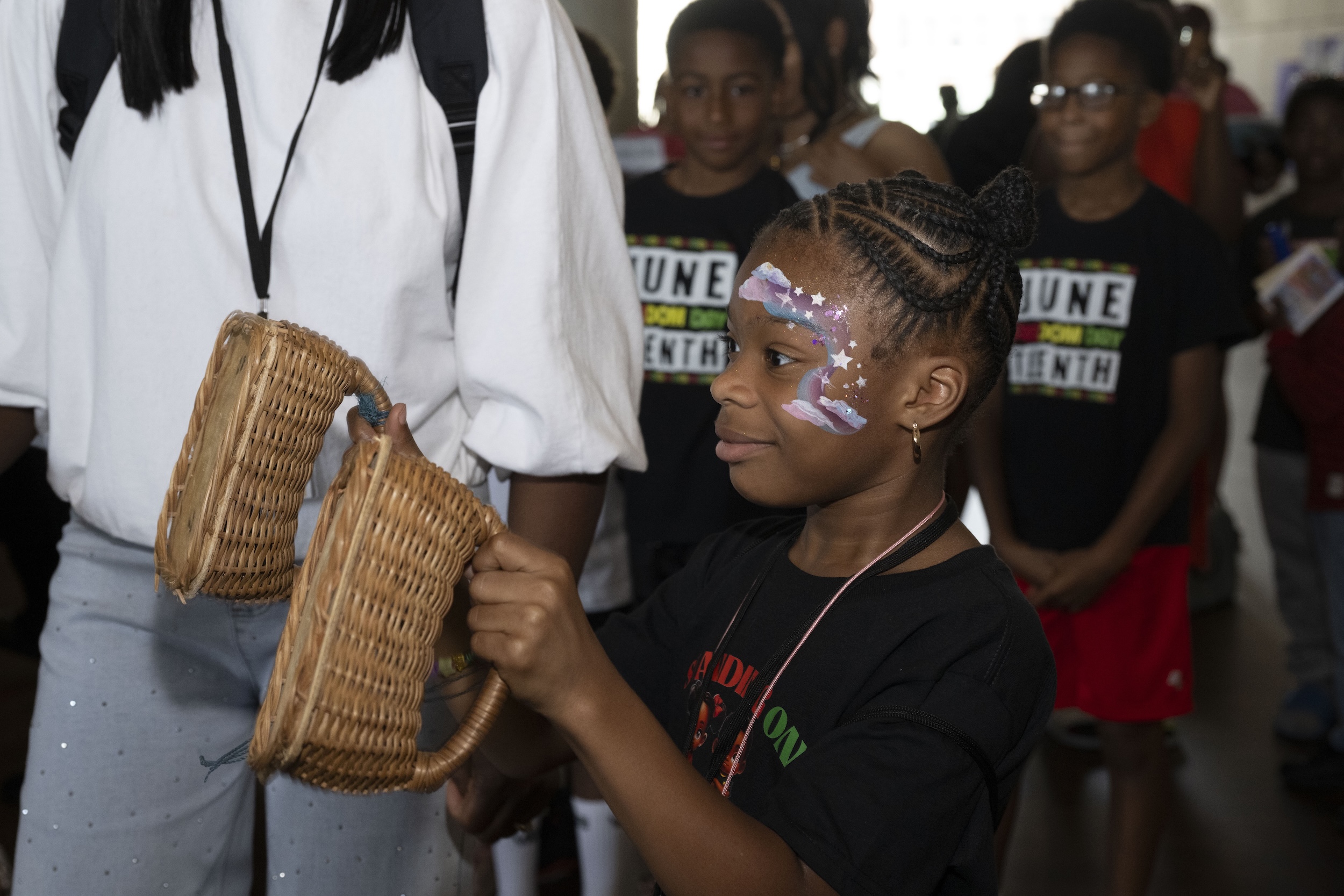
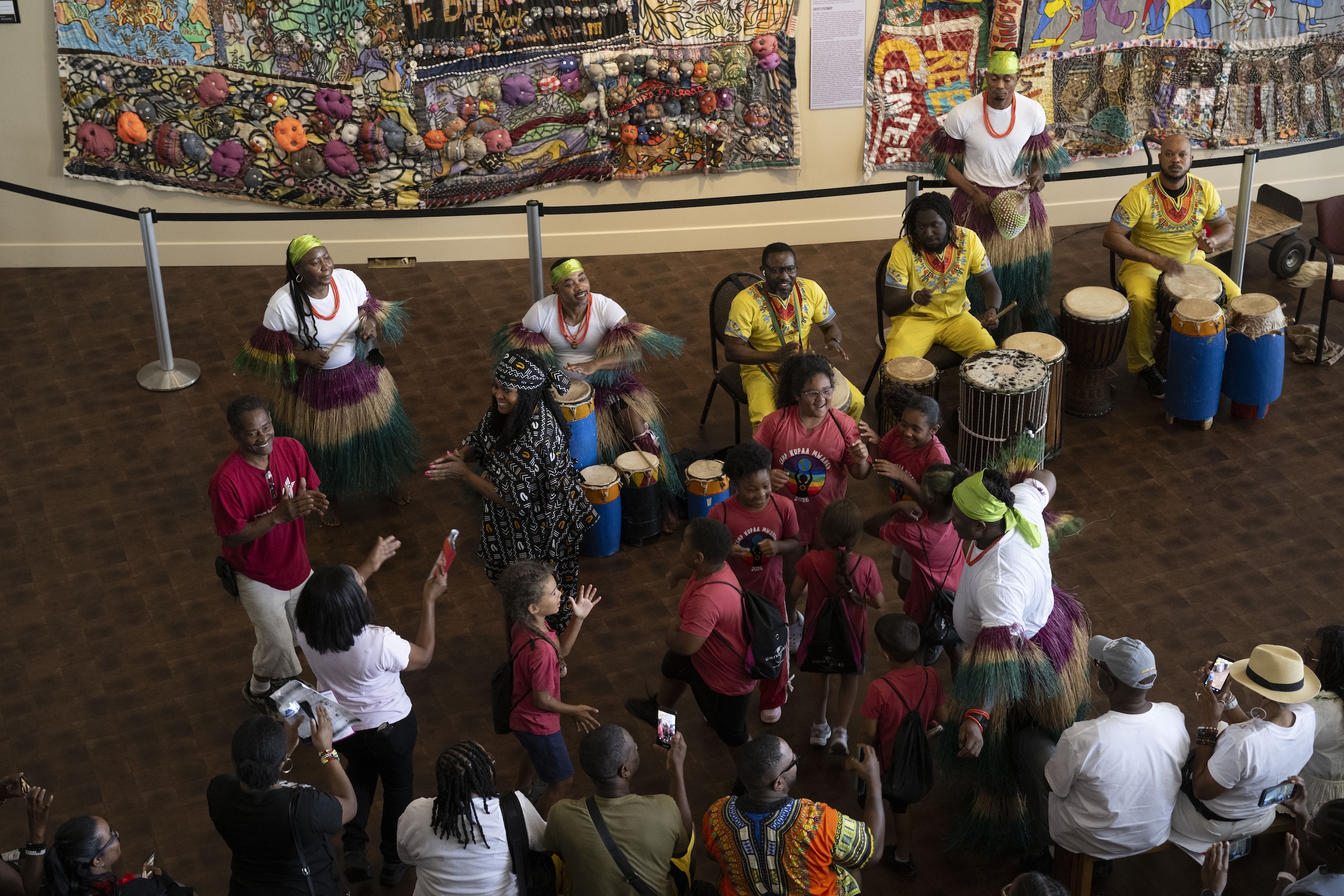
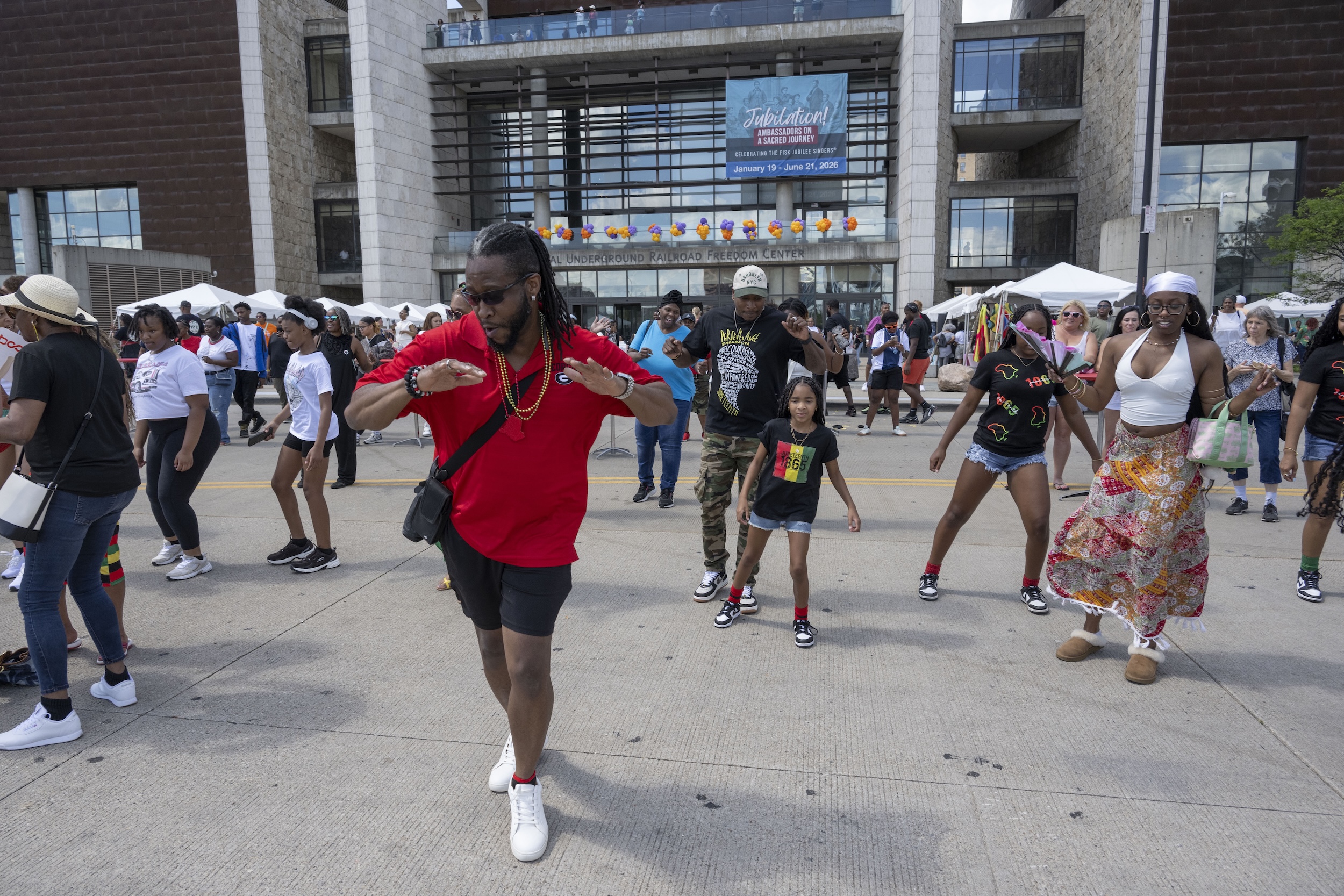
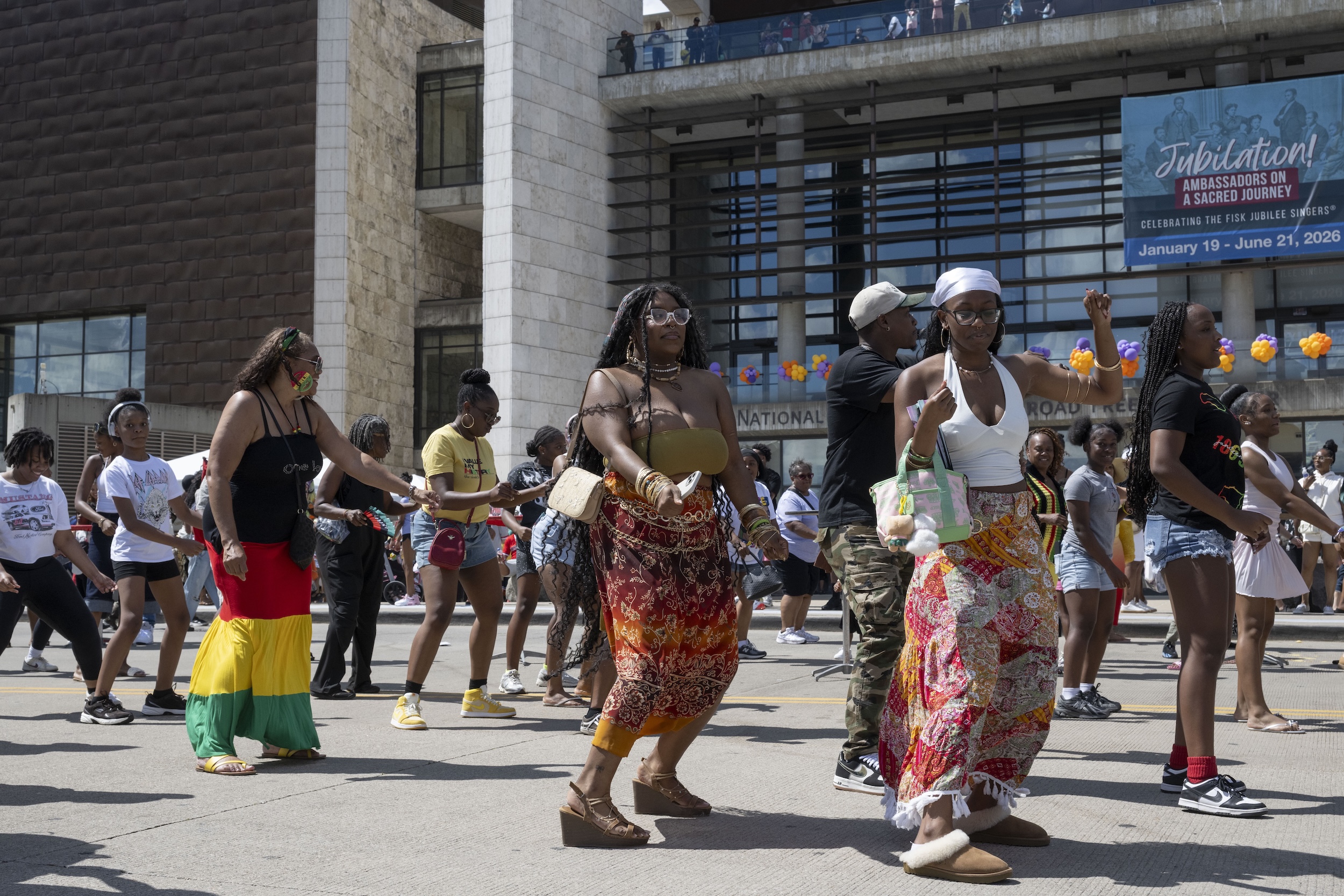
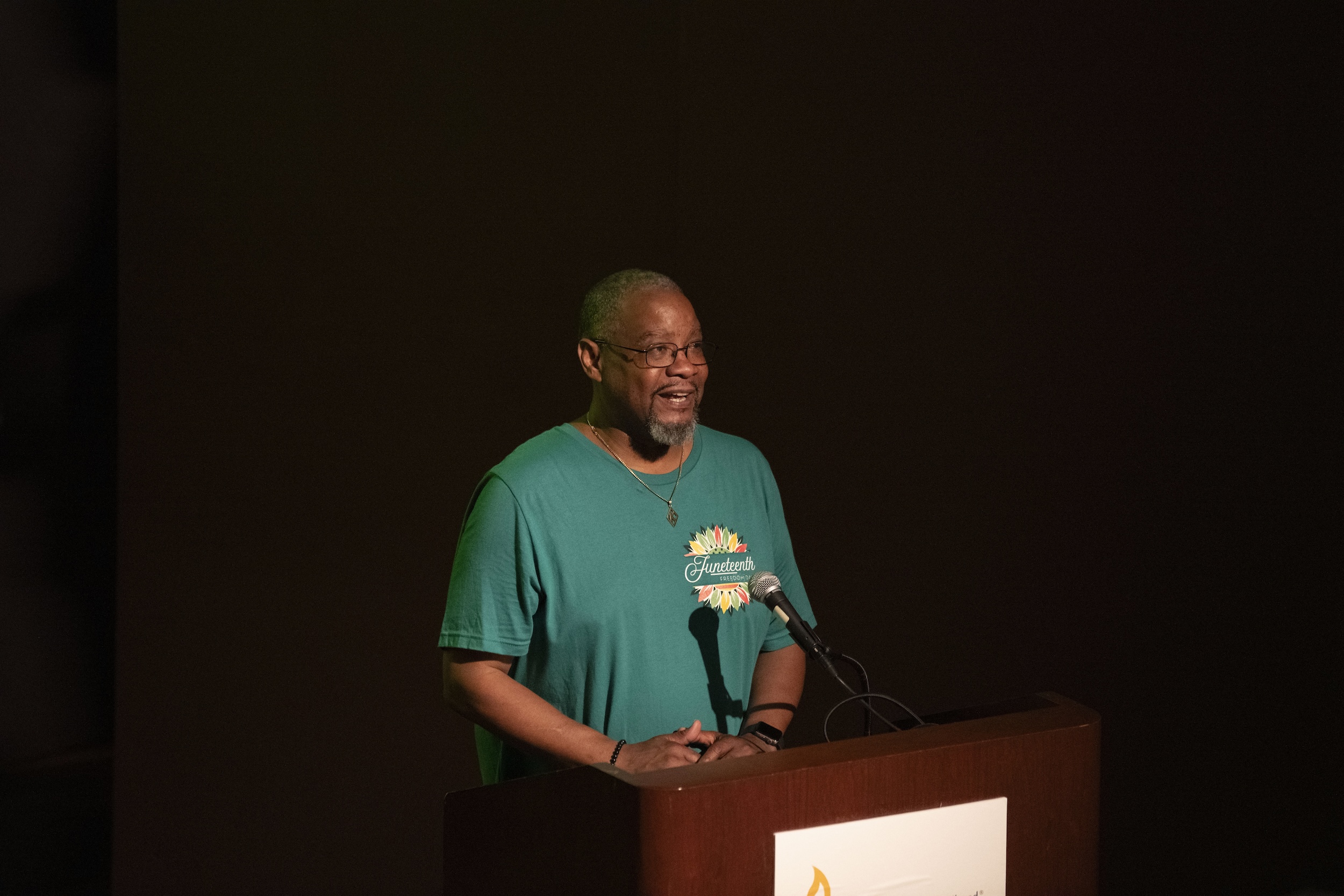
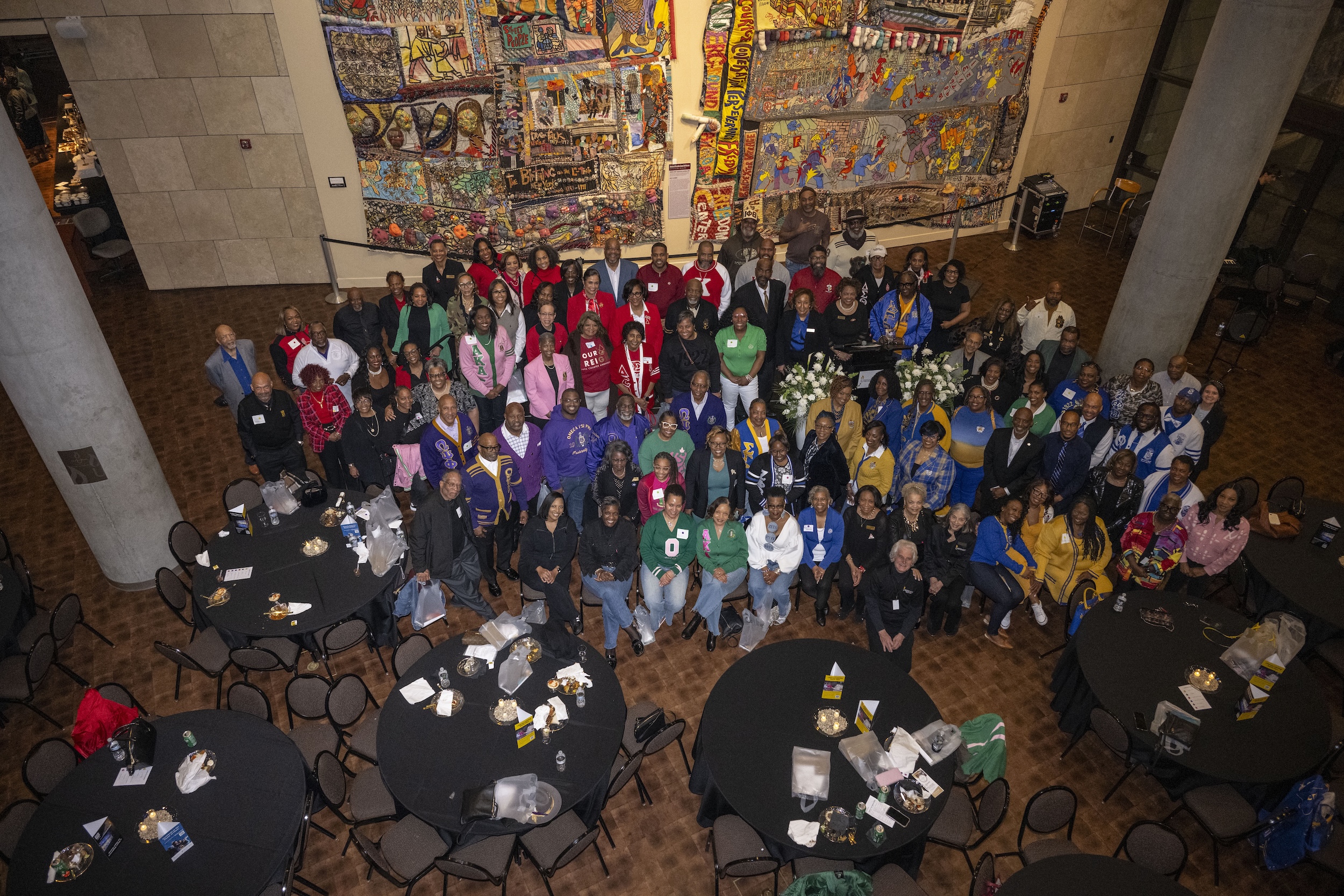
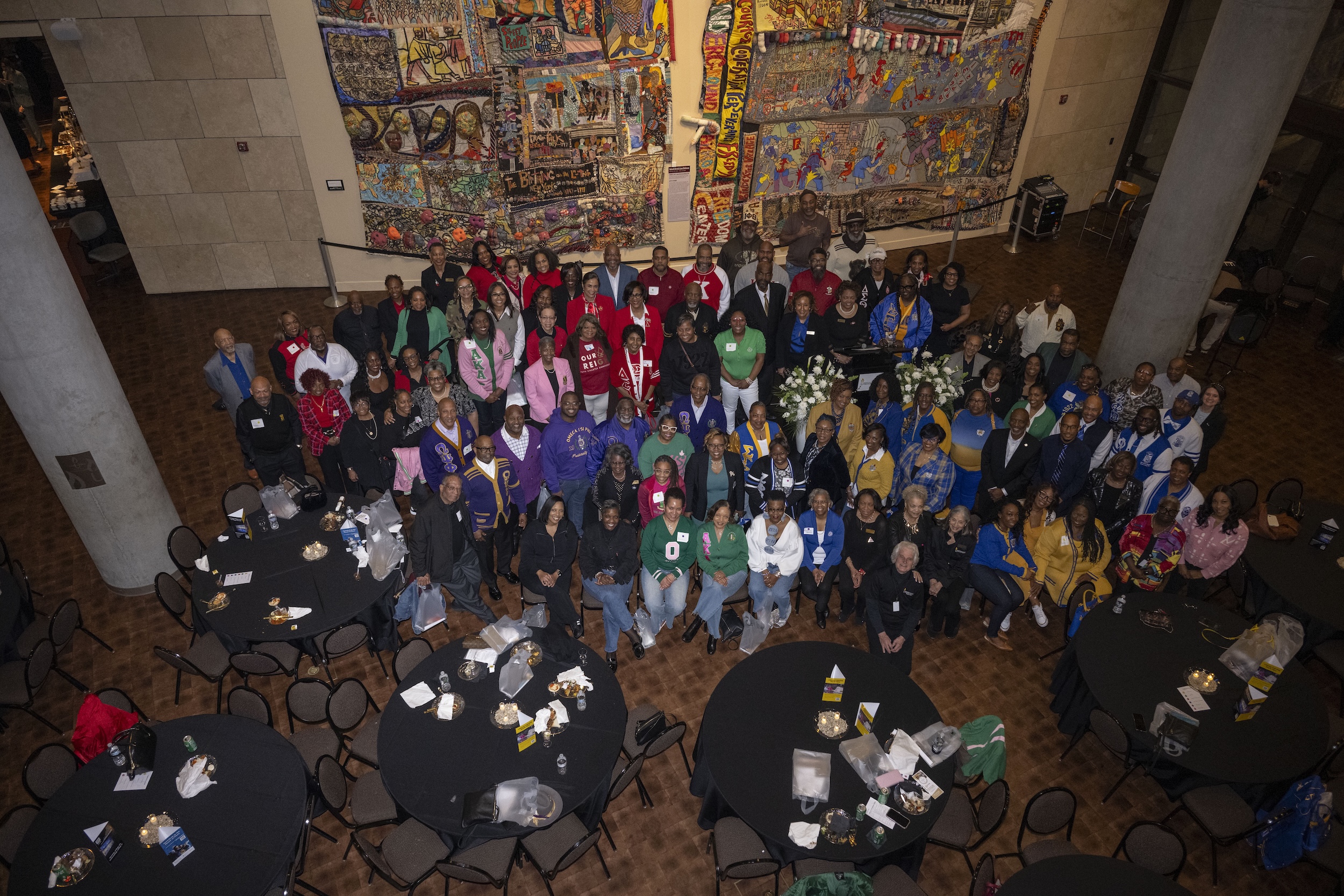
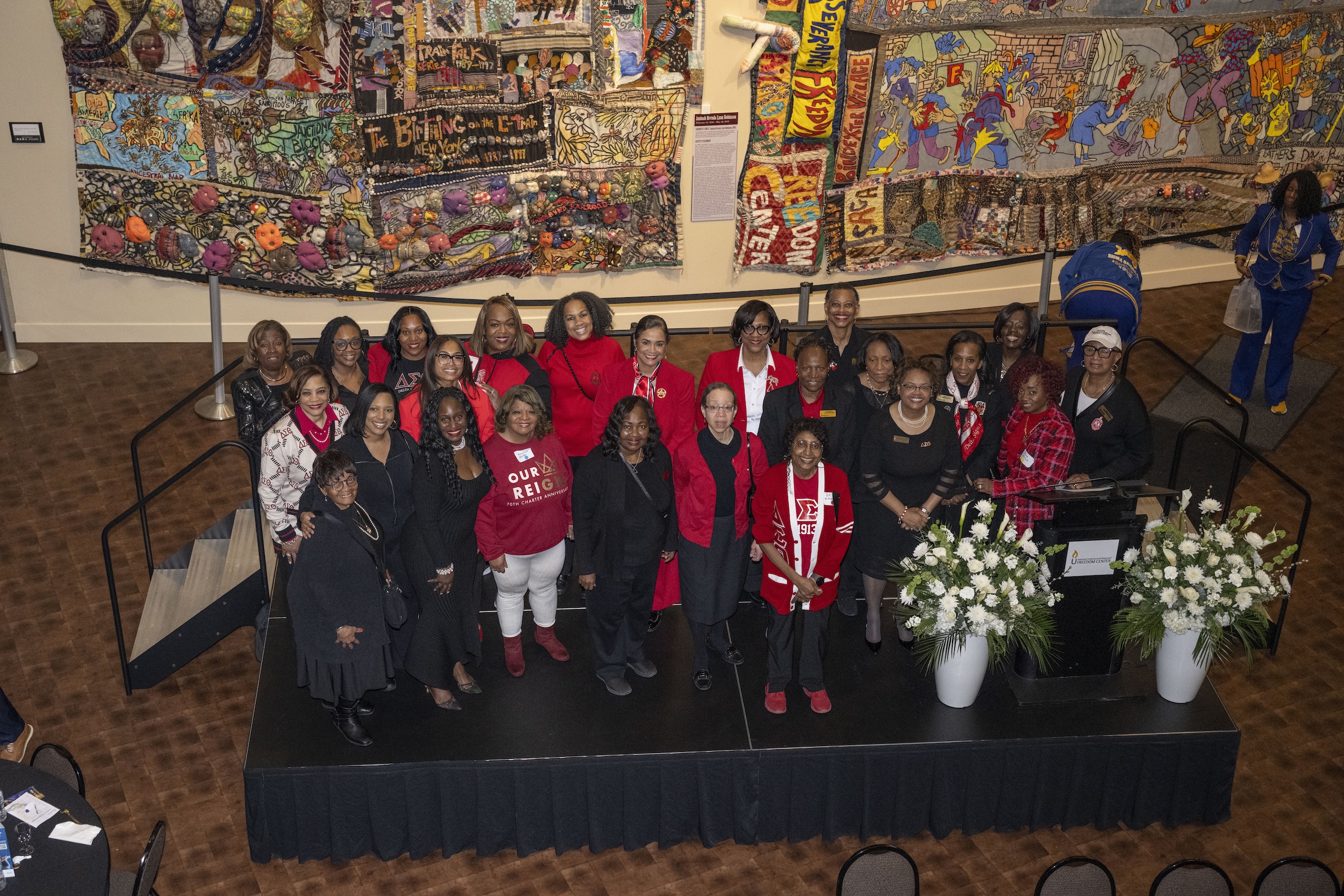
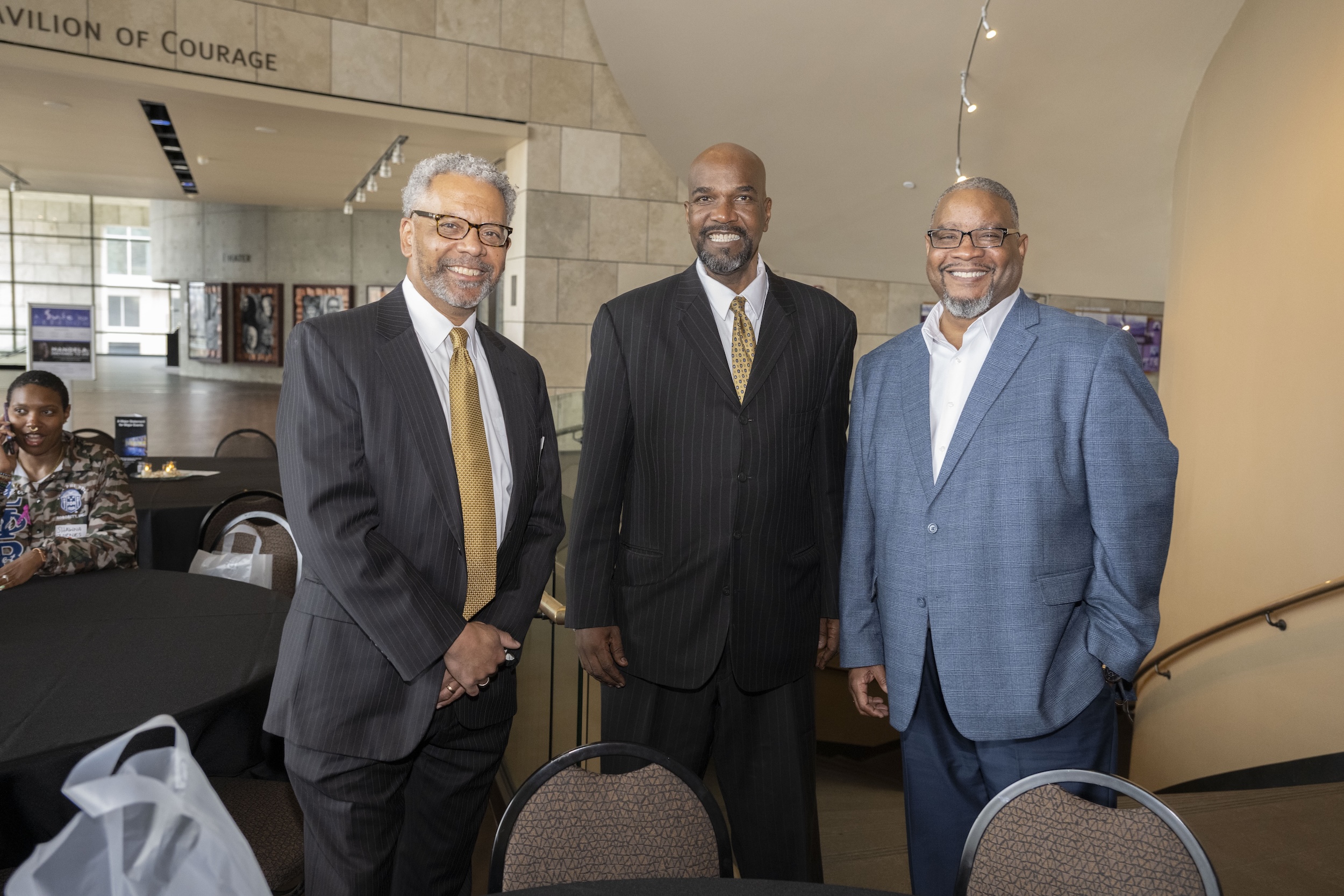
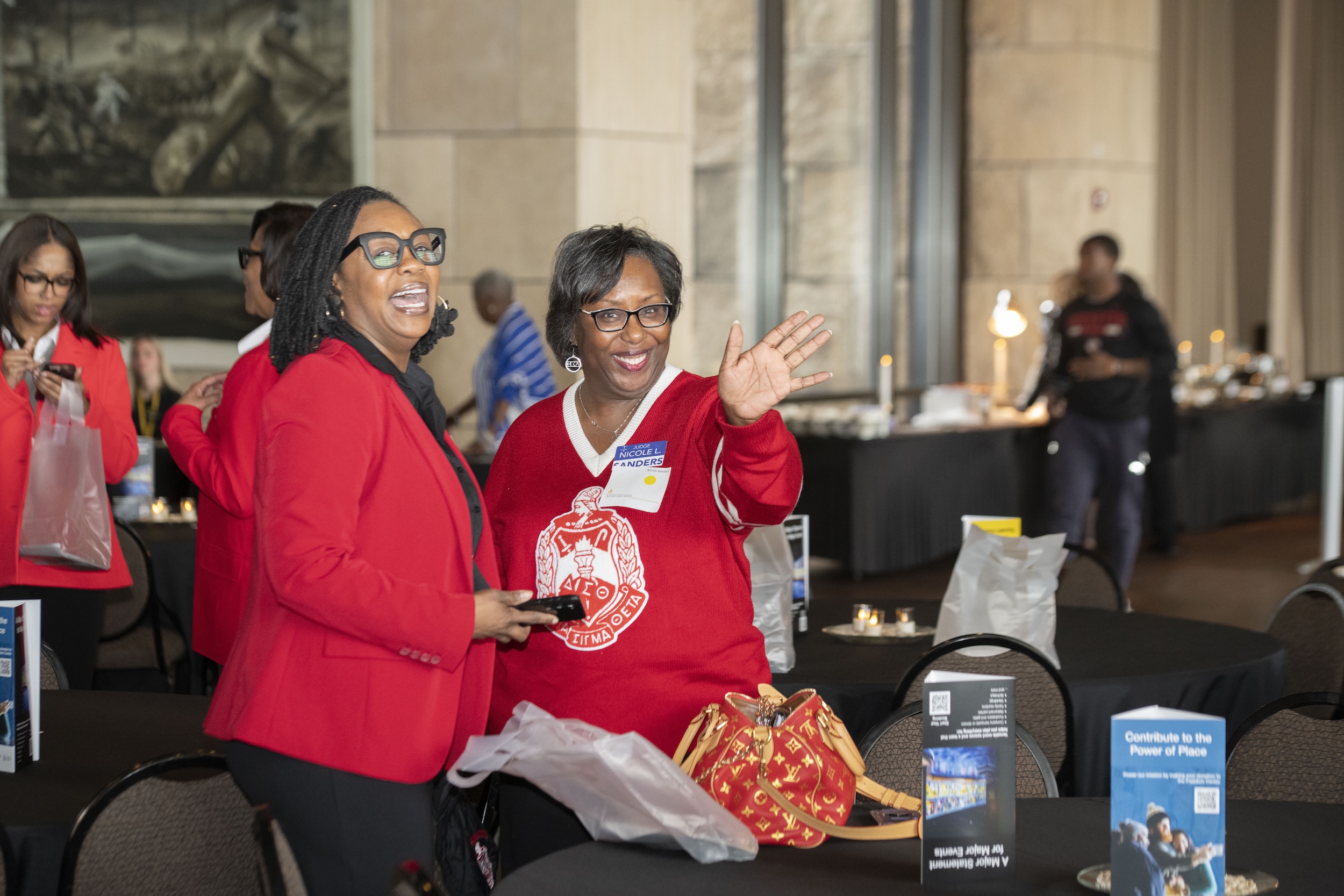
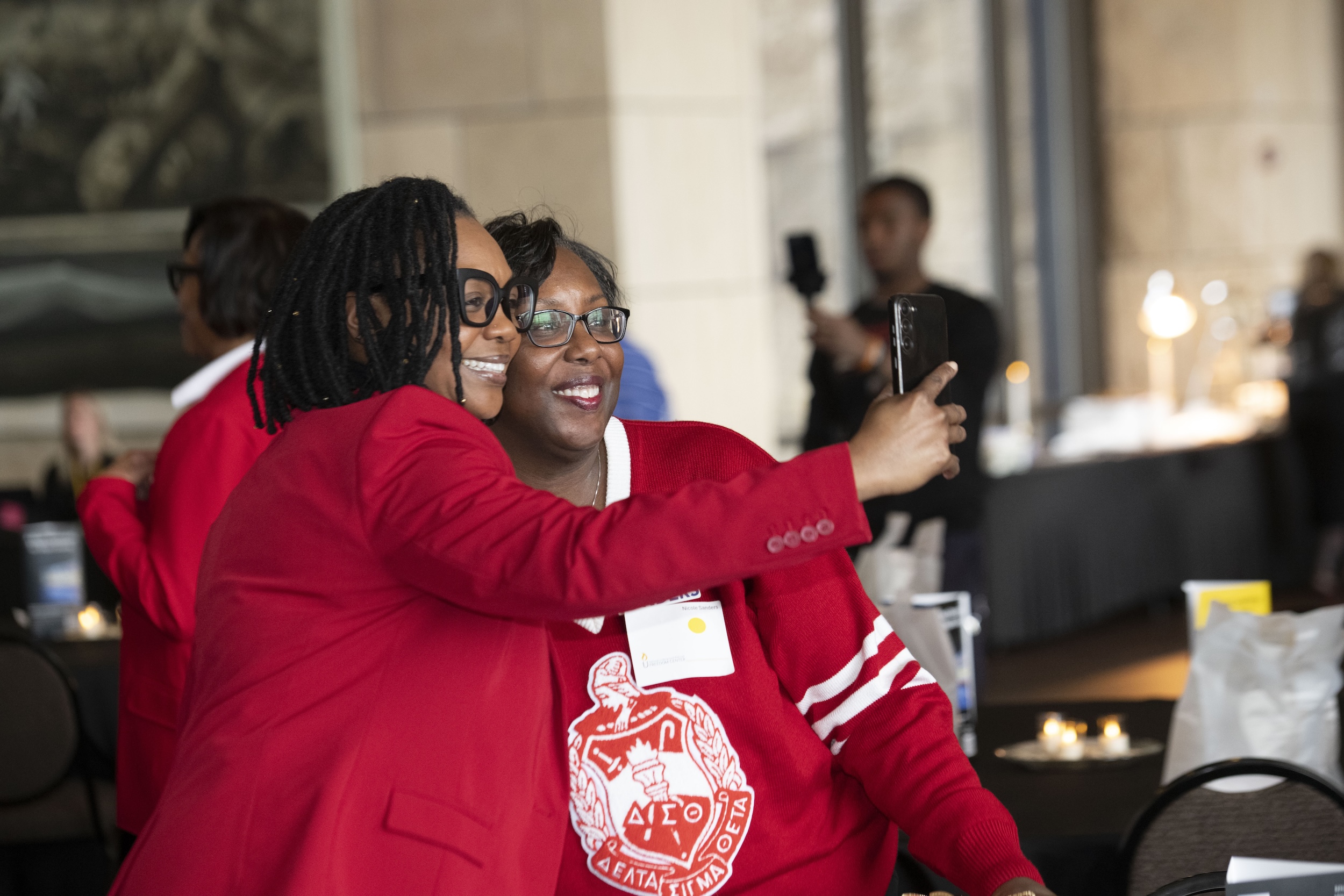
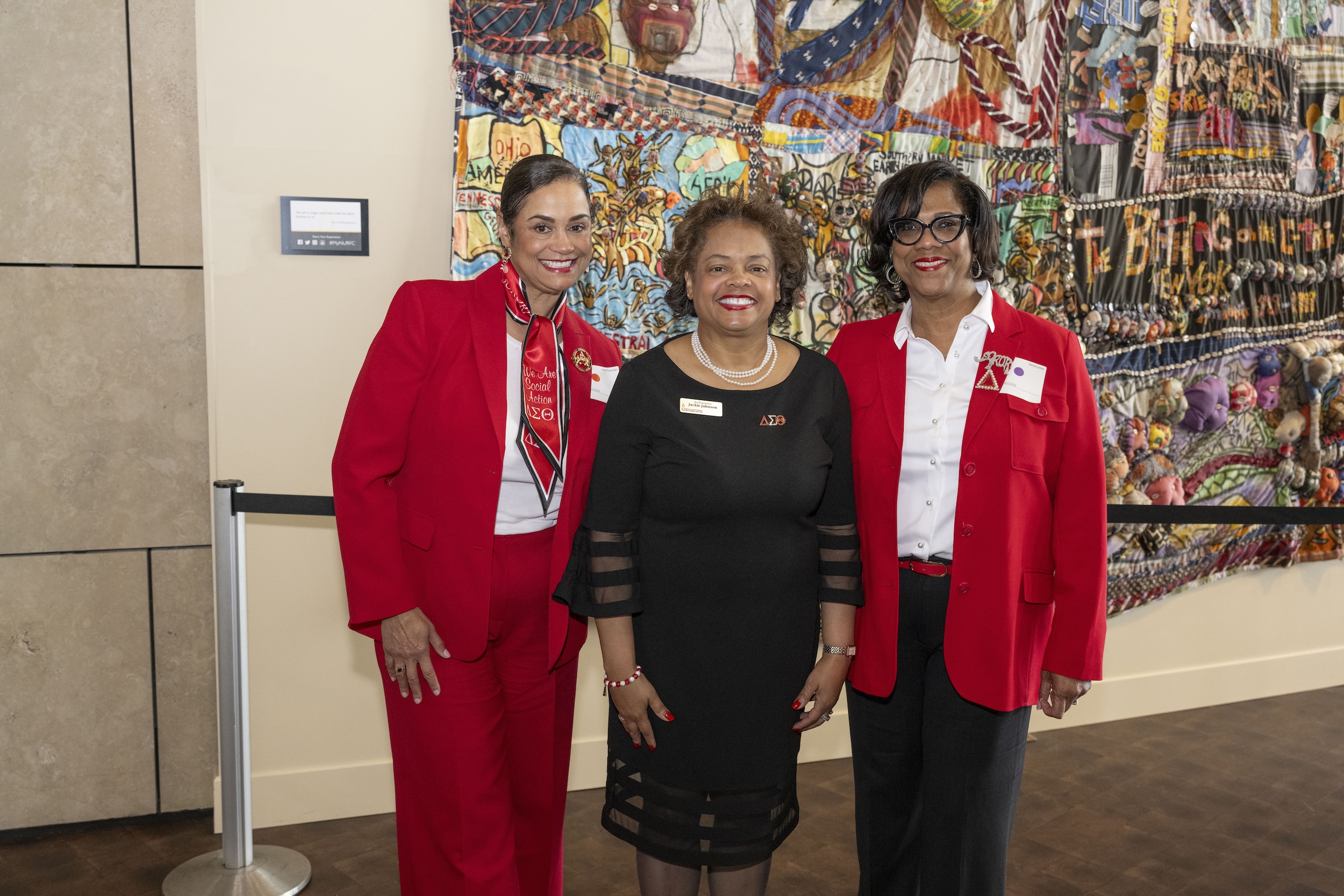
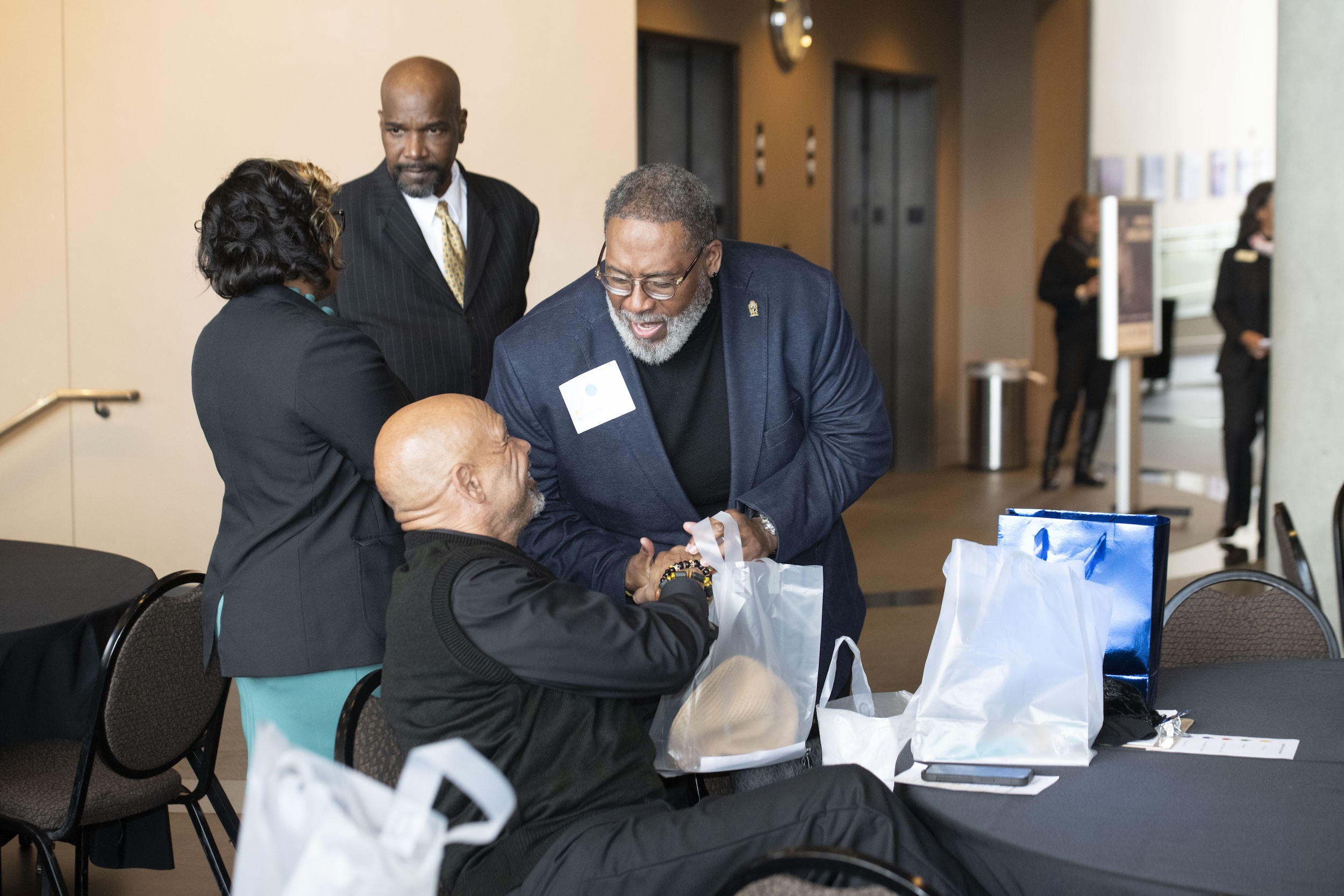
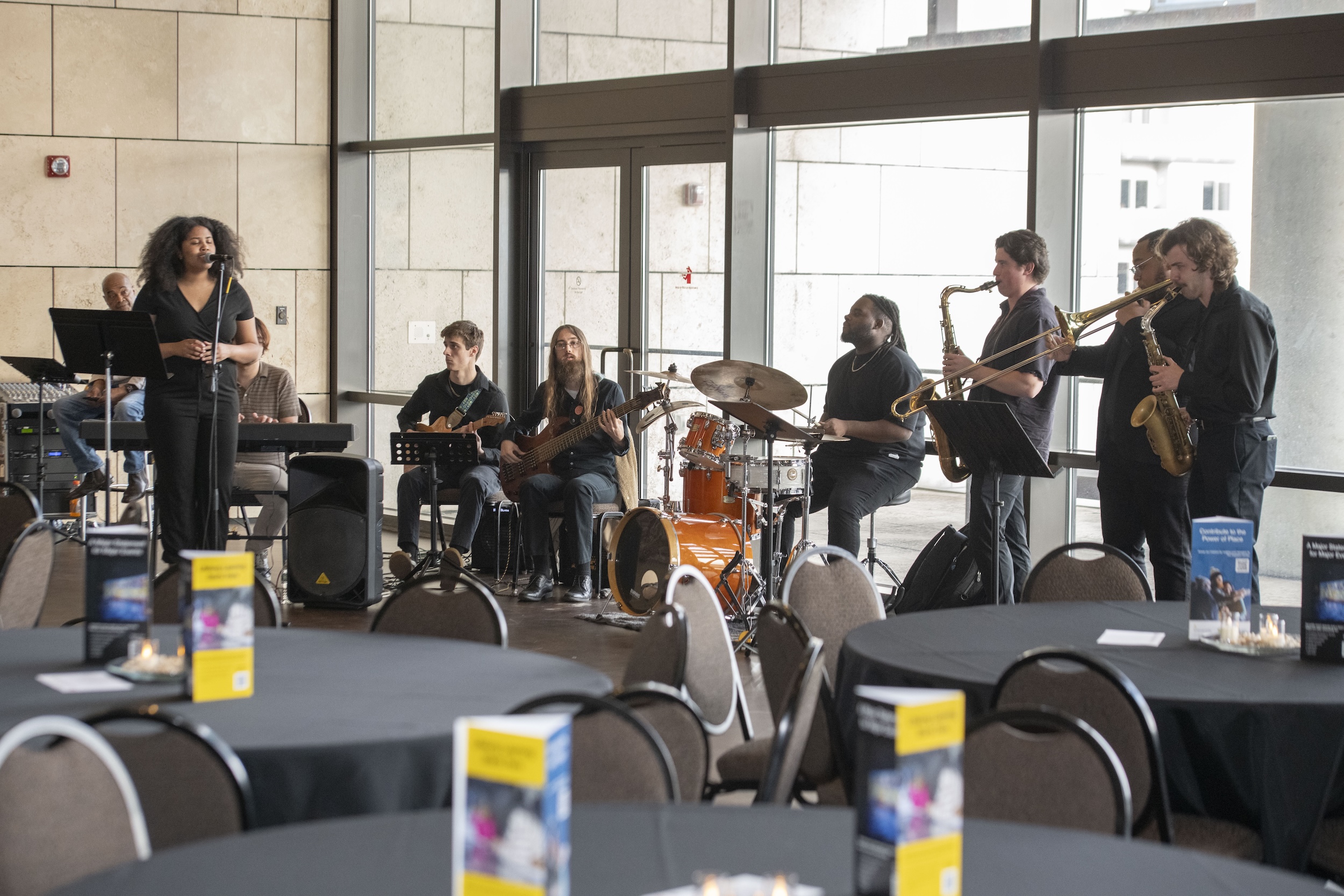
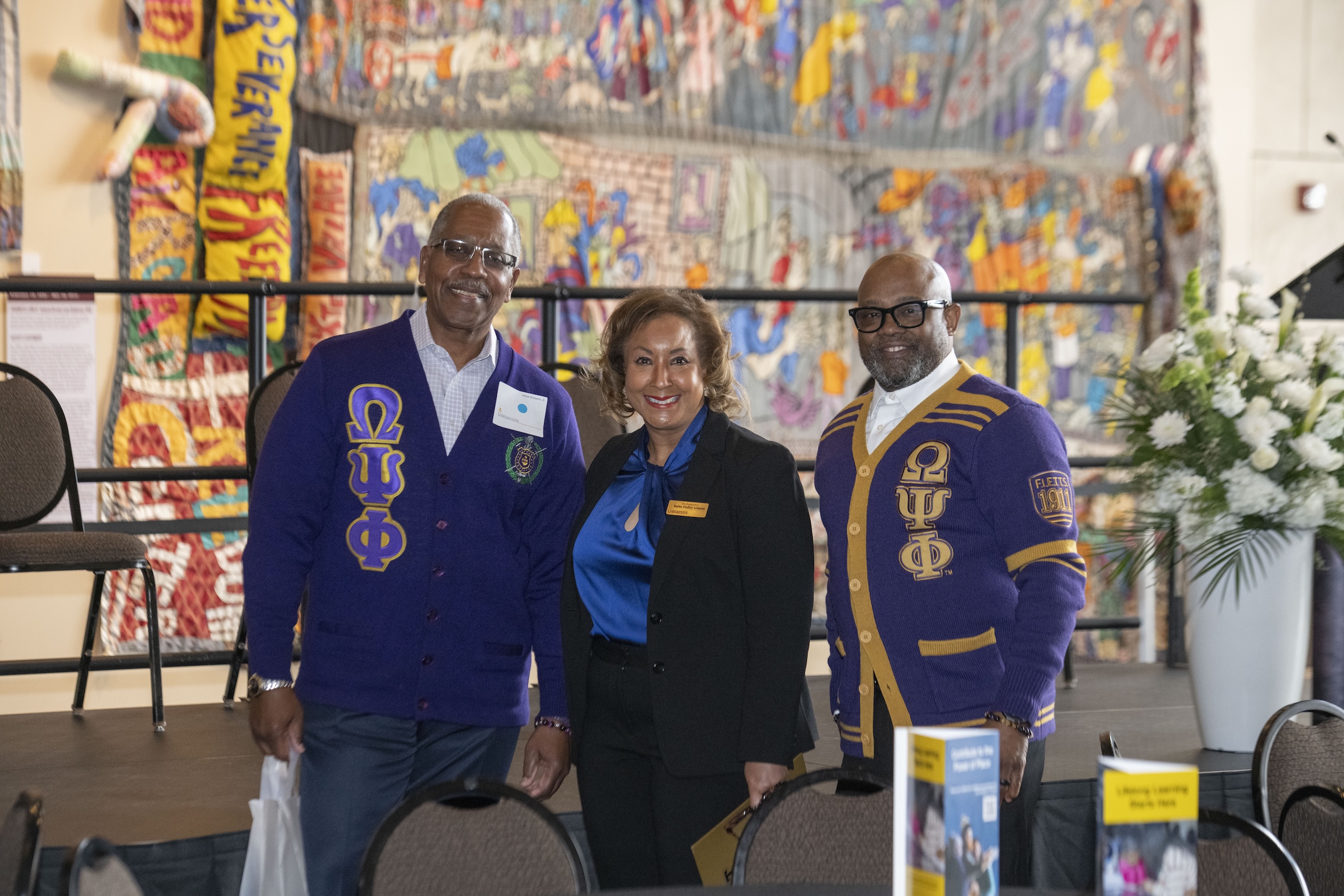
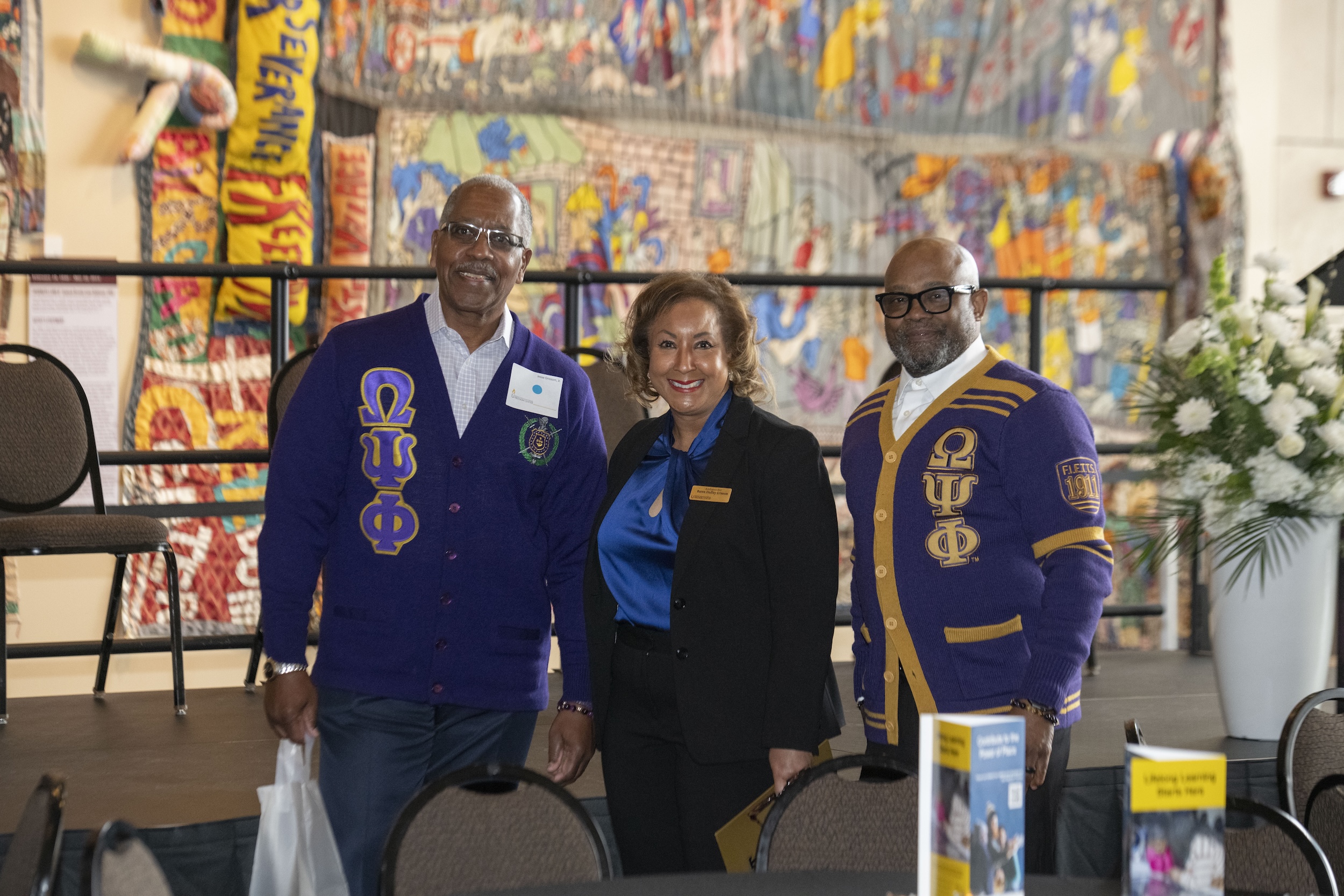
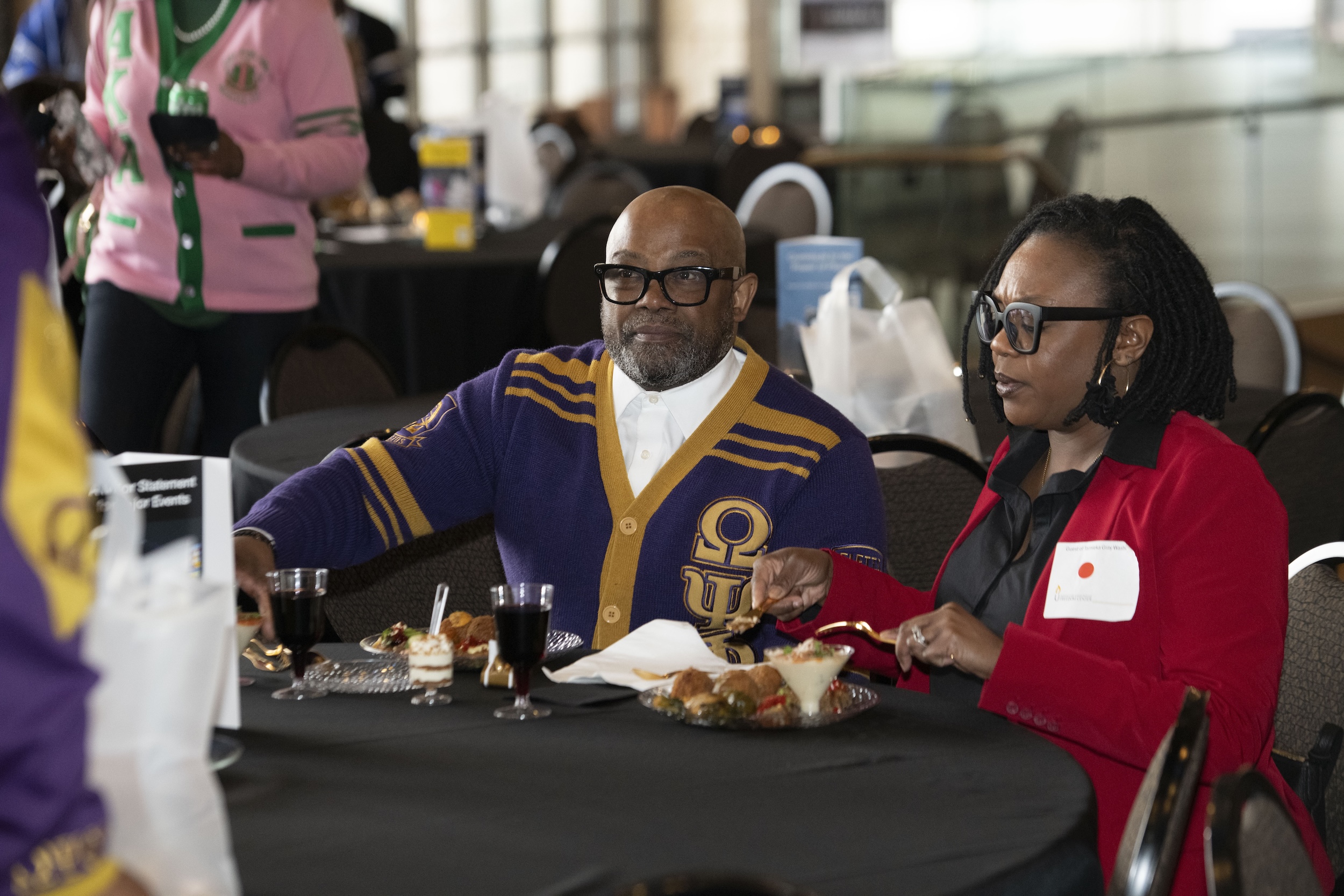
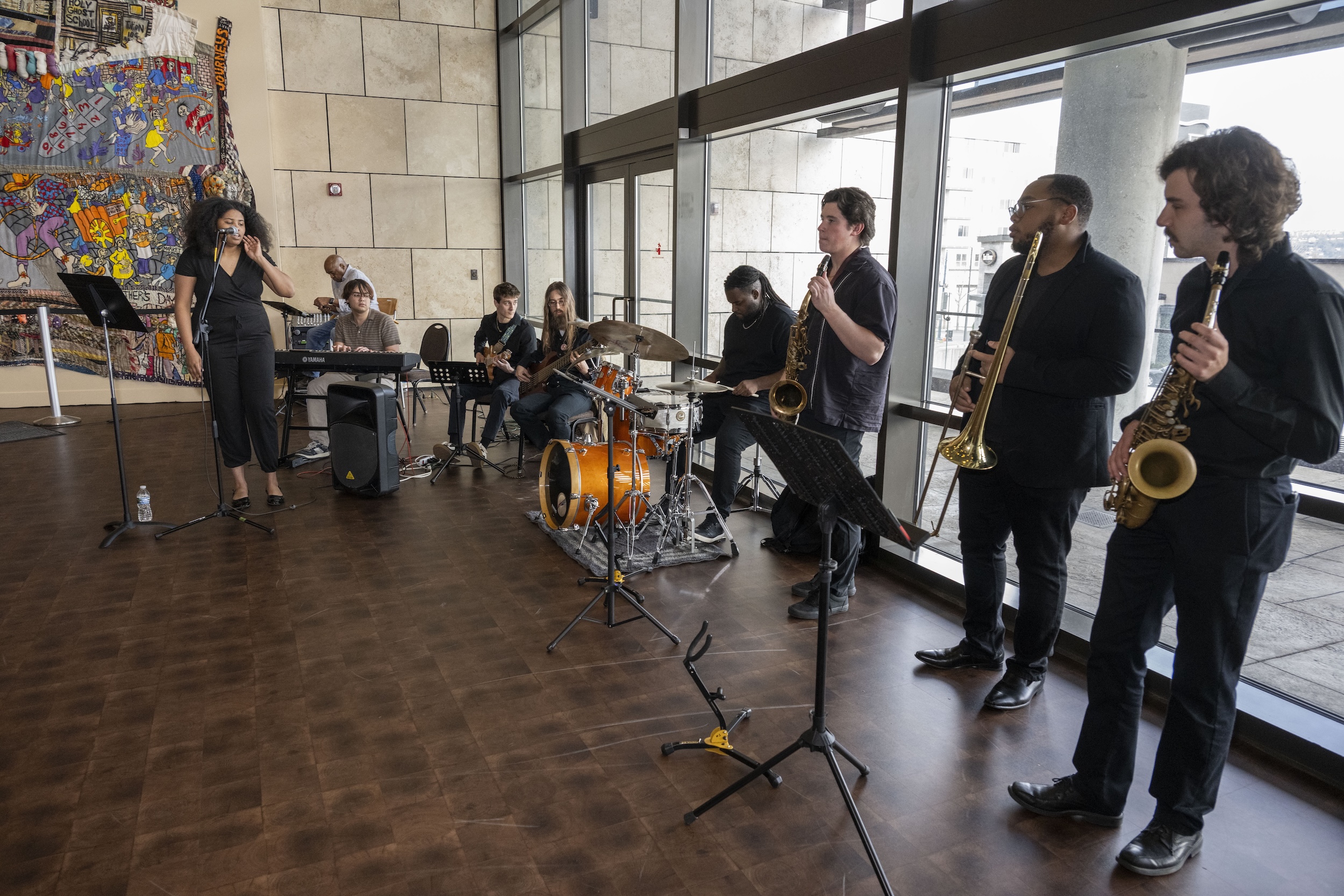
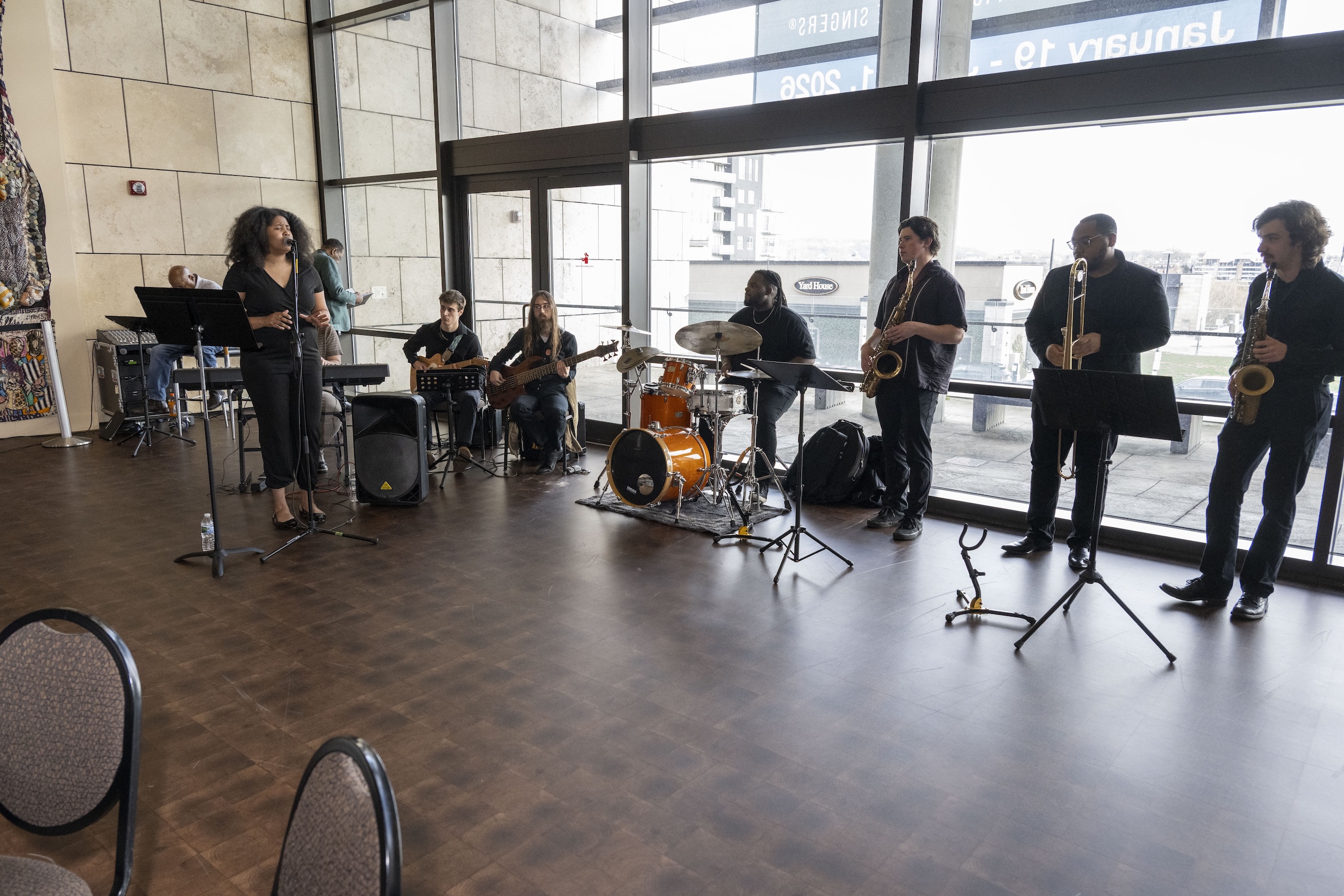
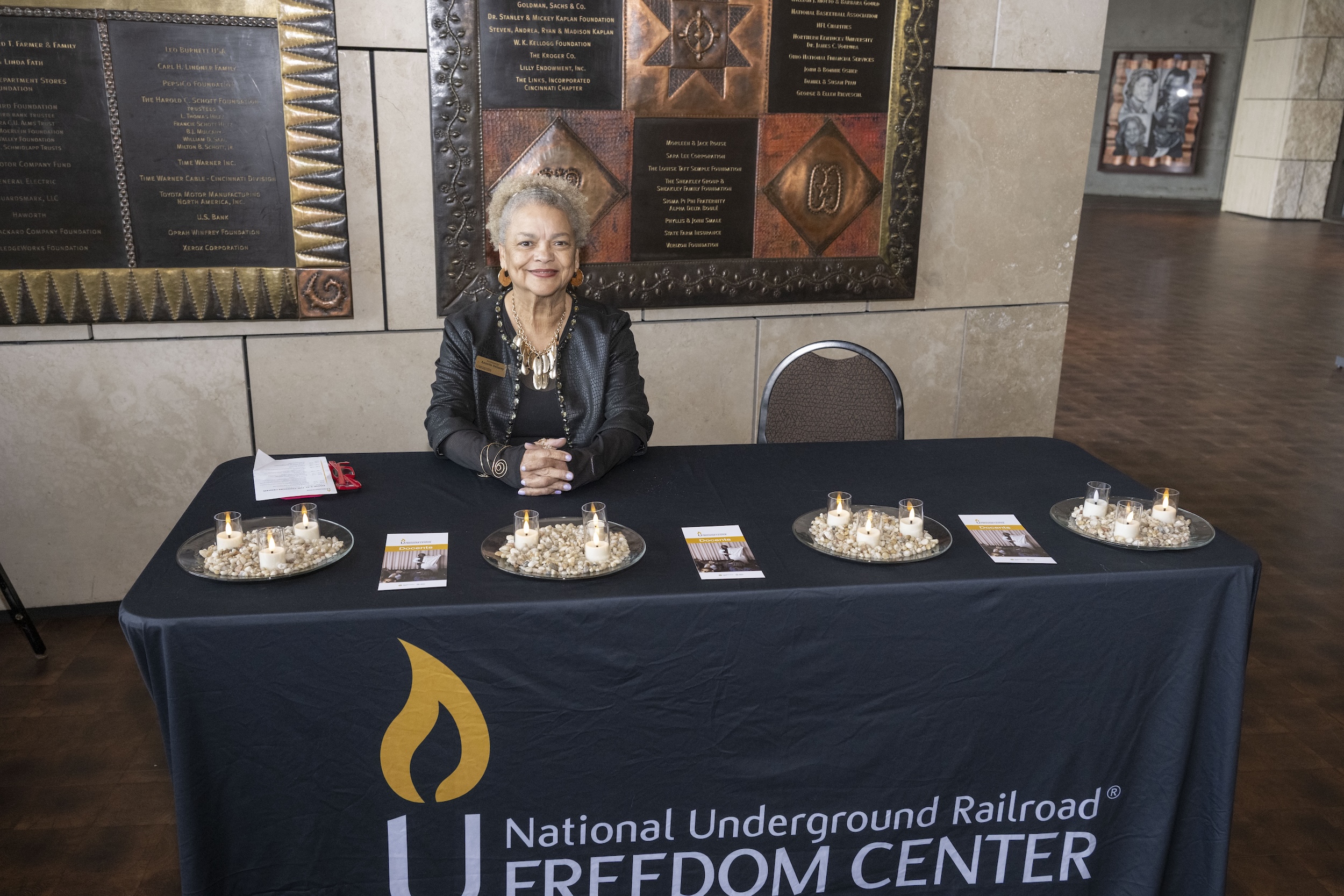
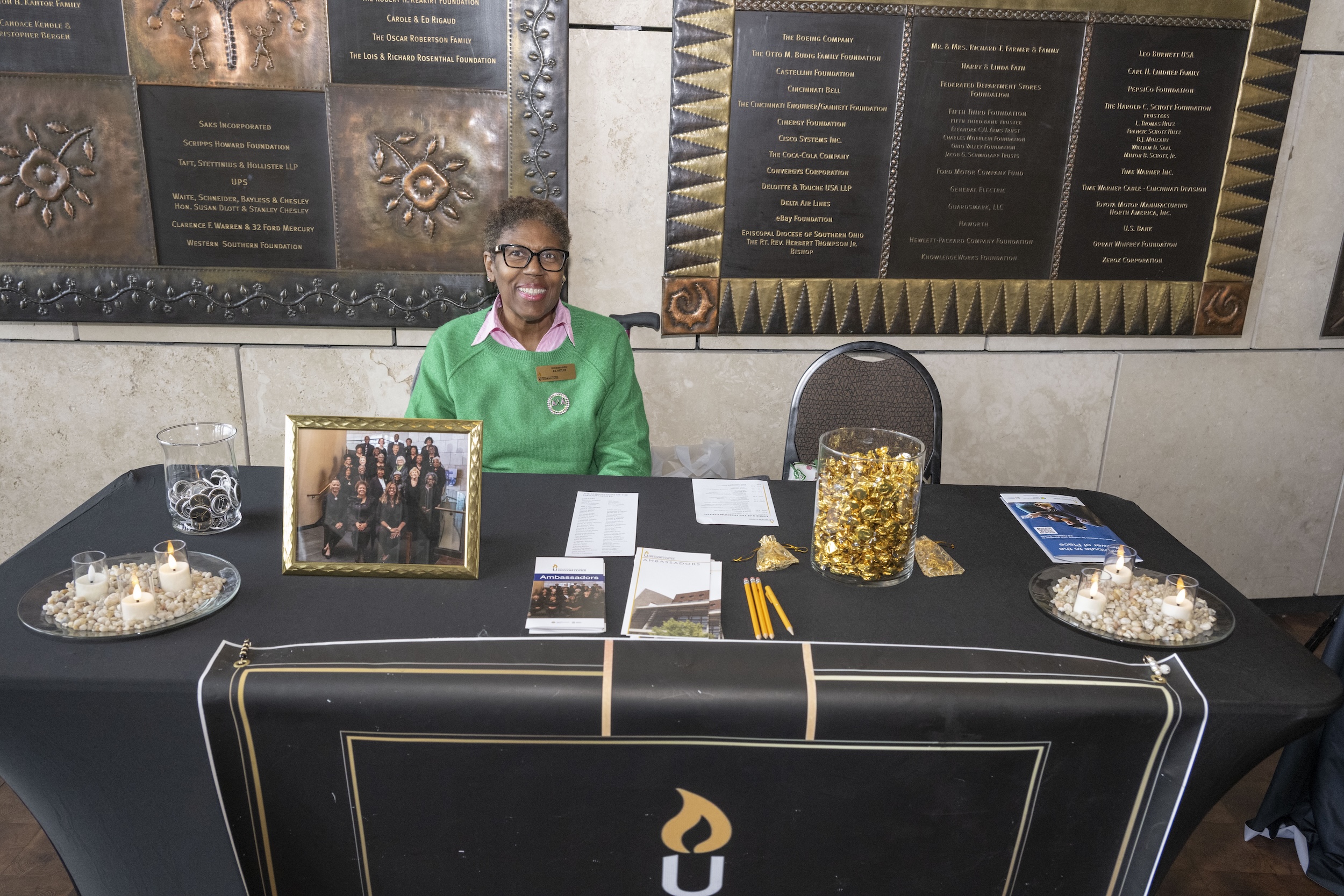
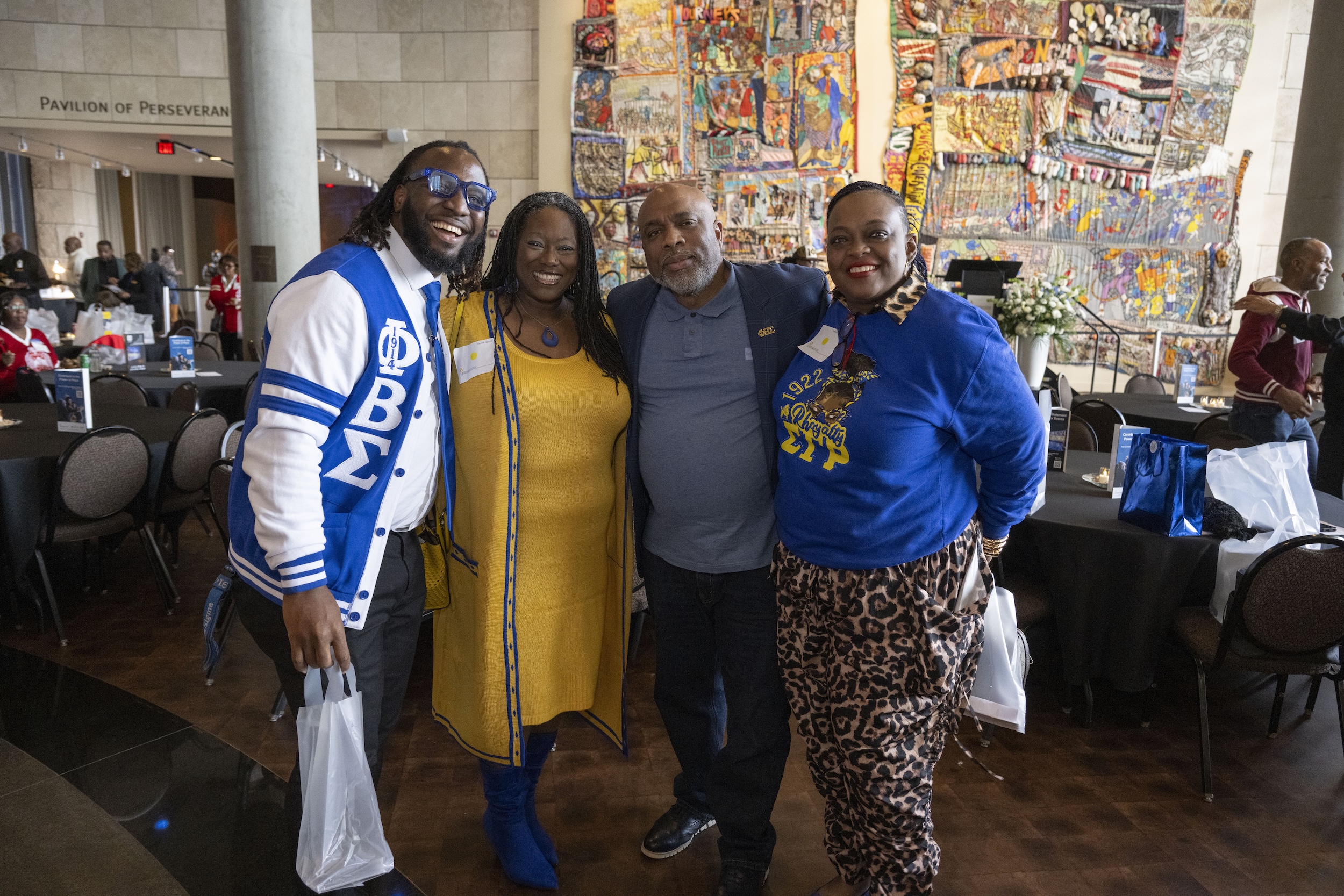
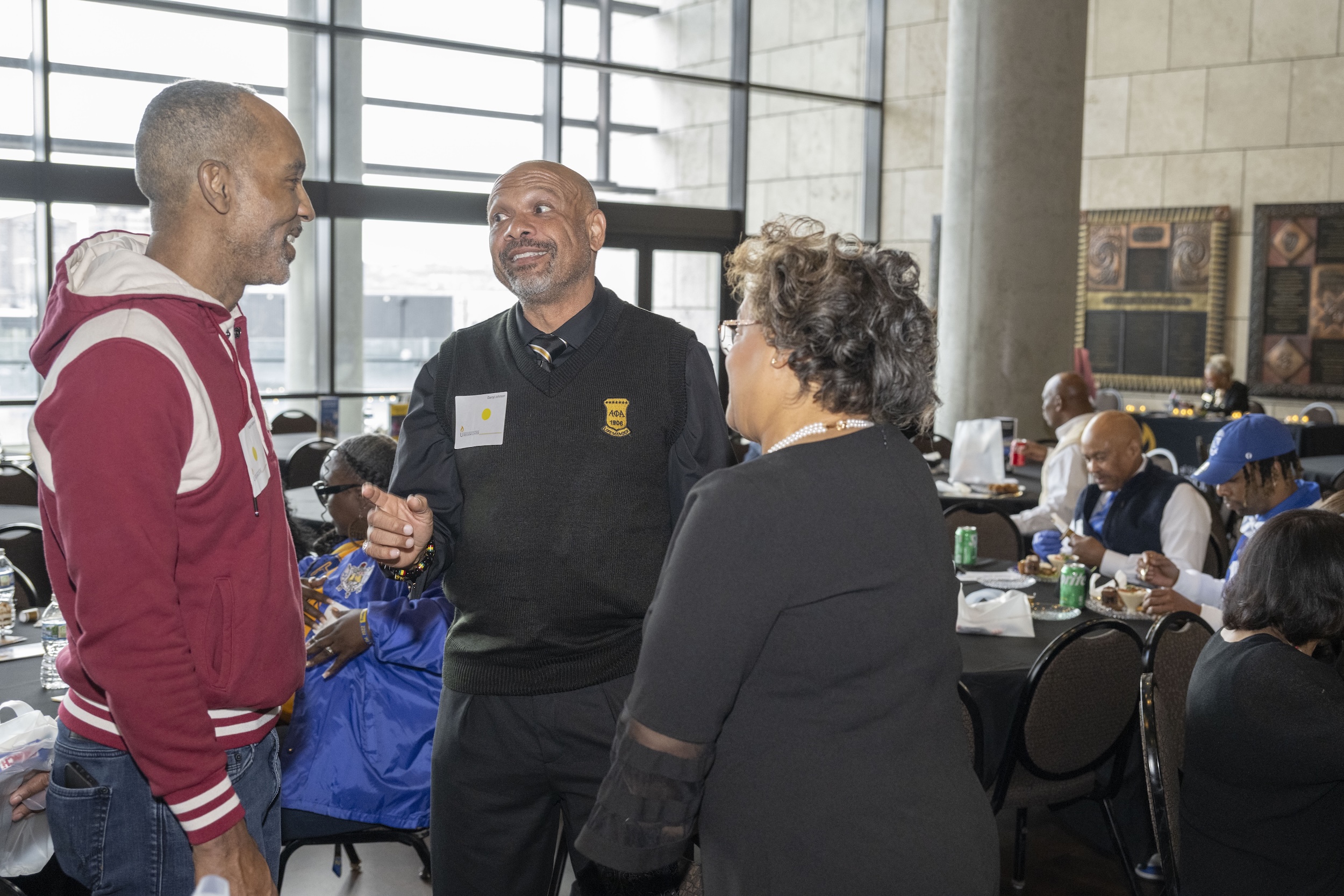
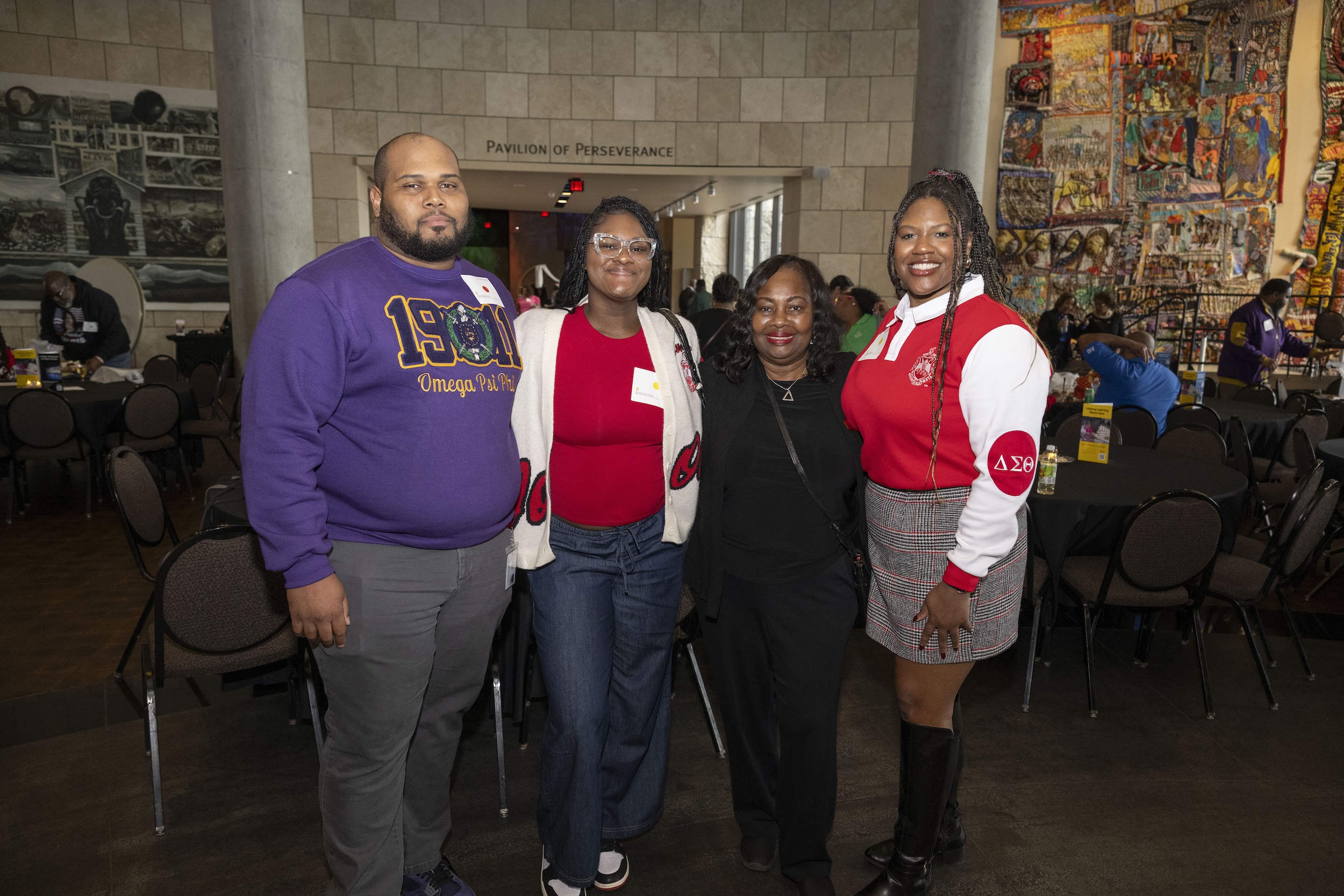
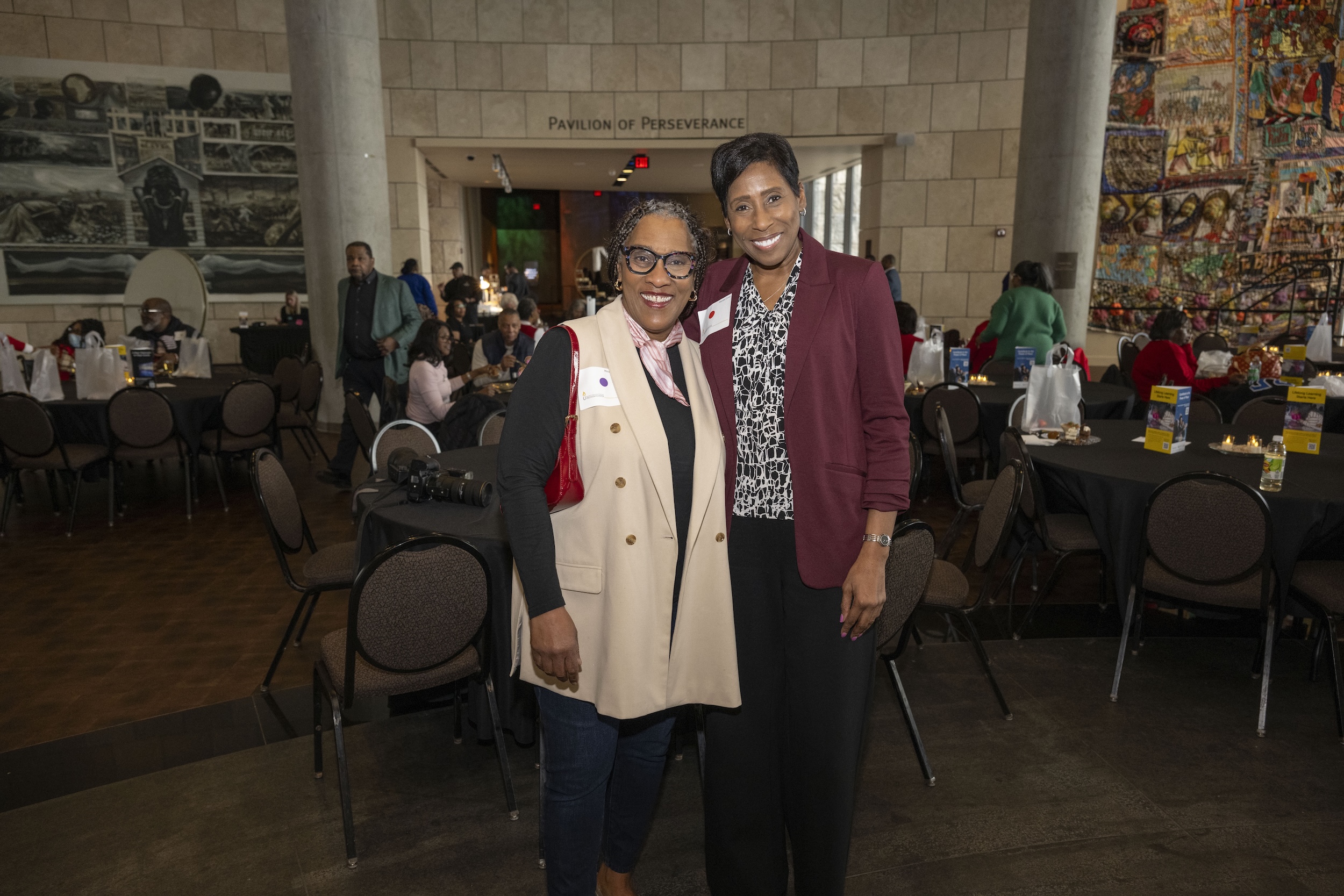
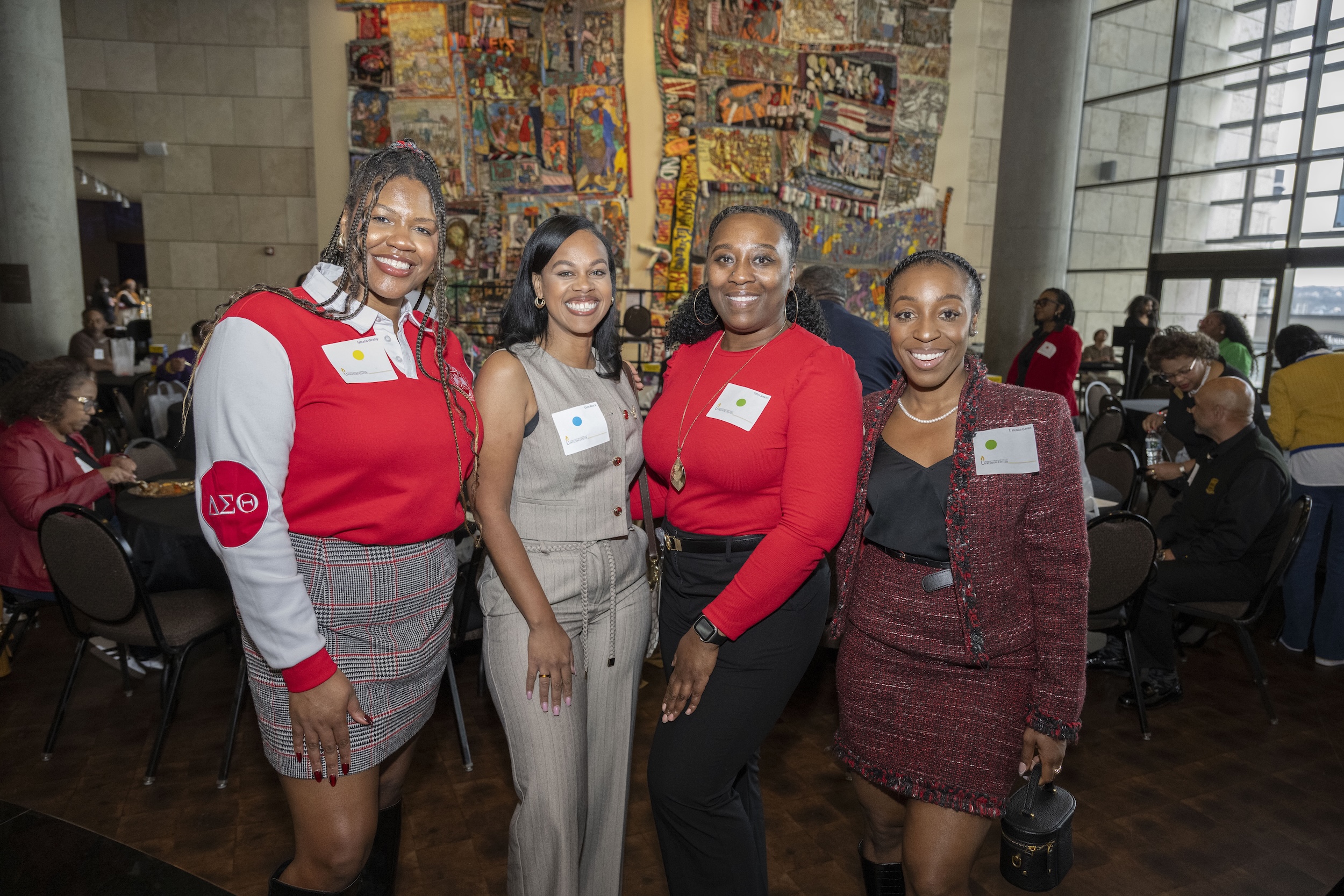
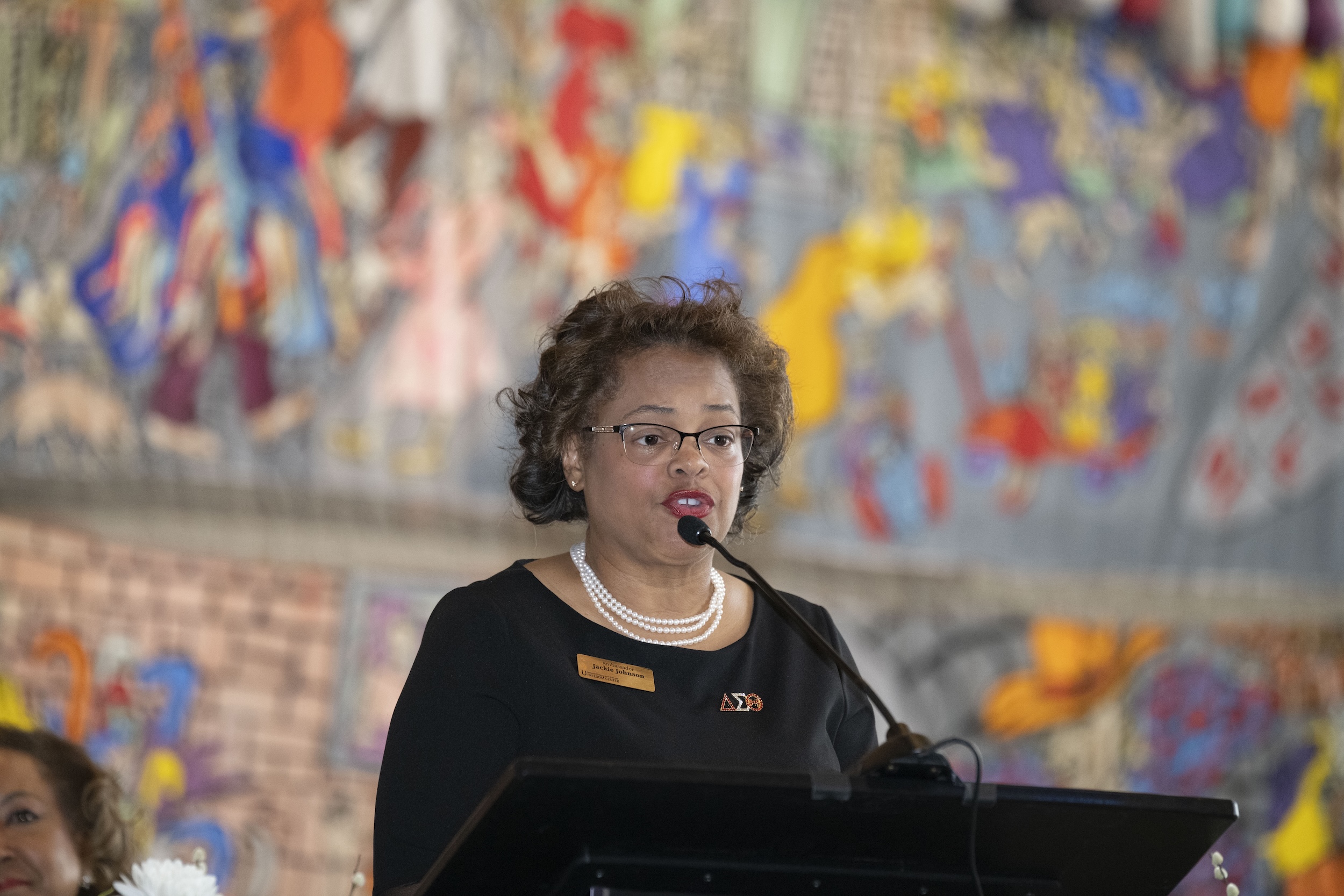
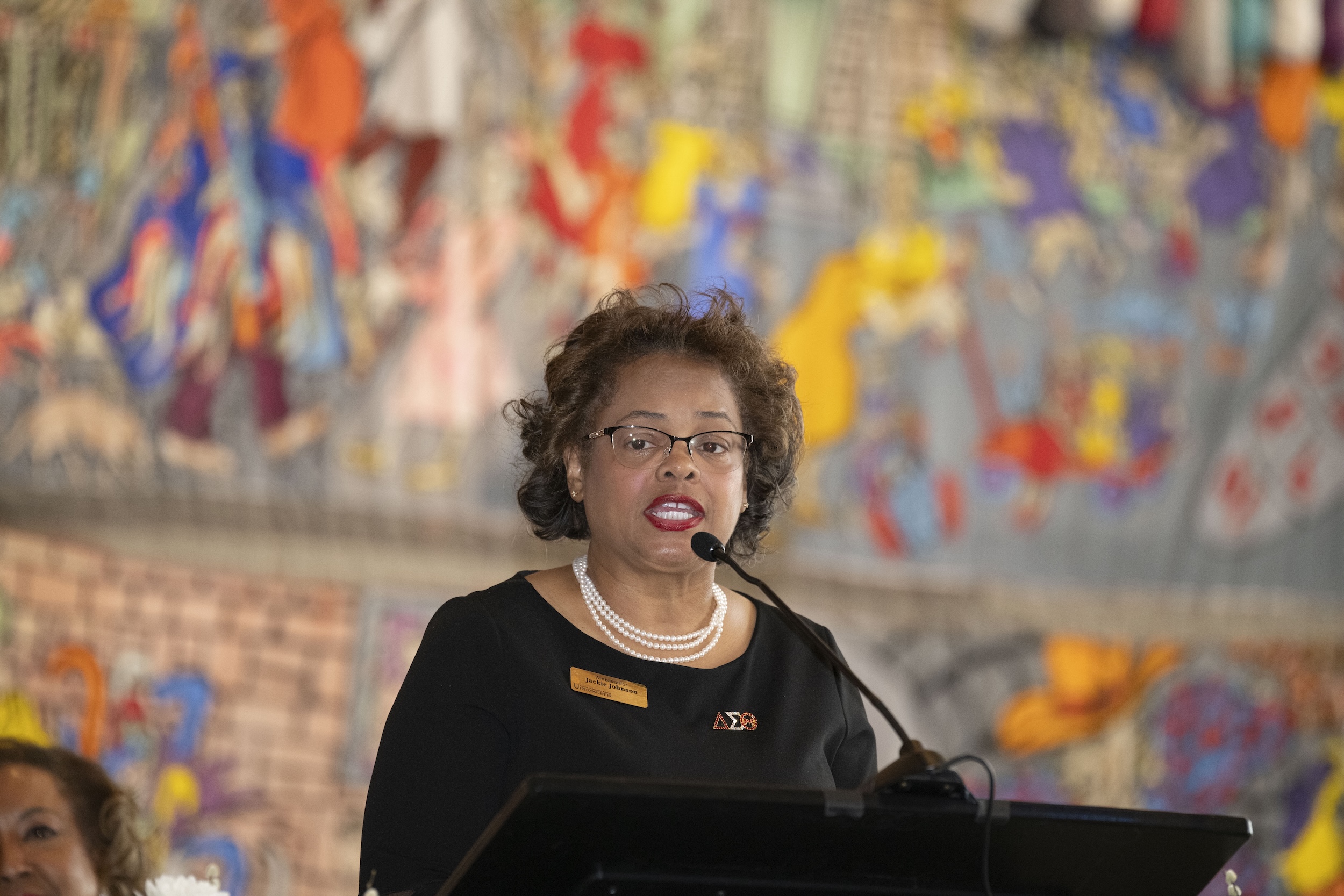
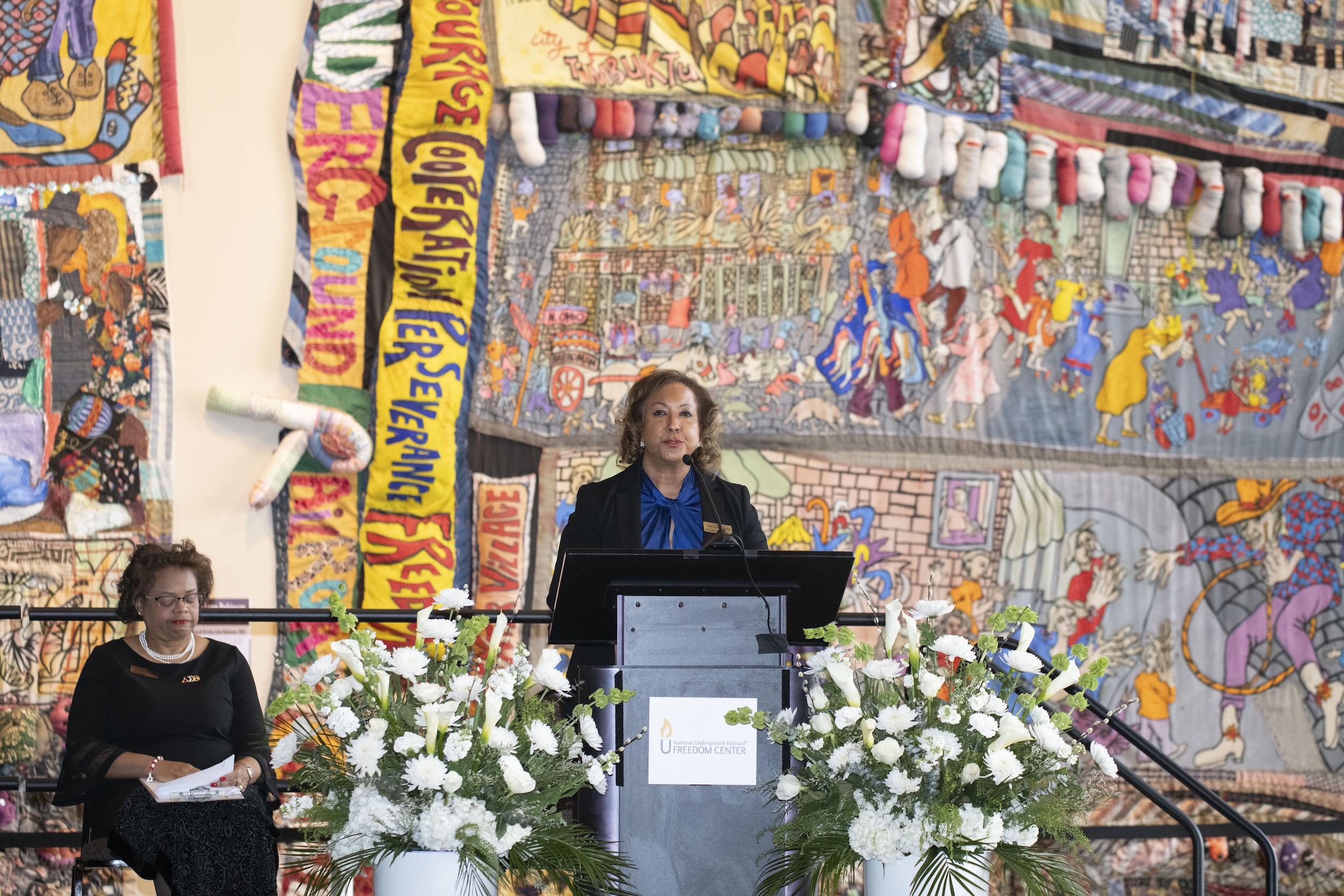
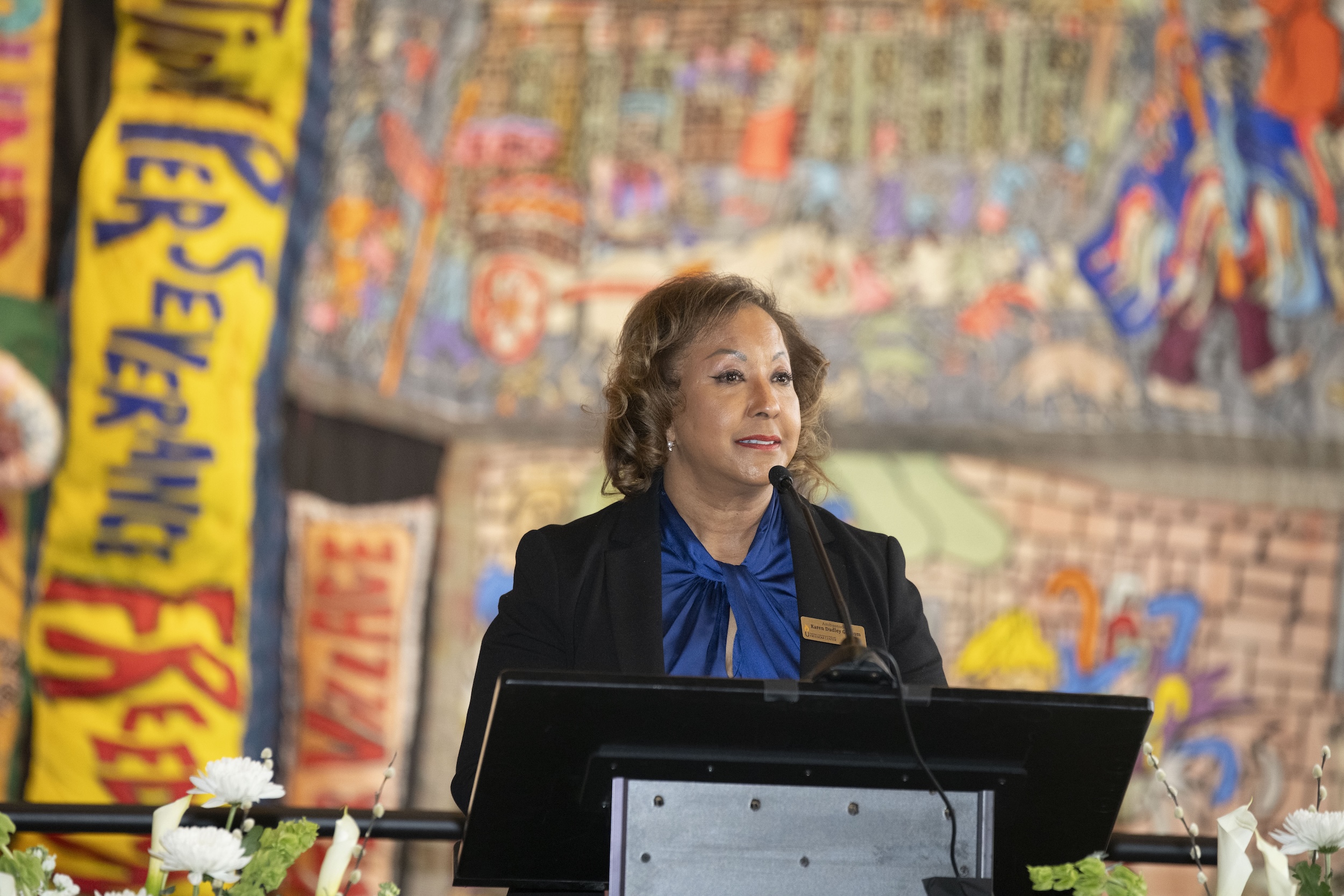
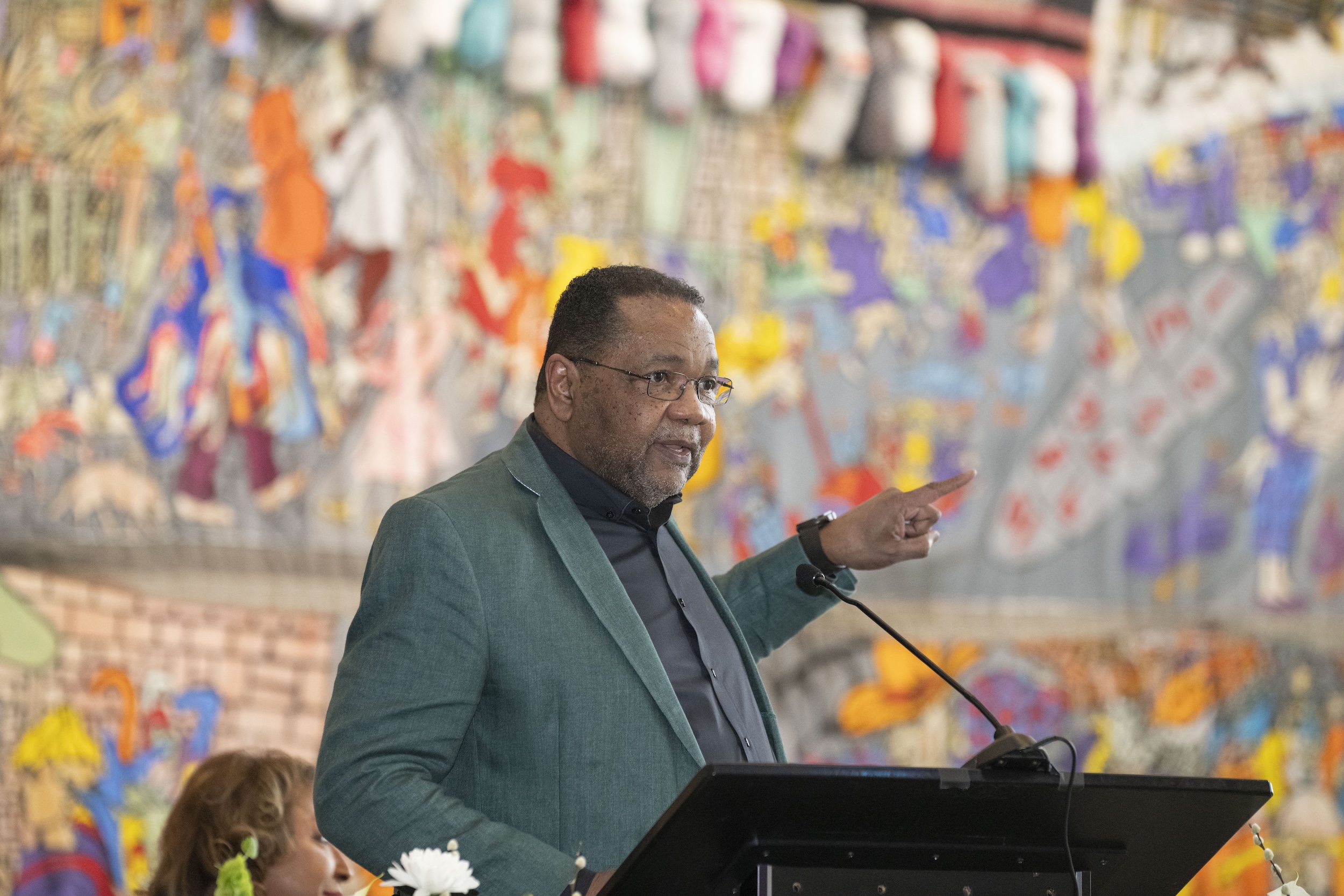
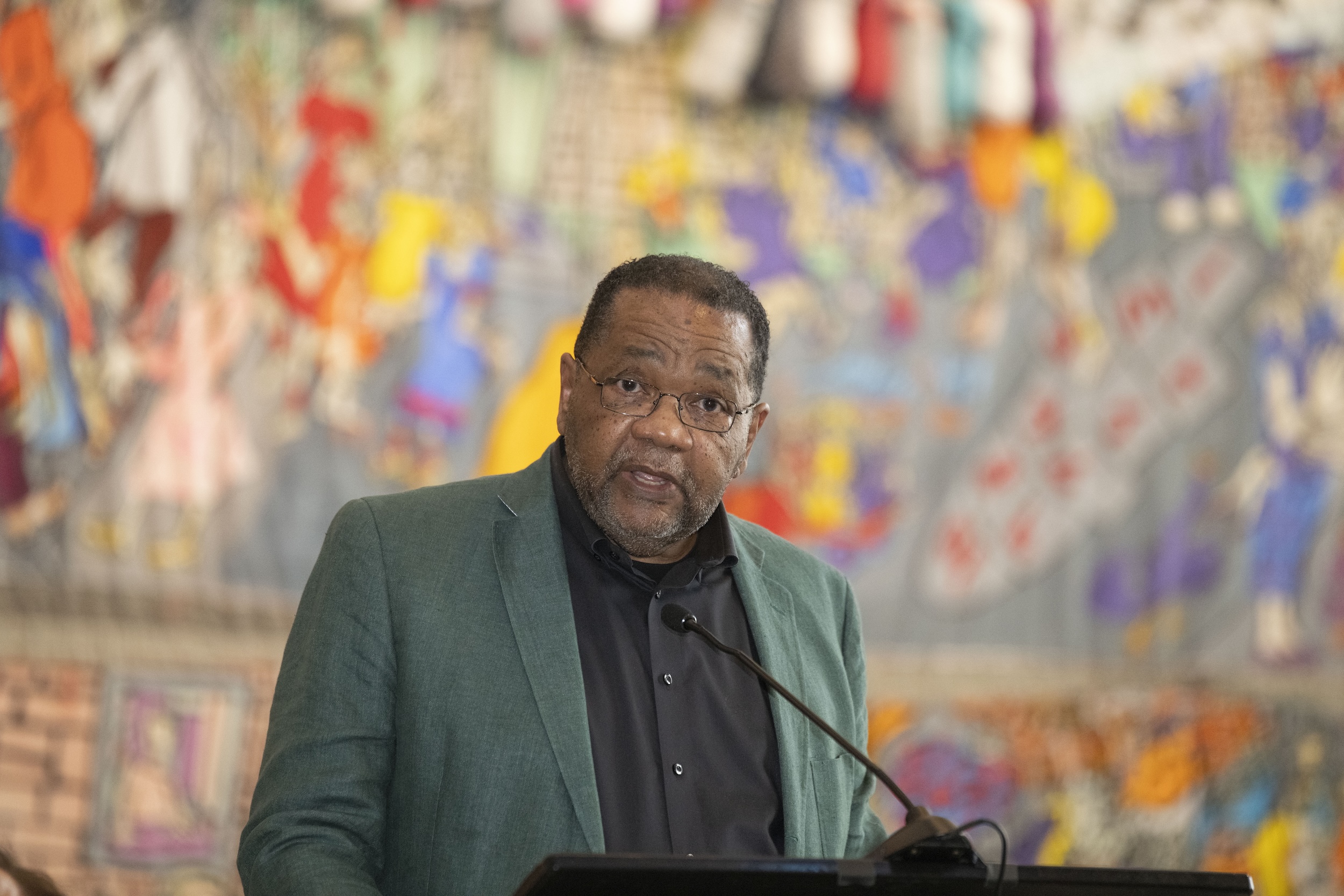
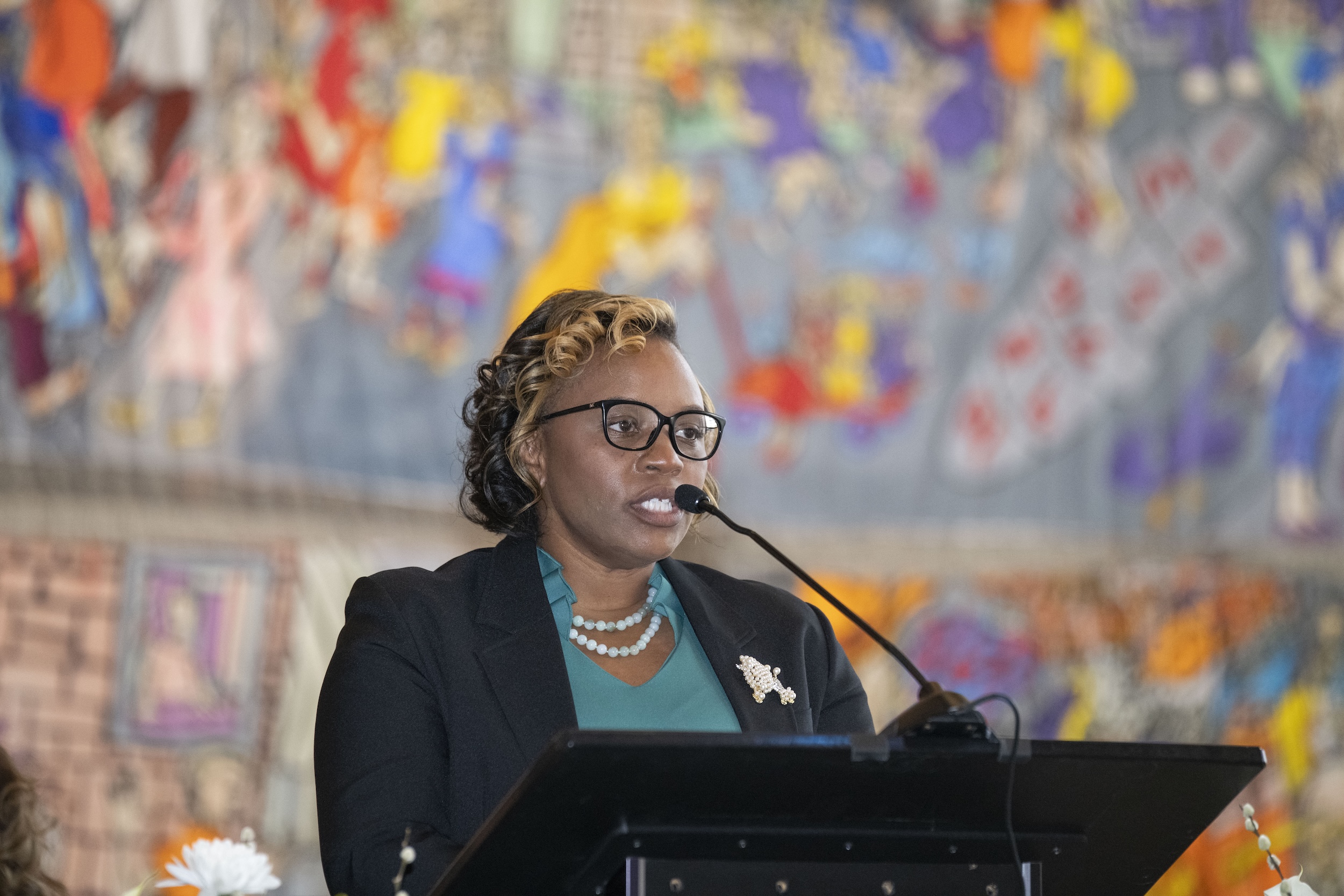
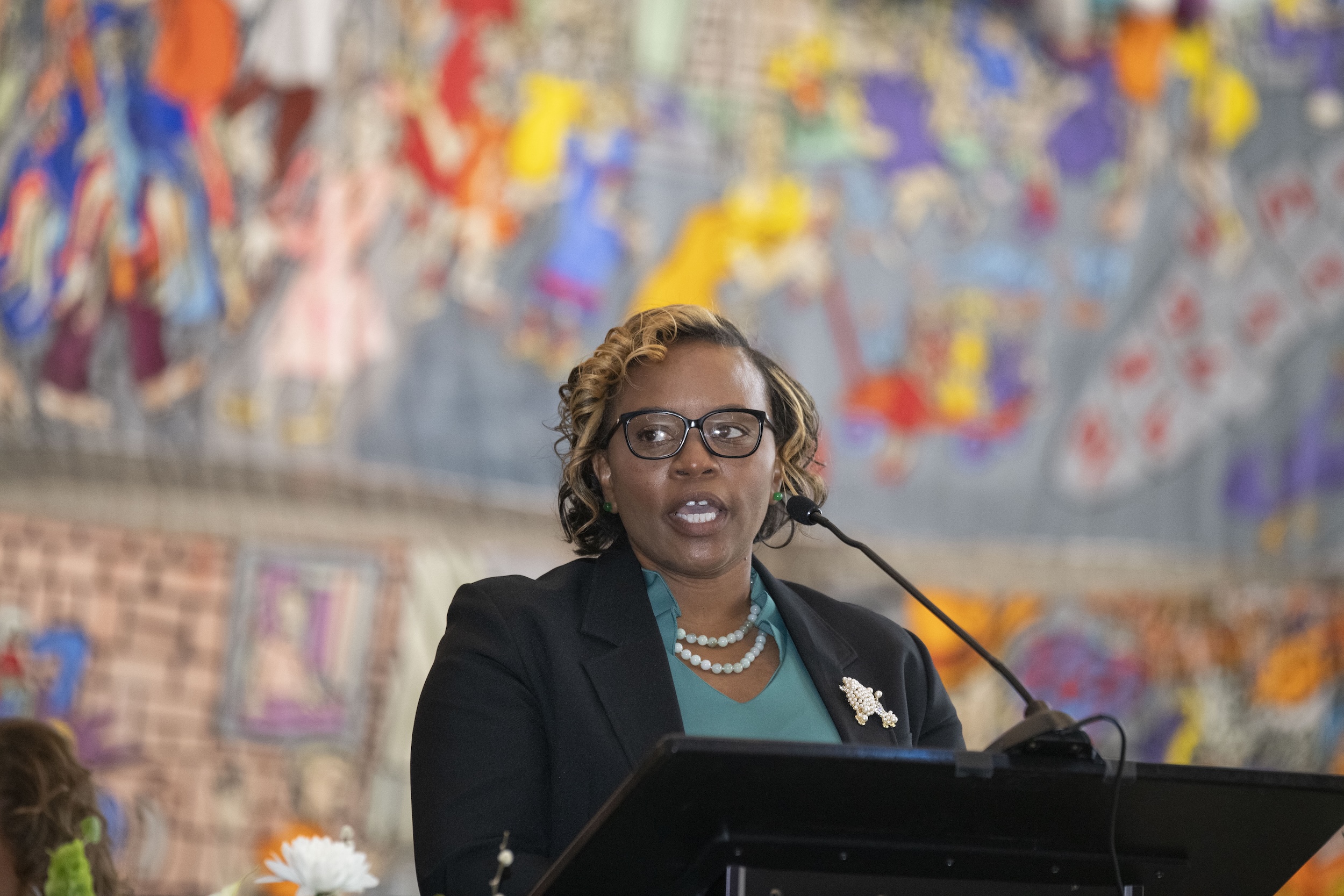
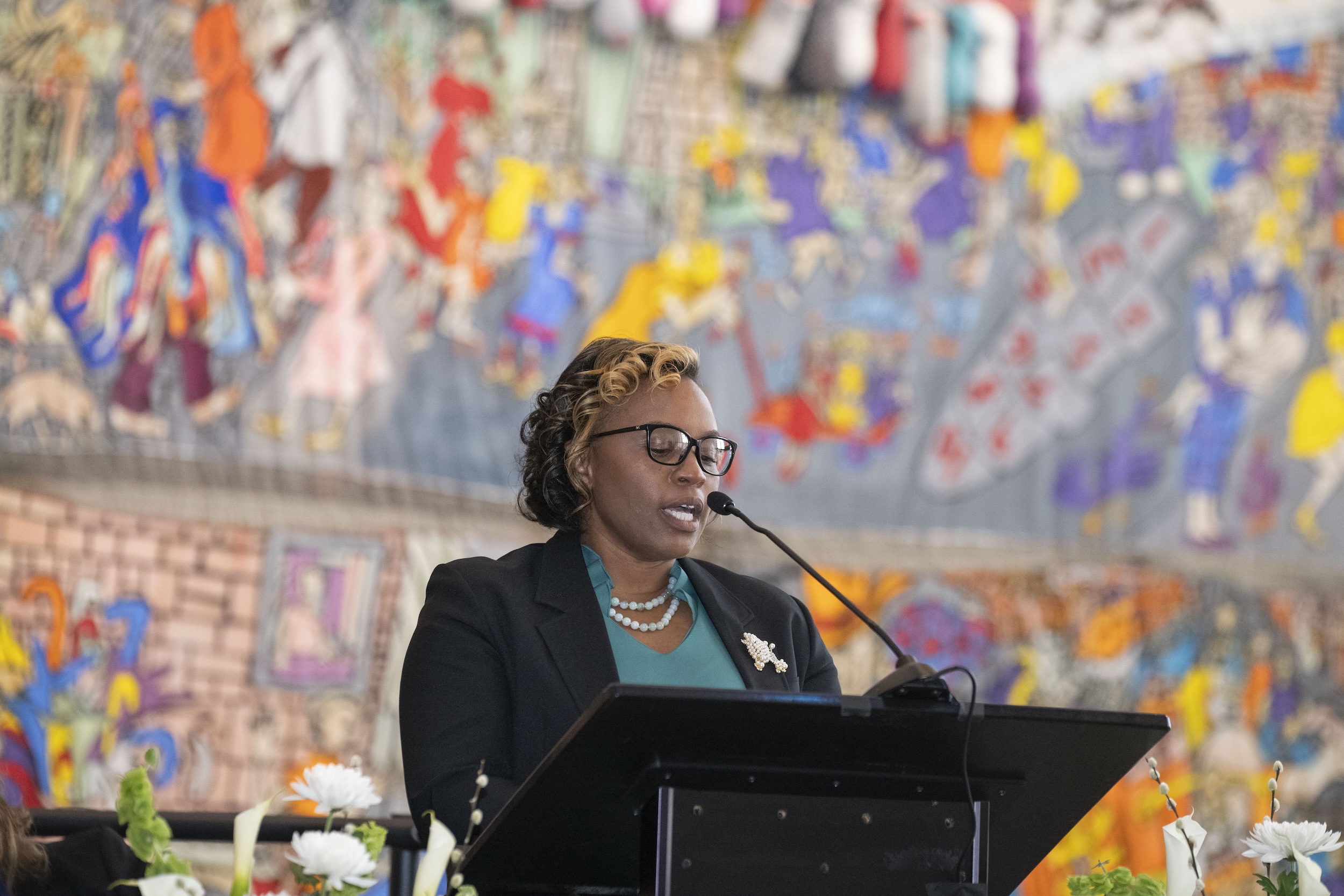
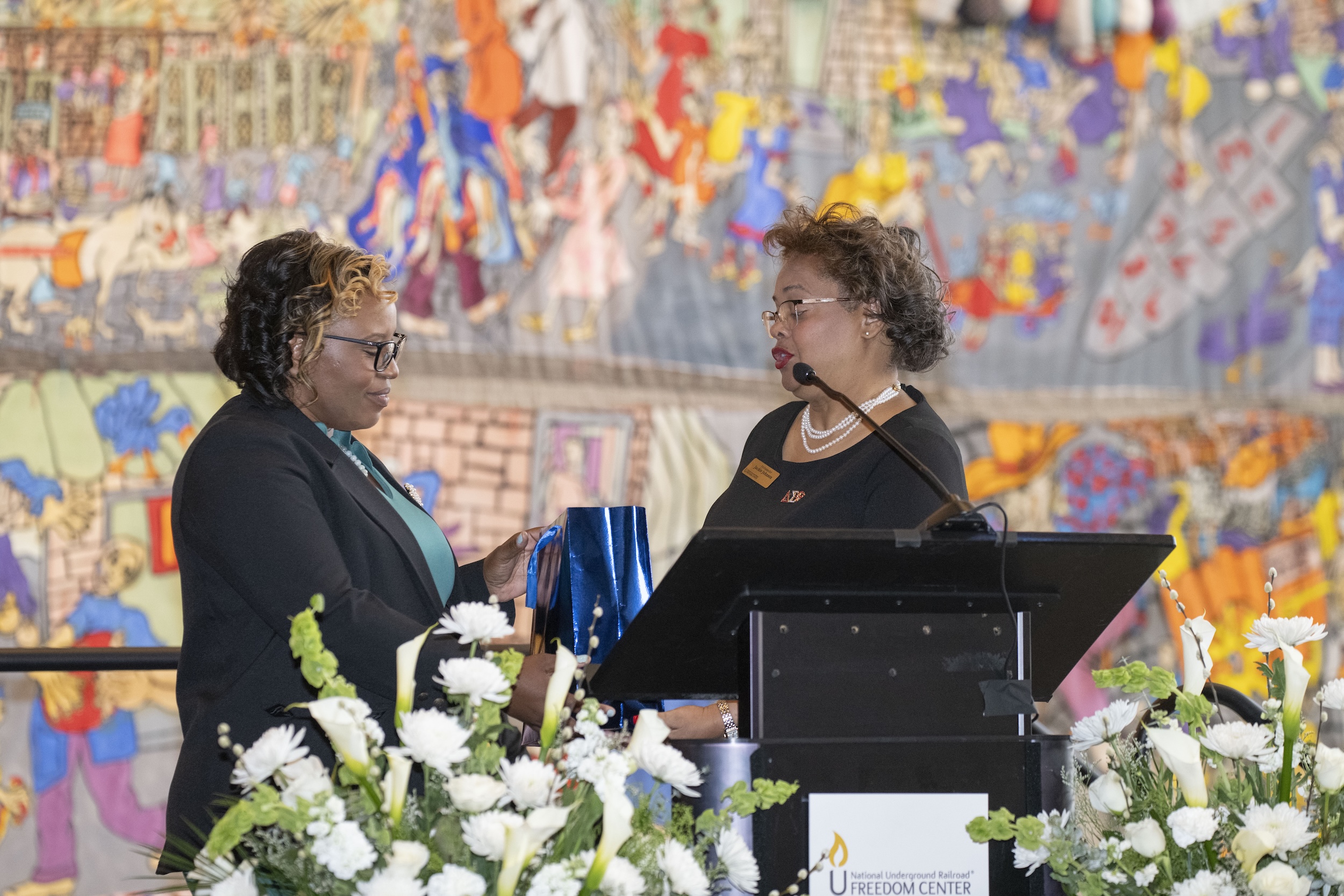
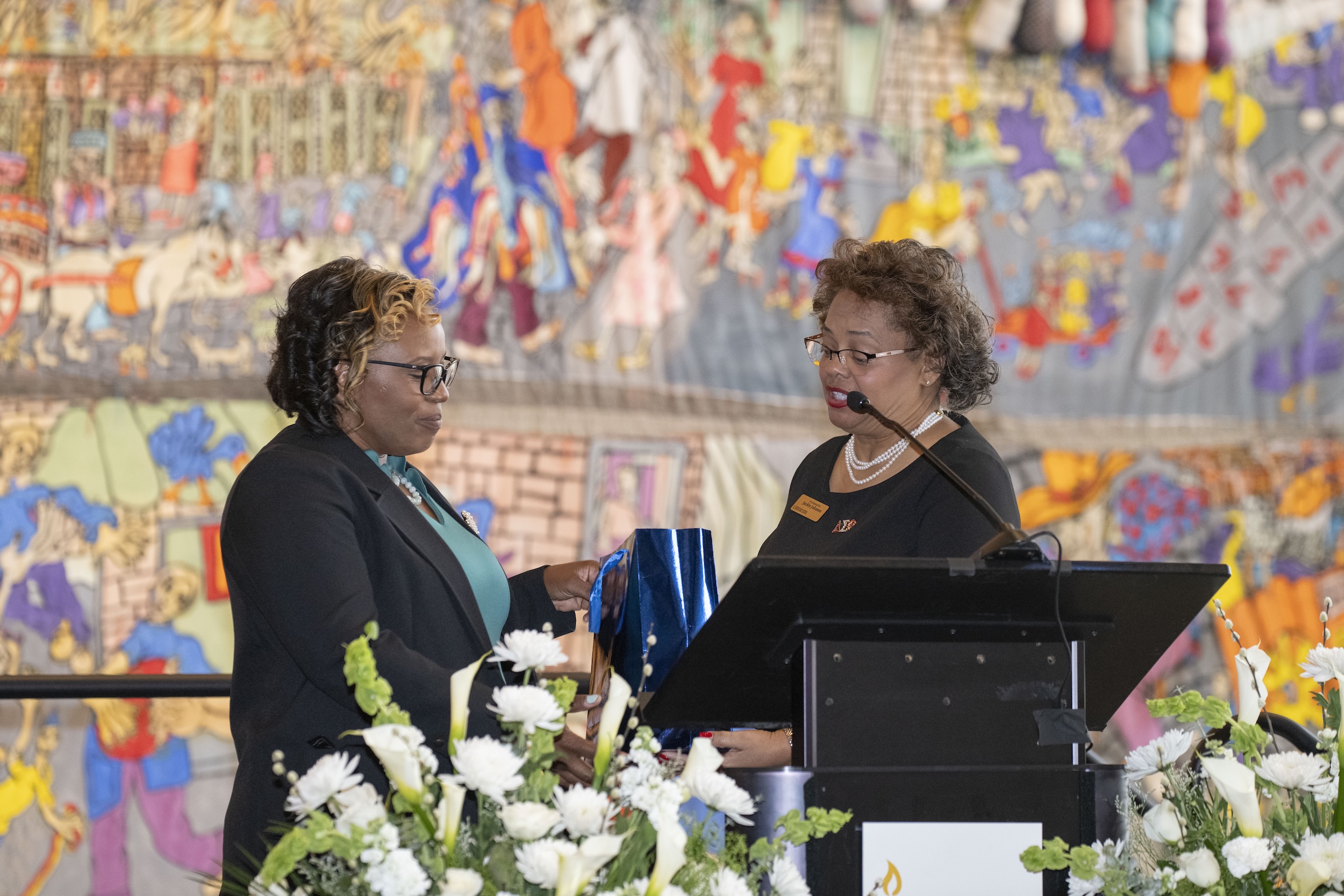
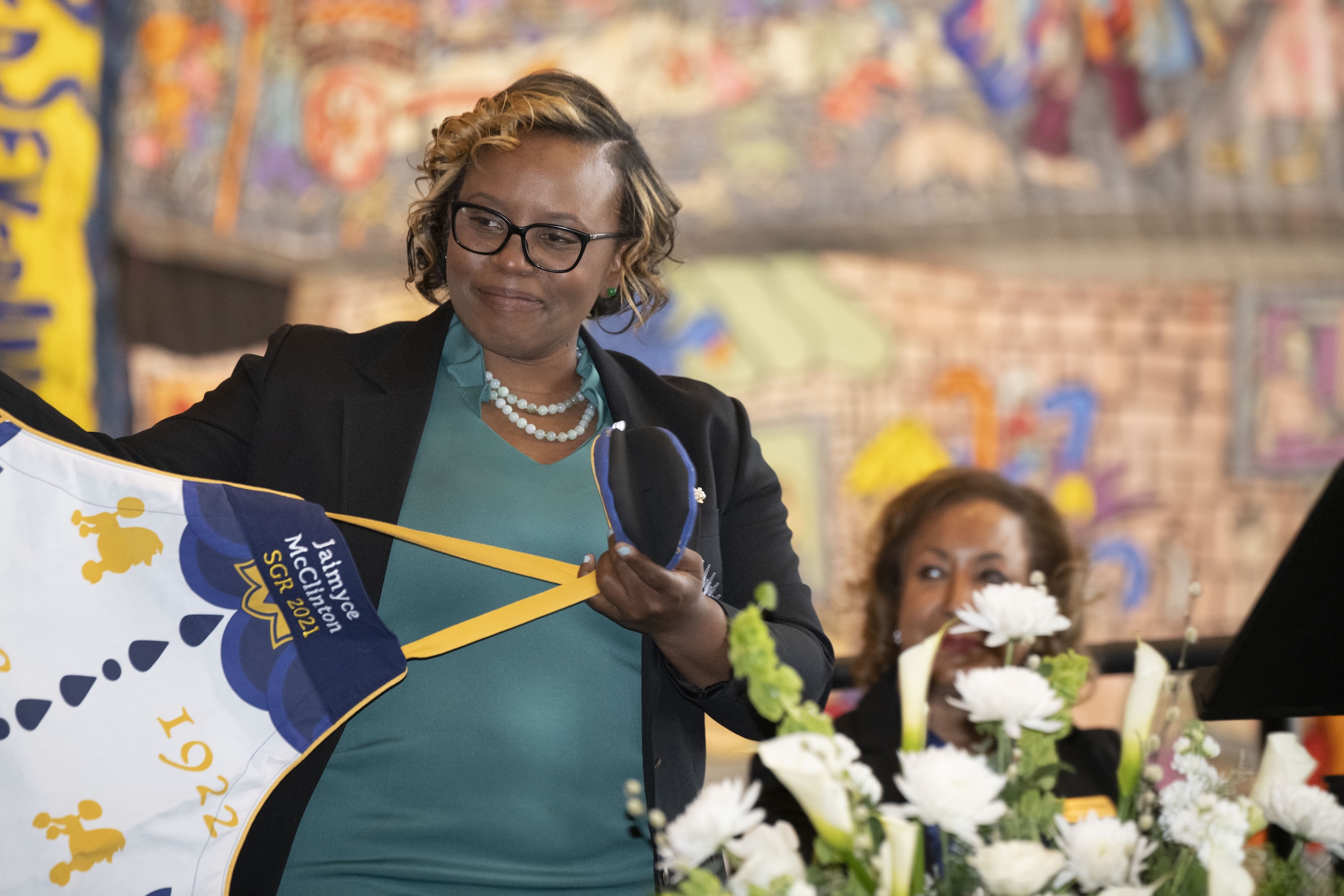
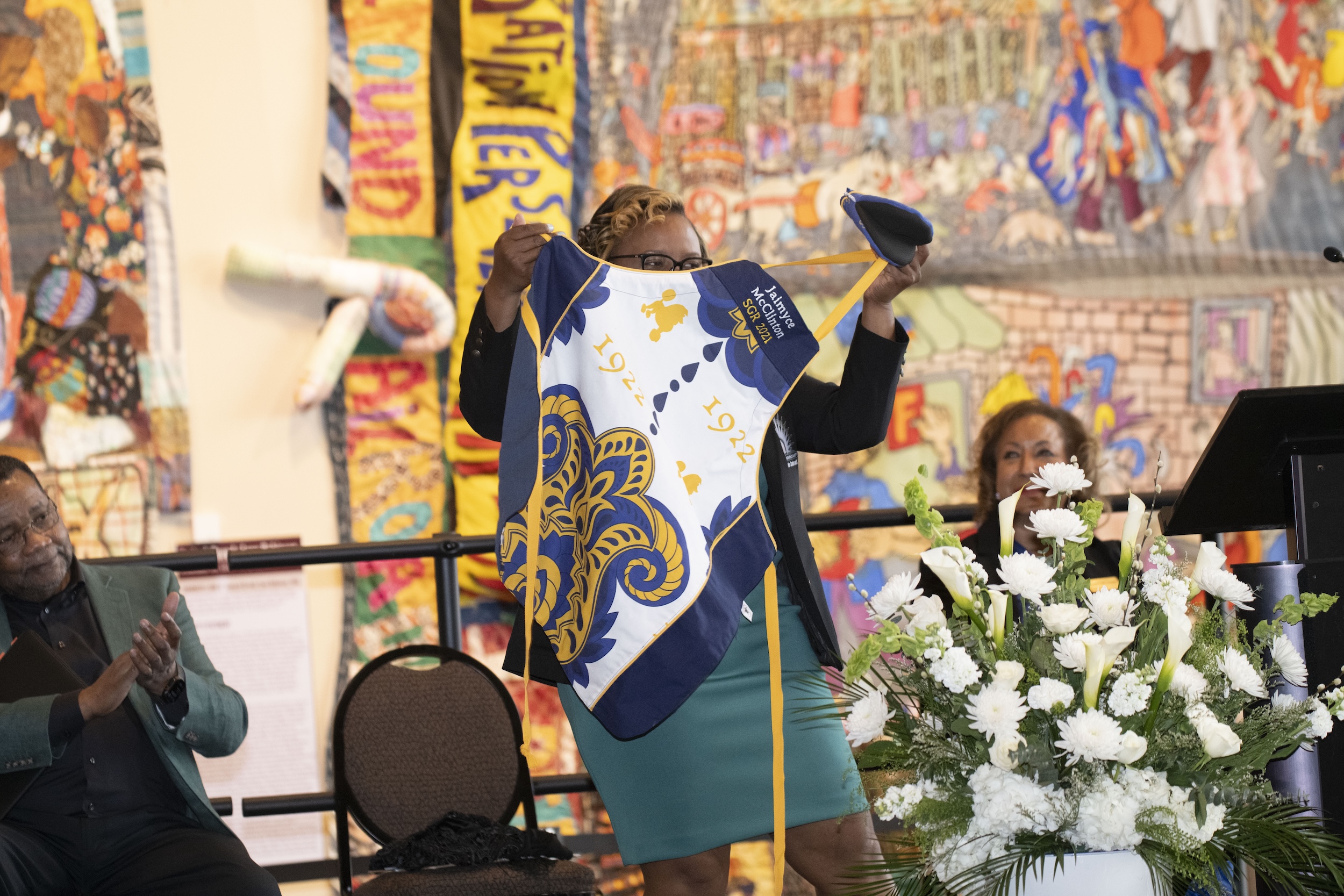
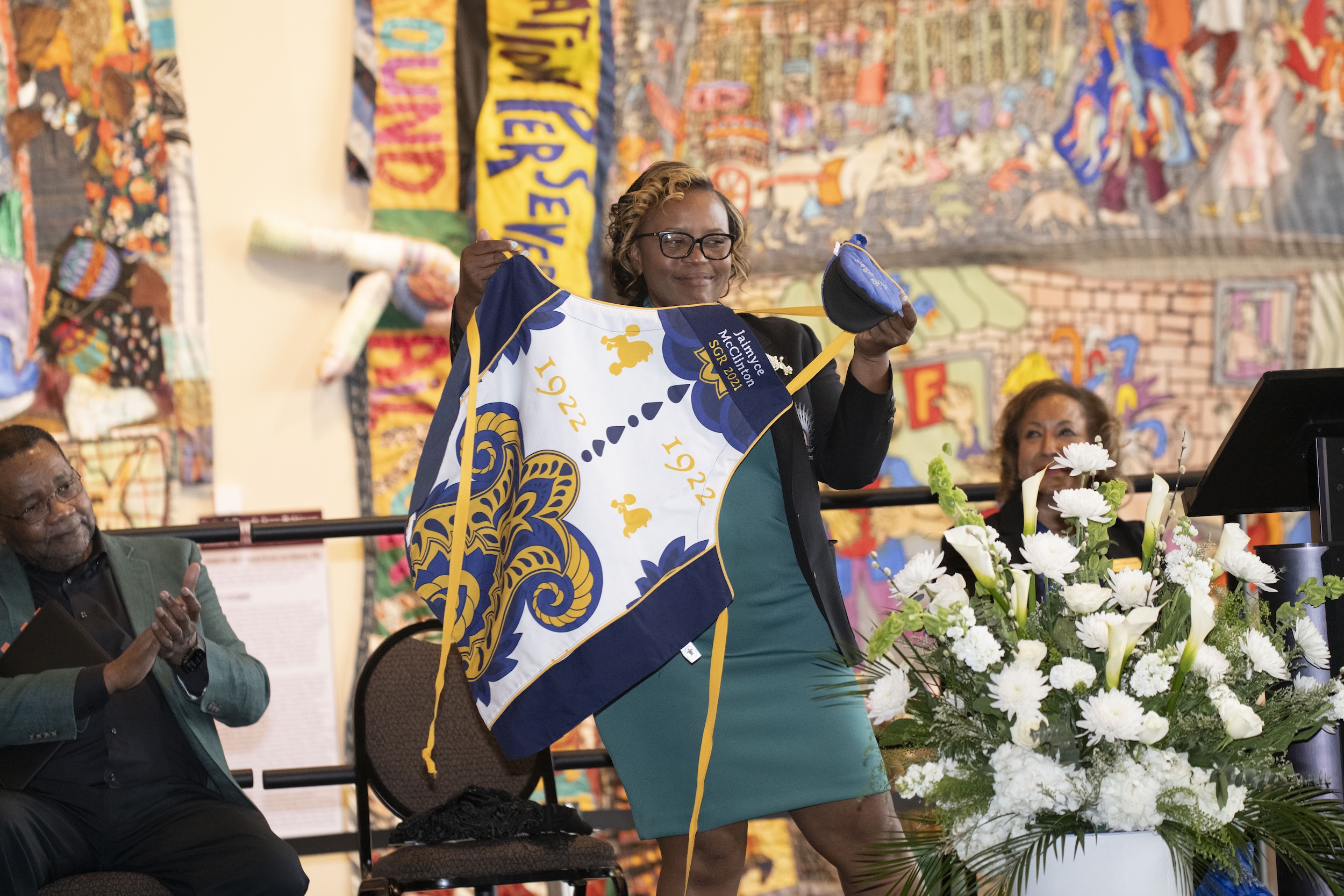
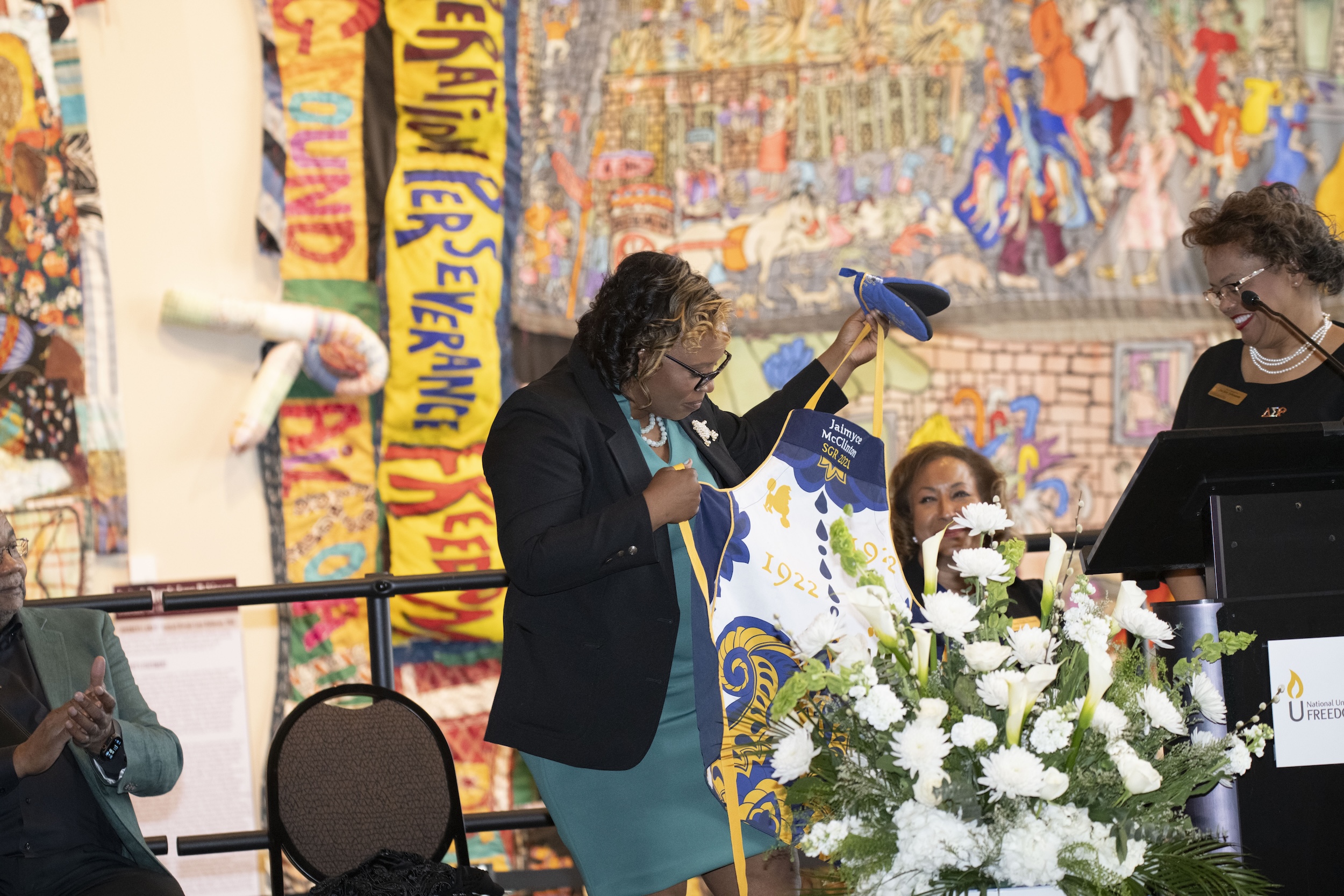
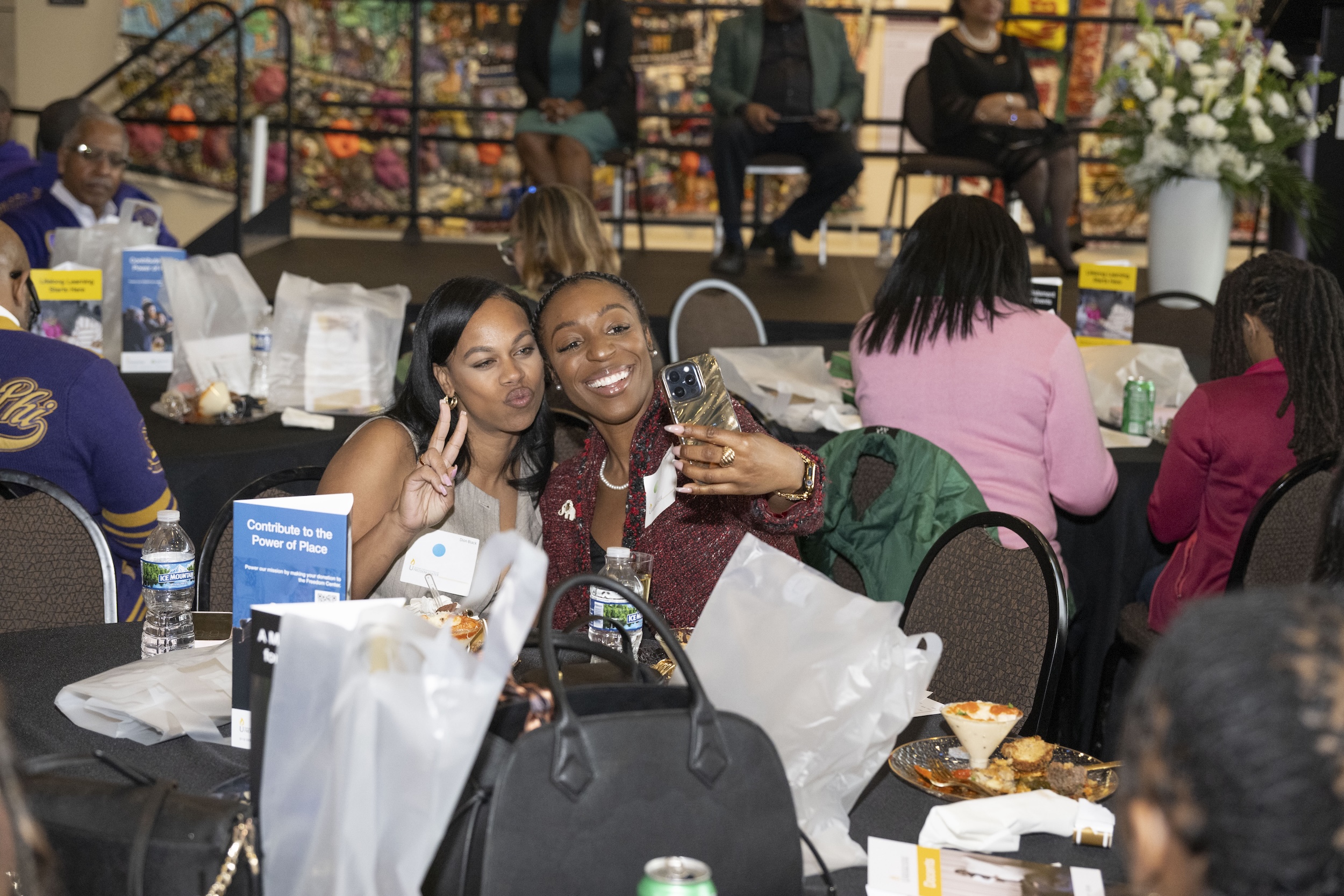
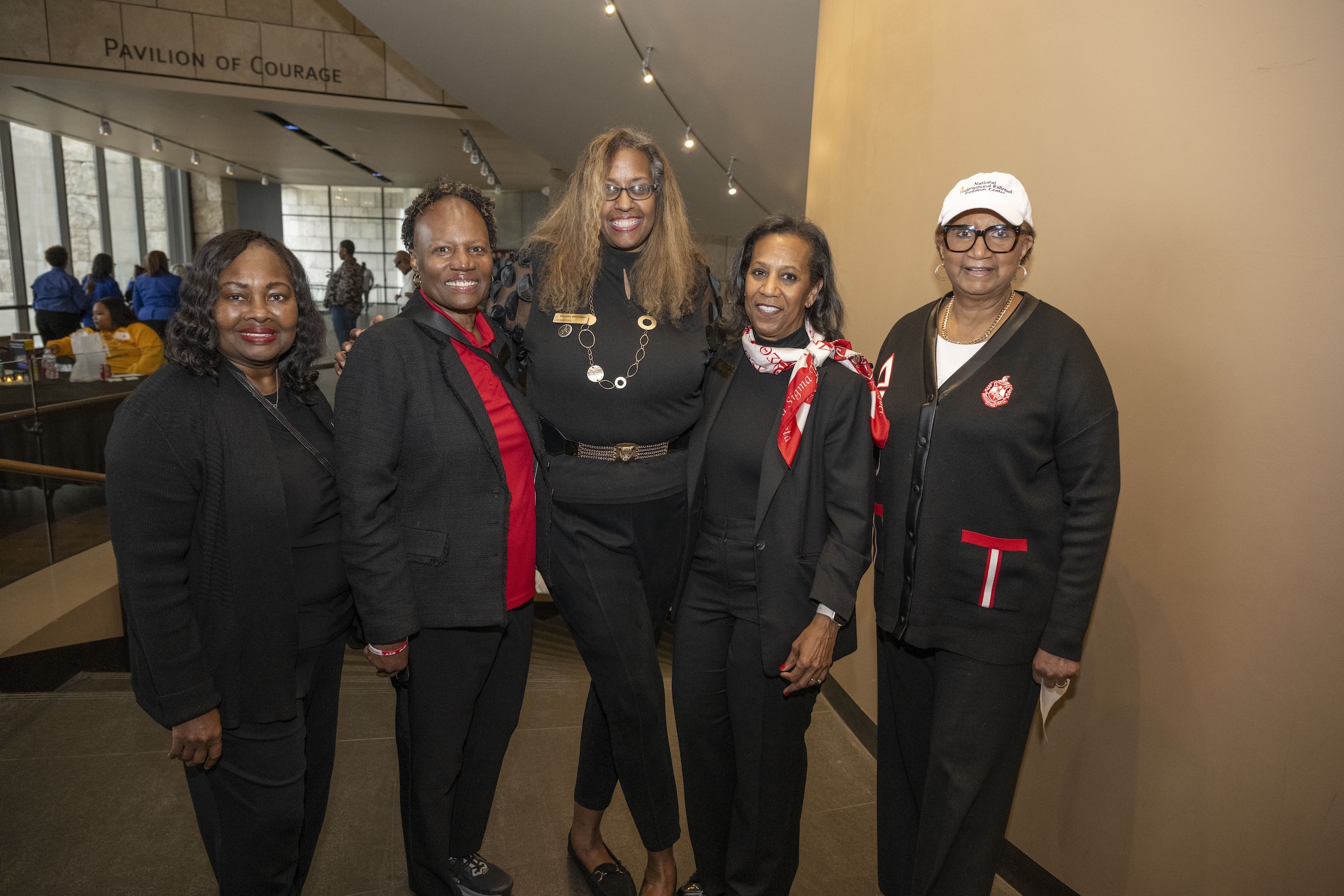
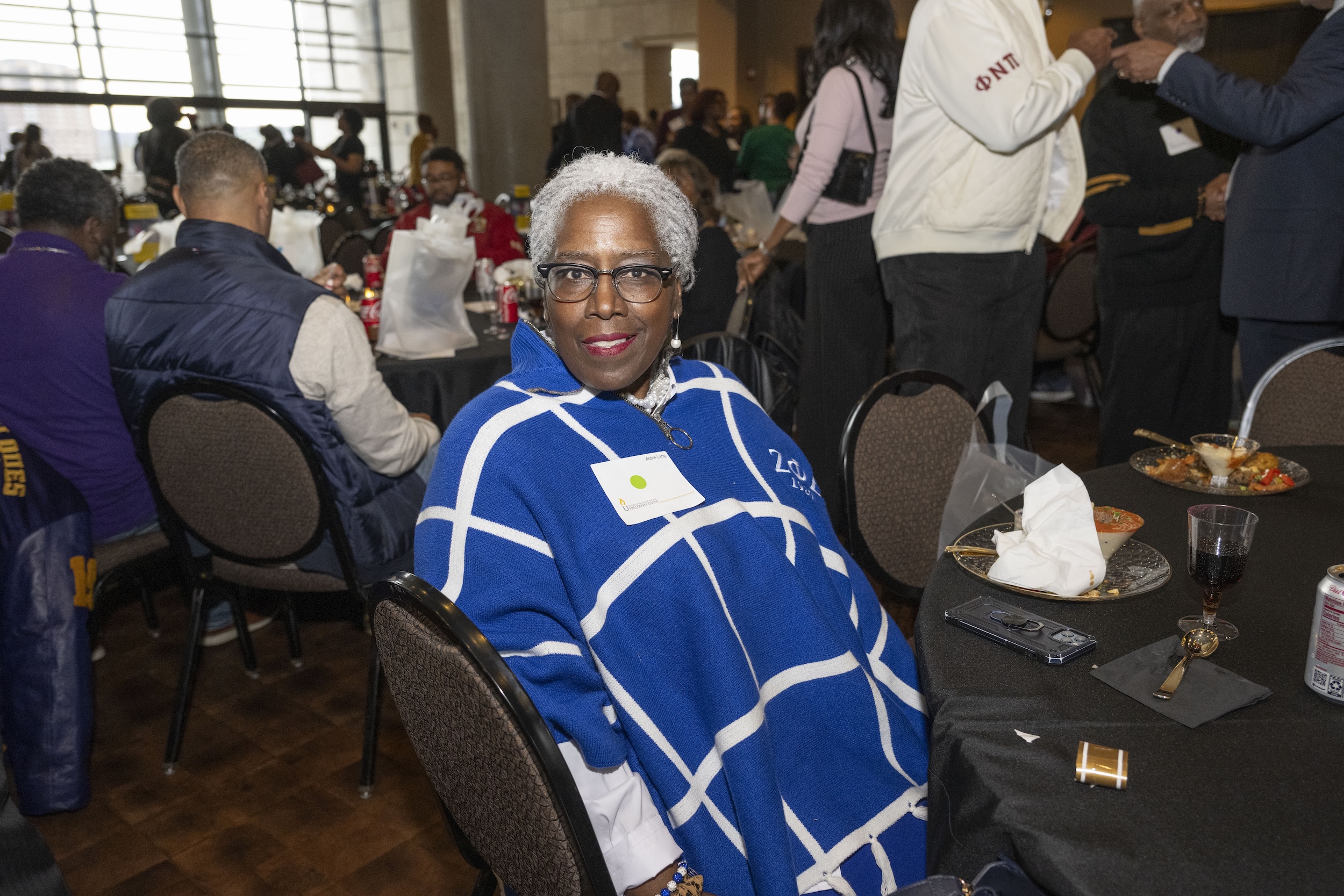
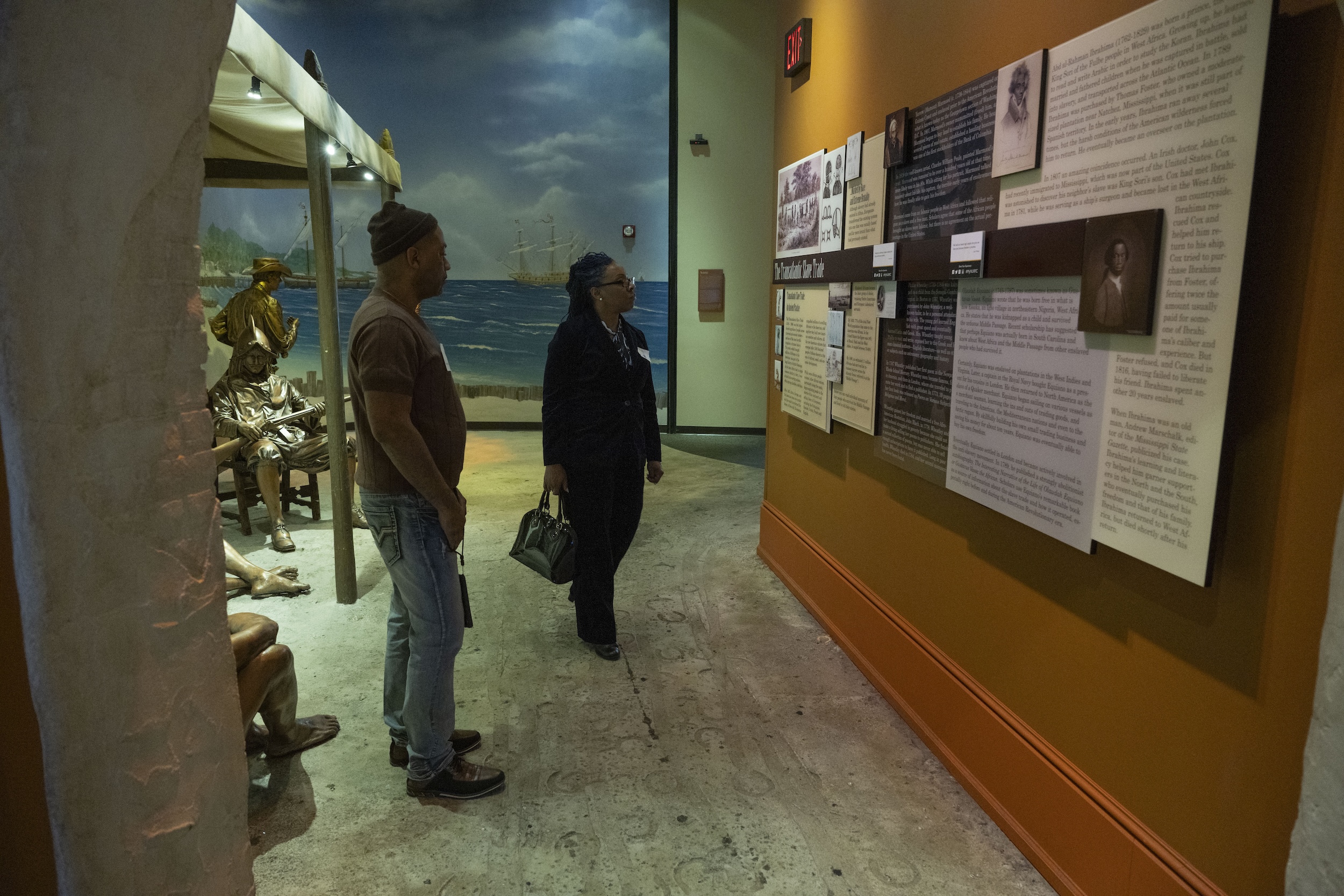
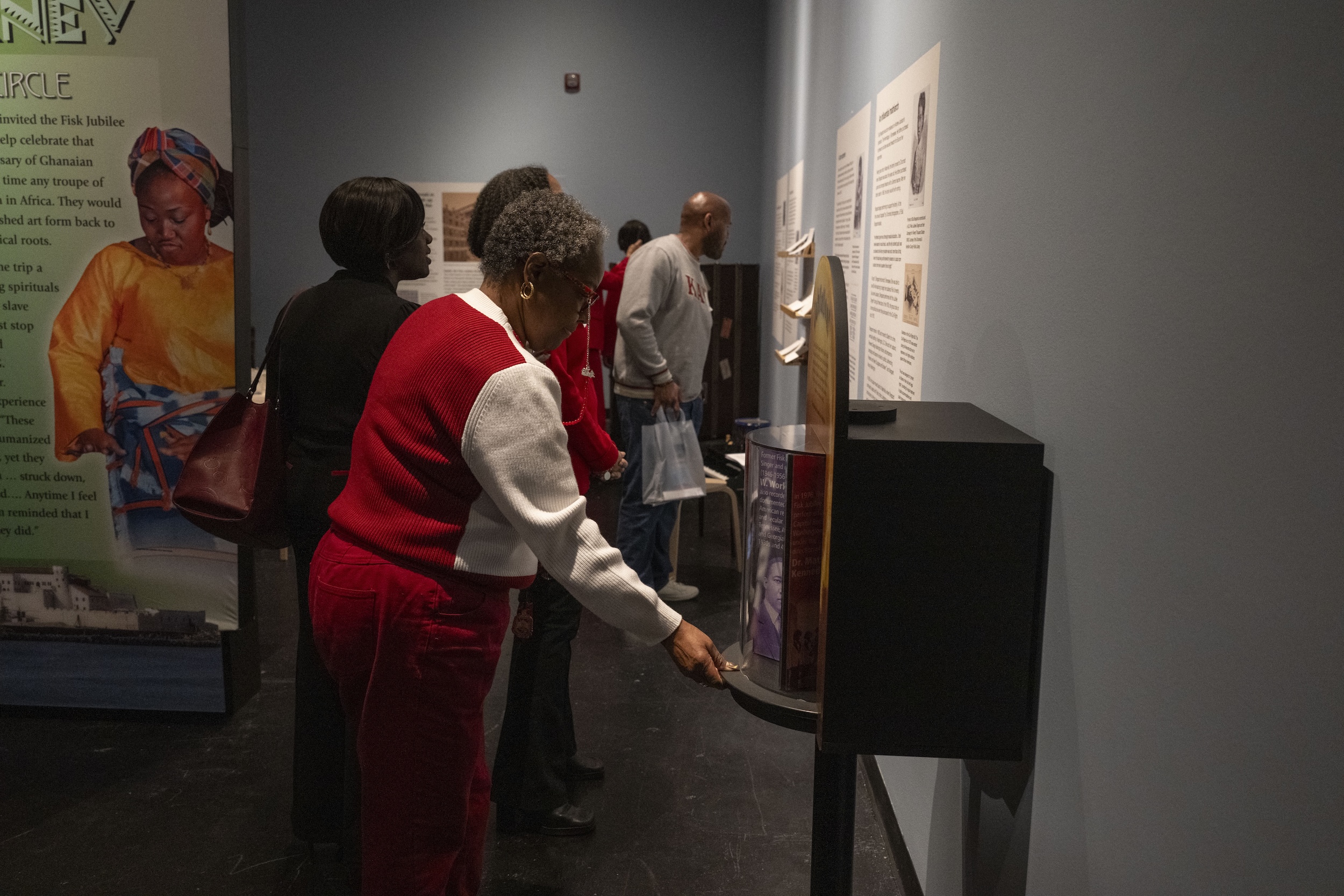
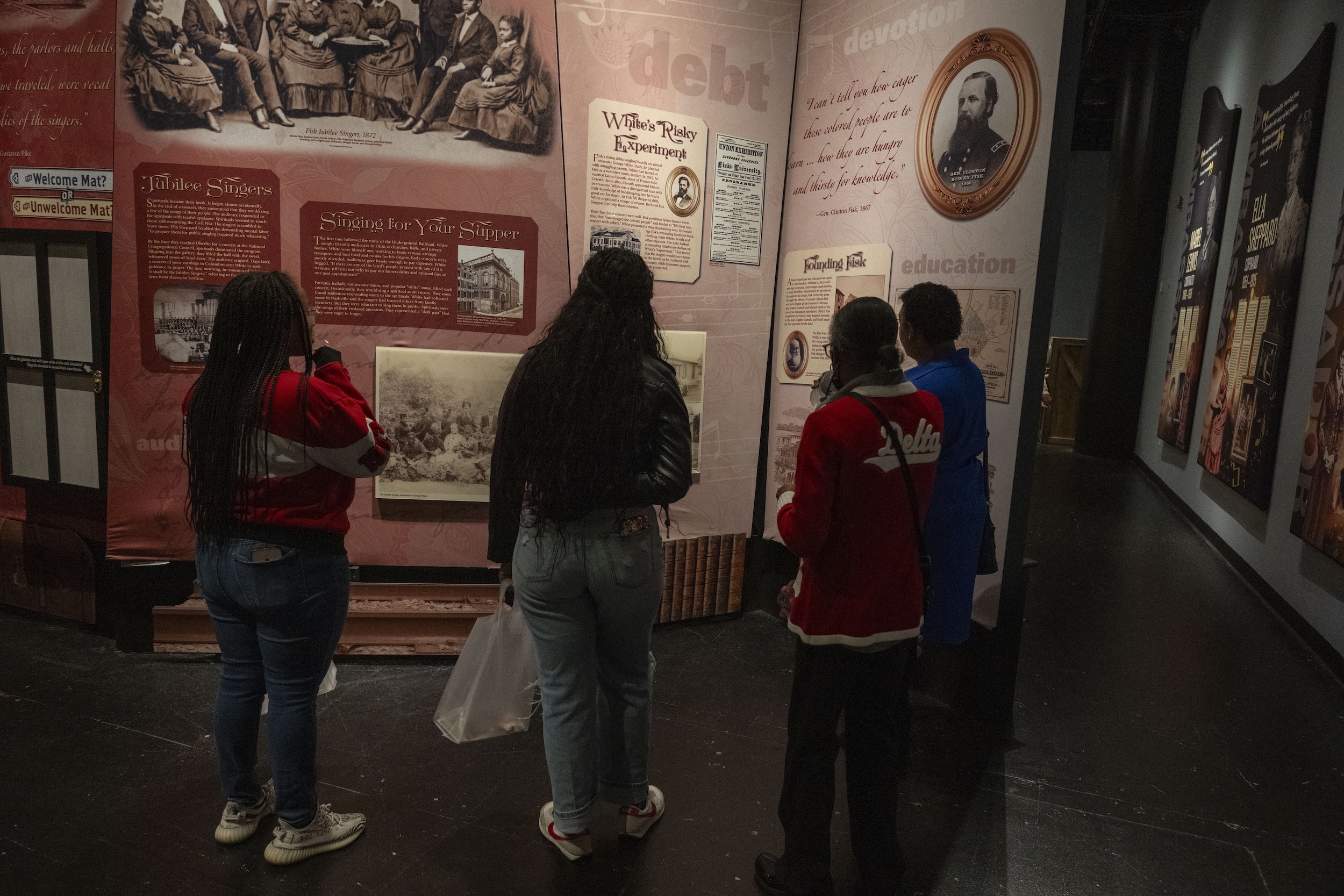
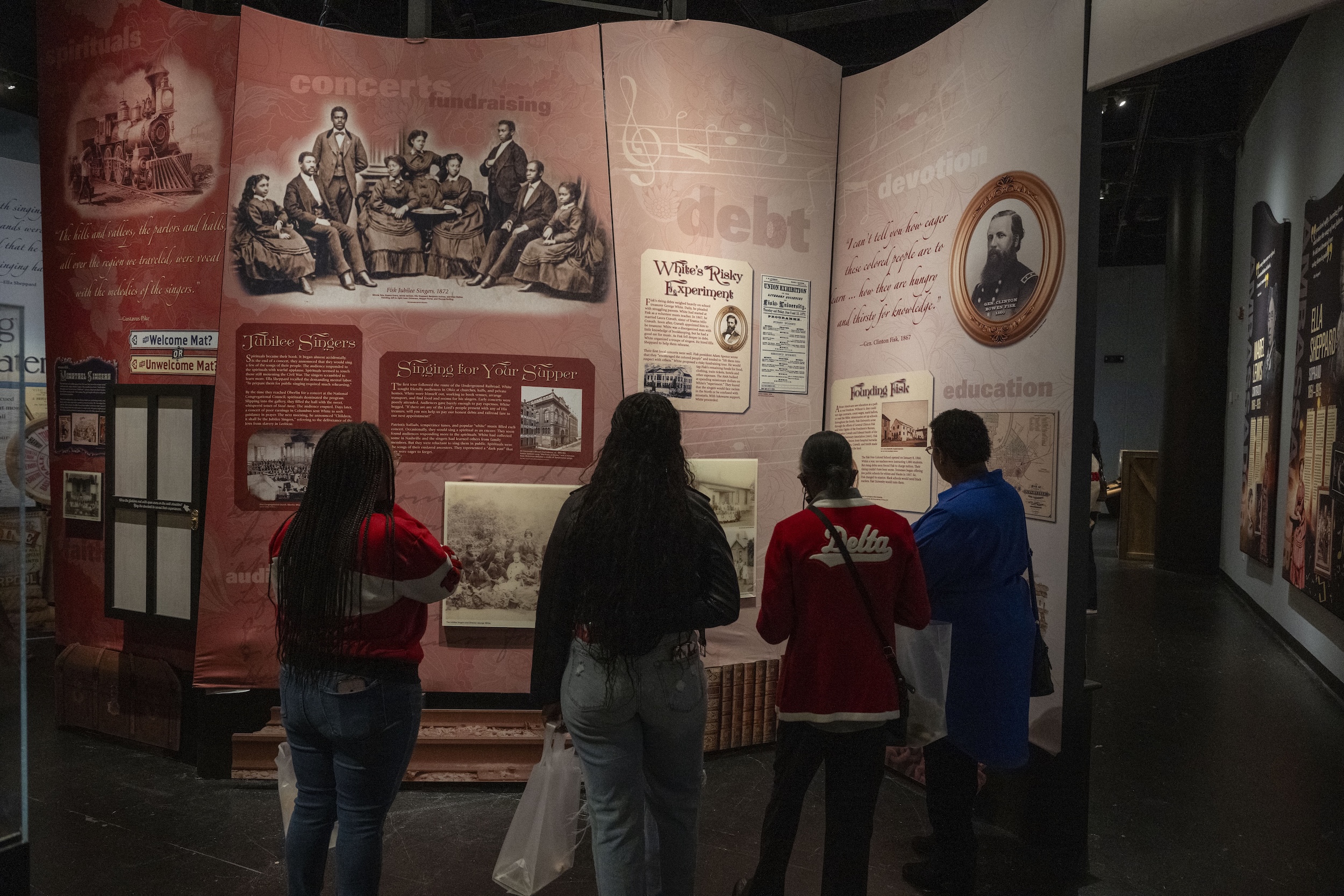
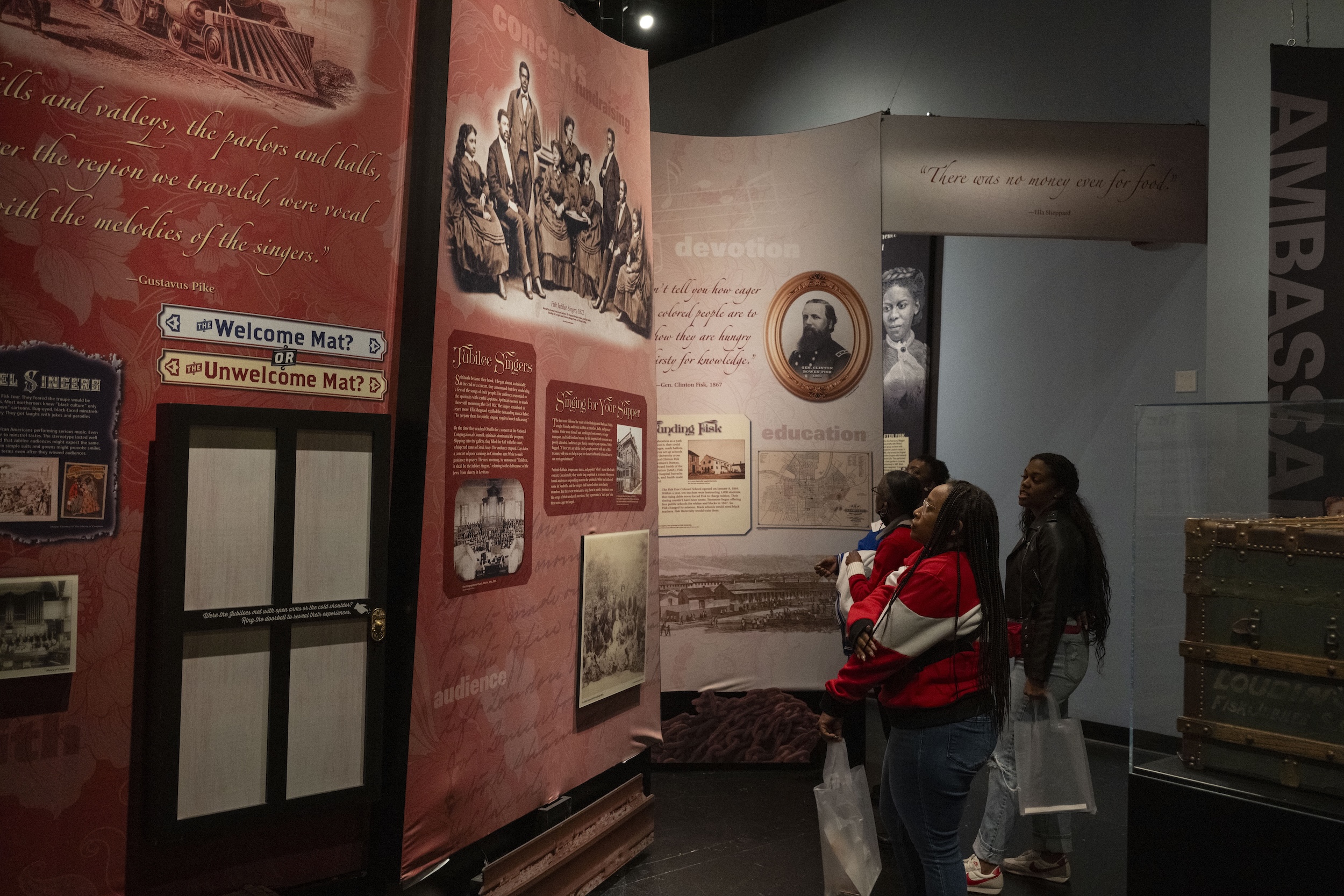
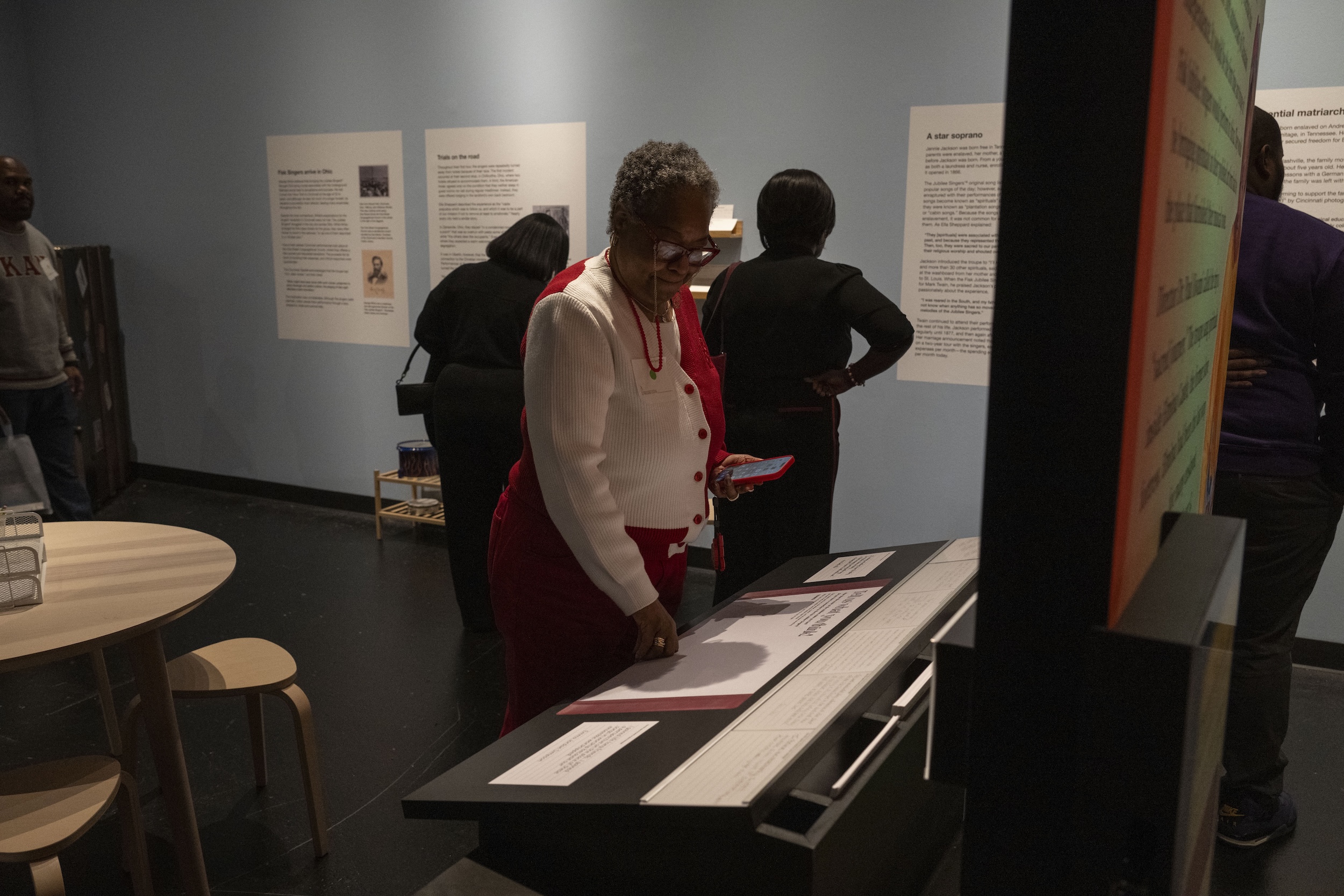
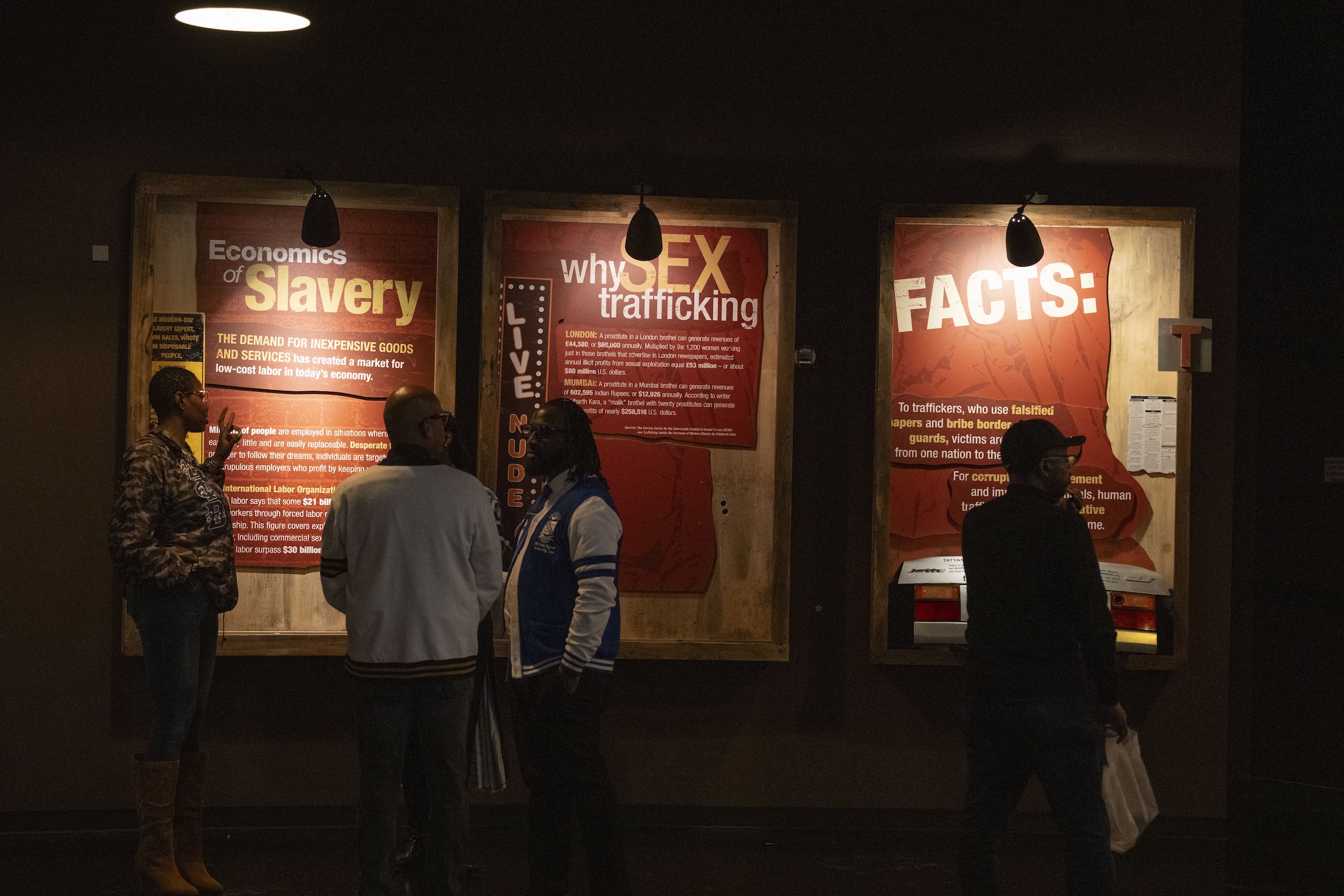
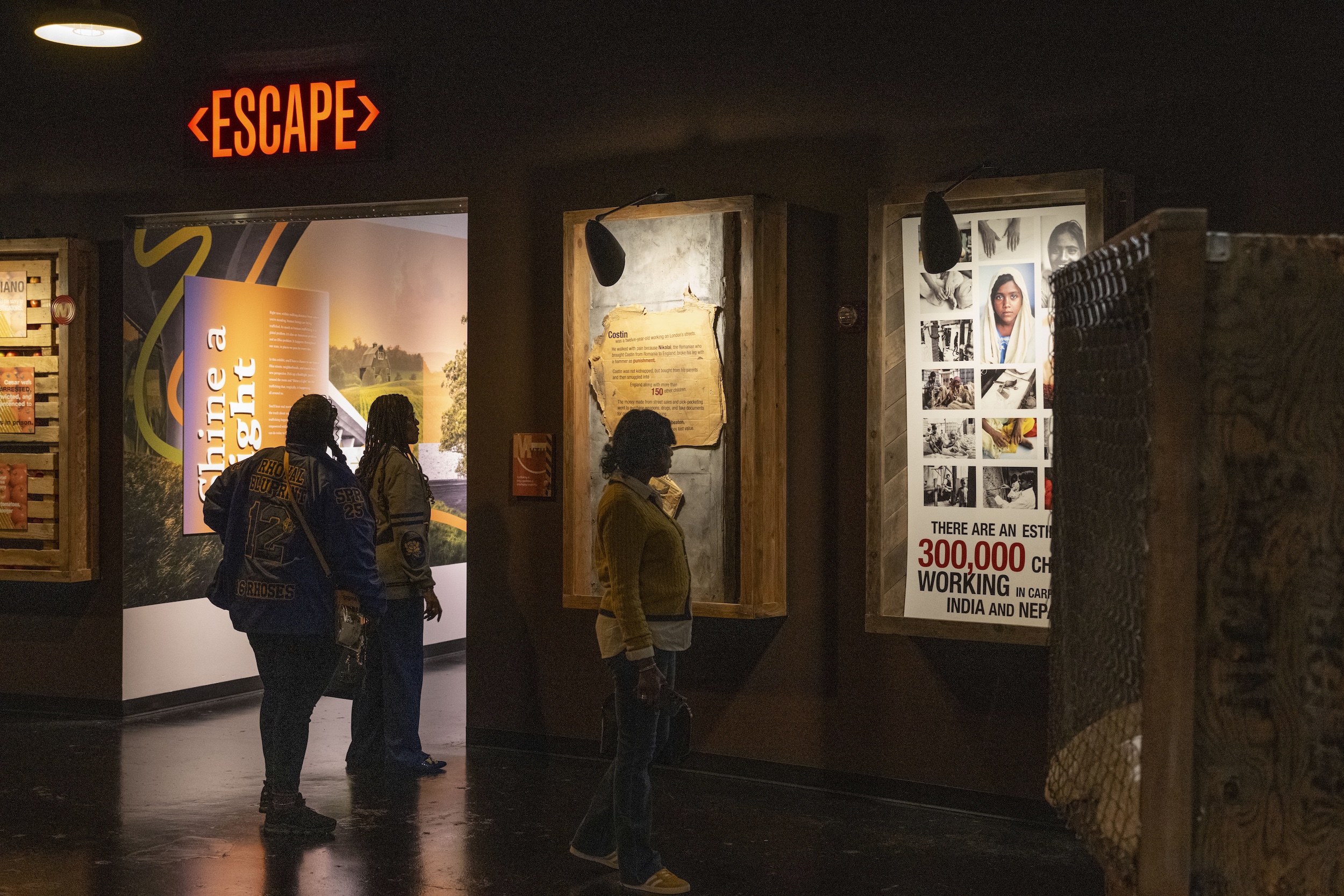
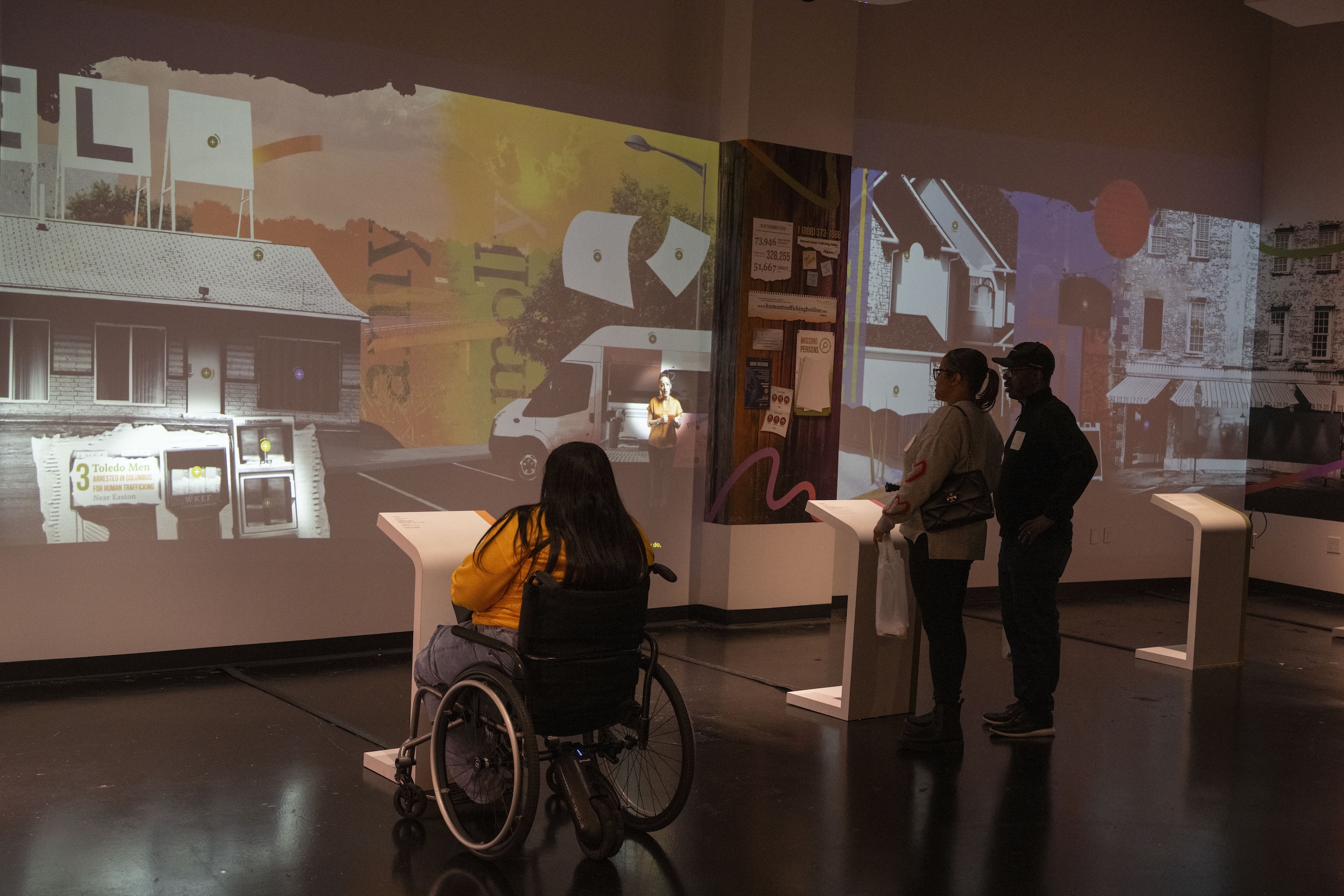
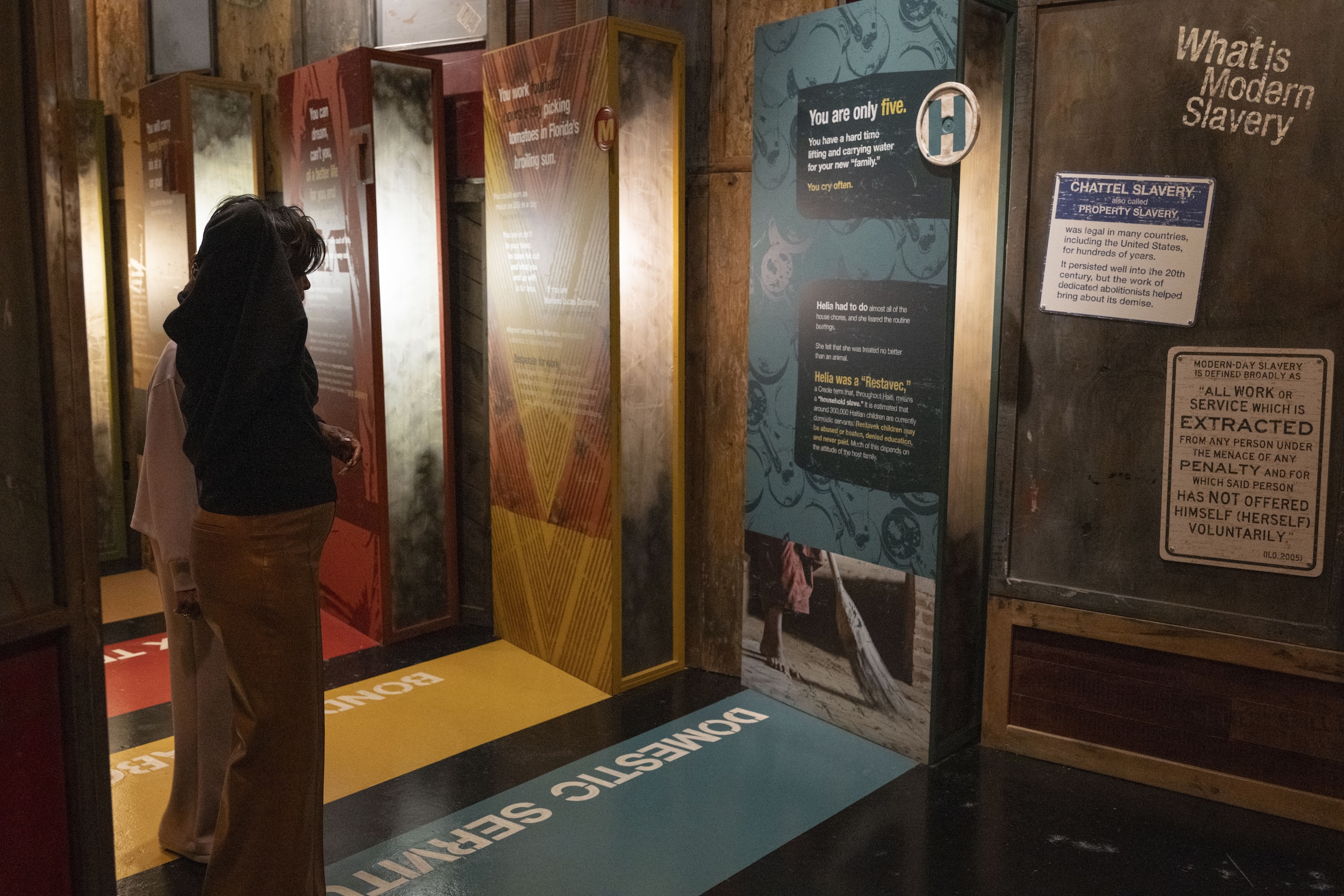
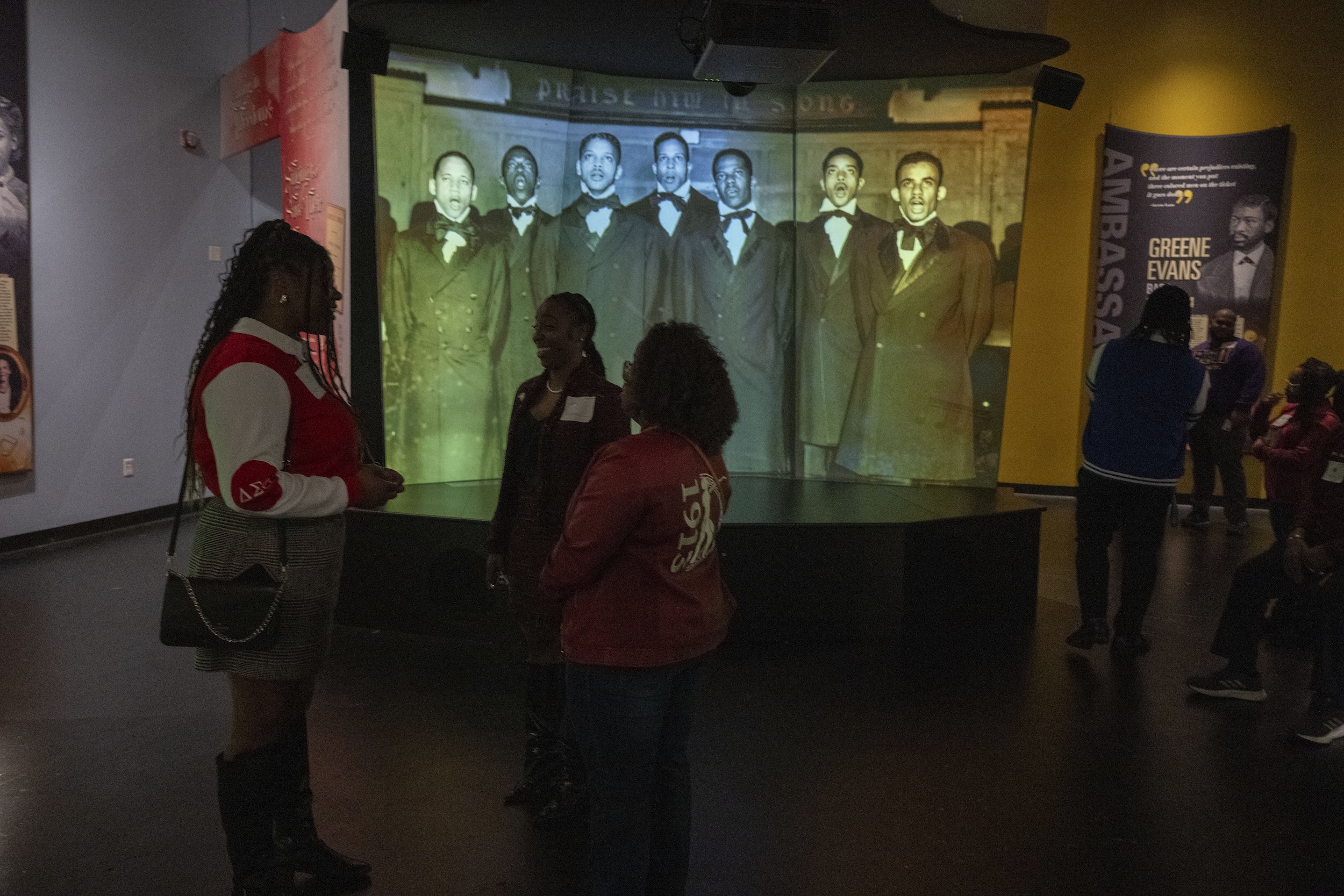
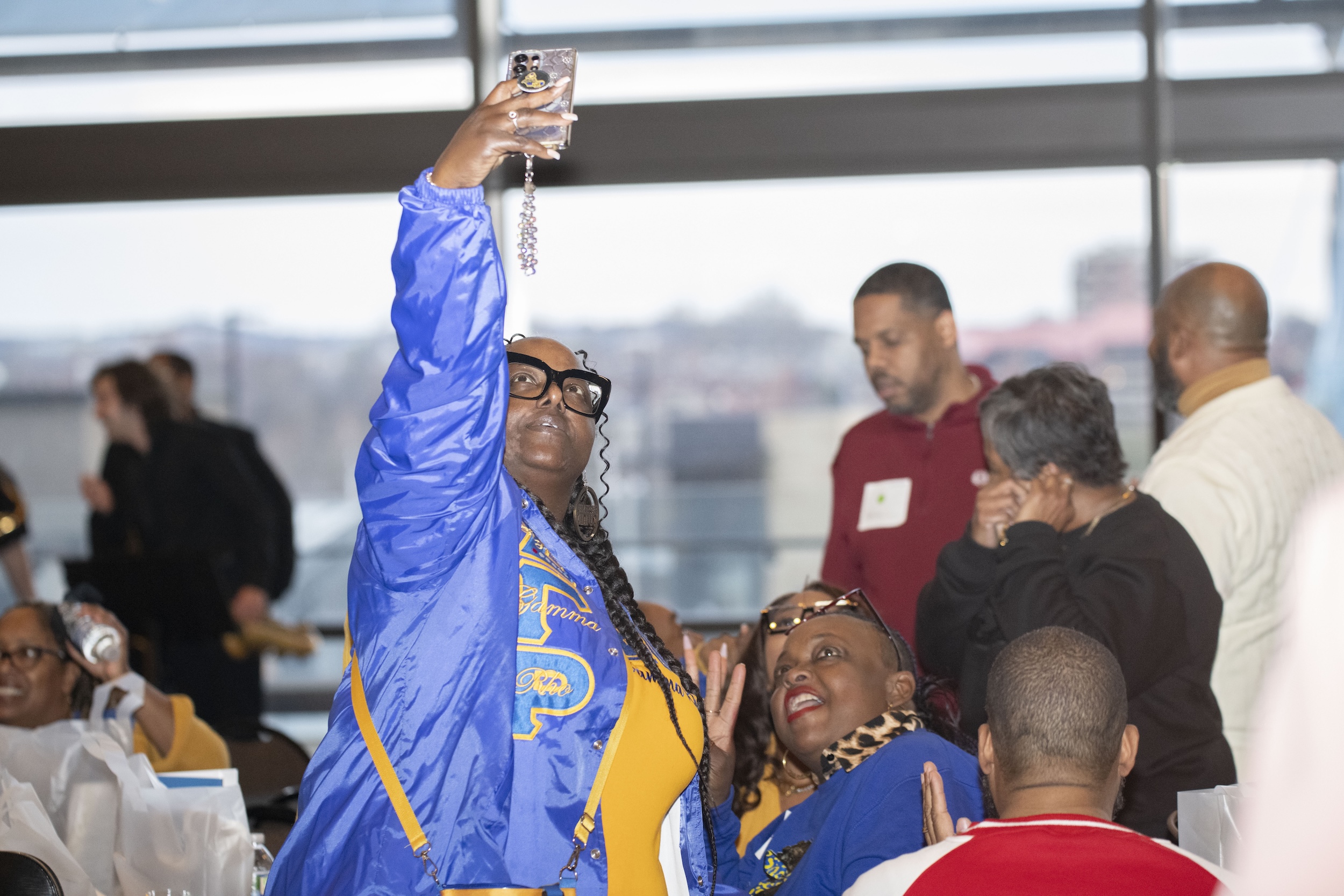
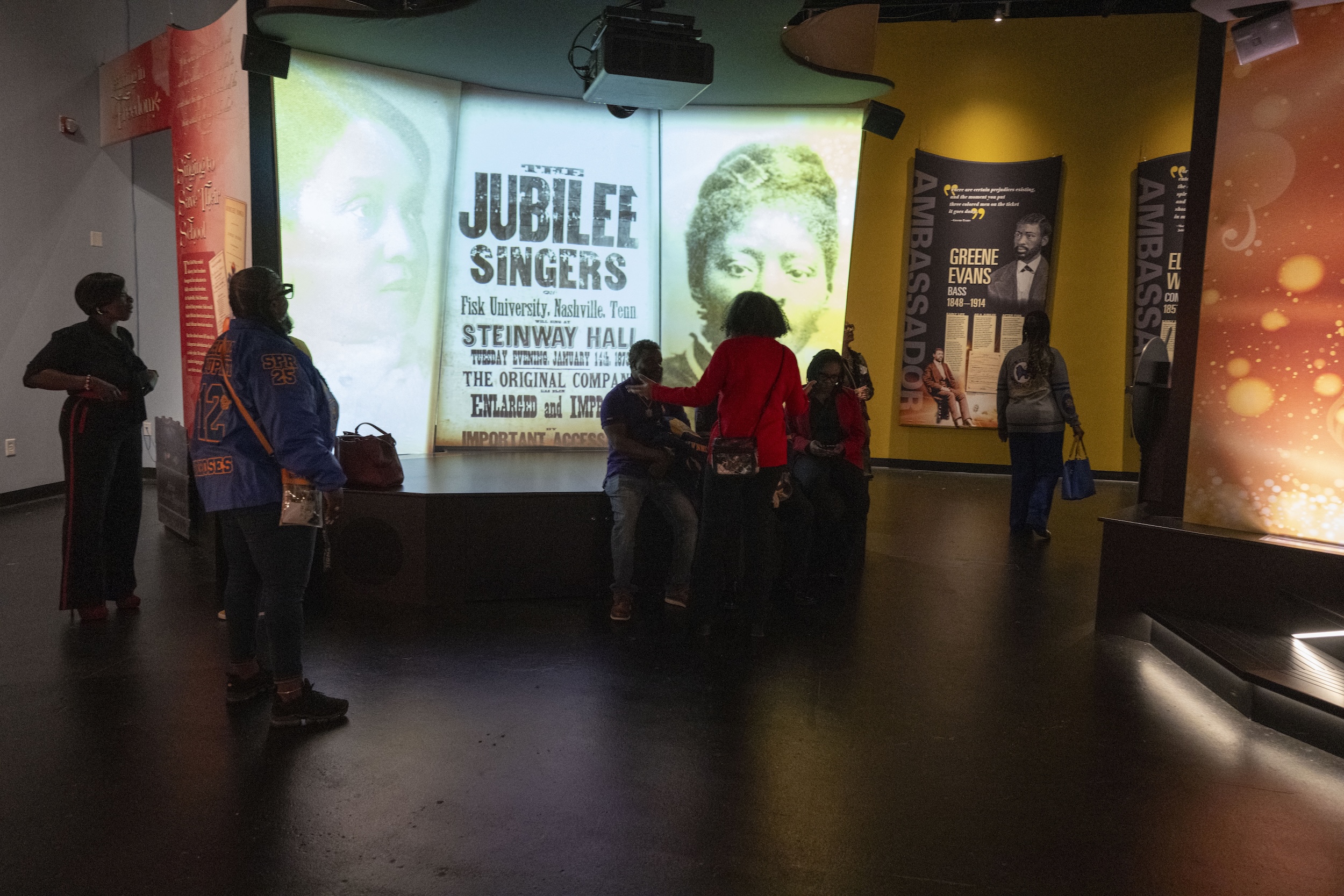
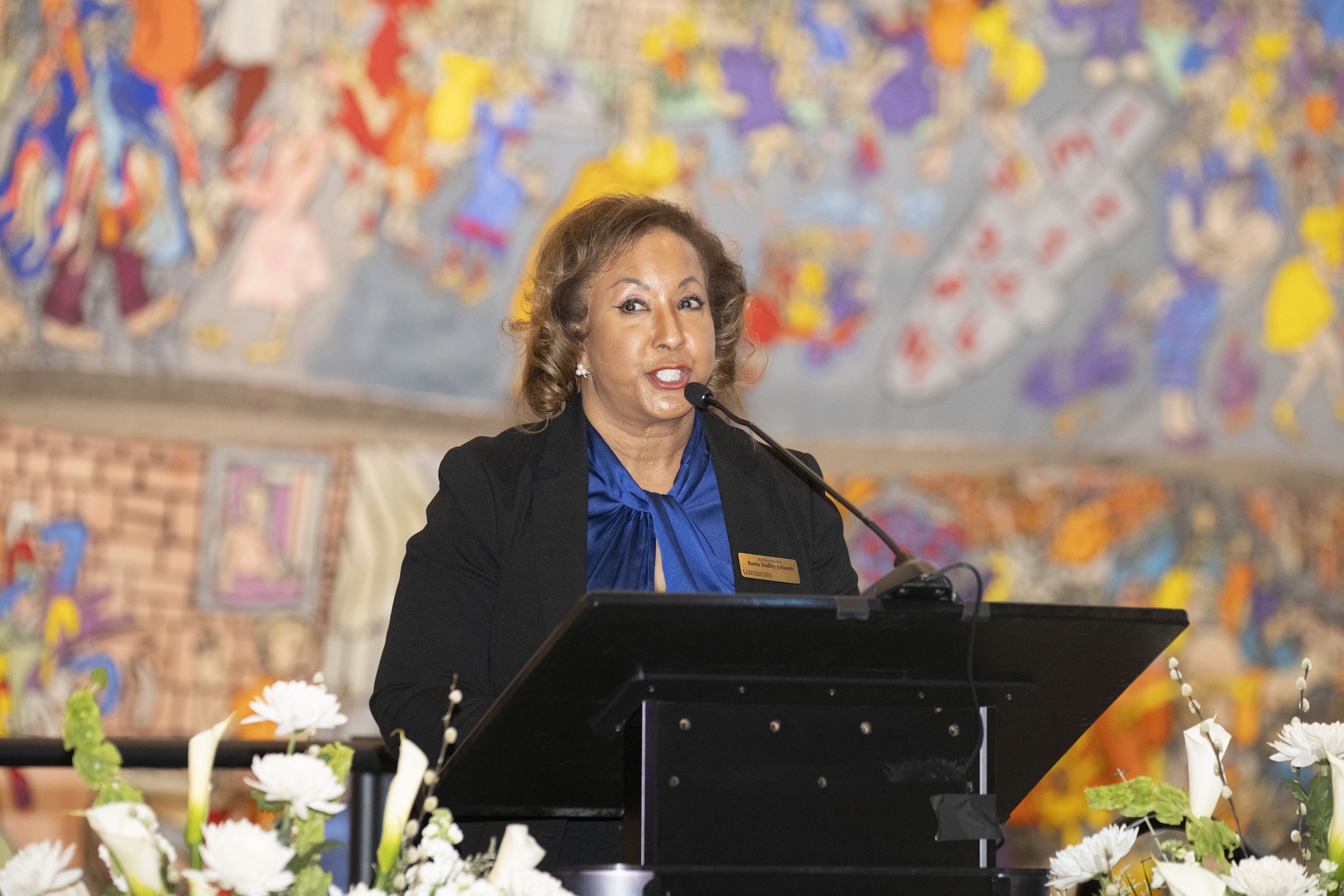
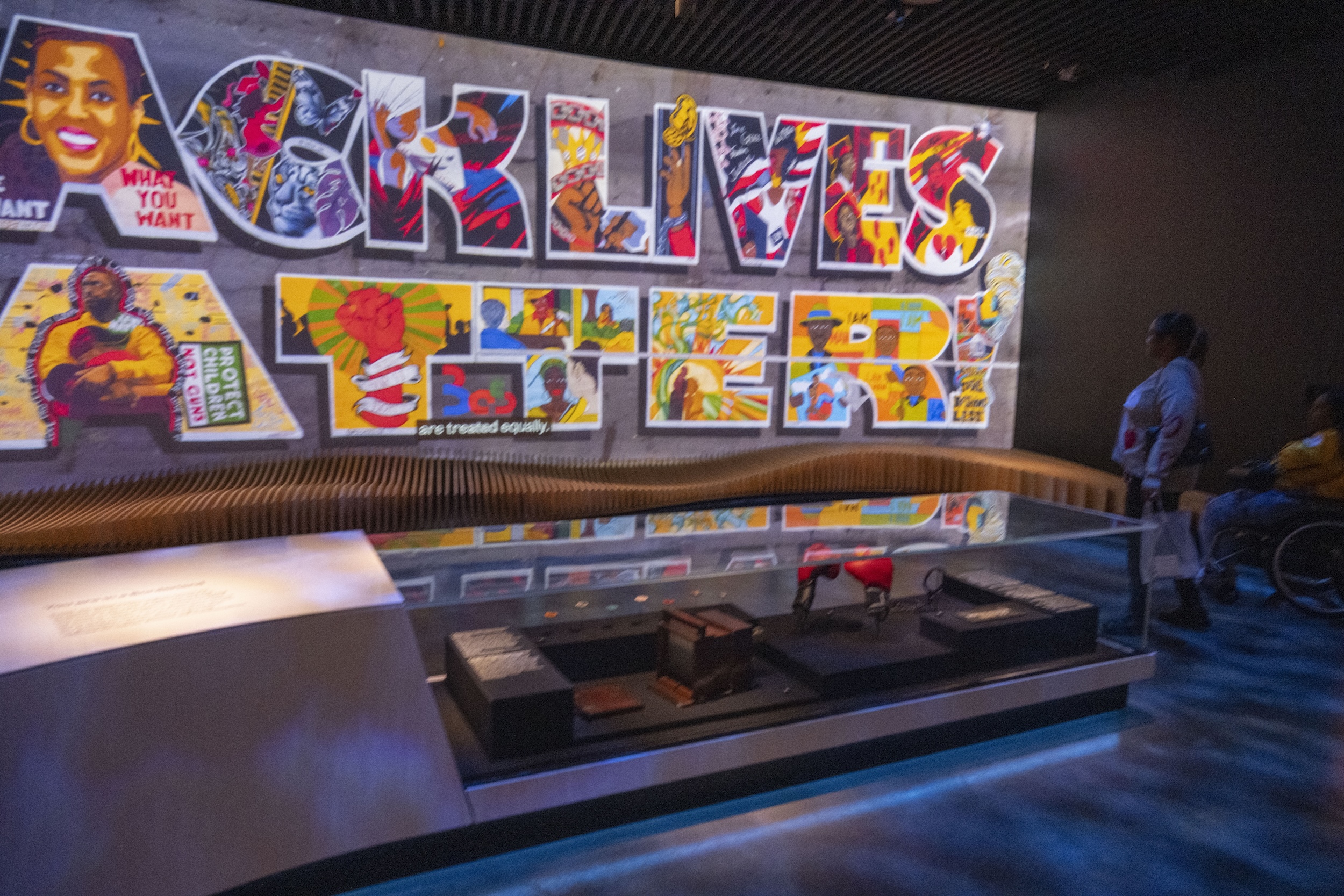
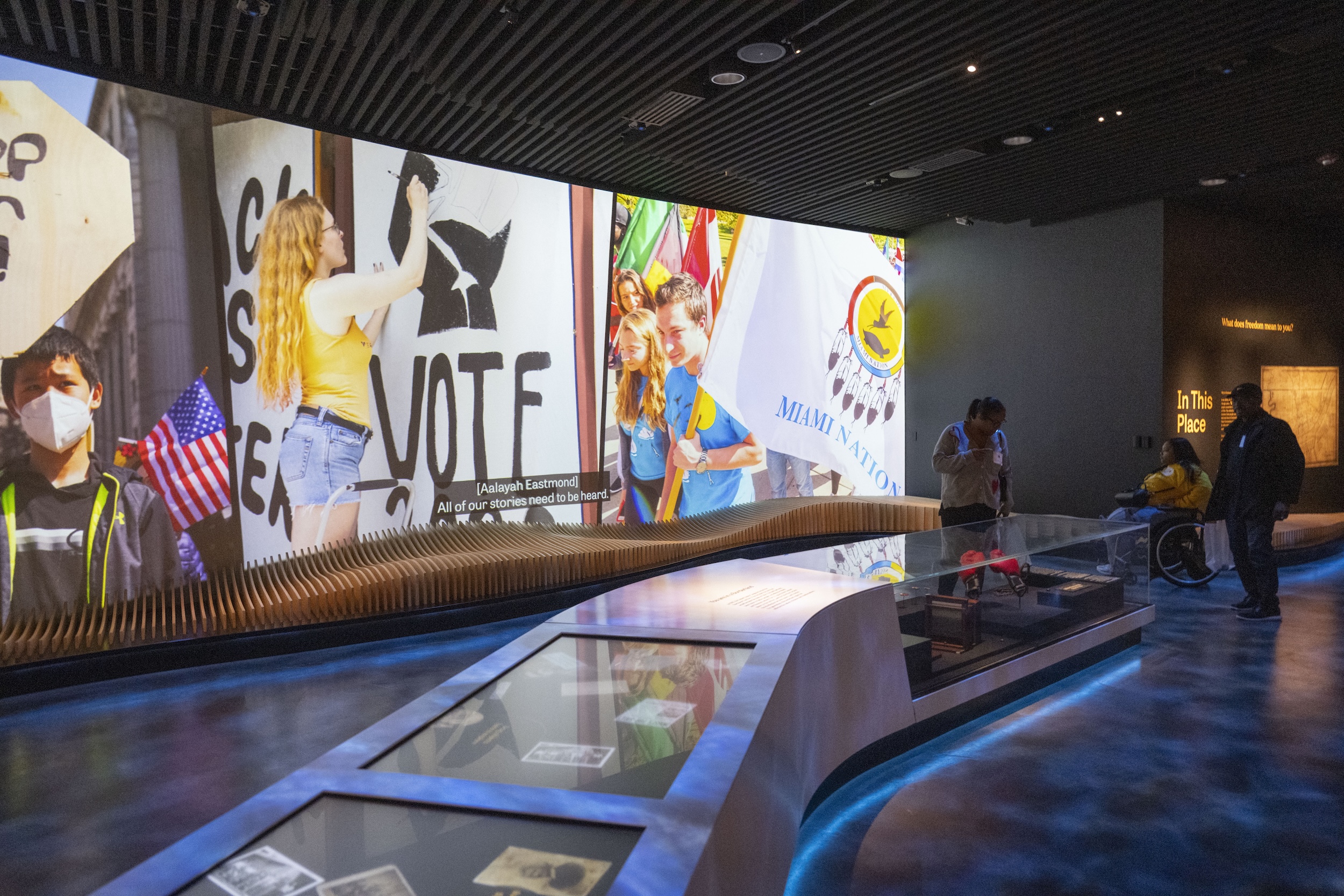
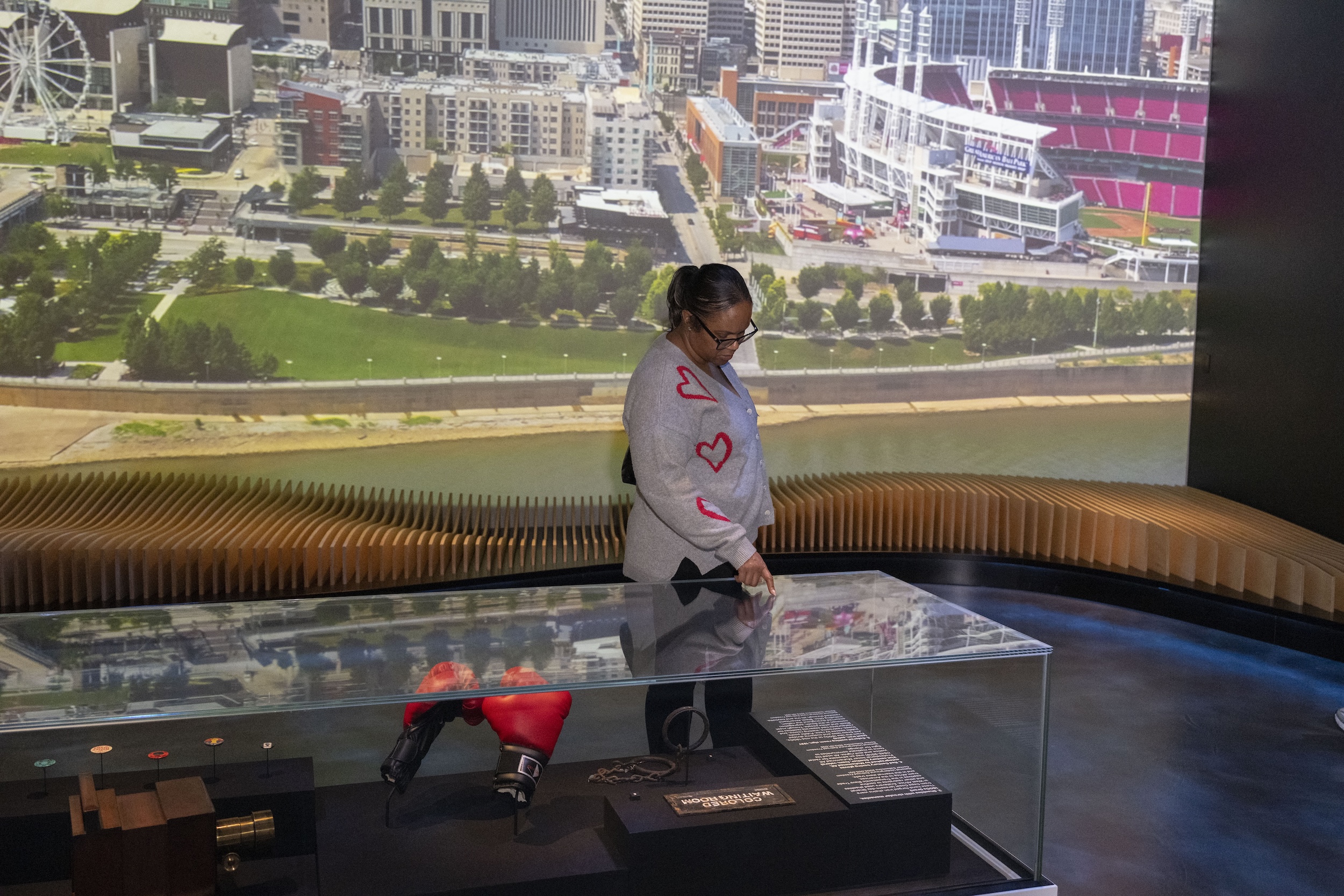
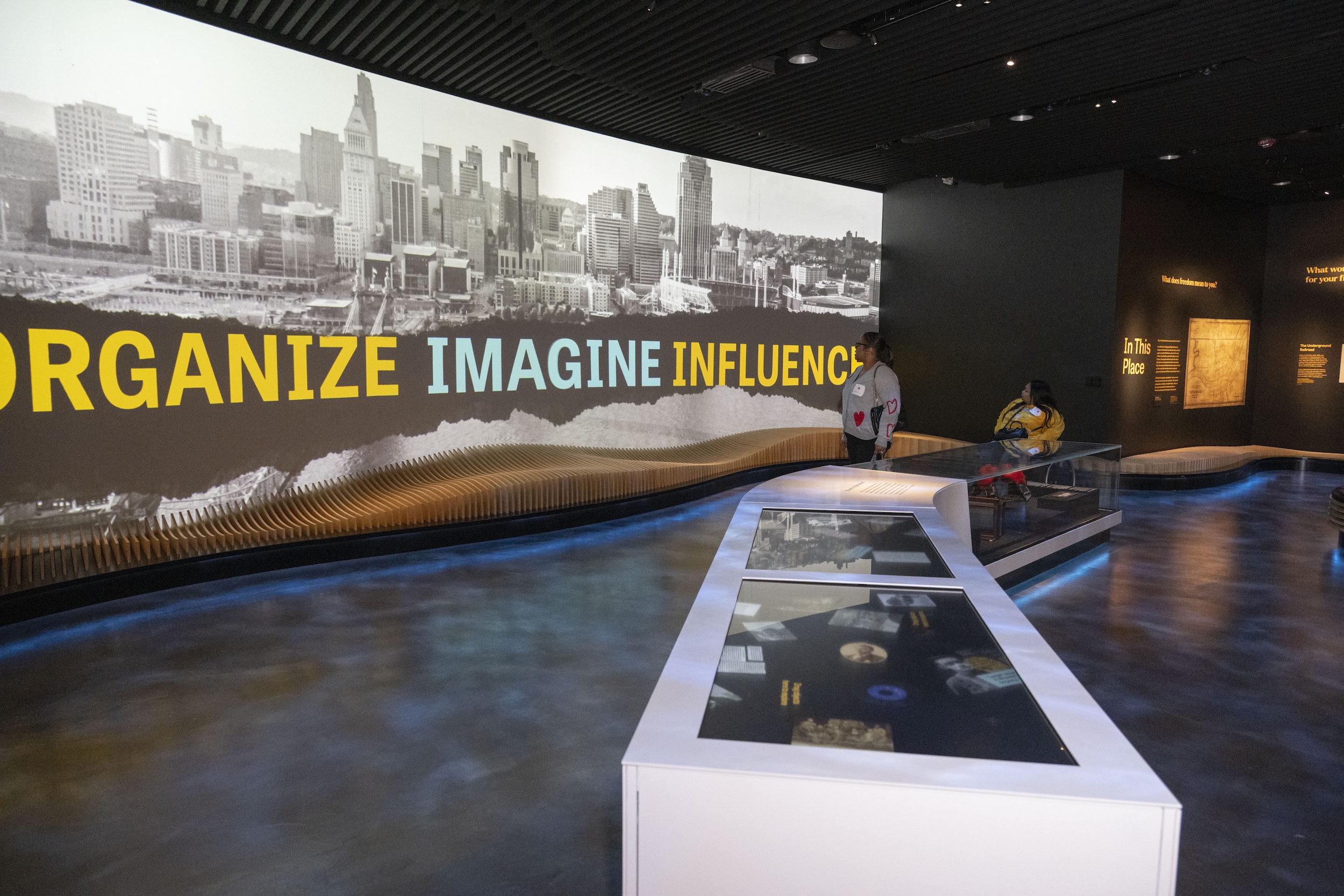
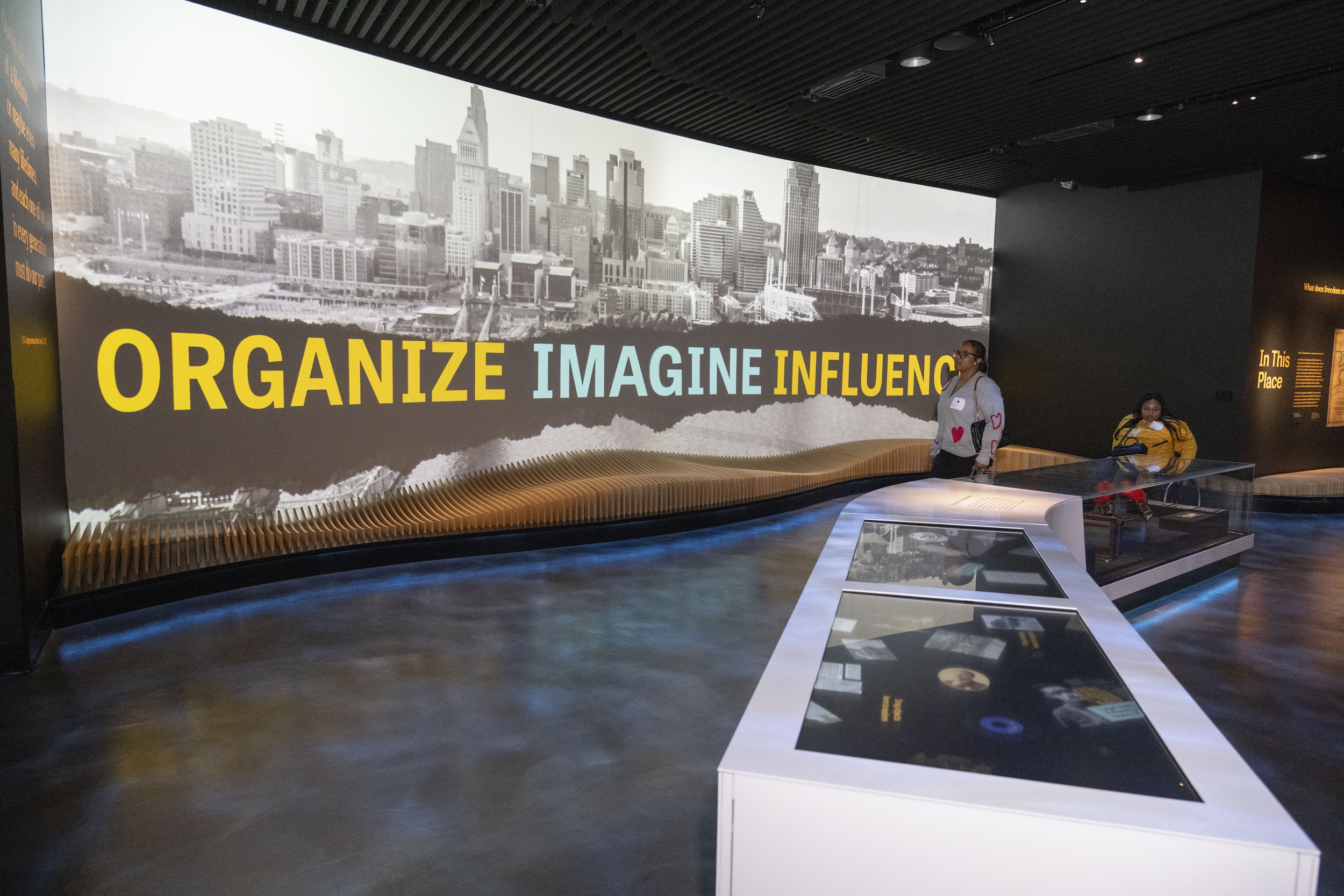
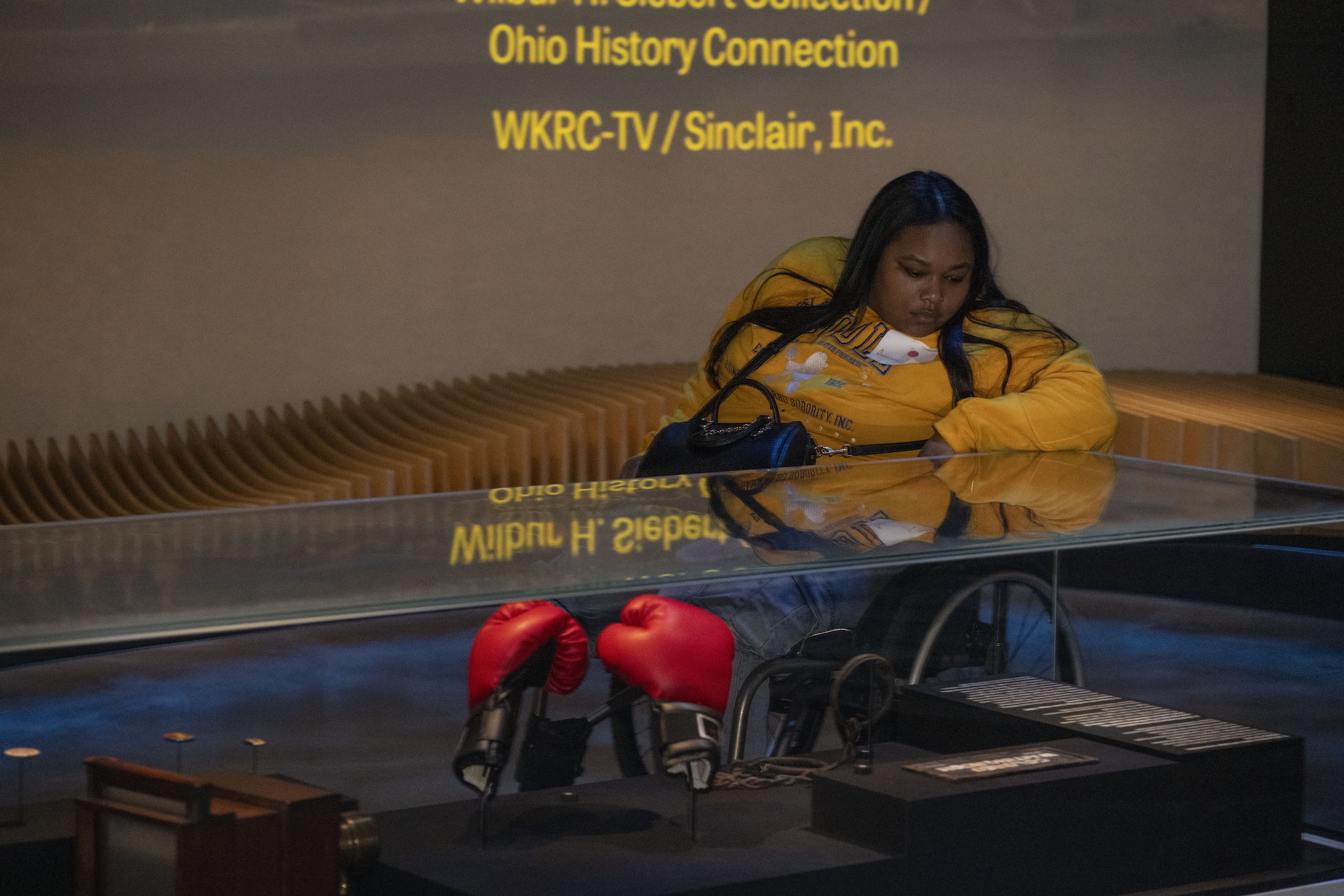
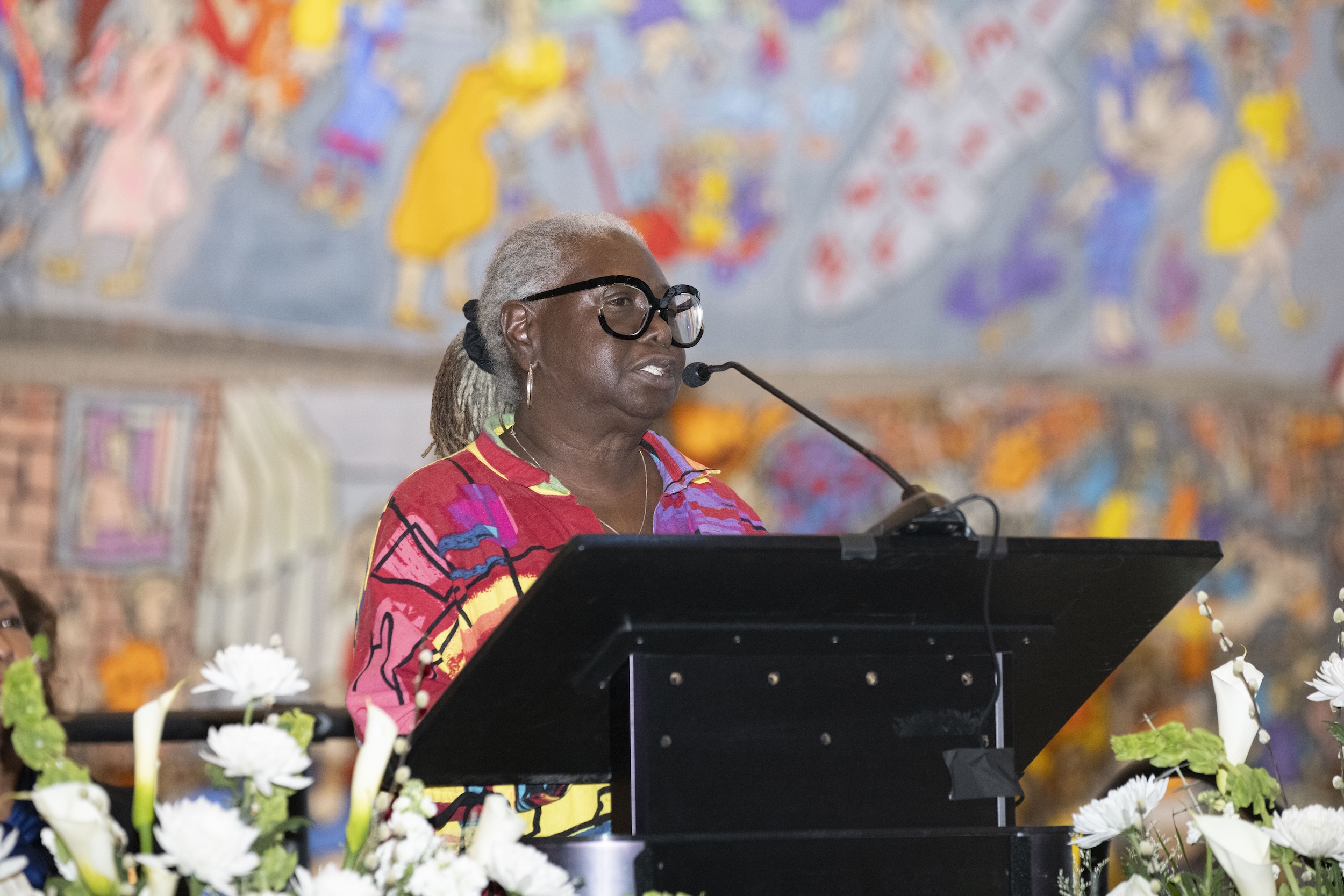
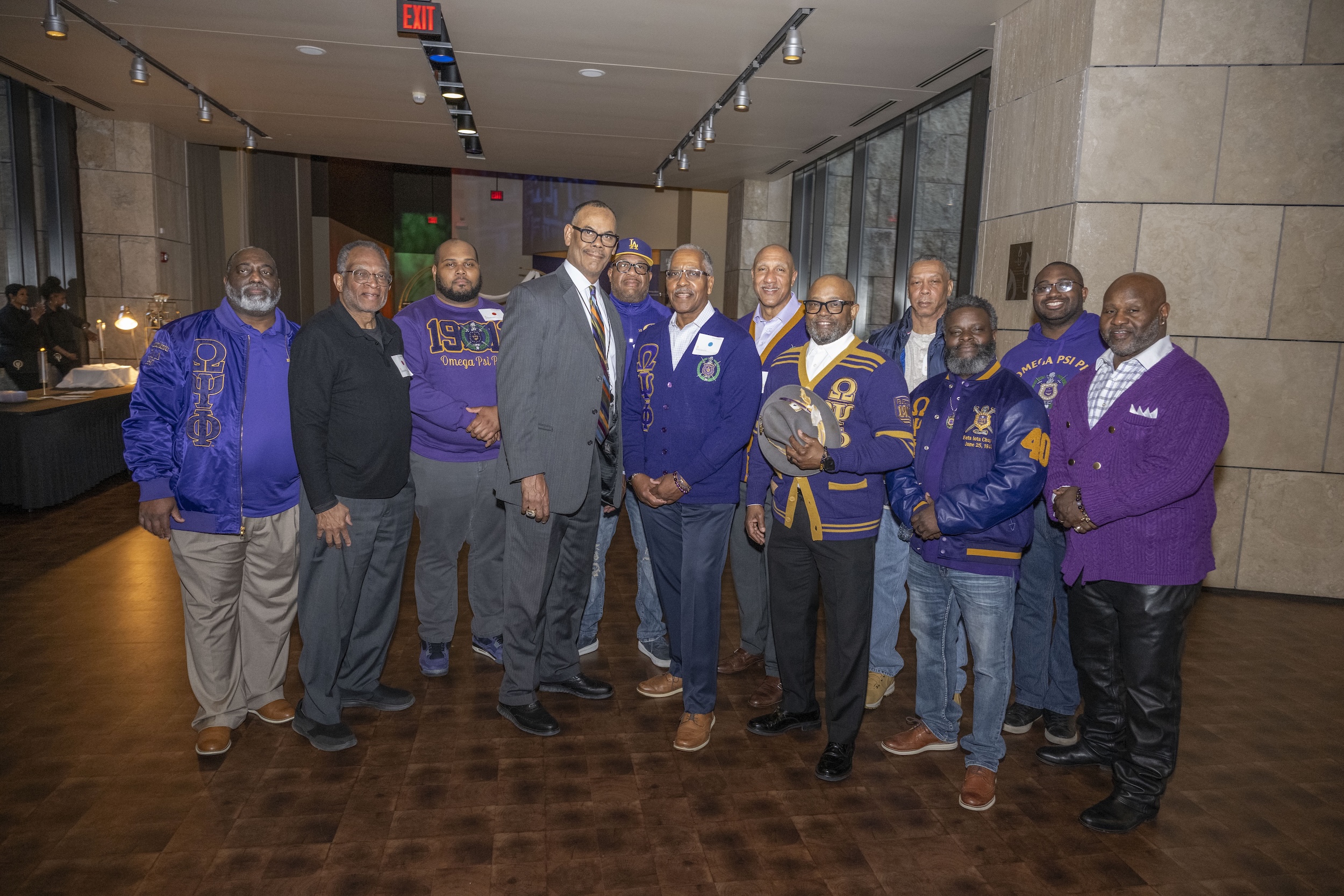
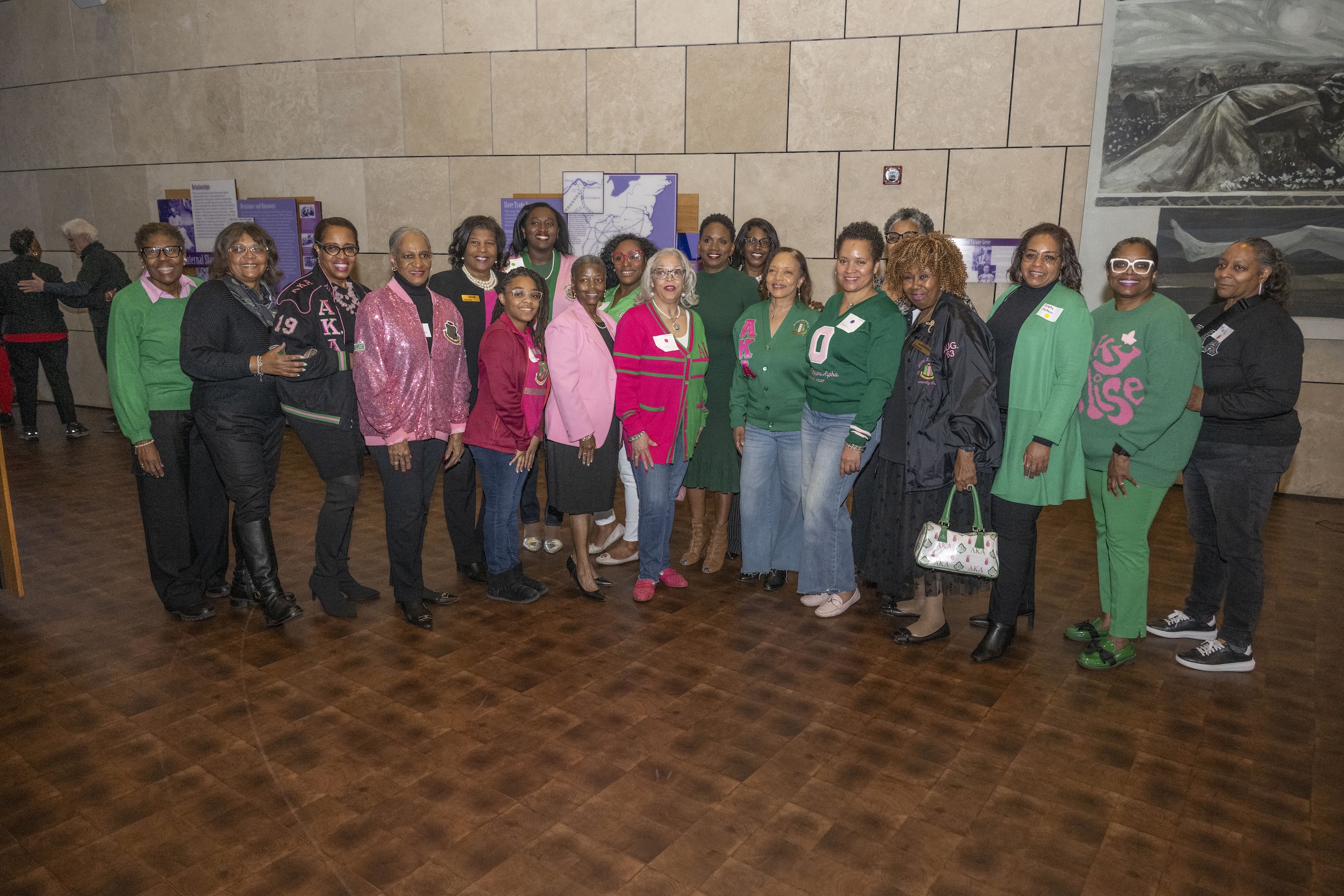
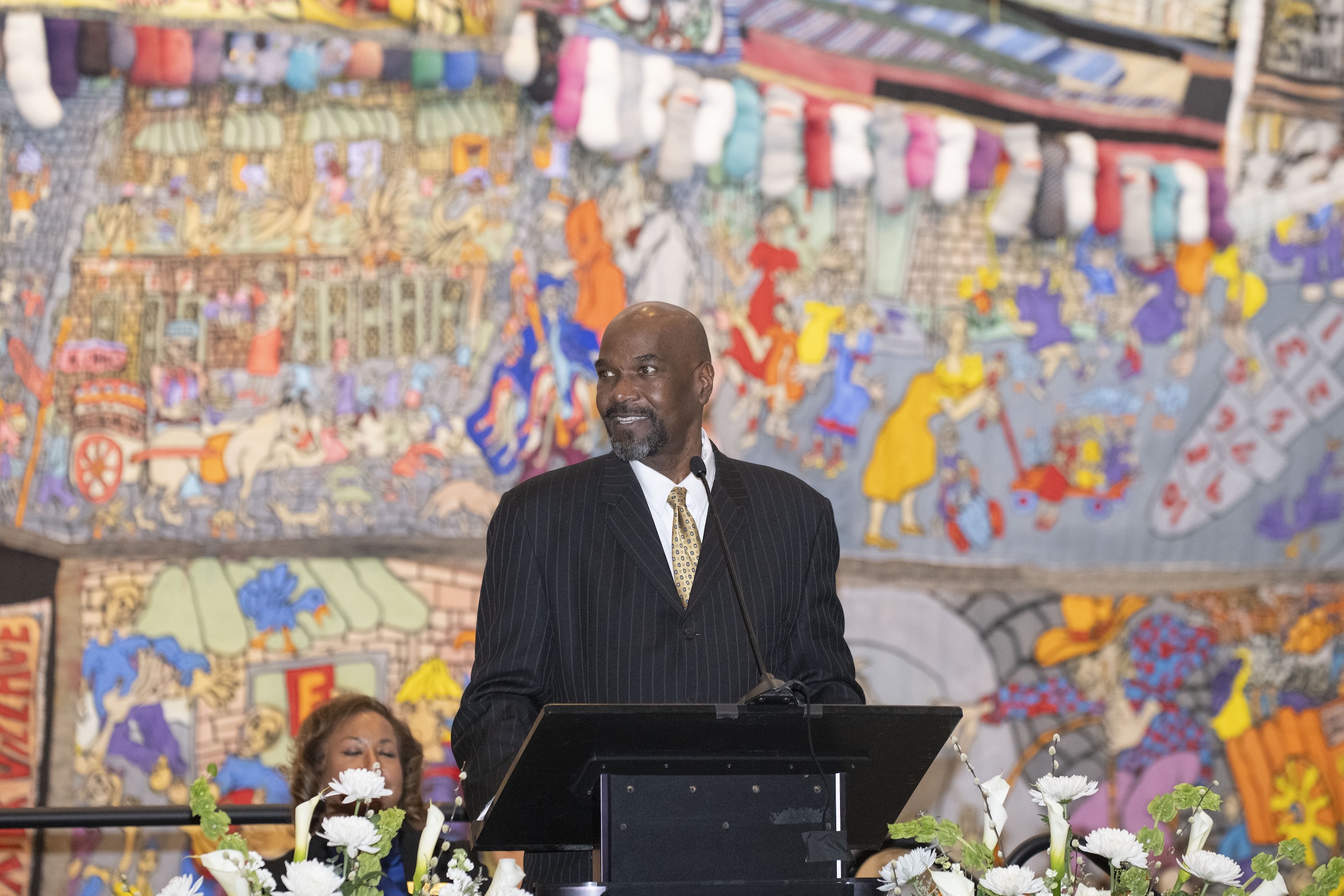
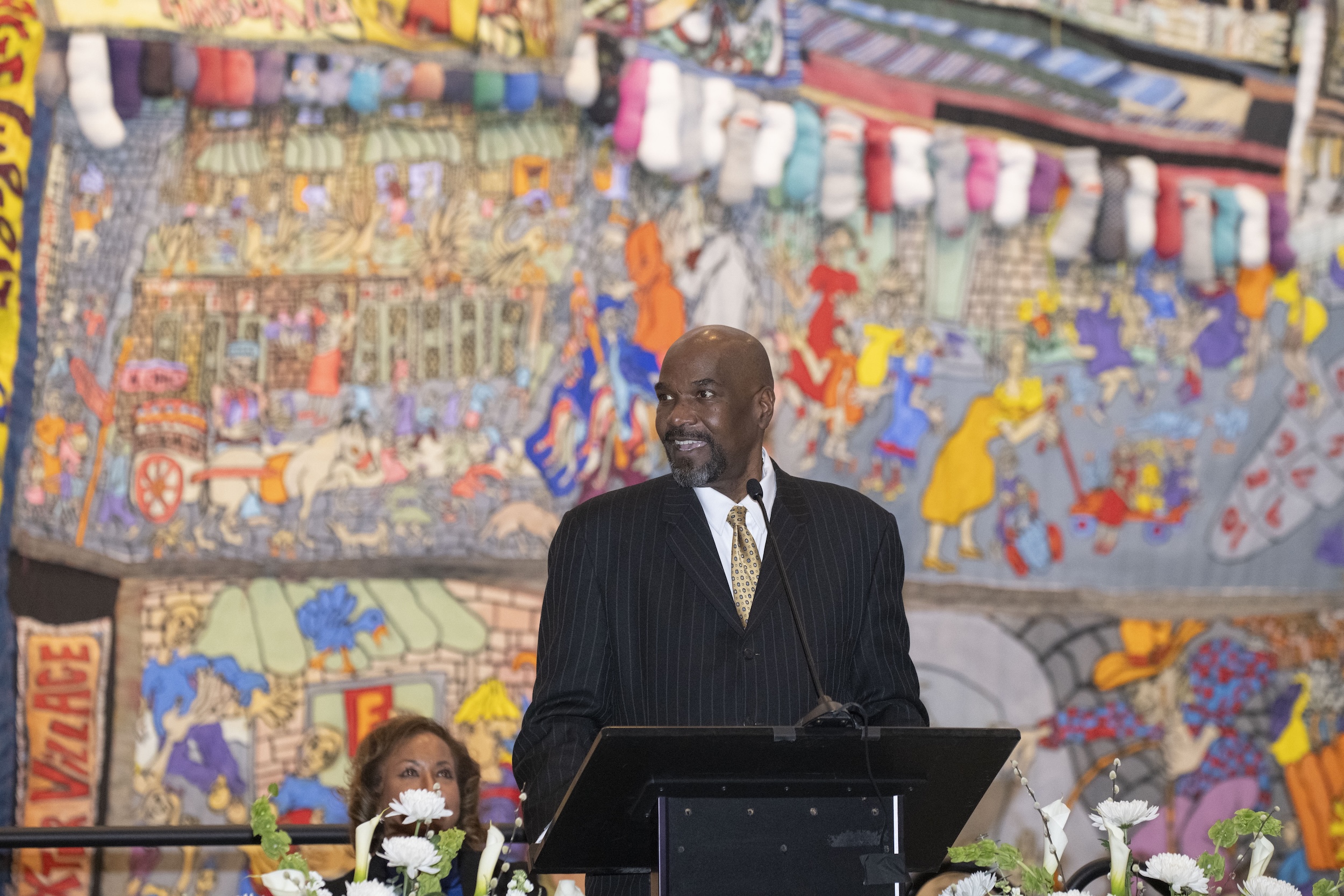
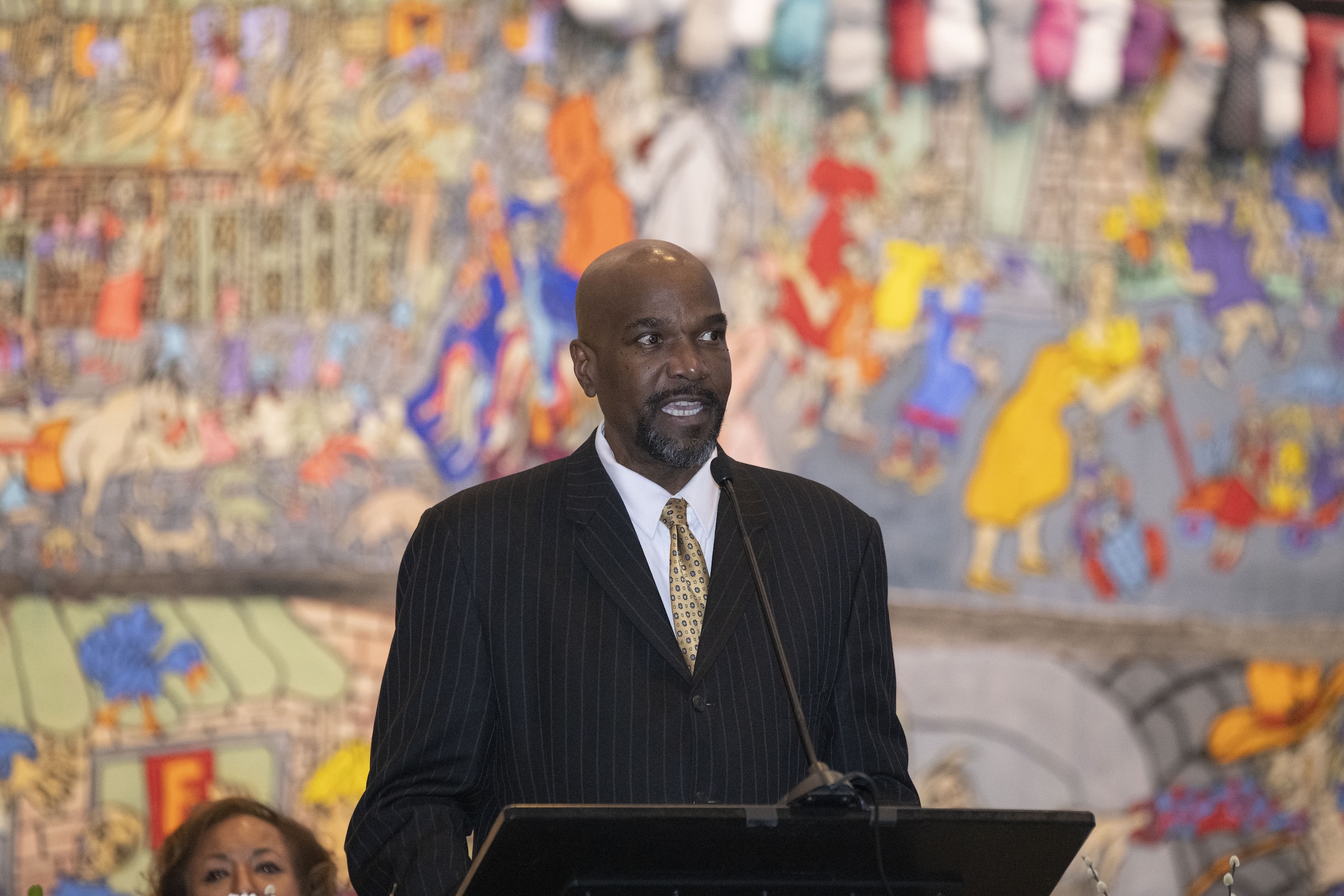
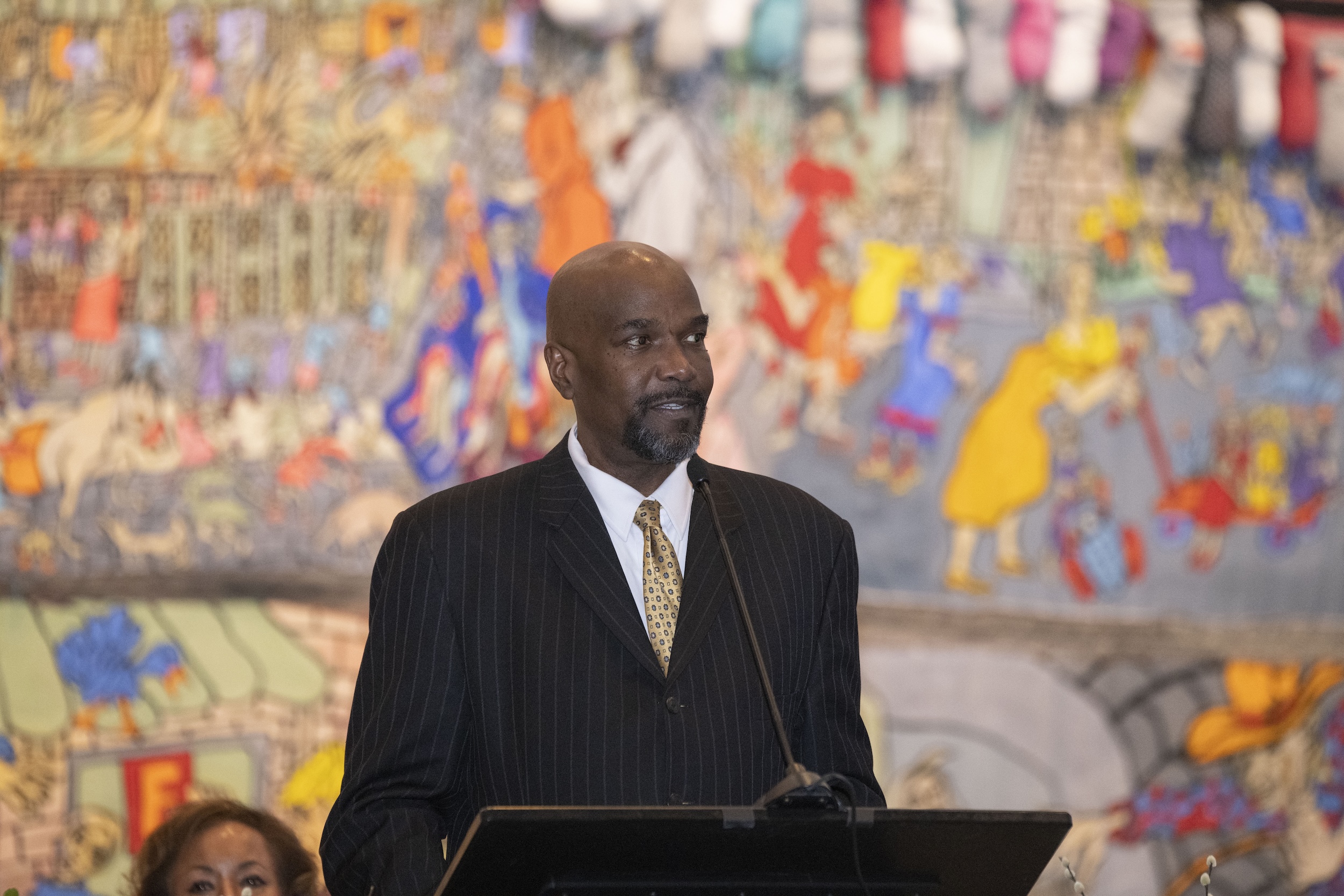
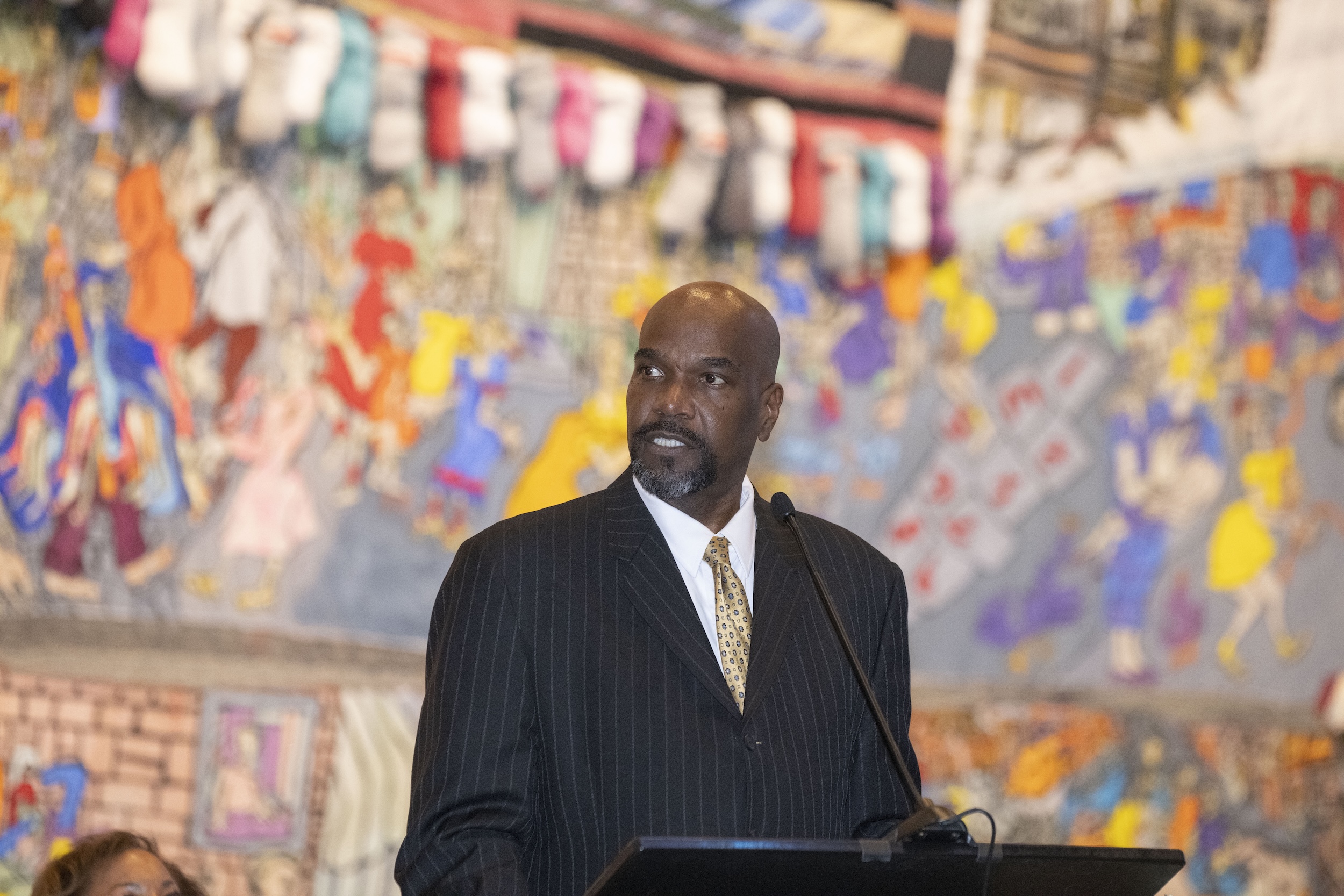
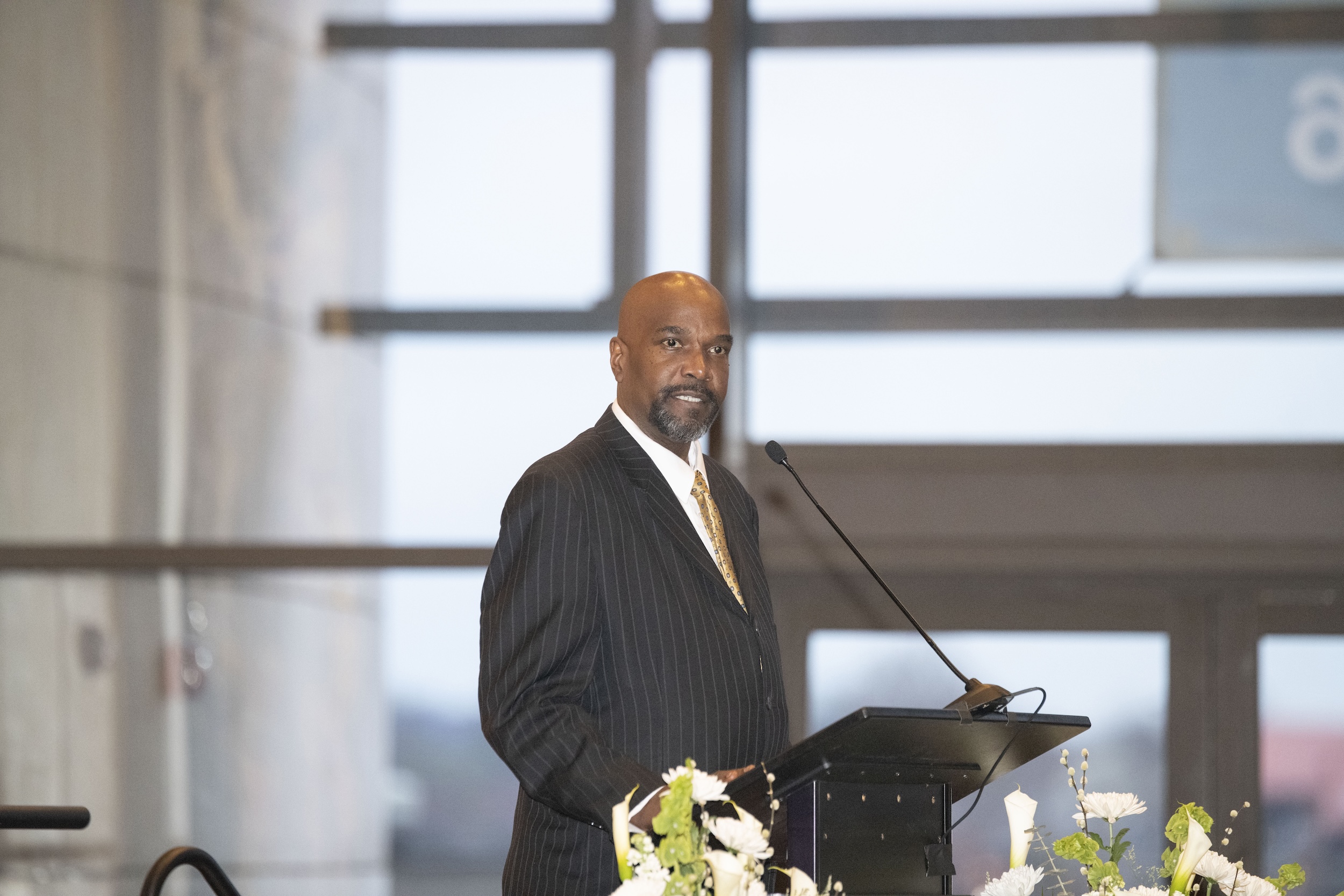
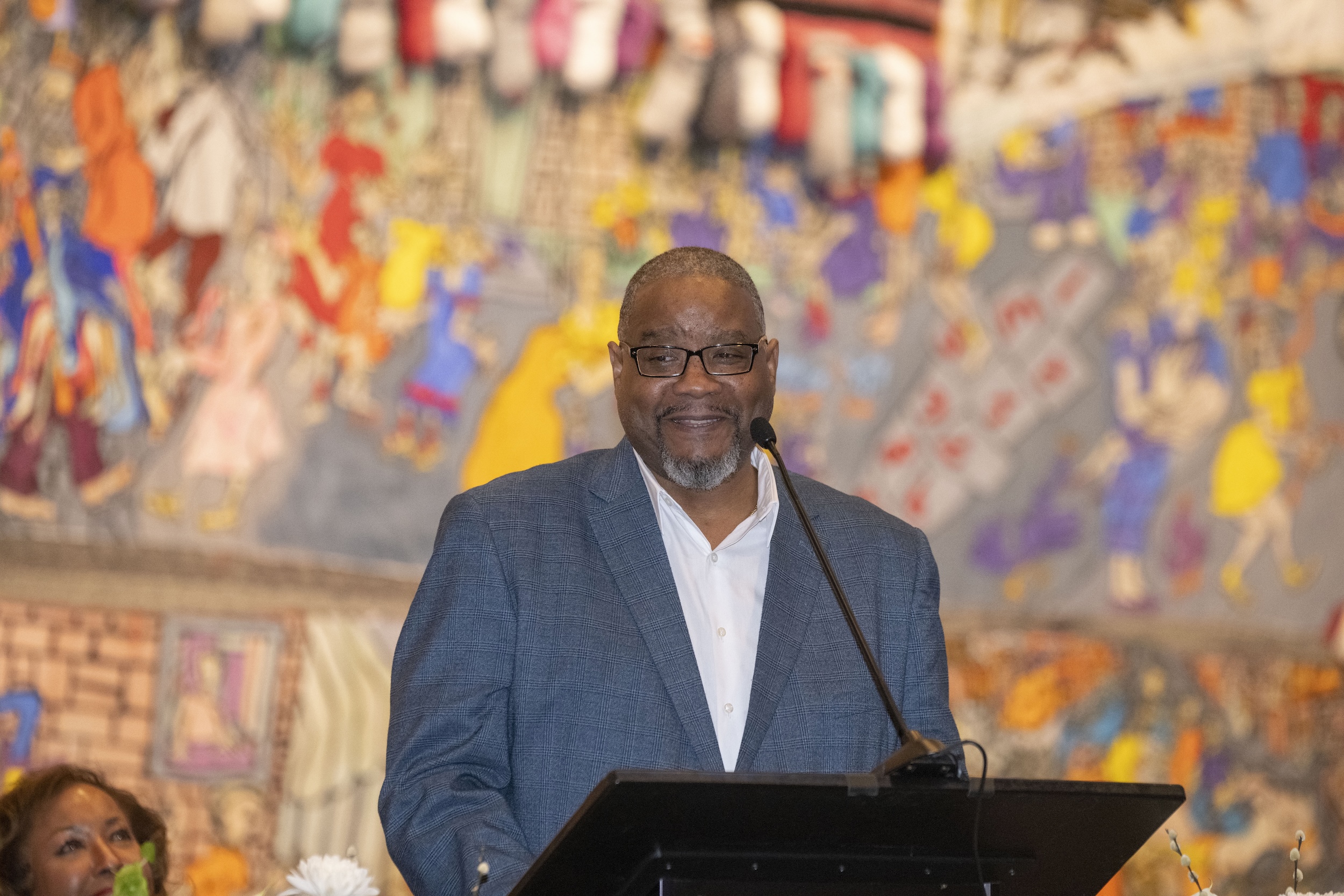
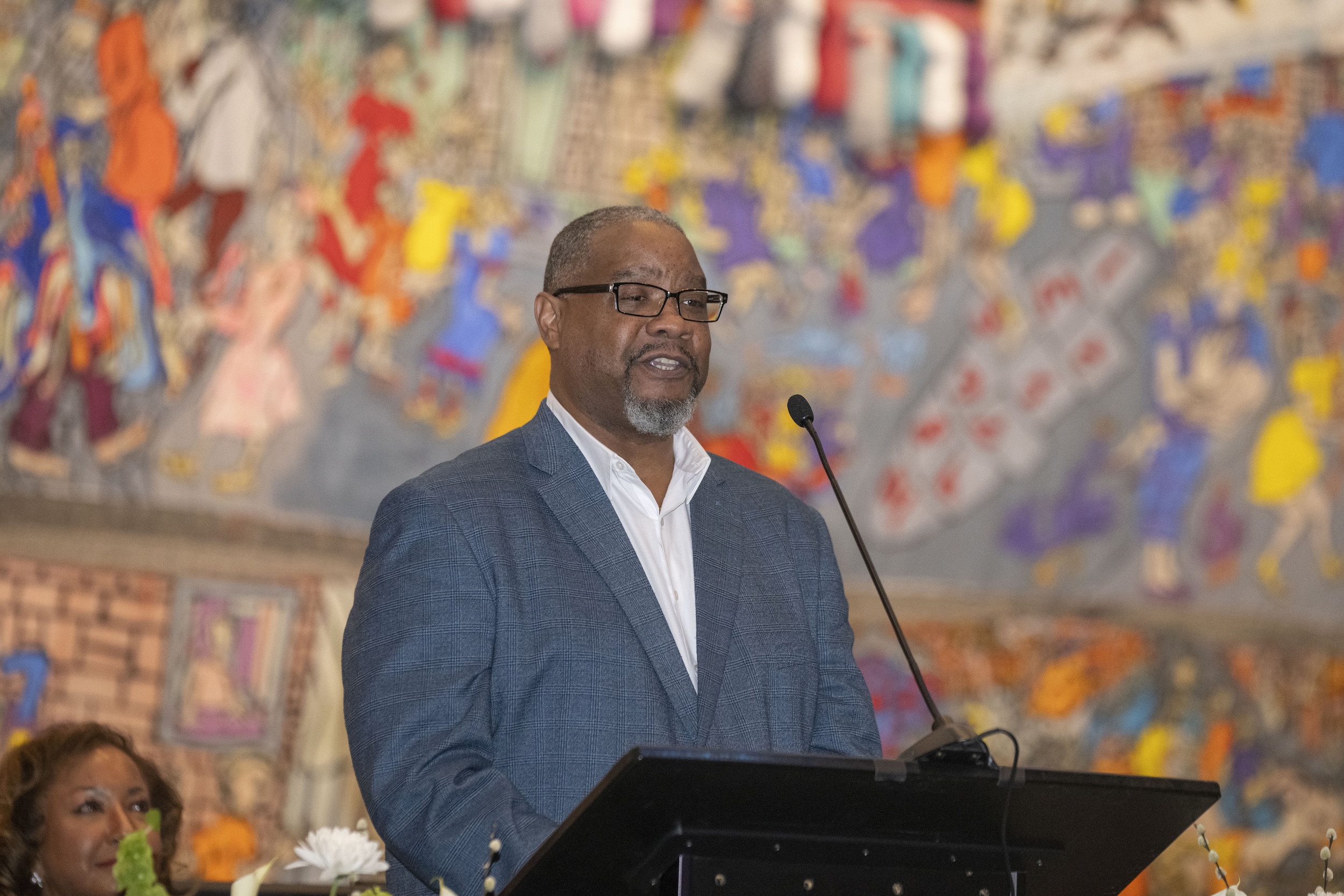
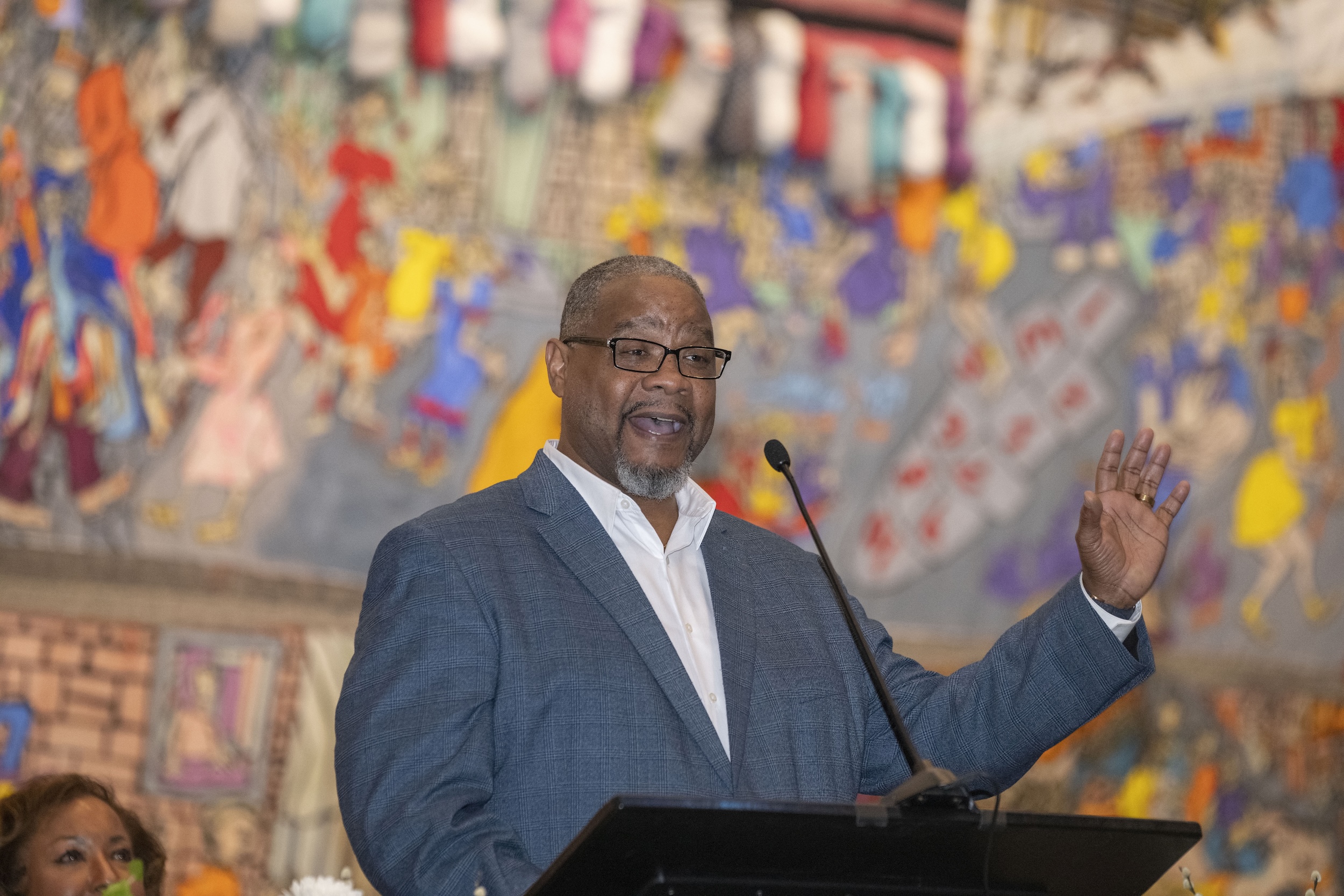
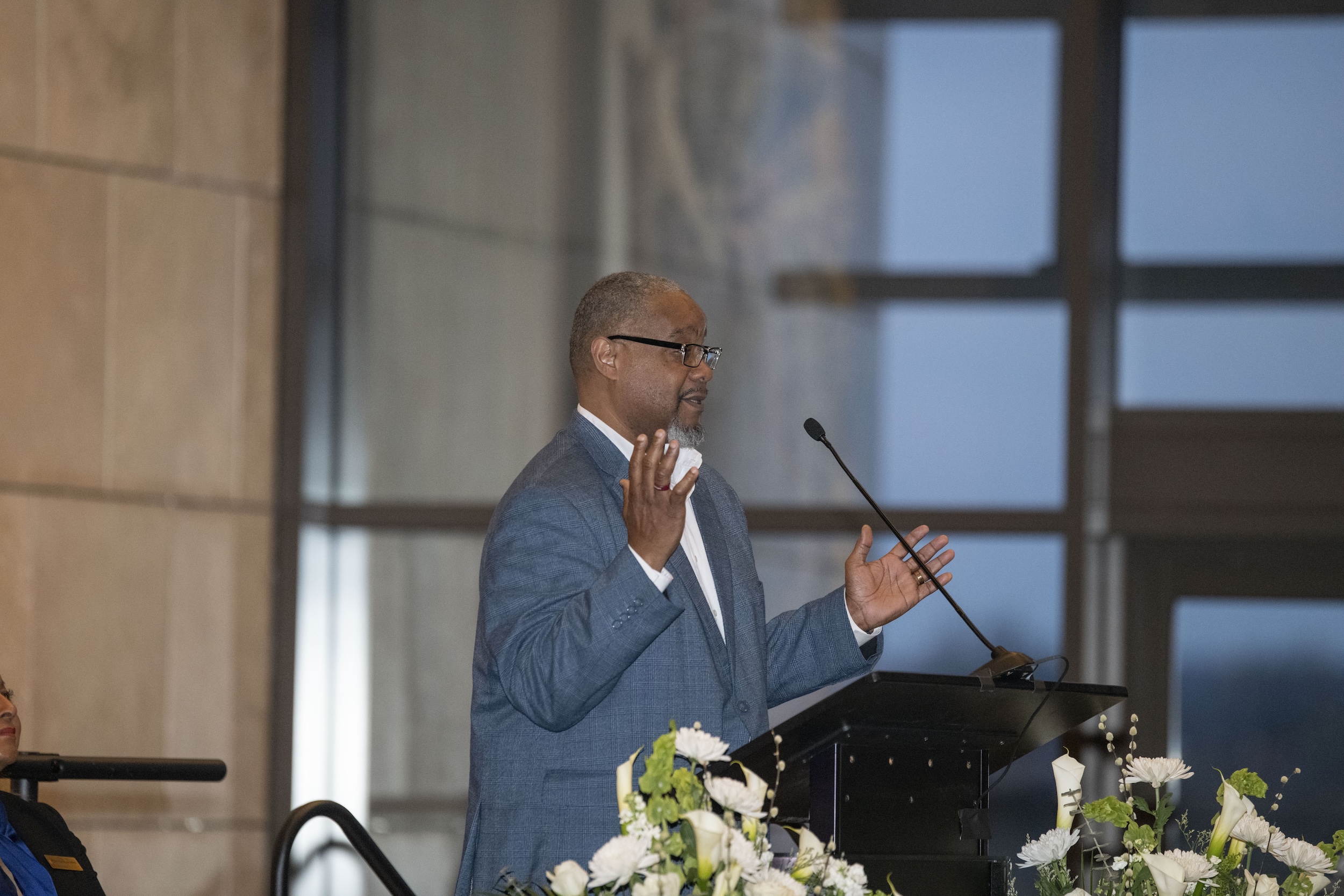
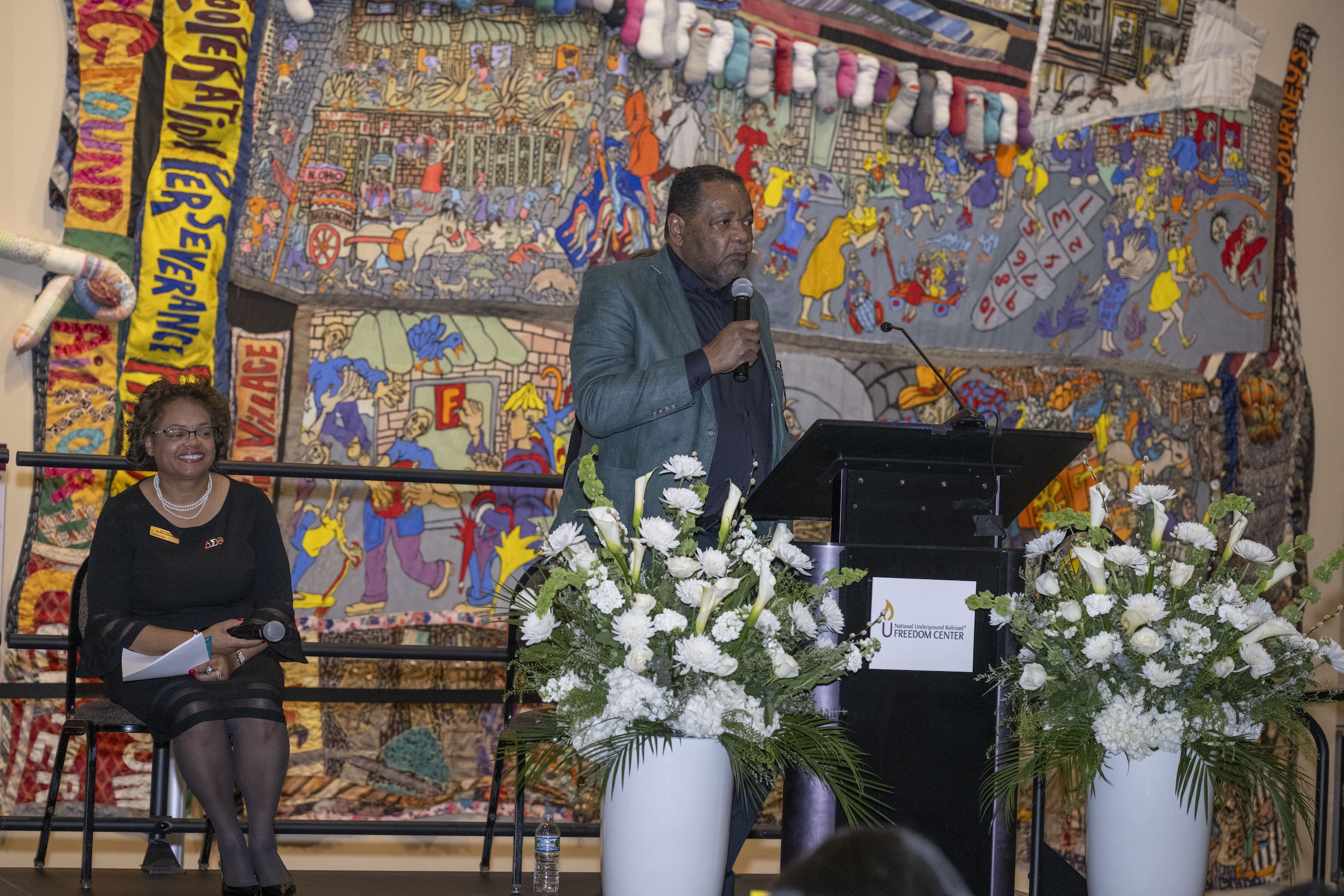
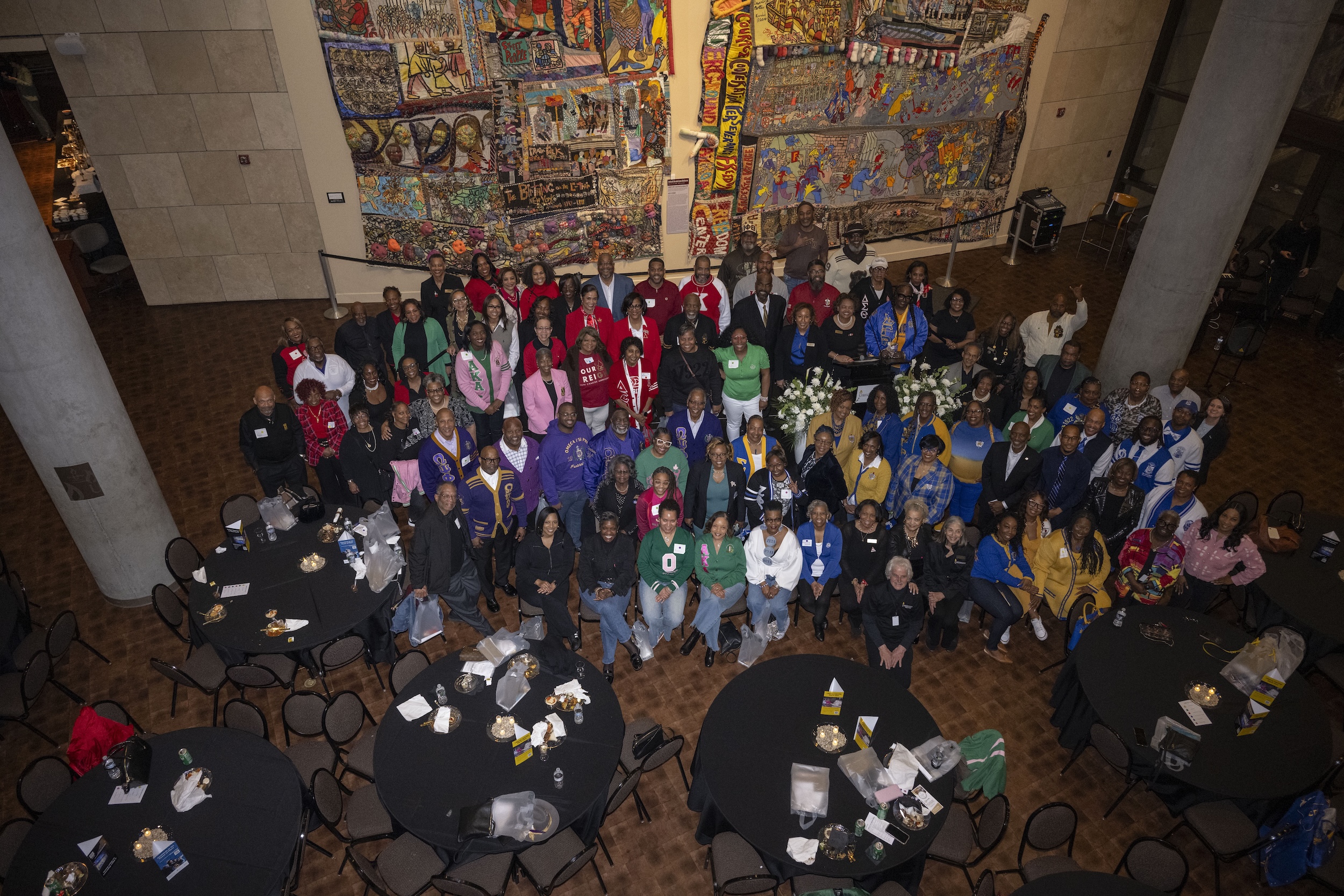
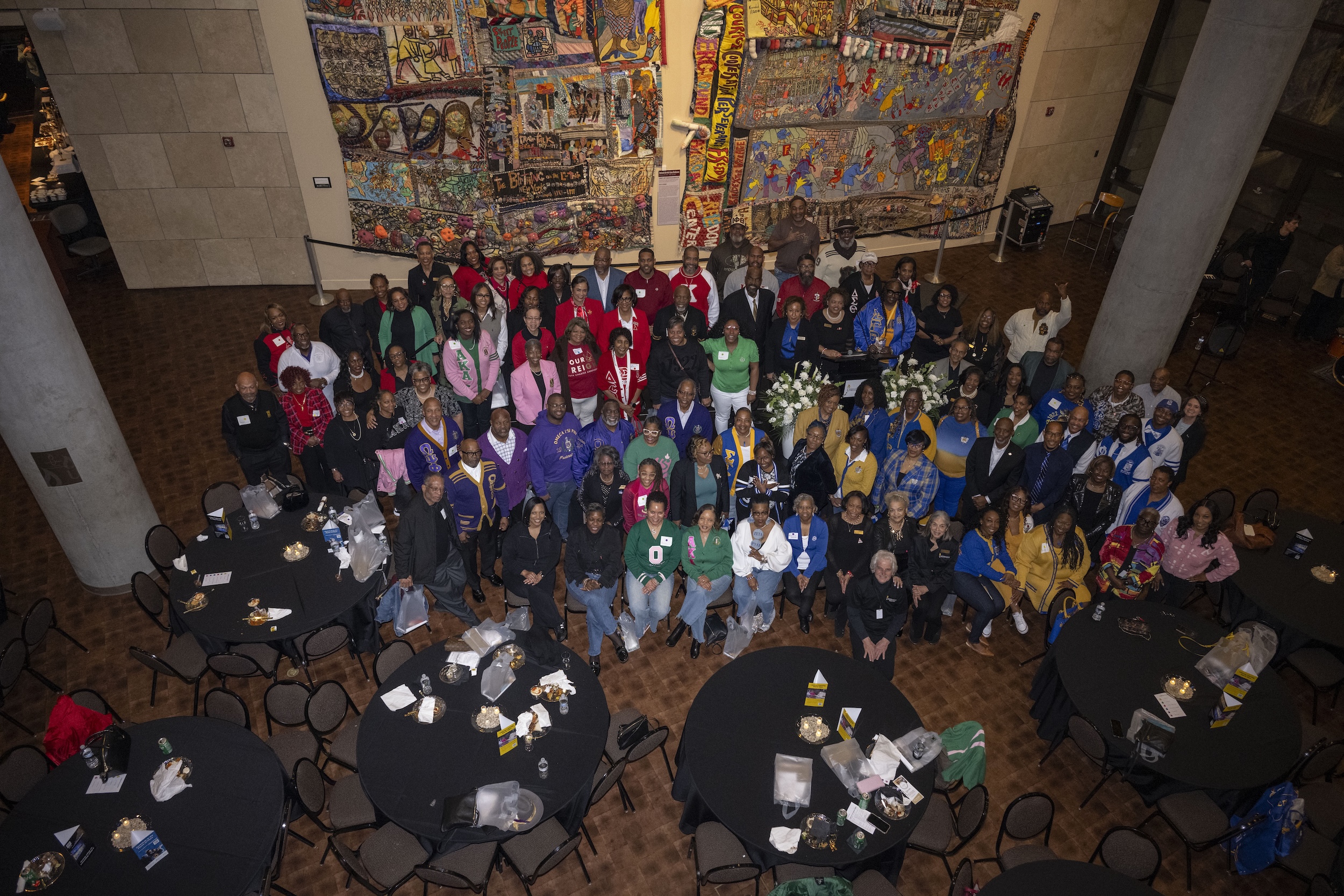
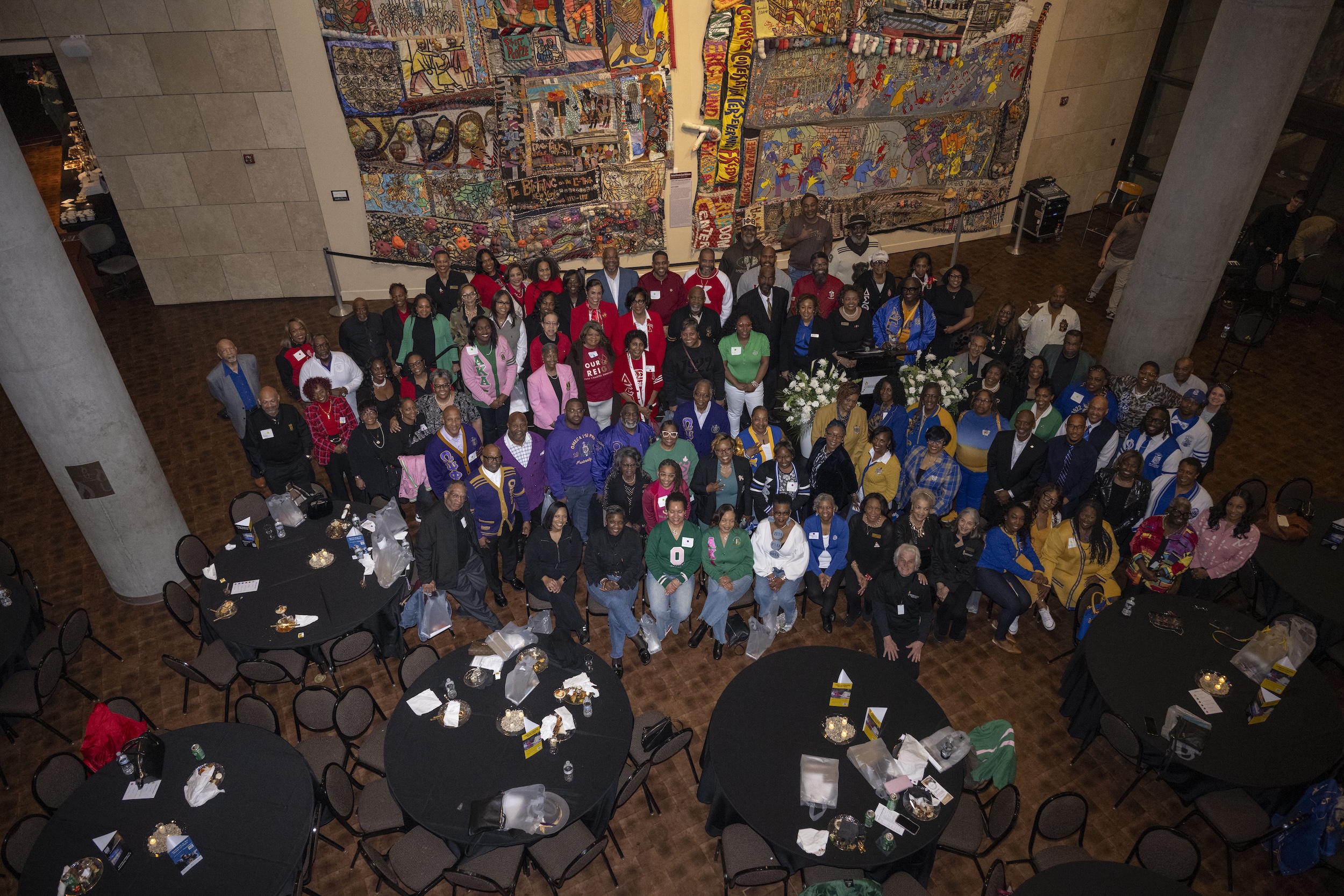
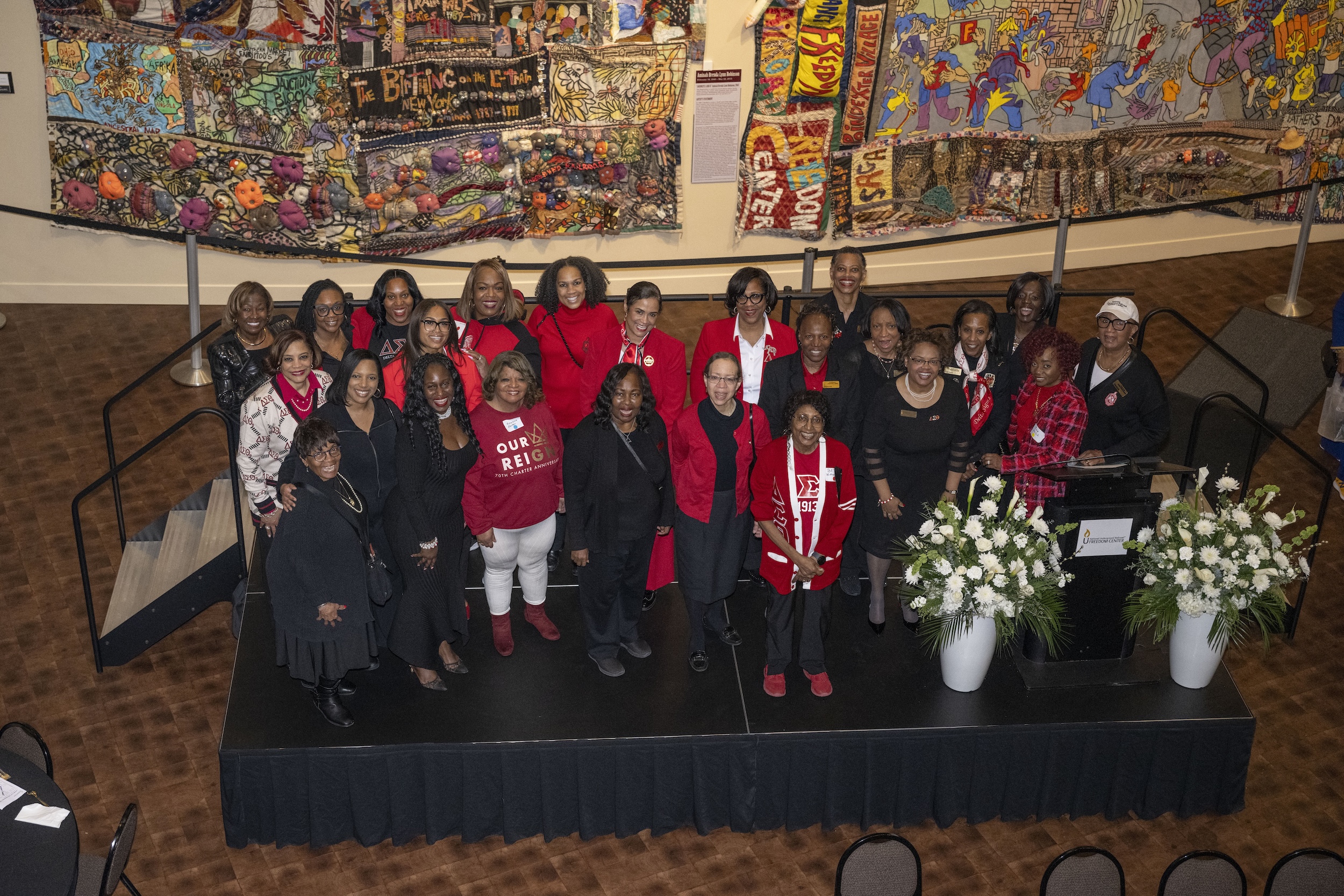
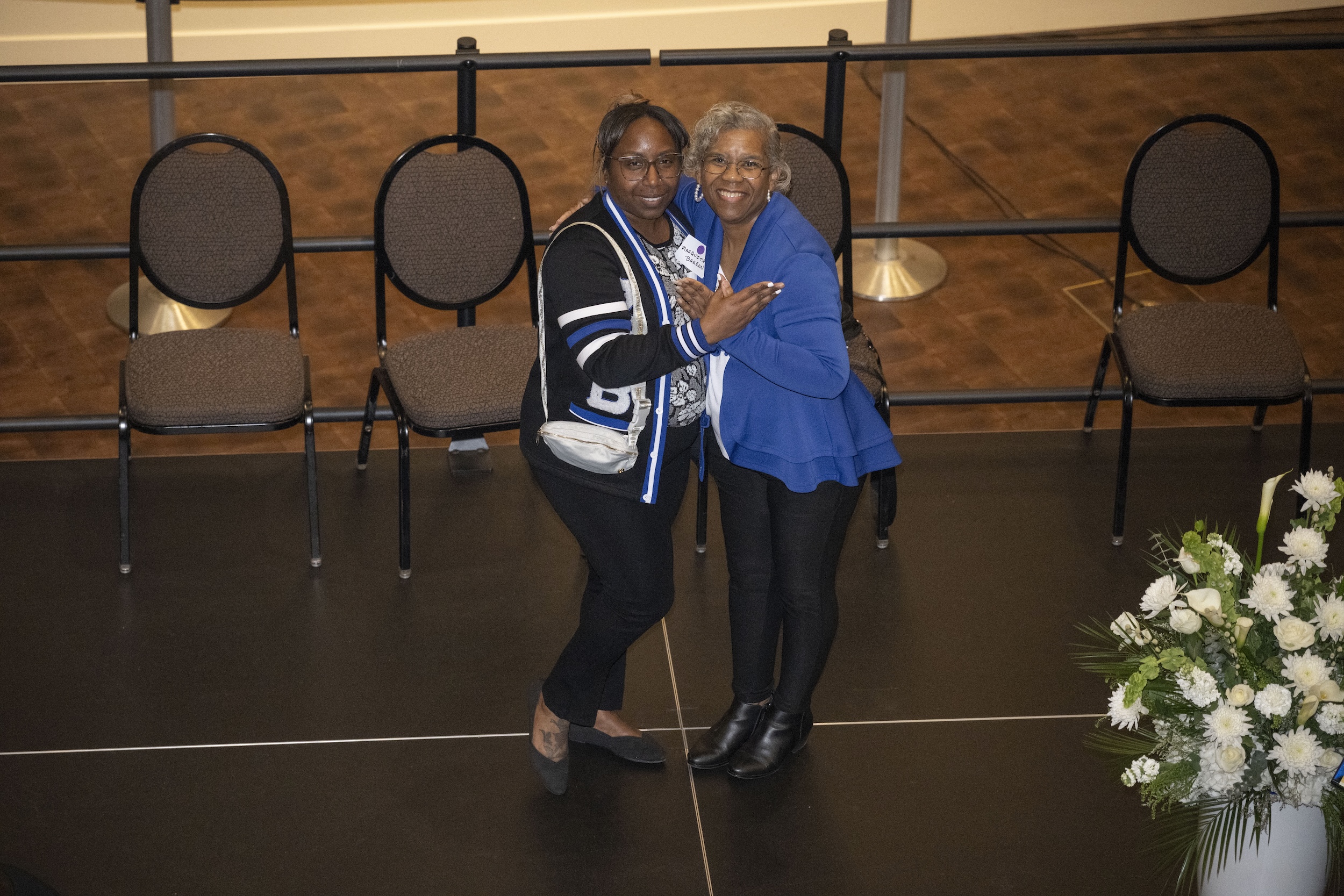
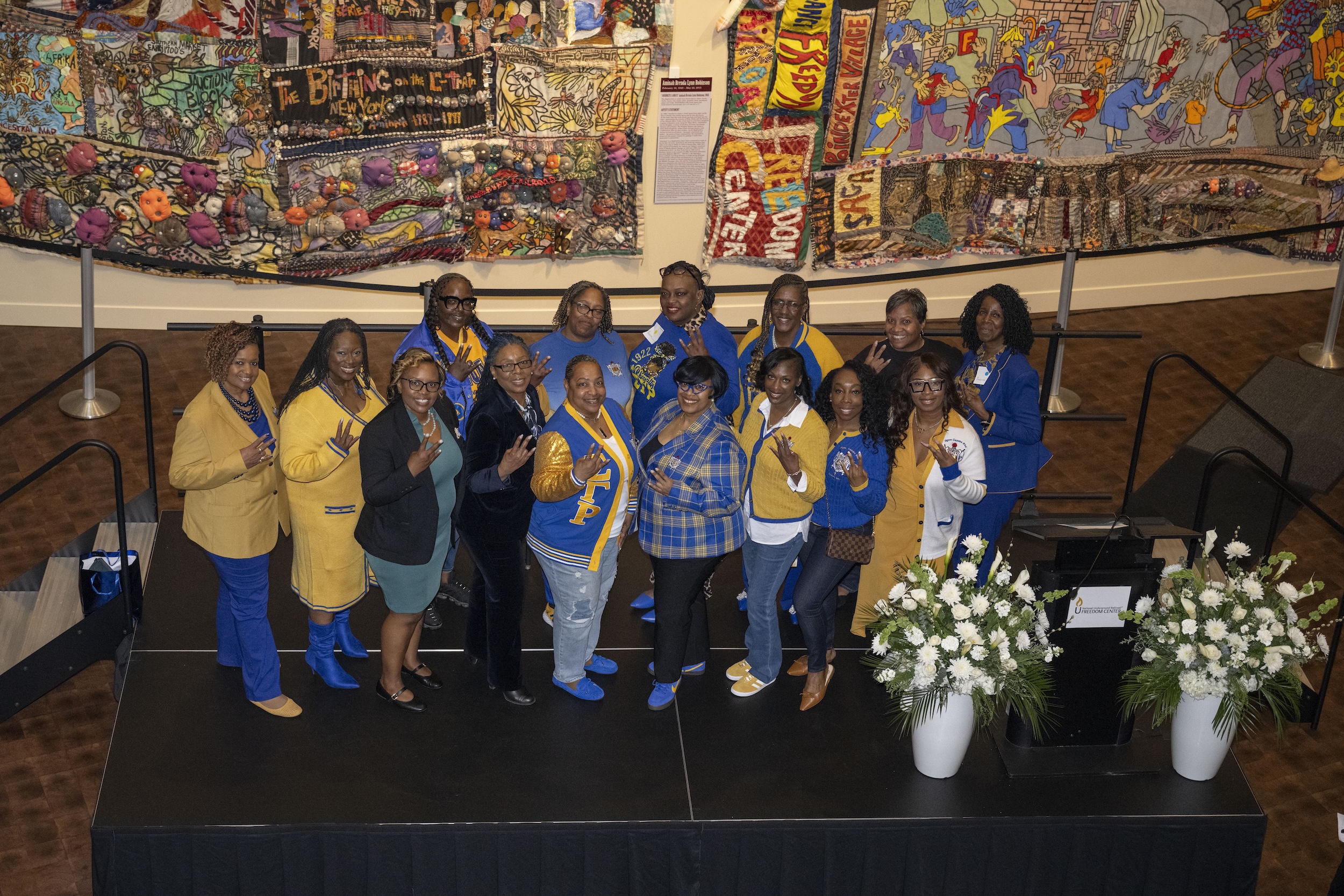
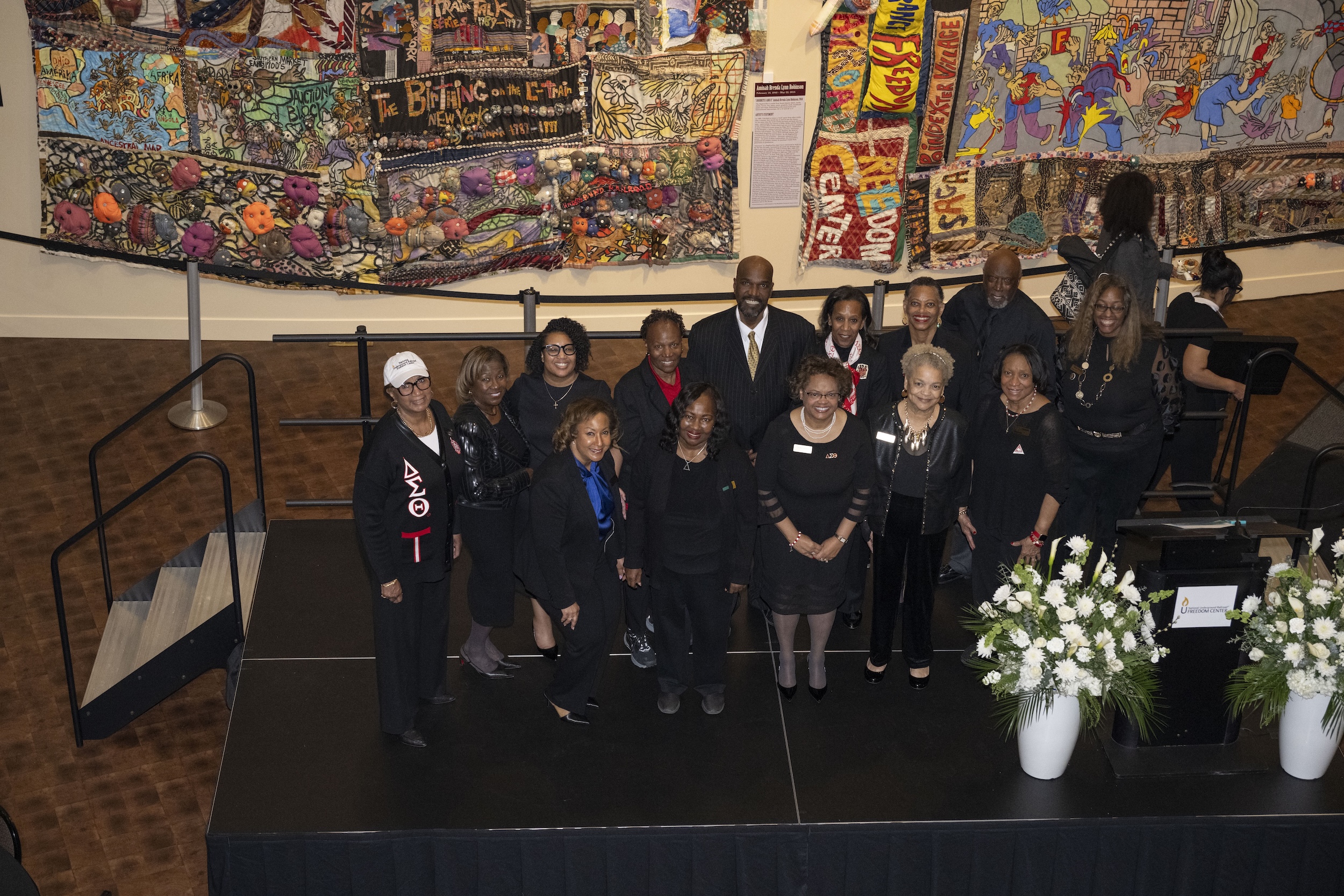
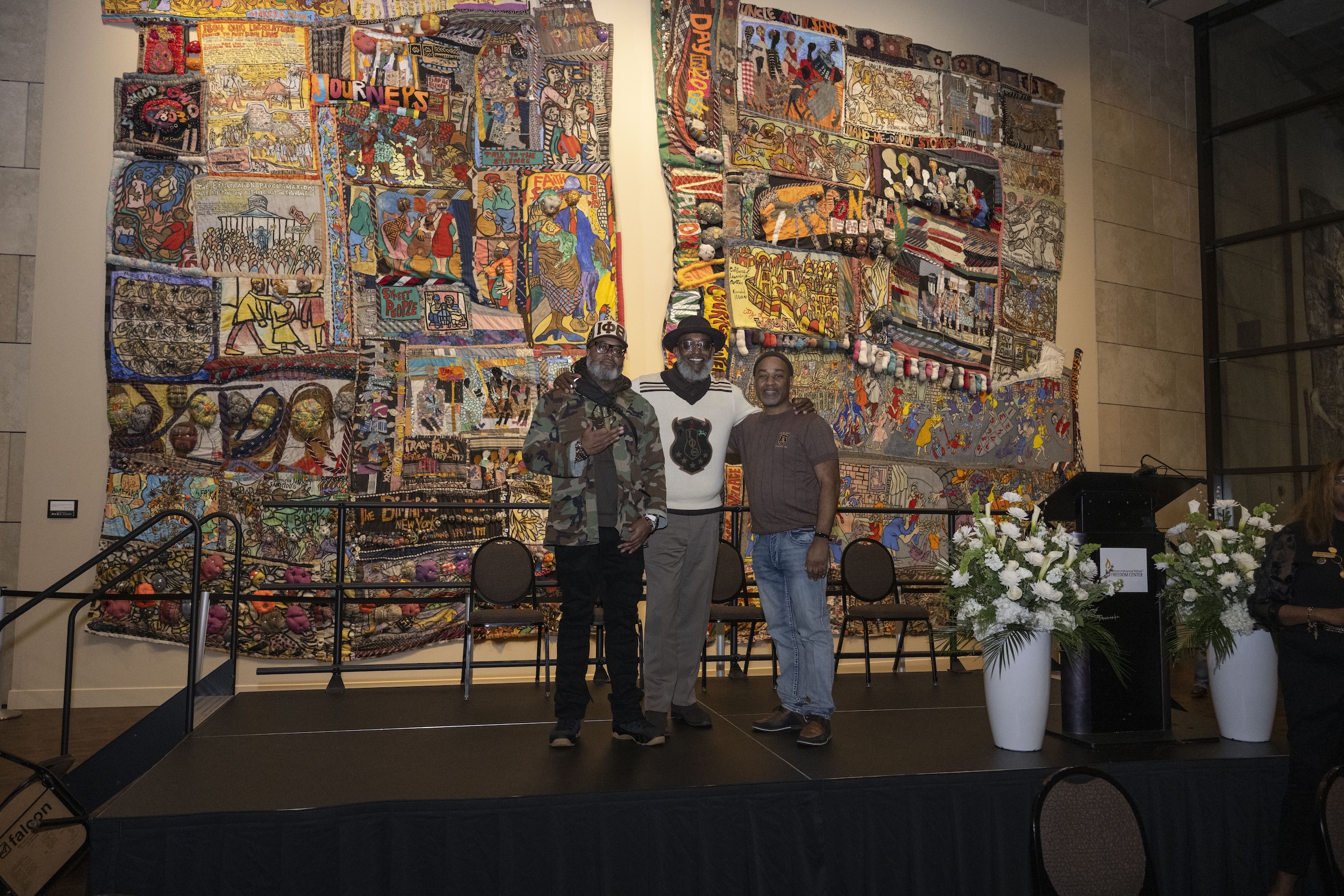
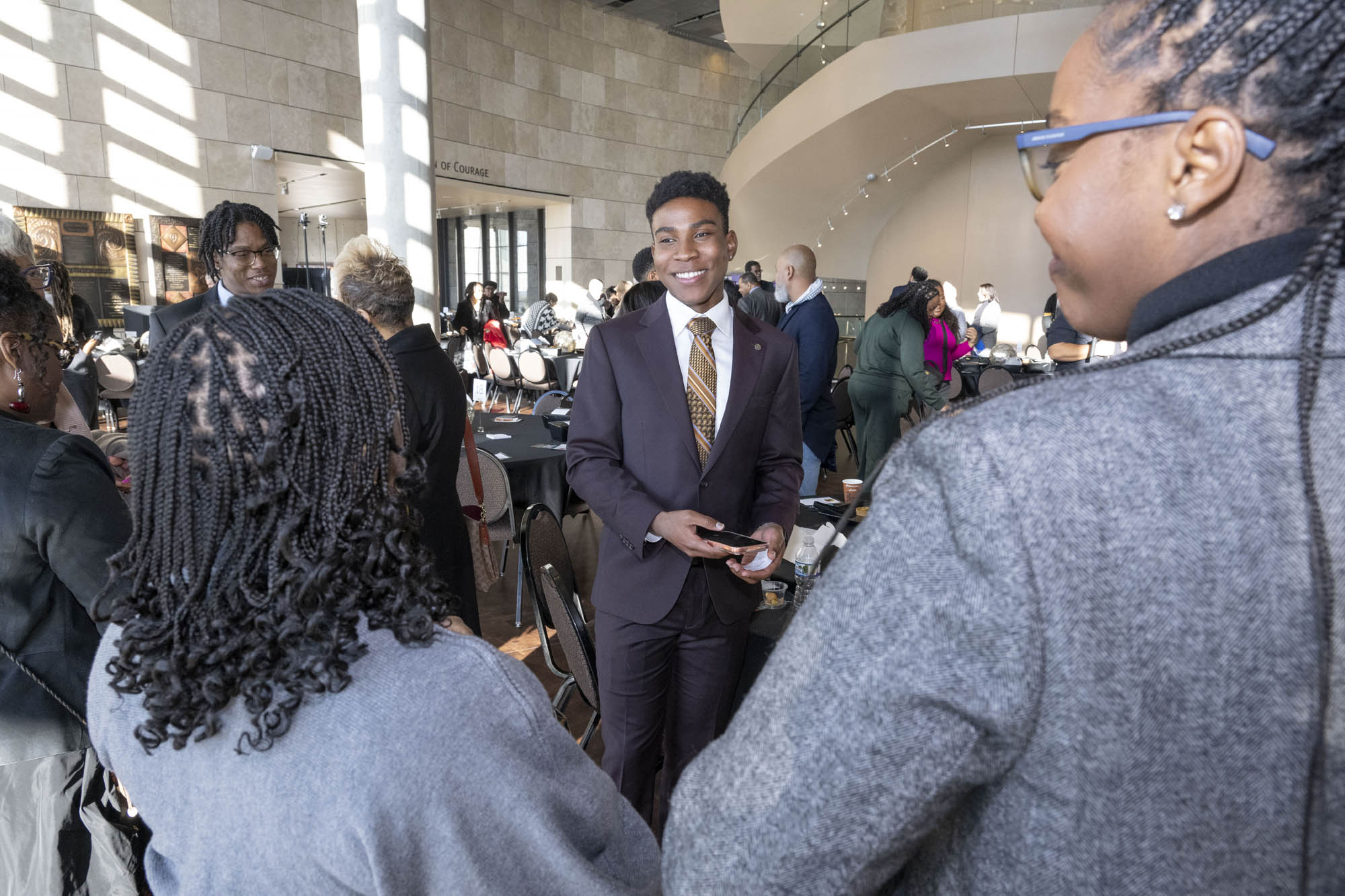
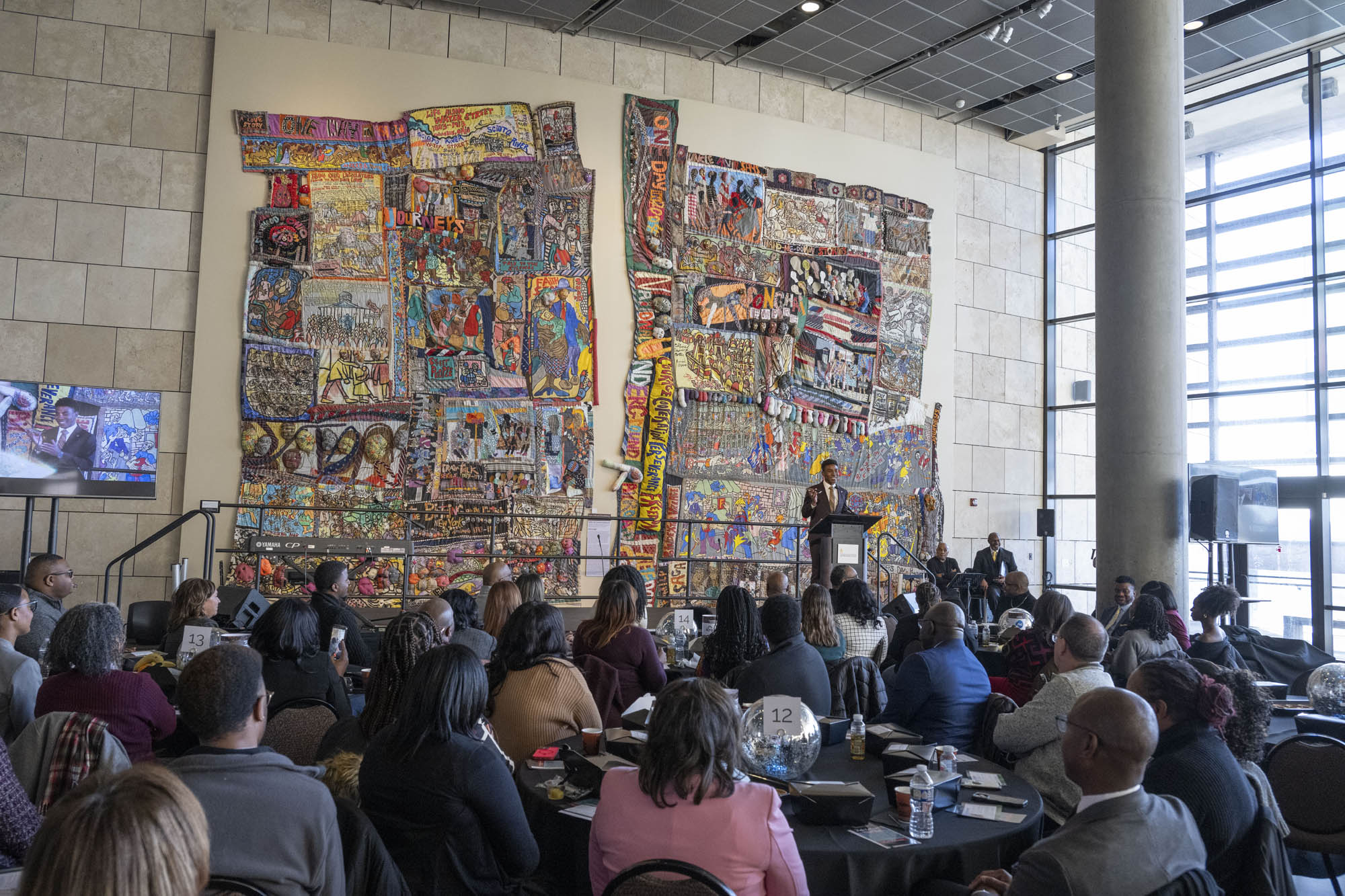
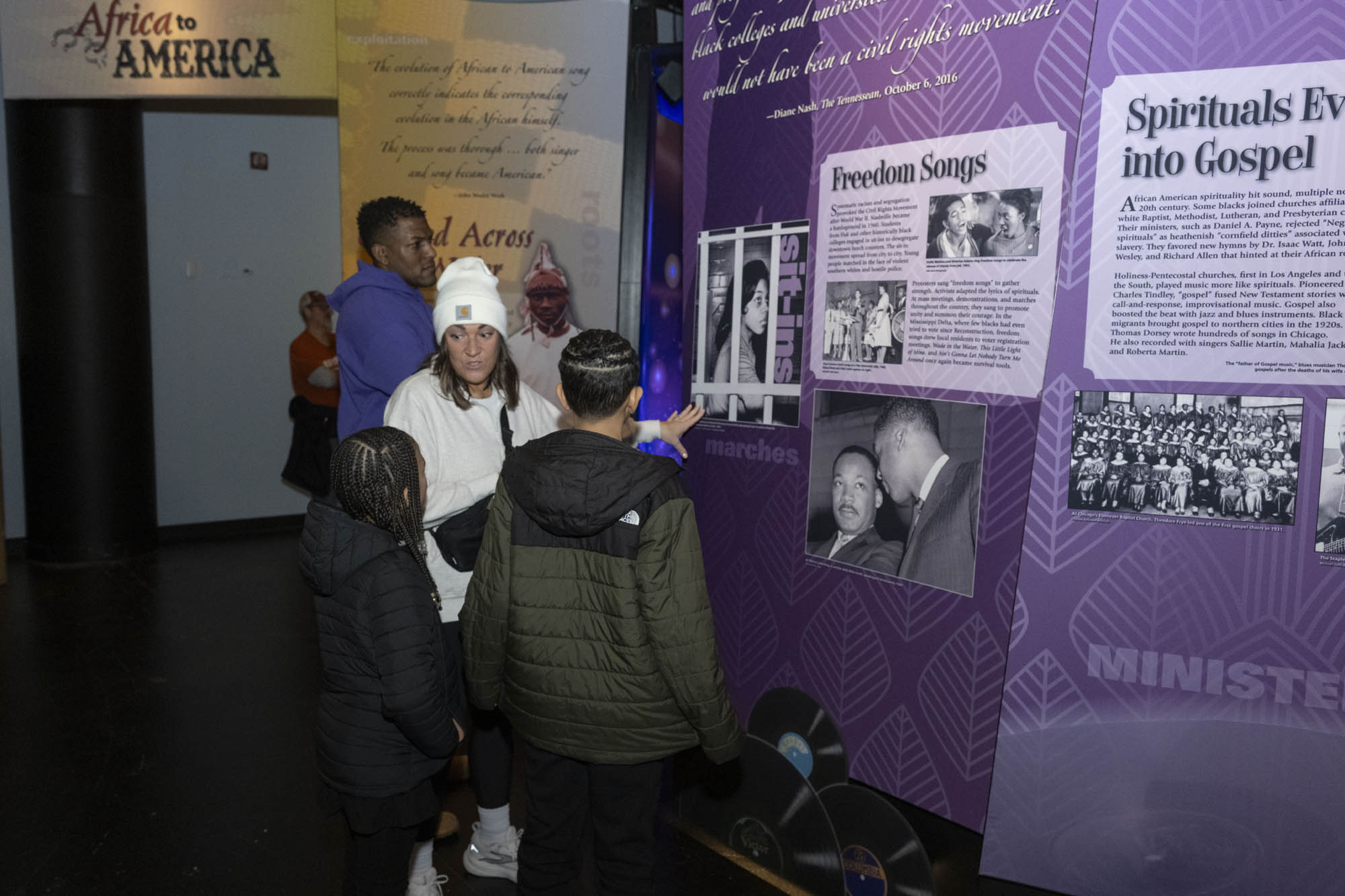
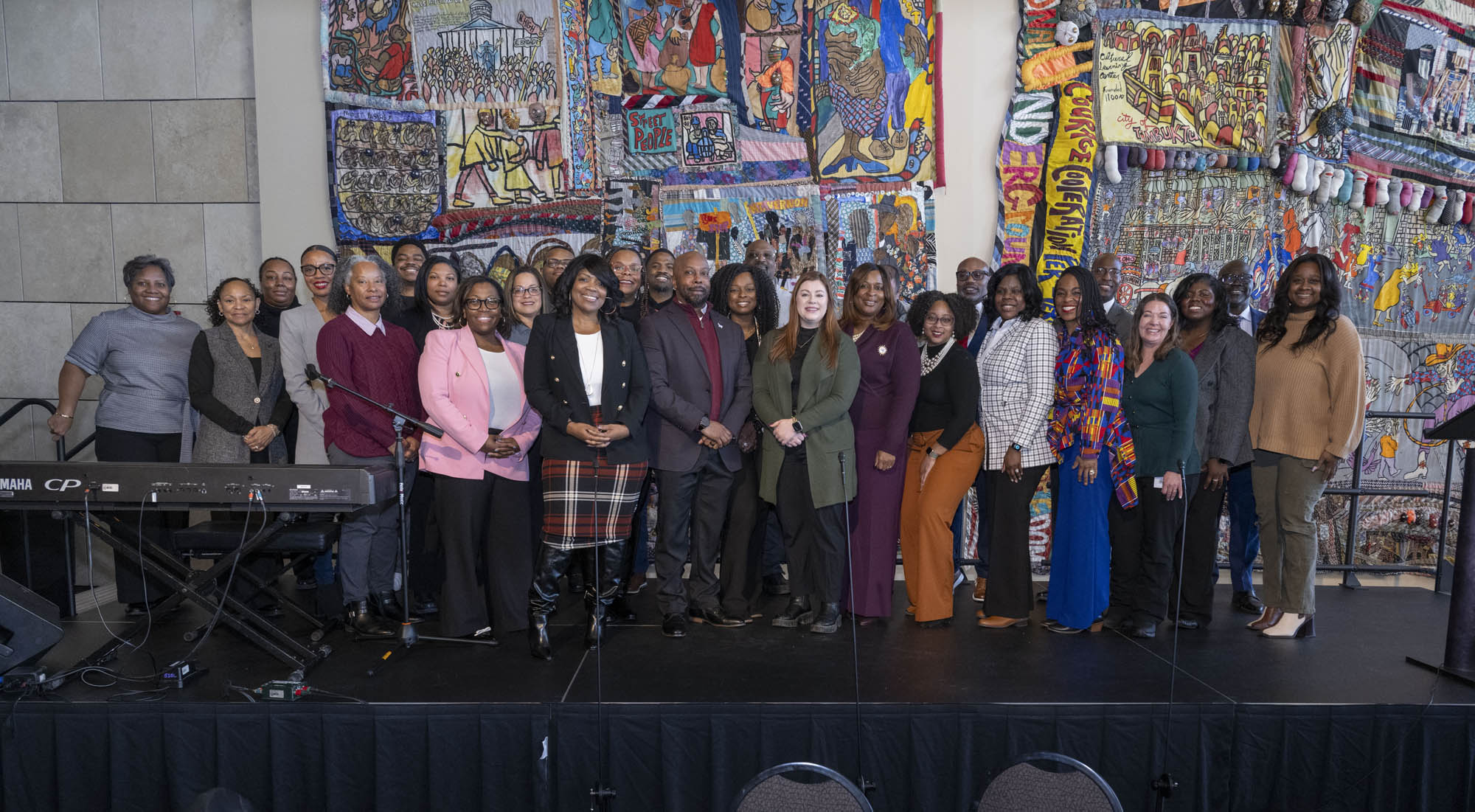
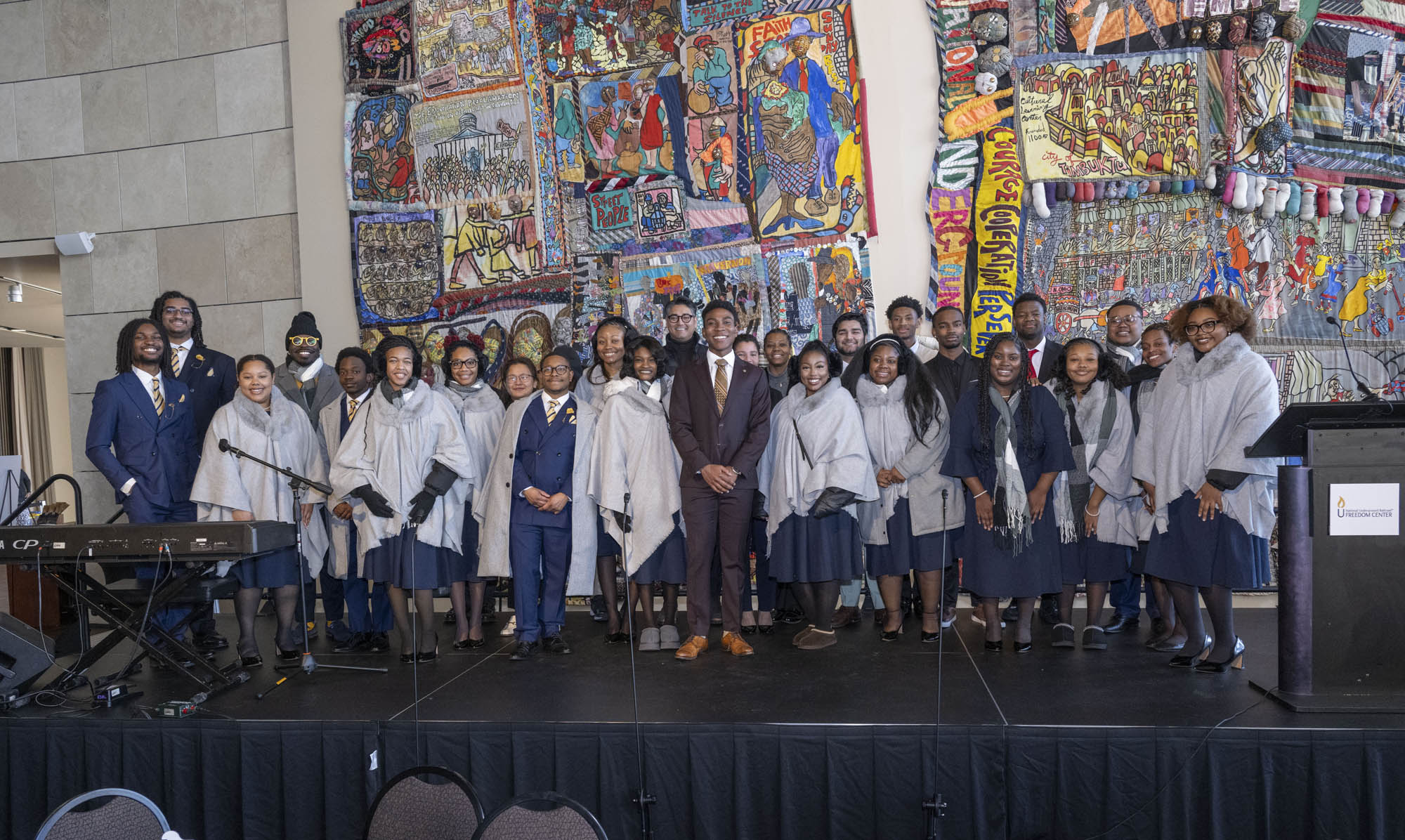
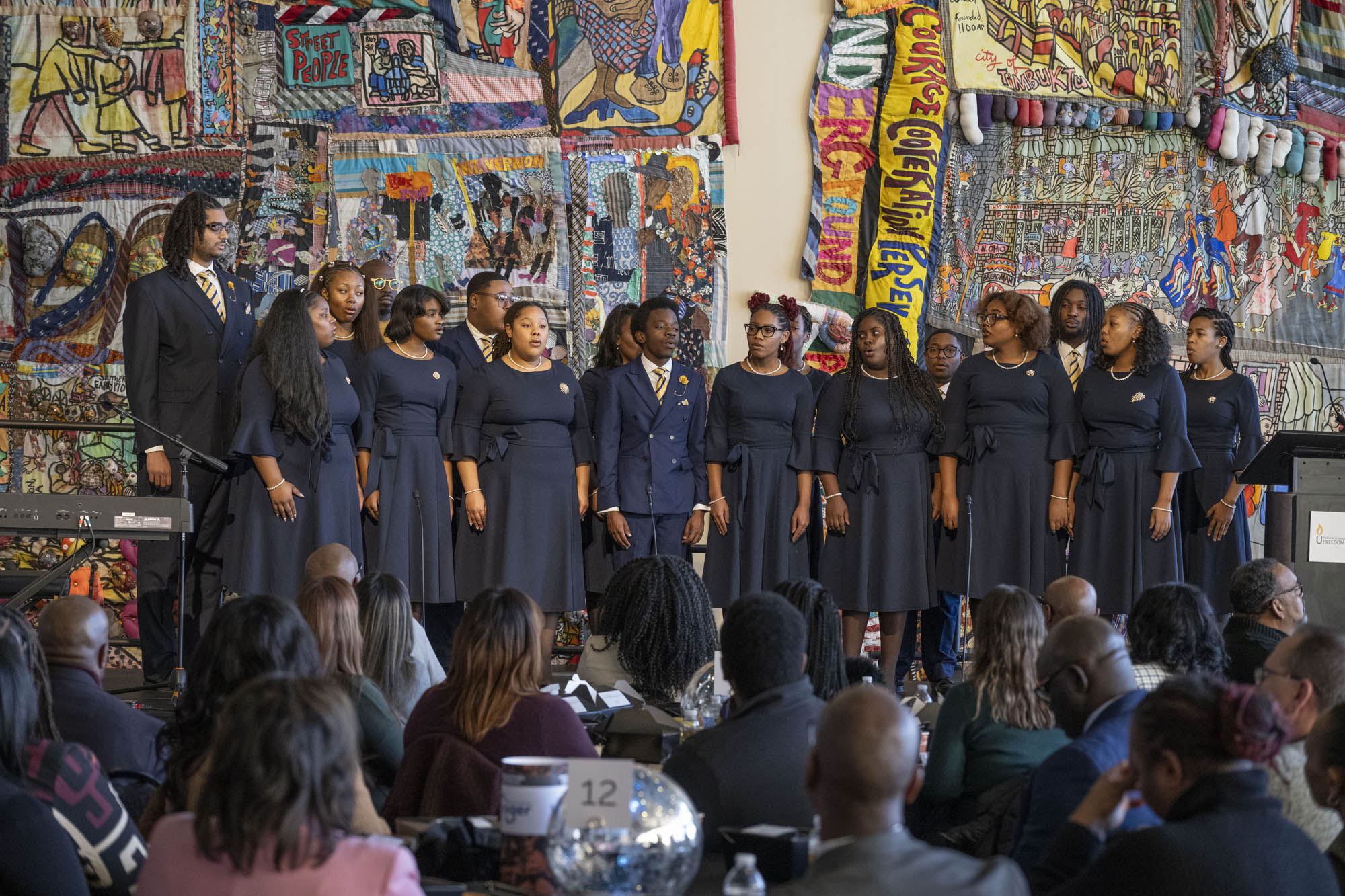
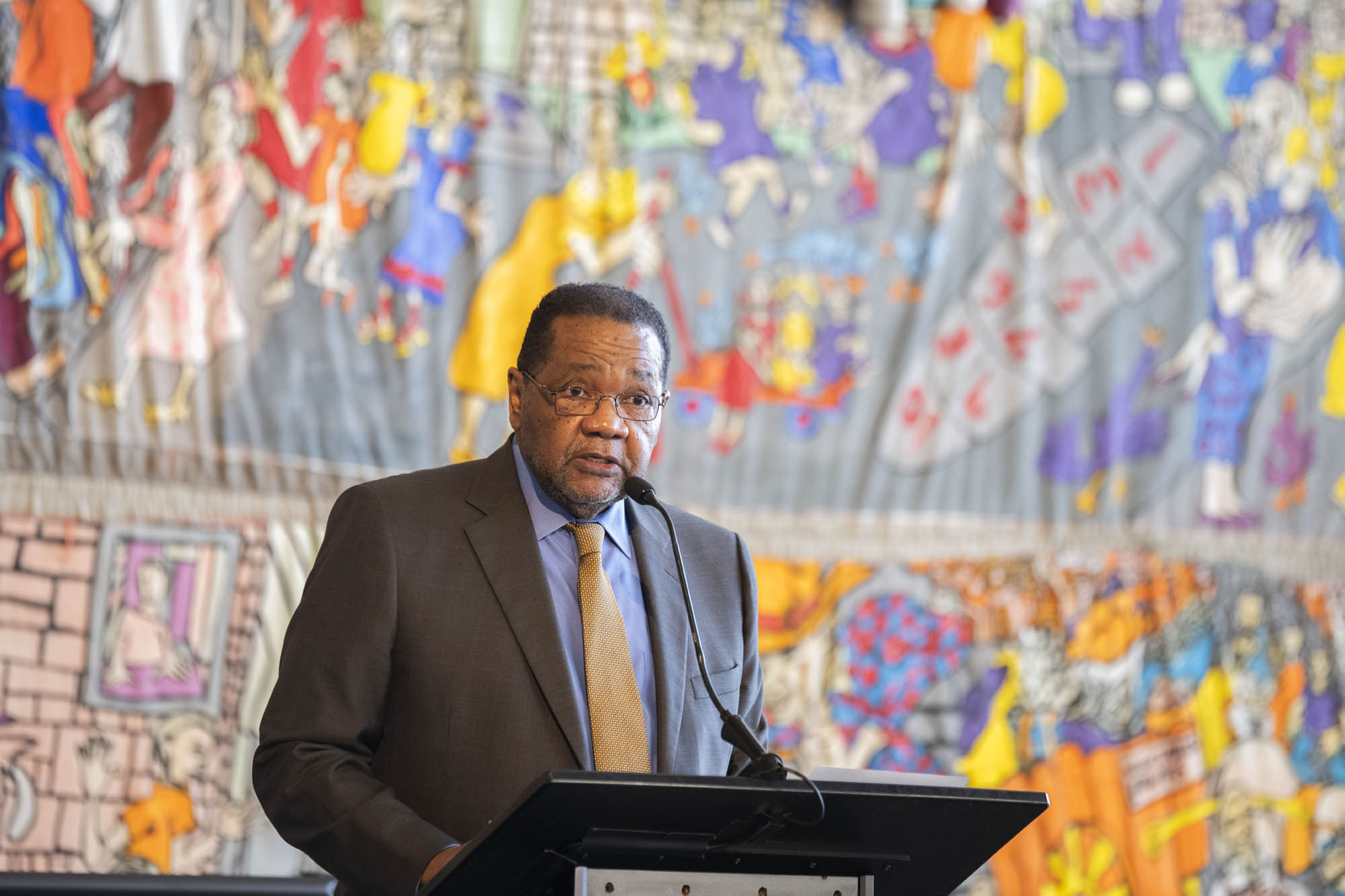
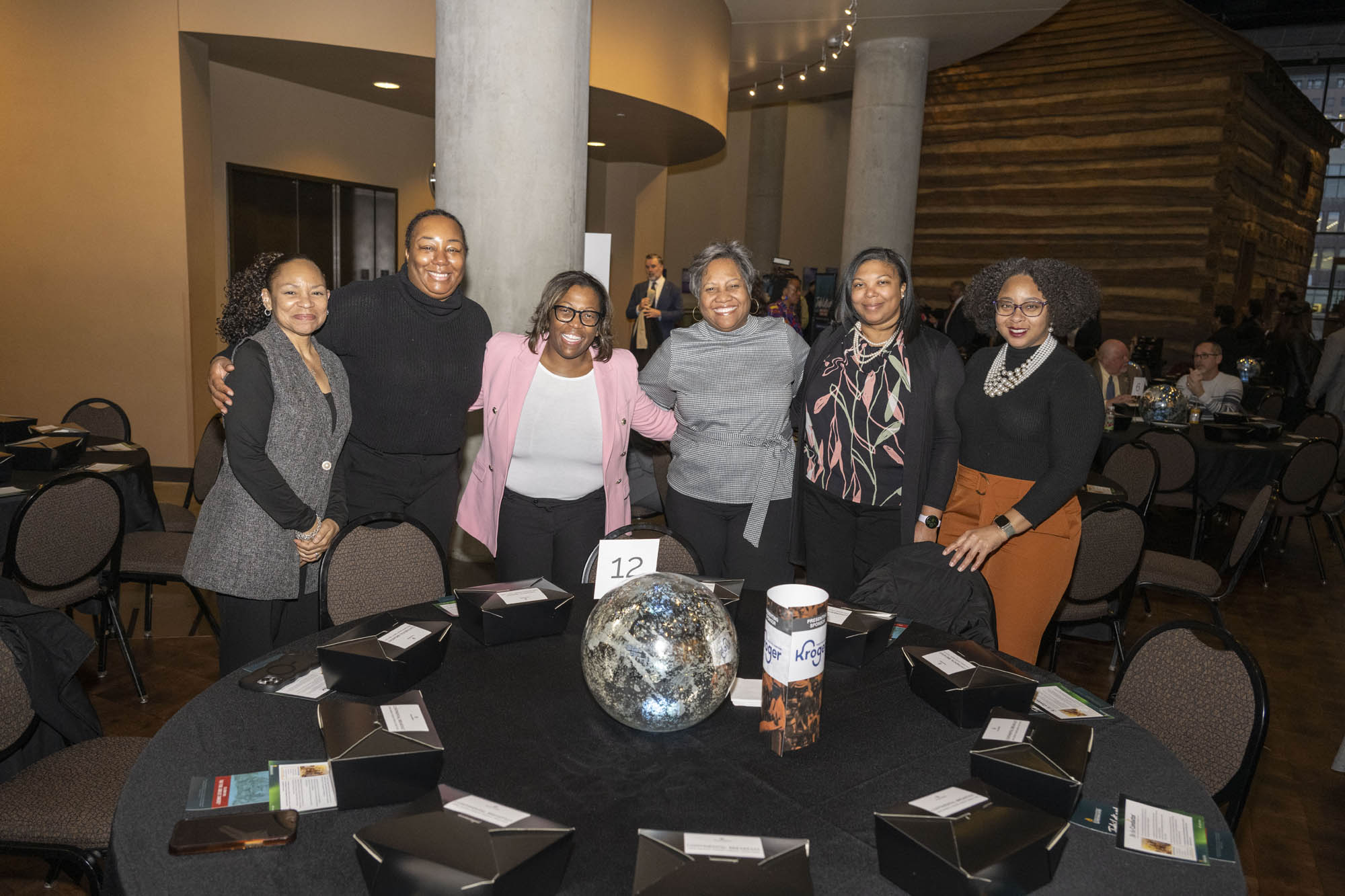
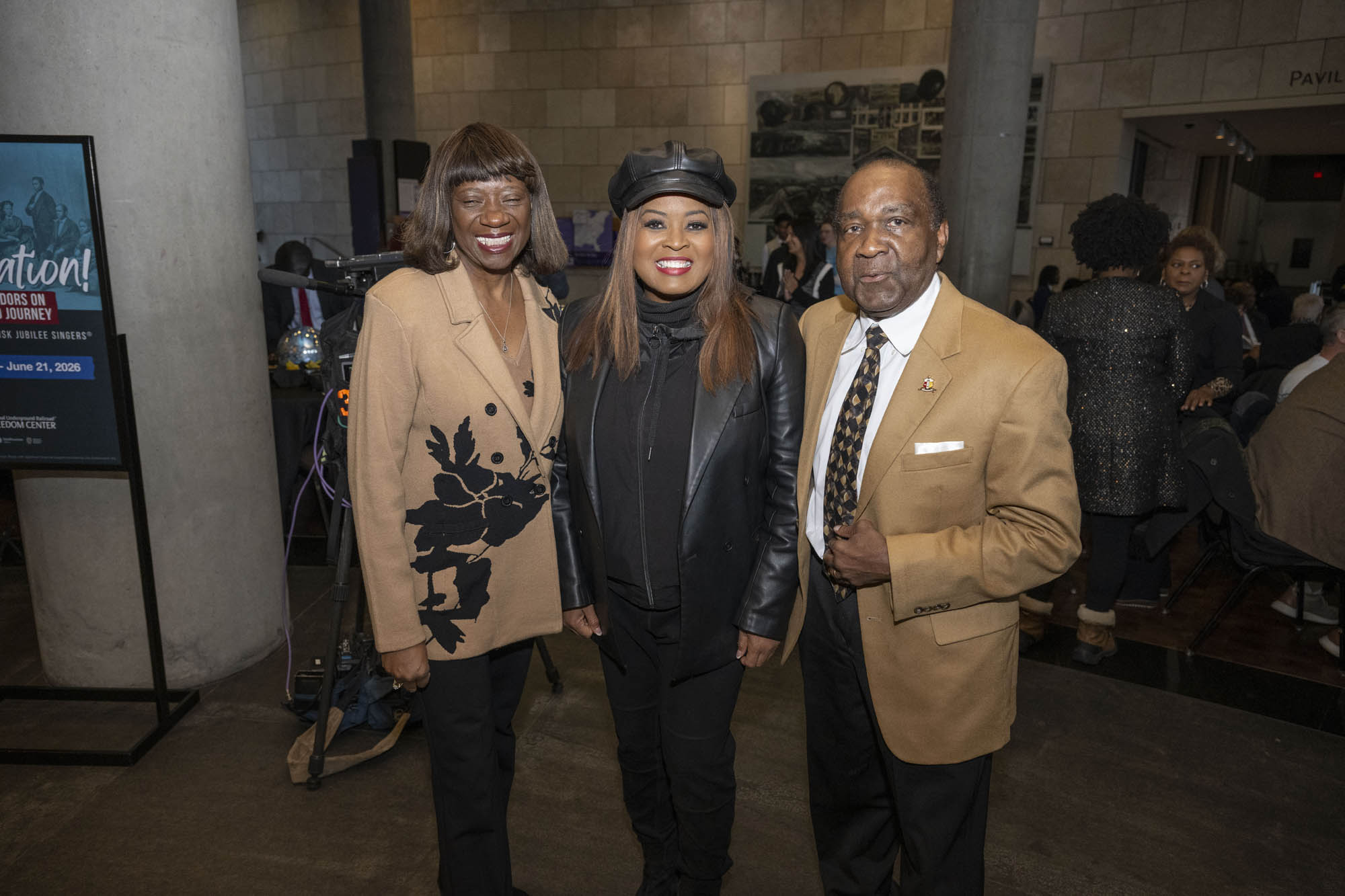
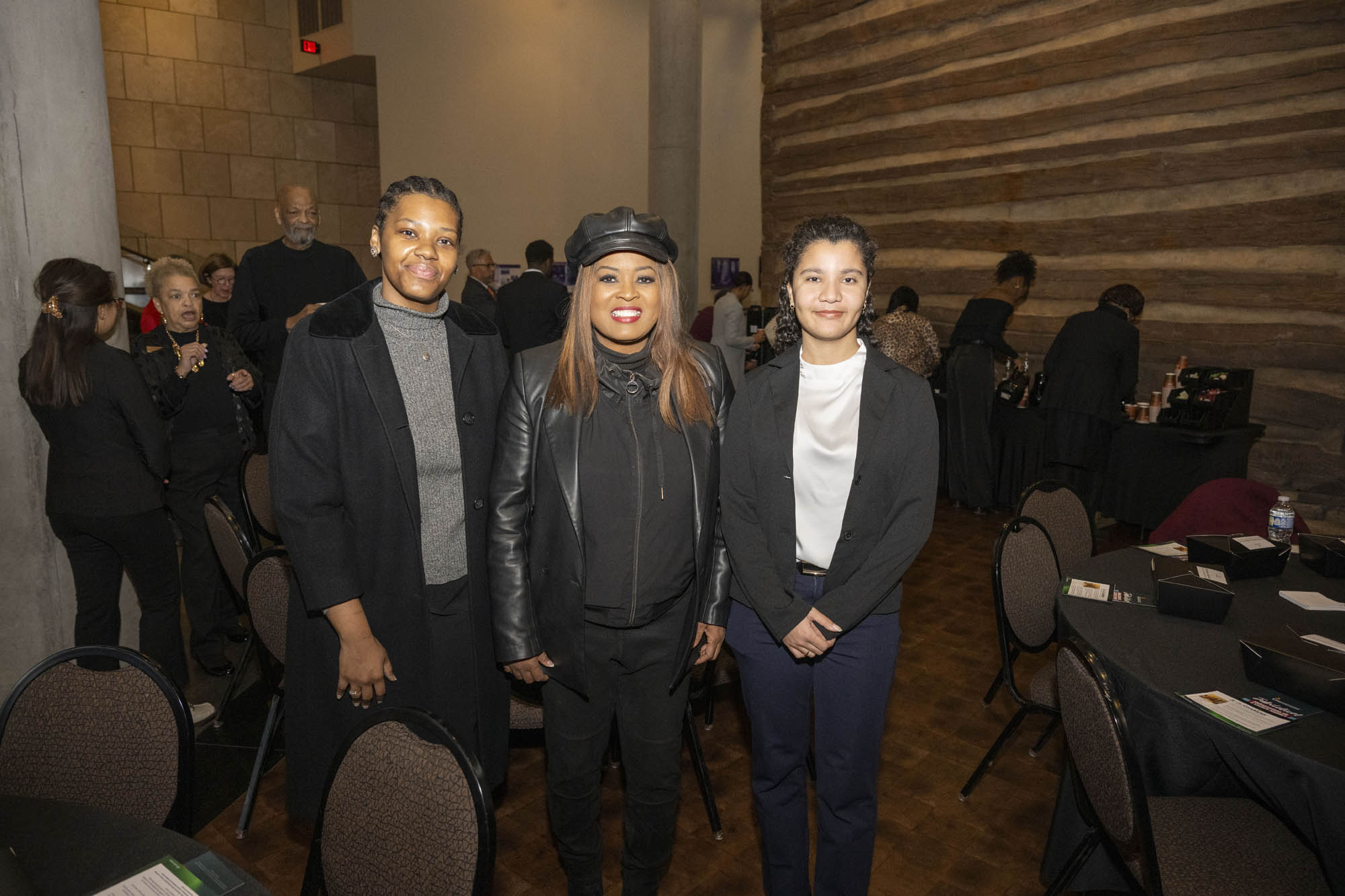
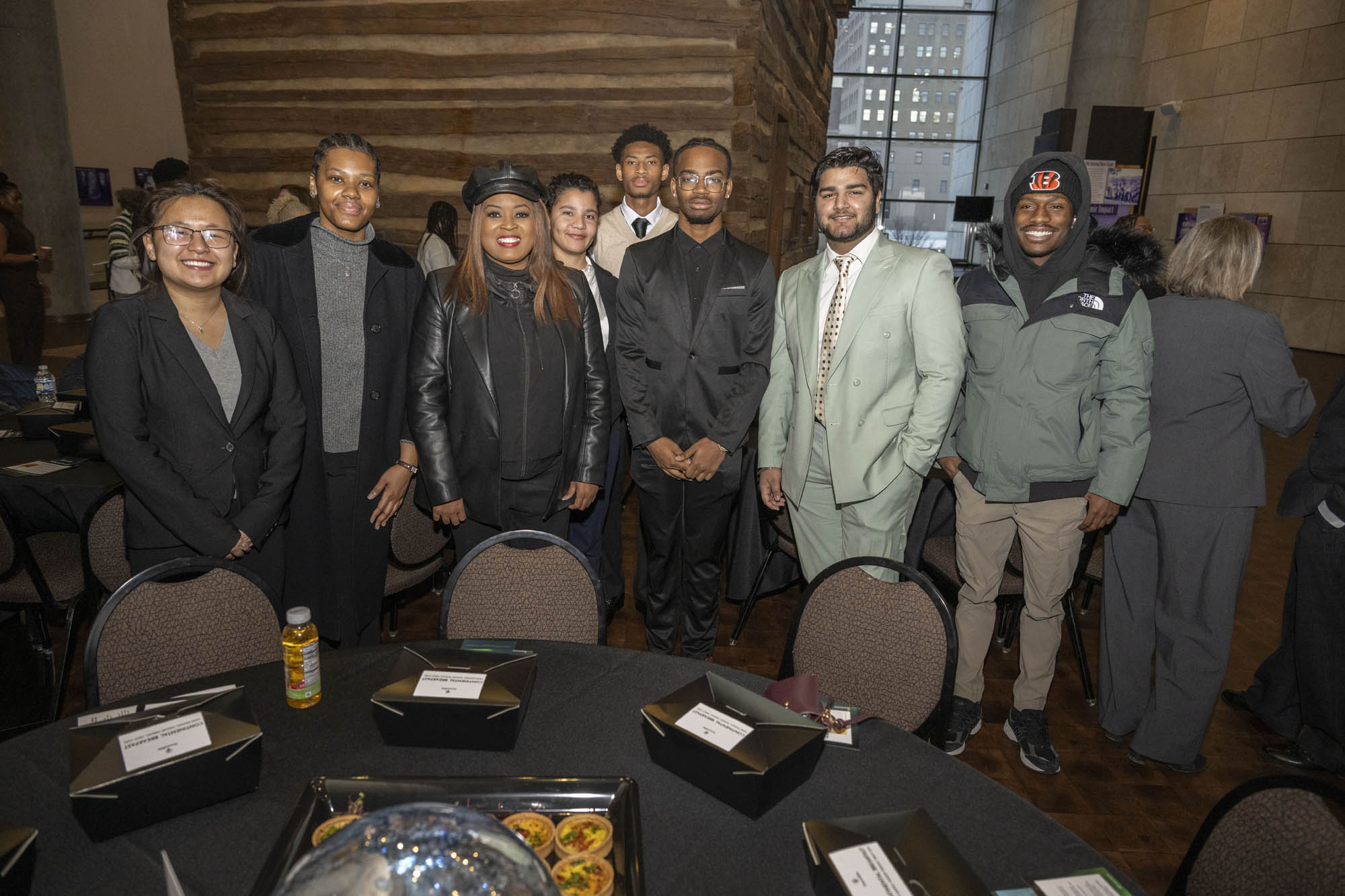
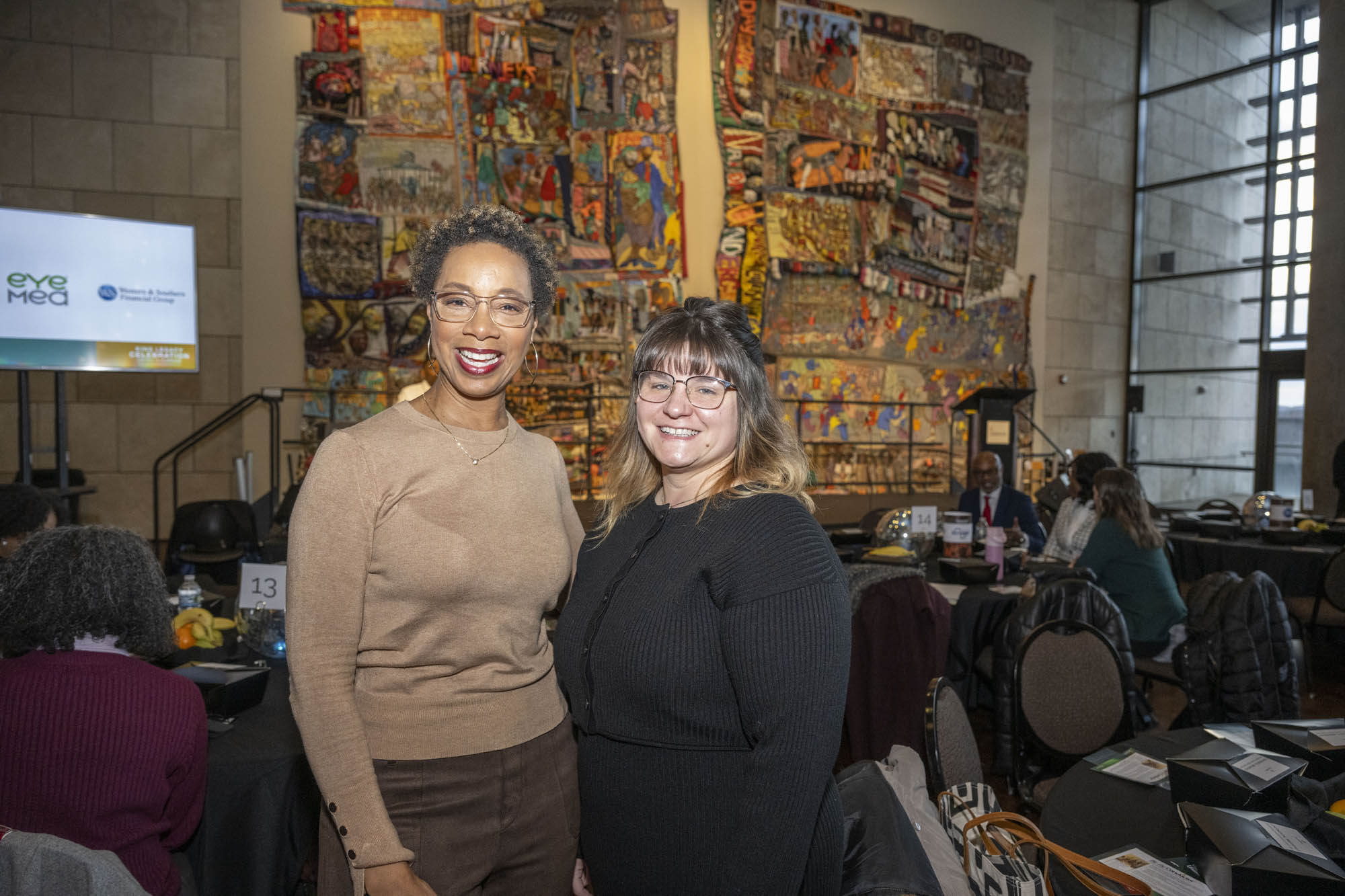
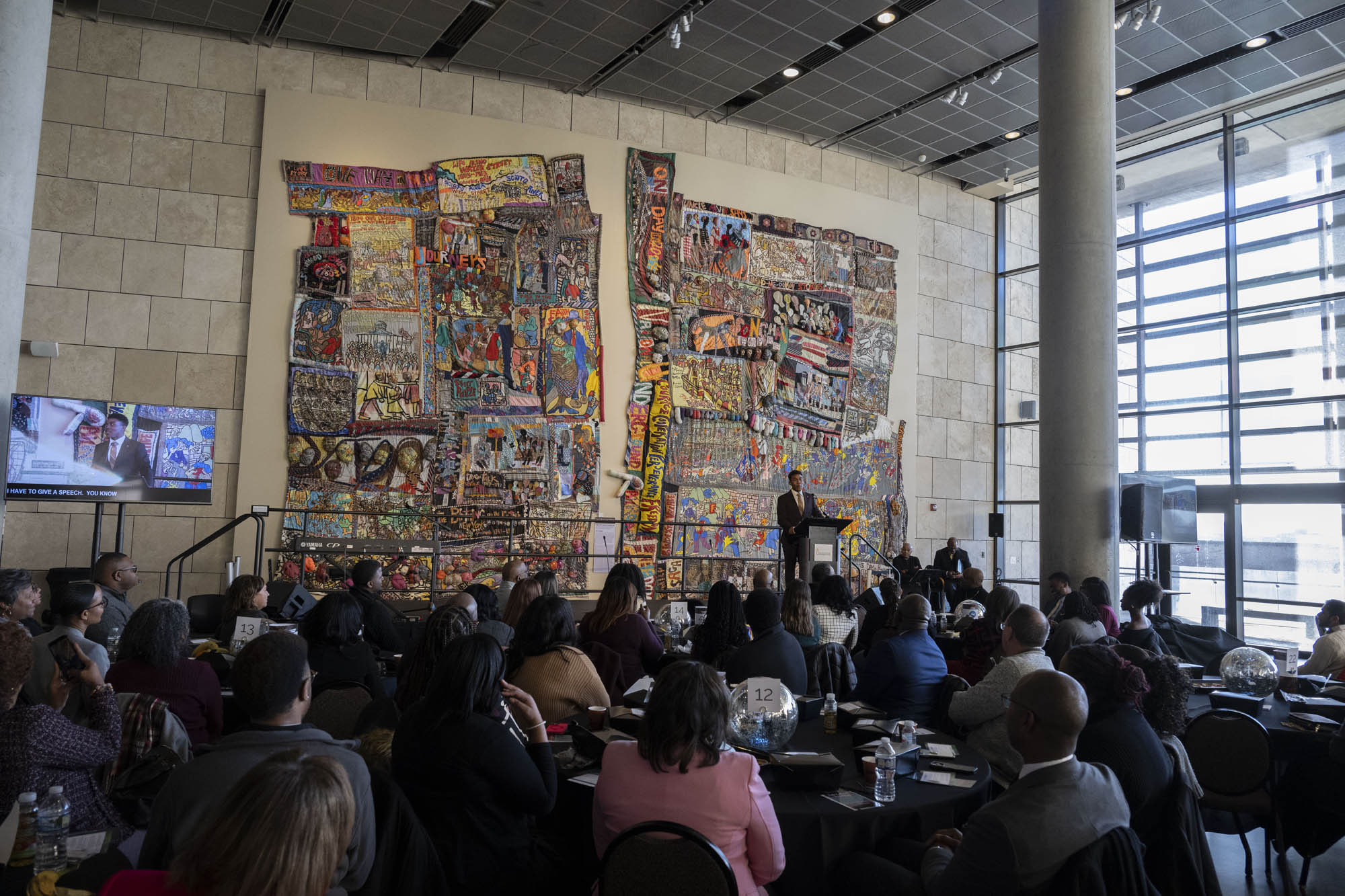
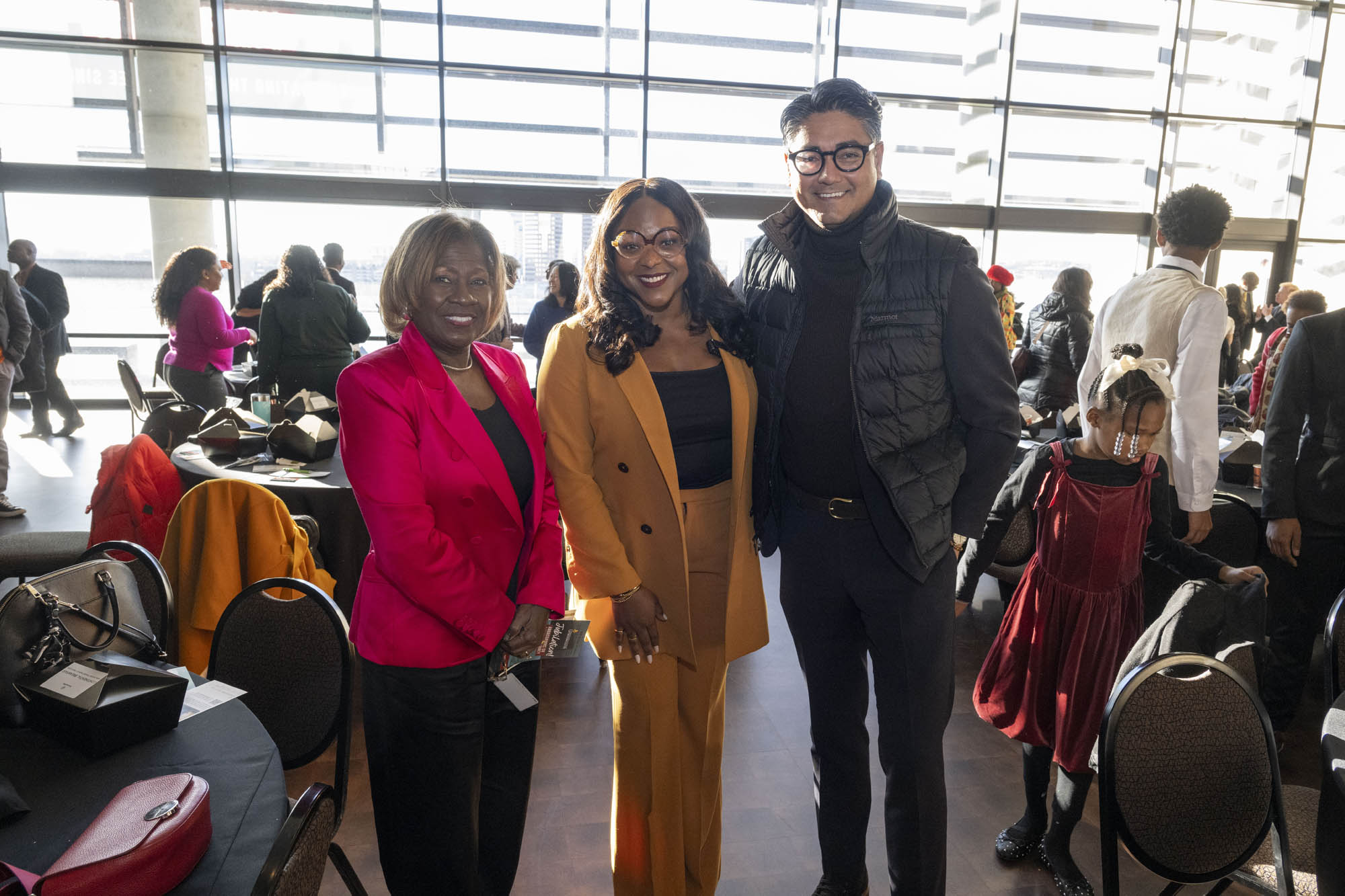
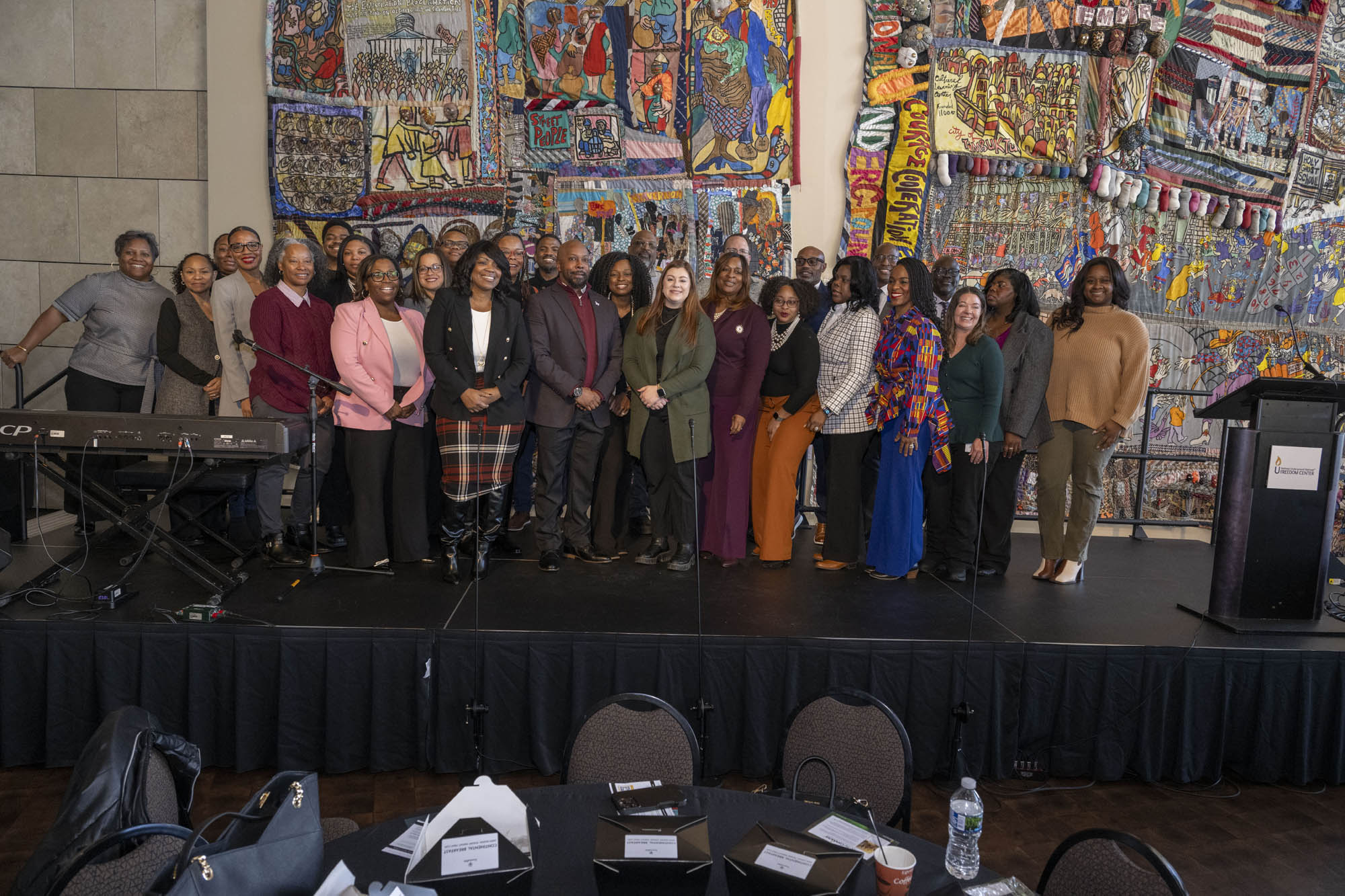
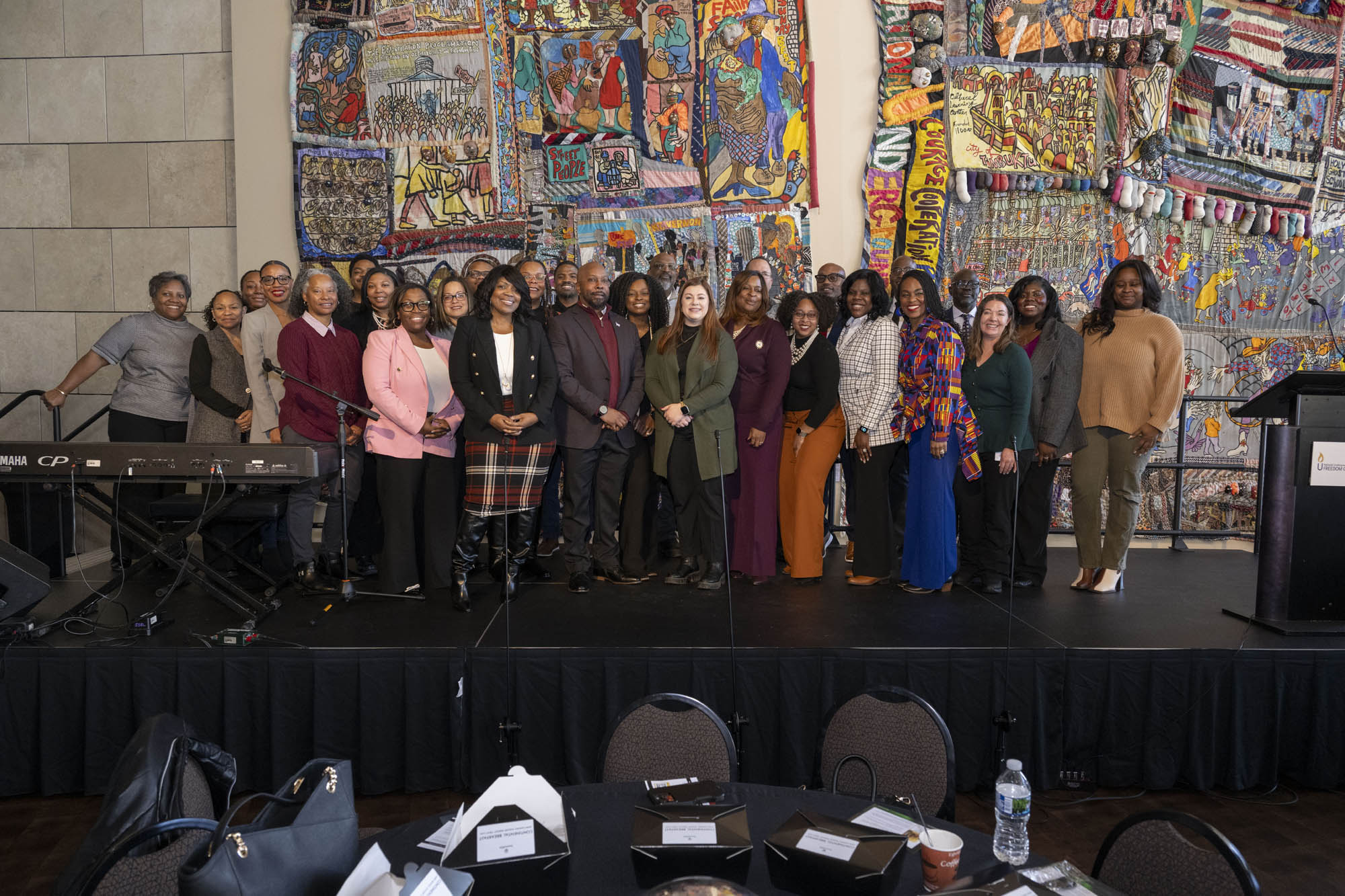
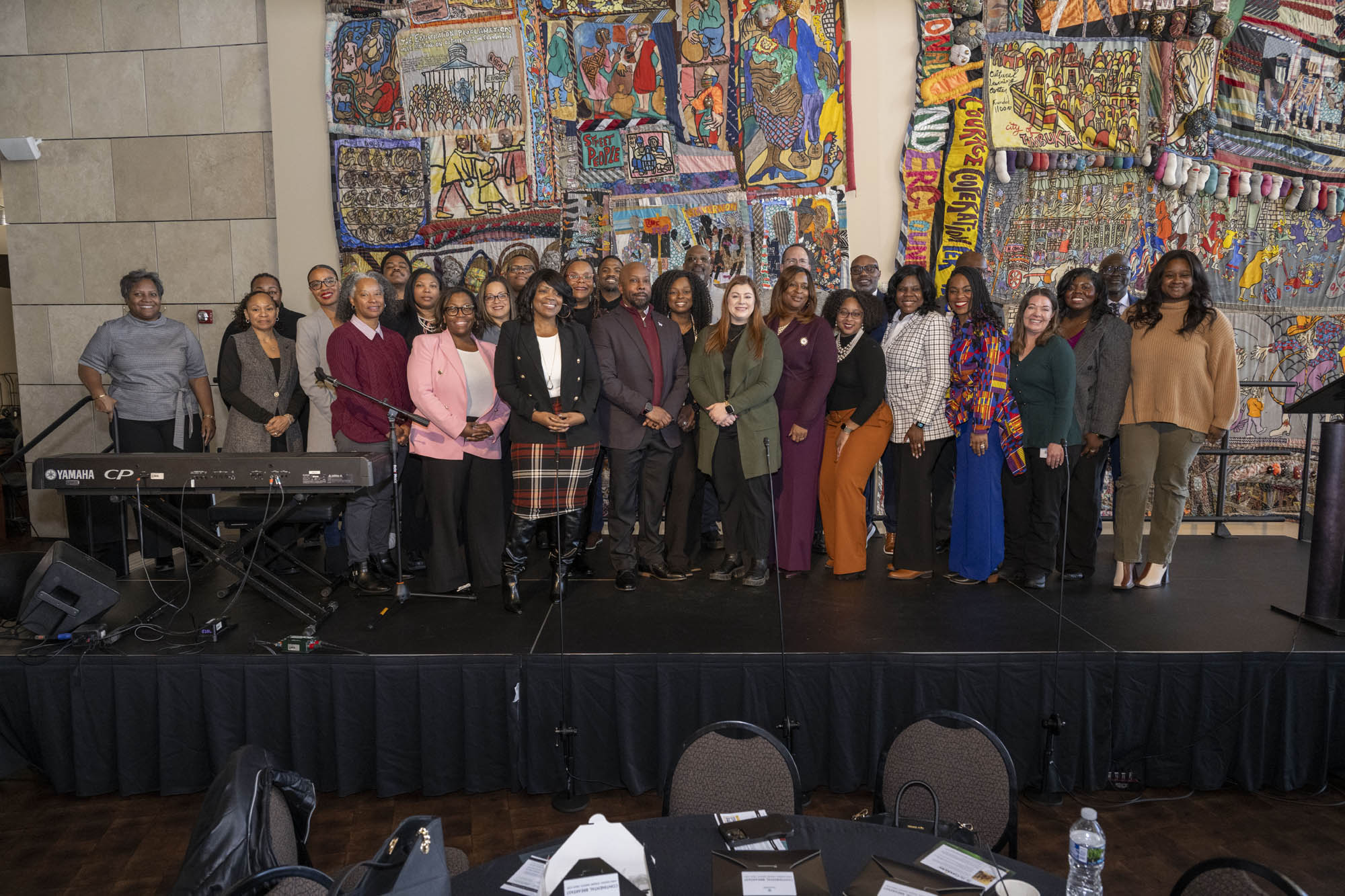
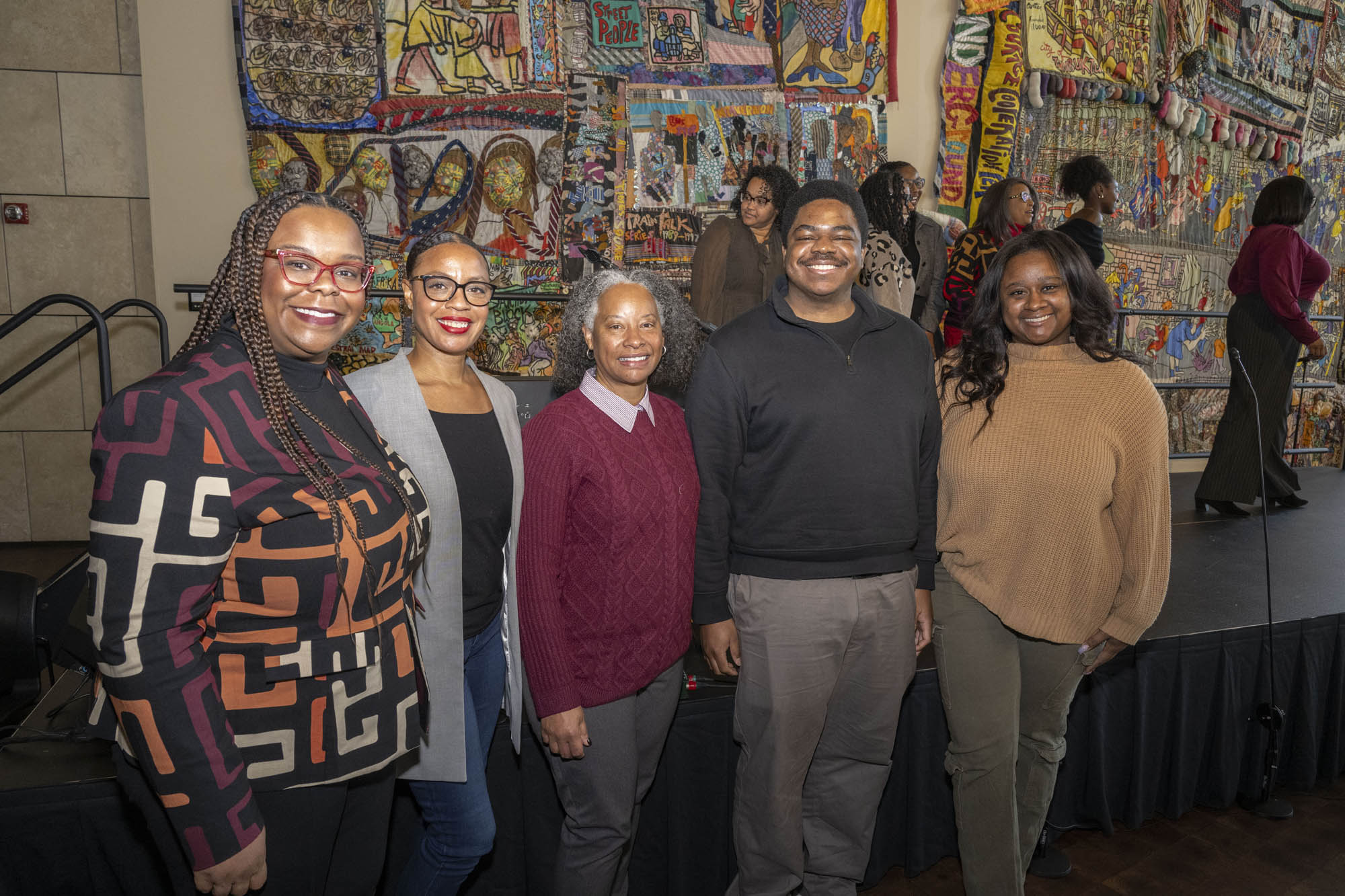
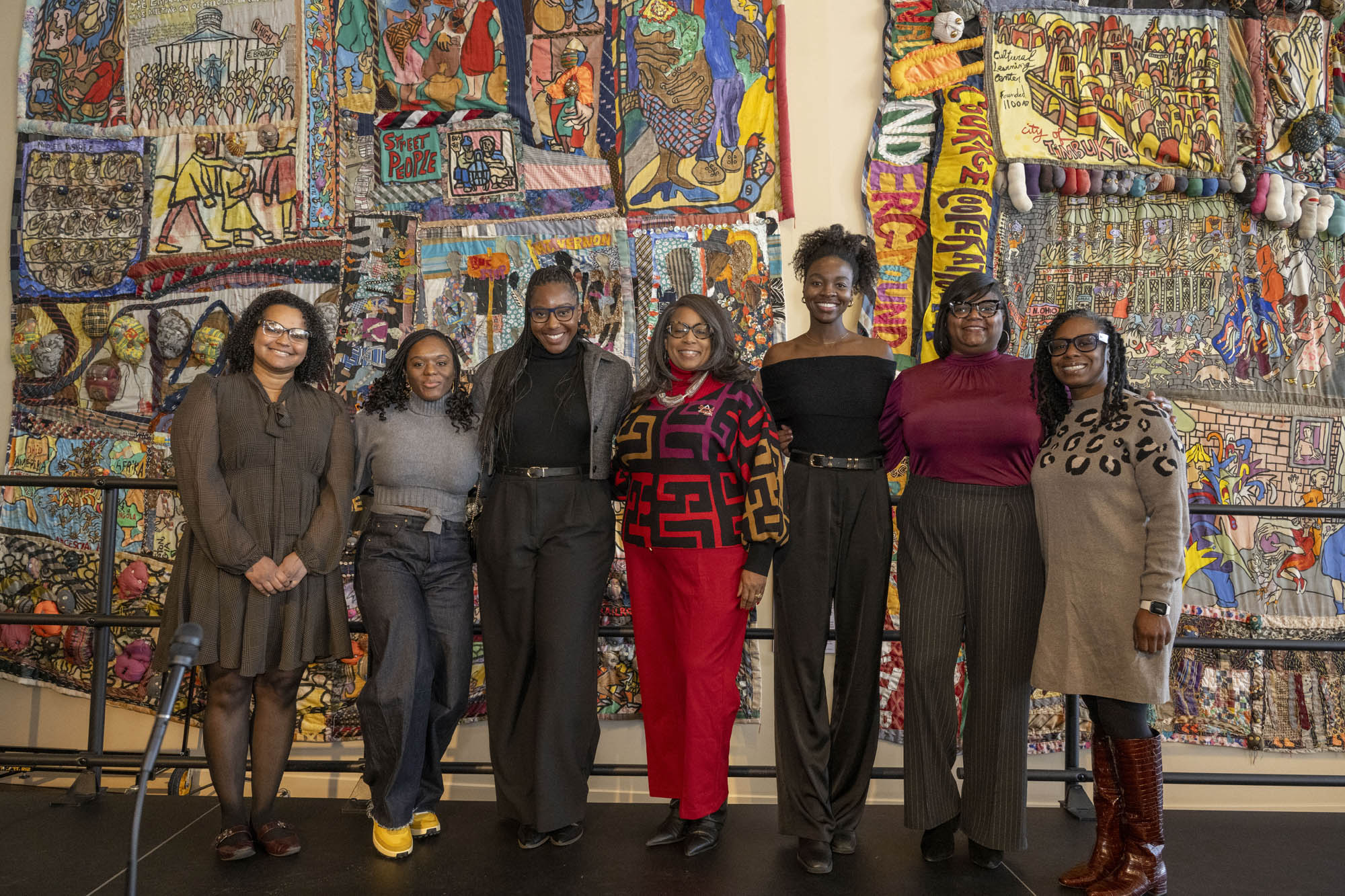
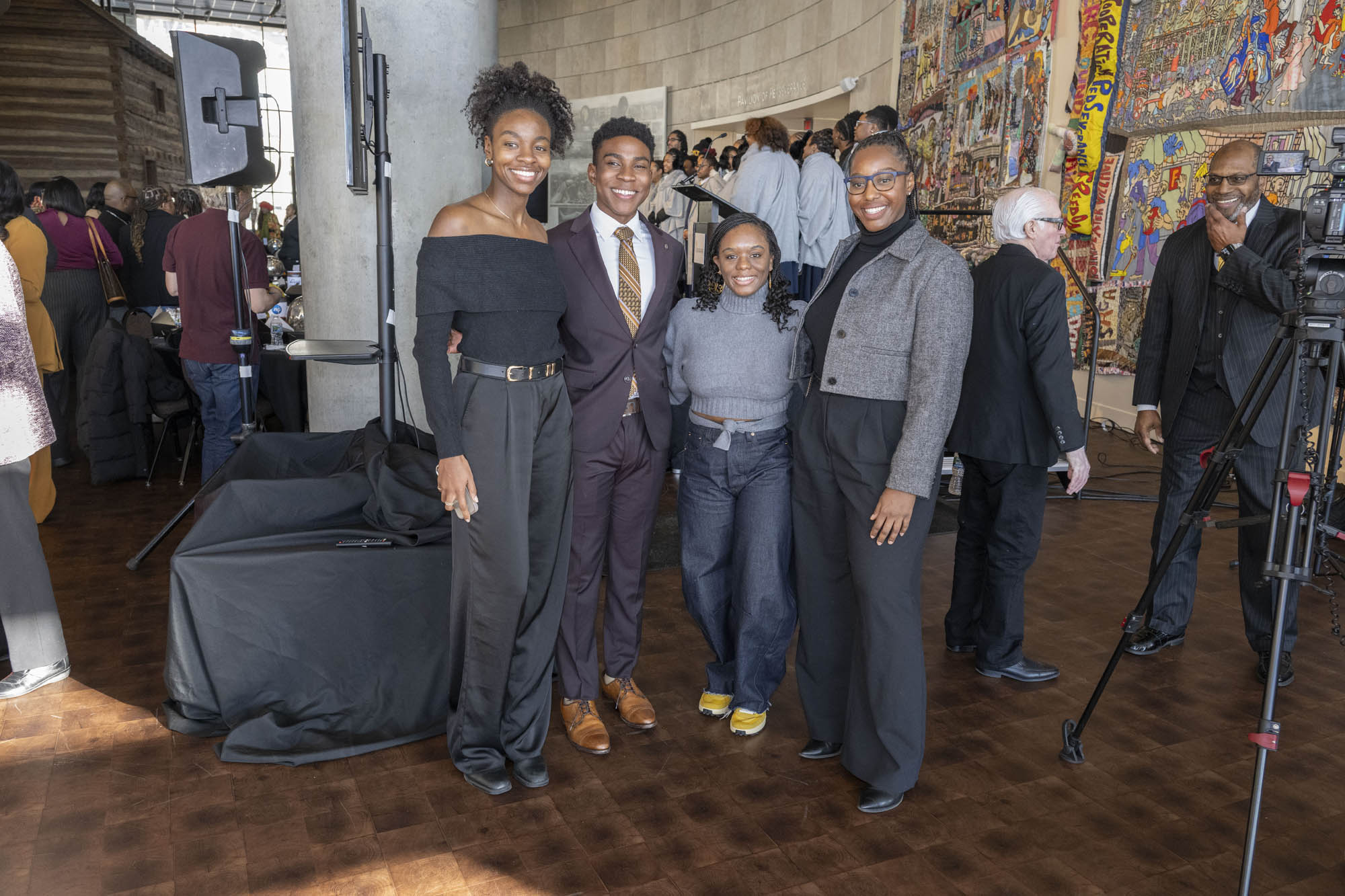
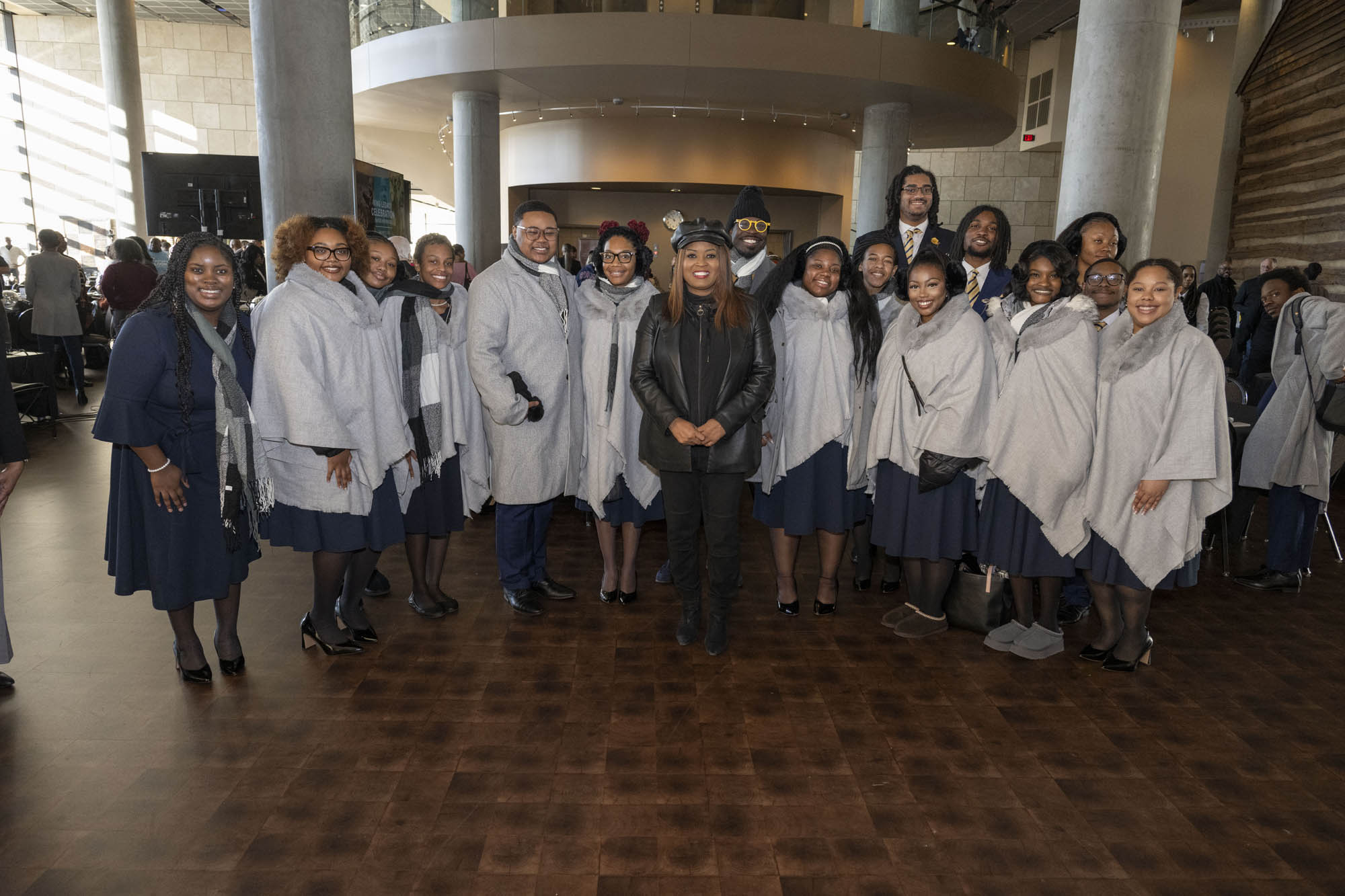
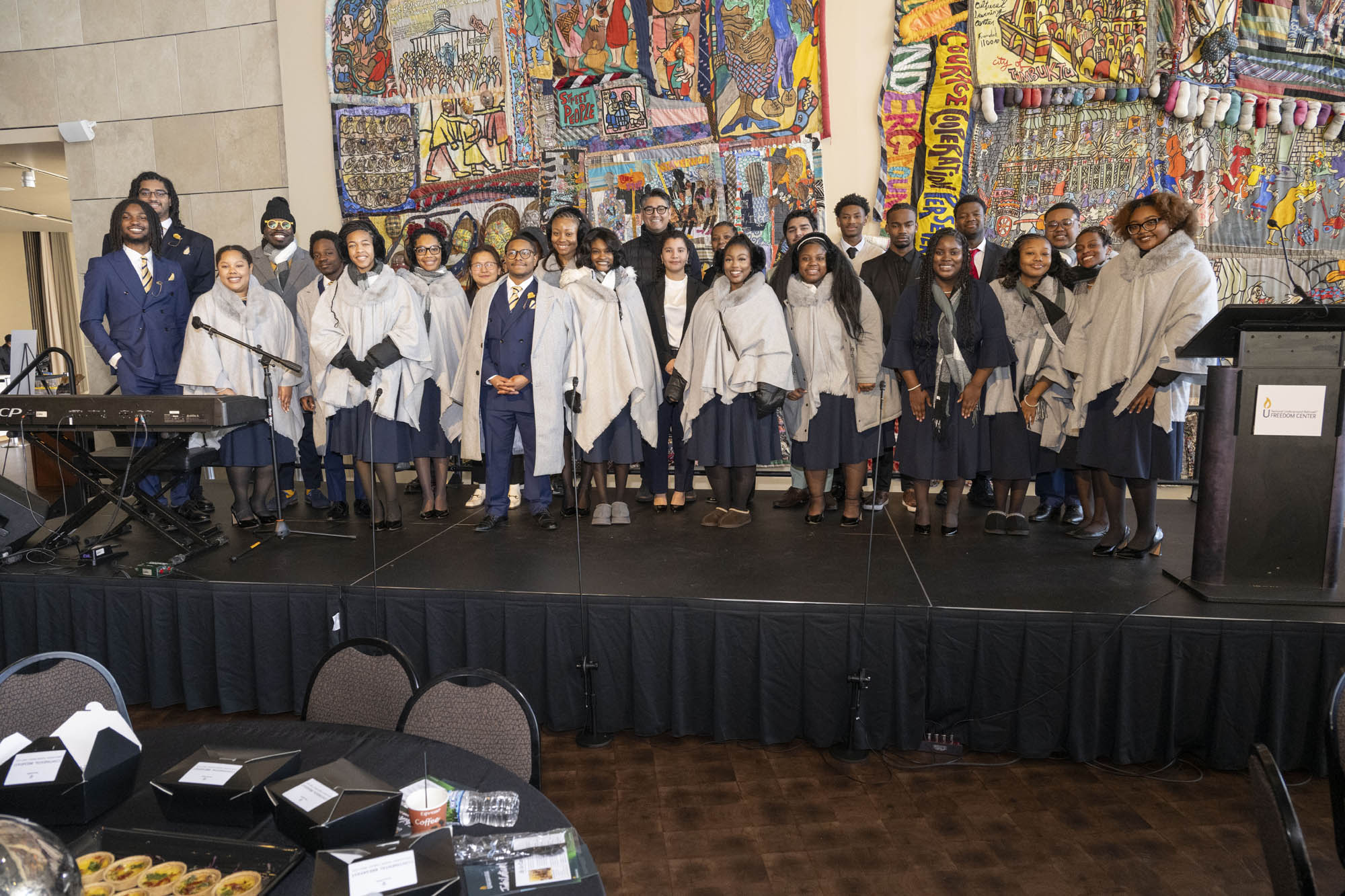
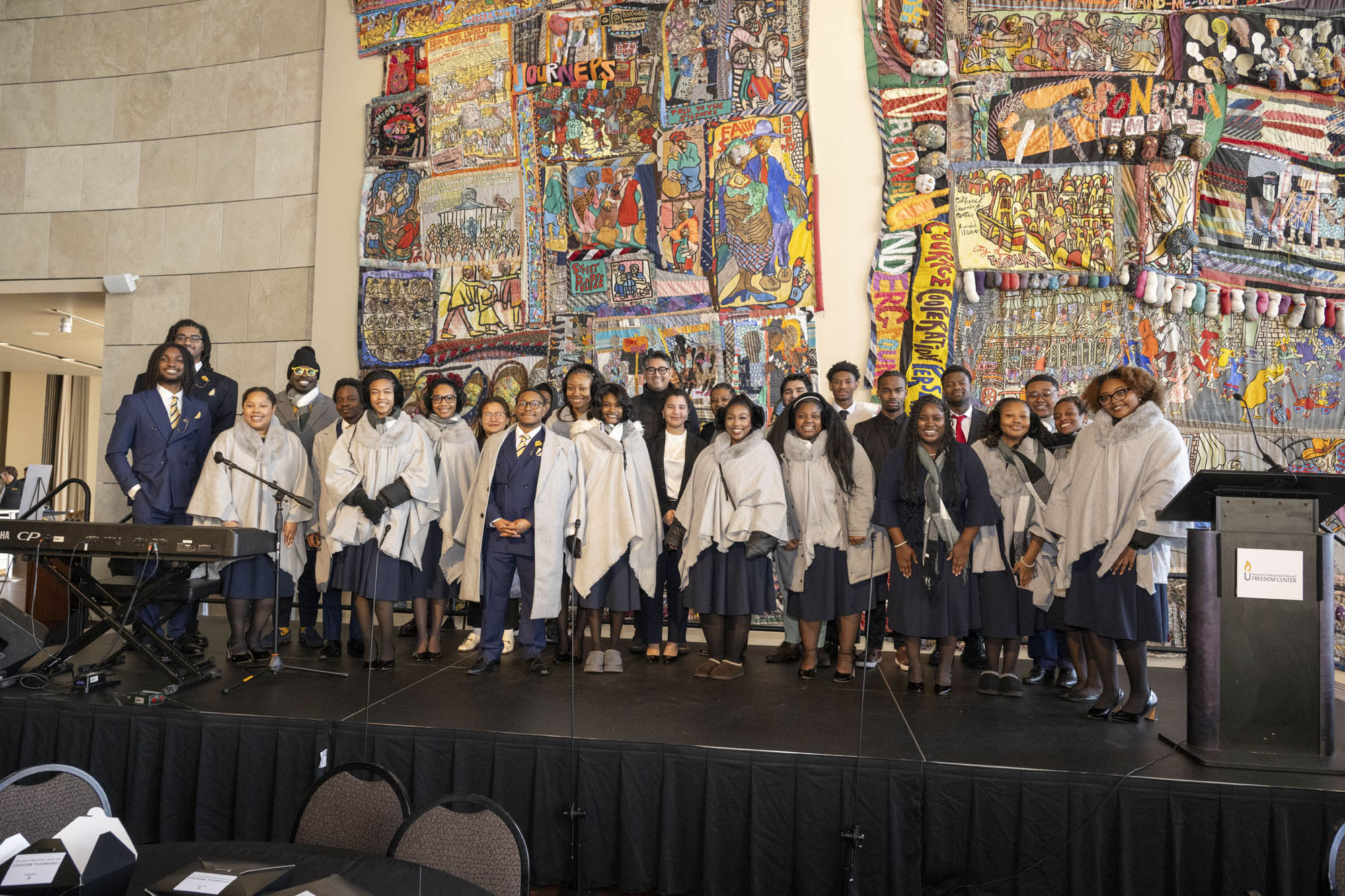
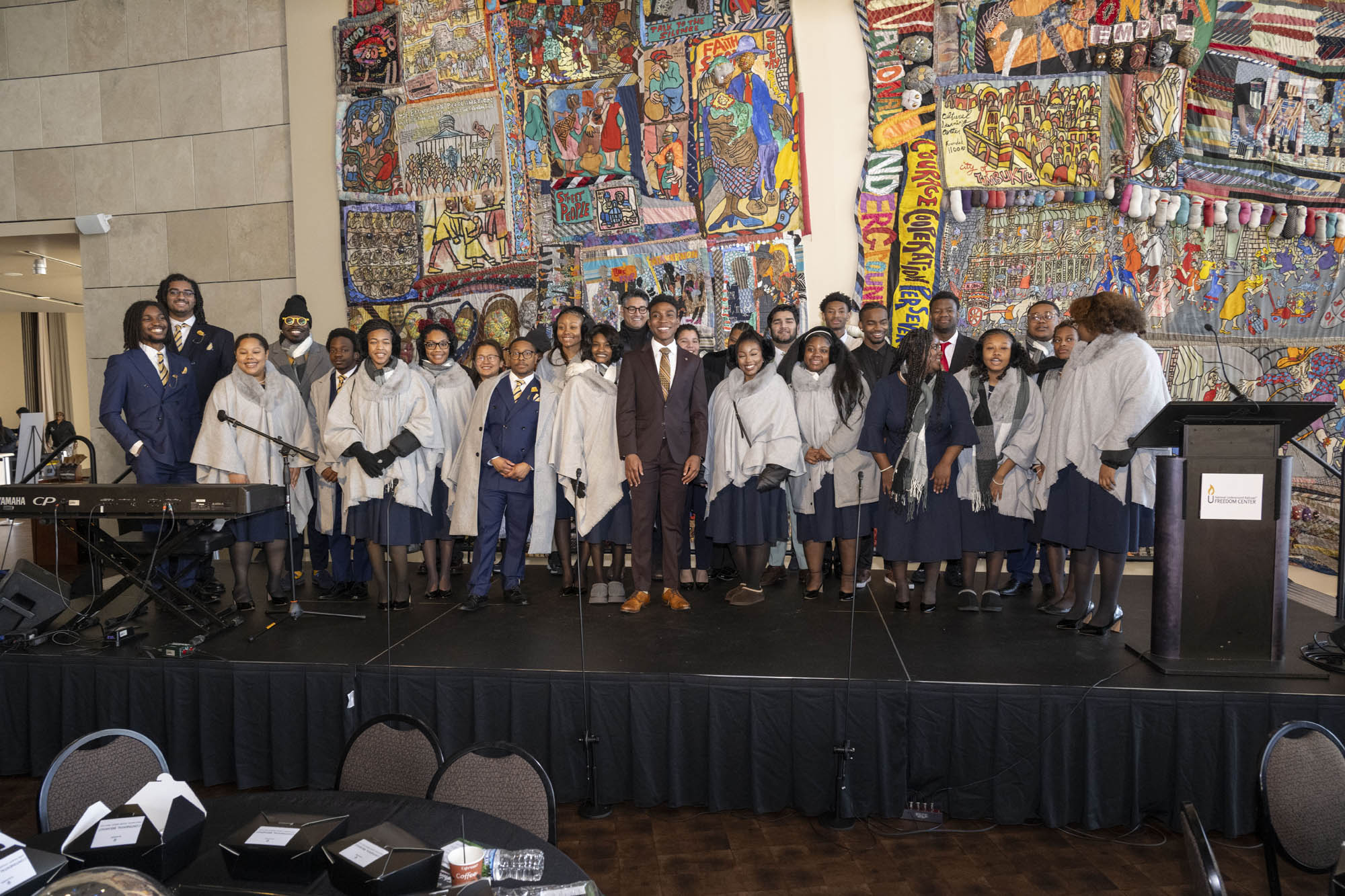
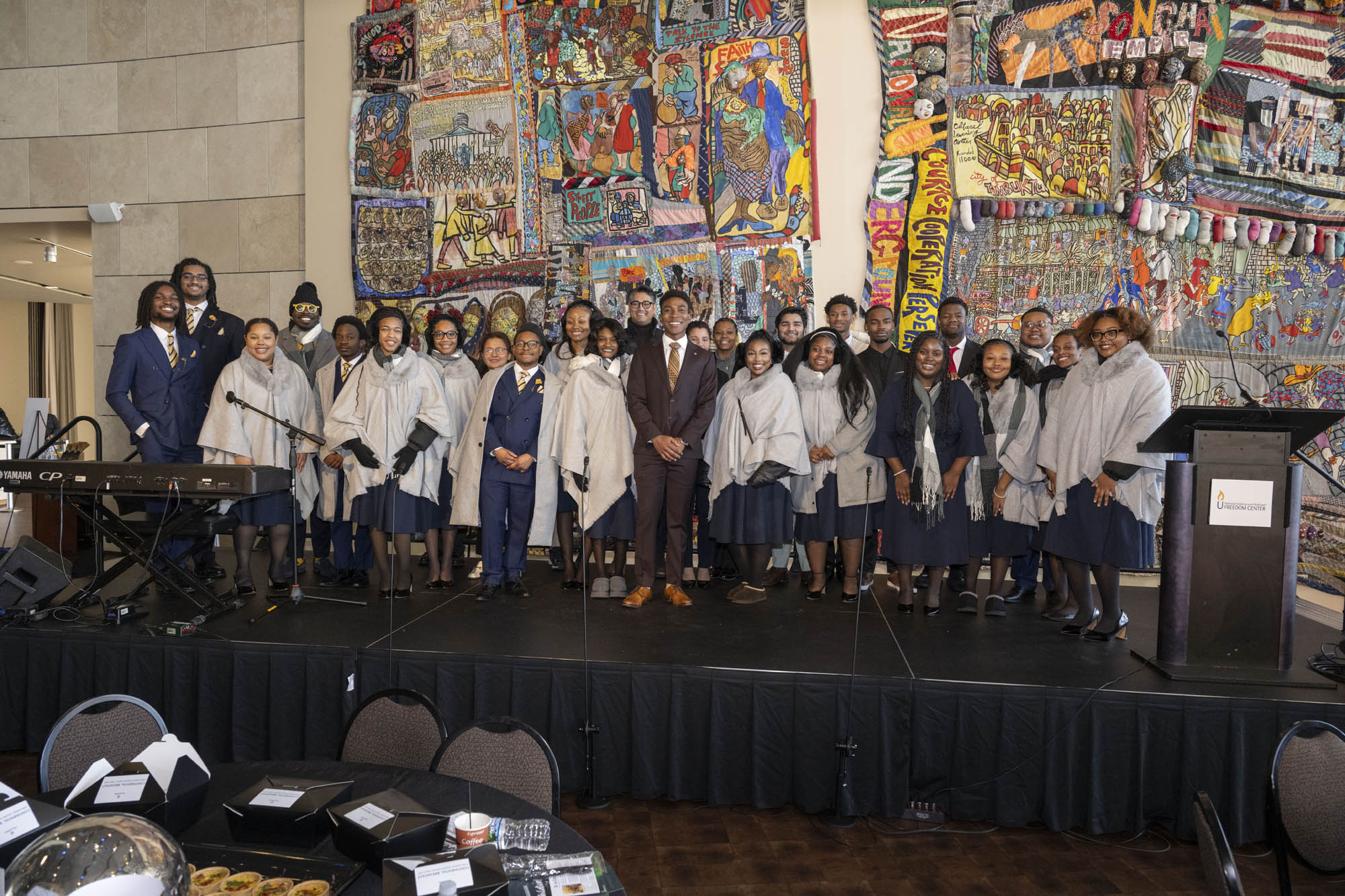
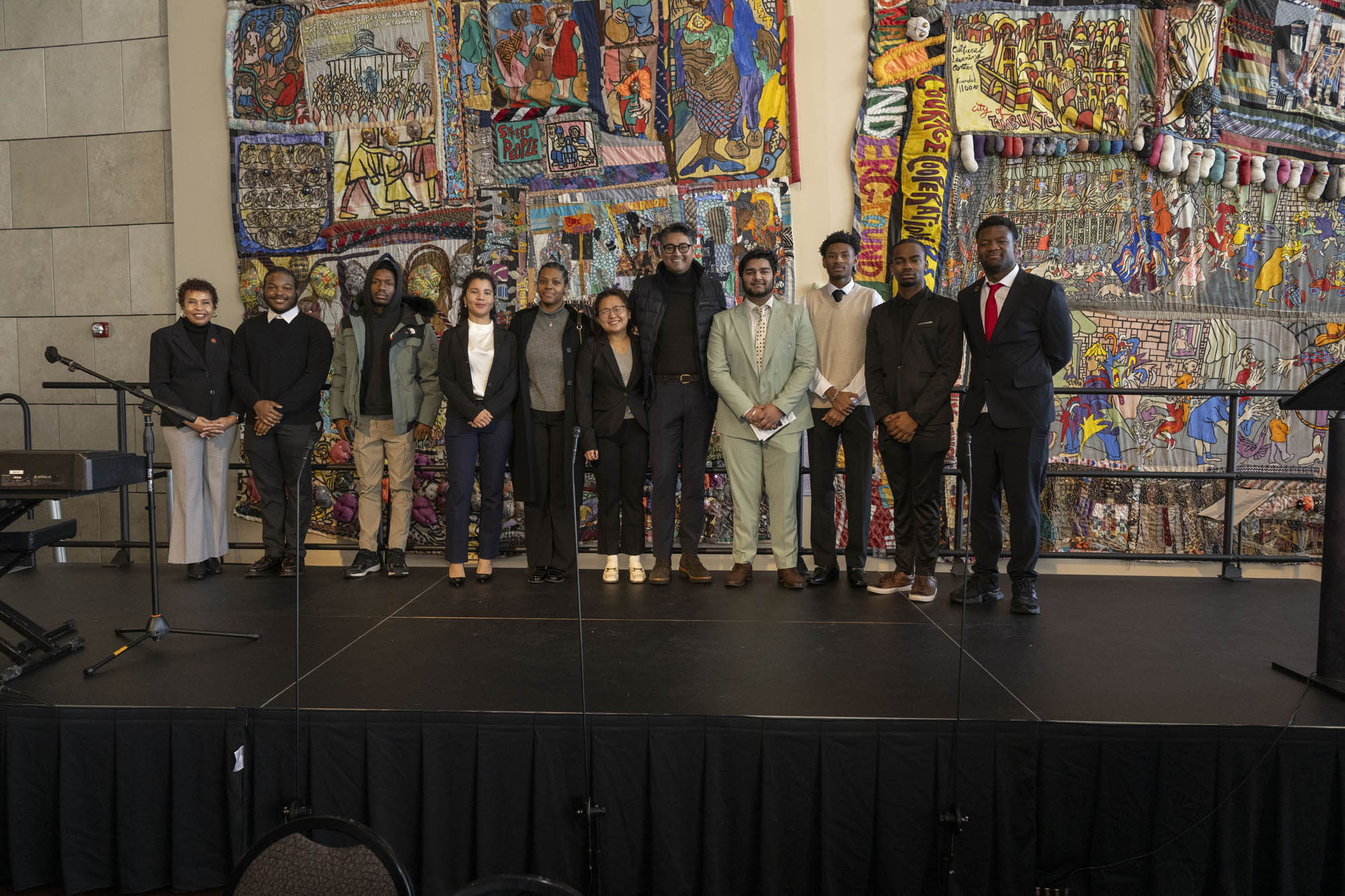
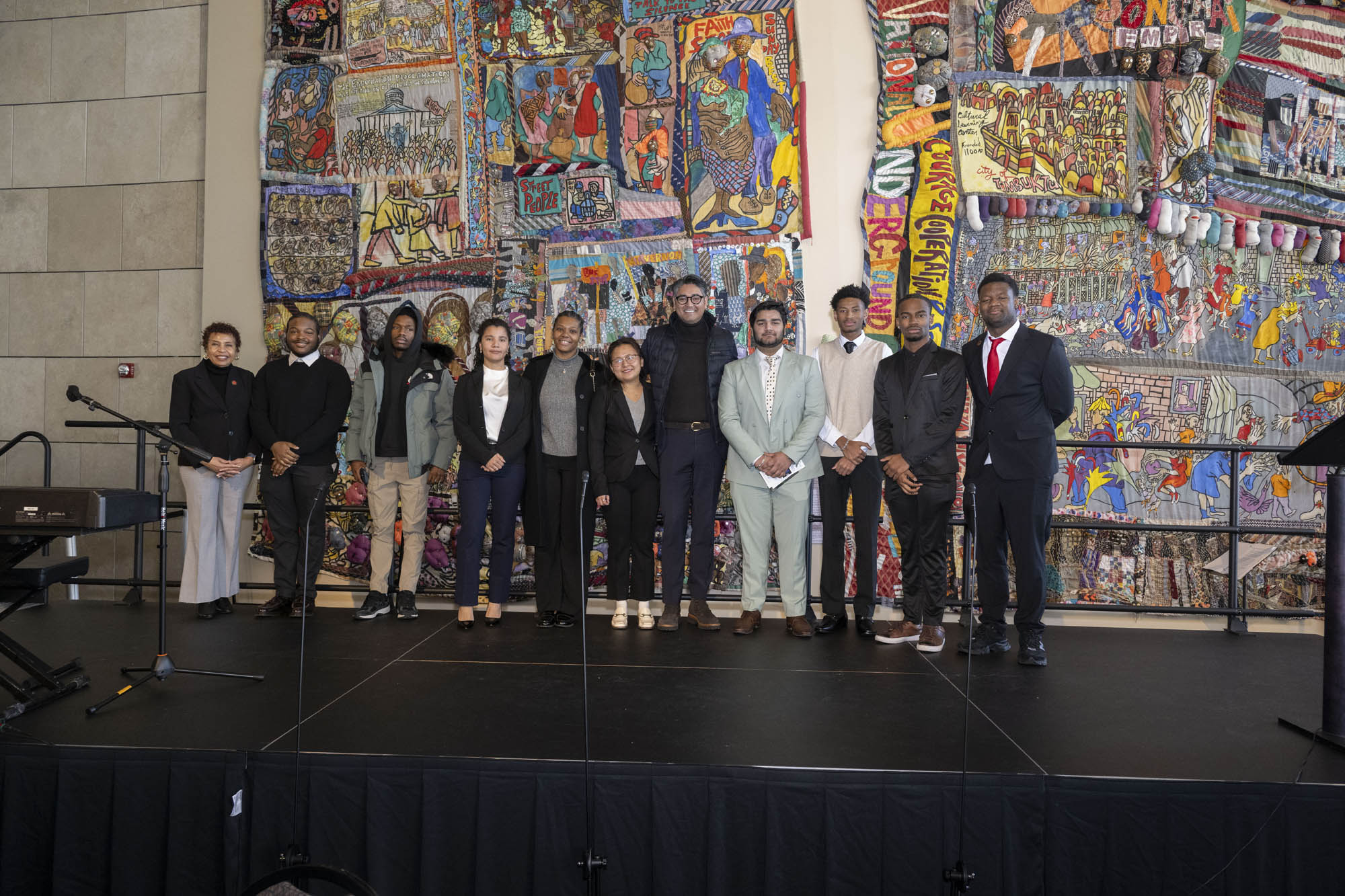
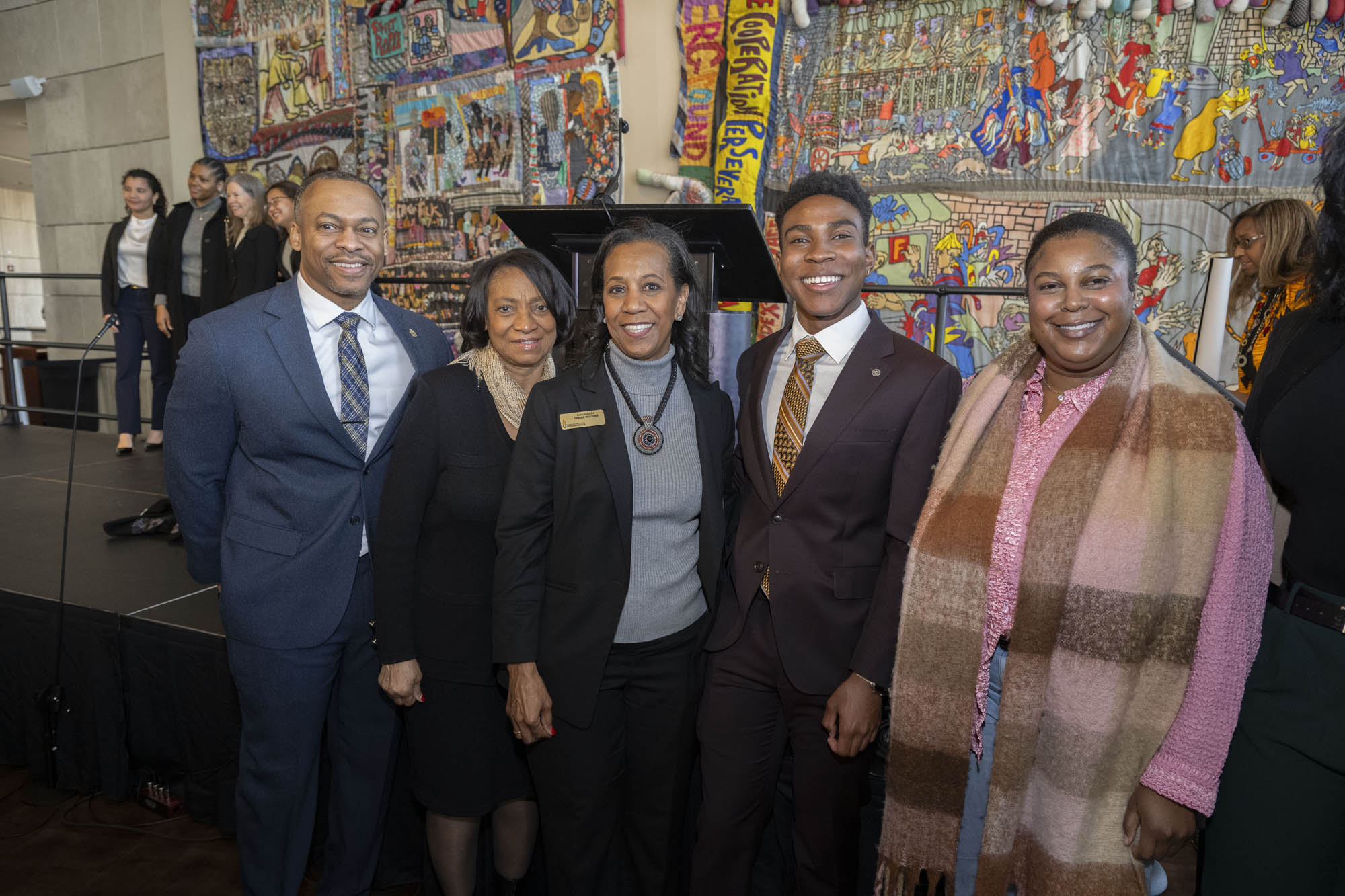
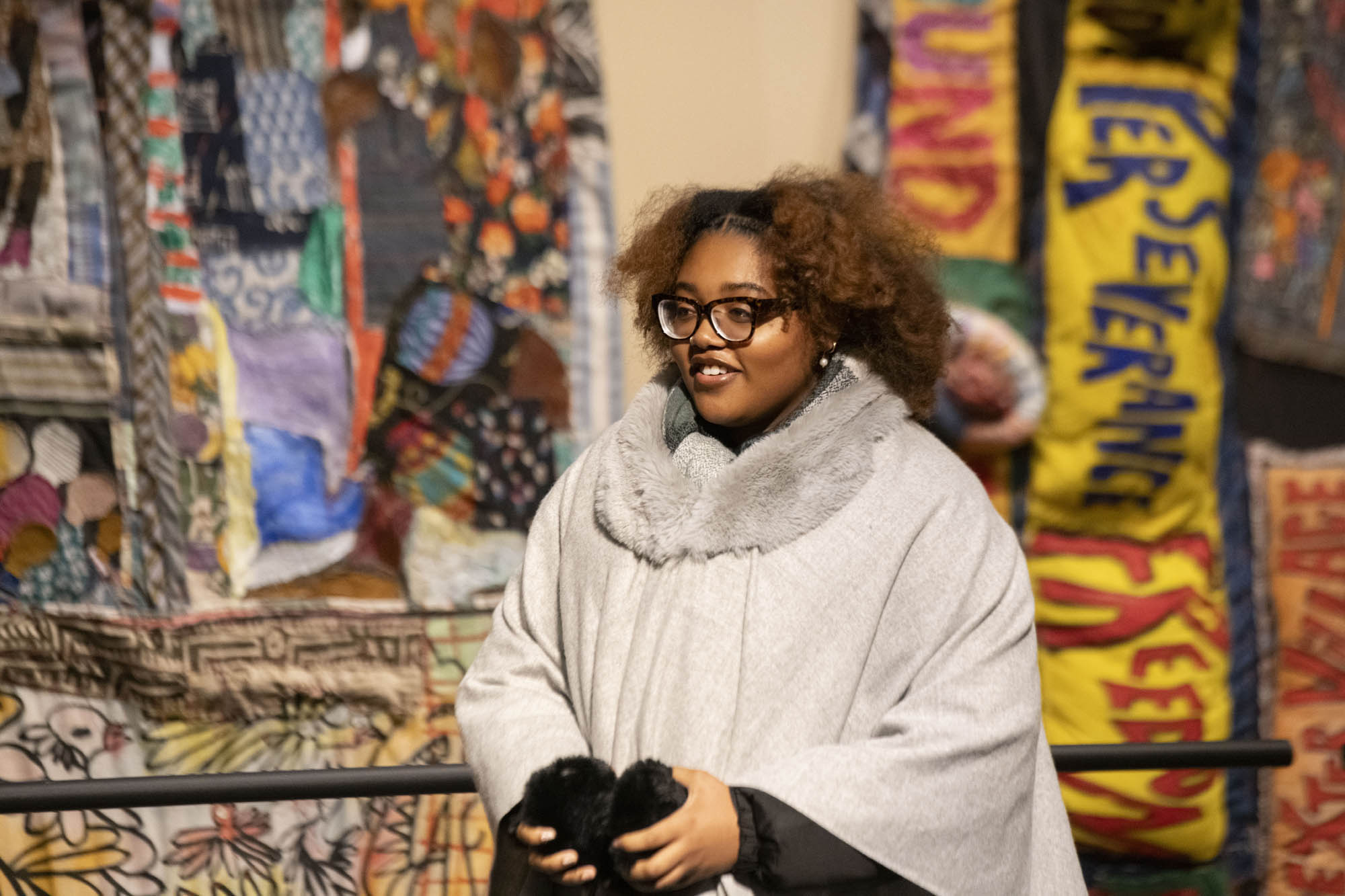
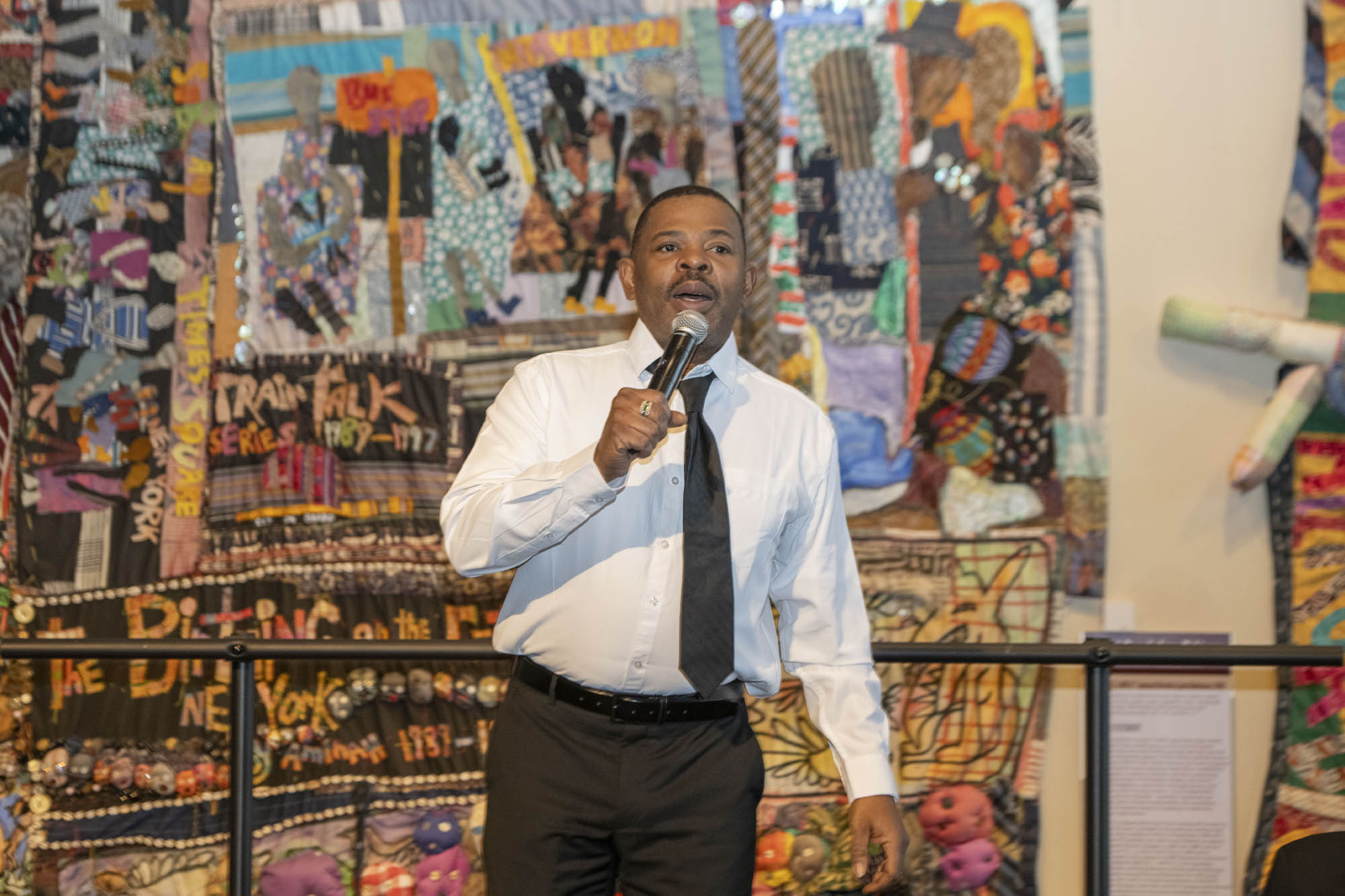
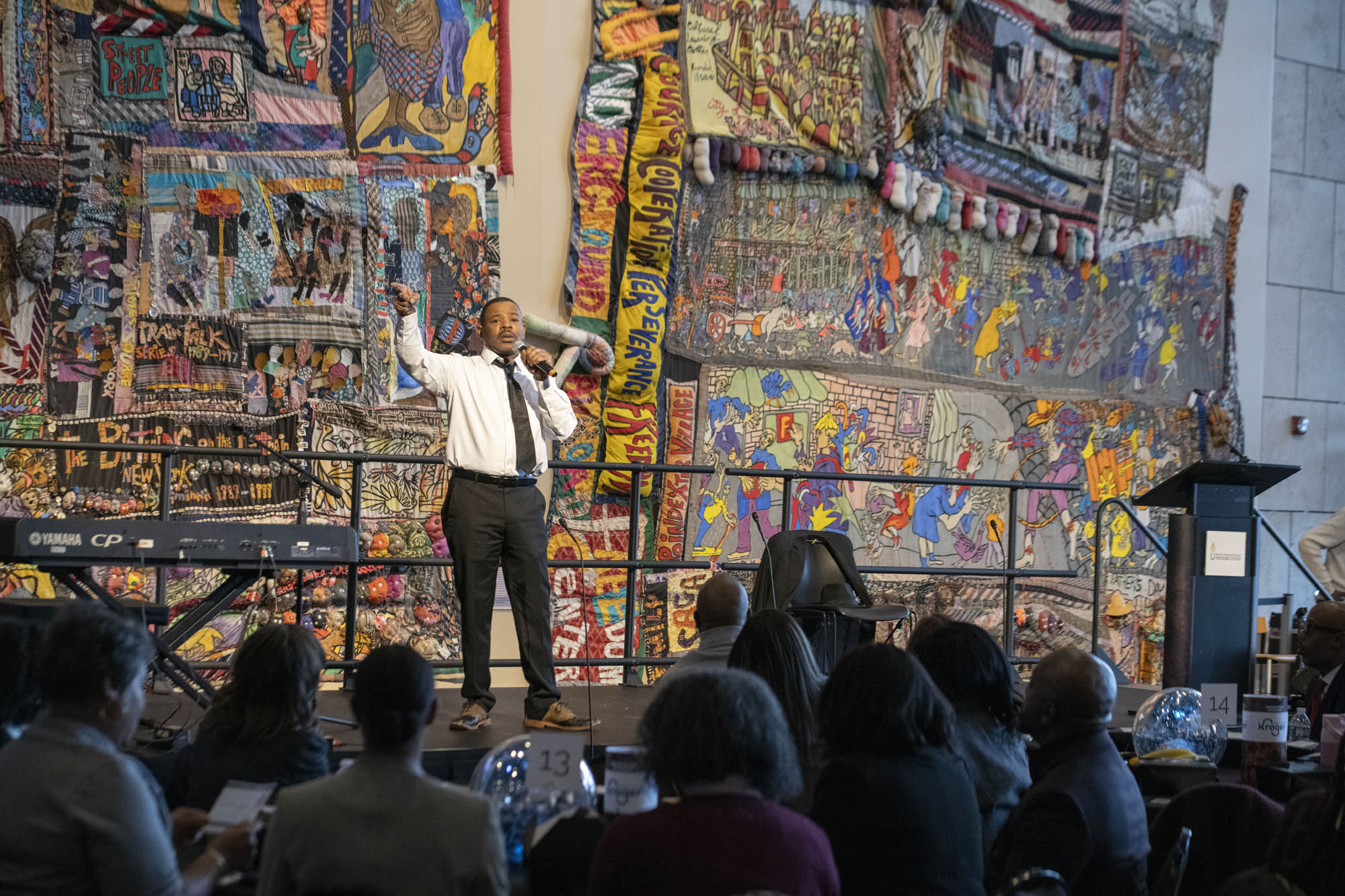
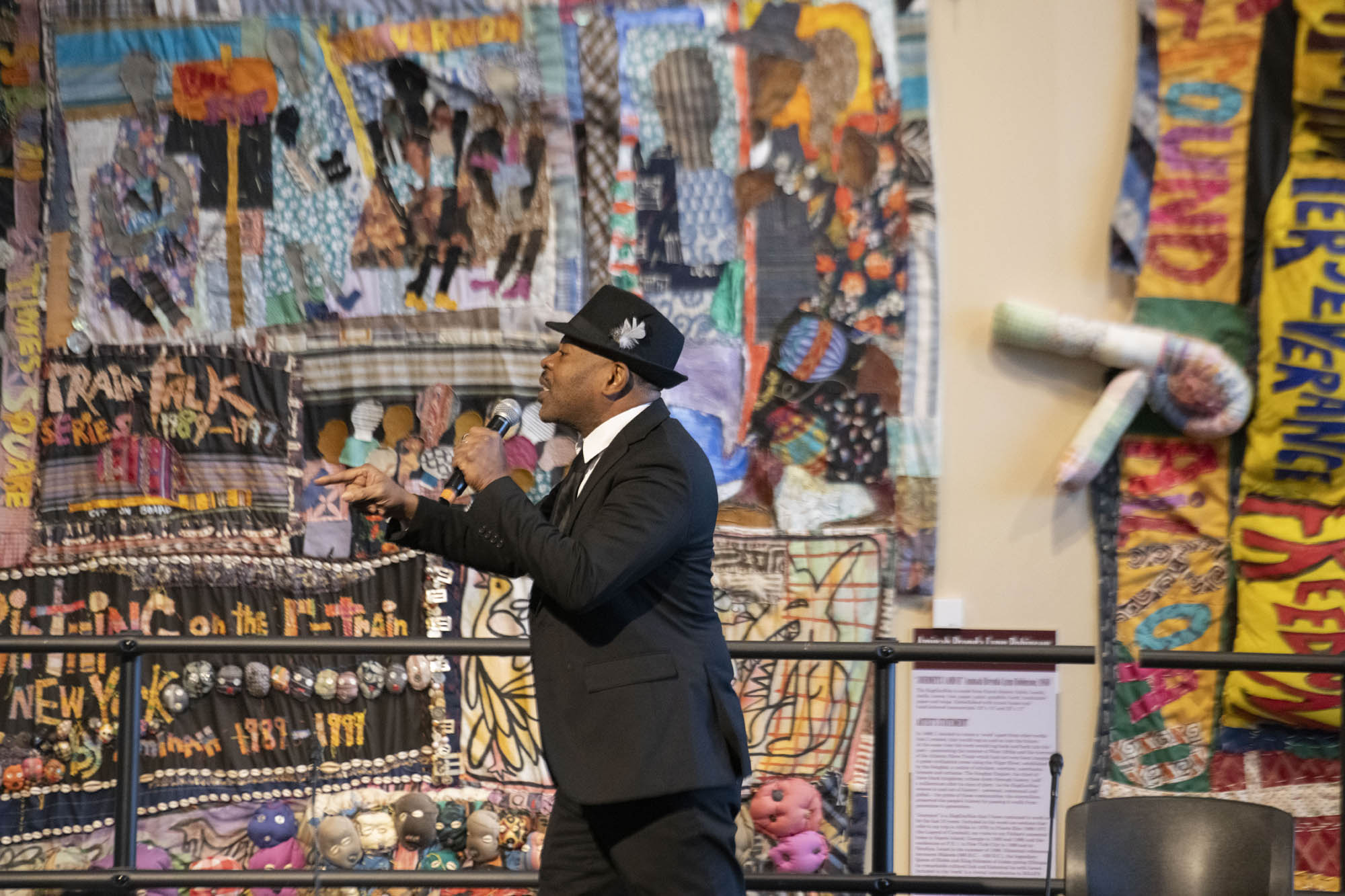
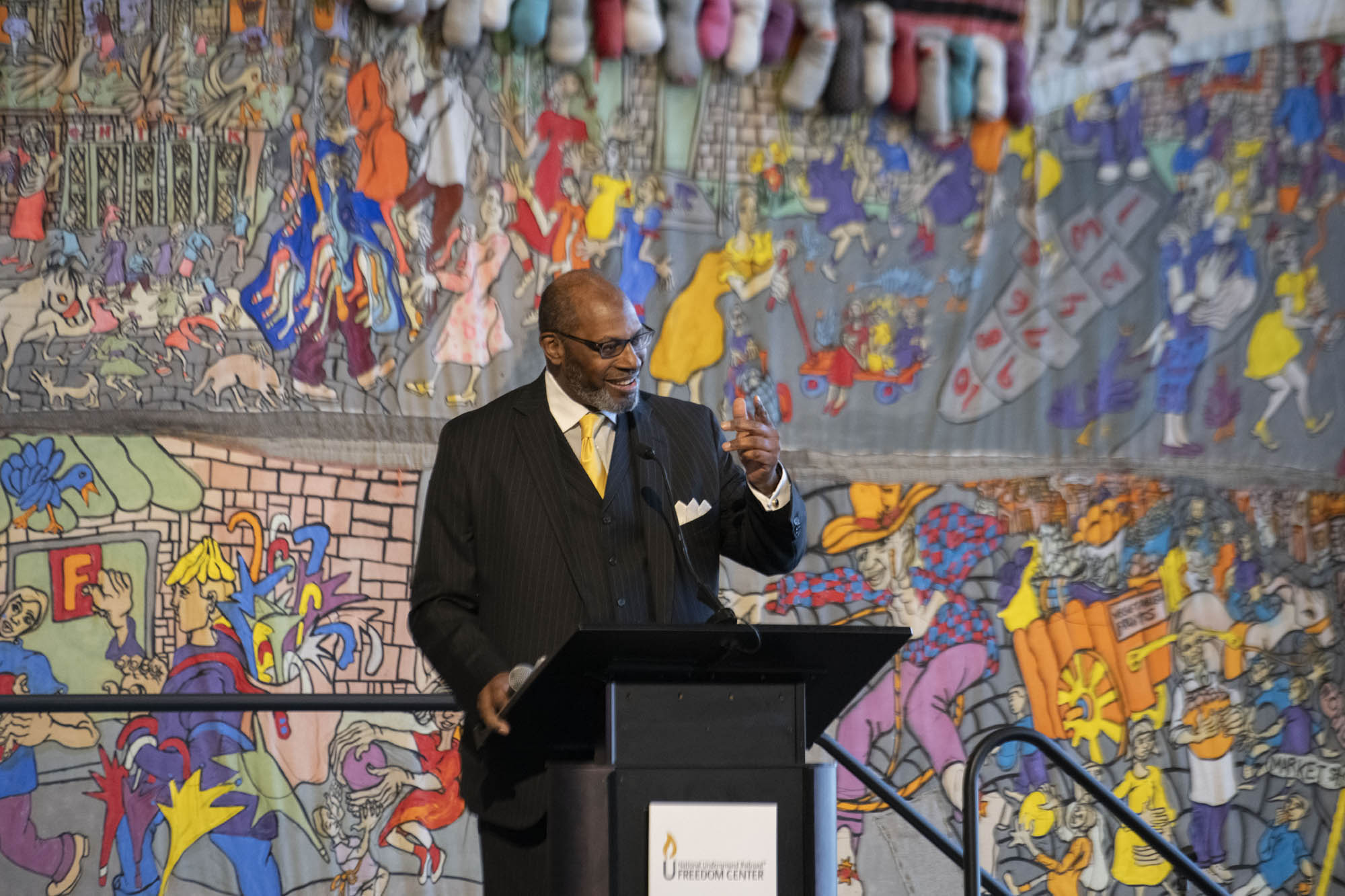
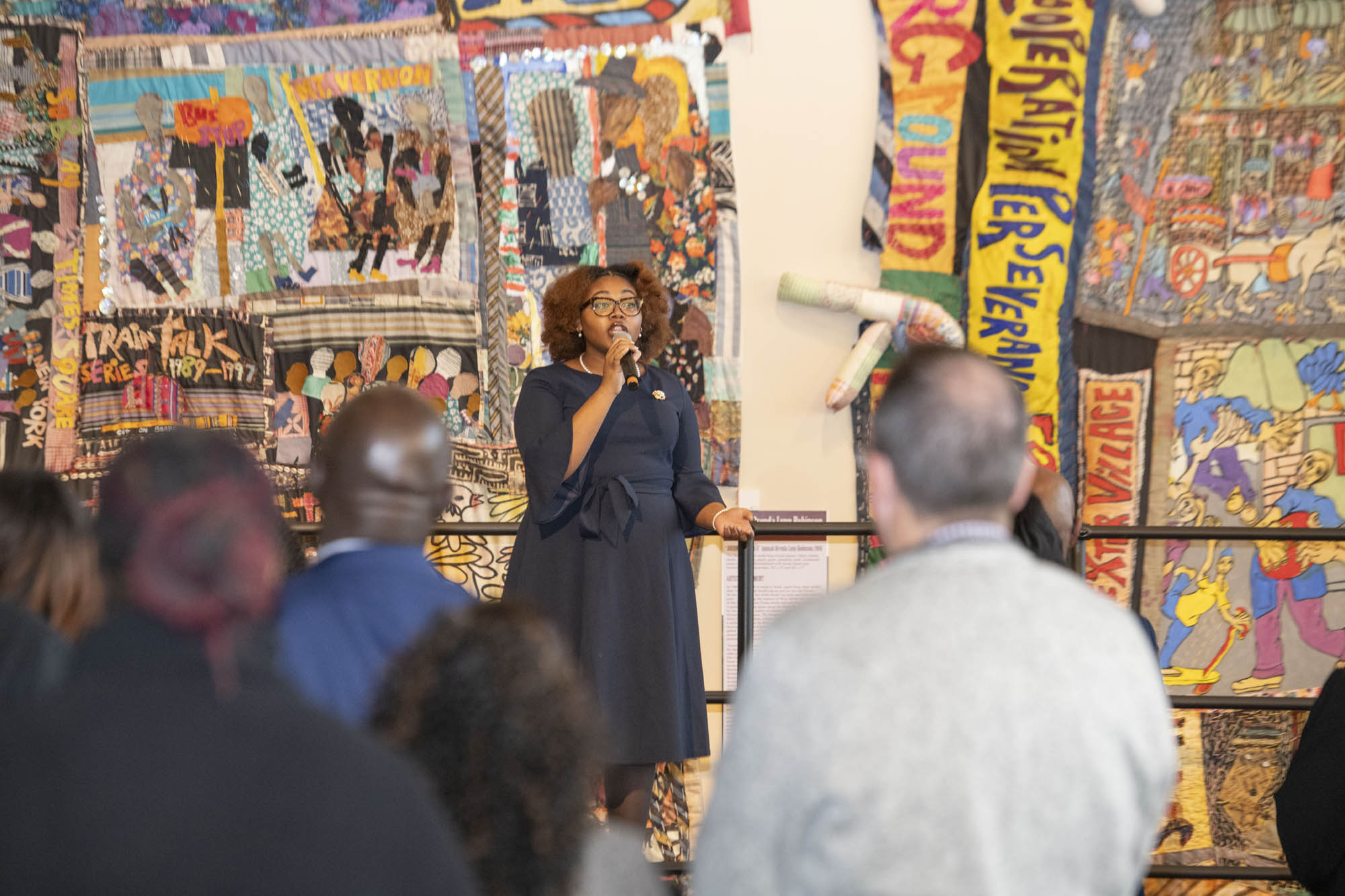
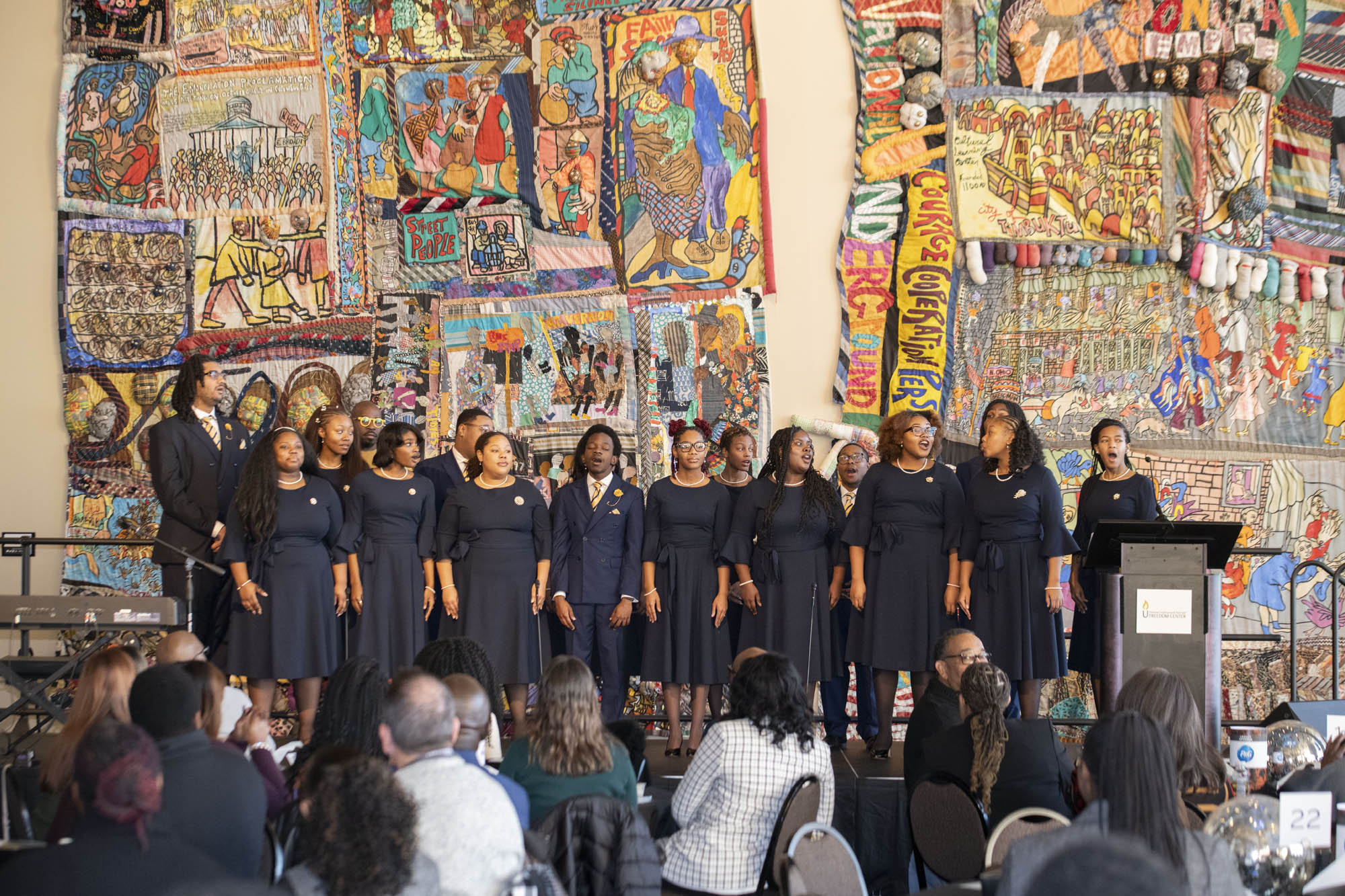
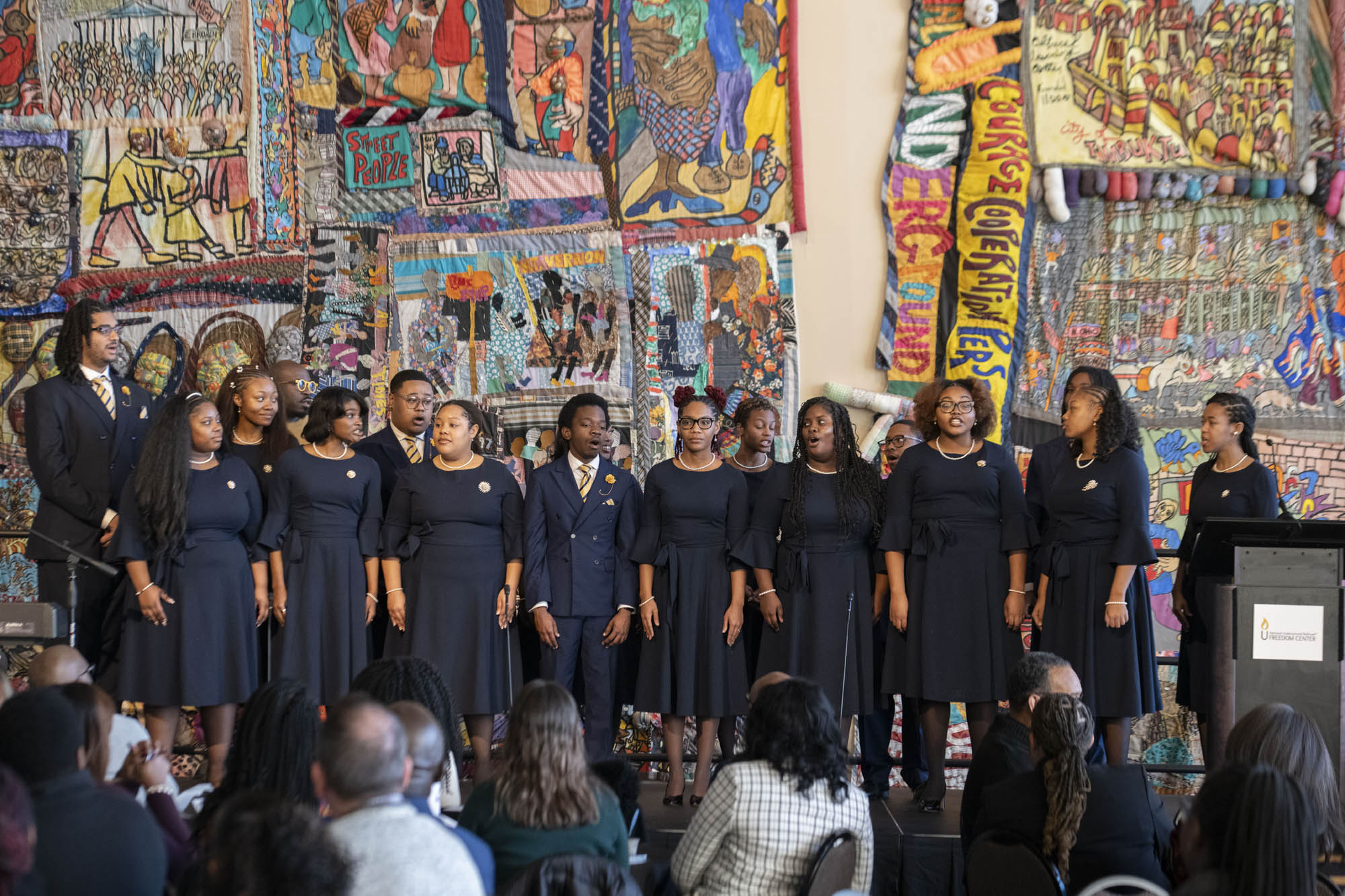
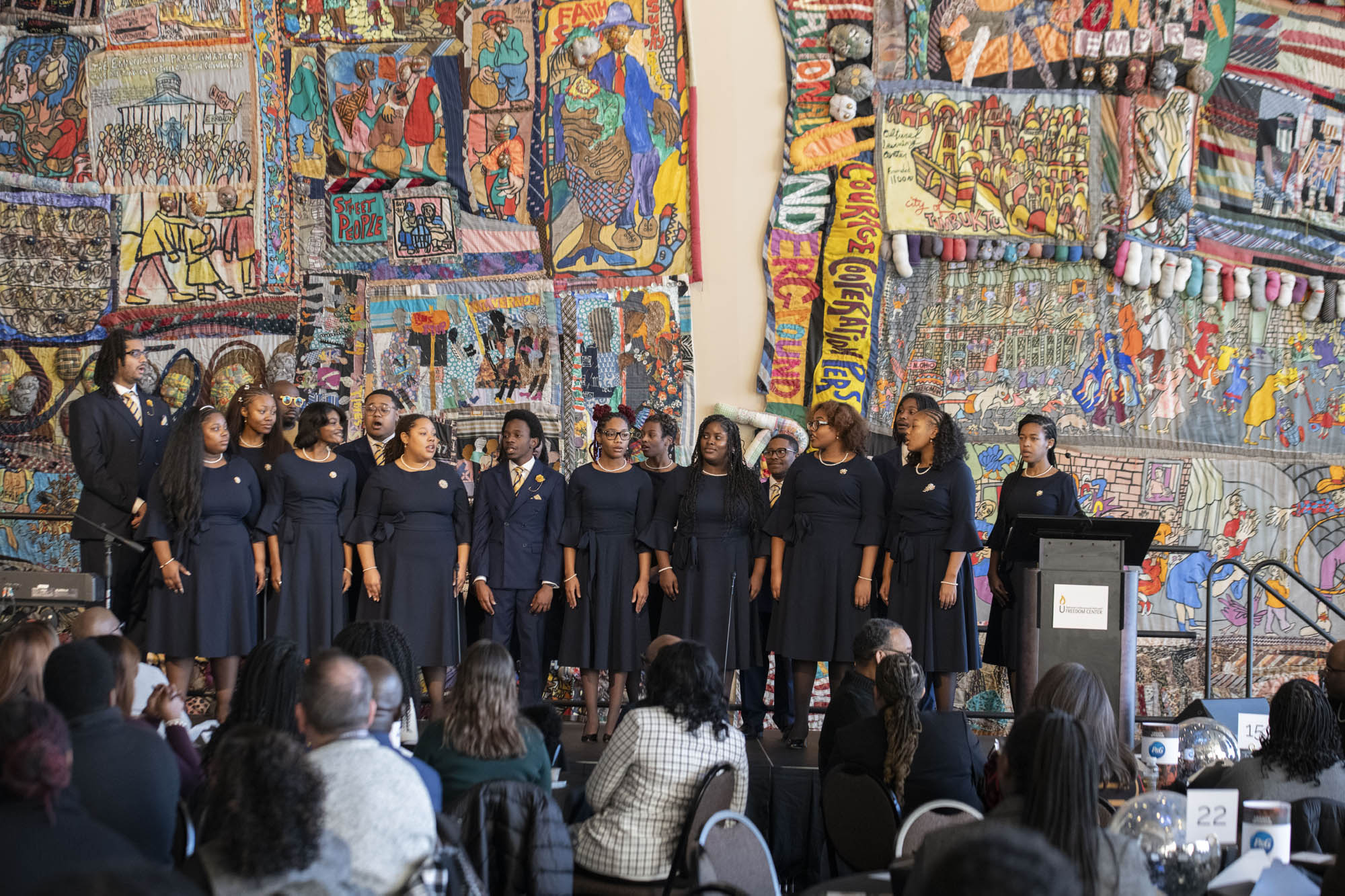
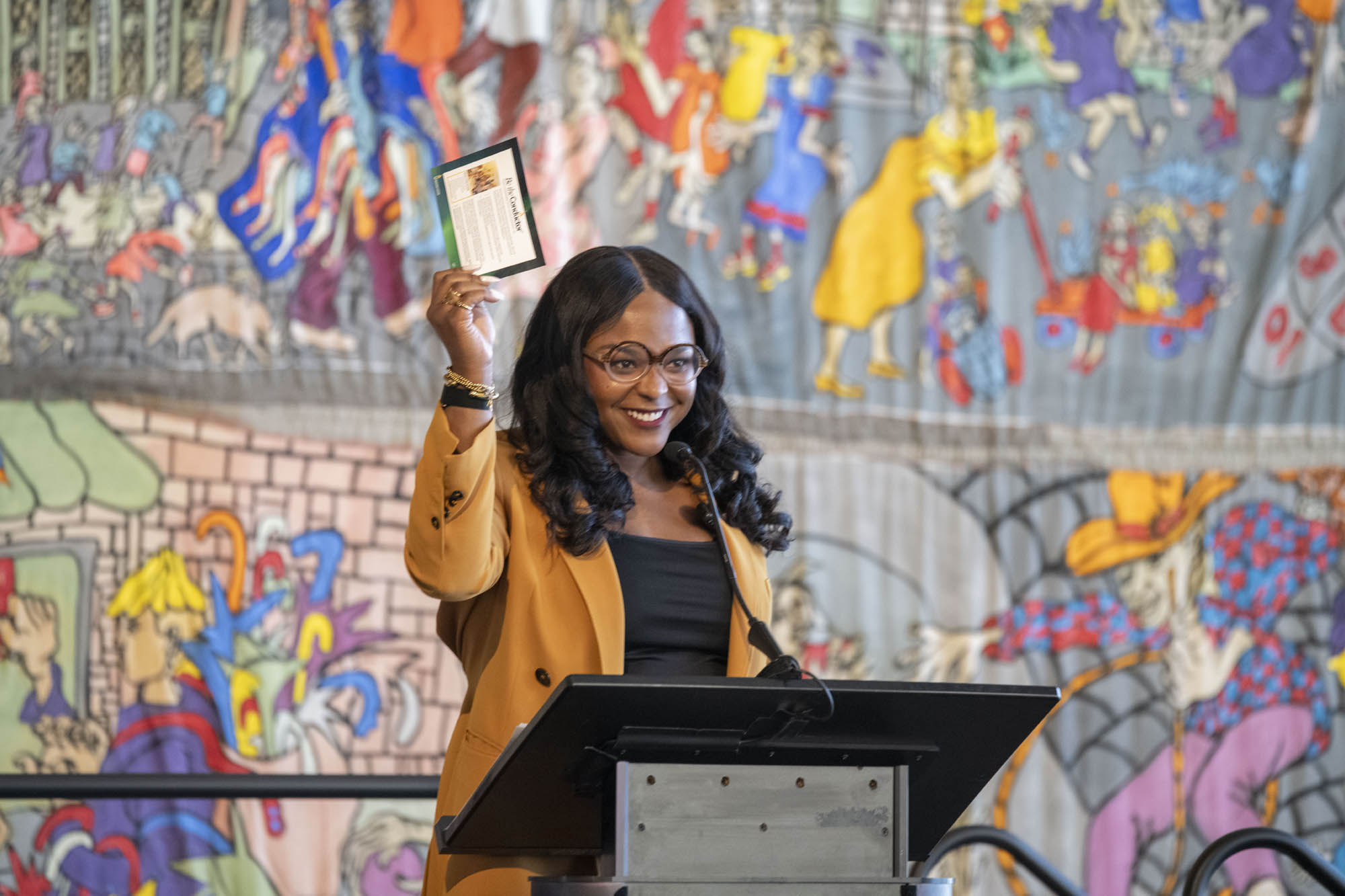
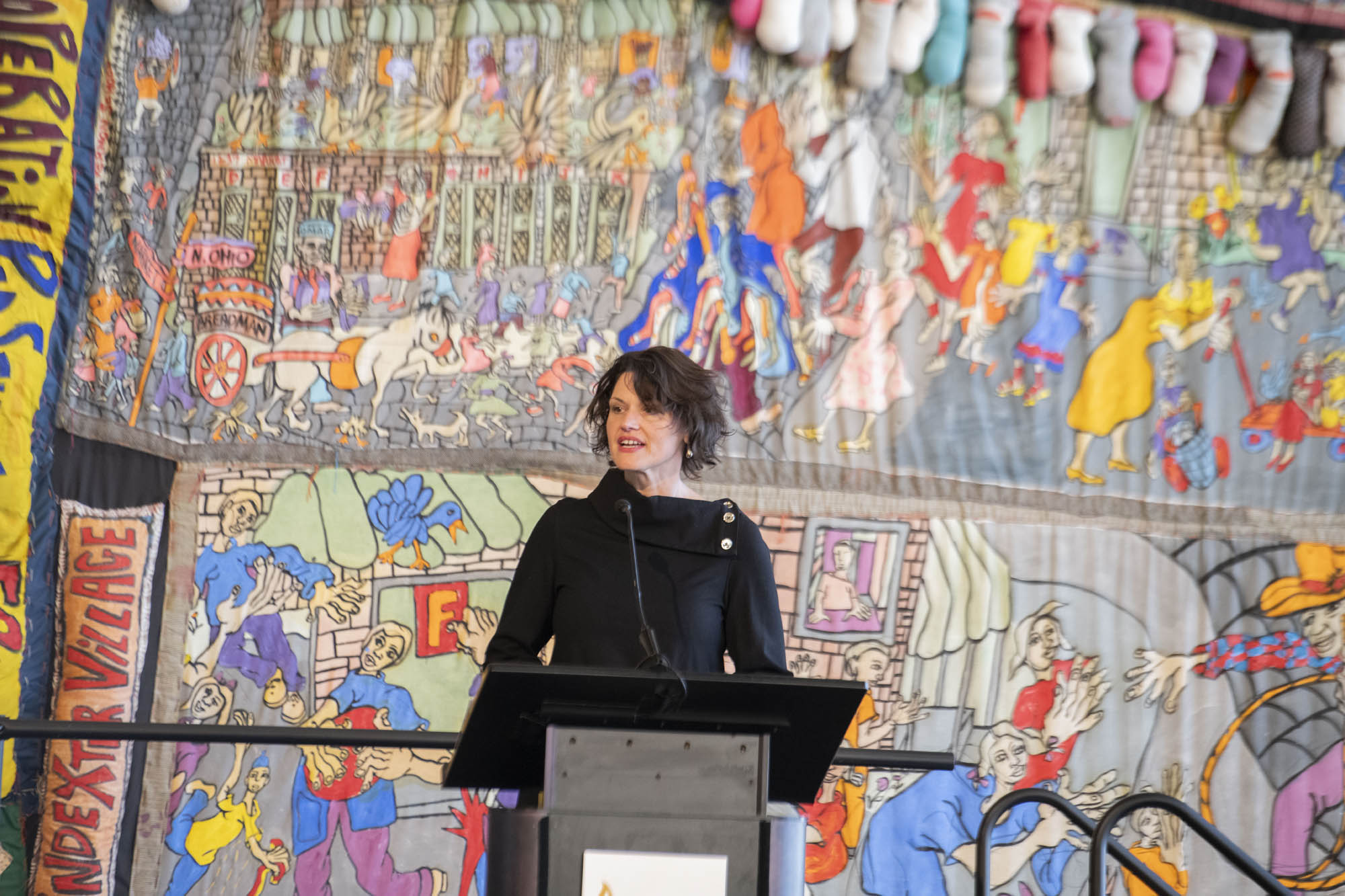
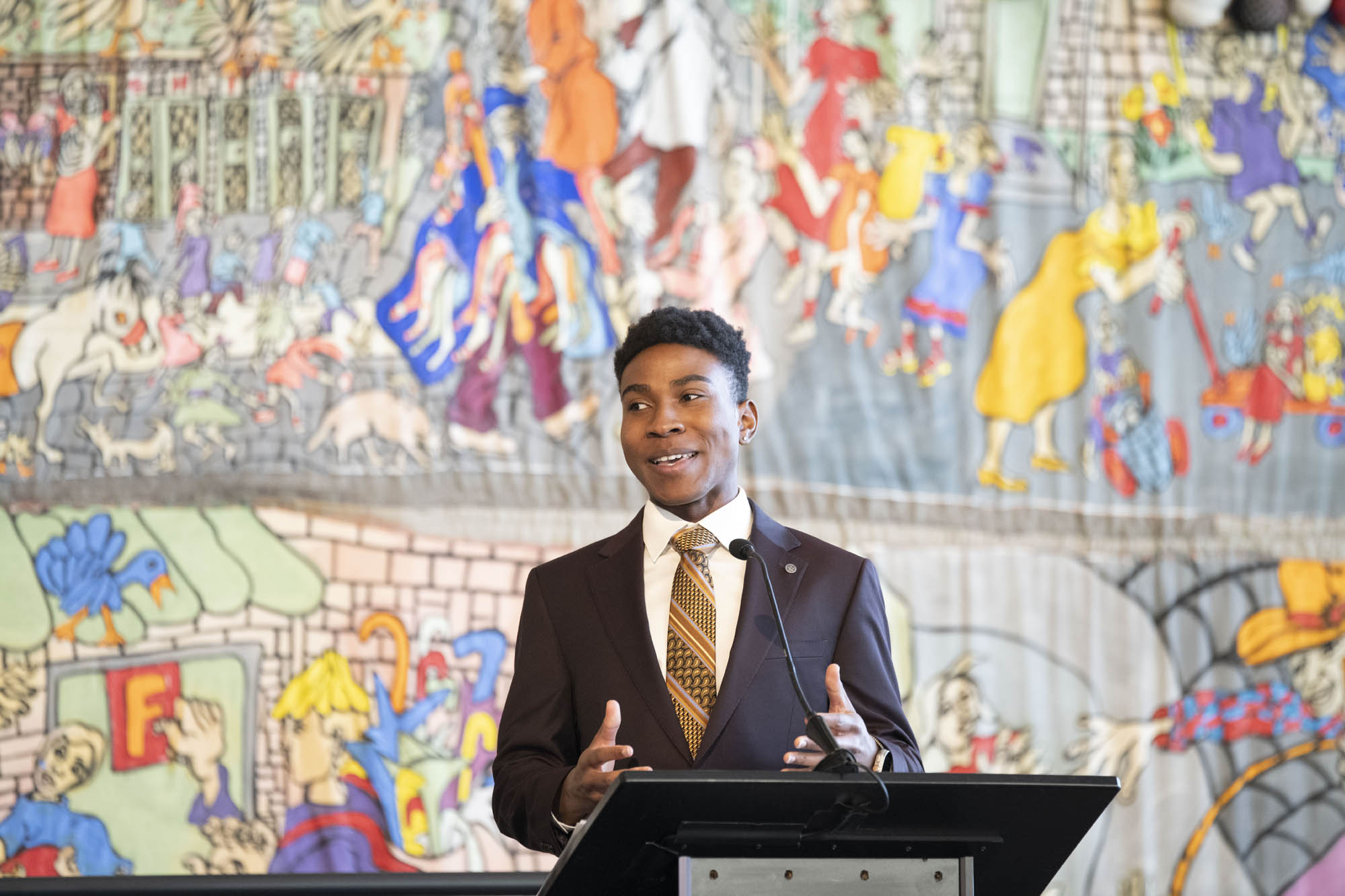
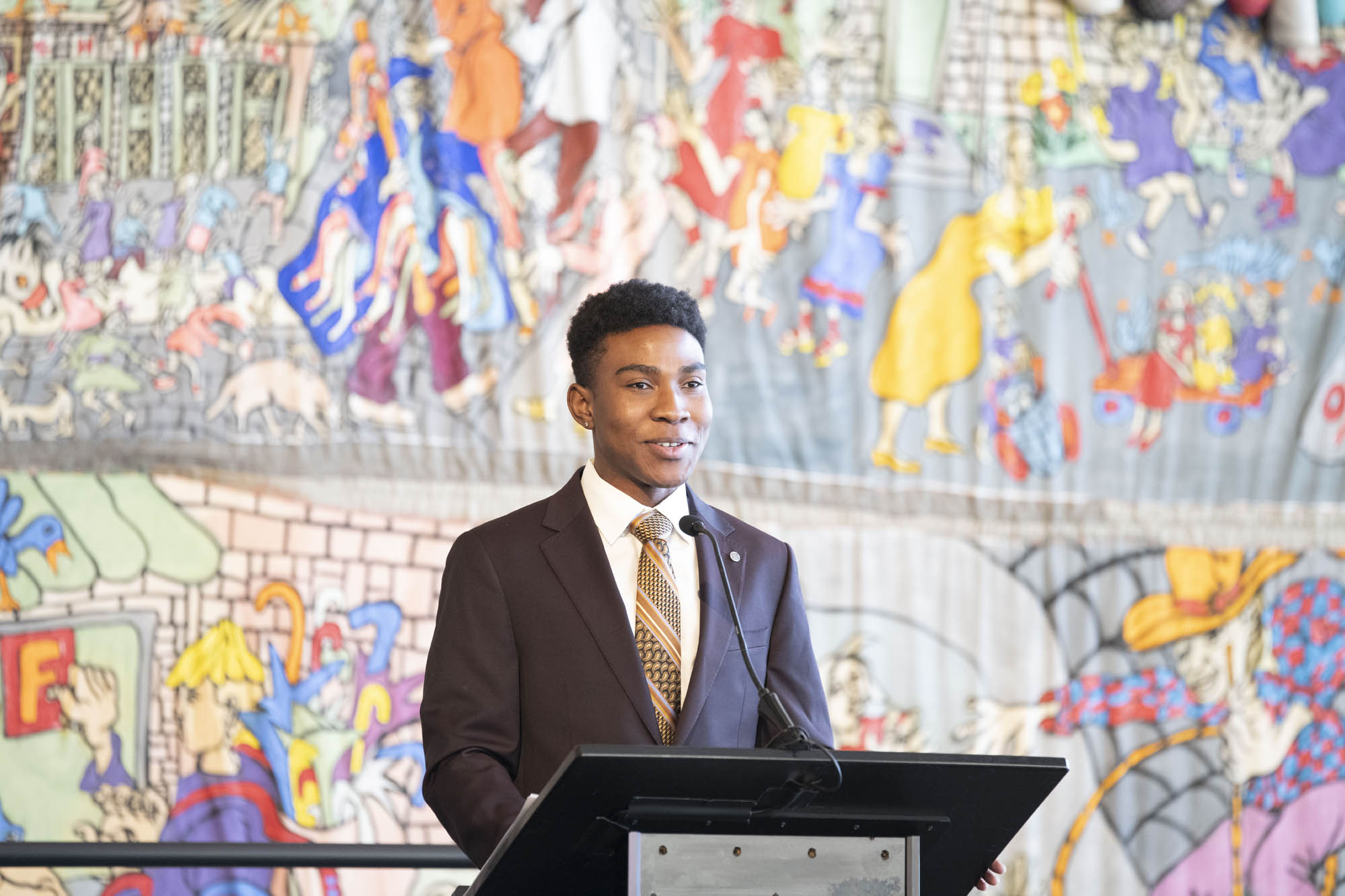
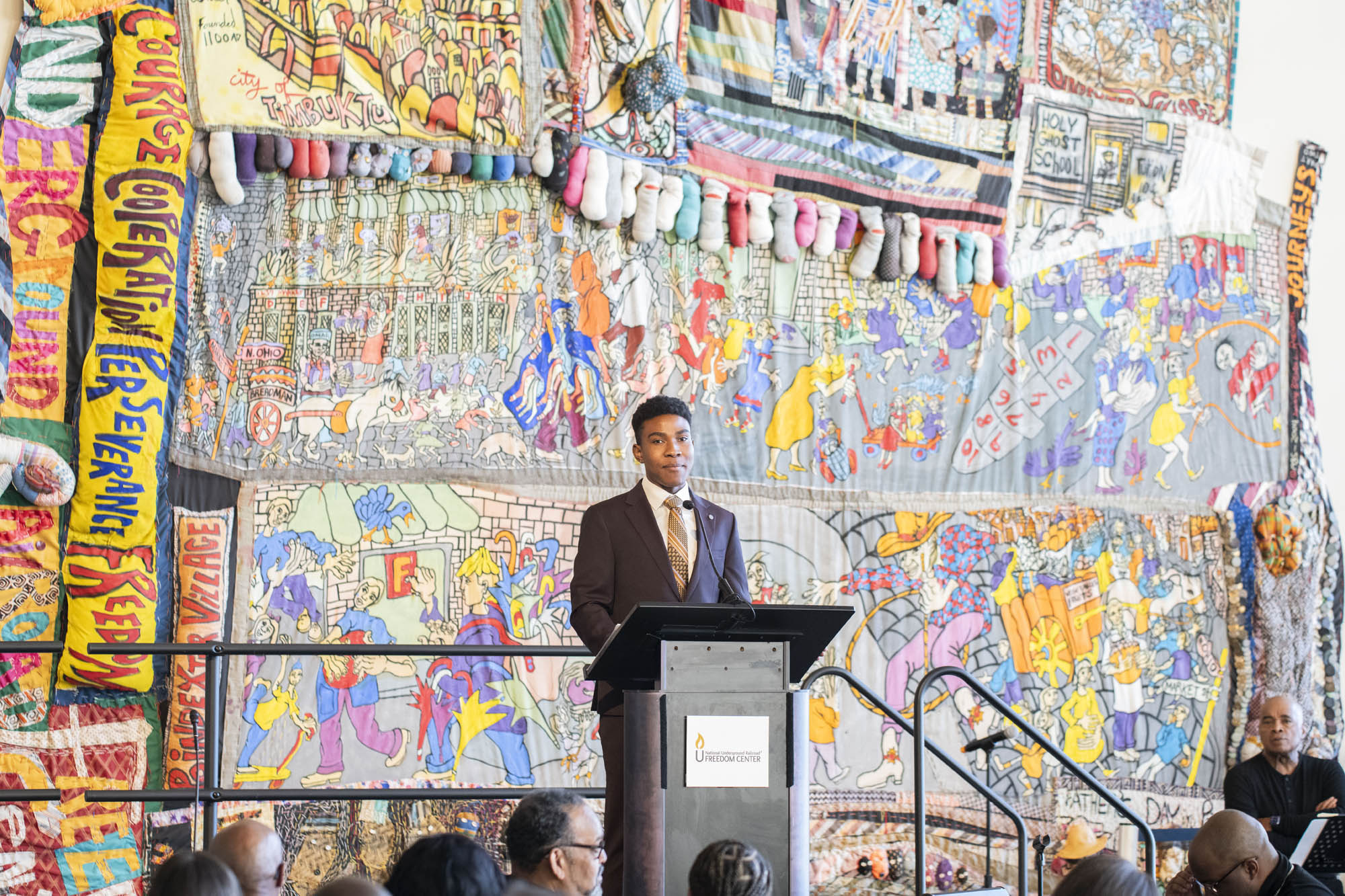
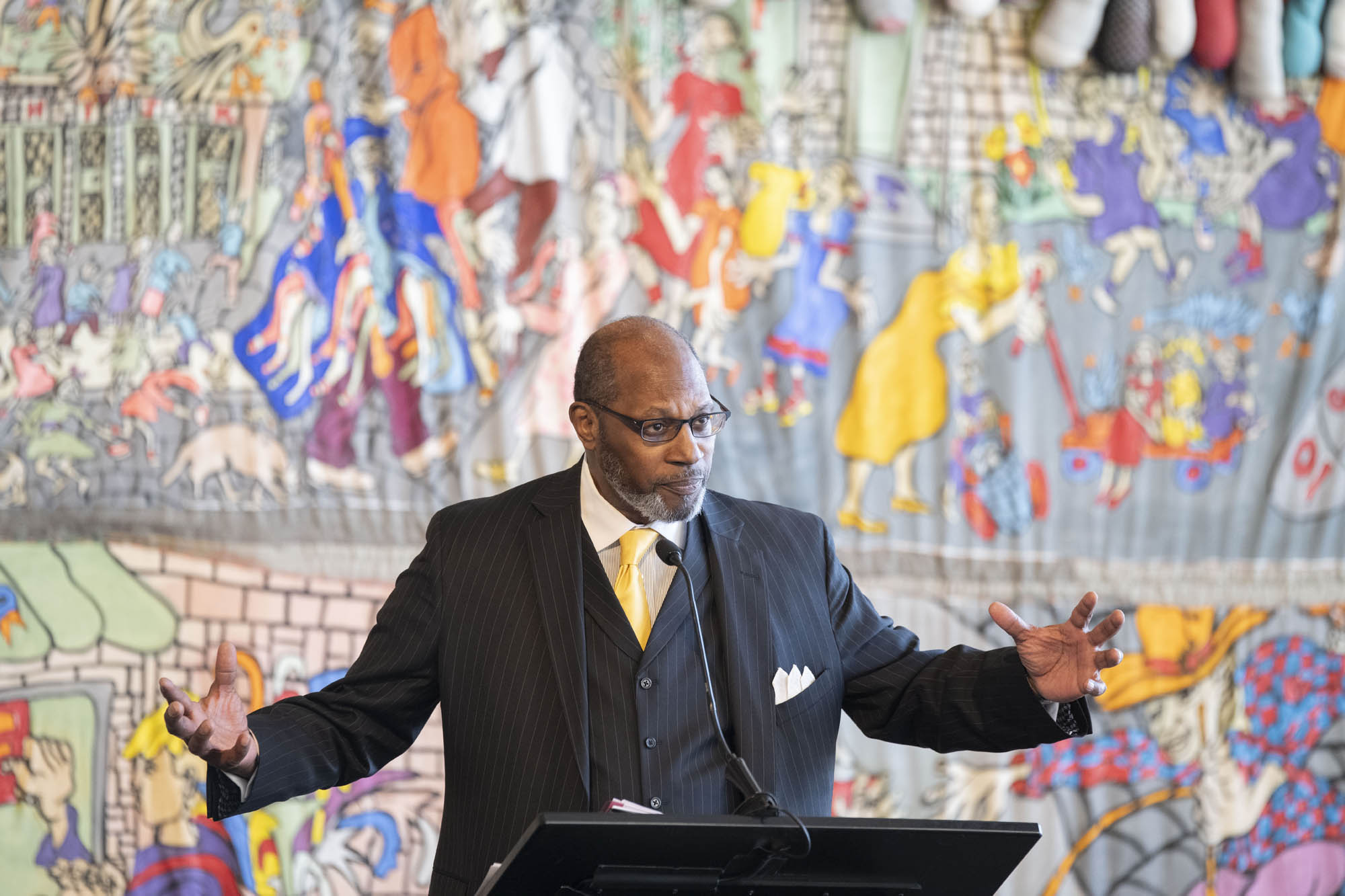
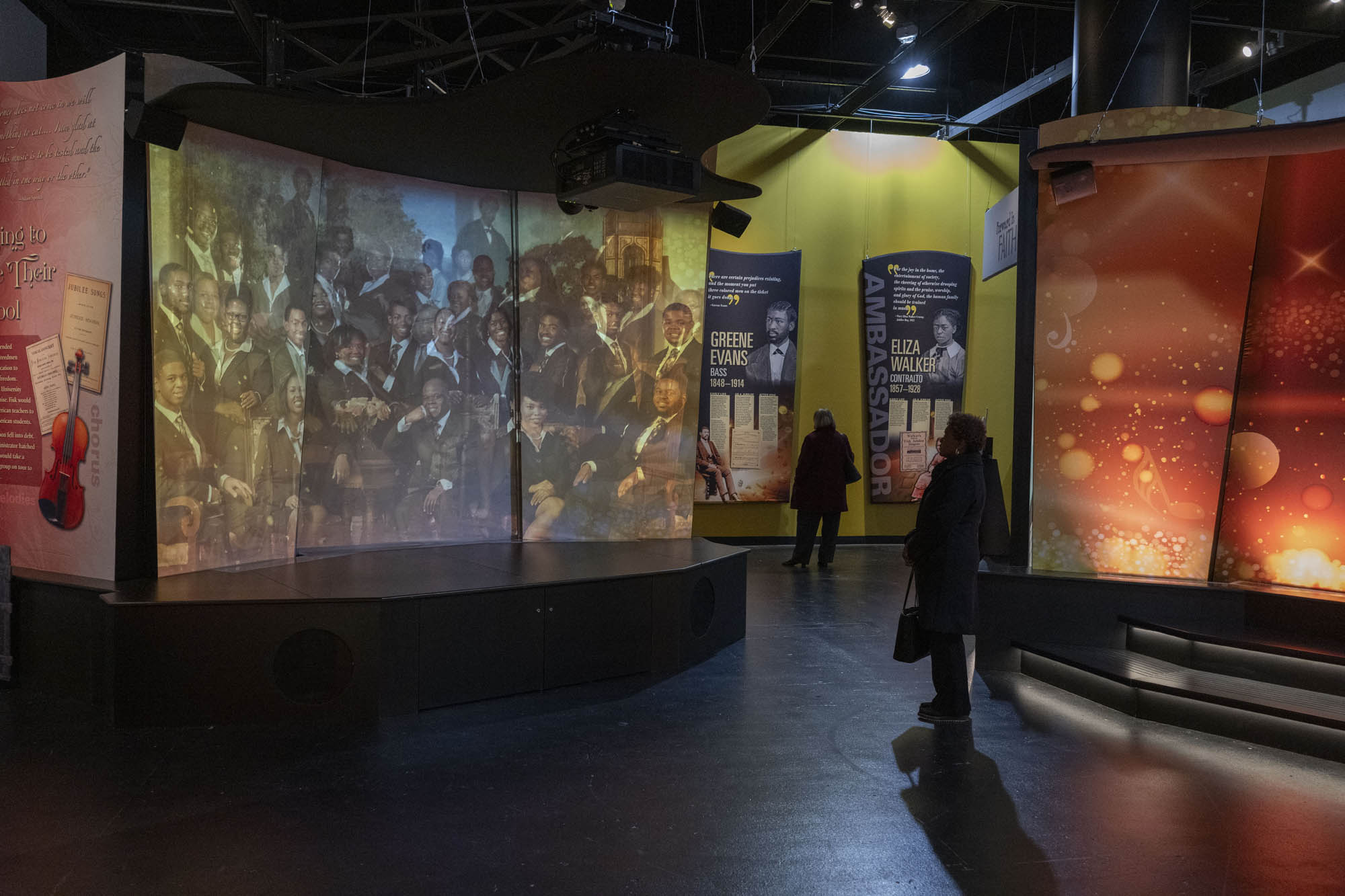
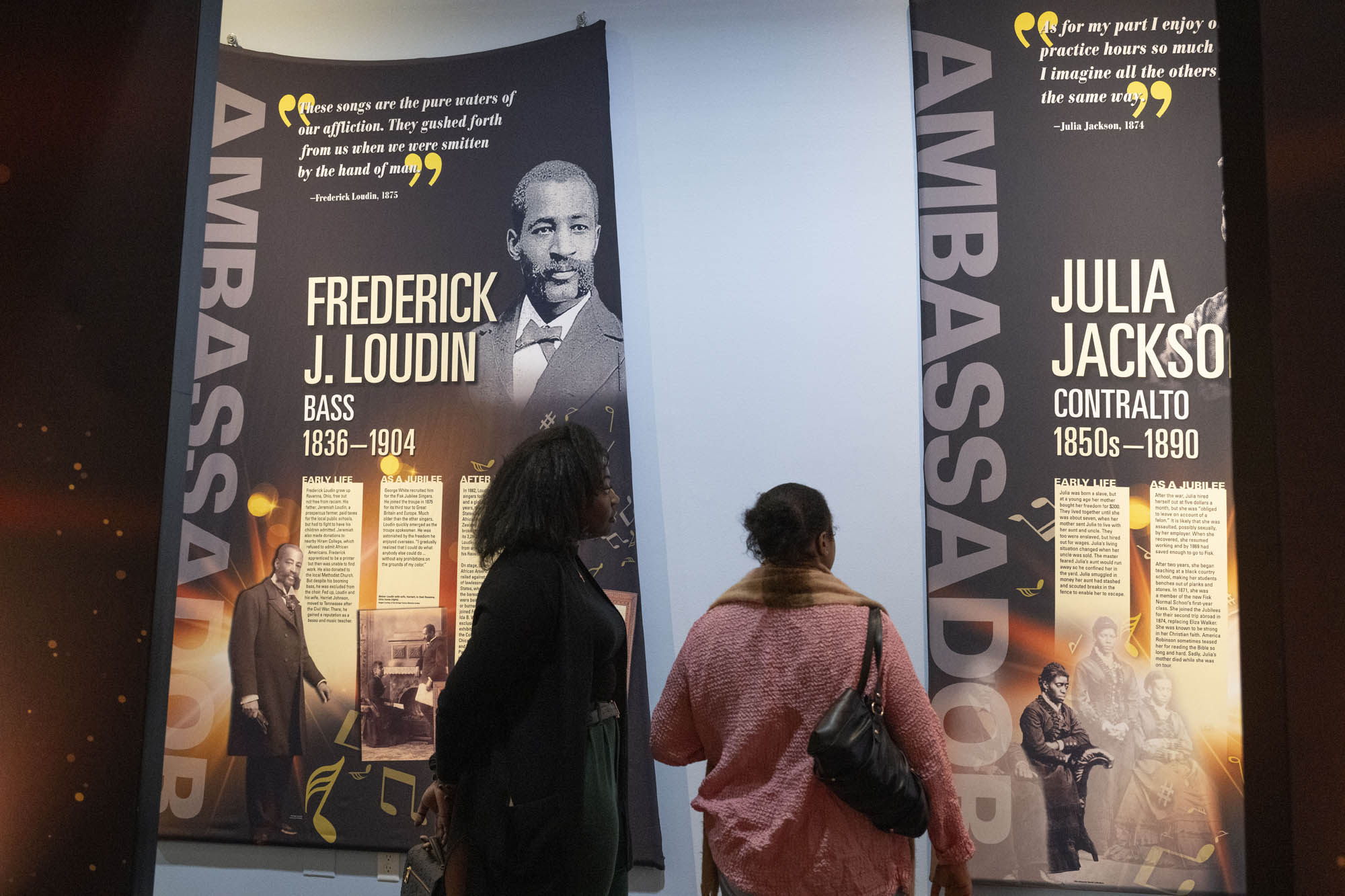
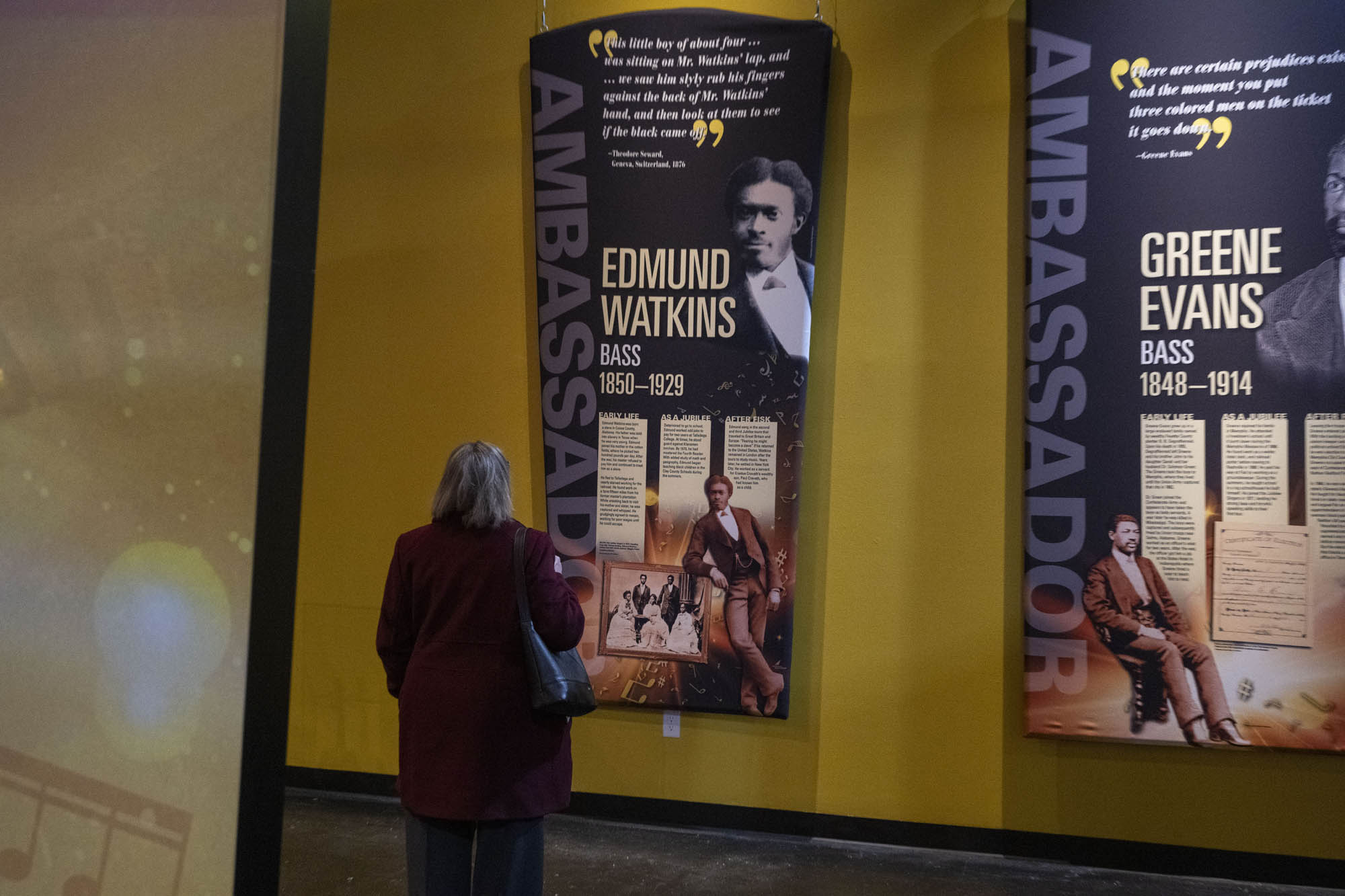
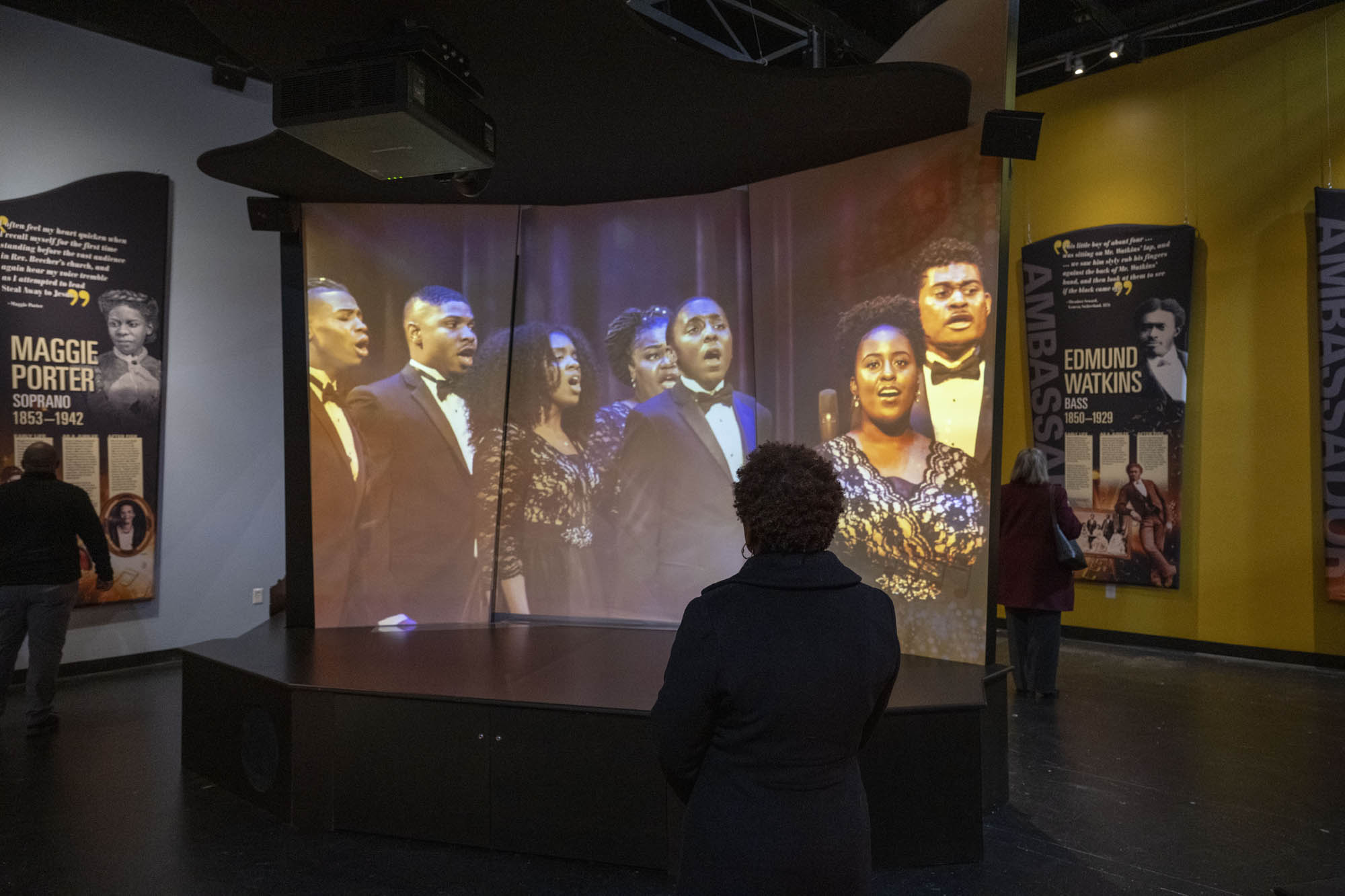
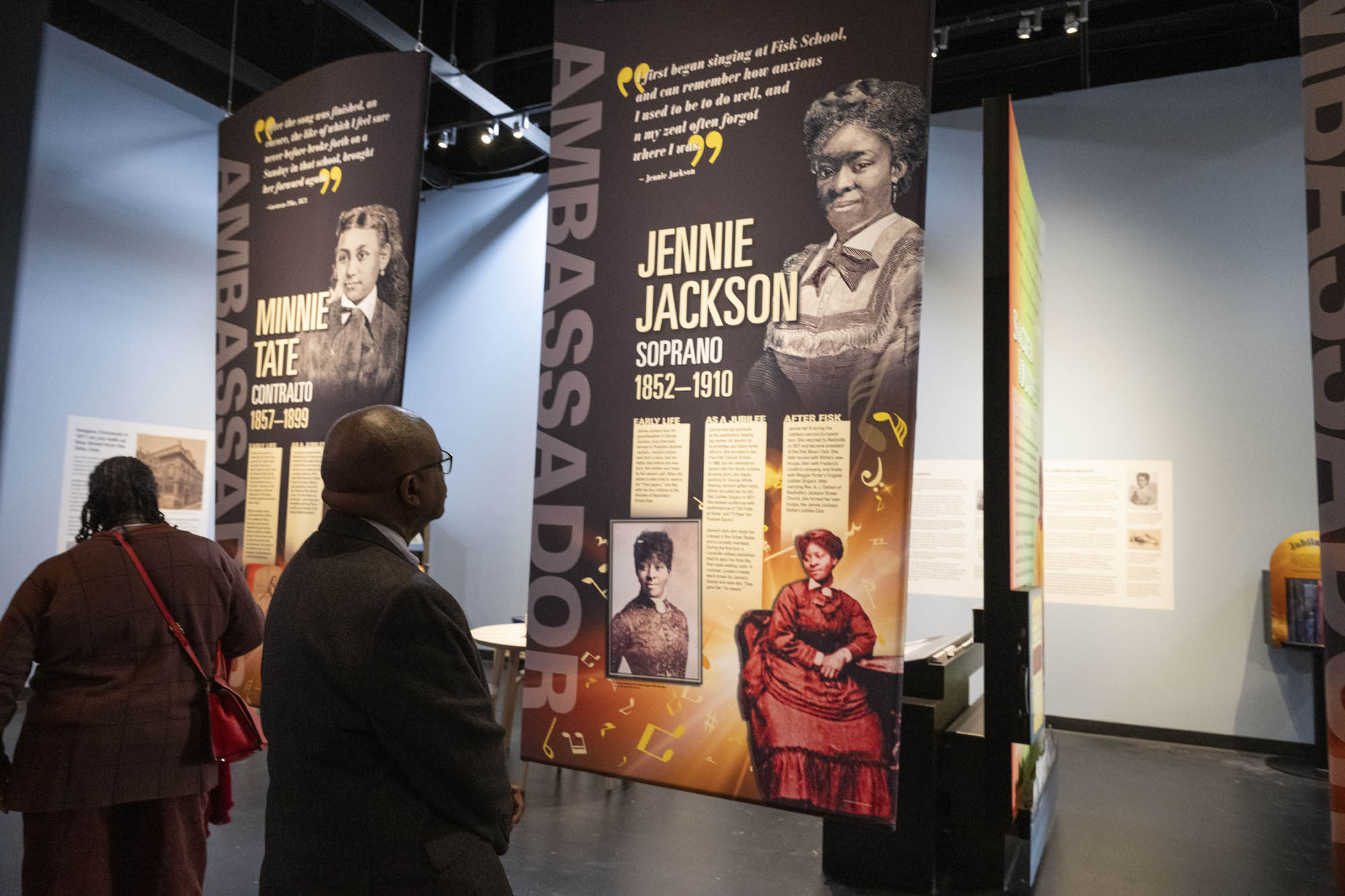
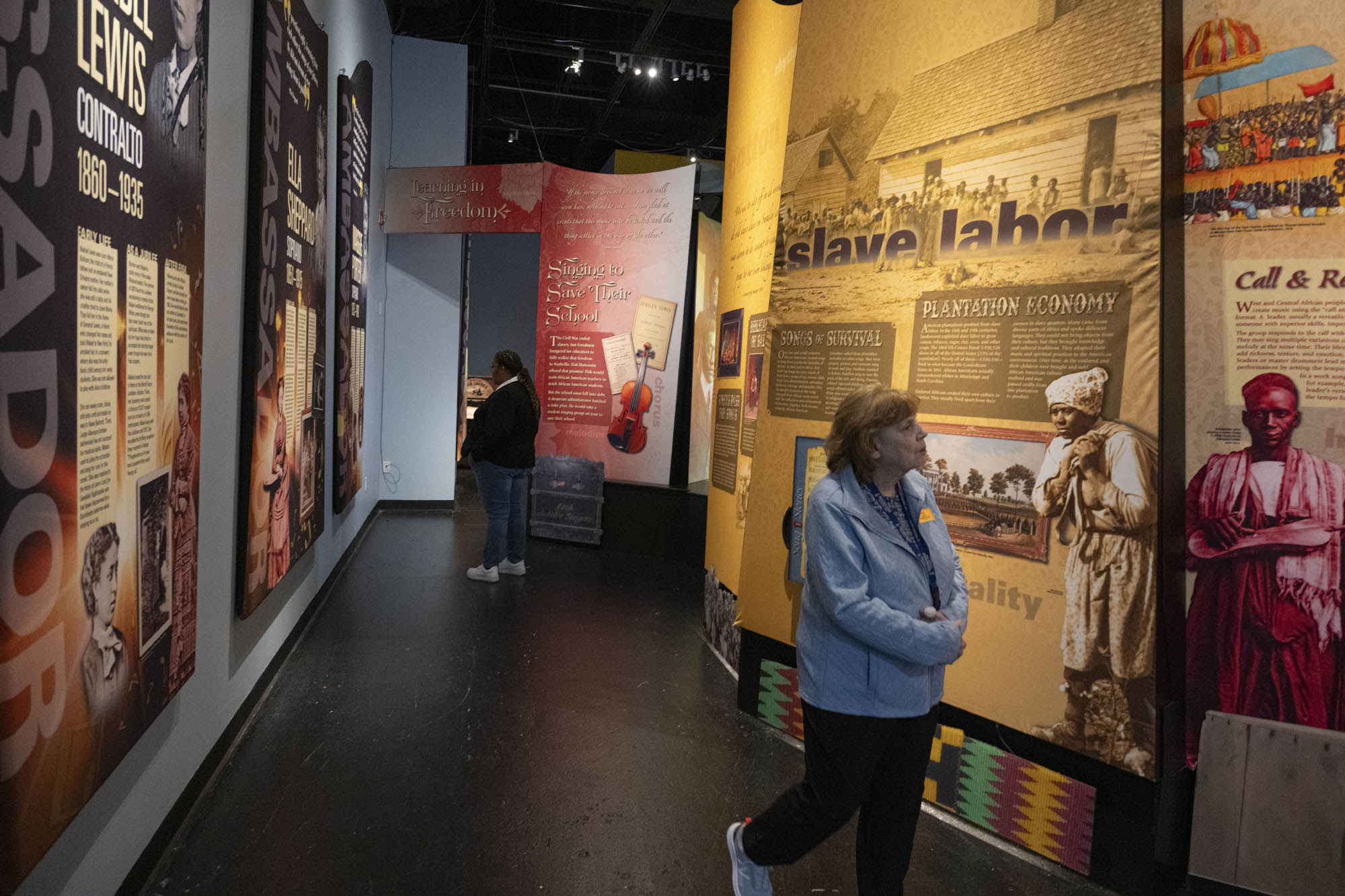
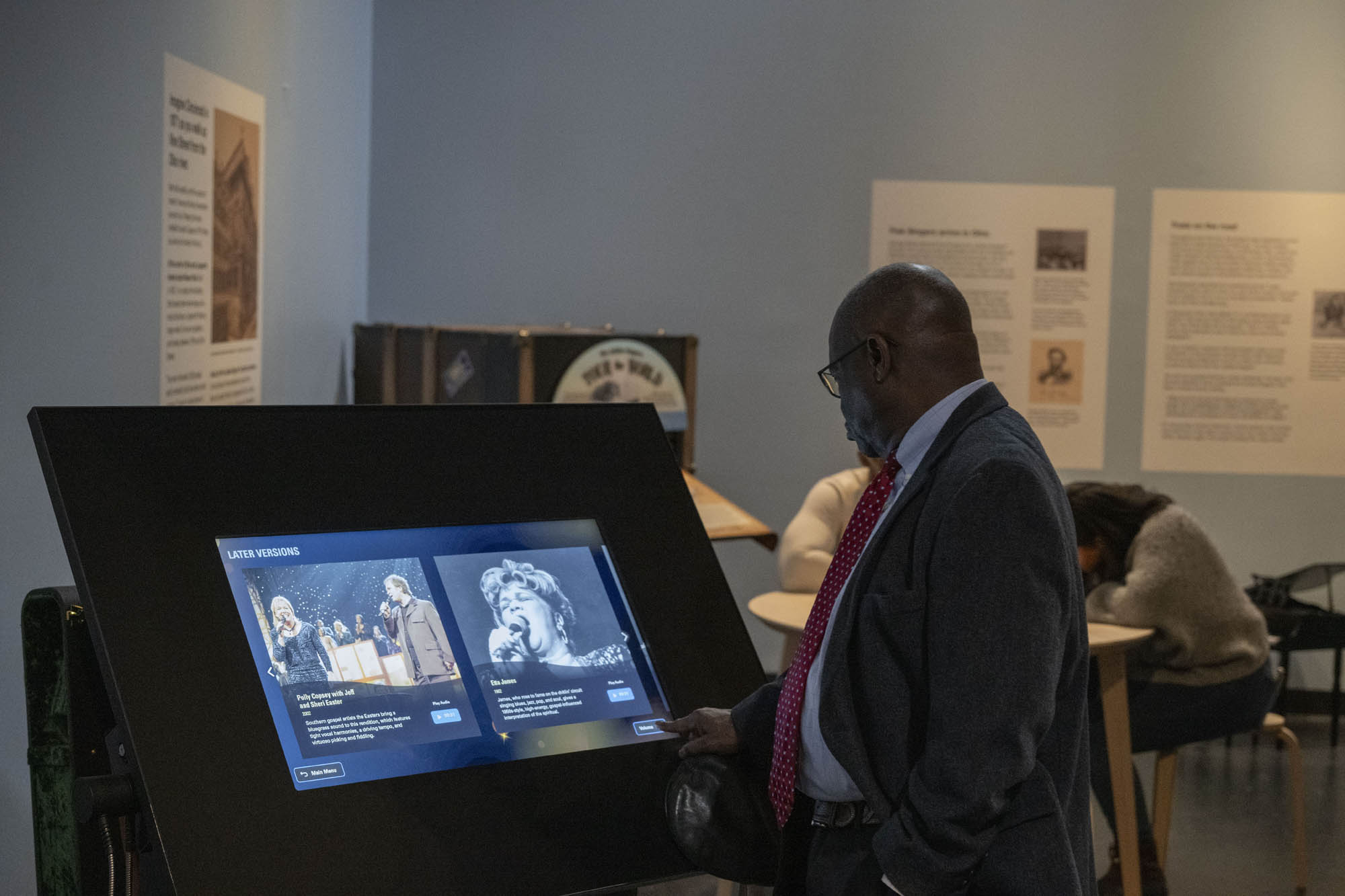
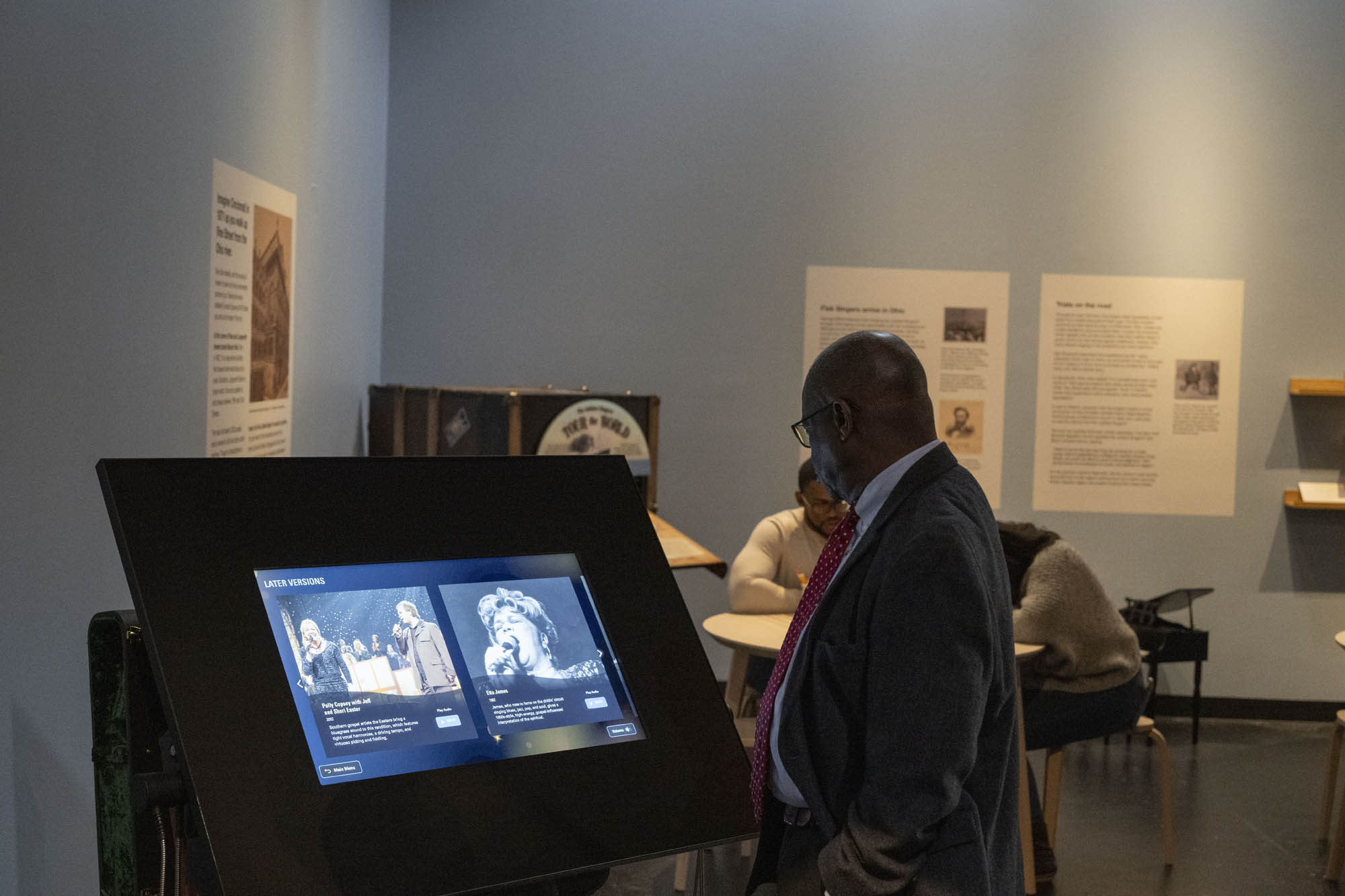
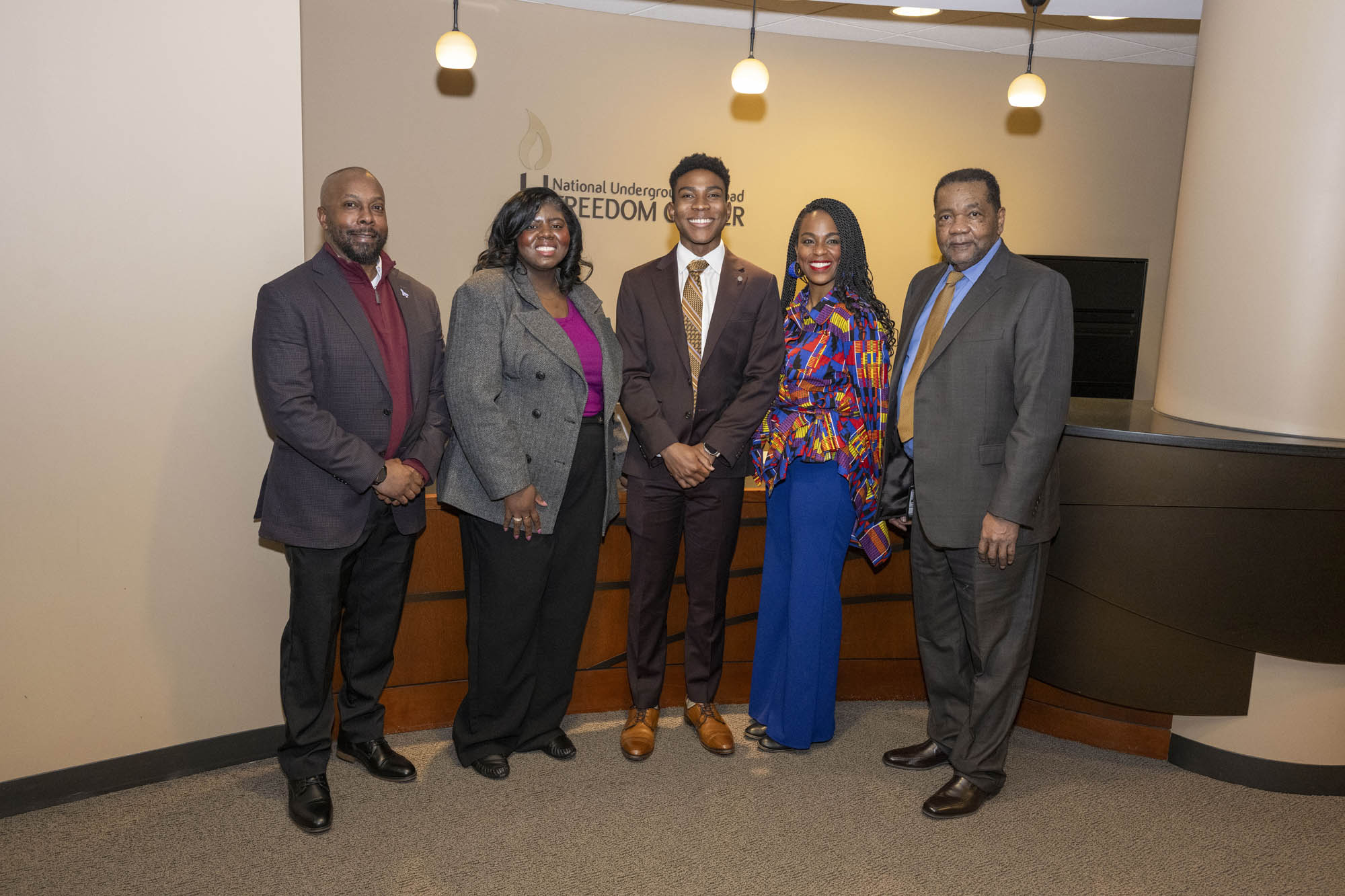
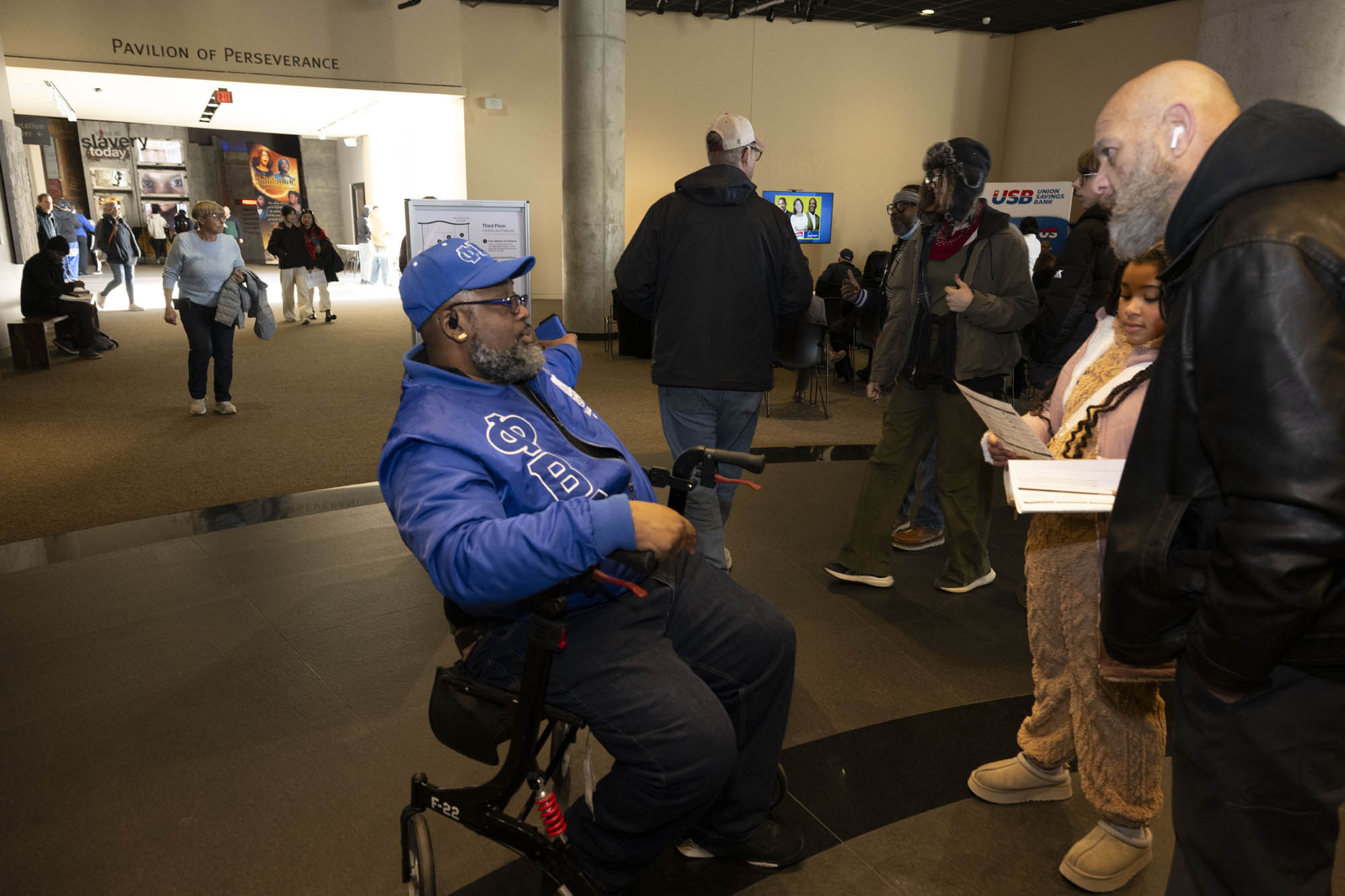
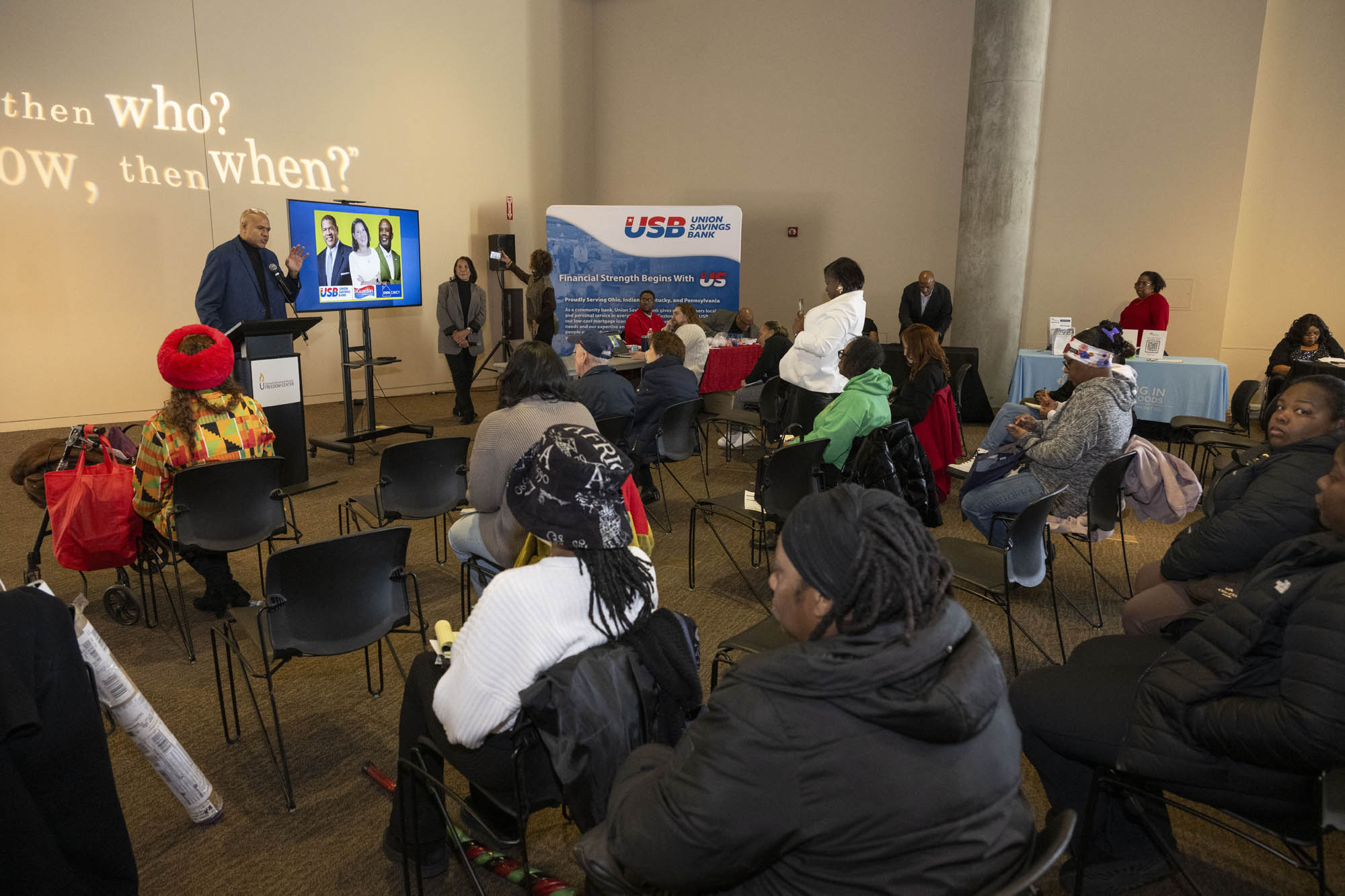
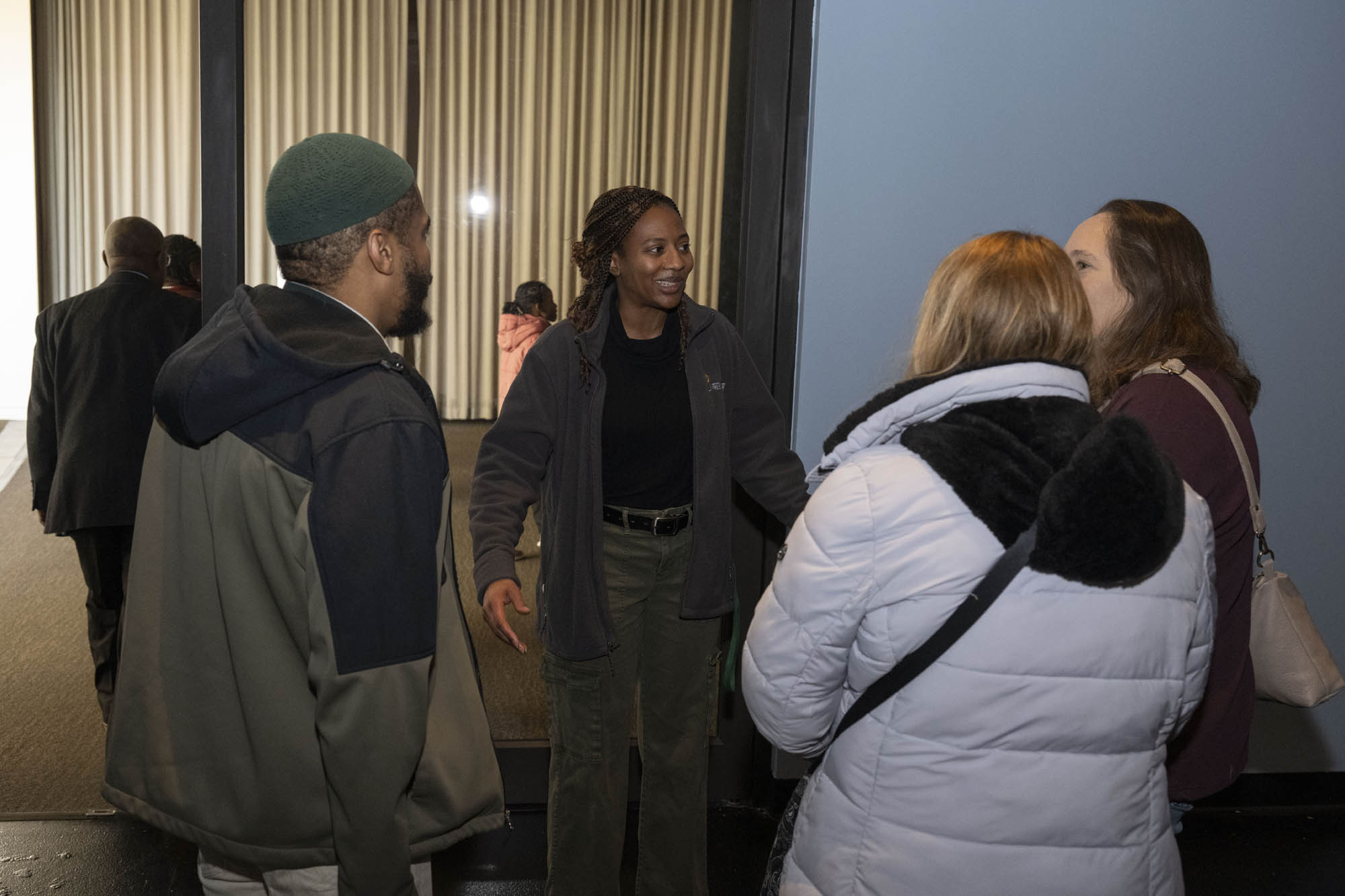
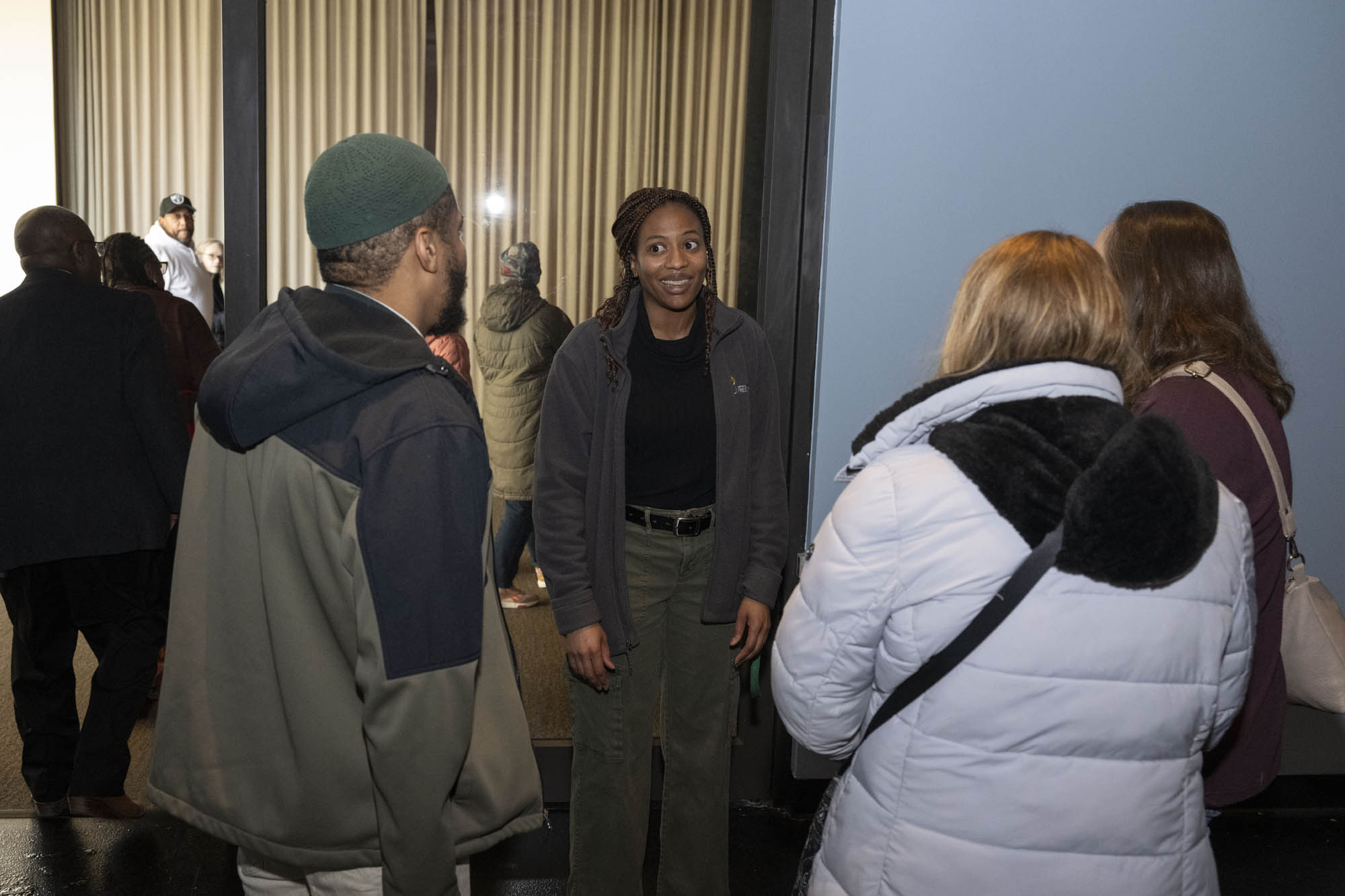
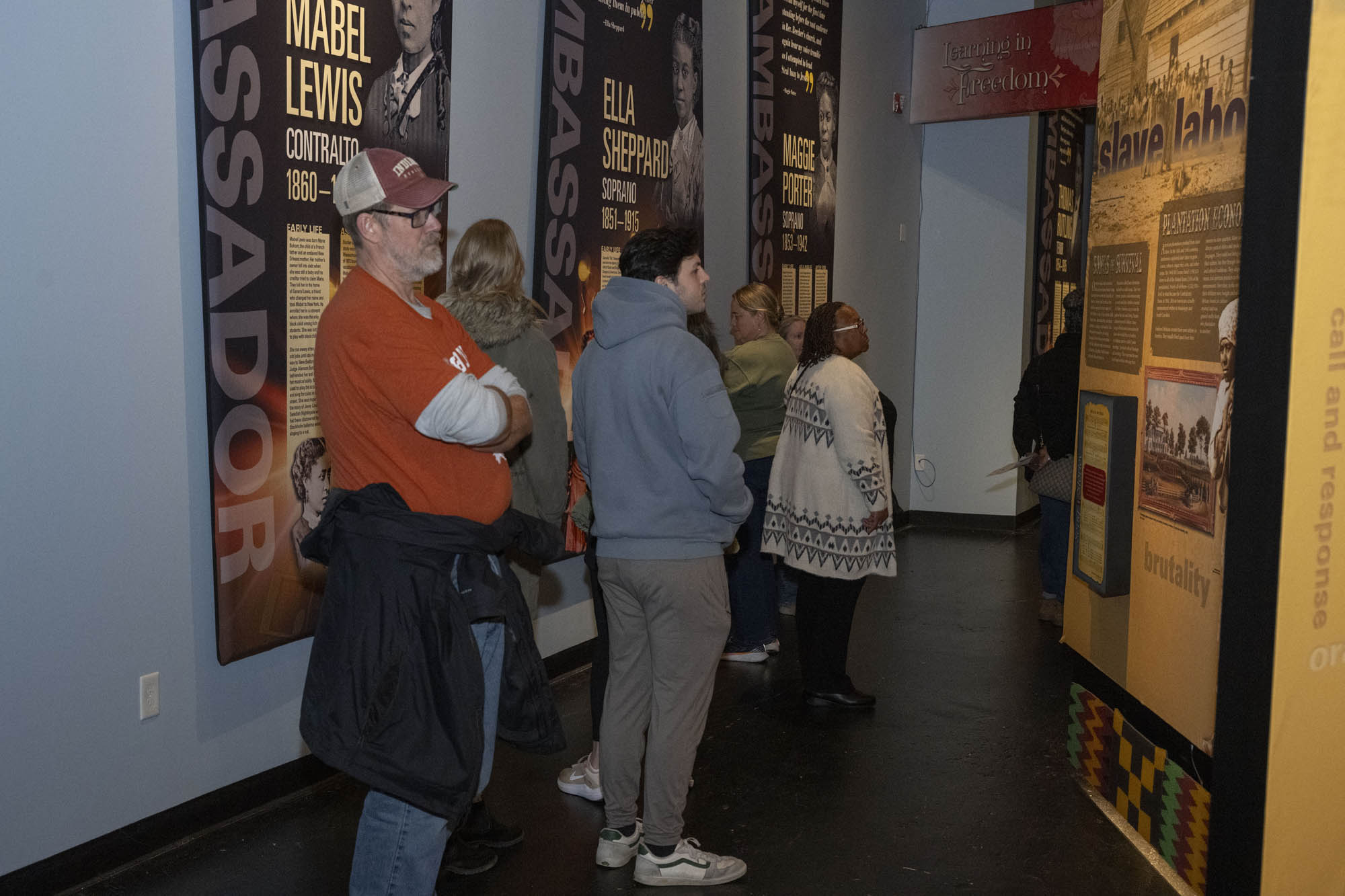
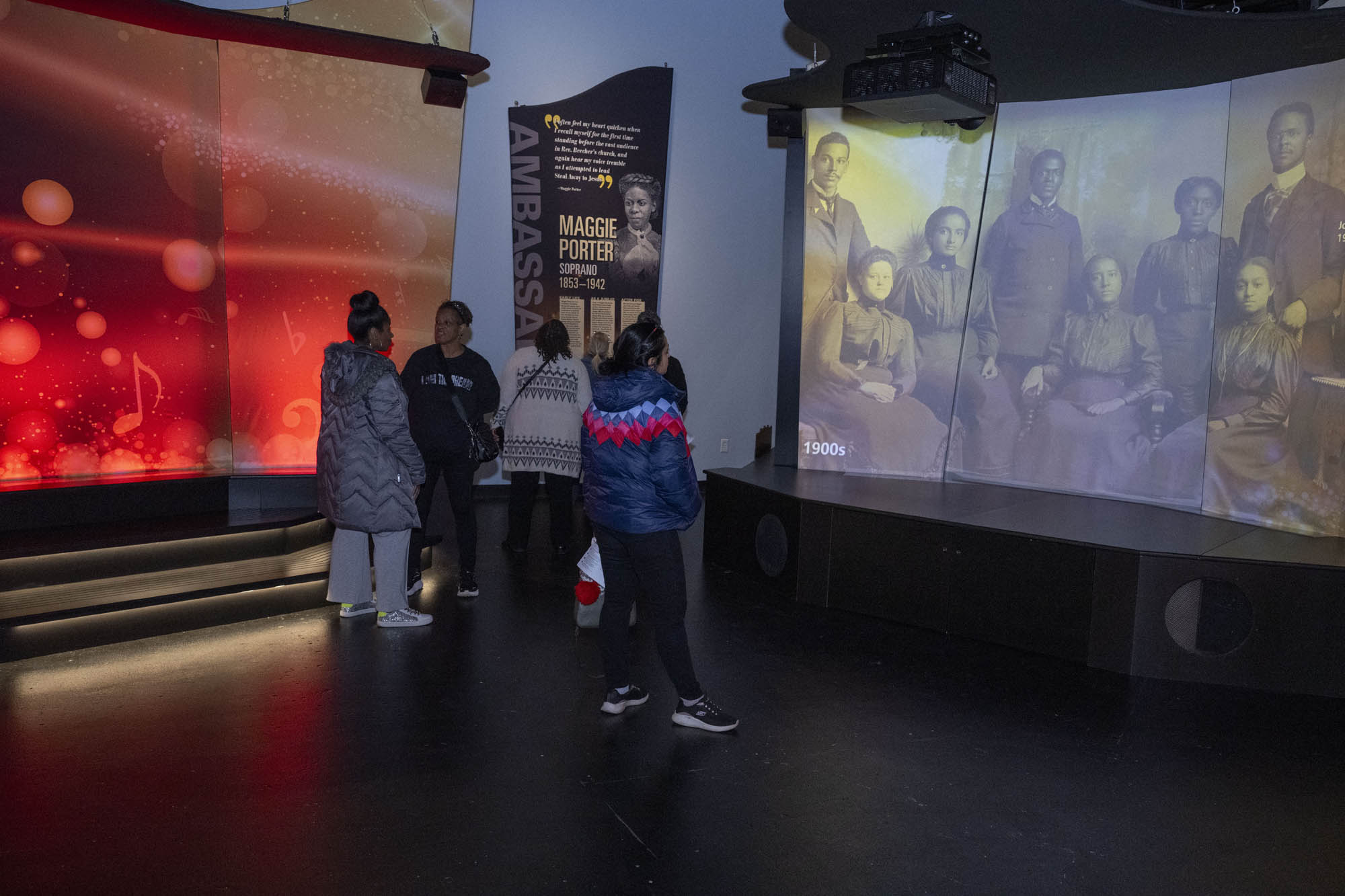
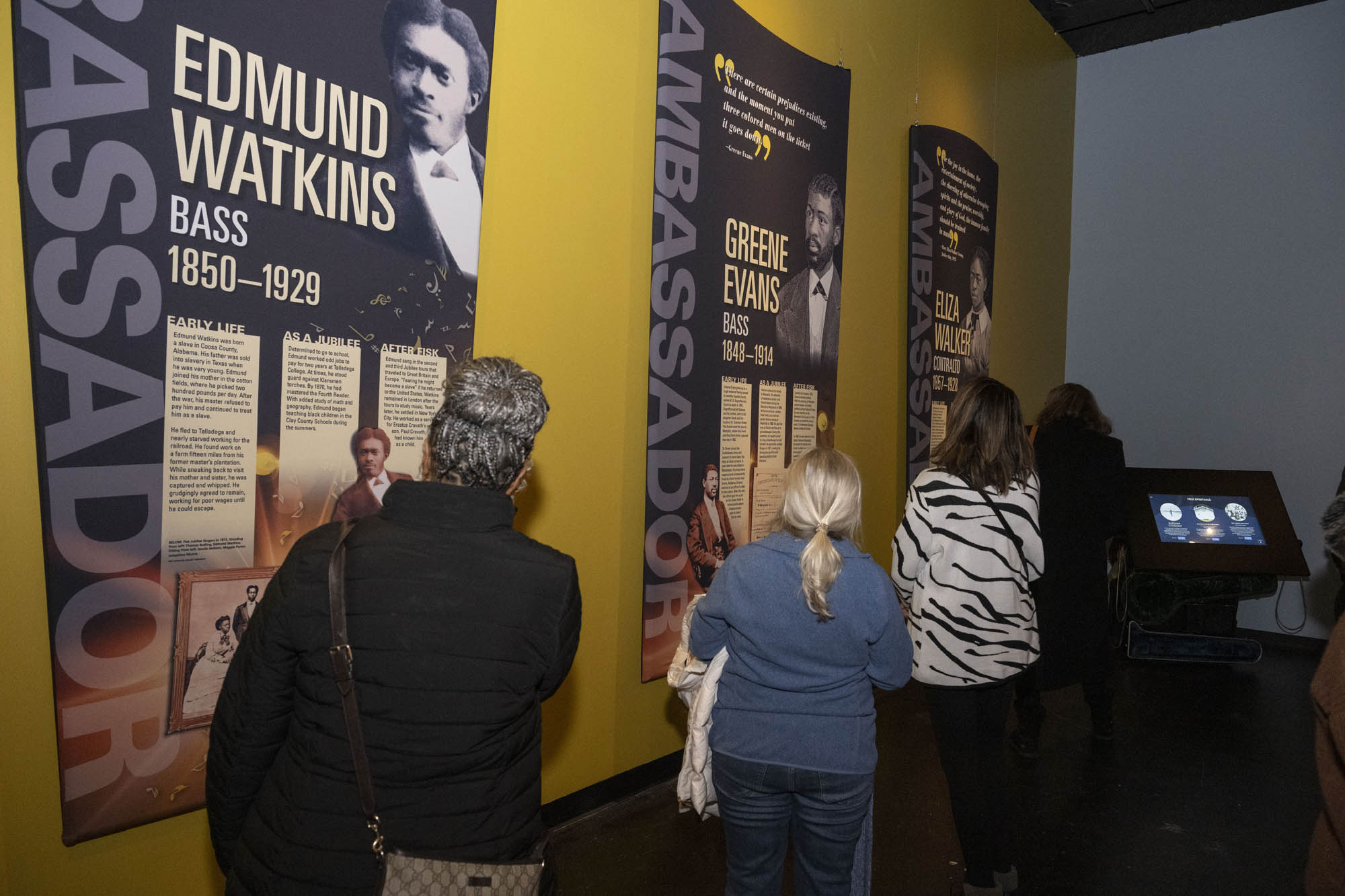
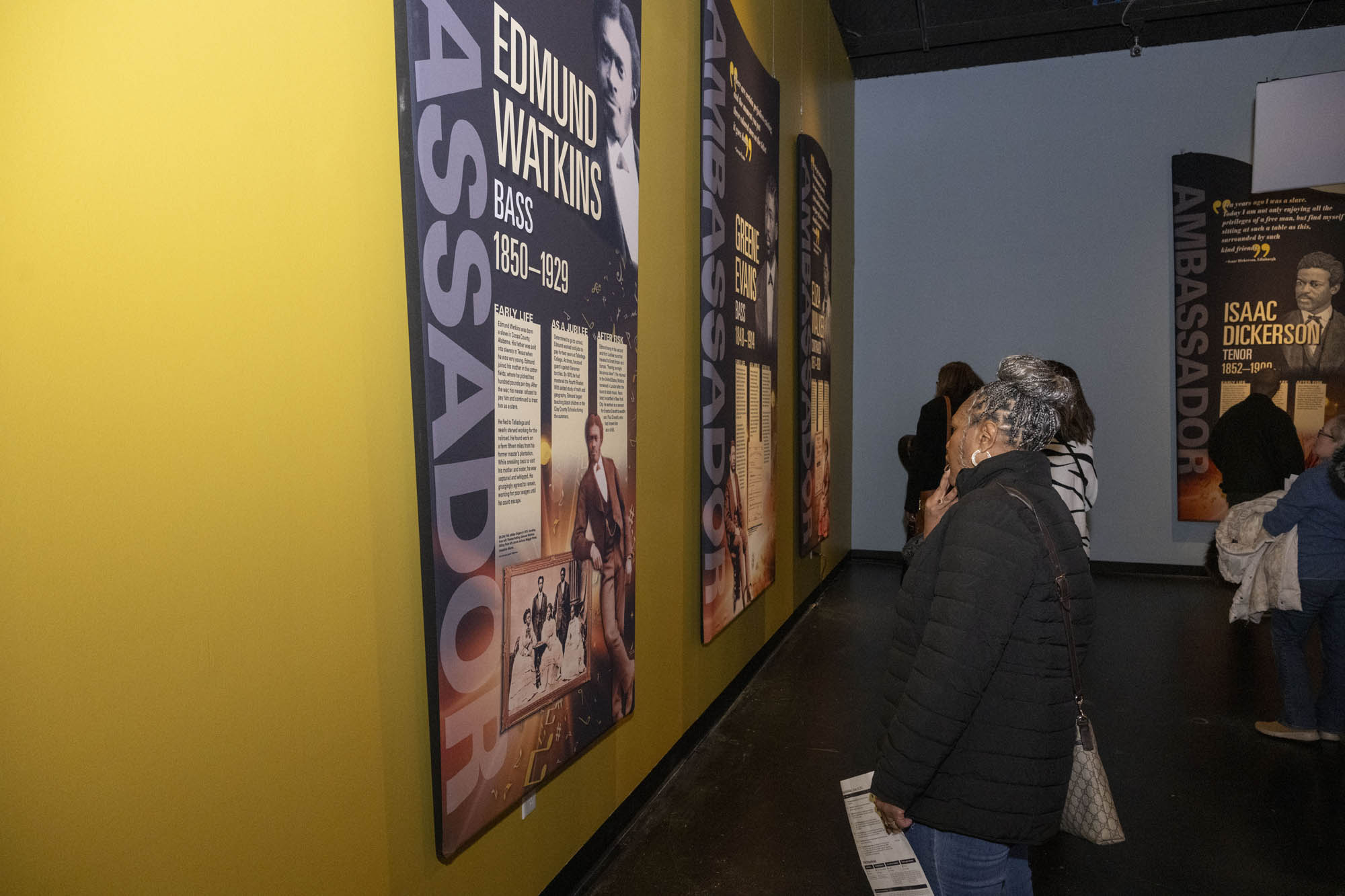
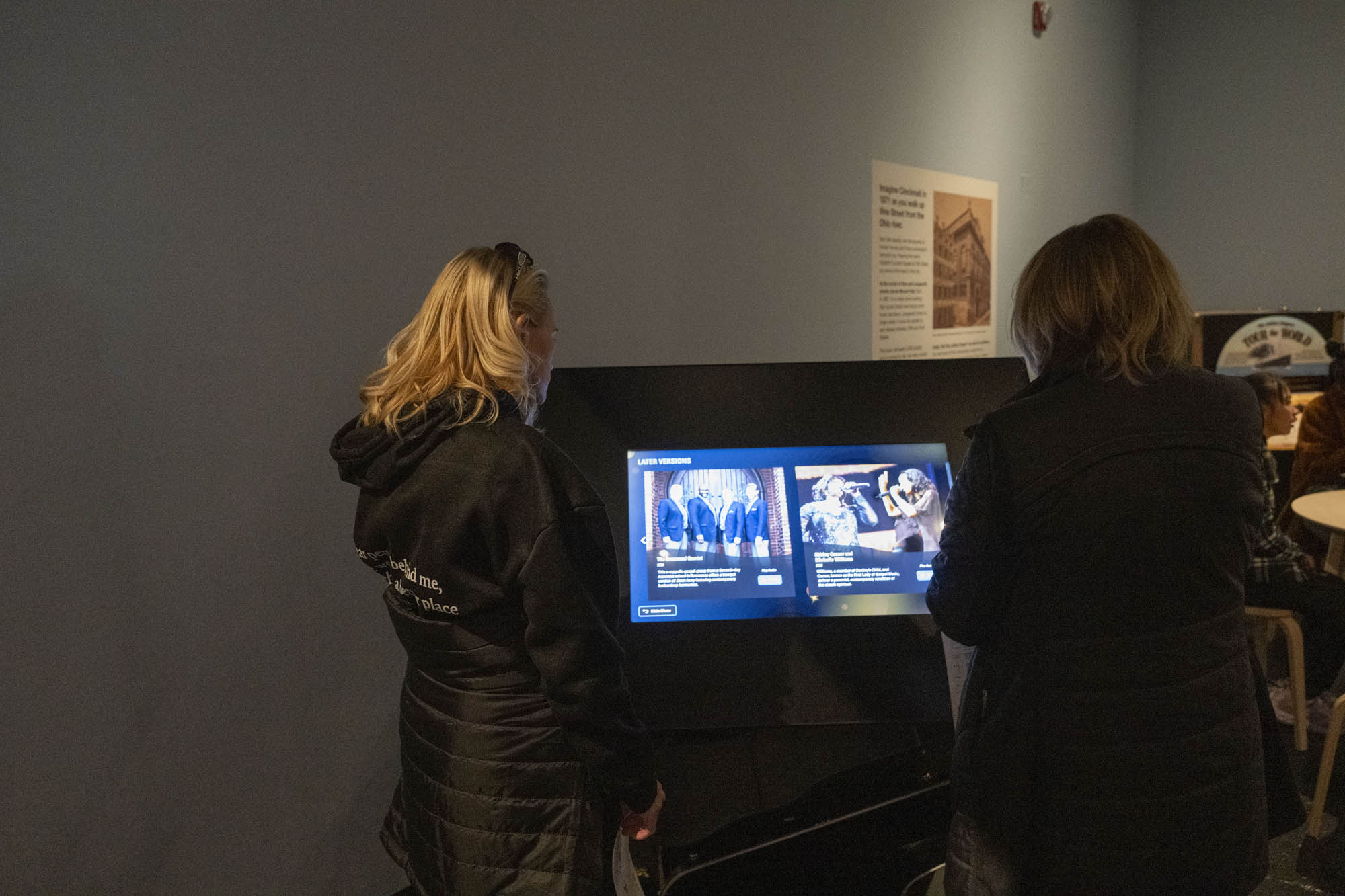
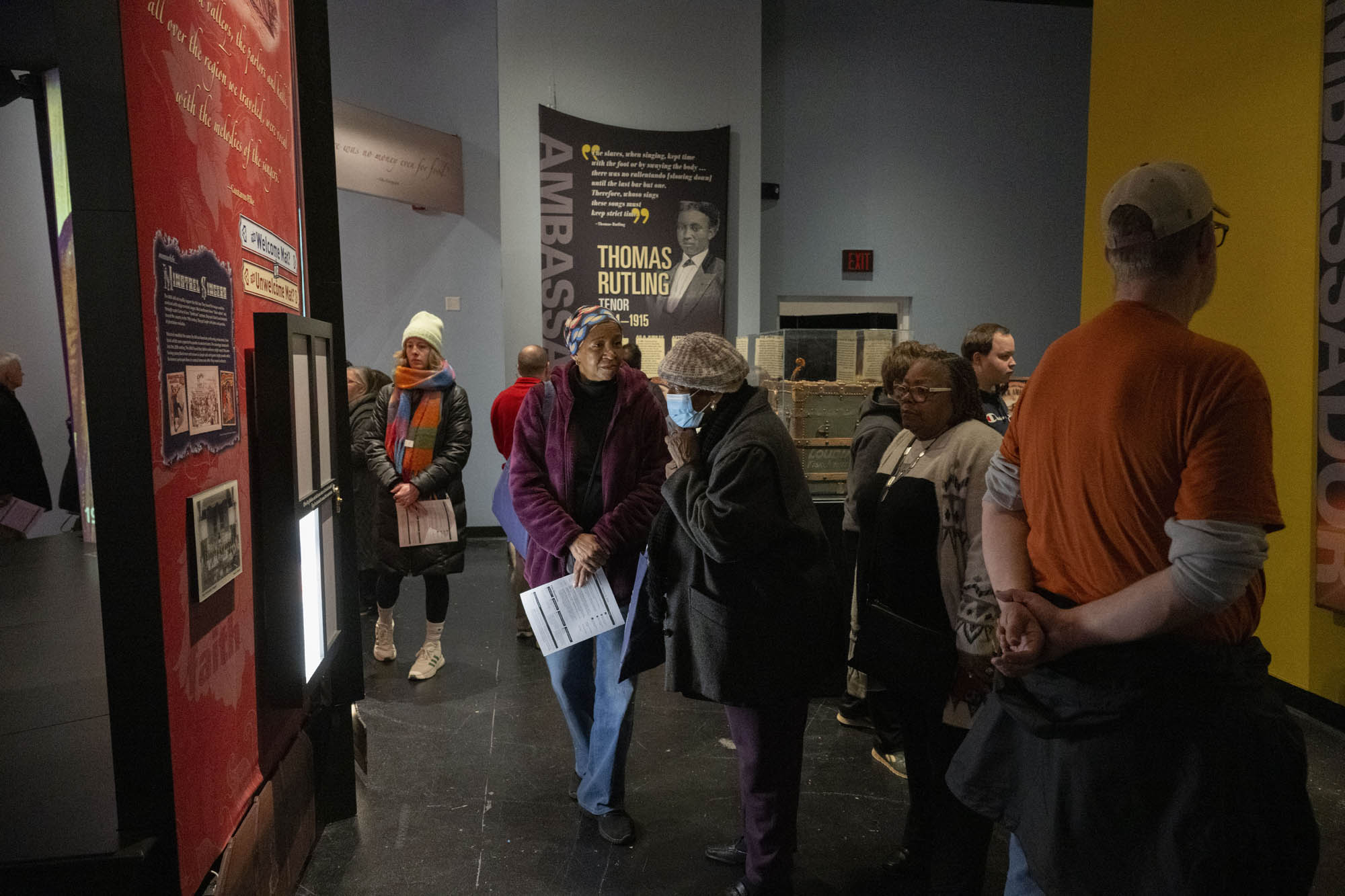
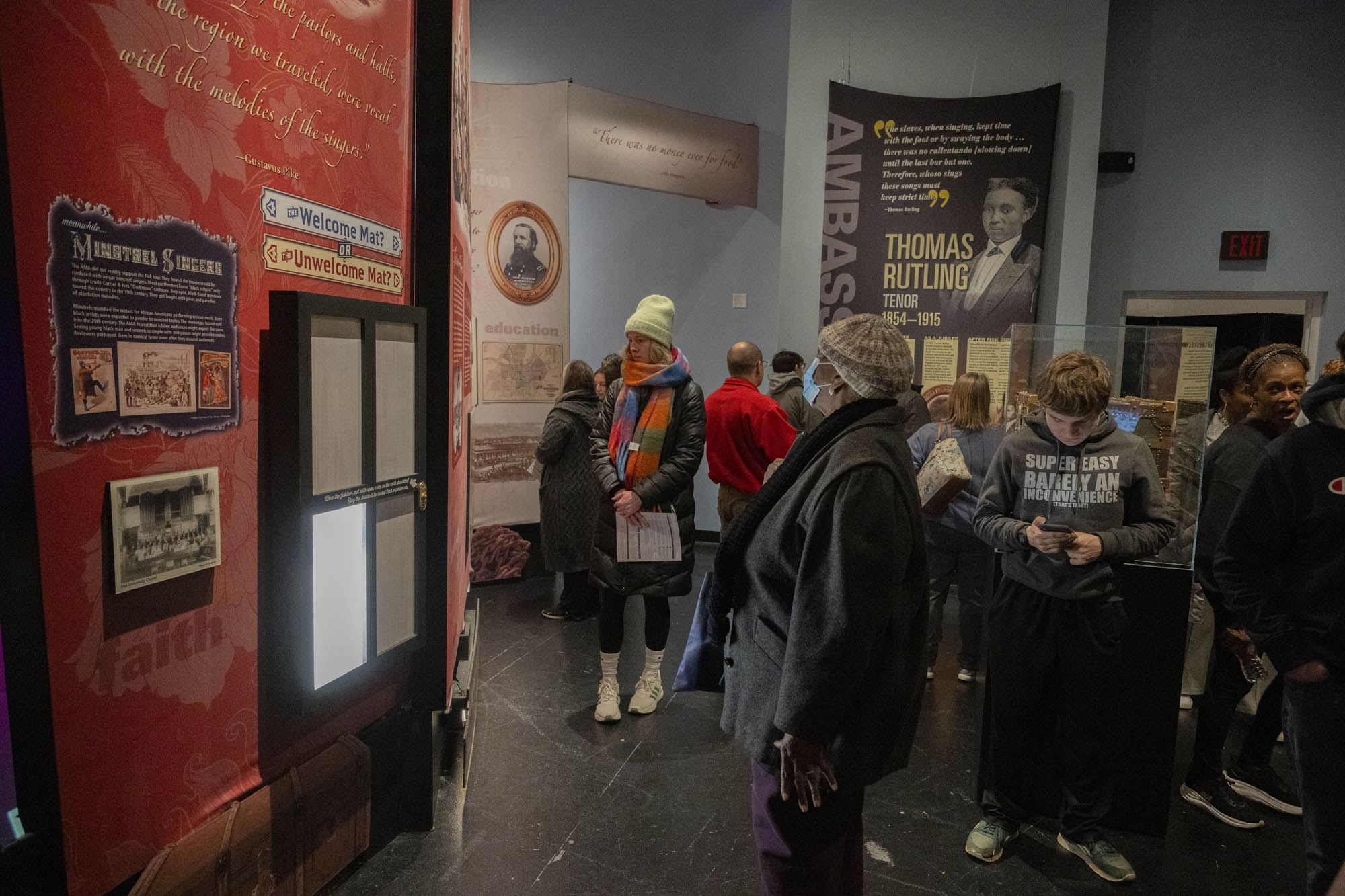
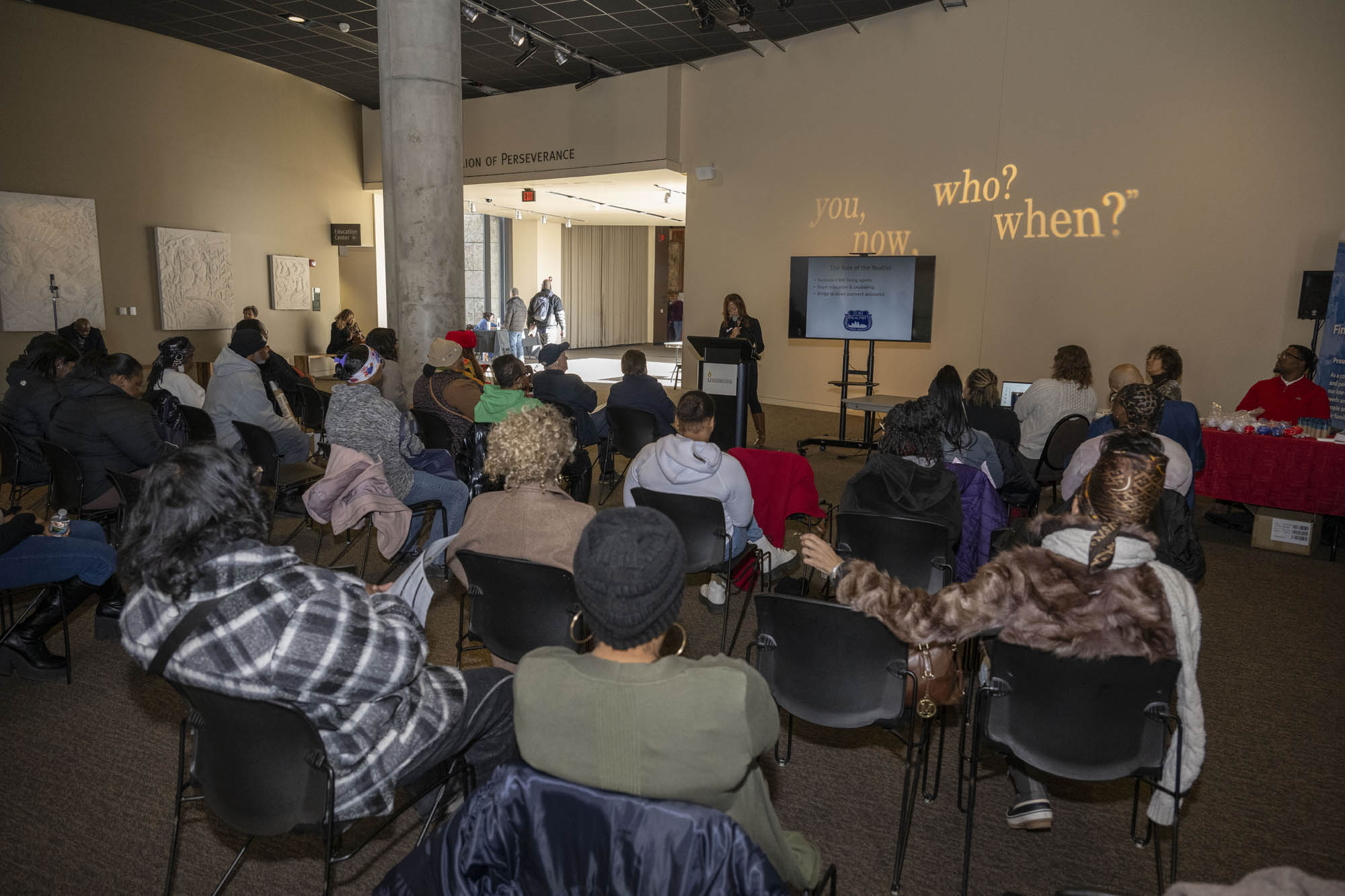
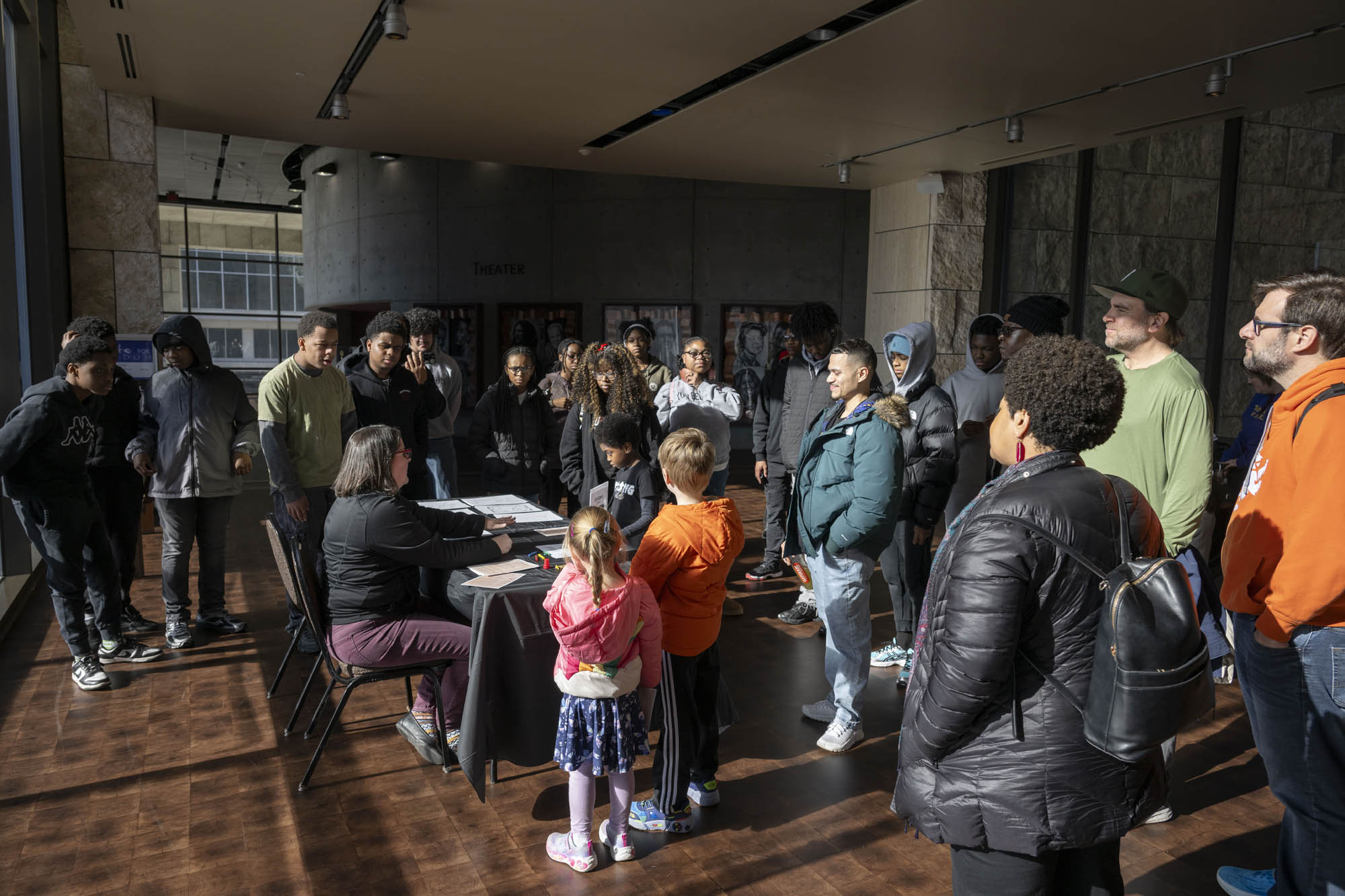
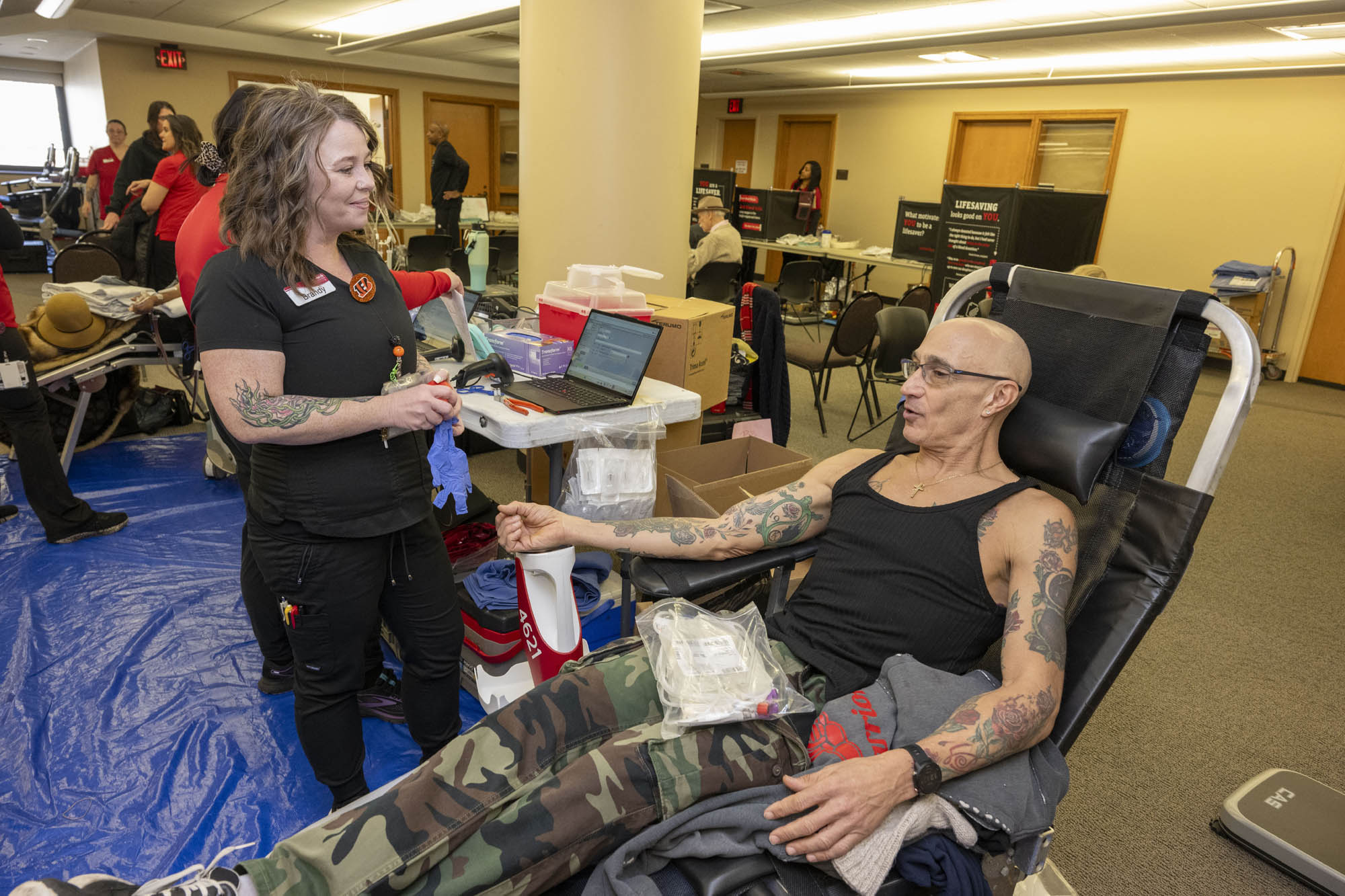
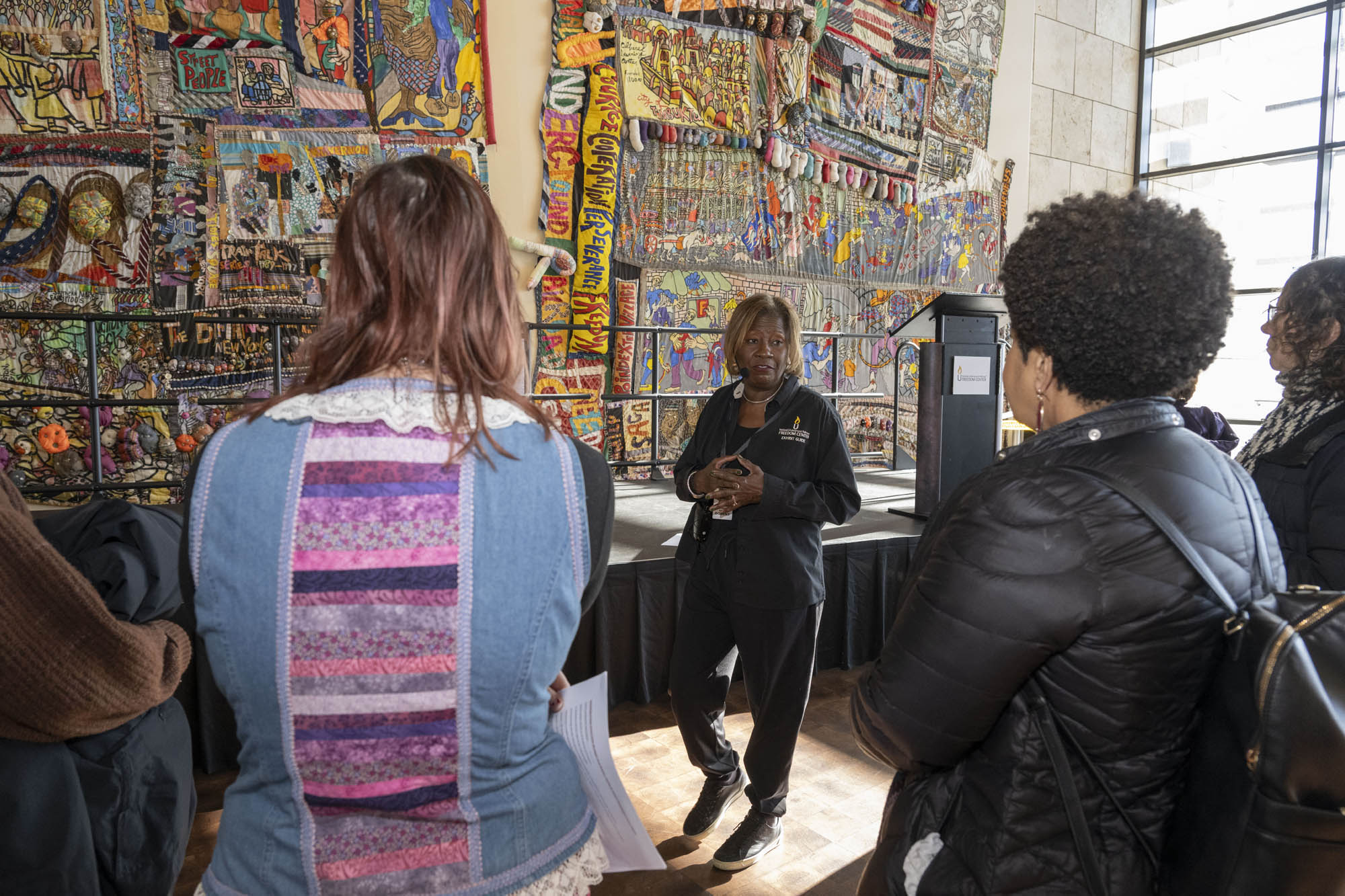
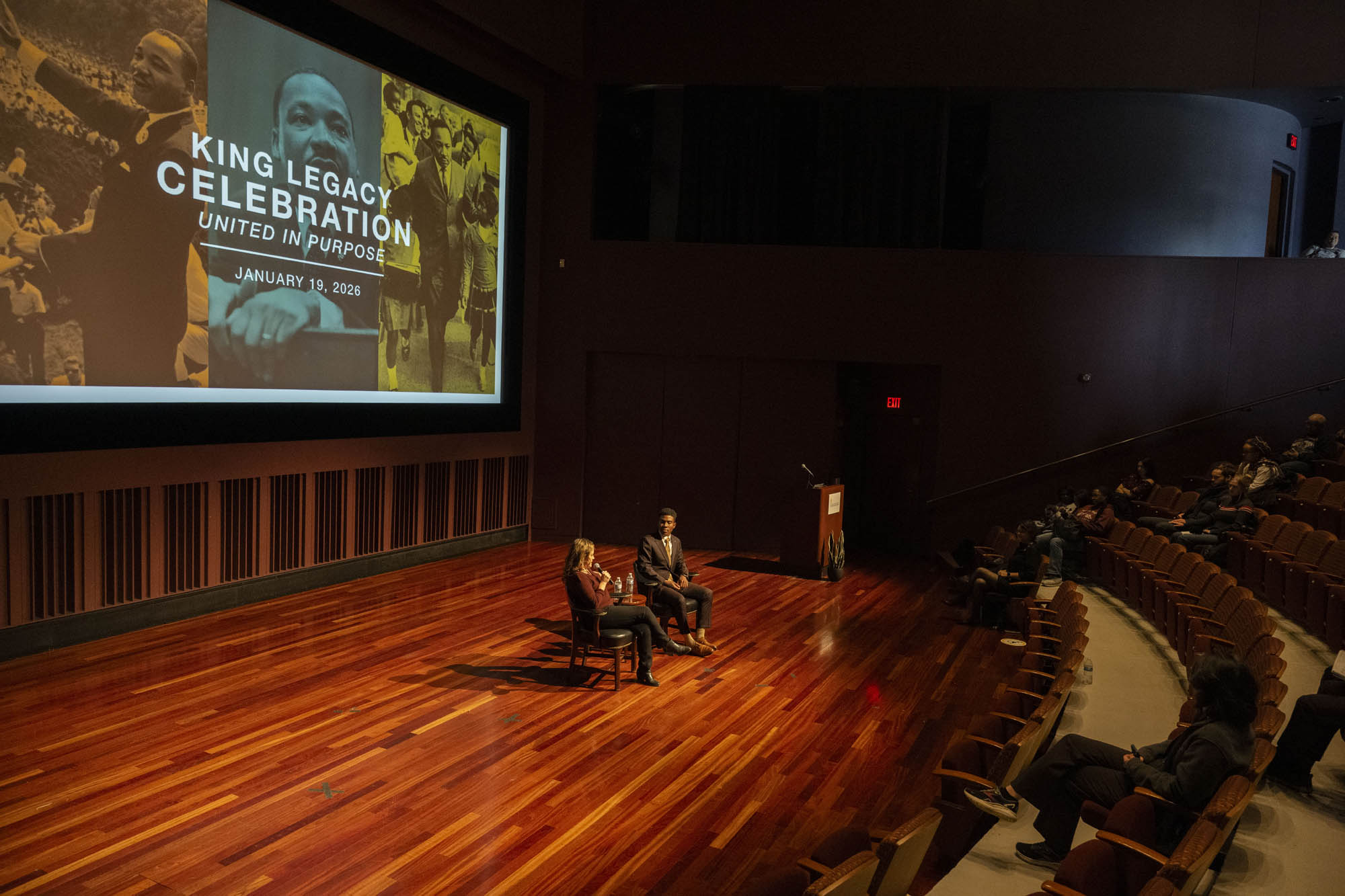
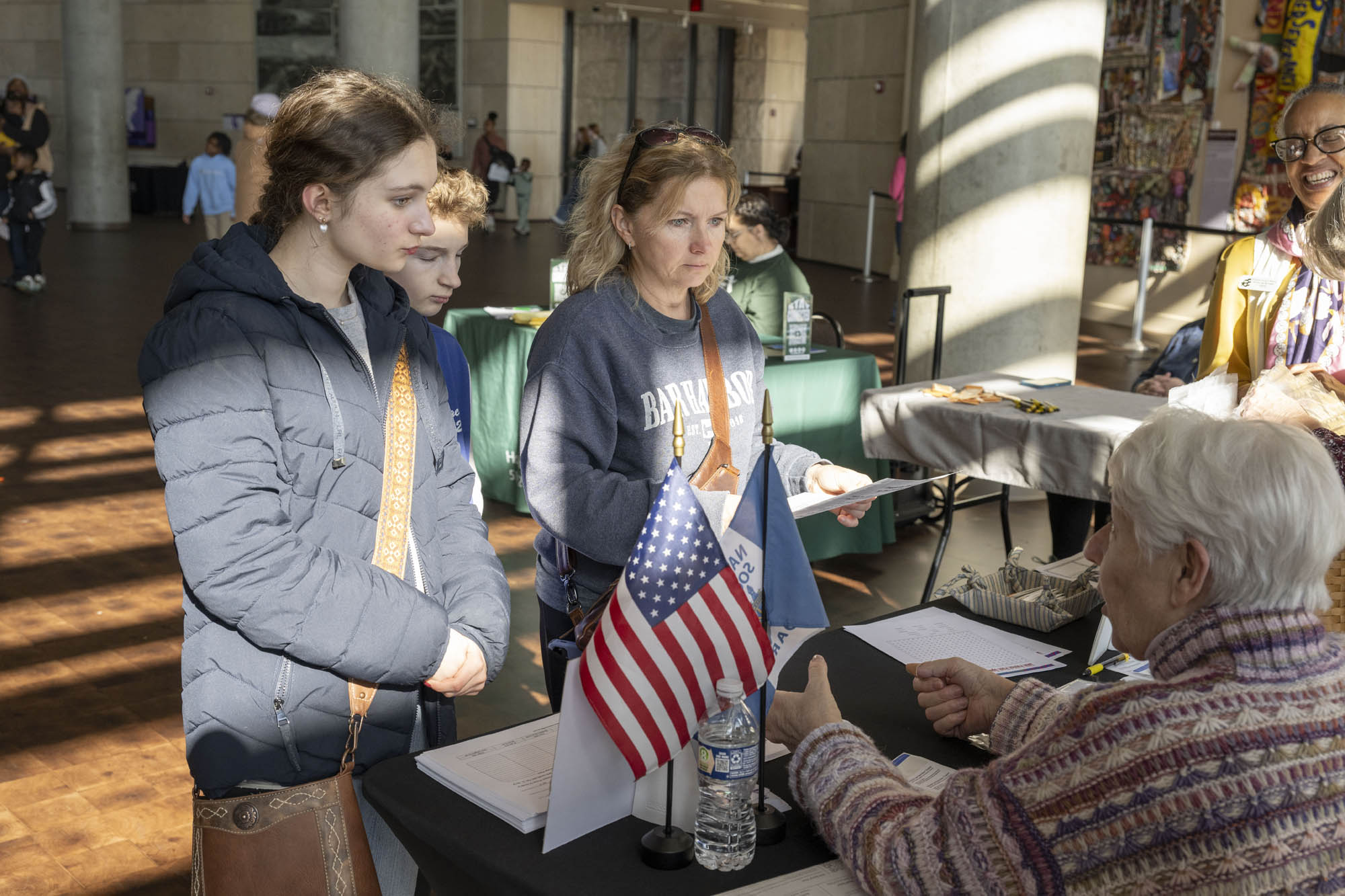
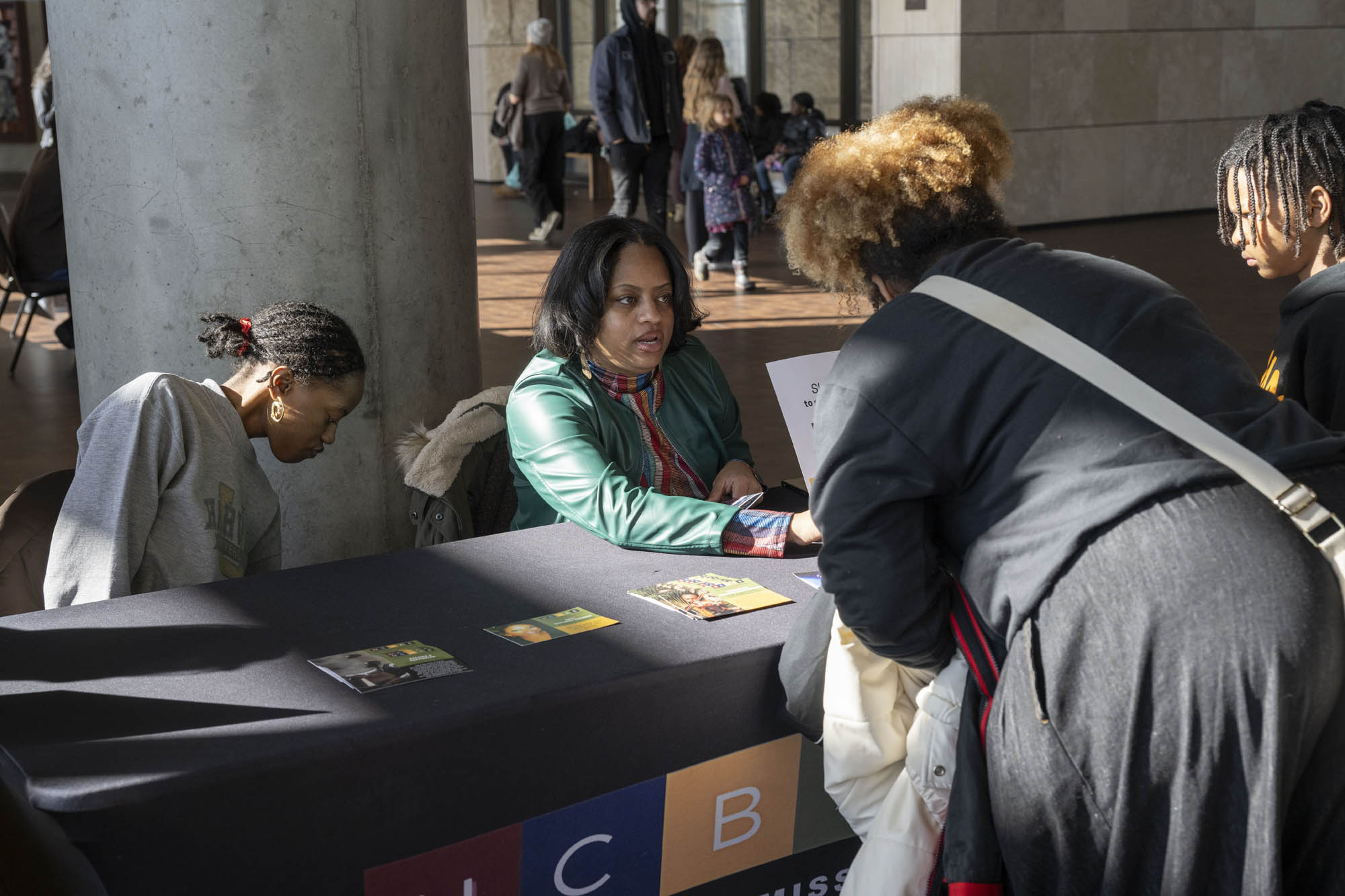
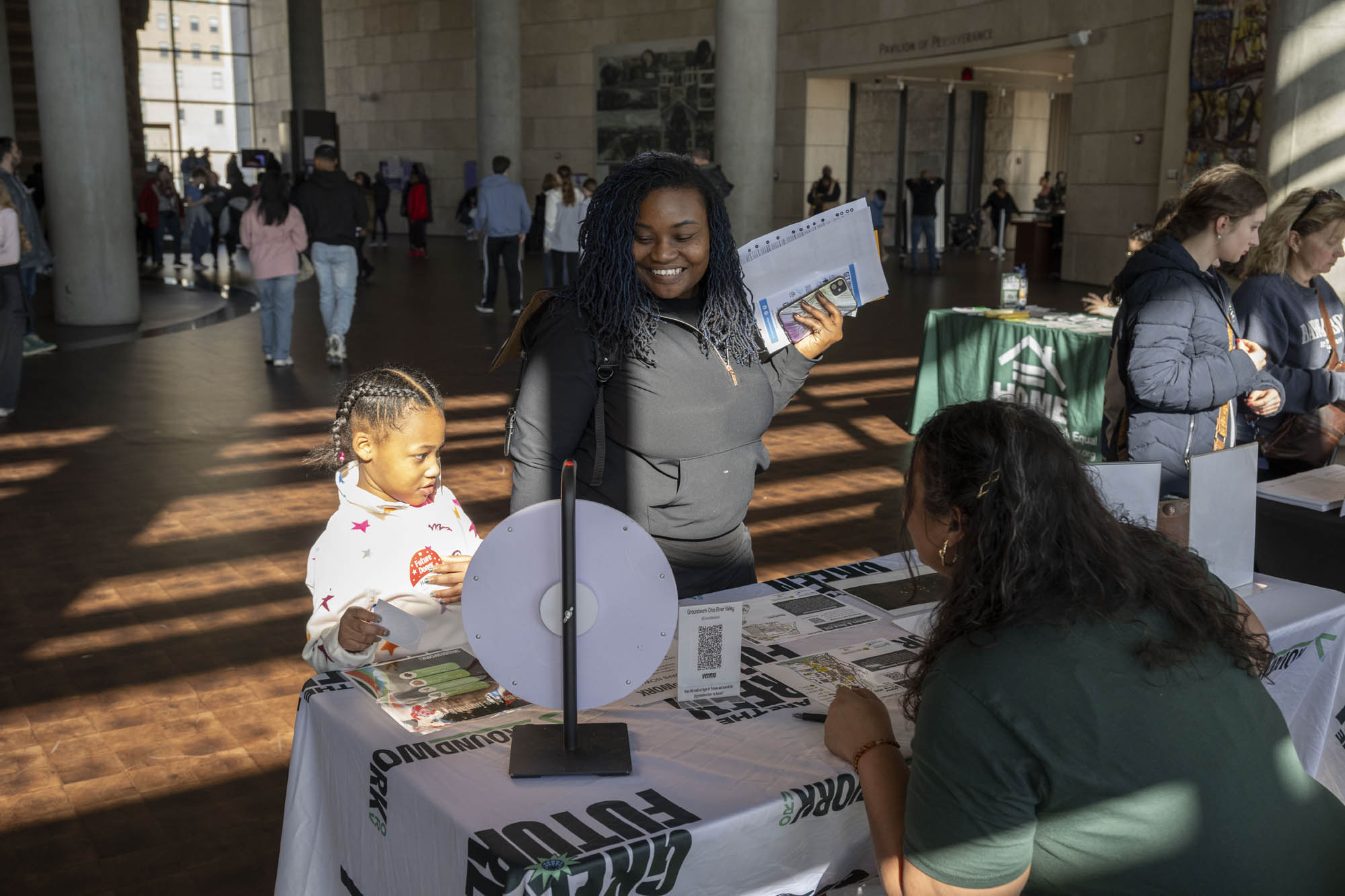
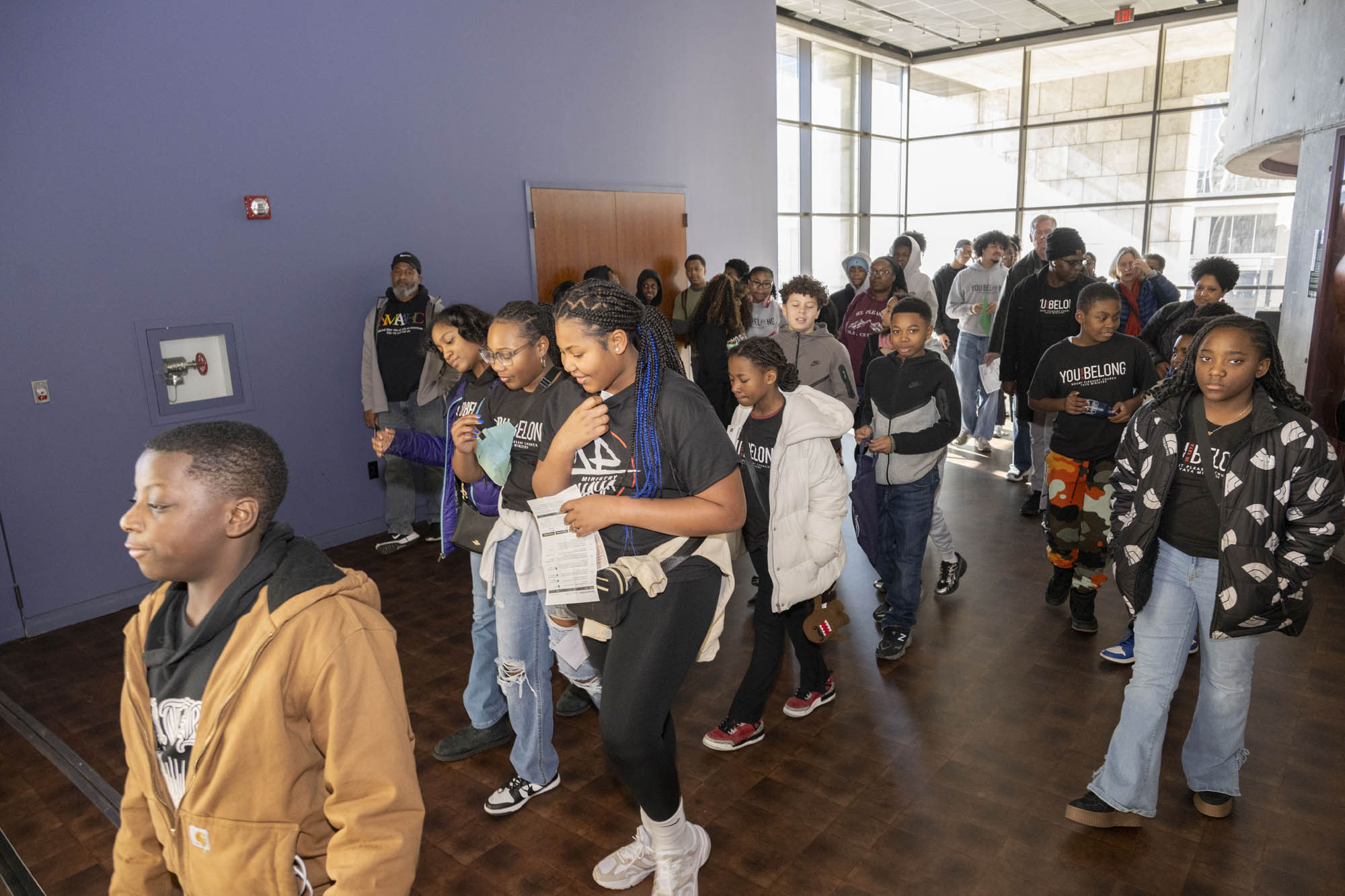
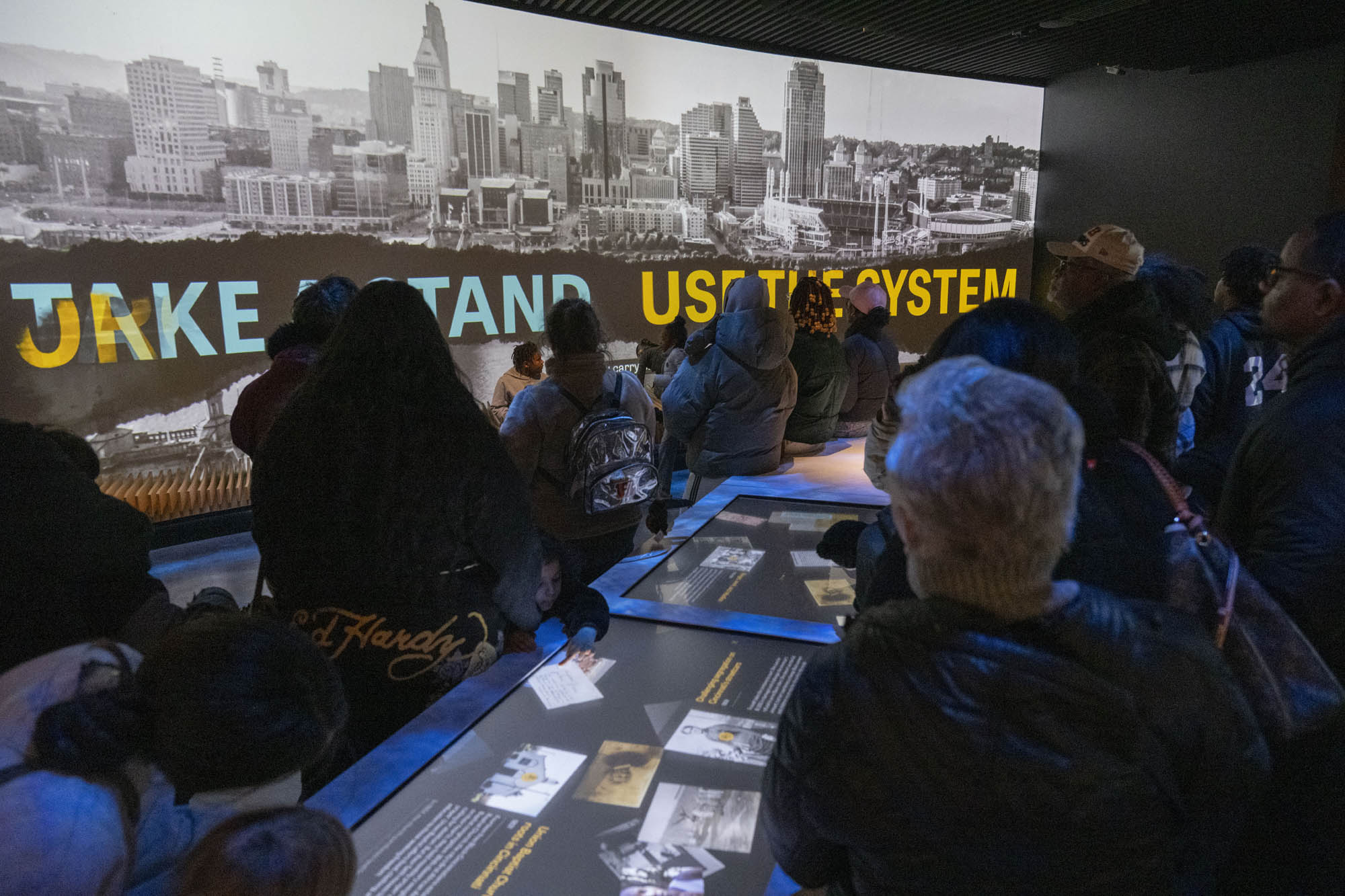
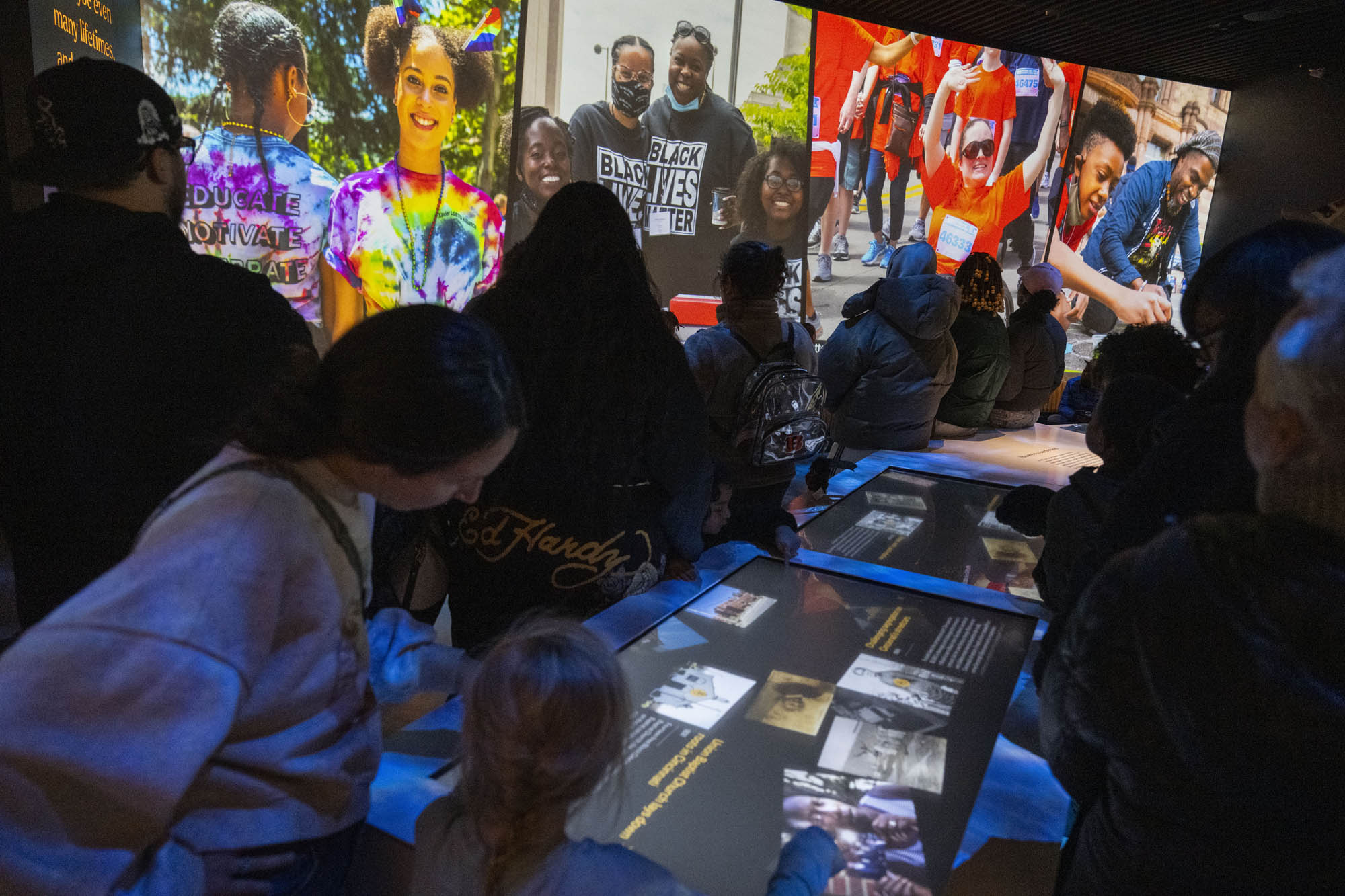
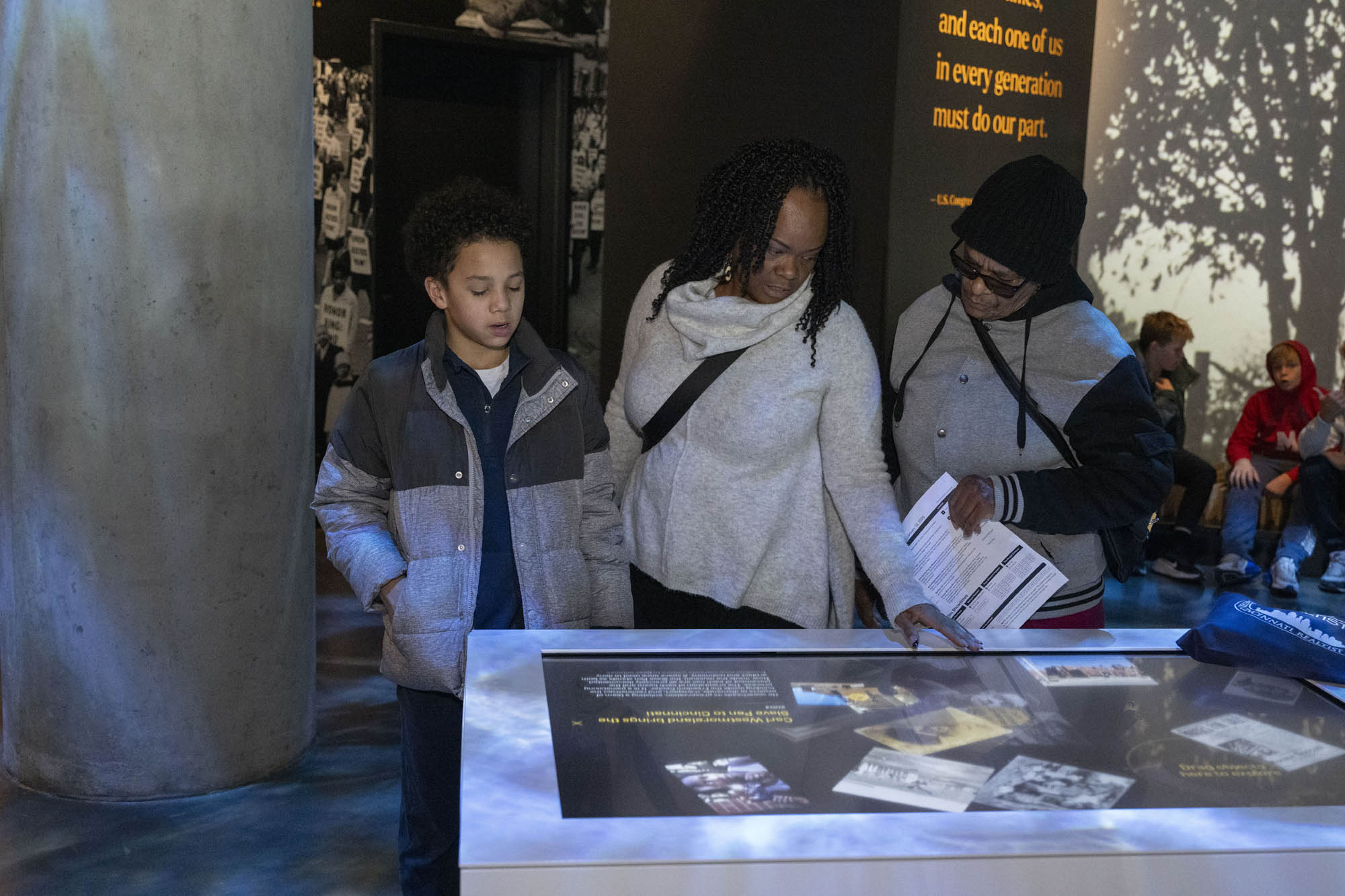
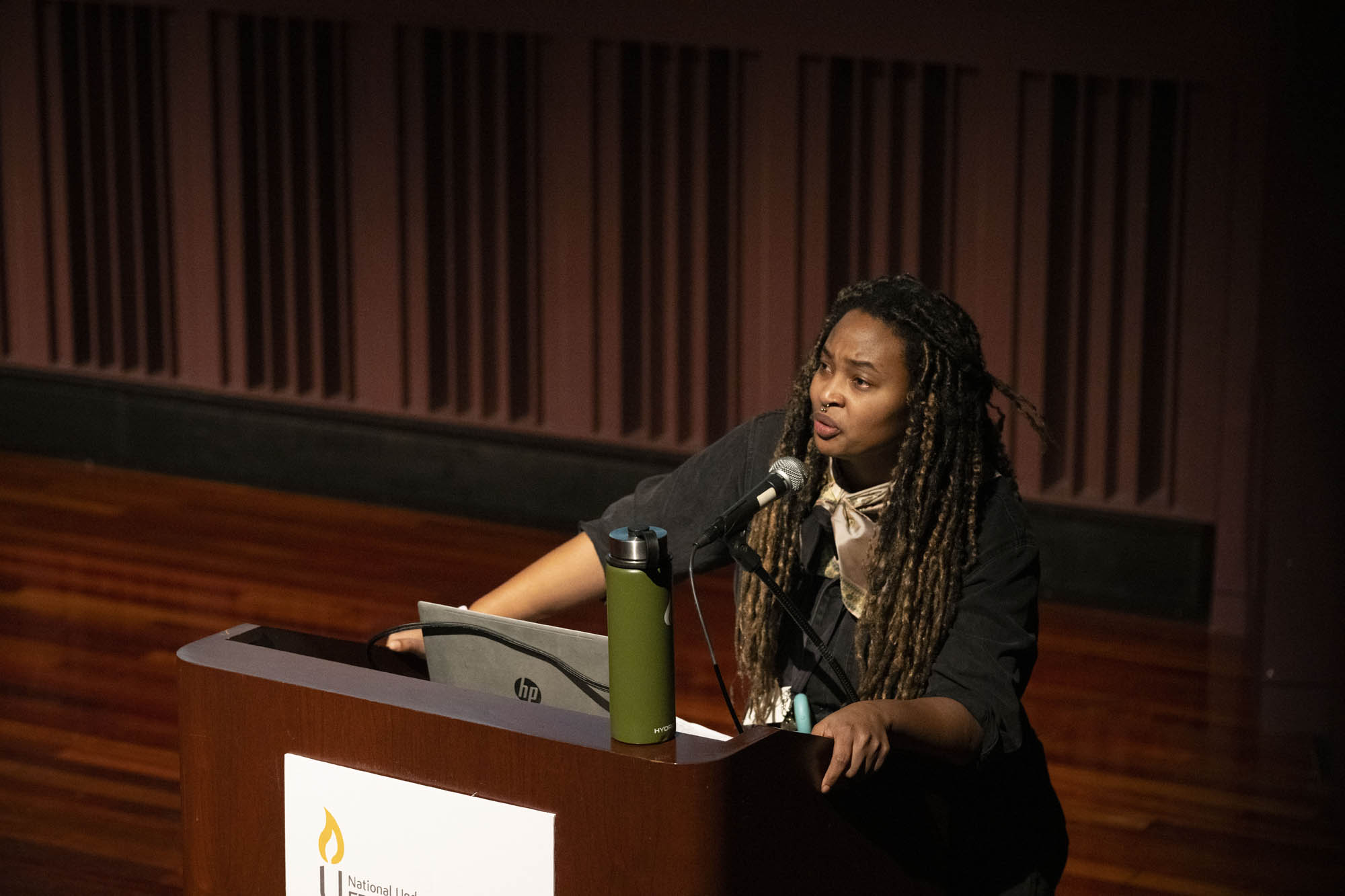
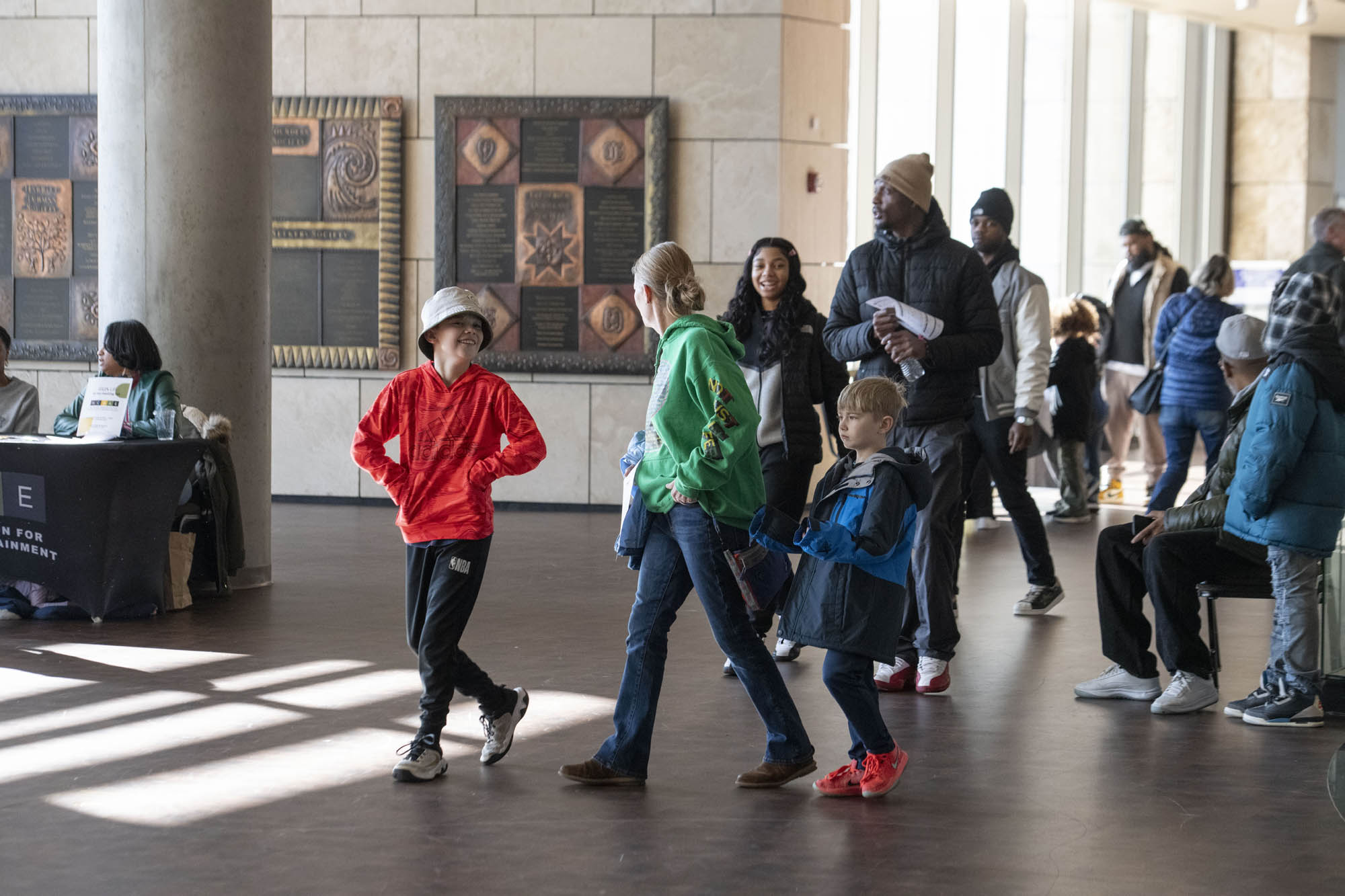
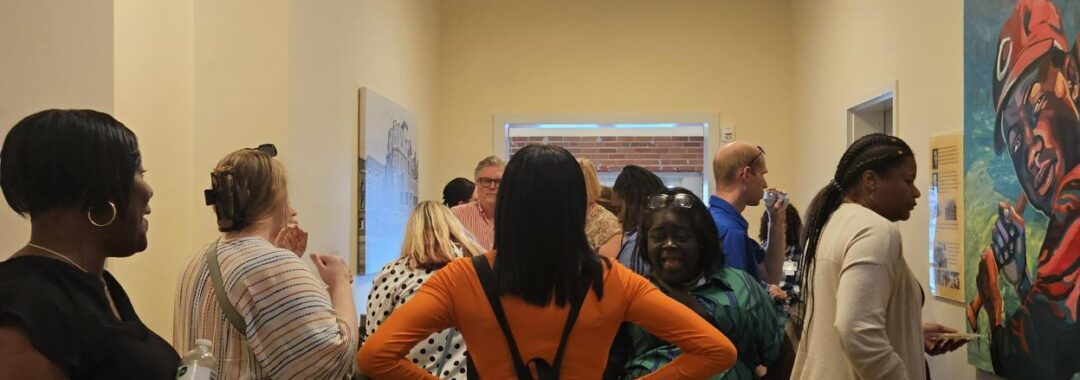
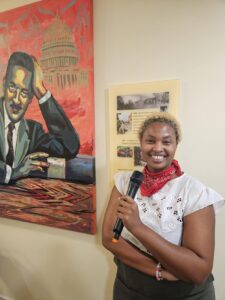
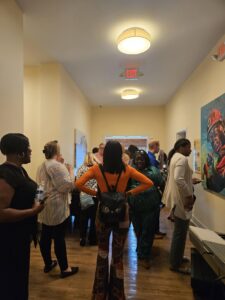
Photos: Divine 9 Night at the Freedom Center

Slide
Freedom Center Voices

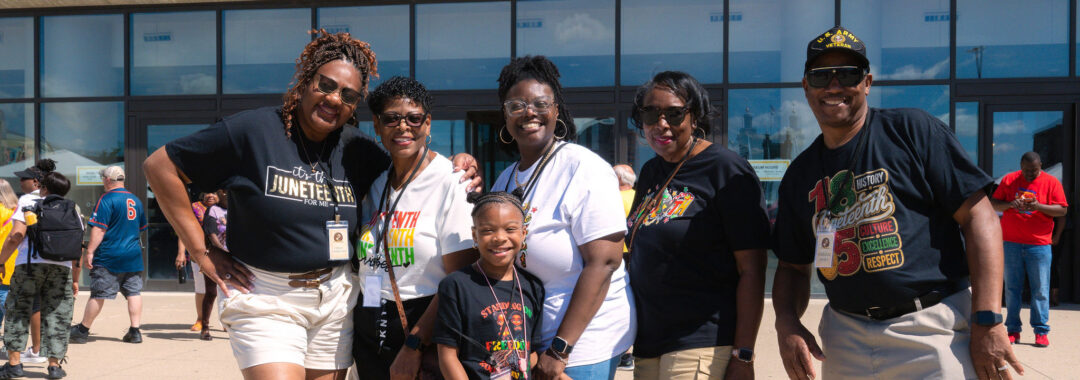
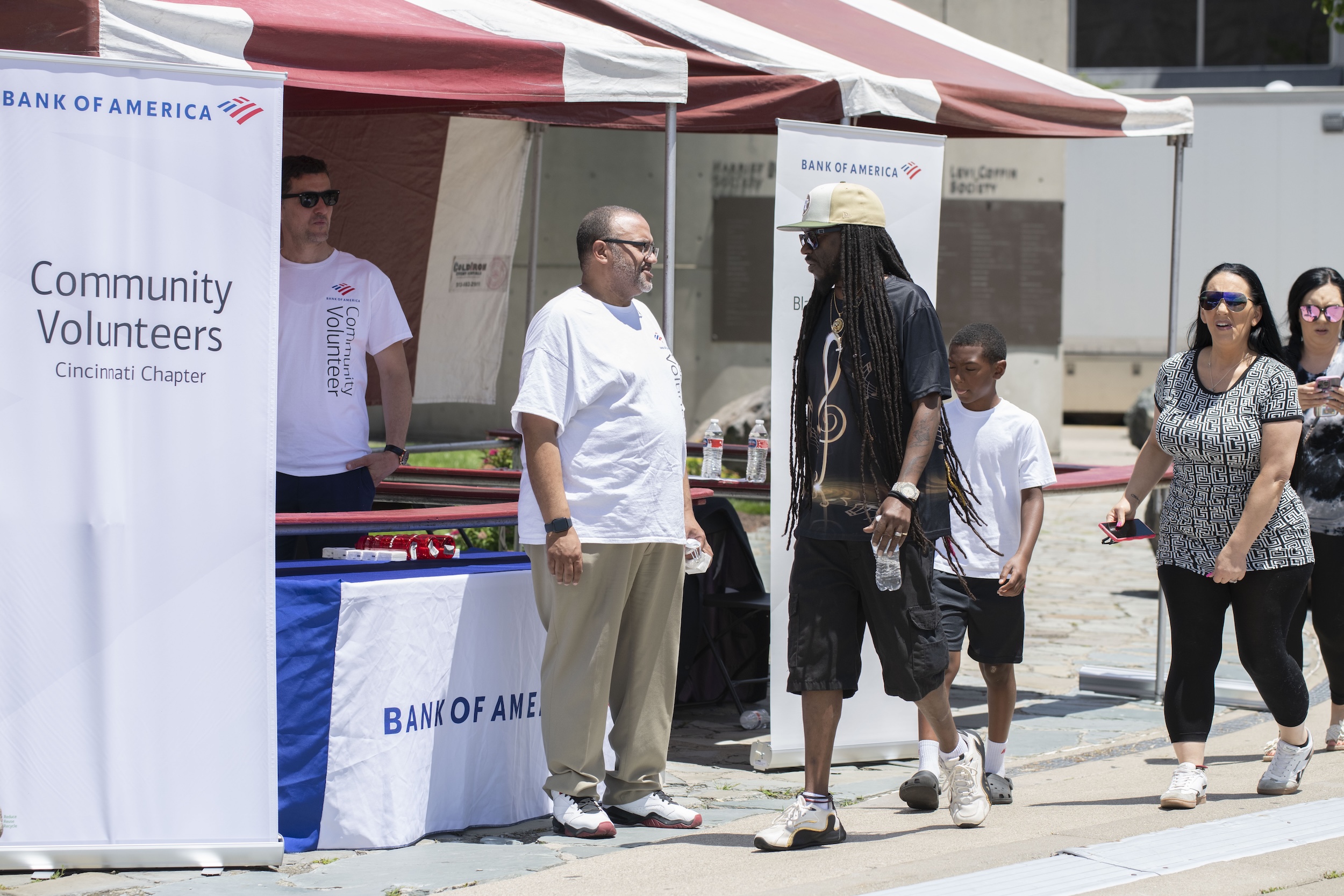
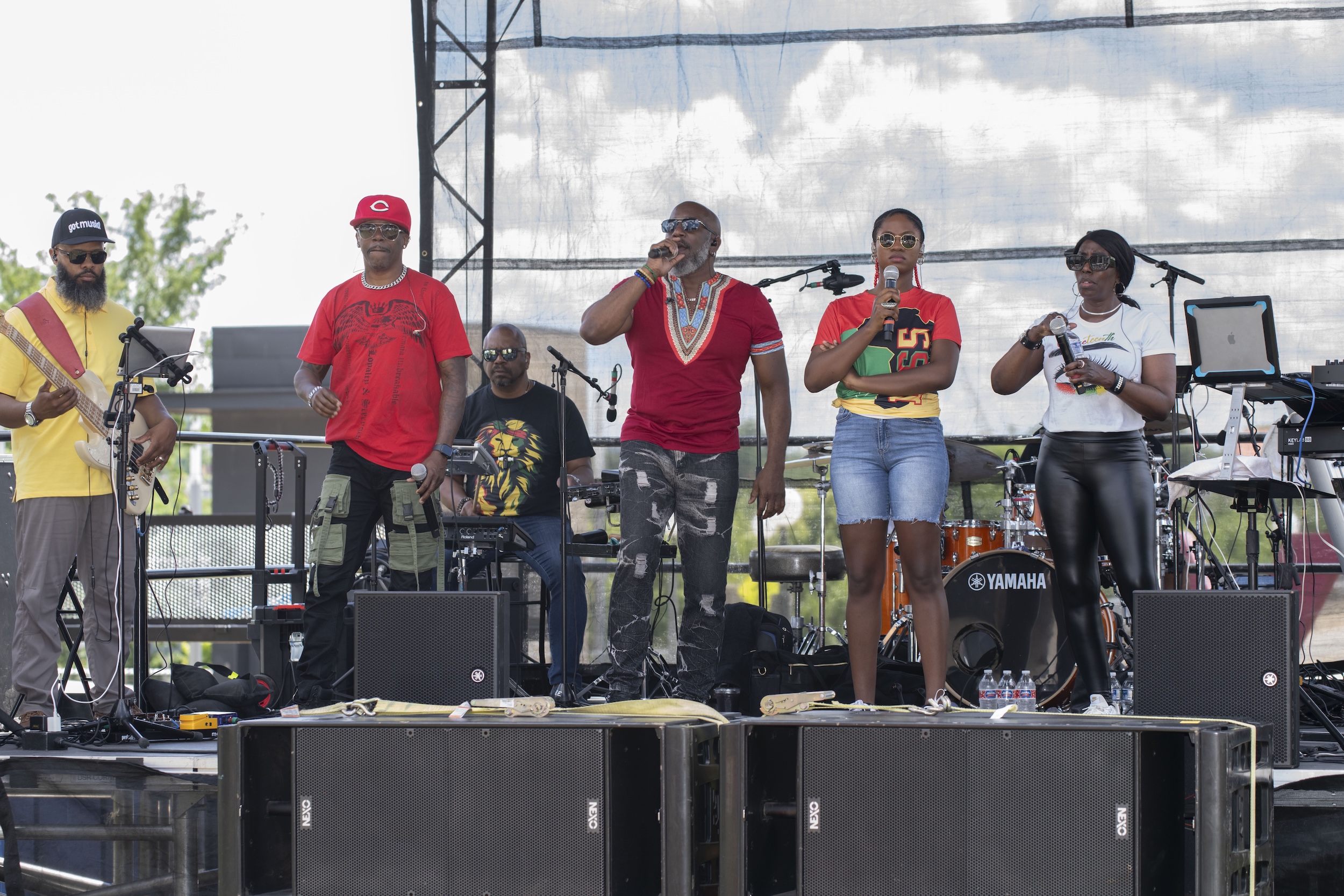
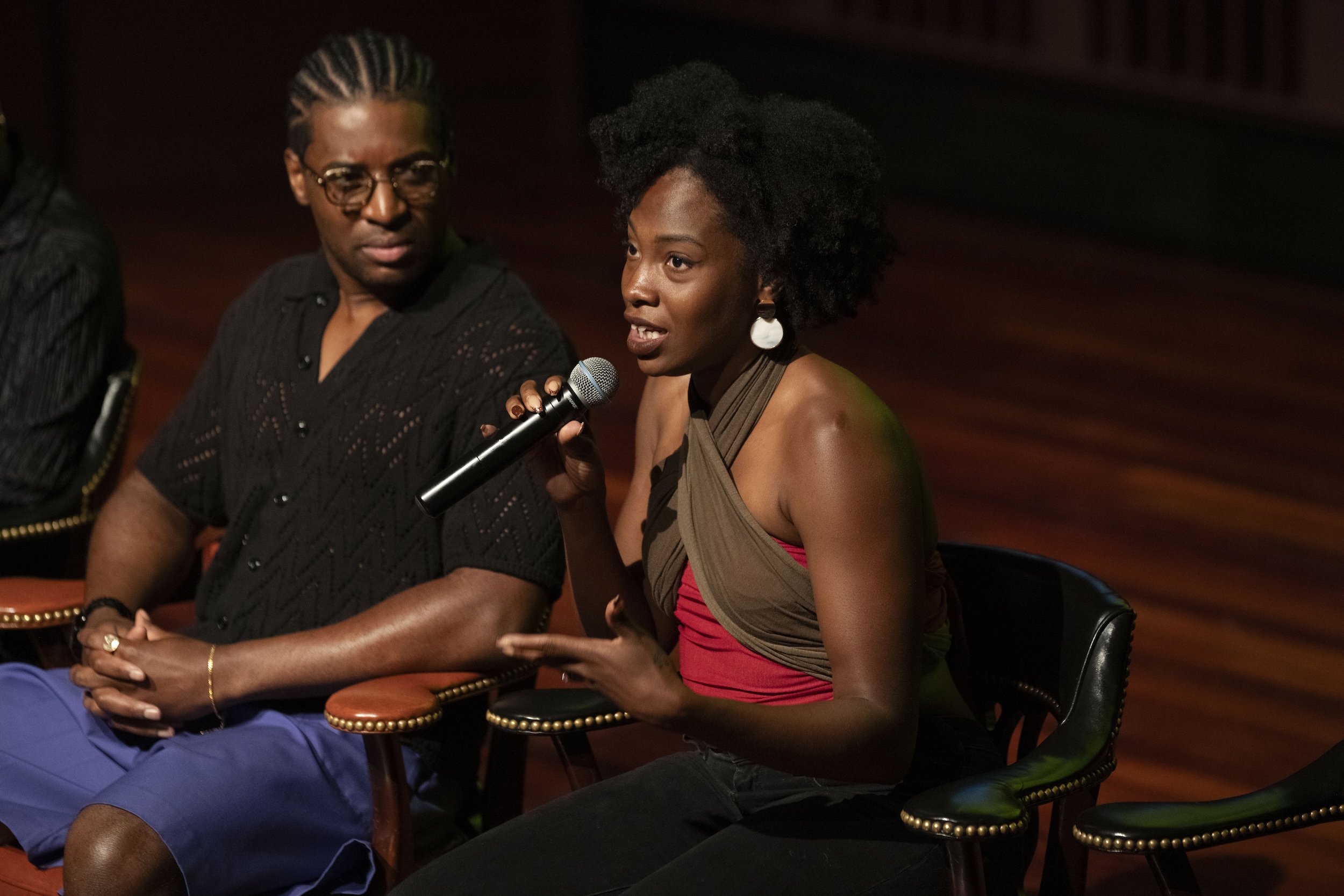
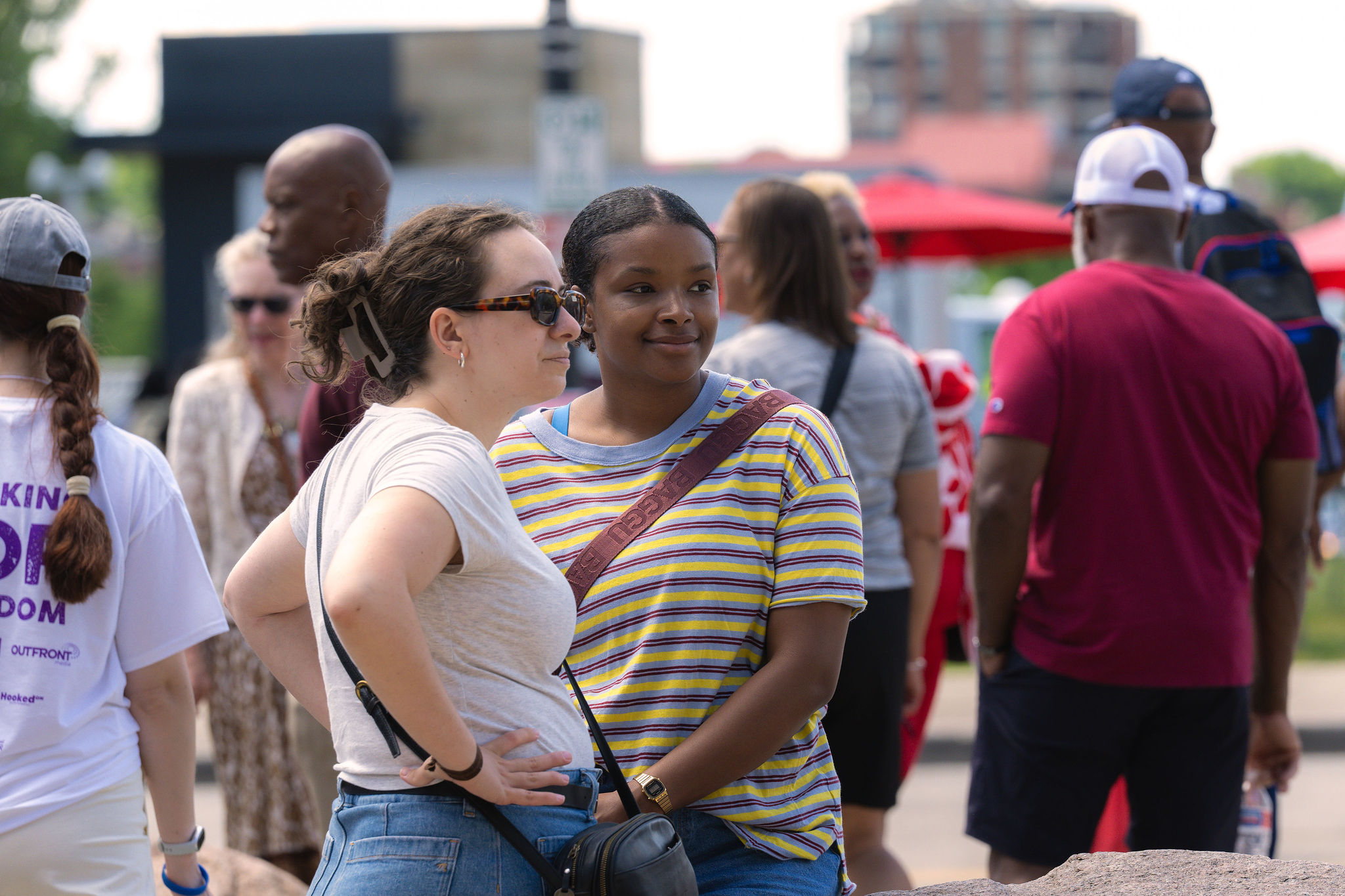
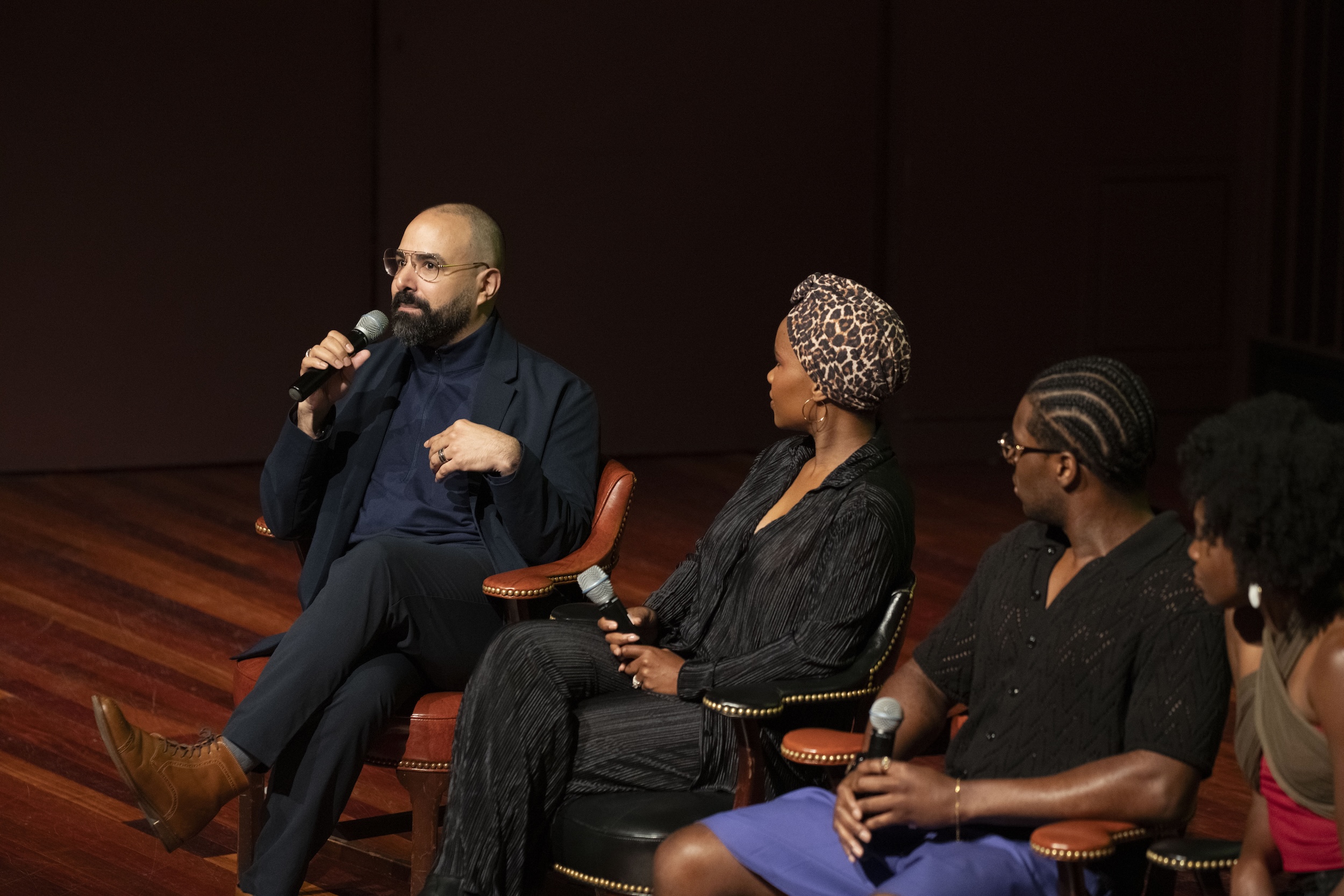
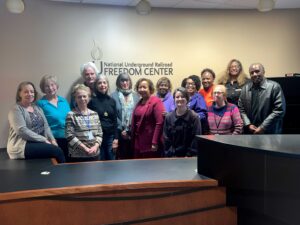
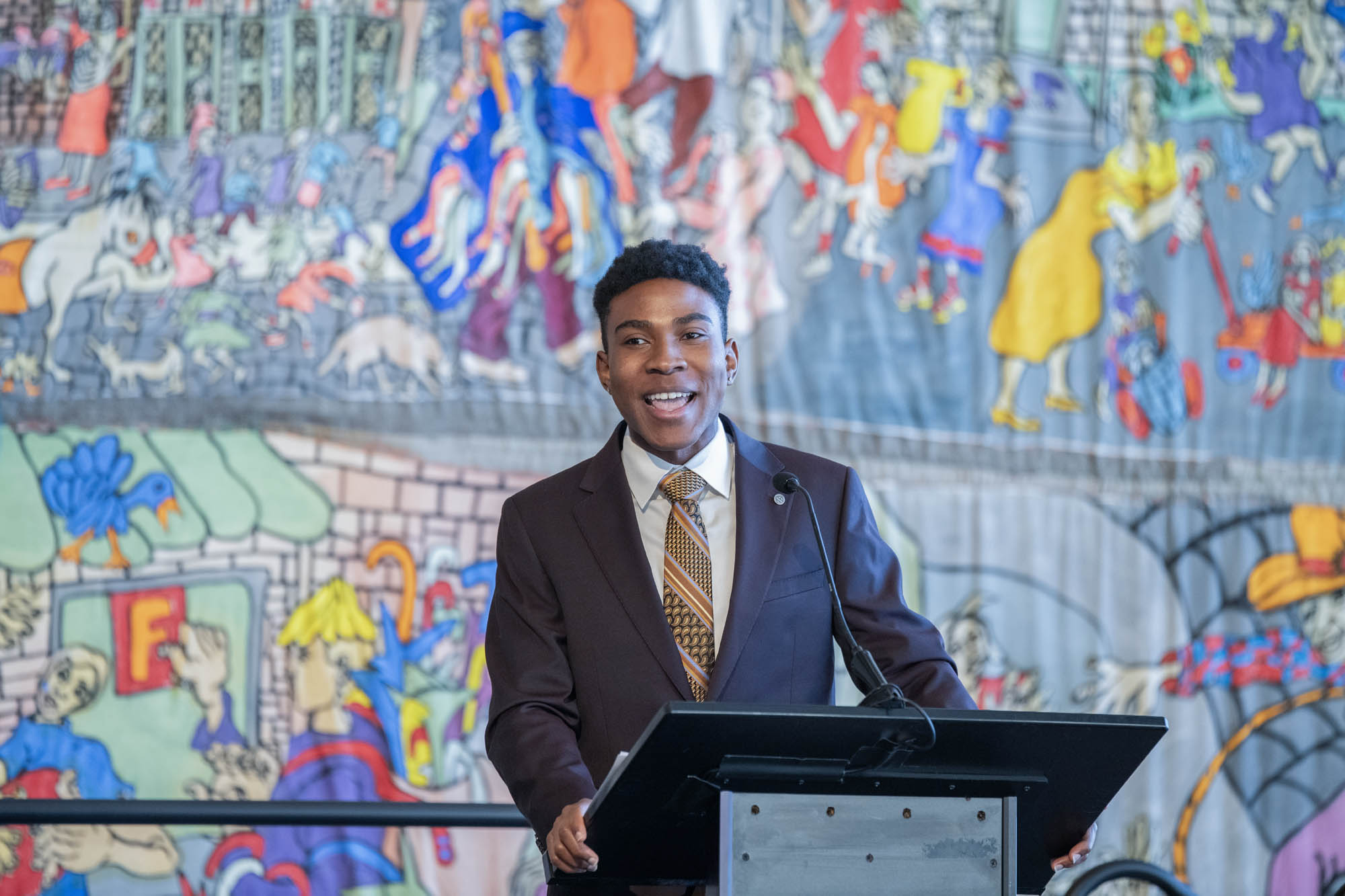
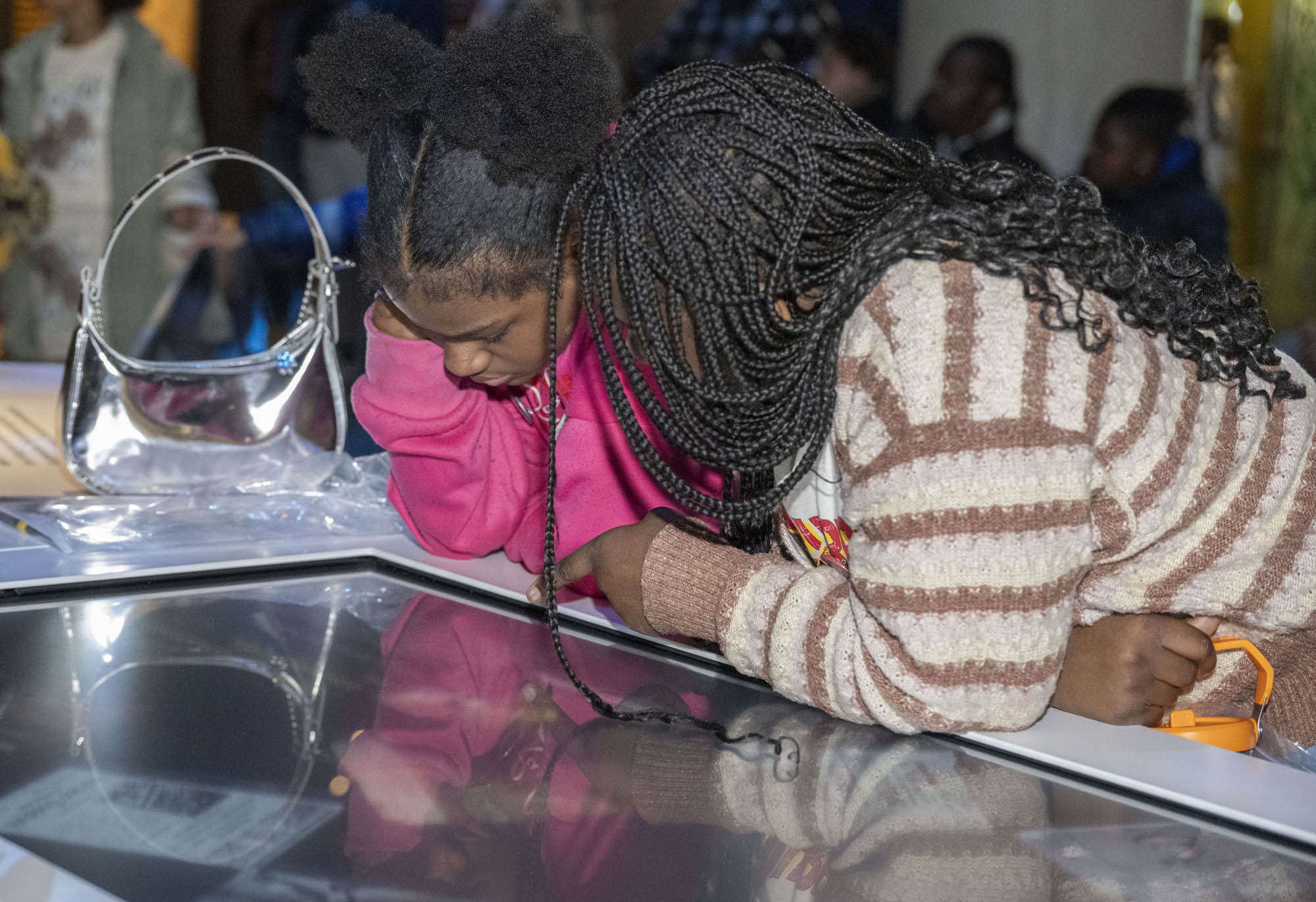
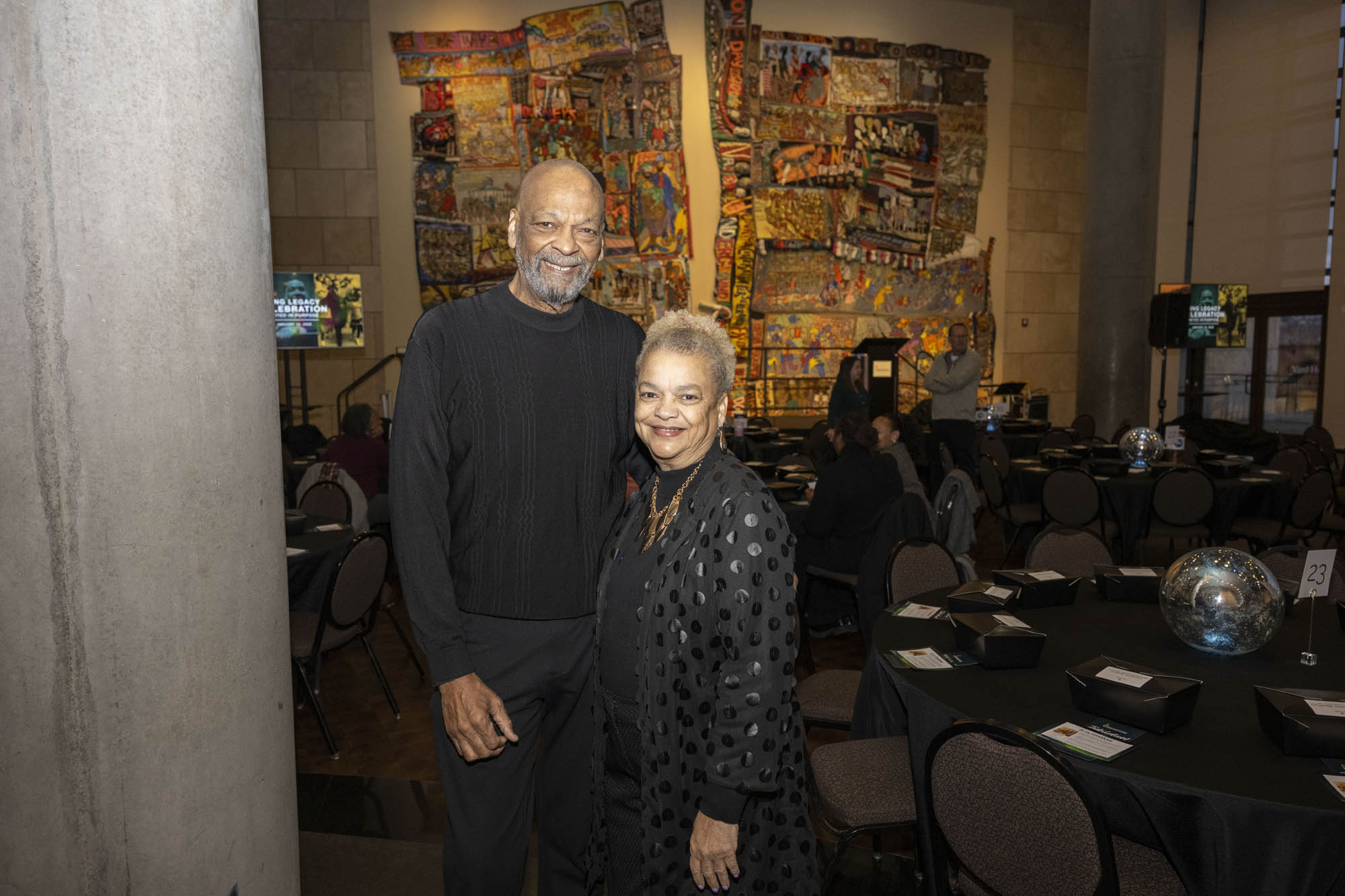
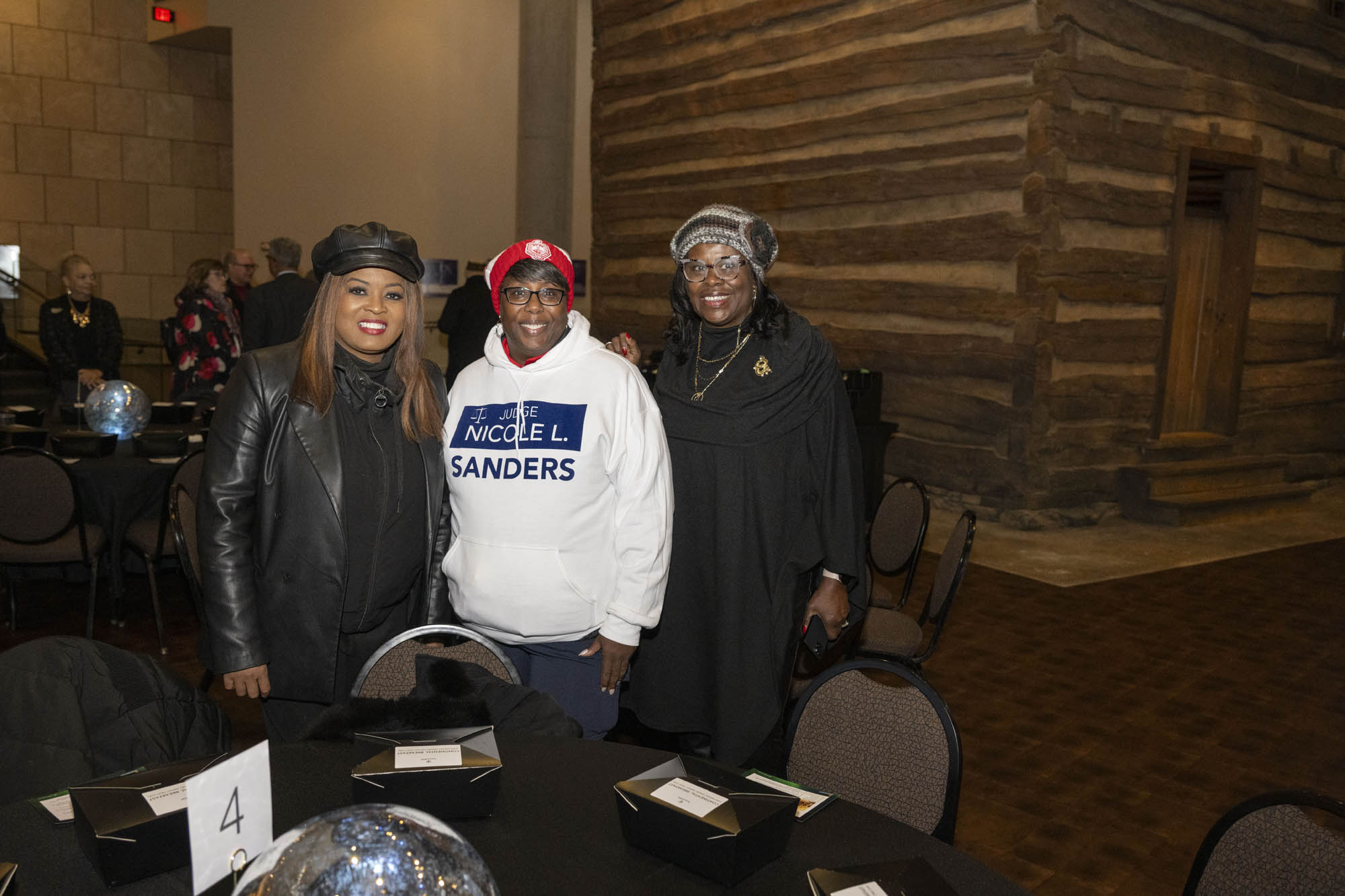
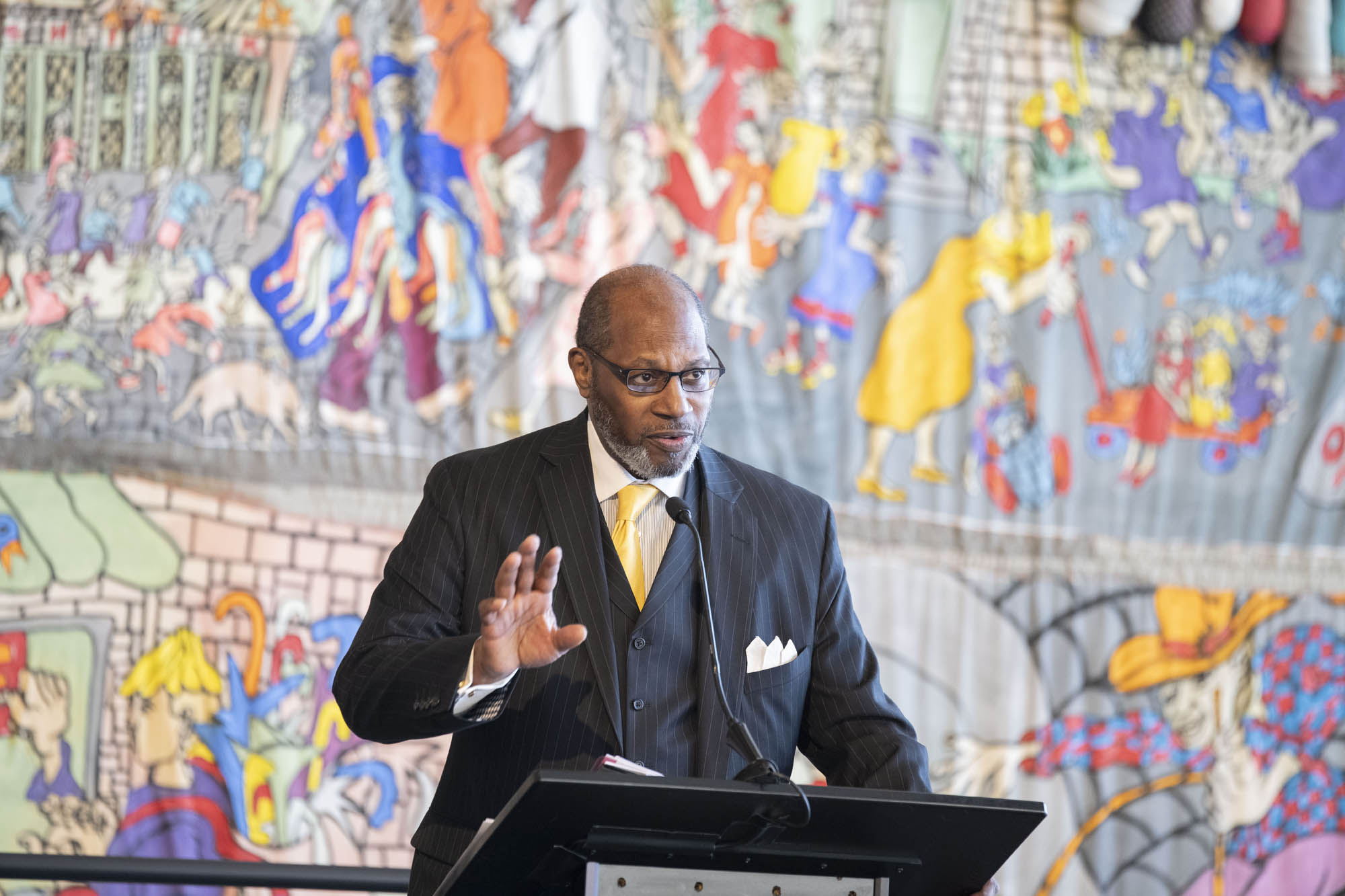
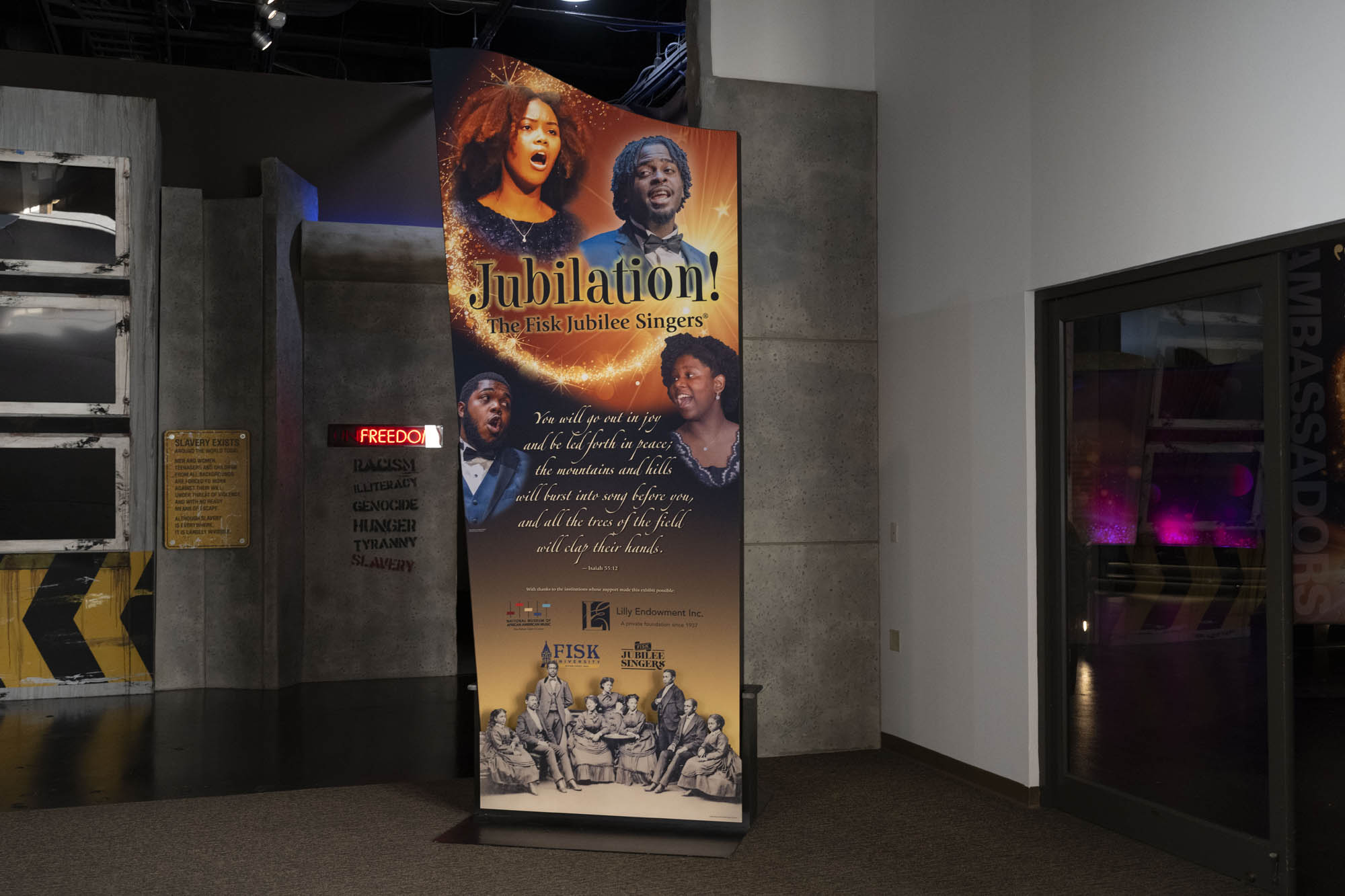
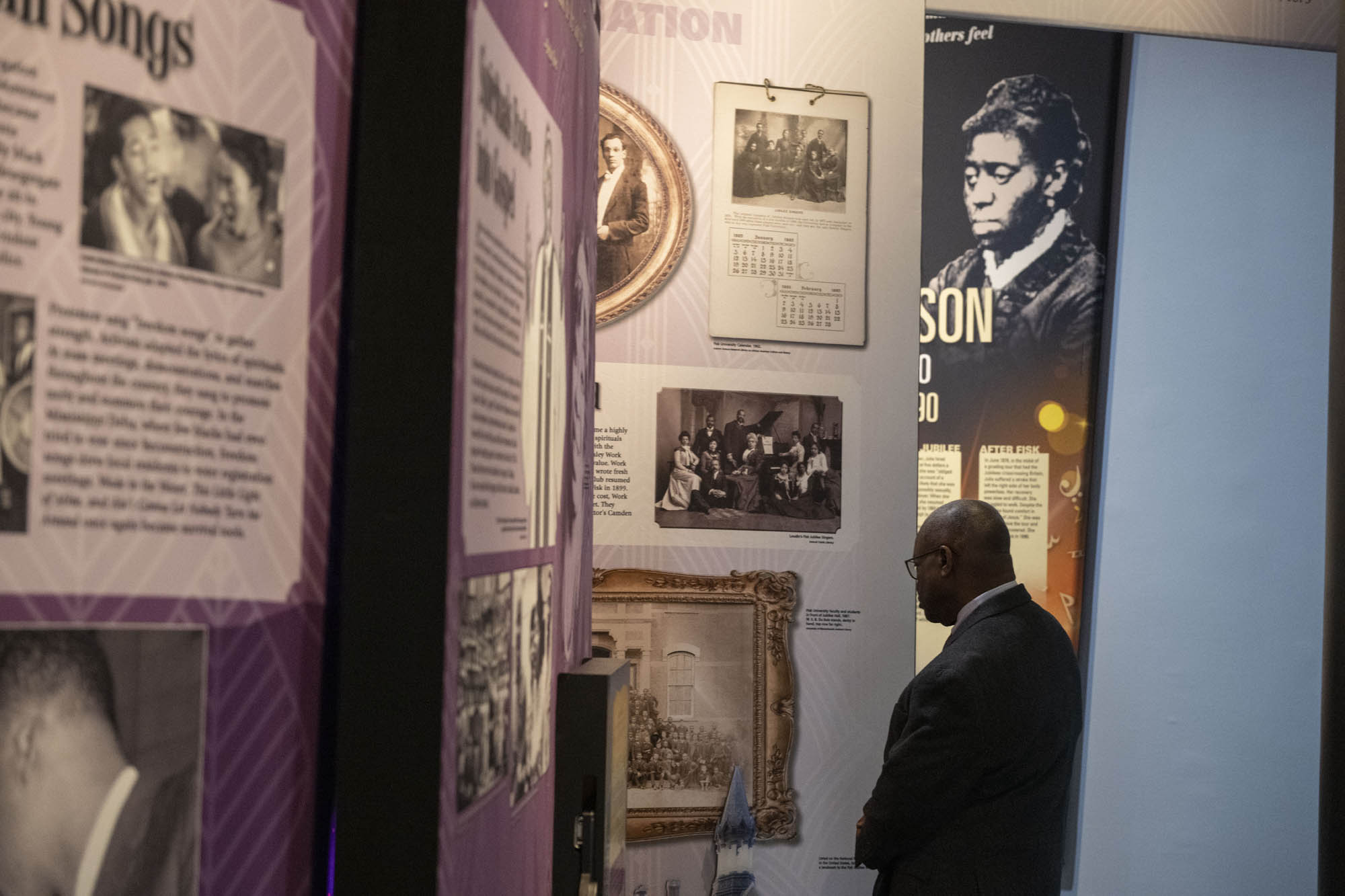
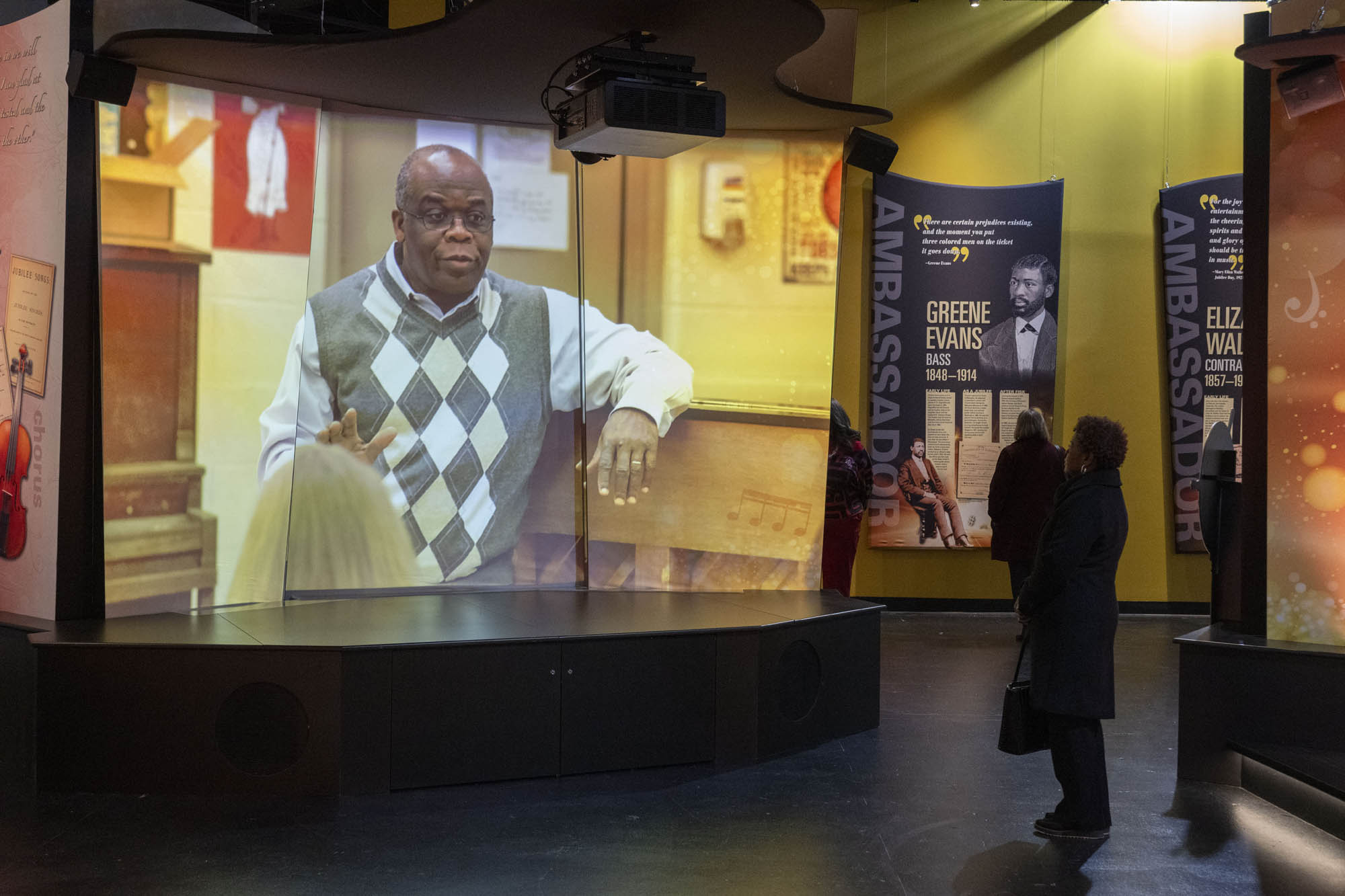
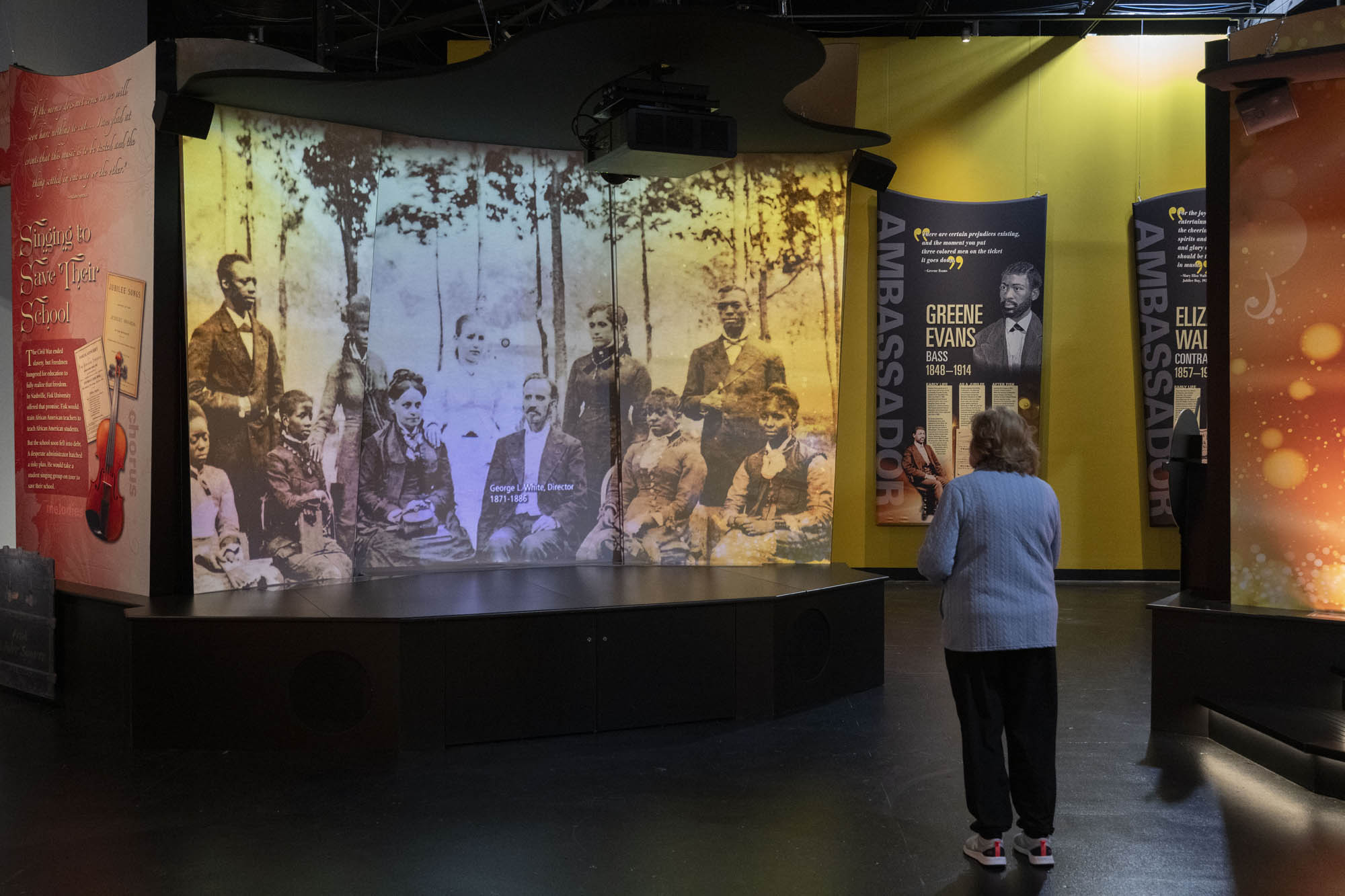
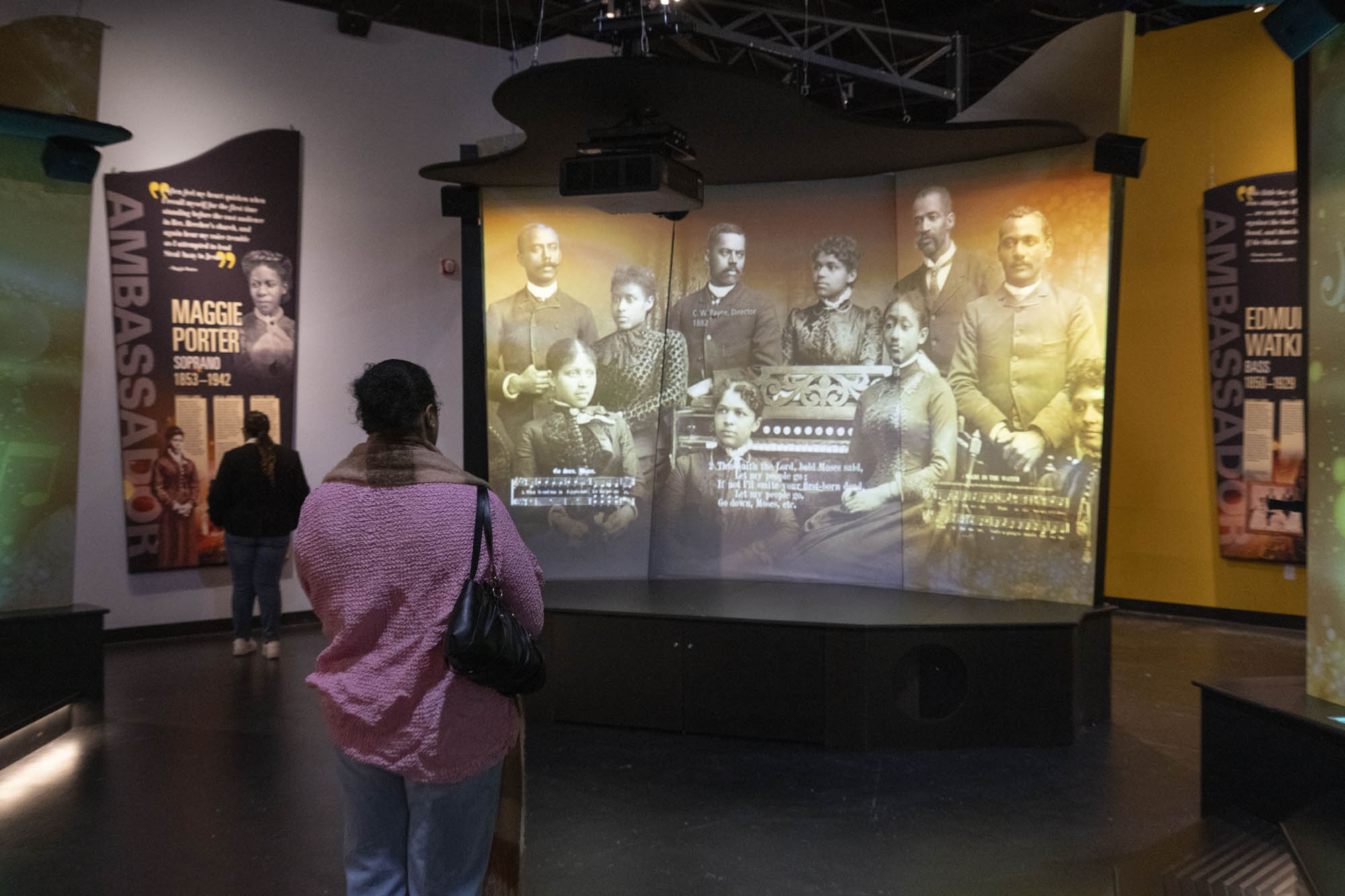
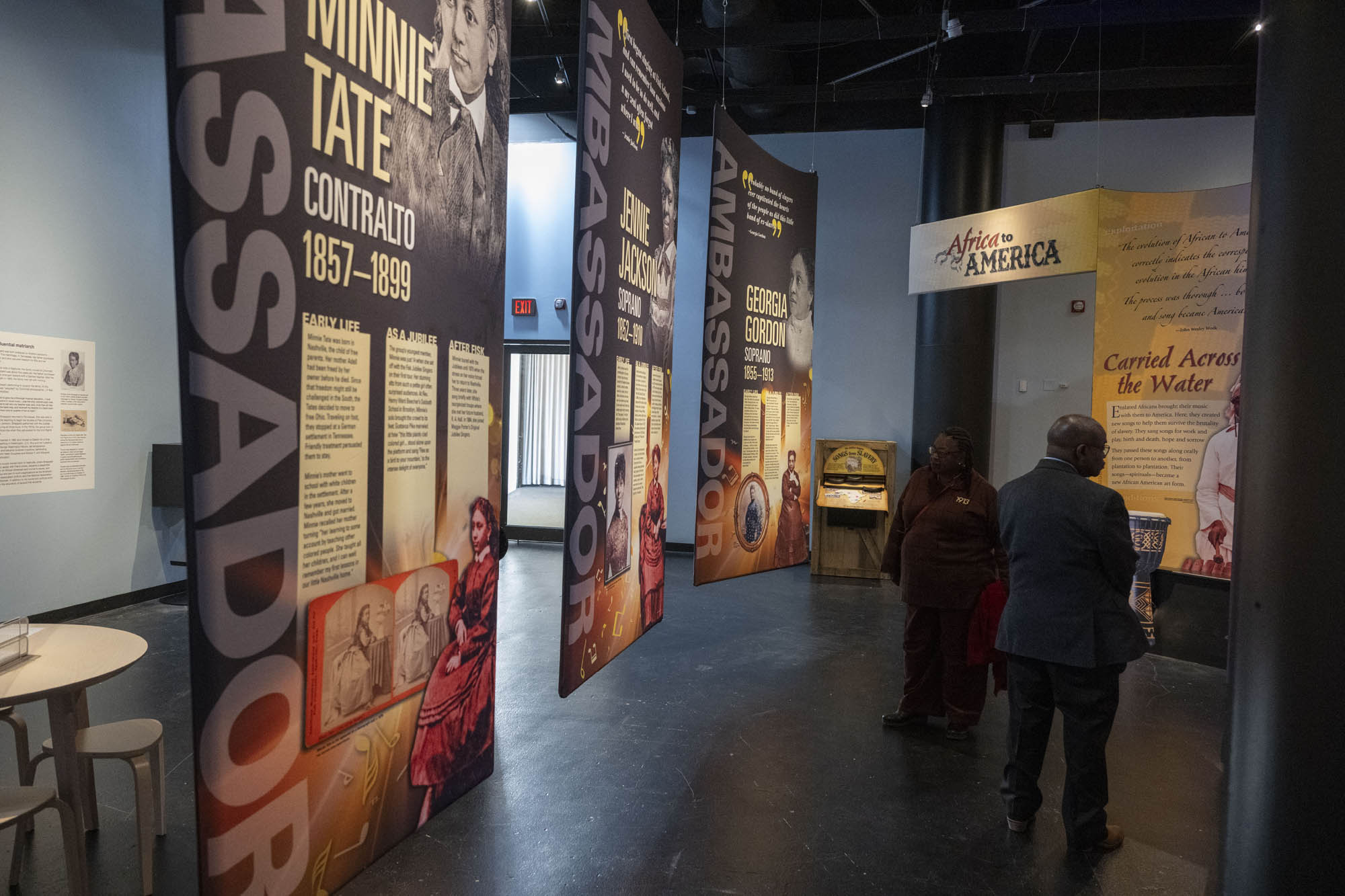
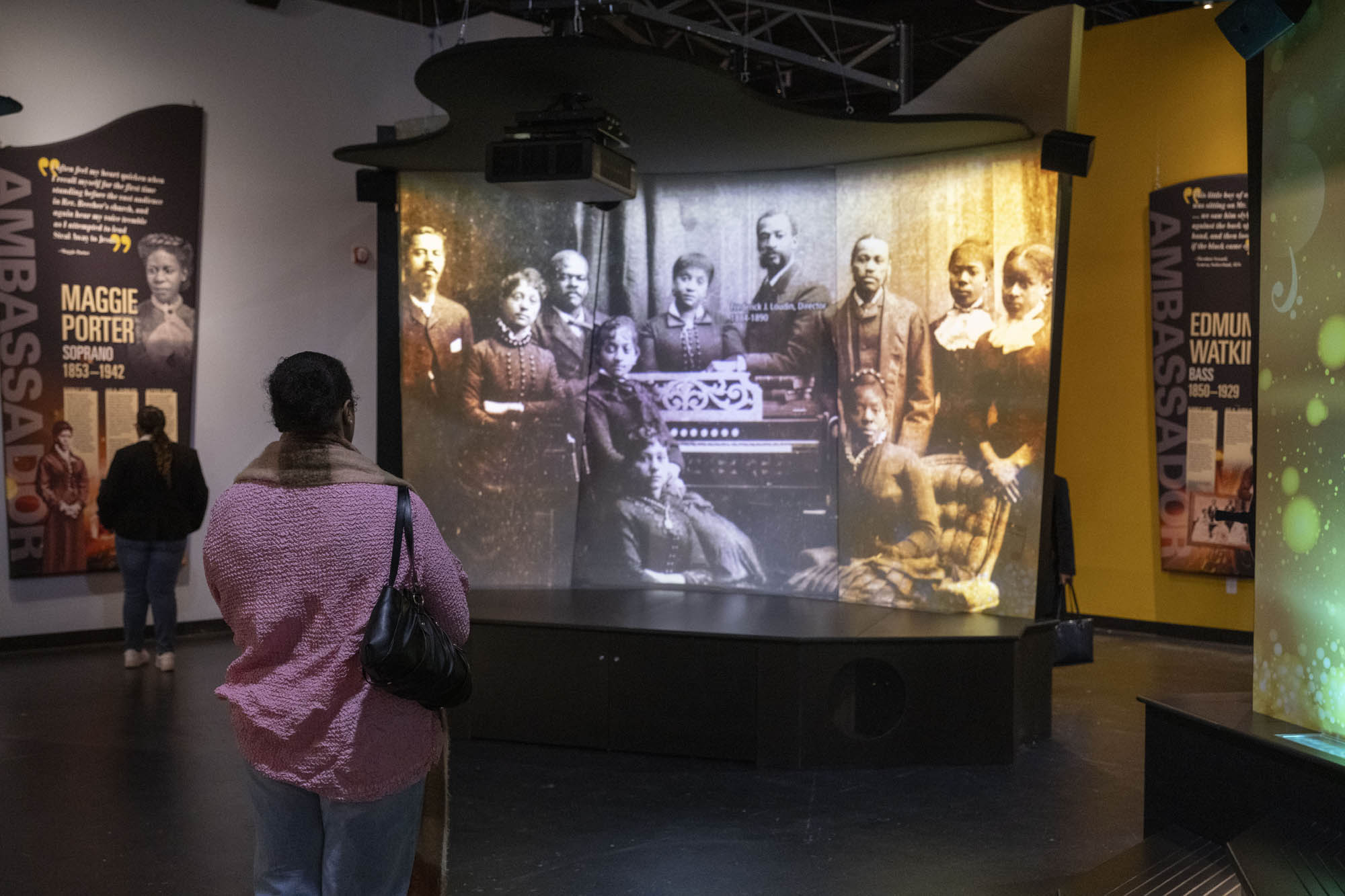
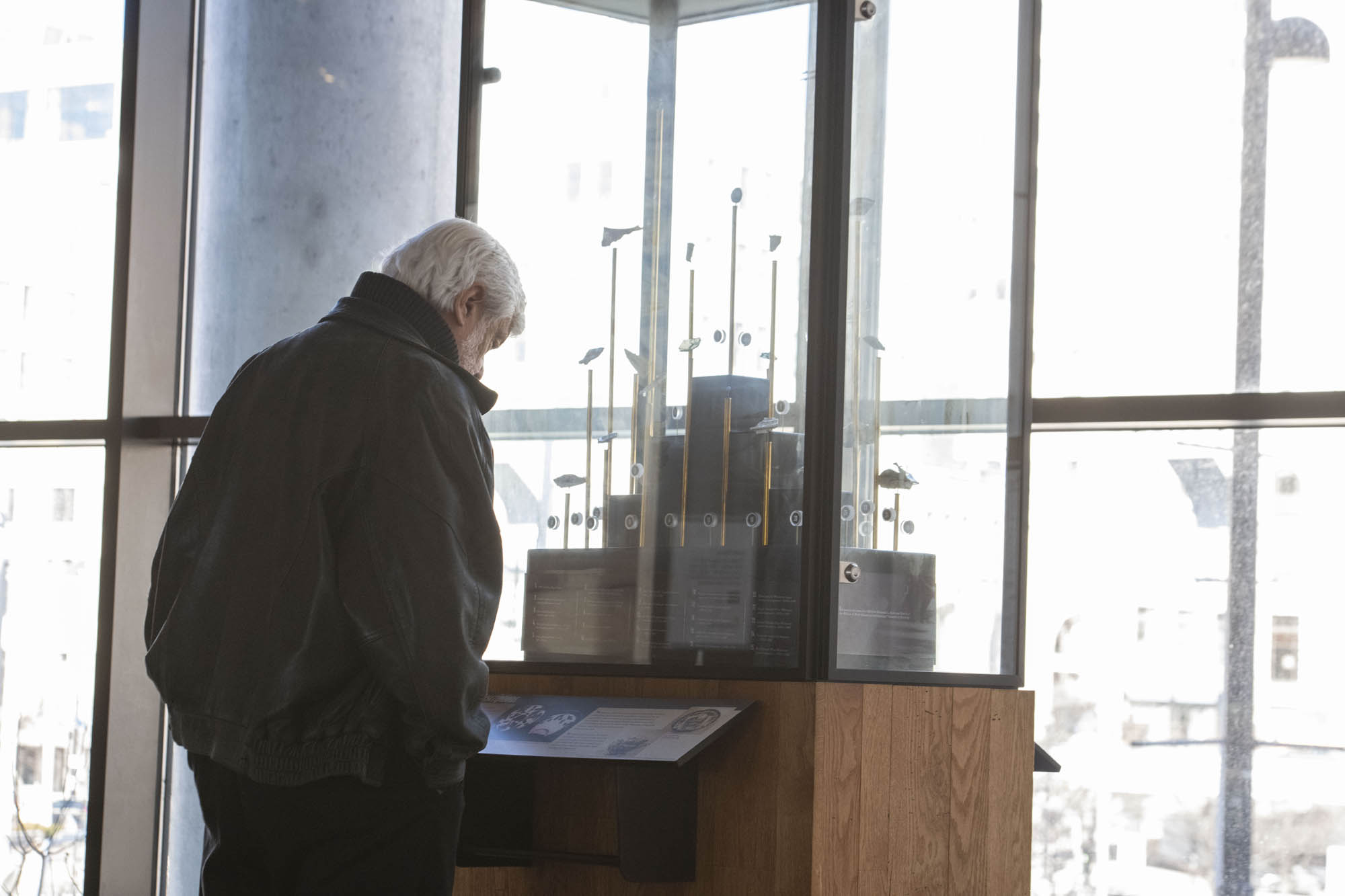
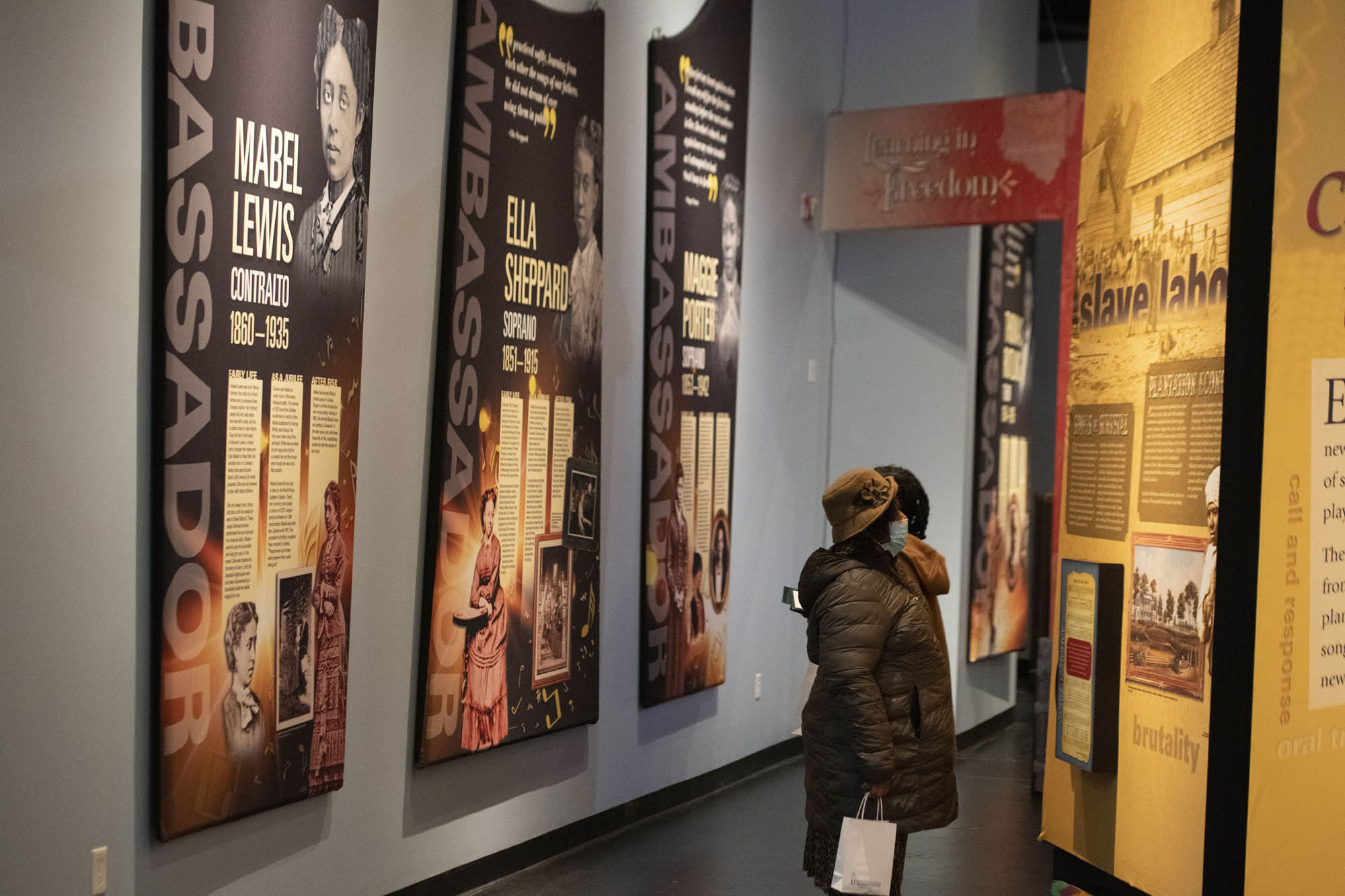
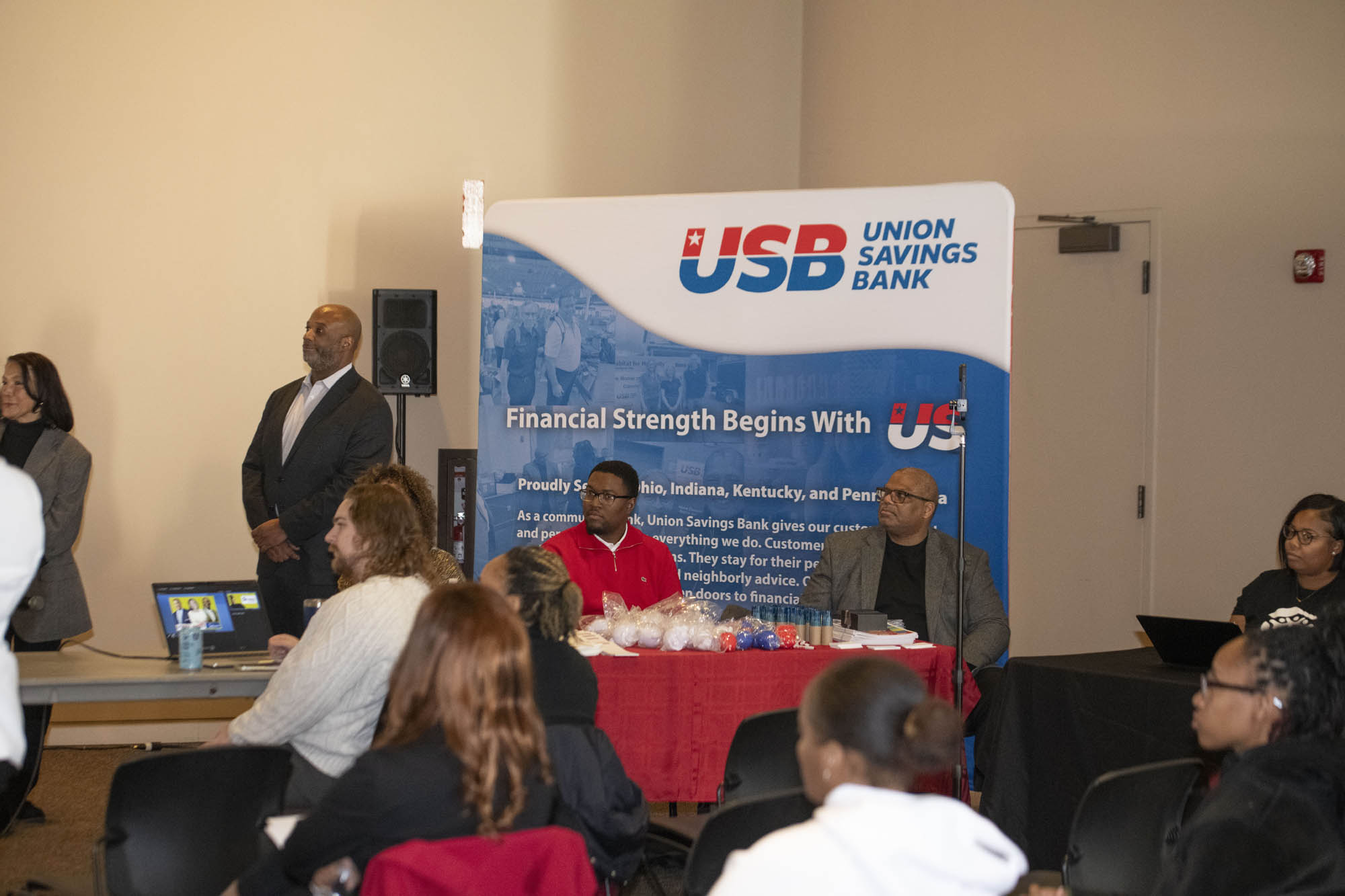
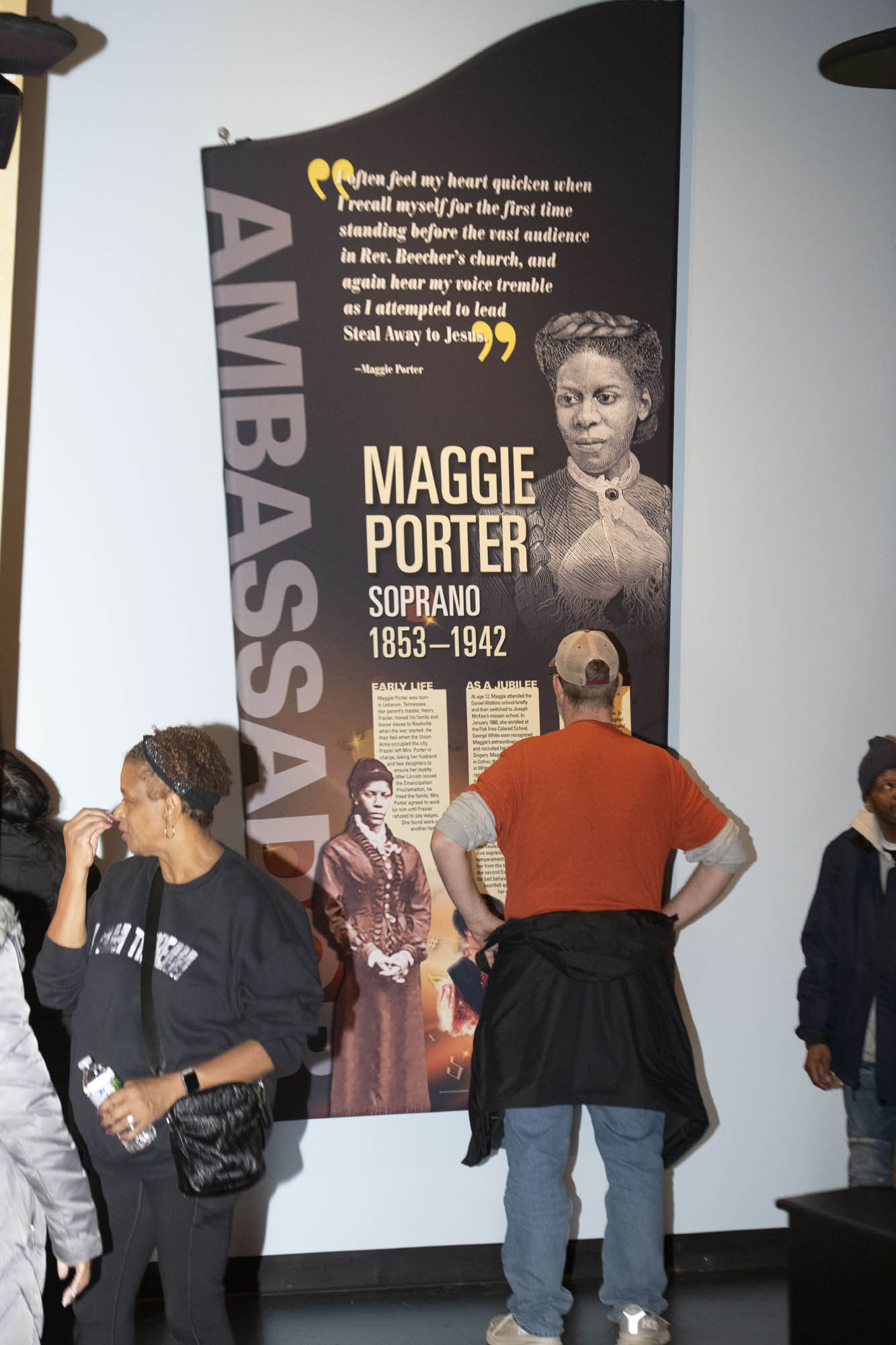
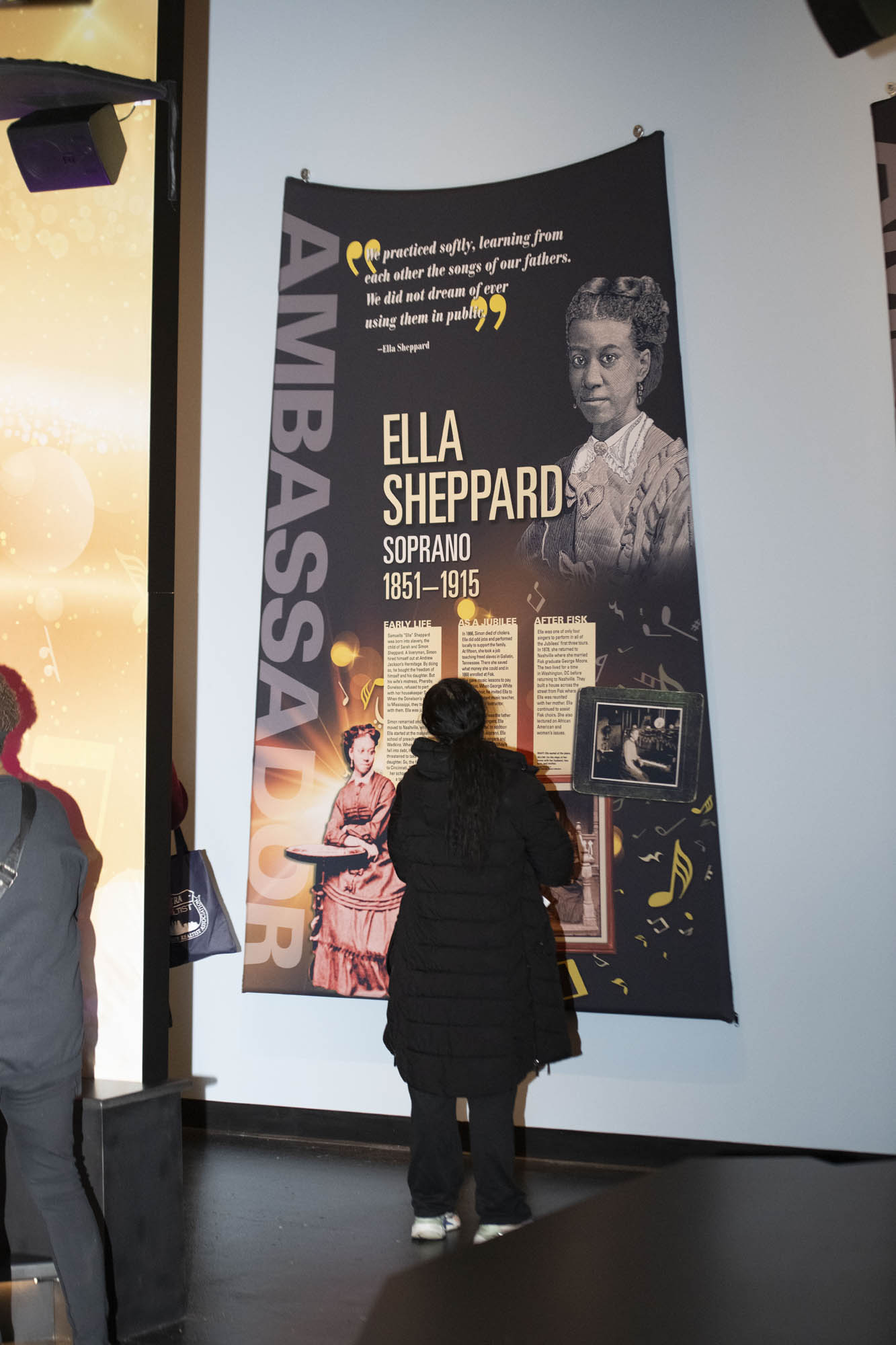
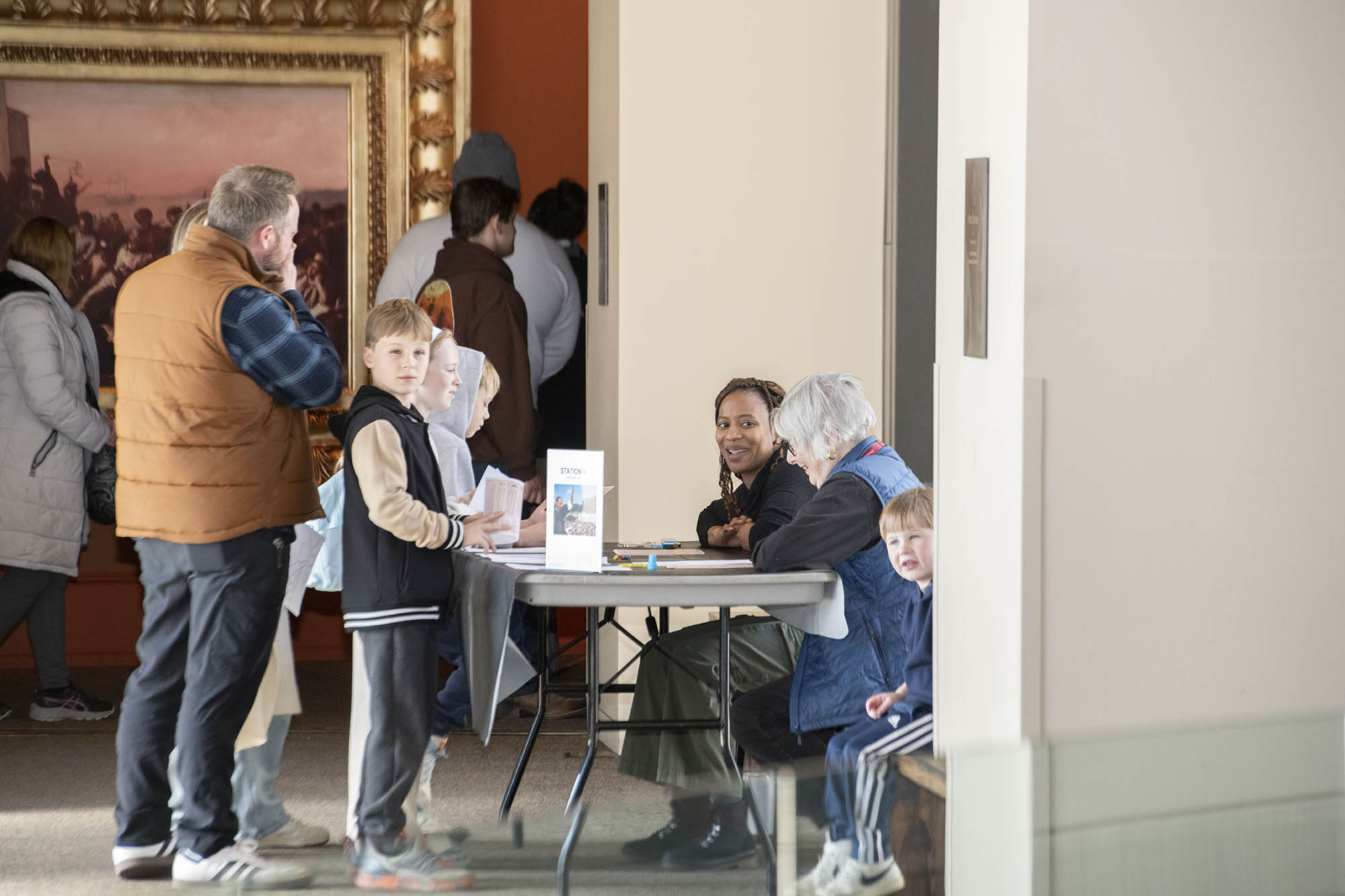
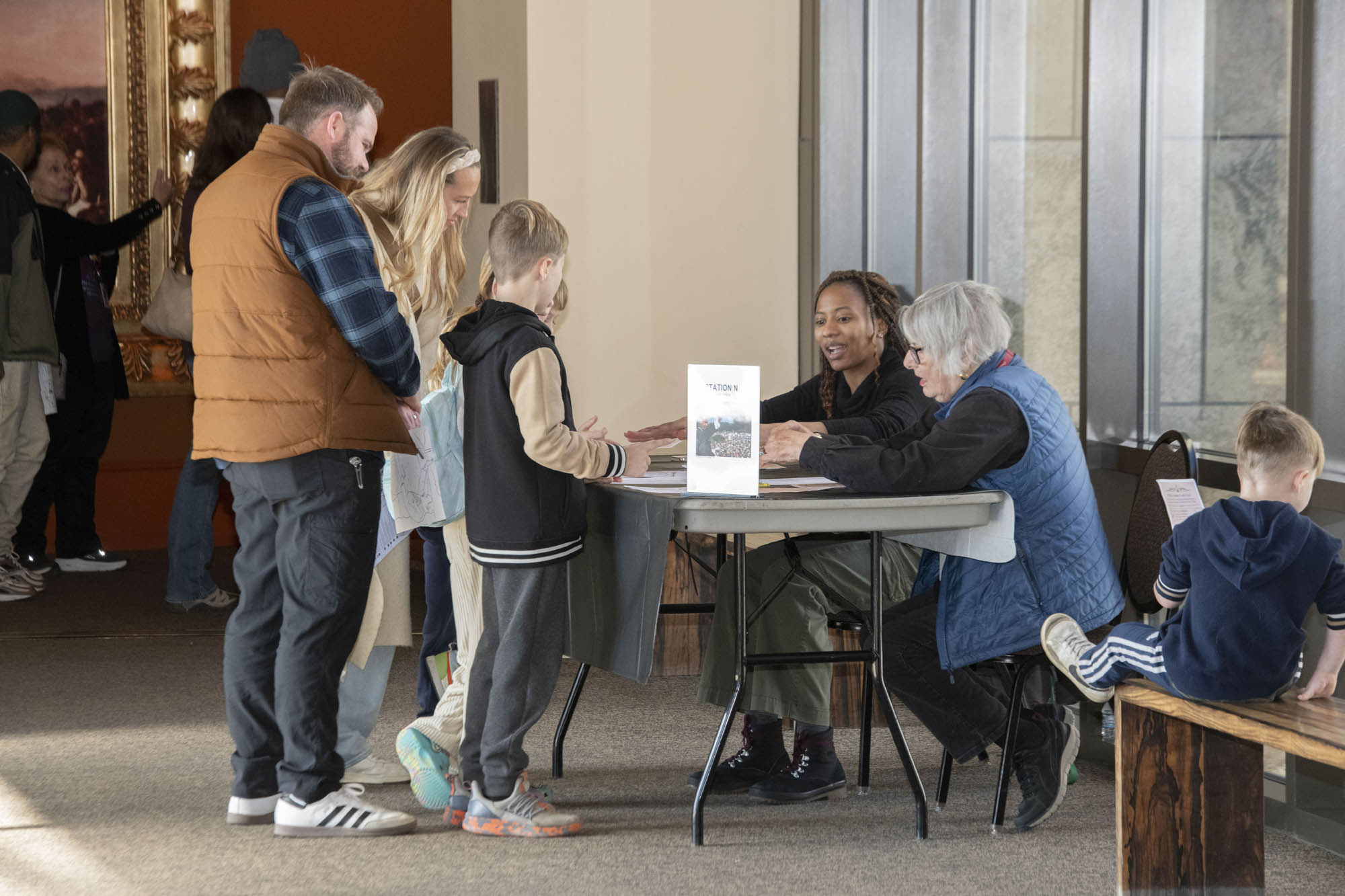
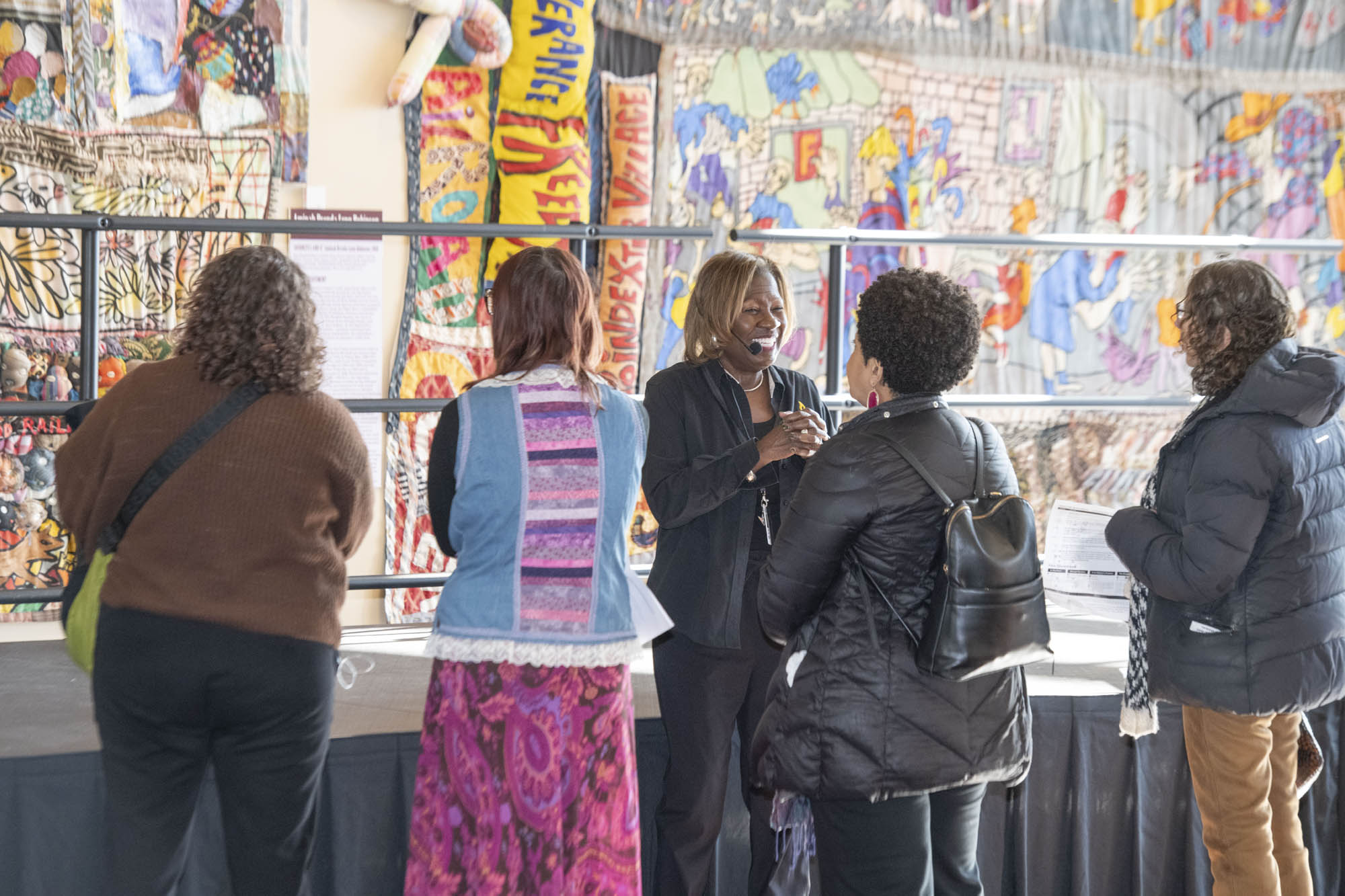
The Ambassadors of the National Underground Railroad Freedom Center, in collaboration with the National Panhellenic Council of Greater Cincinnati, invited alumni from Cincinnati's Black Greek Letter Organizations for a night of shared pride, conversation and exploring new exhibits at the Freedom Center.  
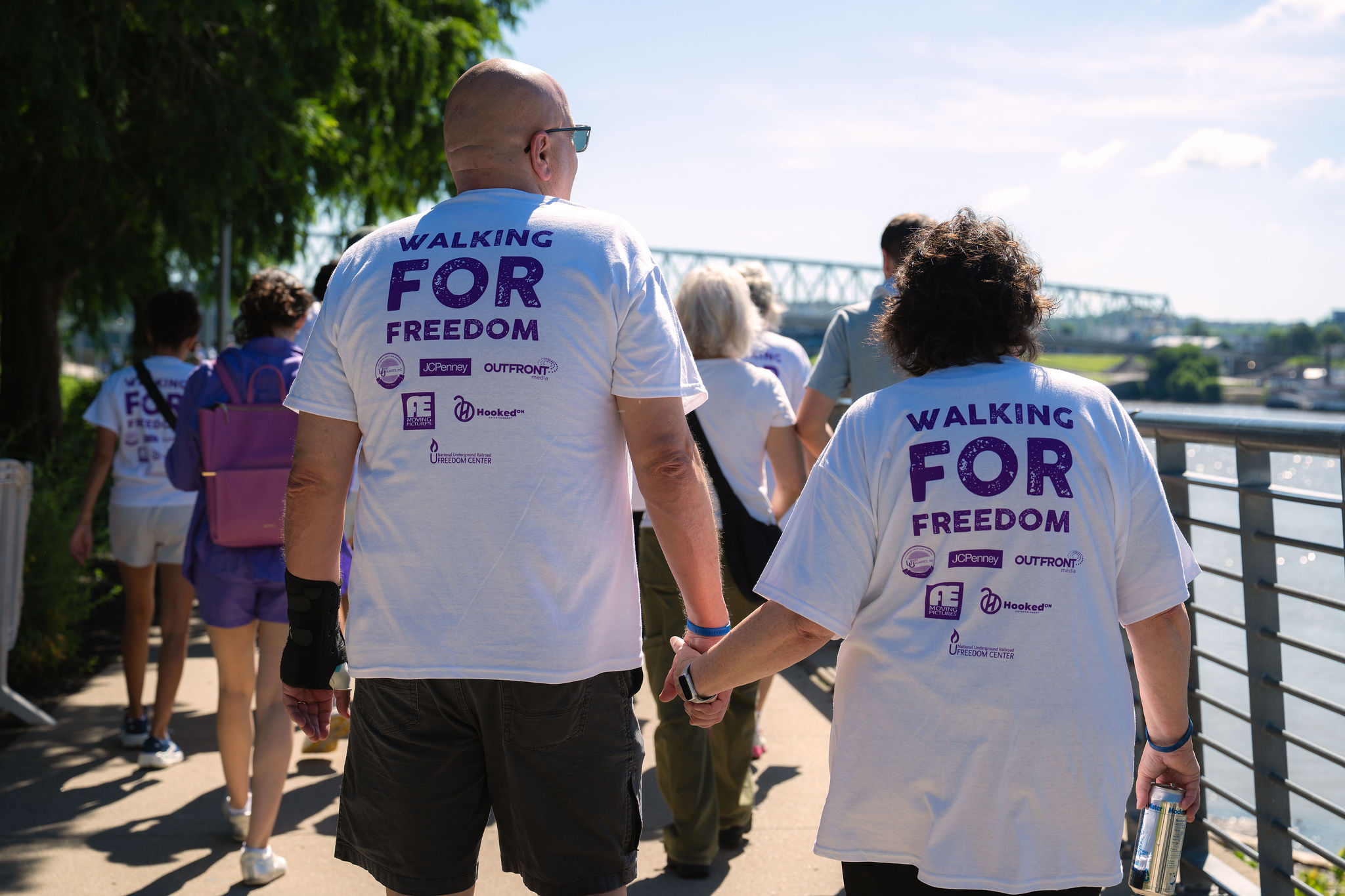
More than 200 attendees connected over drinks and appetizers and heard from Freedom Center leadership and supporters about how they could get more involved with the organization through service, membership and more. 
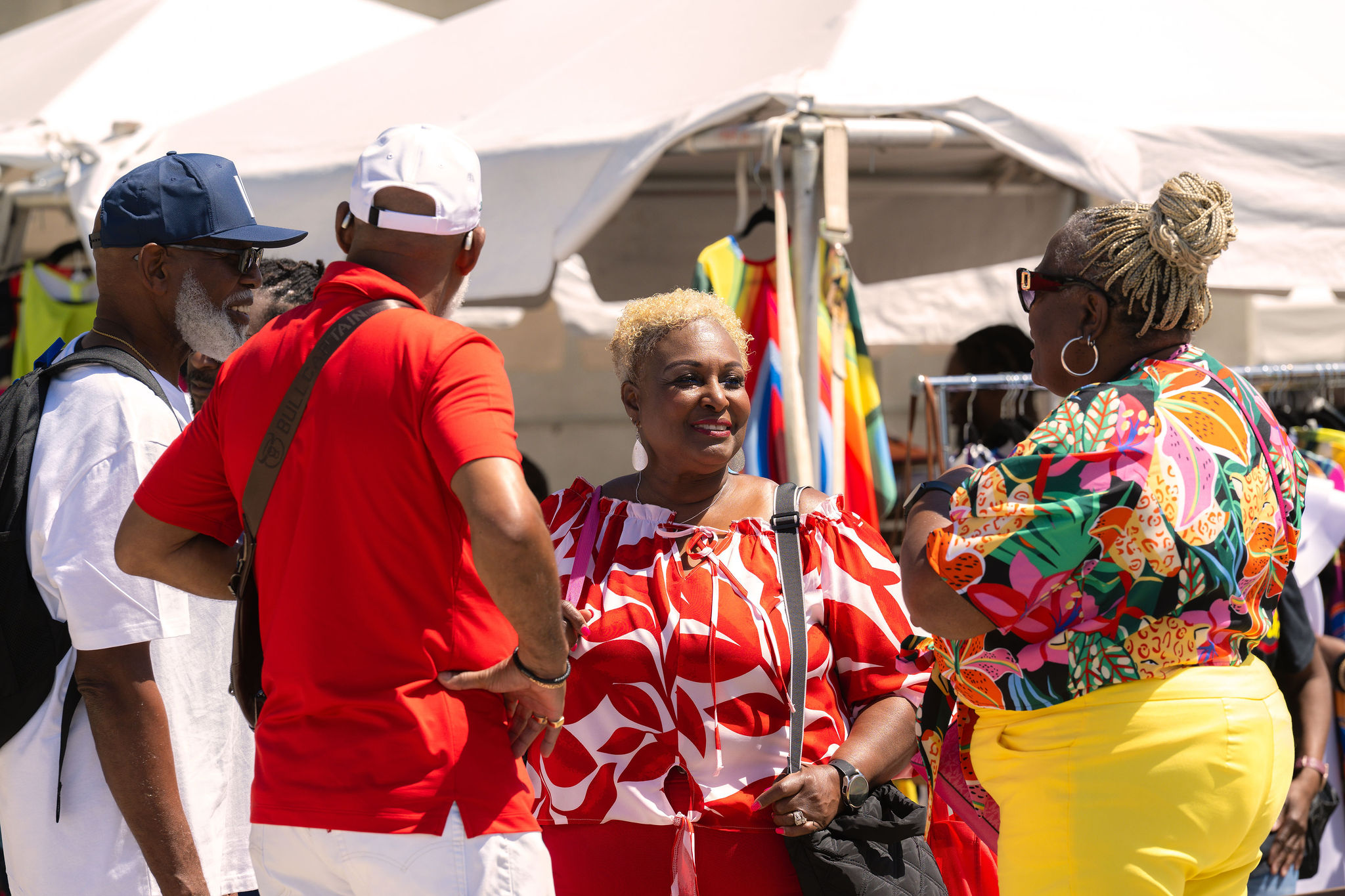
Thanks to all the members of “Divine 9” fraternities and sororities who came out and committed to making an impact through supporting the Freedom Center! 

  • Alpha Phi Alpha Fraternity, Inc.
  • Alpha Kappa Alpha Sorority, Inc.
  • Kappa Alpha Psi Fraternity, Inc.
  • Omega Psi Phi Fraternity, Inc.
  • Delta Sigma Theta Sorority, Inc.
  • Phi Beta Sigma Fraternity, Inc.
  • Zeta Phi Beta Sorority, Inc.
  • Sigma Gamma Rho Sorority, Inc.
  • Iota Phi Theta Fraternity, Inc.

What Does It Take to Become a Museum Docent in Cincinnati?

April 1, 2025

What Does It Take to Become a Museum Docent in Cincinnati?

Go behind the scenes of volunteer life at the National Underground Railroad Freedom Center and discover how you can help bring history to life.

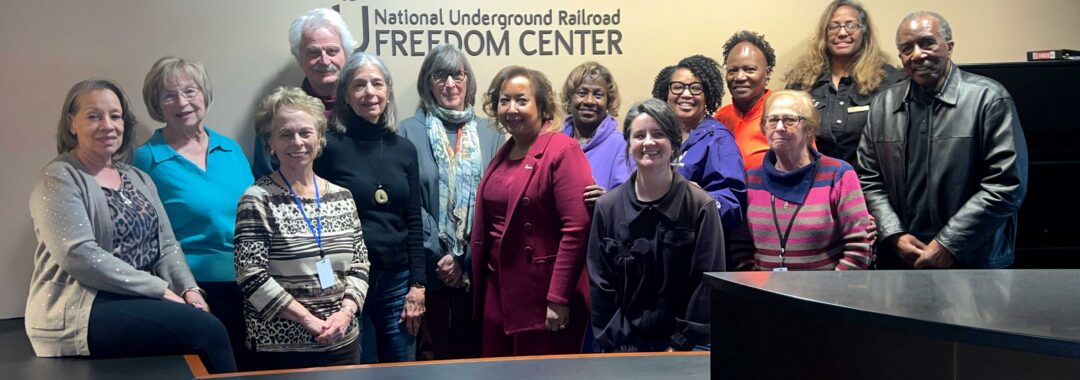
Each year, a dedicated group of volunteers steps into a unique role at the Freedom Center: helping visitors connect with the history of the Underground Railroad in meaningful ways. With a new class joining us this season, we’re taking a closer look at what it means to become a docent.

Our 2026 Inductees

Docent training takes place once or twice each year, making each induction of new volunteers a special occasion.

This year’s training included three in-person, discussion-based sessions where prospective volunteers explored historical content while practicing their visitor engagement skills. Because volunteers are often the first point of contact for guests, the program emphasizes creating a welcoming, supportive experience for everyone who walks through our doors.

Our Manager of Docents and Special Projects Novella Nimmo-Black has spent her time at the Freedom Center carefully honing this multi-pillared strategy. When we touched base with her to learn more about the impact of volunteering, she shared a powerful reminder: “Volunteering here at the Freedom Center as a docent gives you the chance to learn more about history’s past concerning enslavement. After completing training, the Underground Railroad then allows you in return to present those stories to our guests.”

Although volunteers are tasked with learning what may seem like a ton of critical skills and historical knowledge, Nimmo-Black reminds prospective applicants that classes are flexible and small-scale, tailored to a range of interests and schedules.

Did You Know?

Volunteers often engage with visitors who have traveled from across the country, as well as the world. Of the many highlights our docents tell regarding their experience, being able to share the history of the Underground Railroad to those who may be learning about it for the first time is significant.

Hear from our veteran docent Bill Haxton as he shares the highlights of his experience as a docent as well as a visitor.>>

In addition to this, being a volunteer comes with some museum perks. Our team is able to preview upcoming exhibits prior to opening days and can enjoy free or discounted access to programs and community events.

For those seeking a more immersive role, docents guide visitor experiences through conversation and interactive learning. Their training includes shadowing senior docents, some independent study and practice sessions. New docents learn one area of the museum at a time and progress at their own pace, with ongoing training to stay current in both historical content and facilitation techniques.

“Think of it more like attending your favorite weekend book club meeting or sitting down for an engaging discussion-based lecture,” says Manager of Marketing and Communications Abigail Kussow, who admits that she finds both of those events undoubtably fun. “Because our team of docents is relatively modest in size, the training sessions really allow for closer involvement in how skills and content knowledge are absorbed.”

Other Volunteer Opportunities for National Volunteer Month

With the start of April being the launch point for National Volunteer Month, the Freedom Center provides unparalleled opportunities to be of service to our local communities – even outside of being a museum docent. Special Event Volunteers support programs throughout the year with flexible scheduling, including evenings and weekends with no formal training required.

Additionally, volunteers in the FamilySearch Center assist visitors specifically with genealogy research, making this a great fit for those comfortable with computers and interested in family history.

Read the WCPO web feature on our volunteer Sharon Cross and her story to uncover her family’s past here. >>

Whether serving as a docent or contributing in another role, volunteers play a vital part in helping the Freedom Center share history and connect it to the present and make our space even better.

Click here to learn more, and register for an upcoming volunteer training course. >>

Supporting Every Visitor: New Accessibility and Sensory Tools at Our Museum

February 15, 2025

Supporting Every Visitor: New Accessibility and Sensory Tools at Our Museum 

Get to know the new accessibility resources available at the Freedom Center.  

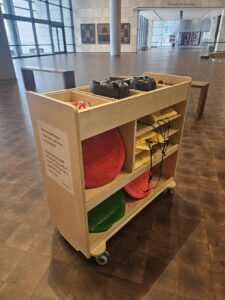
If you’ve stopped by our museum this month, you may have noticed a few thoughtful additions to our gallery space. Located on our second and third floors, our new accessibility carts invite guests to enhance their visiting experience in ways that feel grounded in support.  

Made possible by an Ohio Arts Council grant awarded in 2025, these carts reflect our commitment to creating a museum experience that is welcoming. As museums and cultural centers continue to expand their perspectives on how to engage with the public, we are proud to be a part of the community that is actively turning suggestions into reality.  

“Accessibility is inclusion,” says Shawnee Turner, Vice President of Interpretation and Education. “At its core, accessibility allows for all to learn, experience, shape and create what we have to offer.” This philosophy guides our development of these new resources and informs how we think about Freedom Center programming and structure going forward.

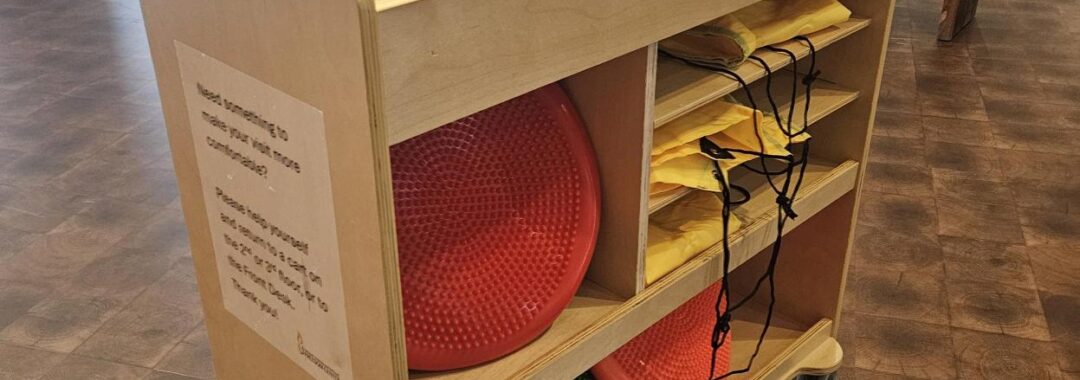
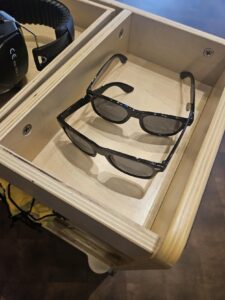
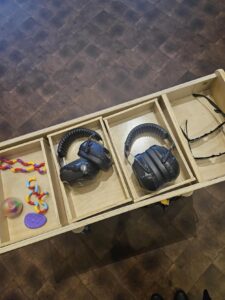
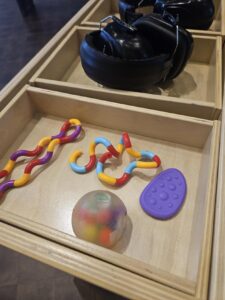
Each accessibility cart offers a selection of tools designed to support a wide range of access needs and sensory preferences. Visitors may choose from items such as noise-reducing headphones, fidgets, sunglasses and fidget seats allowing them to engage with the museum in ways that best suit them. Bags are also offered for those who wish to bring several tools with them while moving through our exhibits.  
 
These new resources join a host of offerings already activated in our museum. Over the past four to five years, the Freedom Center staff and community collaborators have worked to enhance the visitor experience through measures such as closed captioning on exhibit films, accessible business cards, Braille museum maps, mobility scooters, extended time frames for automatic door holds and audio and light adjustments on new exhibitions. “Working with our state and local community collaborators, we continue to build networks, invite feedback, and improve accessibility in and around the museum” says Freedom Center Curator Stephanie Lampkin, PhD. We’re excited to improve our accessibility goals through partnerships with Easterseals Redwood, ClovernookALS and See3D.    
 
Our commitment to these implementations, as well as those to come, ensure that our guests can focus on what matters most: exploring, reflecting and connecting with invaluable narratives of U.S. history. 

Interested in learning more about what accessibility features can be found at the Freedom Center? Head to our webpage

Meet the Freedom Center’s new philanthropy team

February 2, 2026

Freedom Center Welcomes Two New Members to Philanthropy Team

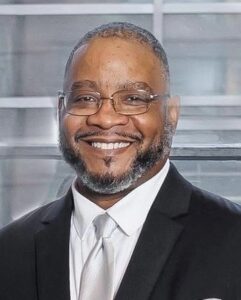
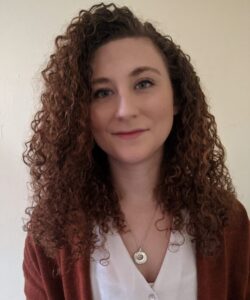
Meet Dr. Maurice Huey, Senior Director, Philanthropy and Jazmina Robinhawk, Manager, Philanthropy Data & Strategy. 

The National Underground Railroad Freedom Center is pleased to welcome Dr. Maurice Huey and Jazmina Robinhawk to its philanthropy team, strengthening the organization’s capacity to build meaningful relationships, advance its mission and support its work at the intersection of history, justice and freedom.

Get to know our new team members:

Dr. Maurice Huey, Senior Director, Philanthropy


Dr. Maurice Huey brings more than two decades of nonprofit leadership experience to the Freedom Center’s philanthropy team. A respected leader in the Greater Cincinnati region, Dr. Huey has held senior roles across several local, national and international organizations focused on education, public health, and community and youth development. These organizations include Cincinnati Youth Collaborative (CYC), OneSight Foundation and the Cincinnati Association for the Blind and Visually Impaired (CABVI).  

Throughout his career, Dr. Huey has demonstrated a deep commitment to mission-driven work and sustainable impact. In his philanthropy leadership role at the Freedom Center, he brings a relationship-centered approach grounded in collaboration, trust and shared purpose  that aligns with how the Freedom Center’s mission and vision. 

He is a graduate of Wittenberg University, holds an MBA from the University of Michigan, and a Doctorate in Business Administration- Nonprofit Leadership & Management from Liberty University and has been recognized with multiple leadership and service awards. 

Jazmina Robinhawk, Manager, Philanthropy Data & Strategy


Jazmina Robinhawk joins the philanthropy team with a strong background in institutional advancement, arts advocacy and nonprofit administration. She most recently served as the Director of Institutional Advancement and Executive Offices Assistant at Art Academy of Cincinnati, where she supported development planning, donor engagement, grant research and special events while working closely with executive leadership.

Robinhawk is deeply committed to the transformative power of creativity and culture. Her experience spans donor relations, project management, event coordination, and policy development, with a particular focus on fostering inclusive and supportive environments for artists and cultural institutions. She holds academic training in fine arts and art history and is an active participant in Cincinnati’s creative community.

In this philanthropy role at the Freedom Center, Robinhawk supports fundraising operations and donor engagement efforts, bringing creativity, organization and a collaborative spirit to advancing the institution’s mission.

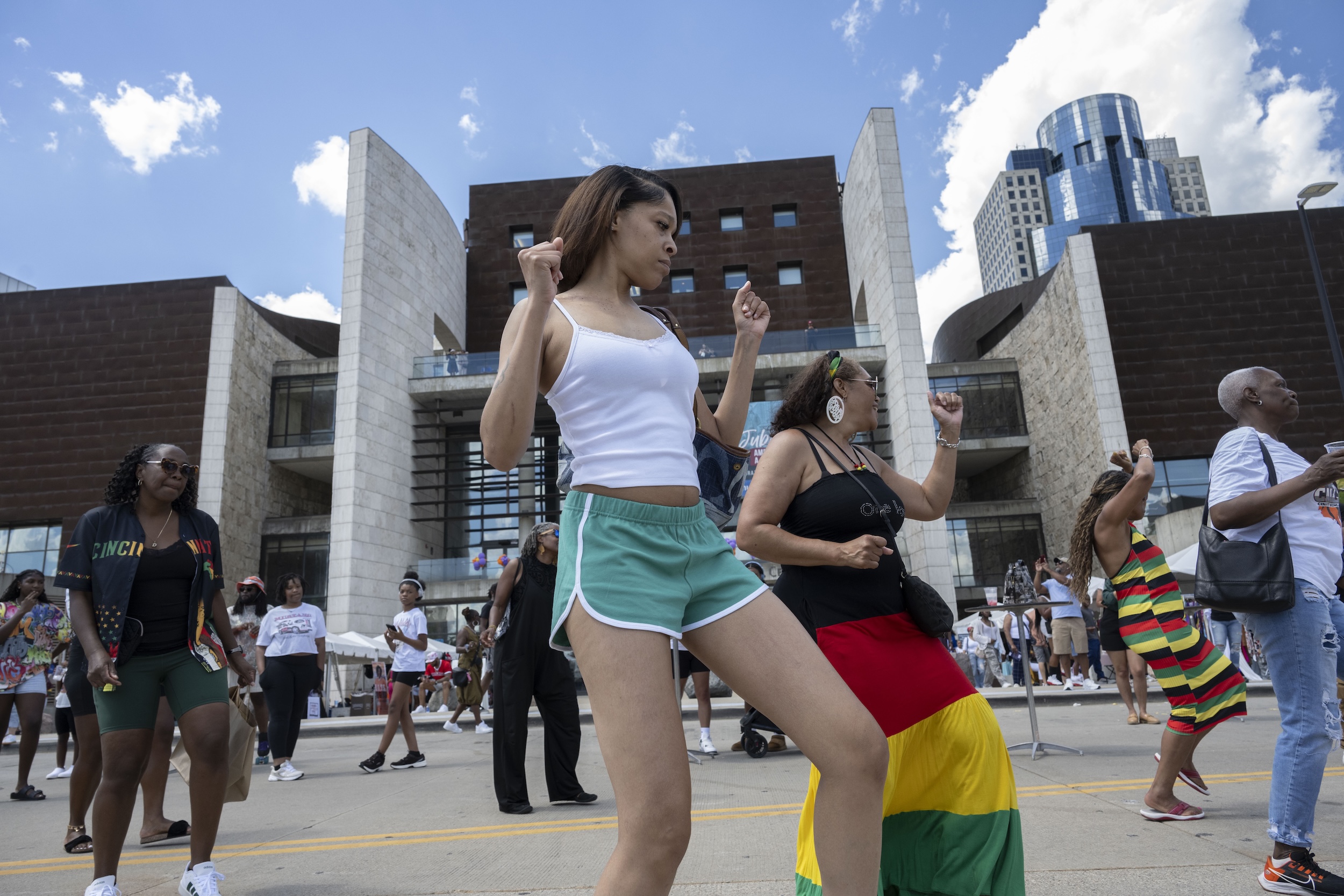
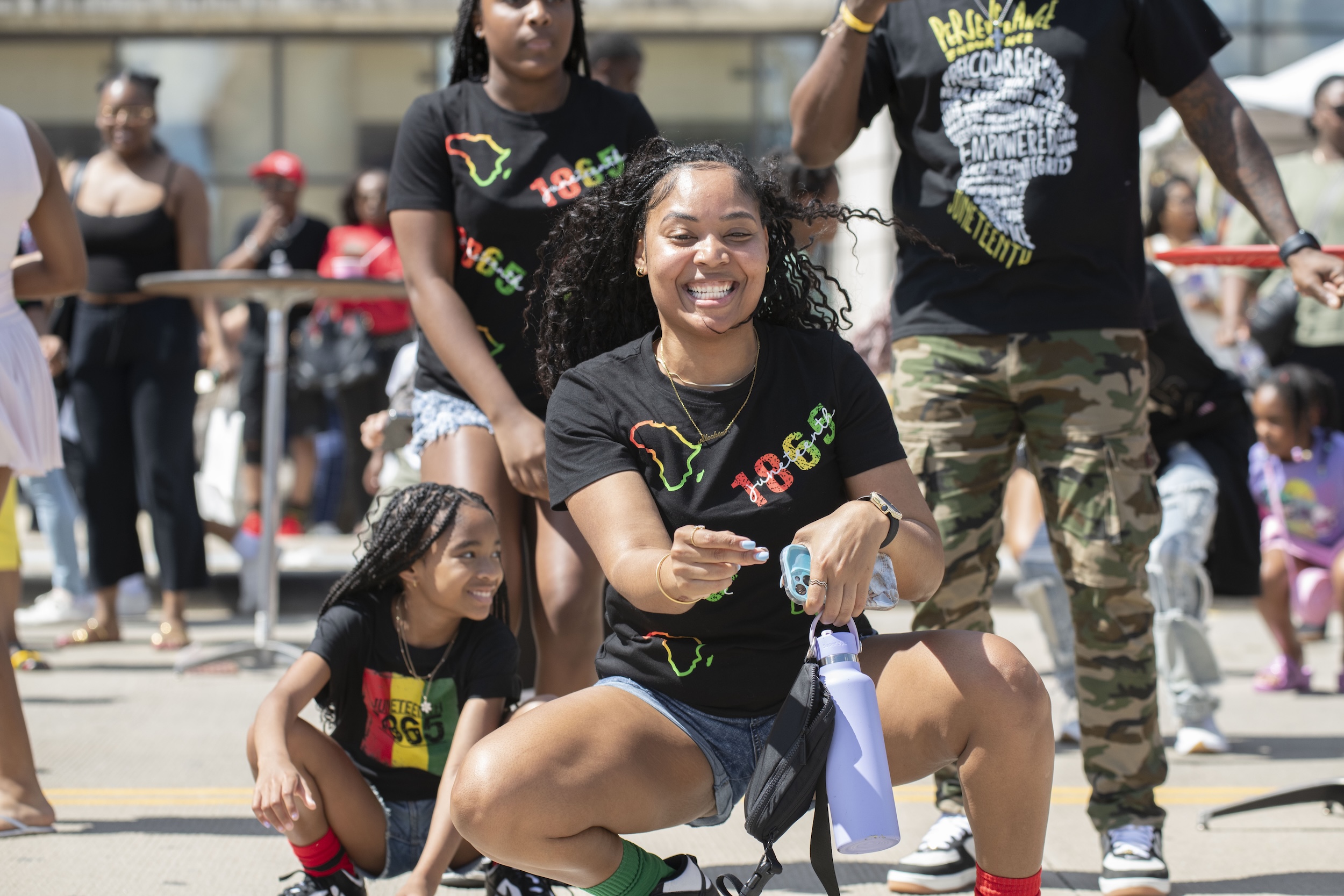
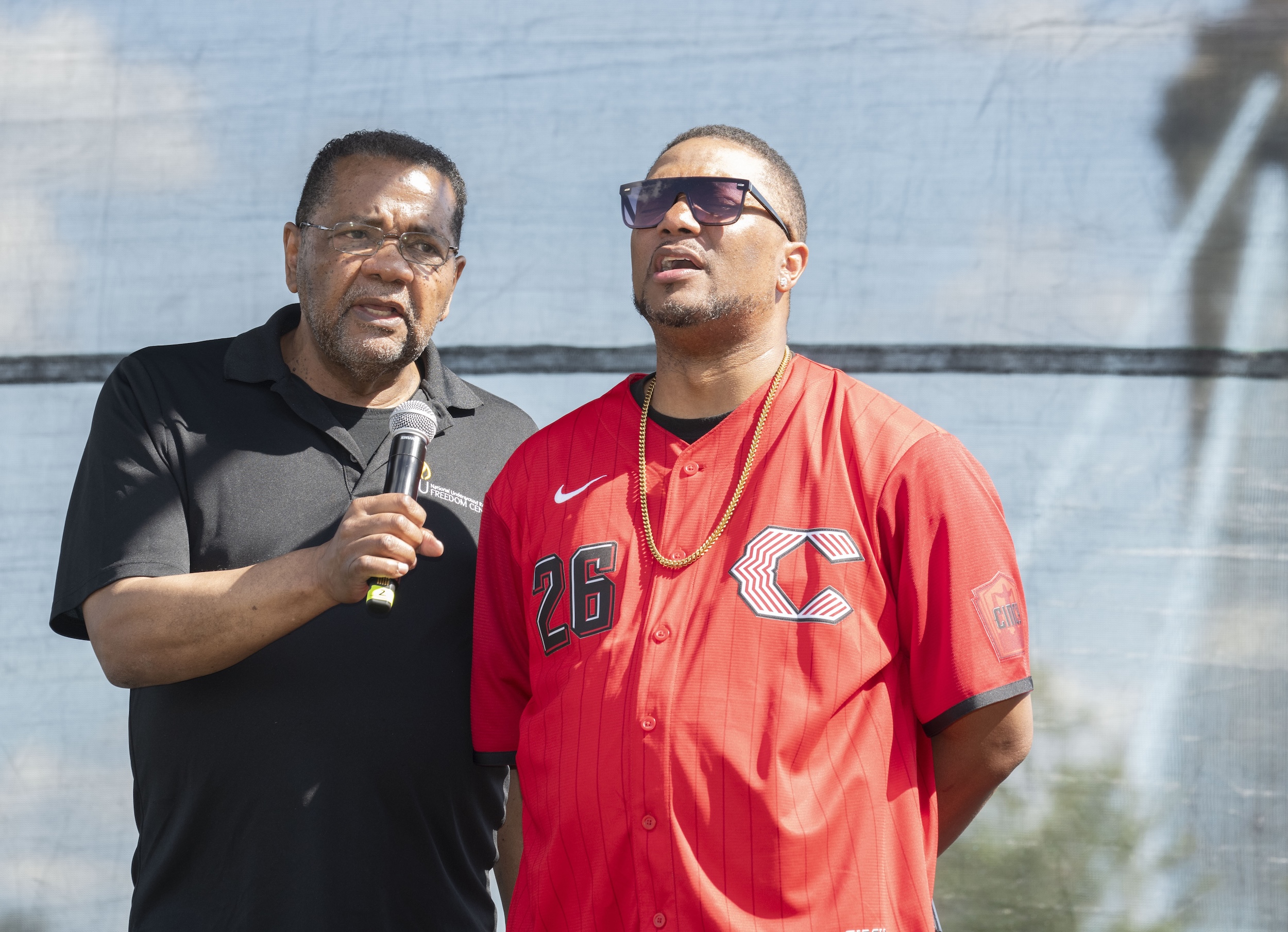
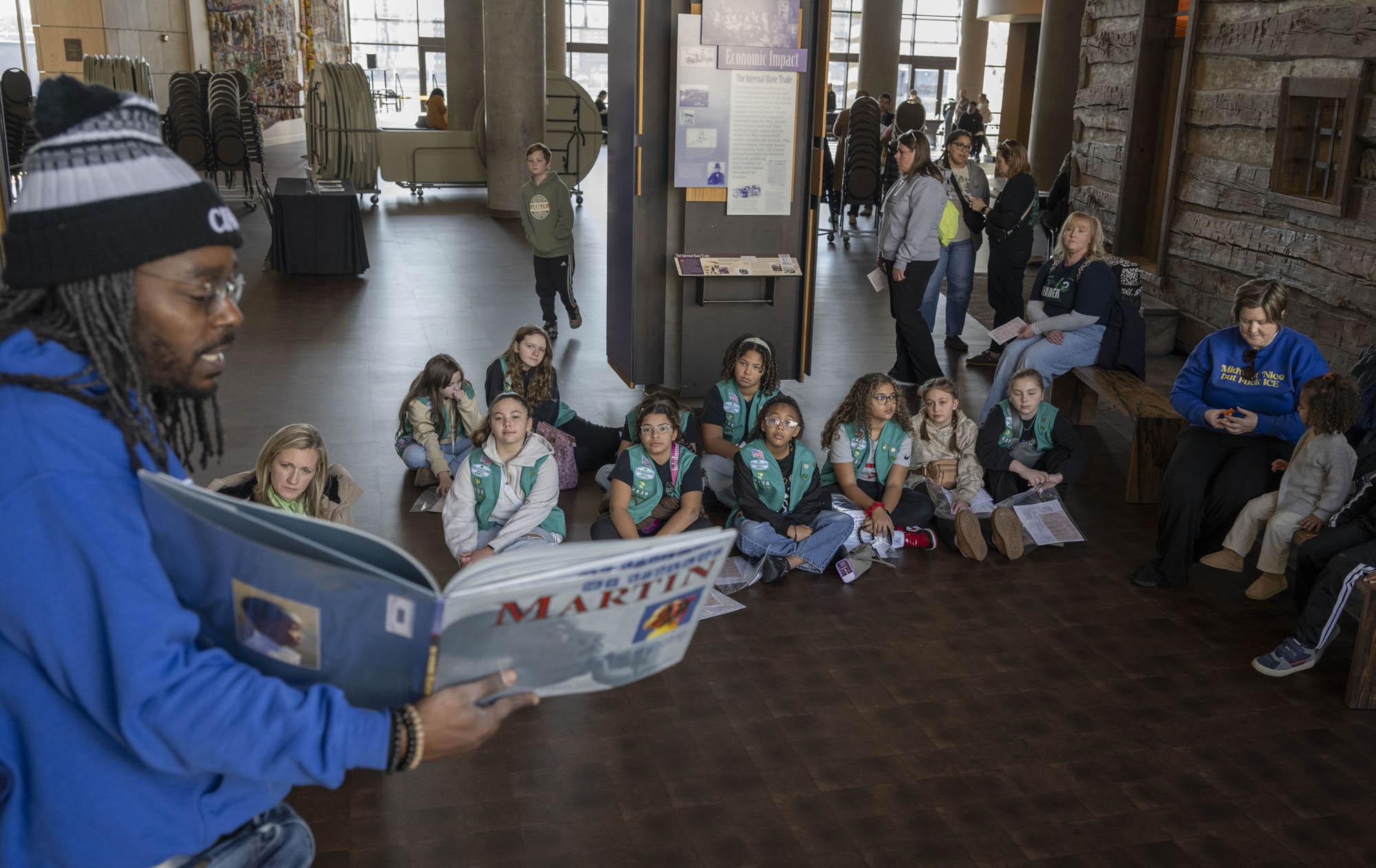
Photos: 2026 Martin Luther King Community Day

Slide
Freedom Center Voices

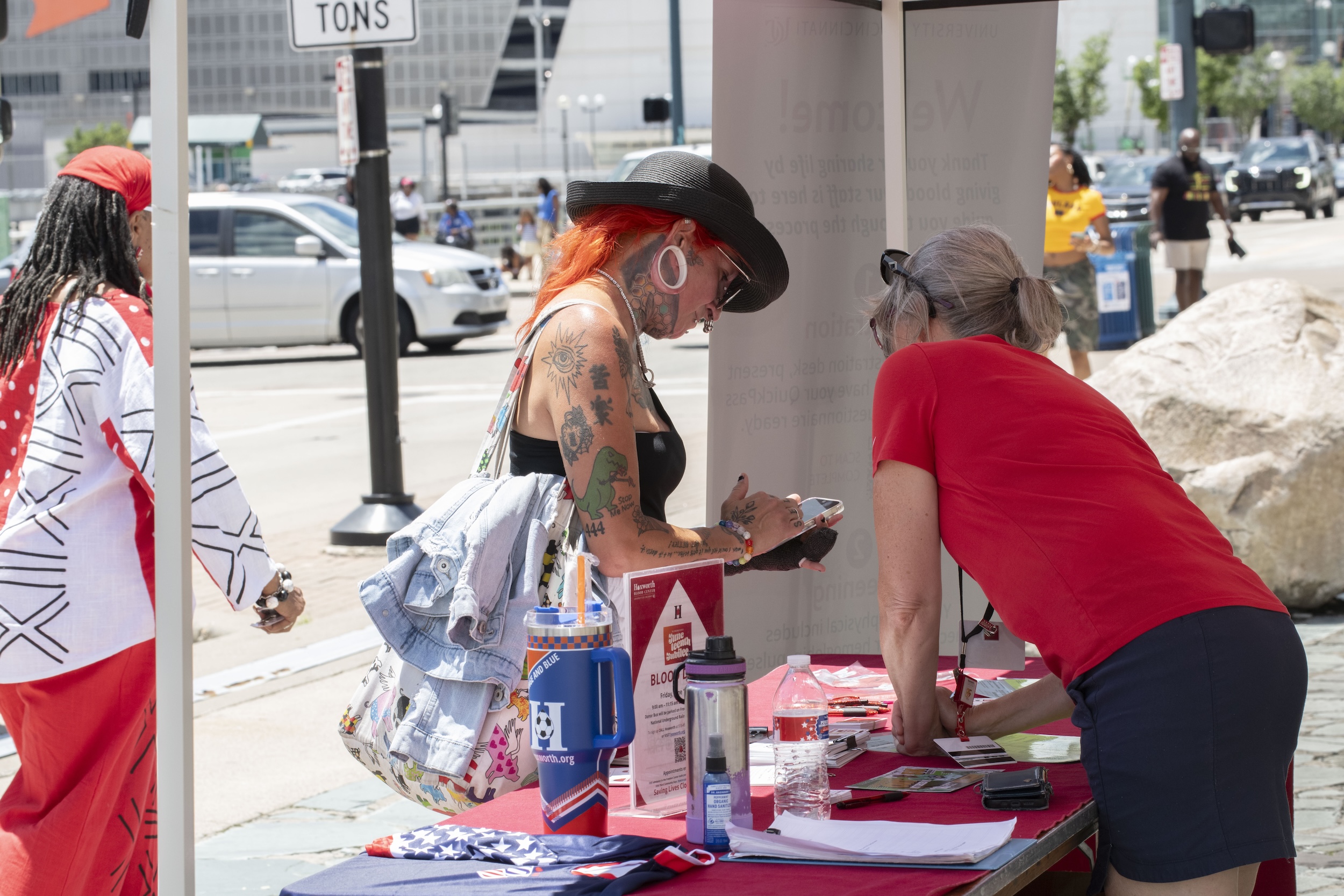
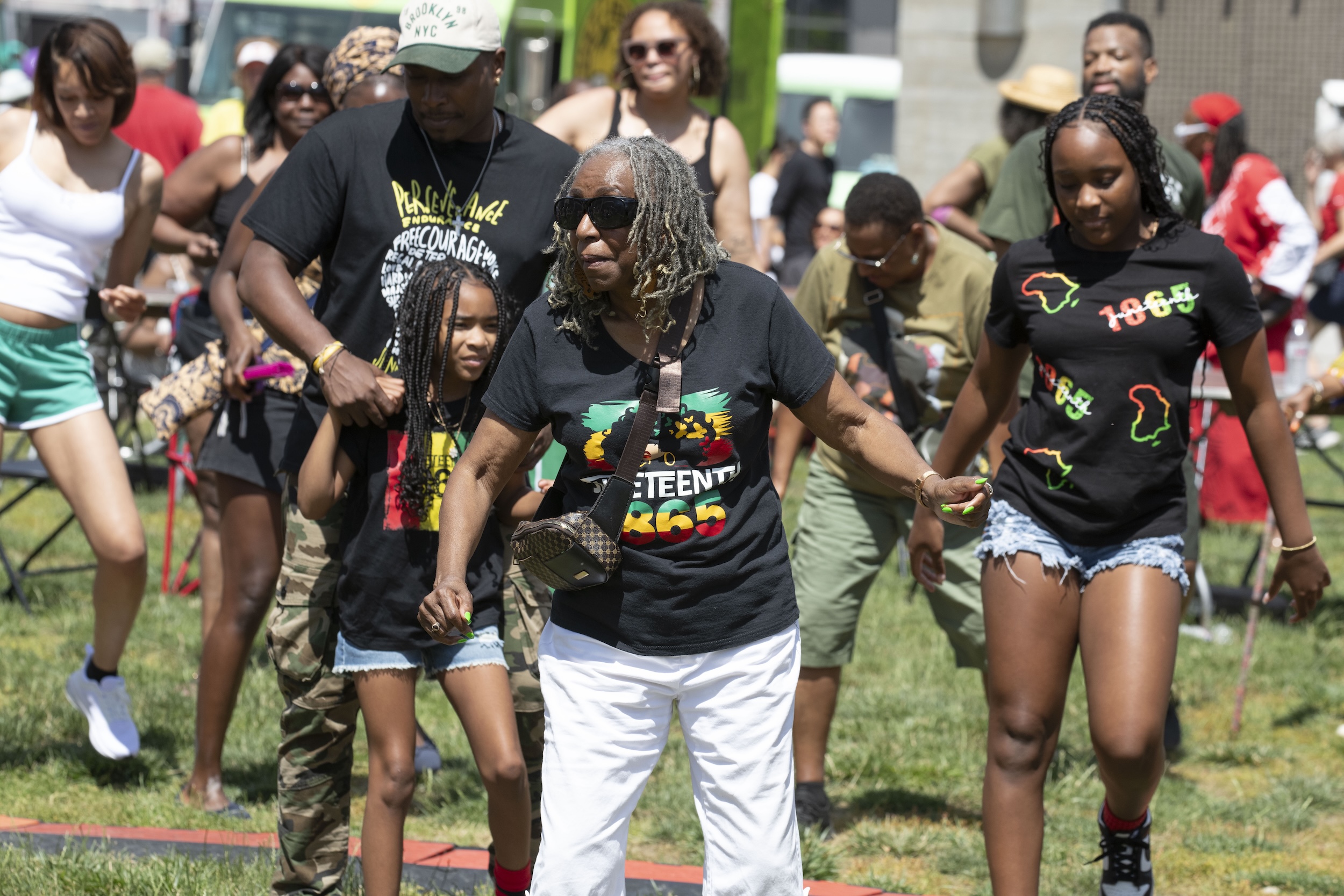
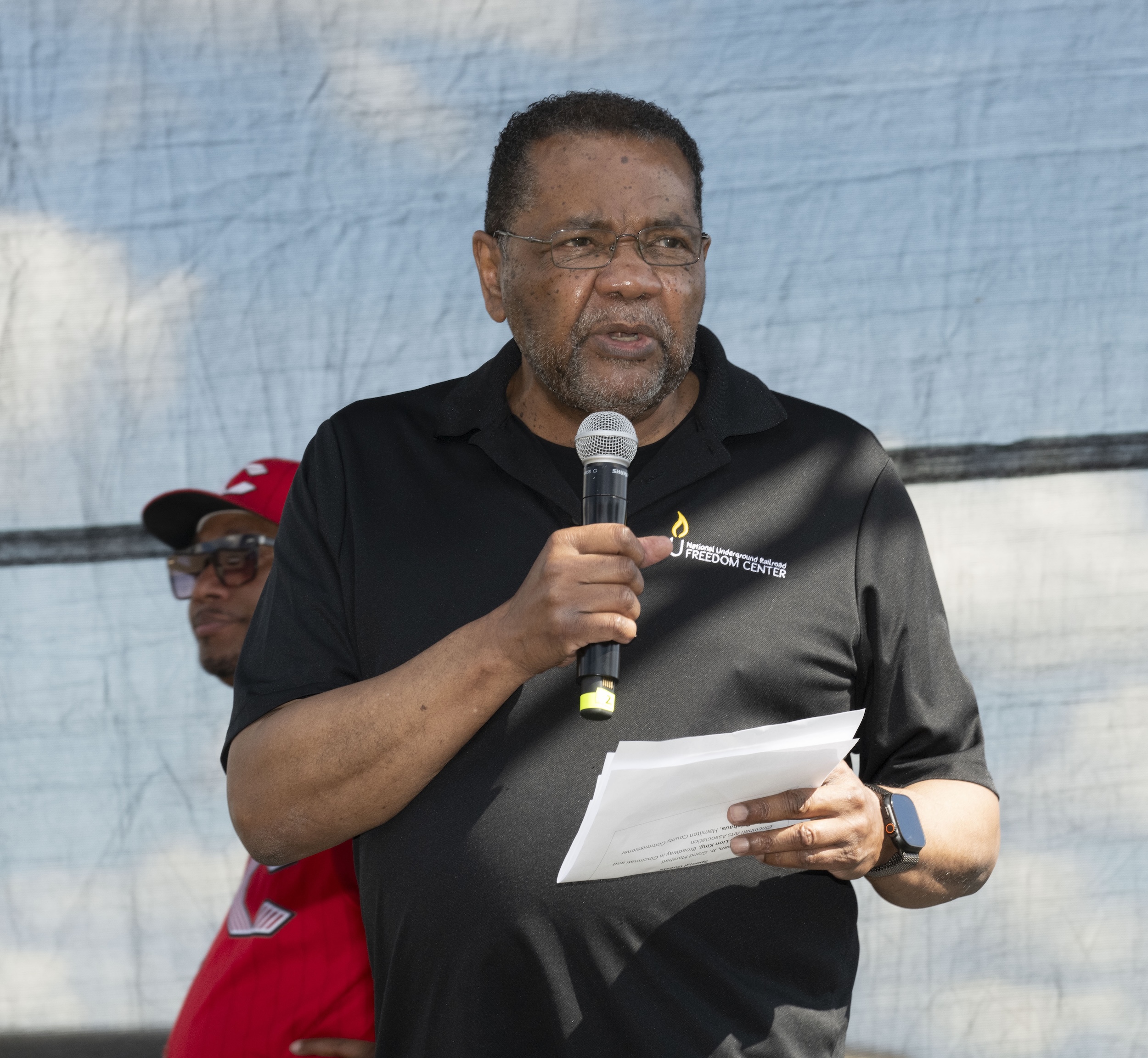
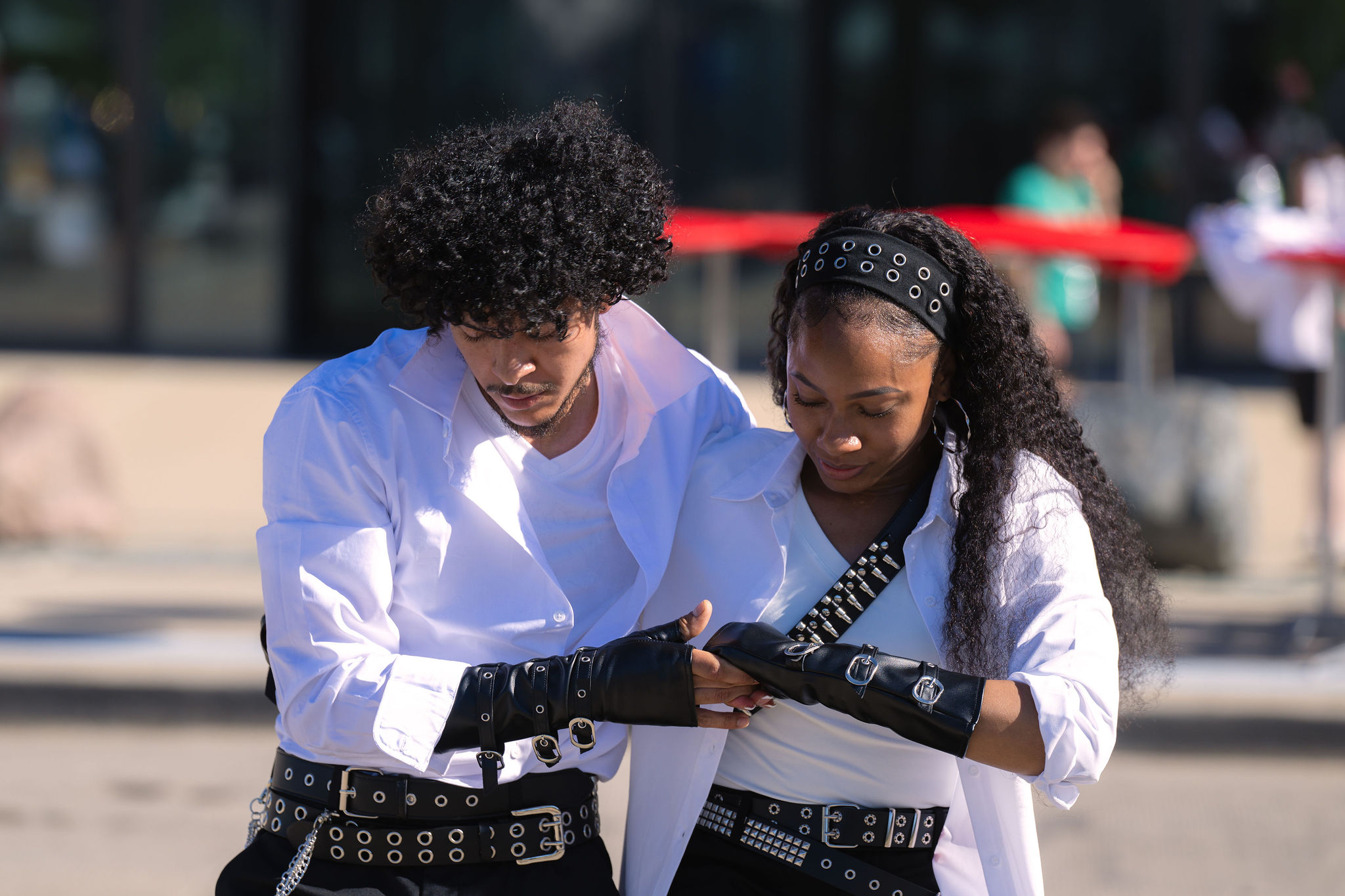
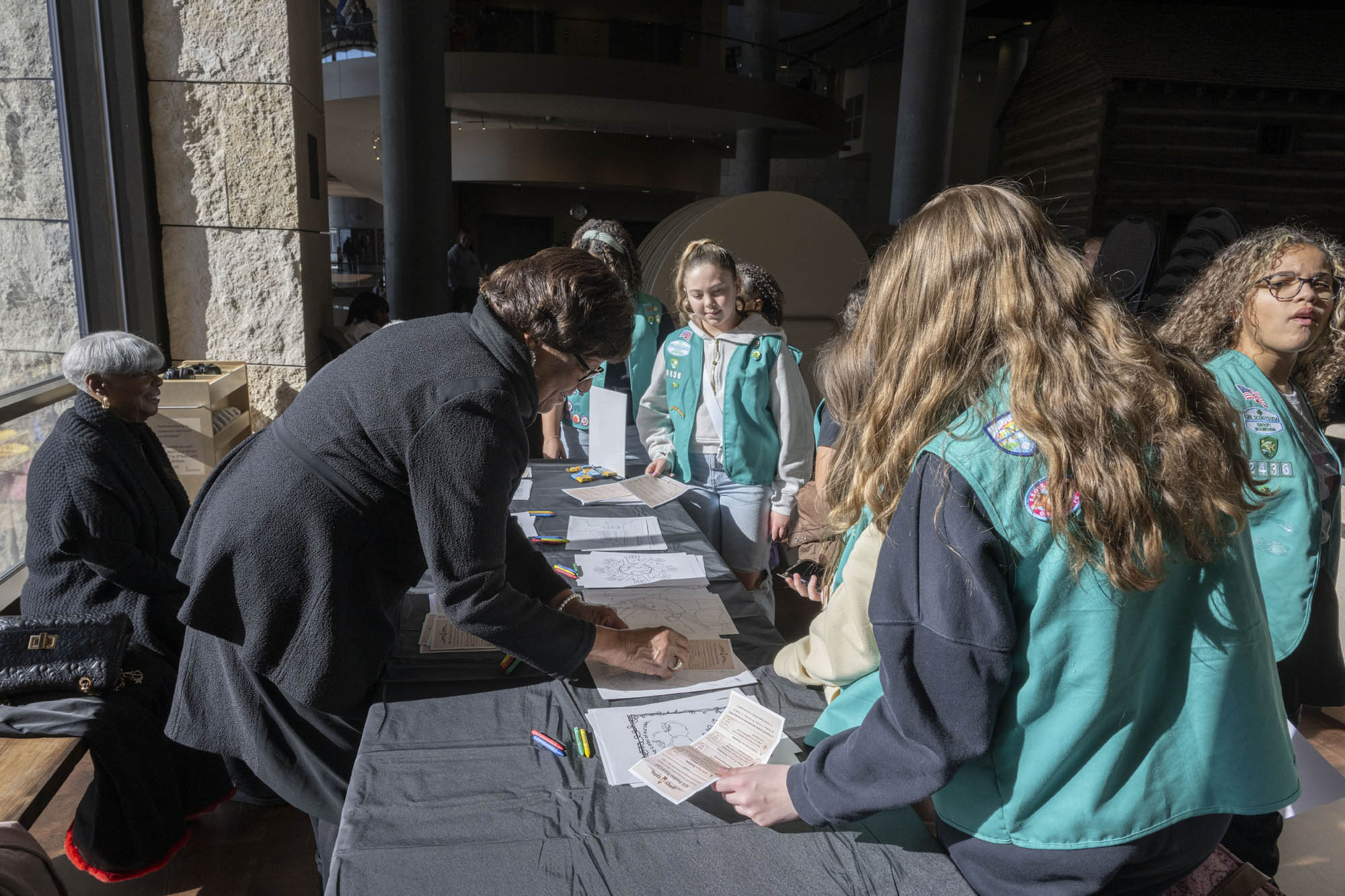
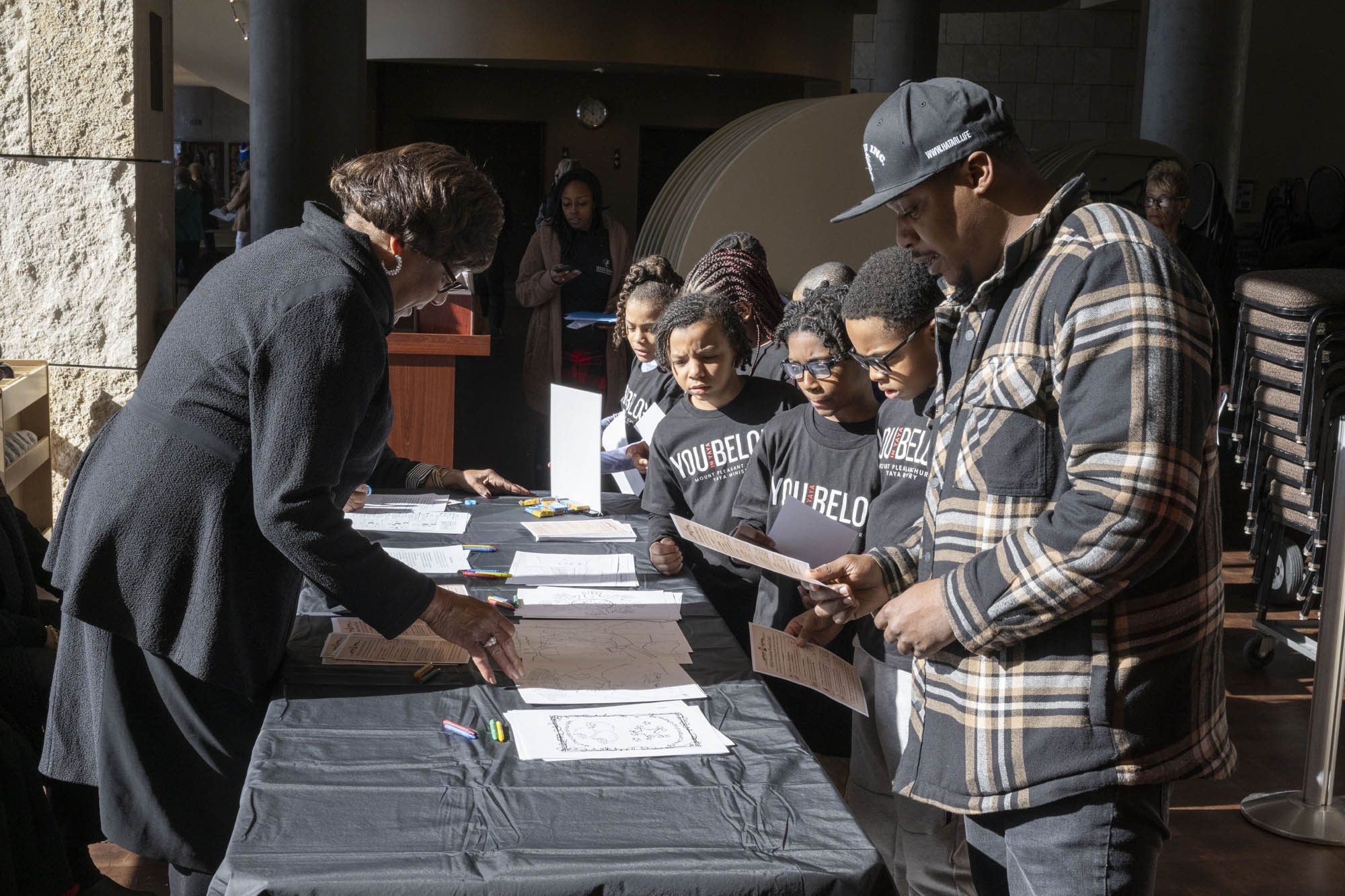
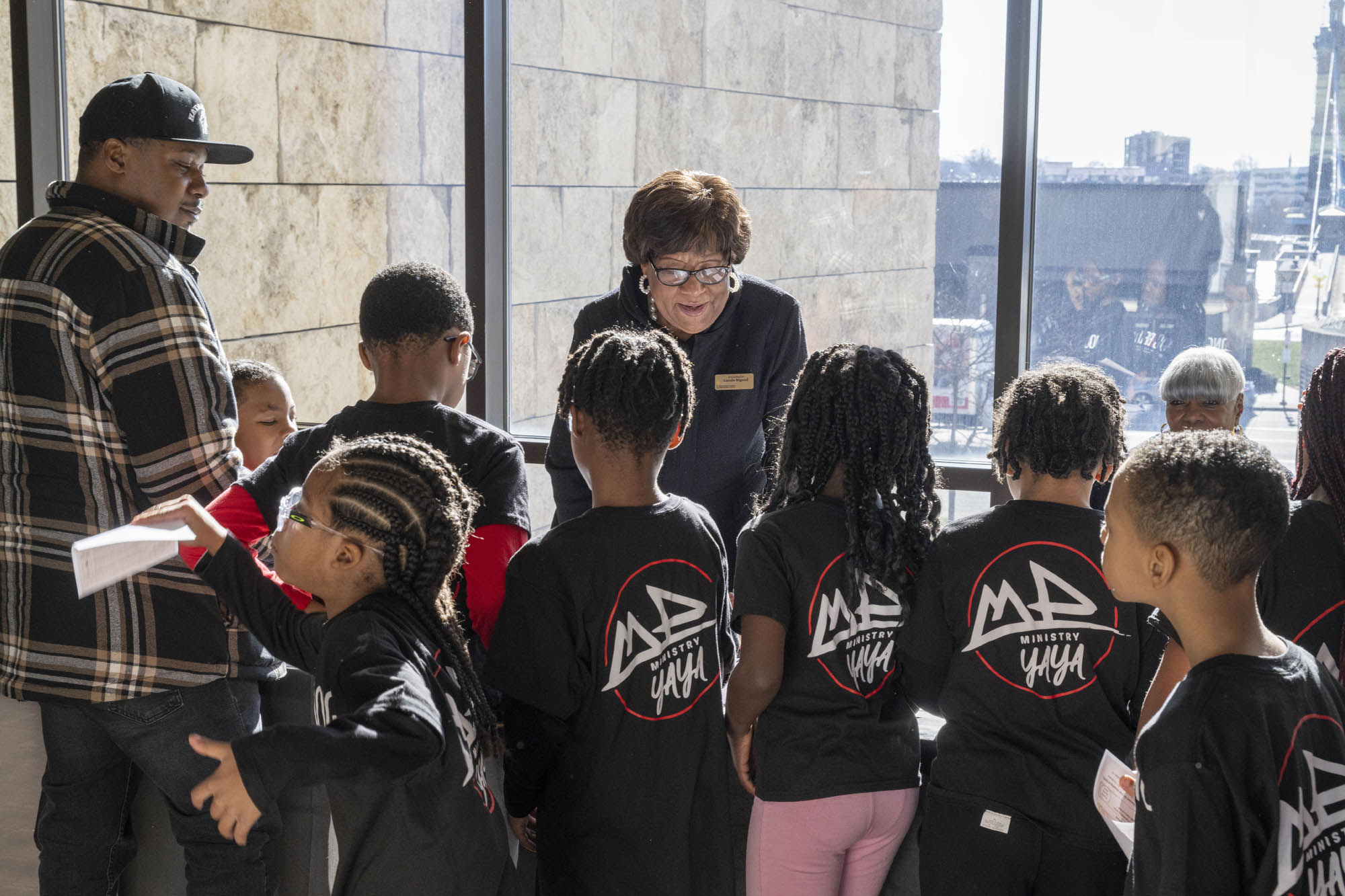
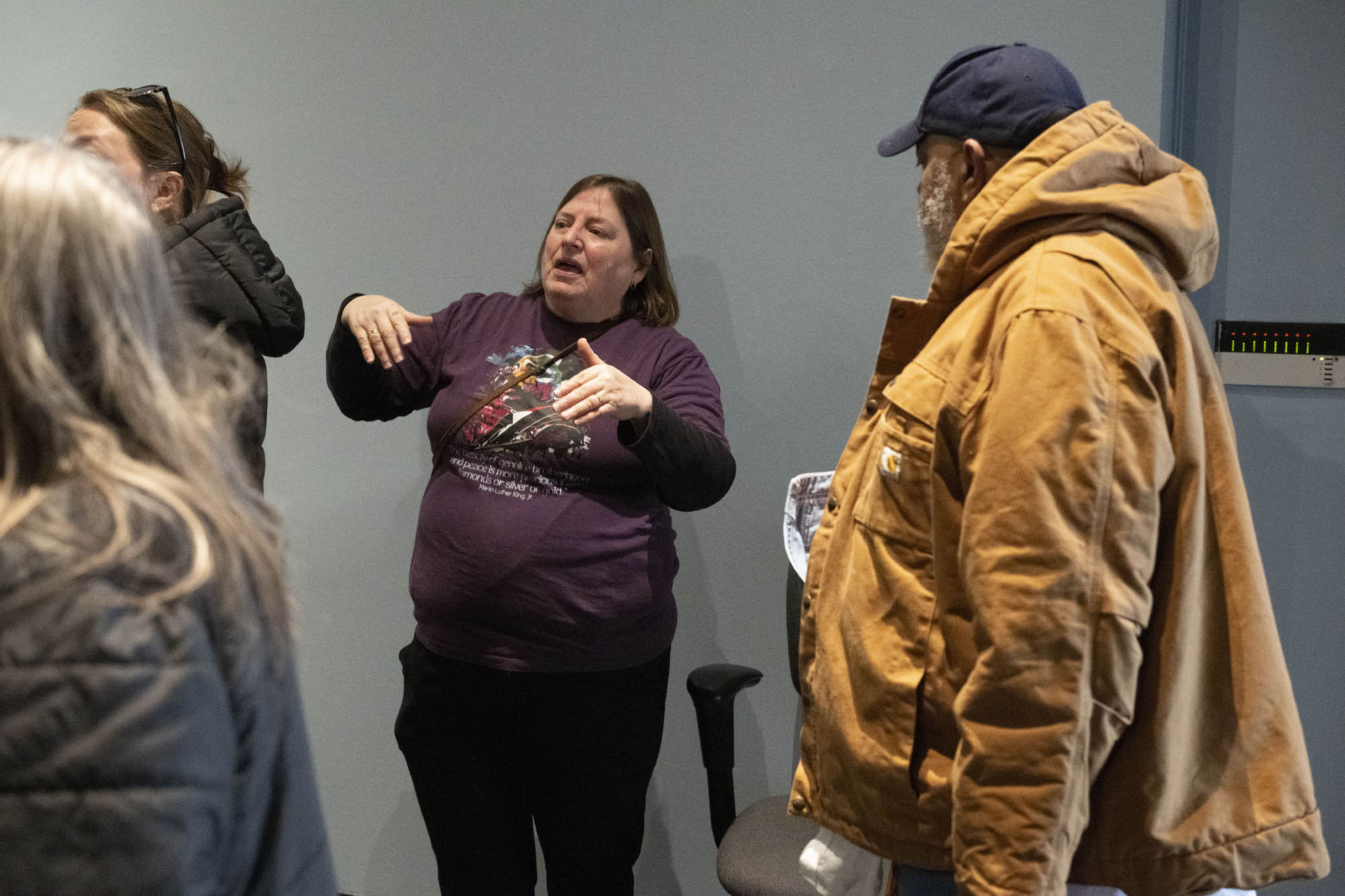
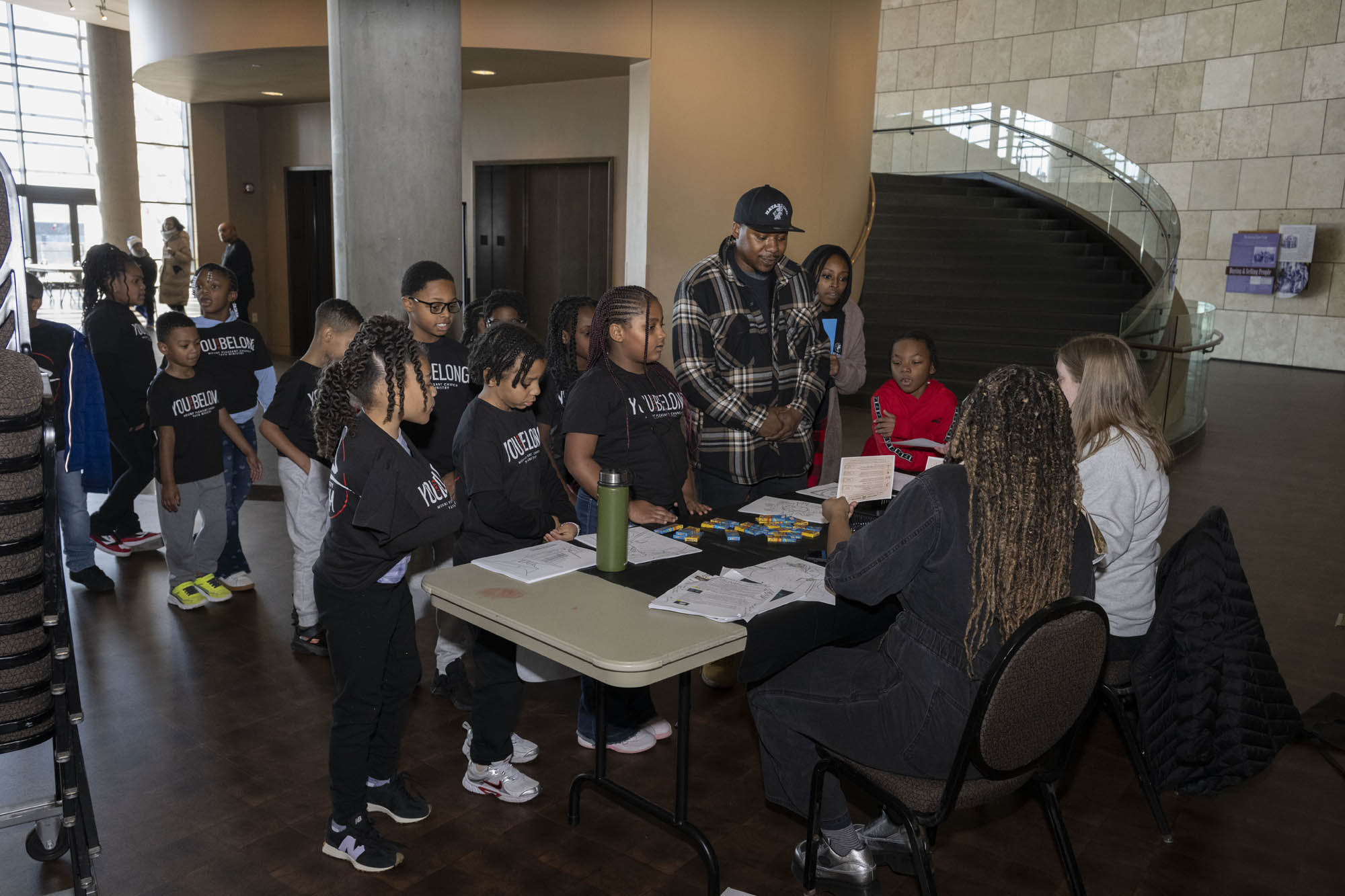
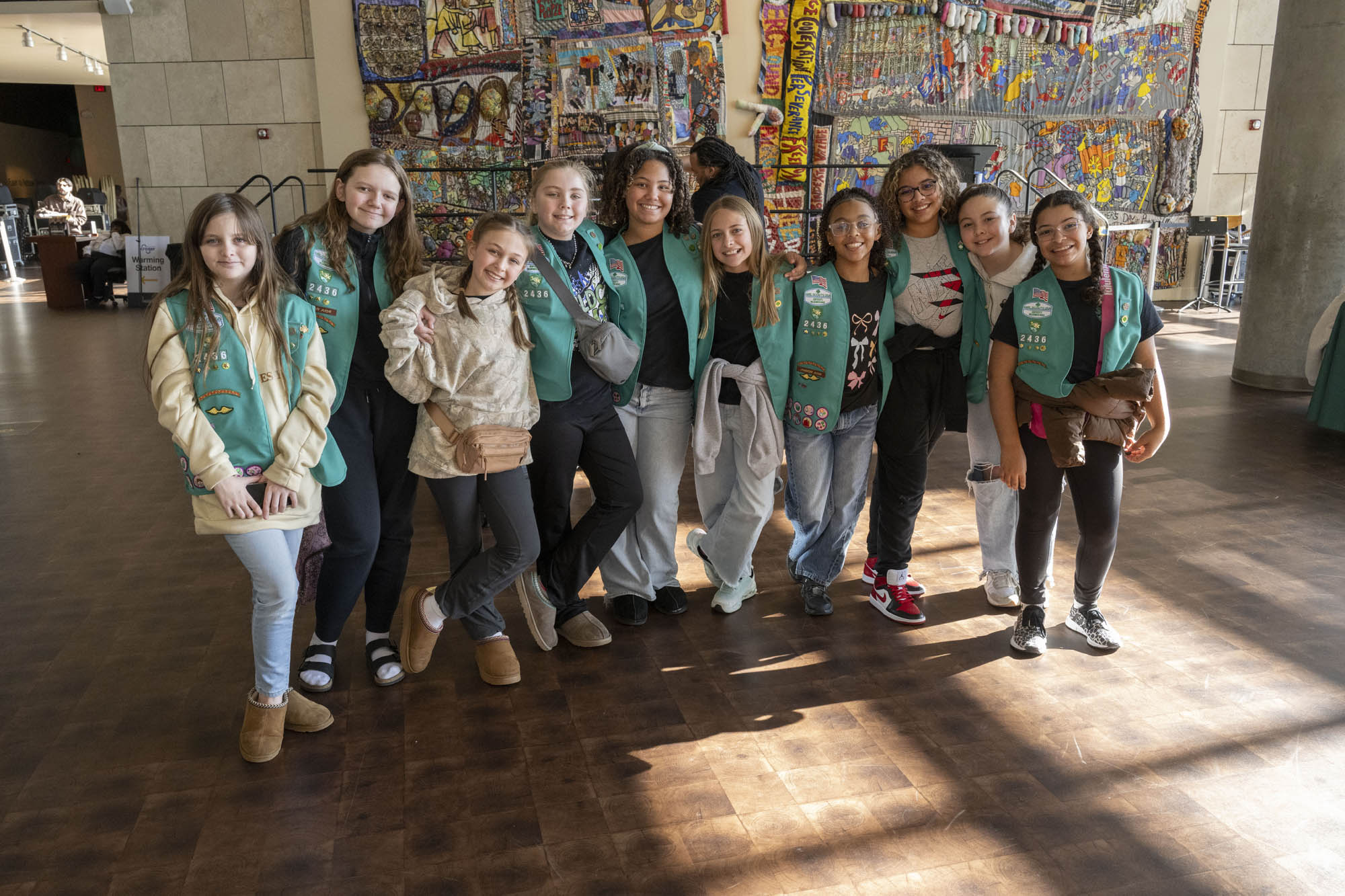
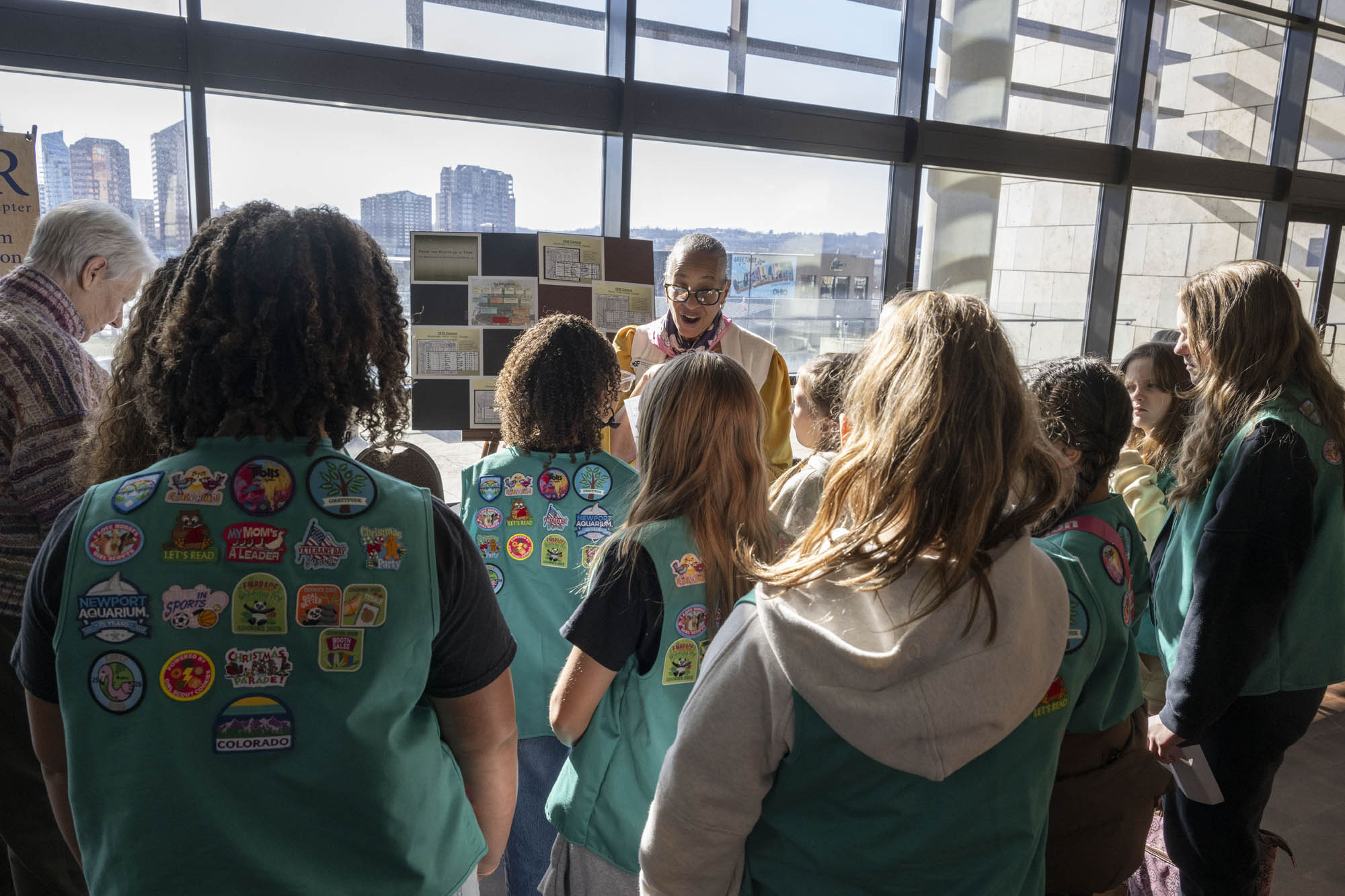
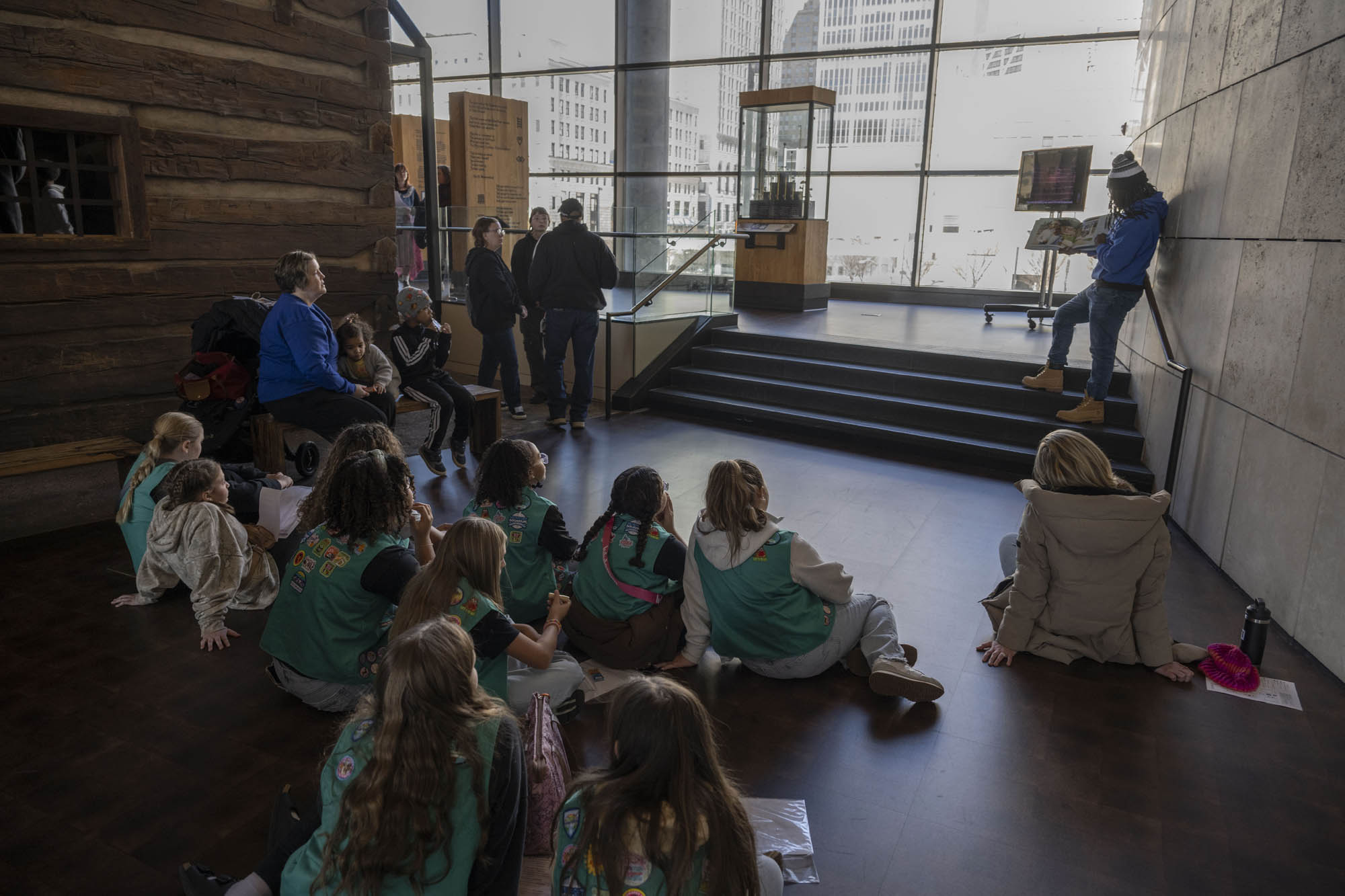
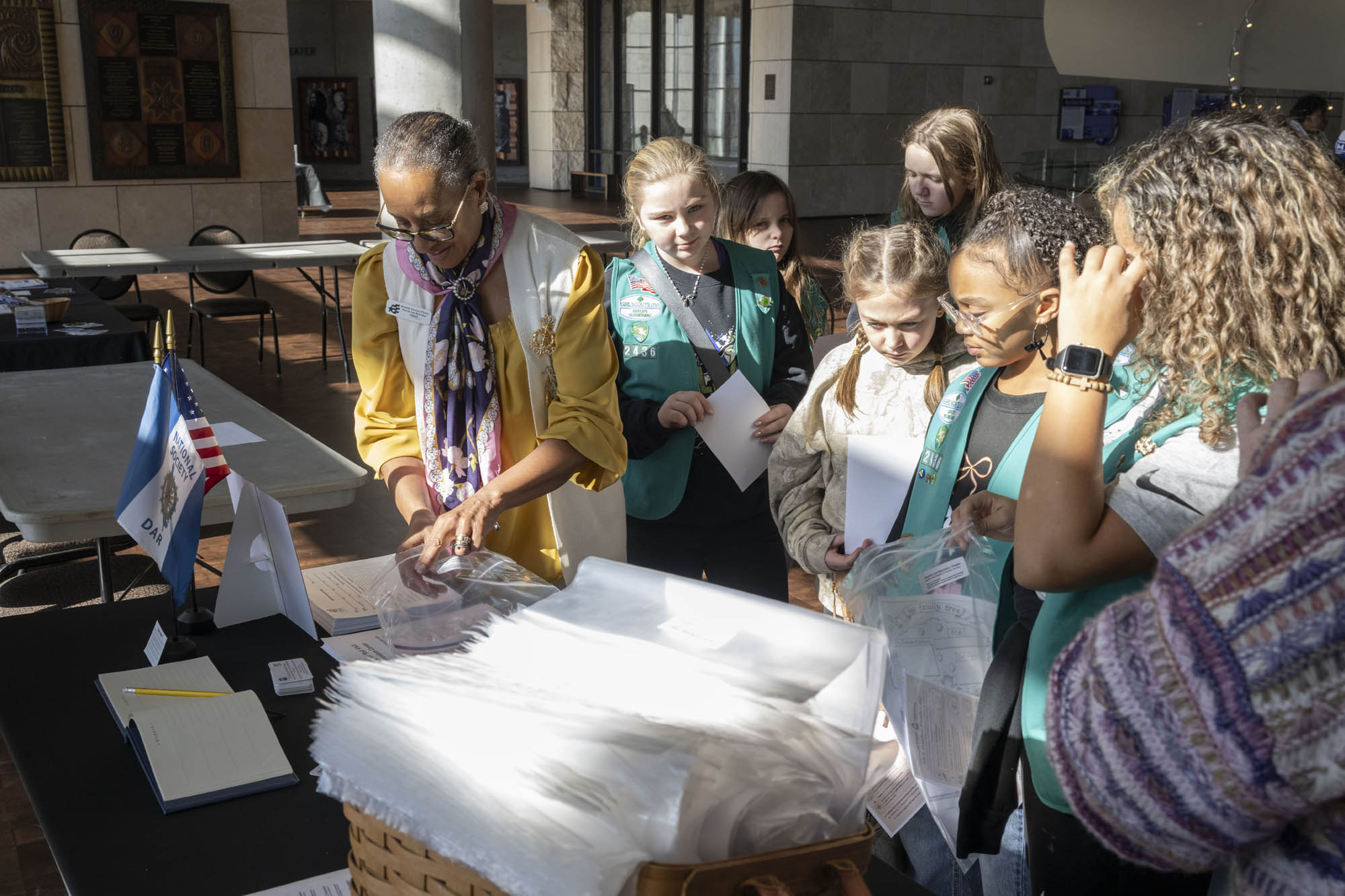
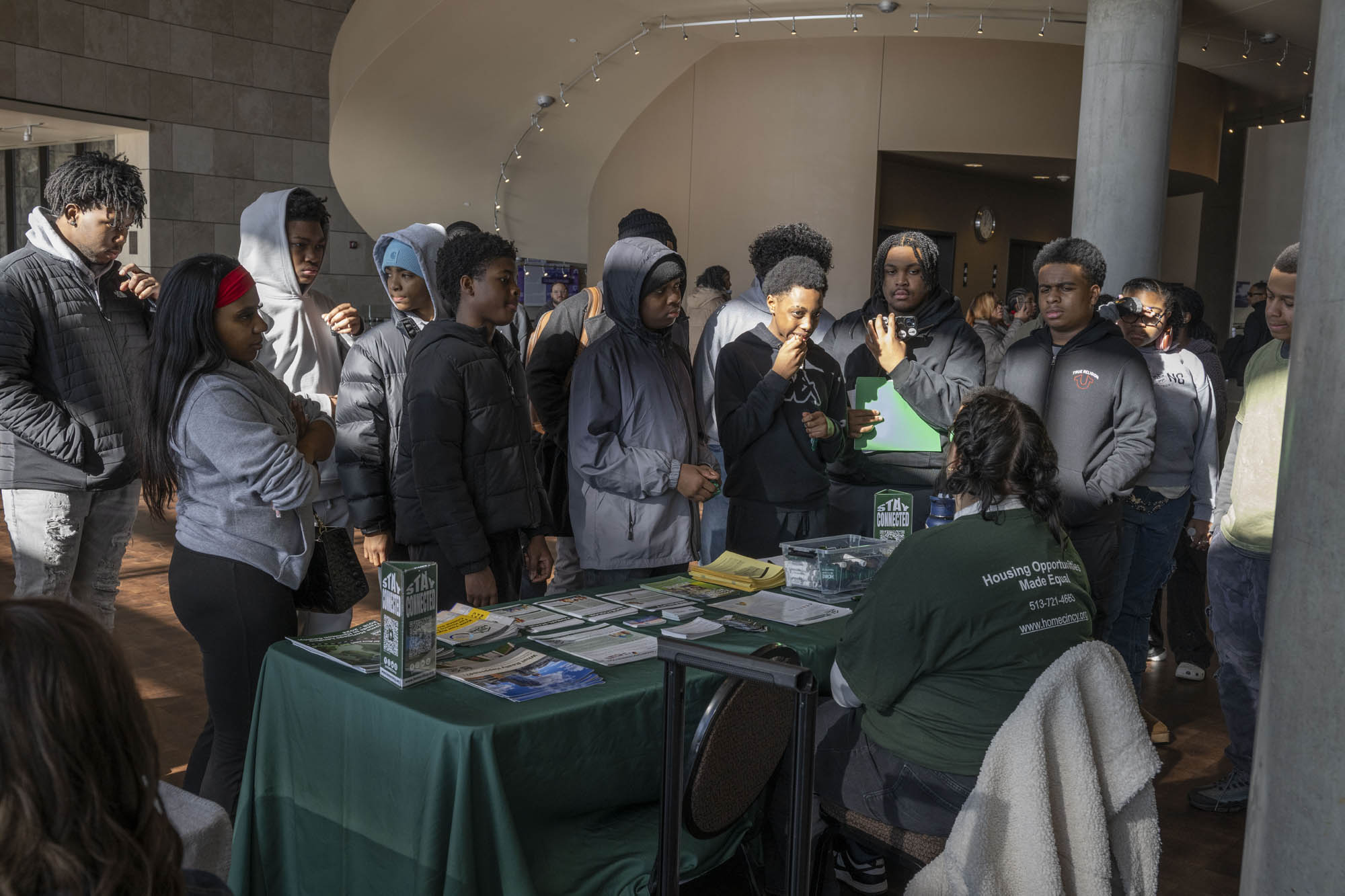
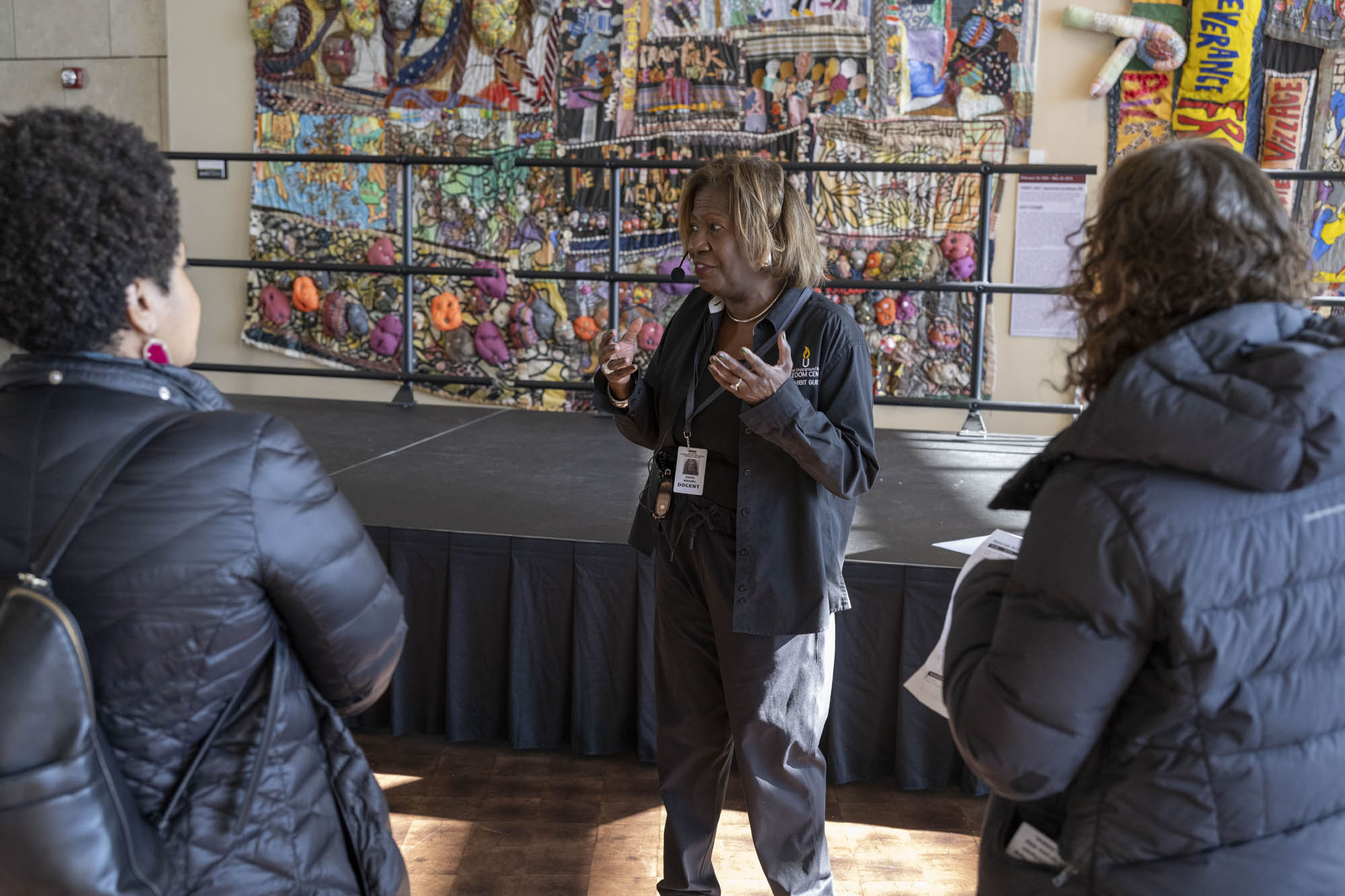
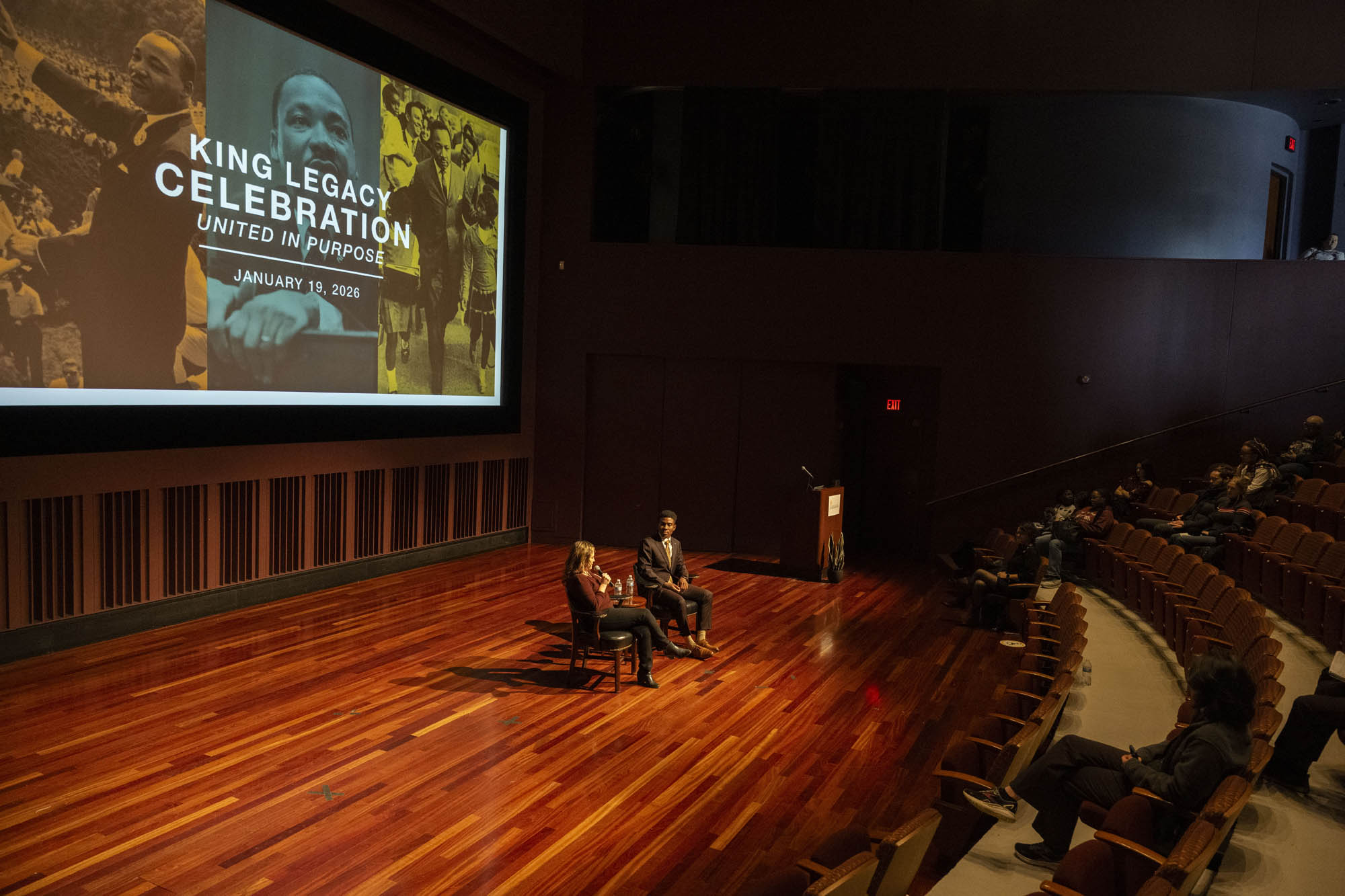
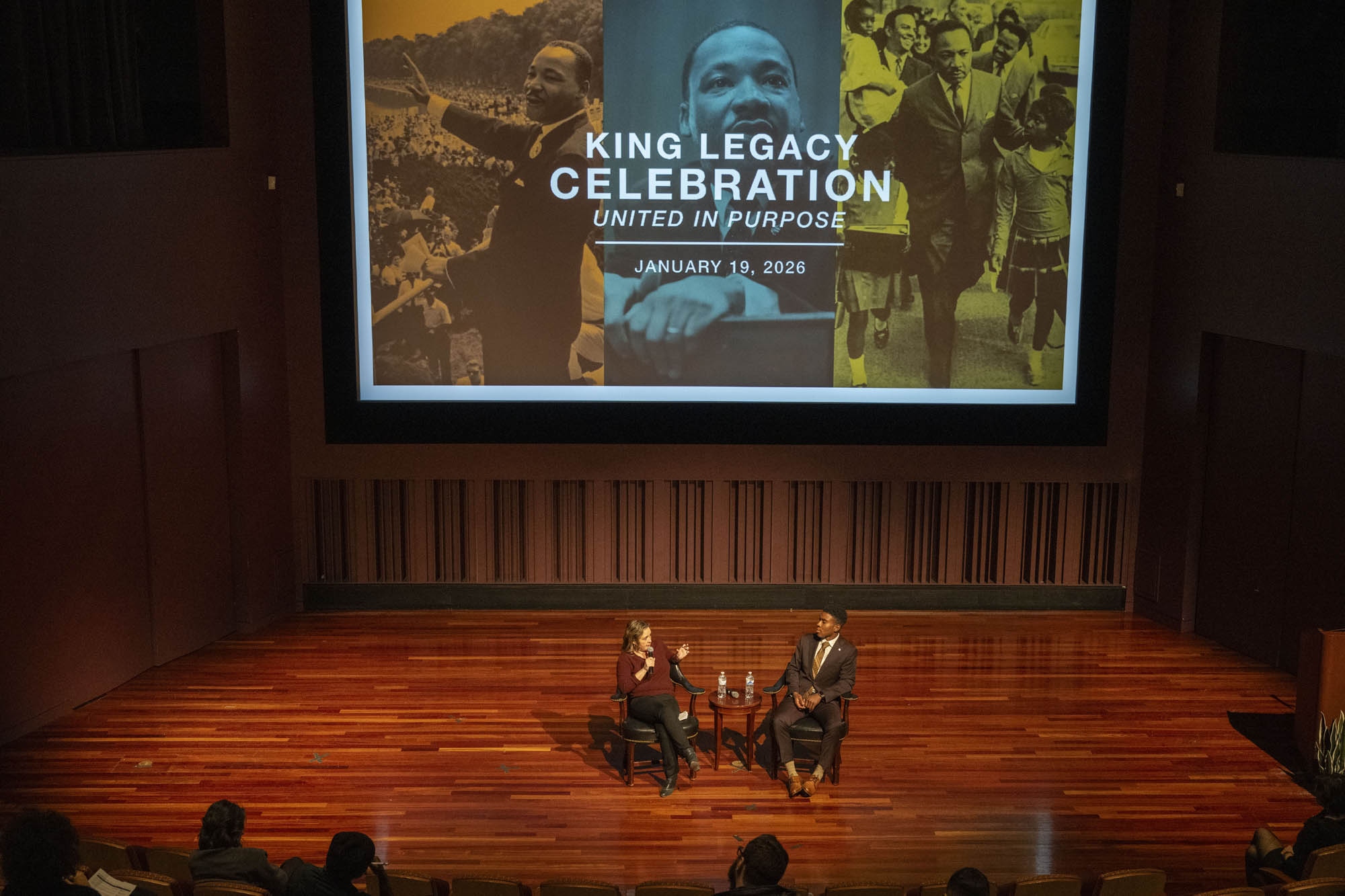
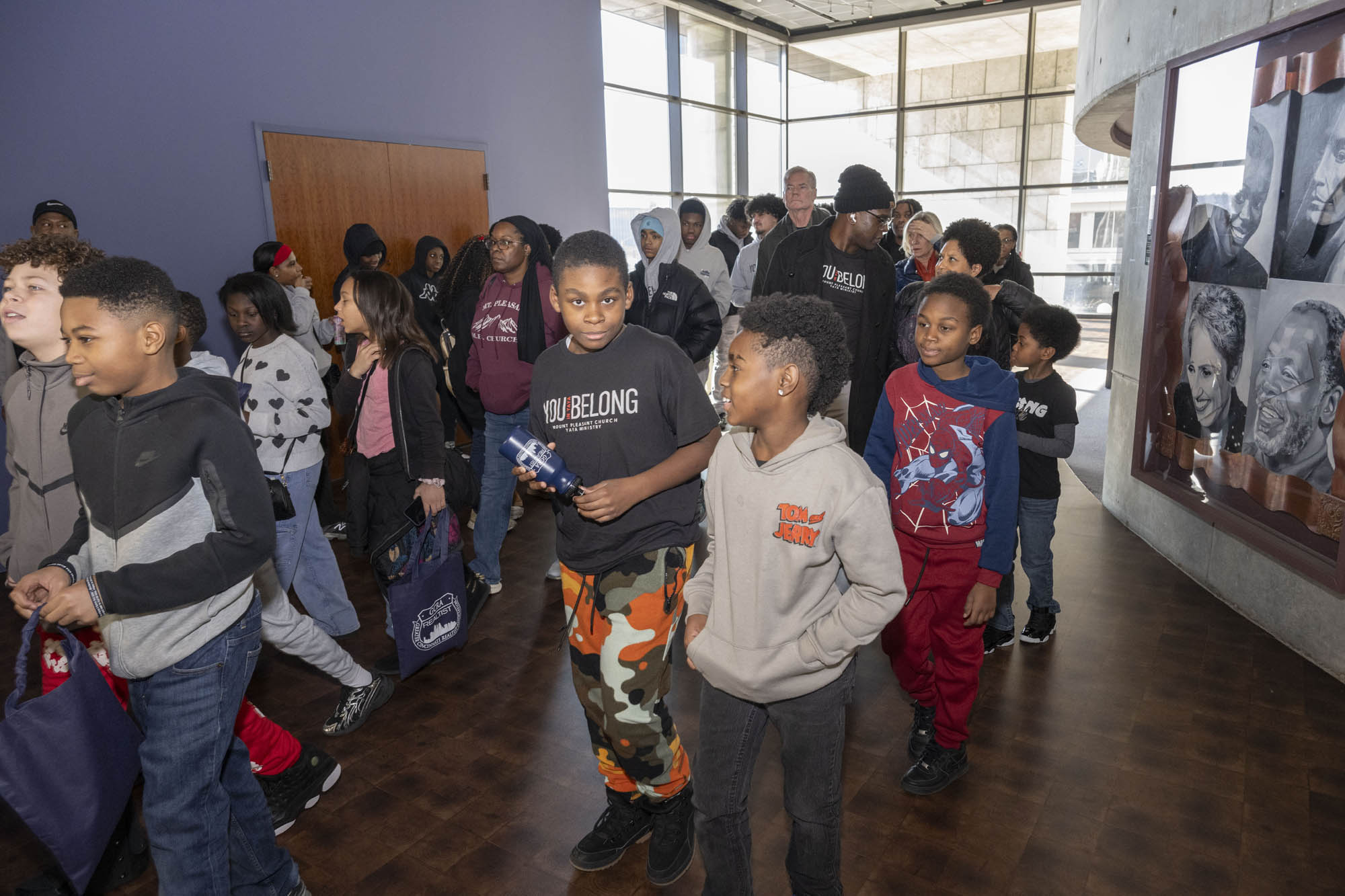
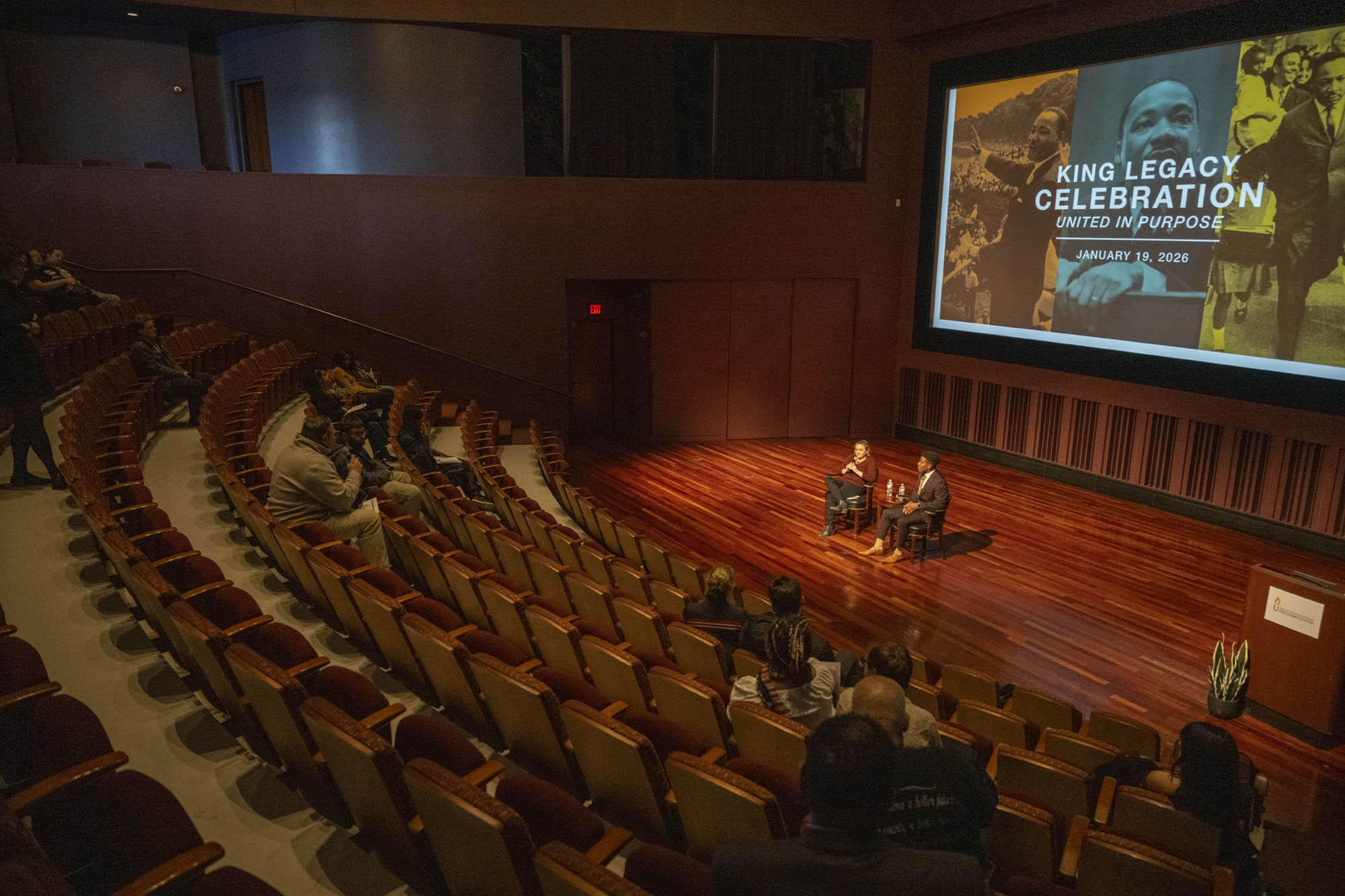
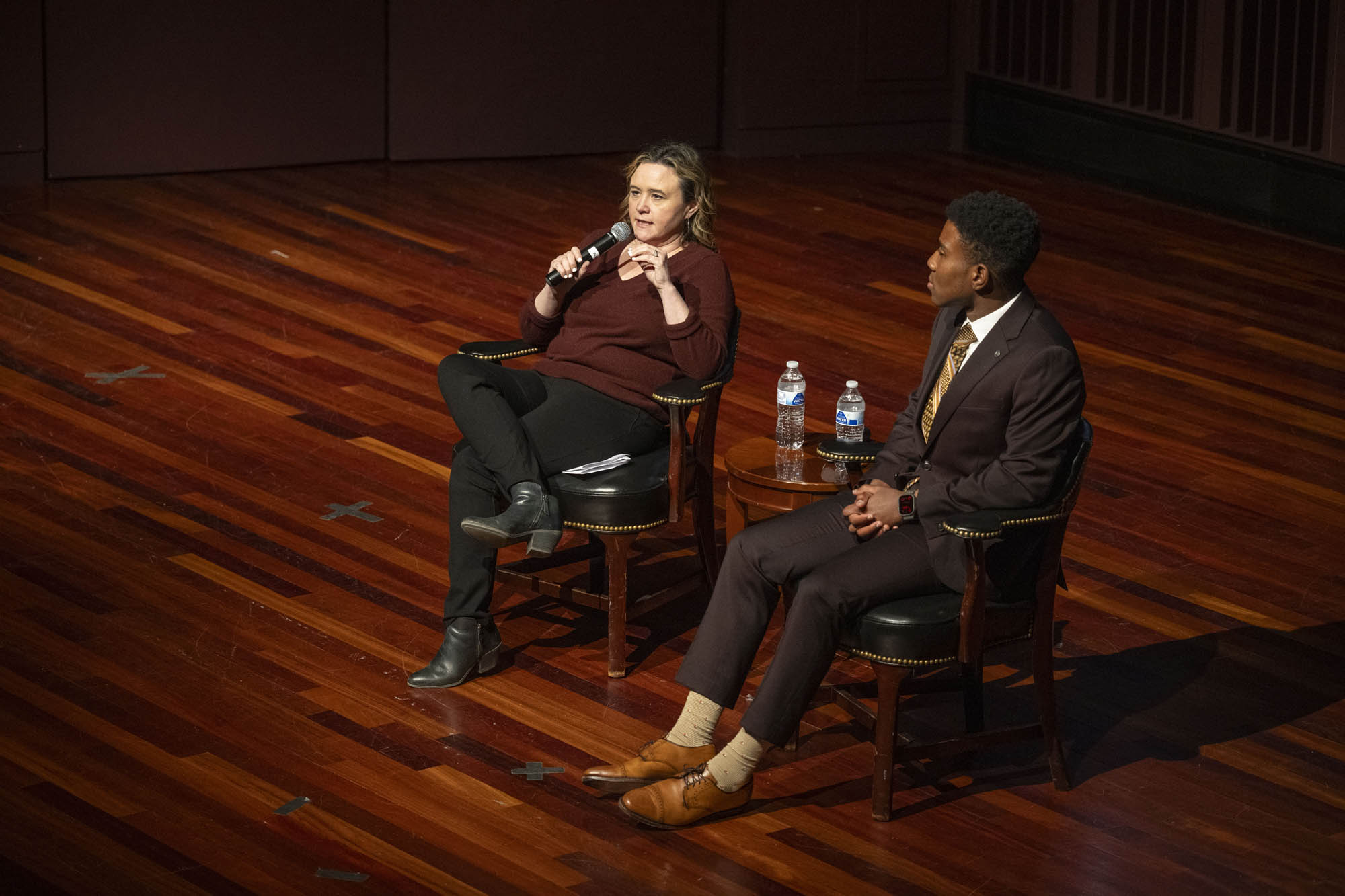
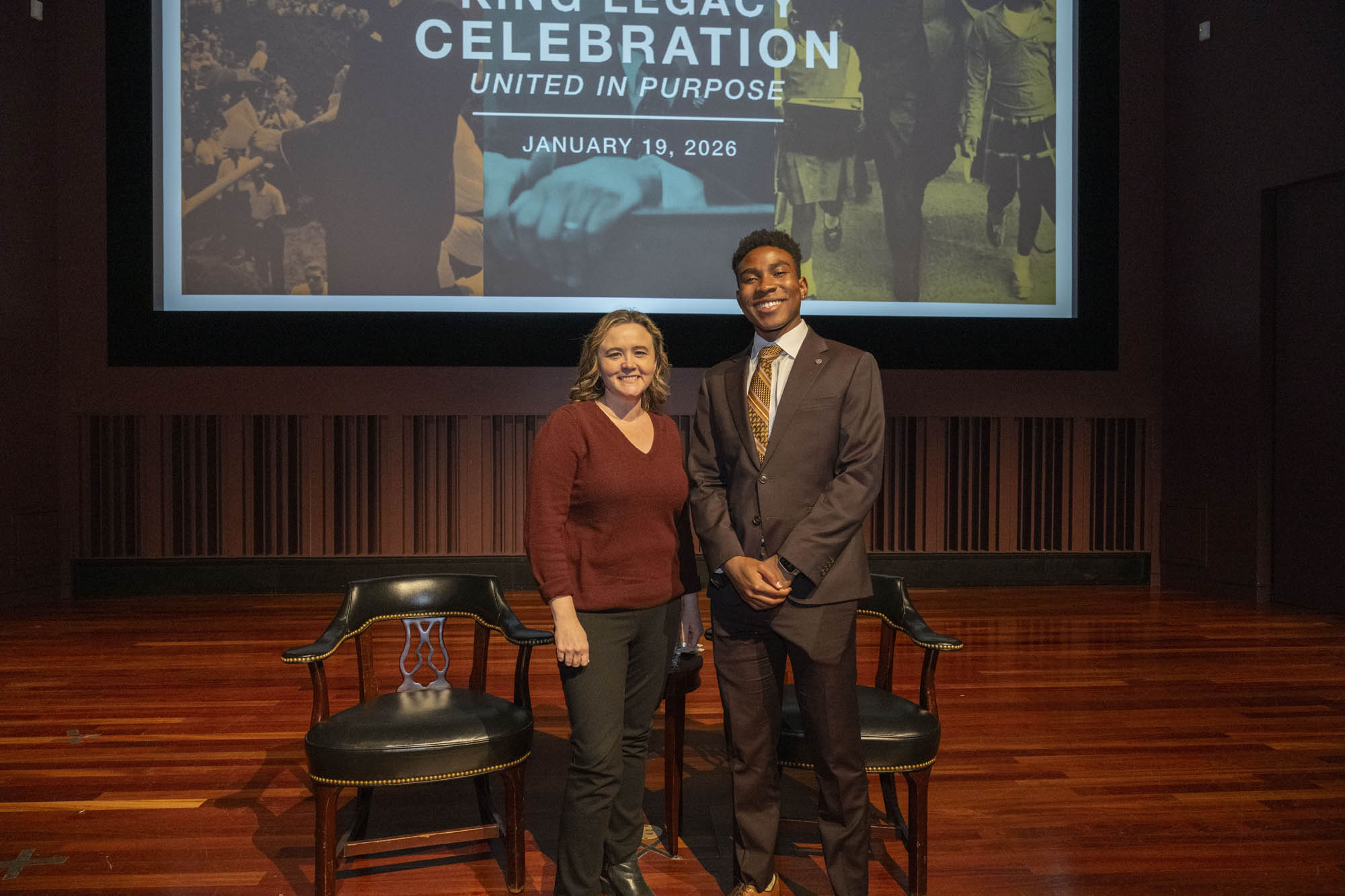
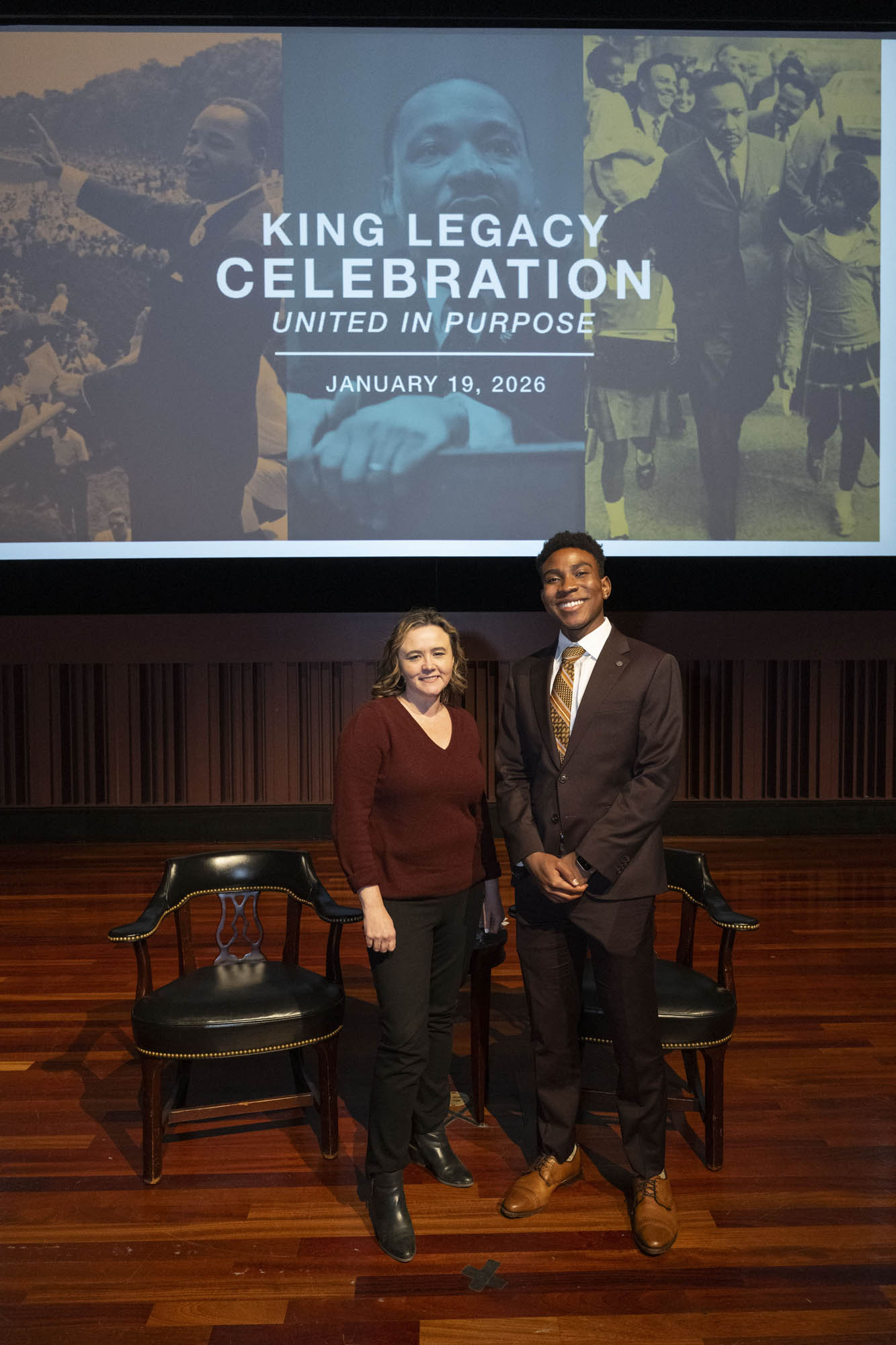
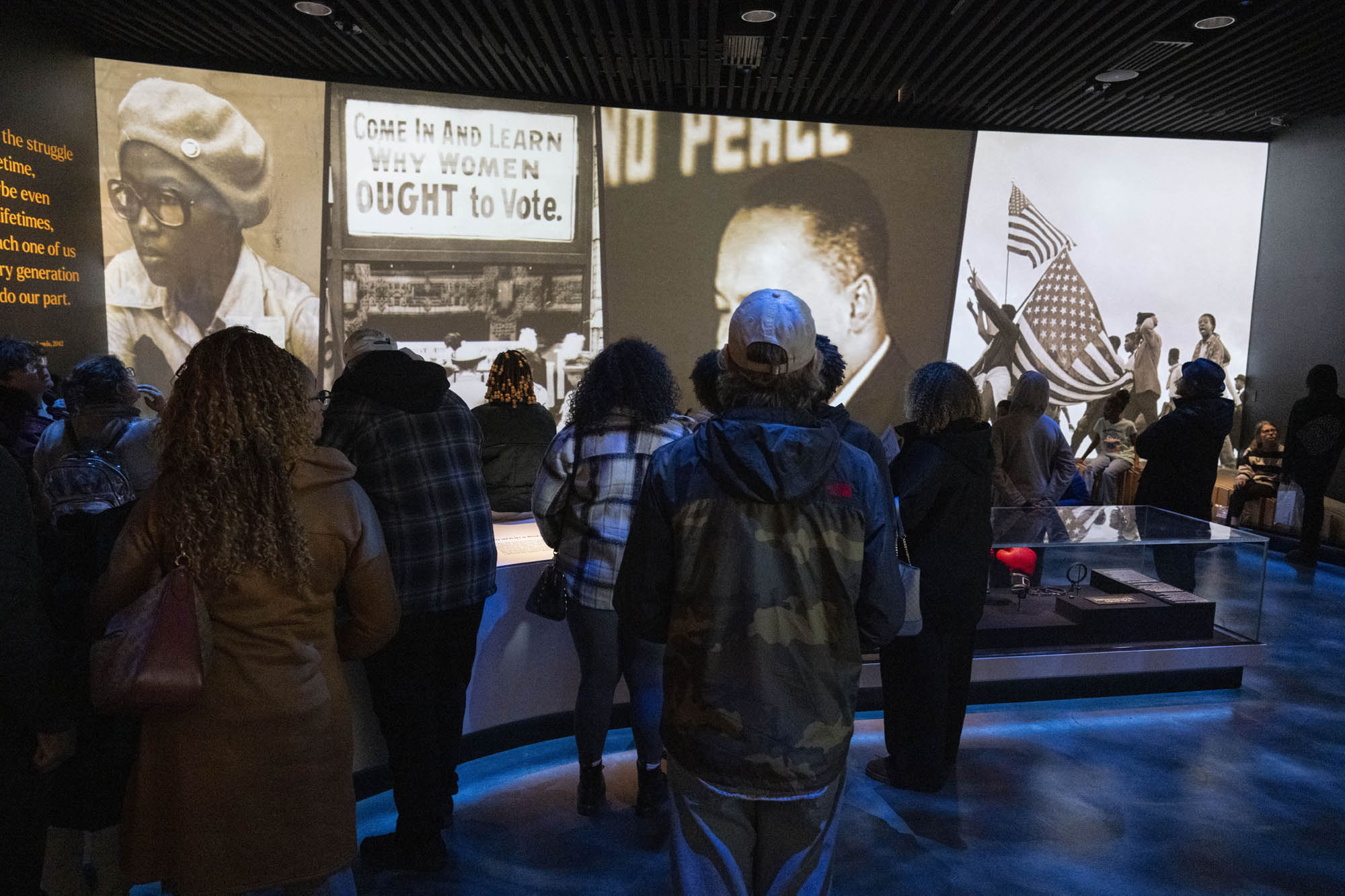
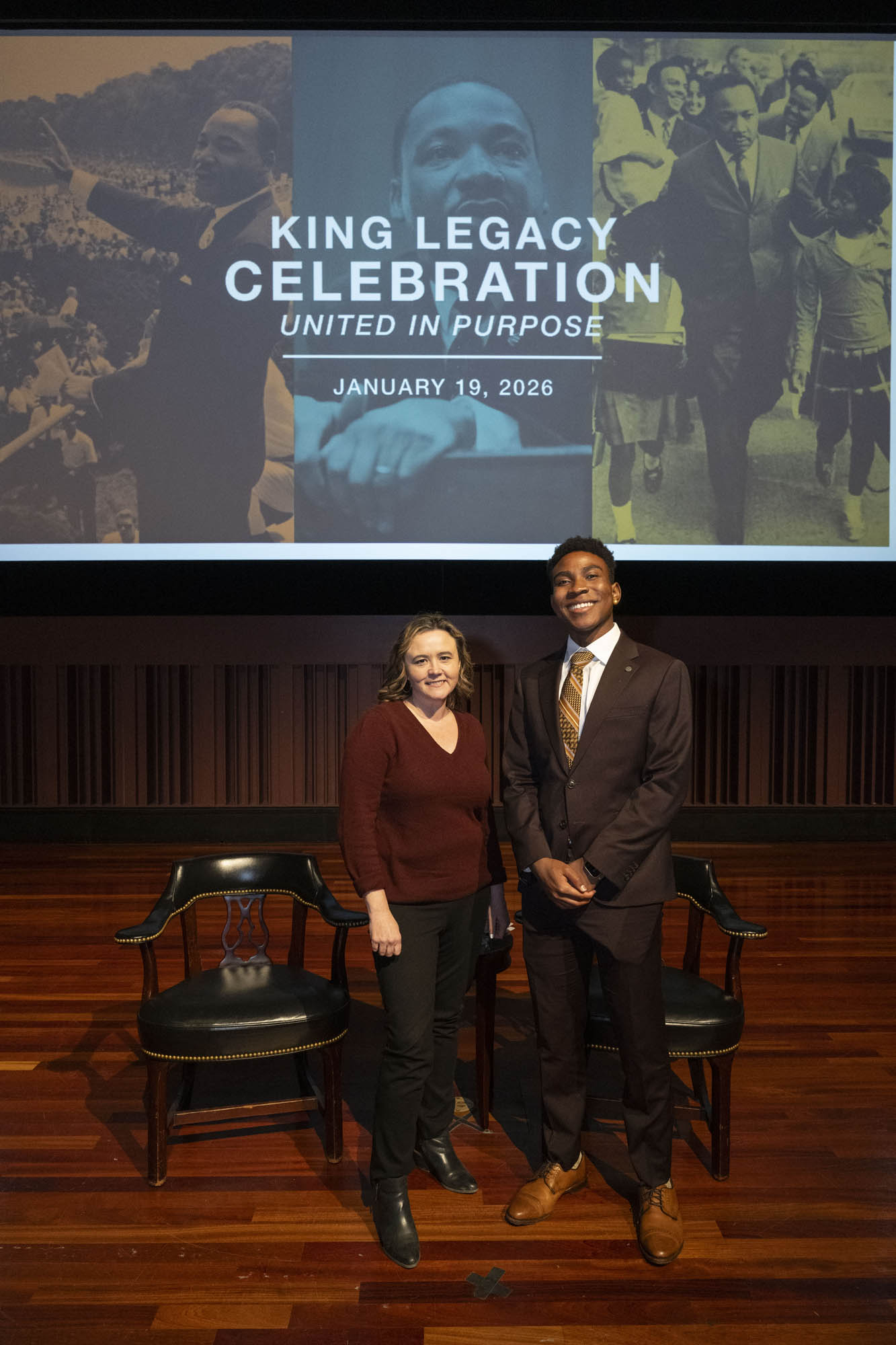
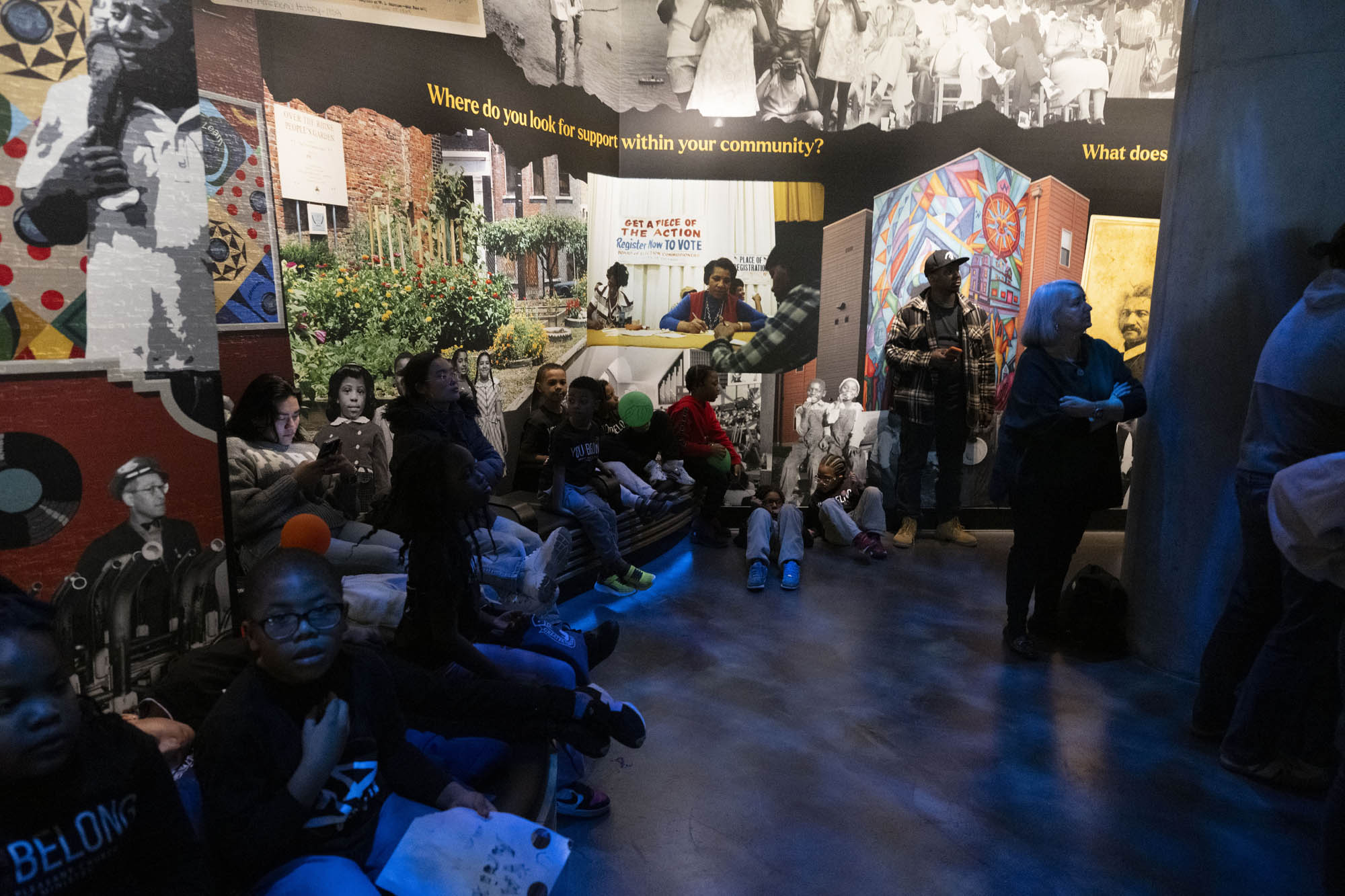
On Monday, January 19, the National Underground Railroad Freedom Center celebrated the life and legacy of Rev. Dr. Martin Luther King, Jr. From hosting the 21st annual King Legacy Celebration in the morning, to welcoming a record 3,500 visitors for the MLK Community Day, it was a day to remember.

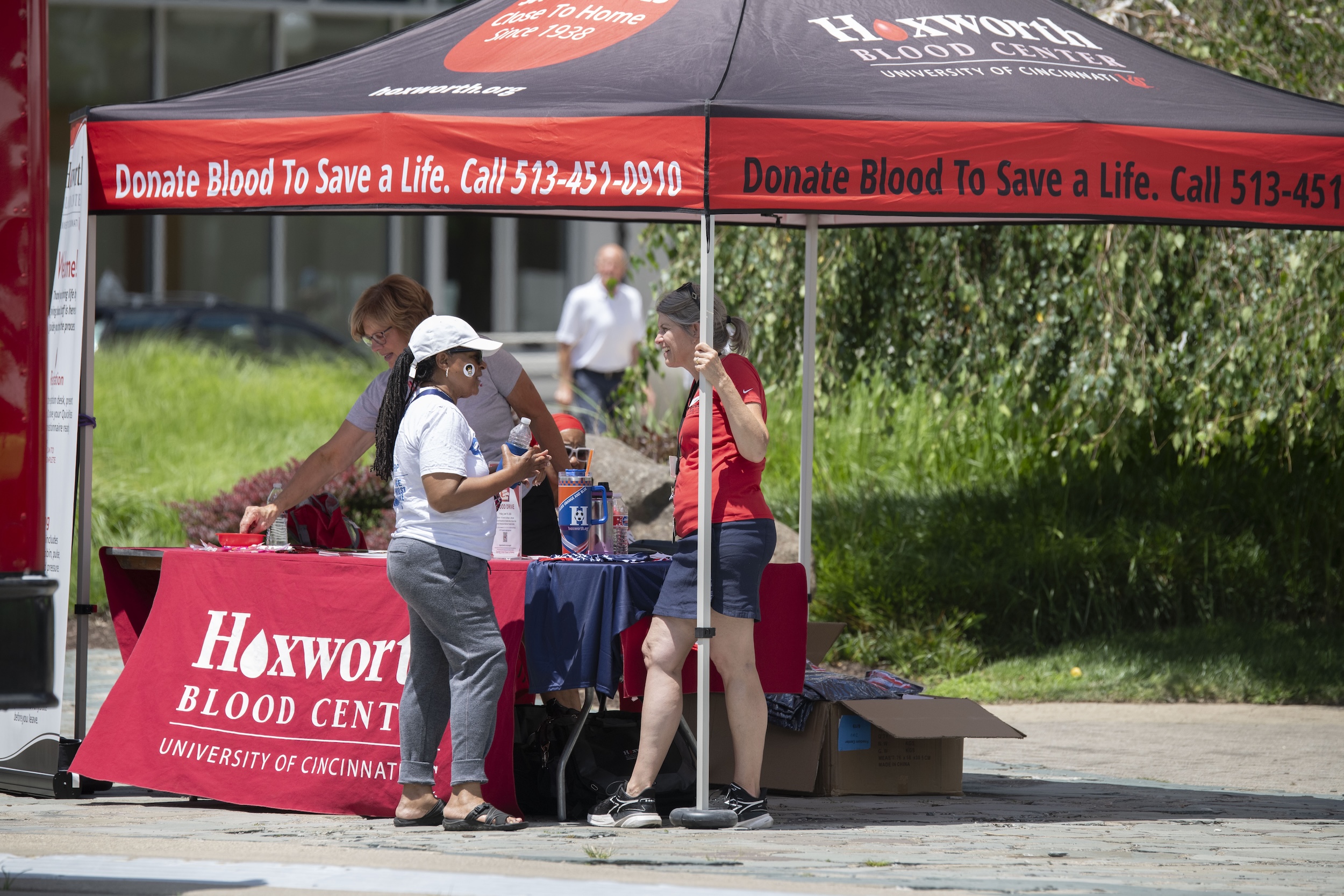
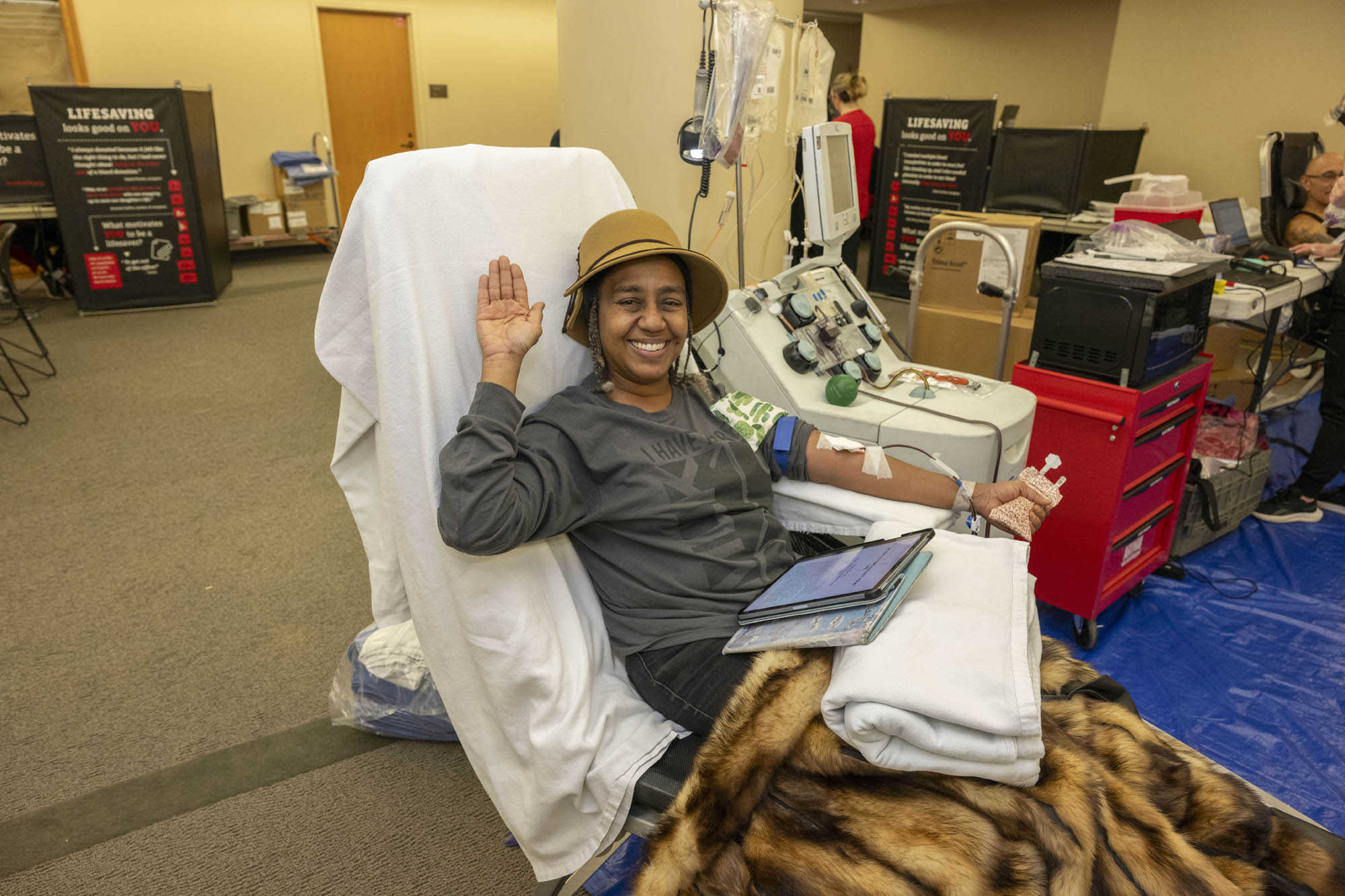
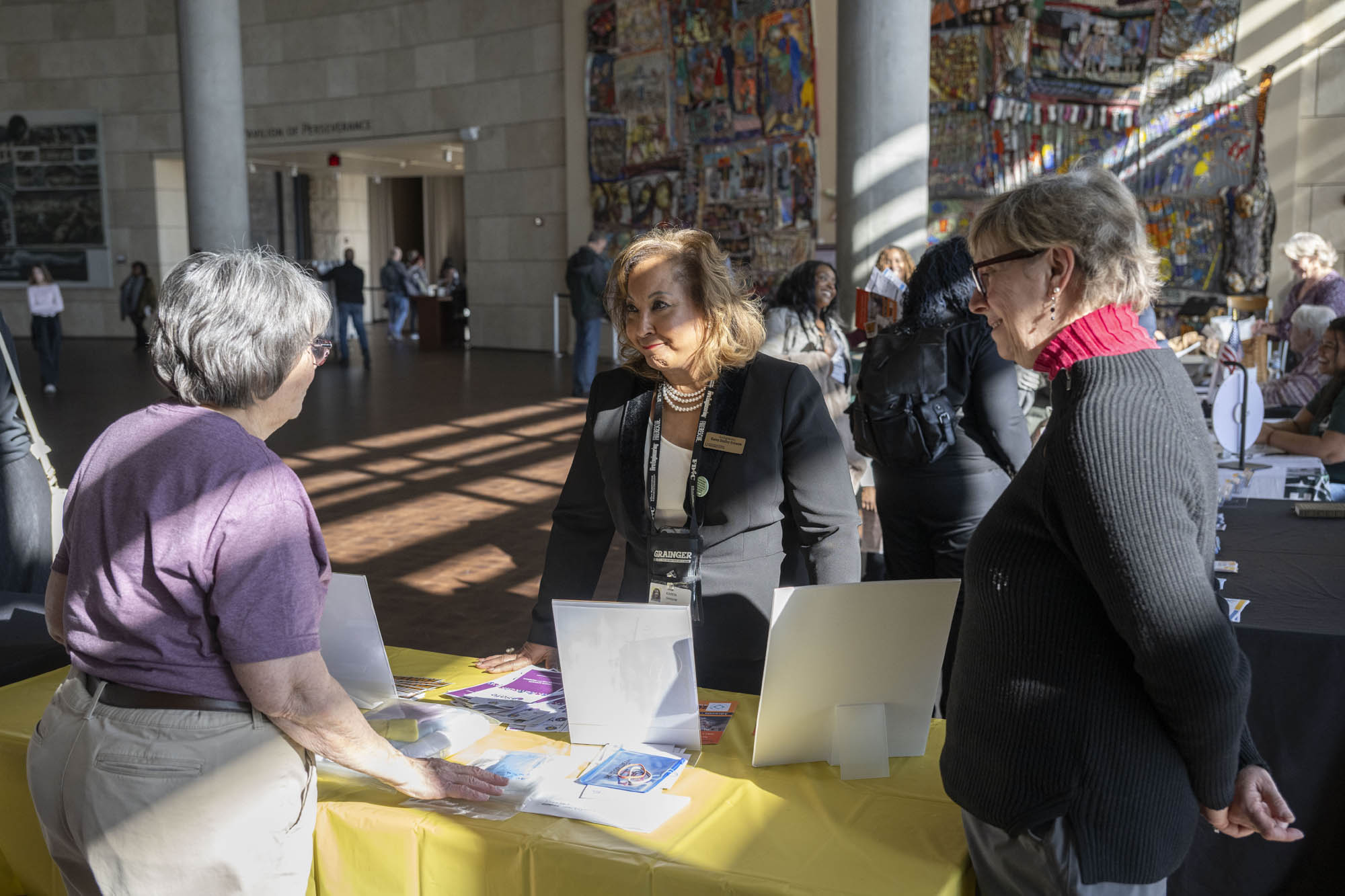
We are grateful to everyone who spent their day with us — families, coworkers, sports teams, scout troops, living communities, church groups, friends and more. We are also grateful to the many community partners, volunteers, staff and supporters who tabled throughout the building, assisted guests, read to children, greeted visitors in our John Parker Library or contributed to Hoxworth’s 112 blood donations — a tie with 2025!


Expanded Winter Outreach to Serve and Connect with Cincinnati

December 4, 2025

How We’re Expanding Our Winter Outreach to Be a Light in Cincinnati 

Take a peak at some of the recent local appearances and offerings our Freedom Center team has made this season, and discover exciting new events in store for early 2026. 

At the National Underground Railroad Freedom Center, our mission isn’t just to preserve history — it’s to bring it to life in engaging ways that resonate and inspire our Cincinnati communities. This season, we’ve been busy sparking vital conversations and collaborating with local organizations to keep the importance of the stories of our ancestors alive.

Learning From the Past, Together!
Our education team has been connecting with students and communities across Greater Cincinnati. Novella Nimmo-Black, Manager of Docents and Special Projects, led another successful round of K–12 school events, sharing presentations that highlight courage, resilience and the journeys of freedom along the Underground Railroad. She also brought these stories to local historical sites like the Harriet Beecher Stowe House, Rankin House, John Parker House and the Warren County Historical Society, allowing us to grow our audience in spaces with shared missions.

Connecting With Our Community
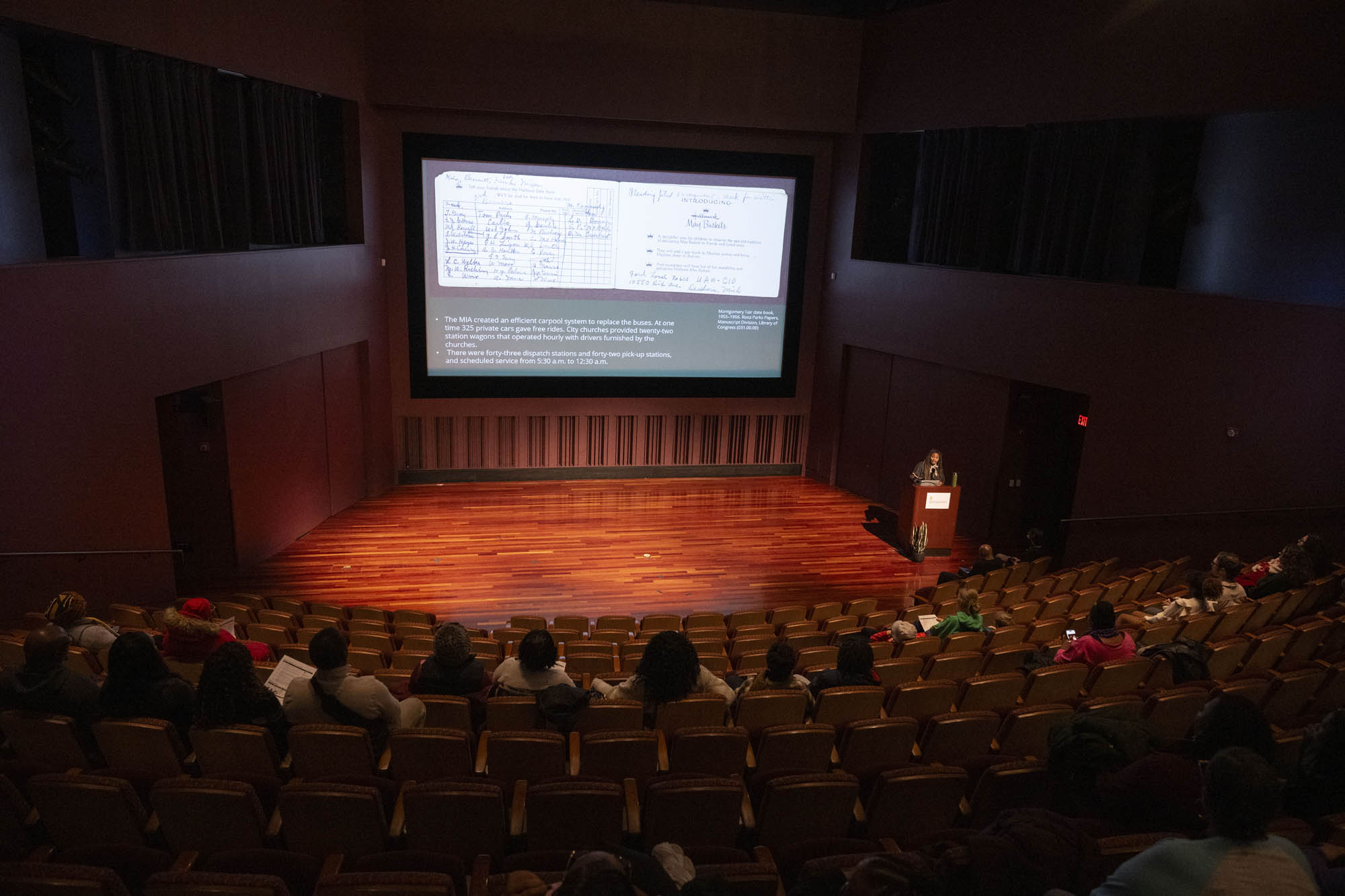
Our Social Justice Curator Trudy Gaba has been leading new outreach initiatives that center on listening, learning, and perhaps most importantly, improving trust. She shared thoughtful presentations on The Negro Motorist Green Book, a recent temporary exhibition housed at the Freedom Center this past year. Through talks at Episcopal Retirement Services’ Manse Hotel and The Cottages (Alzheimer and Dementia Unit), as well as collaborations with the Triiibe Foundation, Home Cincy, Greater Cincinnati Homeless Coalition and Poverty Liberation Collective, Trudy has carved a new path. A highlight for us was seeing the launch of the new program series, Accessible Actions where Cincinnatians were invited in for evenings of creativity, connection and community empowerment.

Trudy has also been working with local coalitions including the Greater Cincinnati Homeless Coalition, Home Cincy, Black Power Initiative, Cincinnati Homeless Congress and Cincinnati Action for Housing Now to make programs like Connected Communities more impactful and accessible for everyone in the city.

What’s Coming Up?
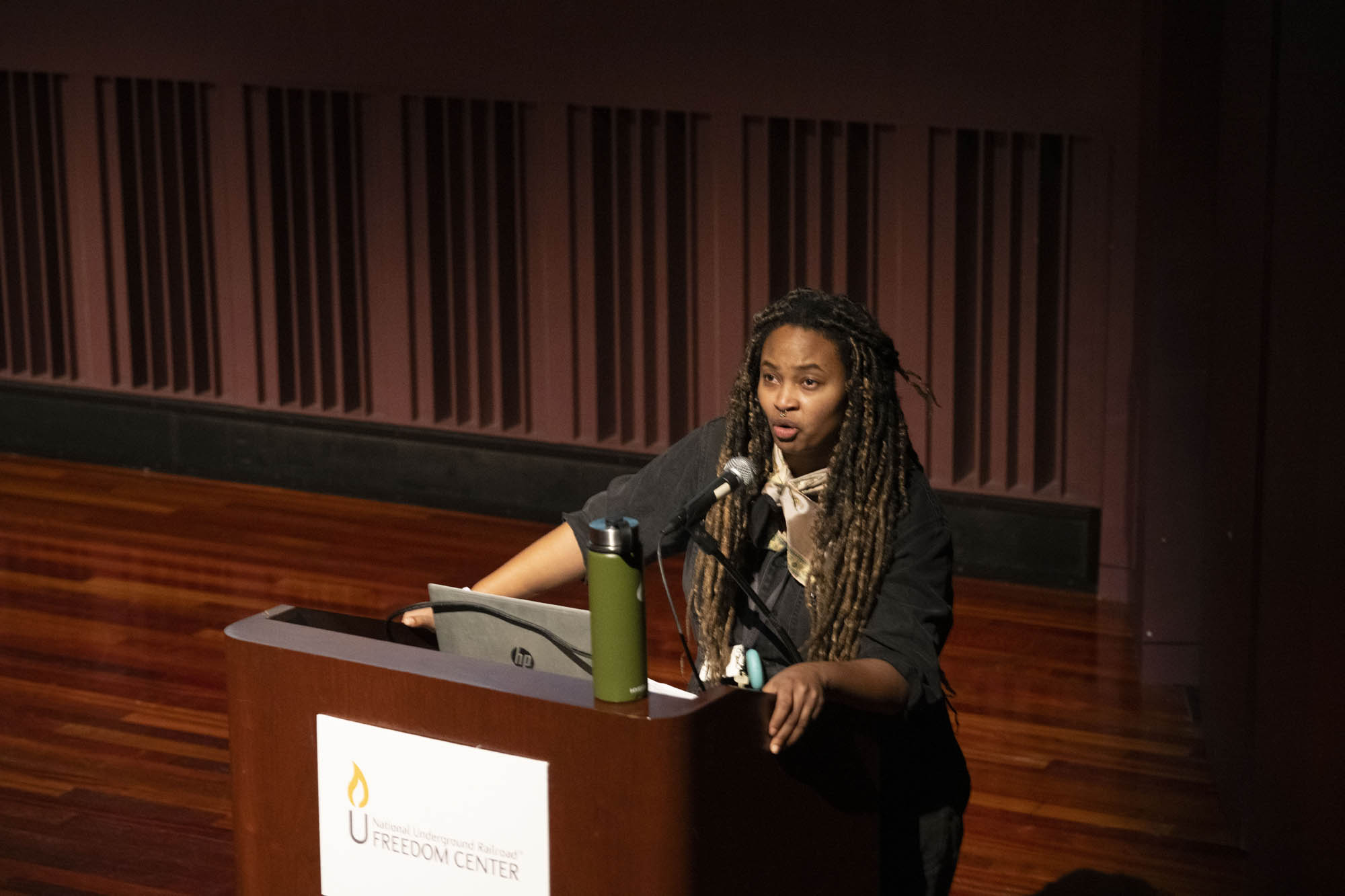
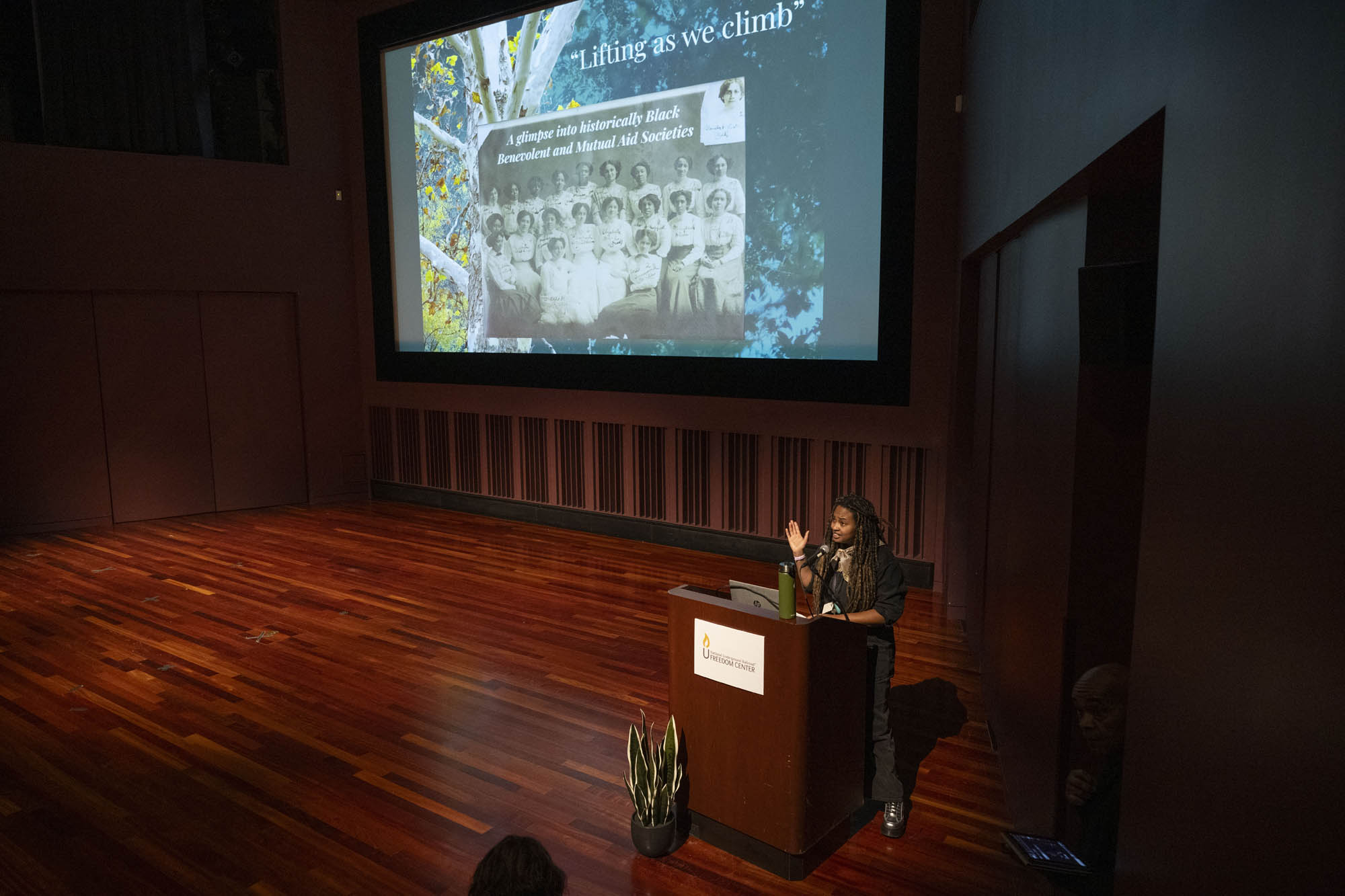
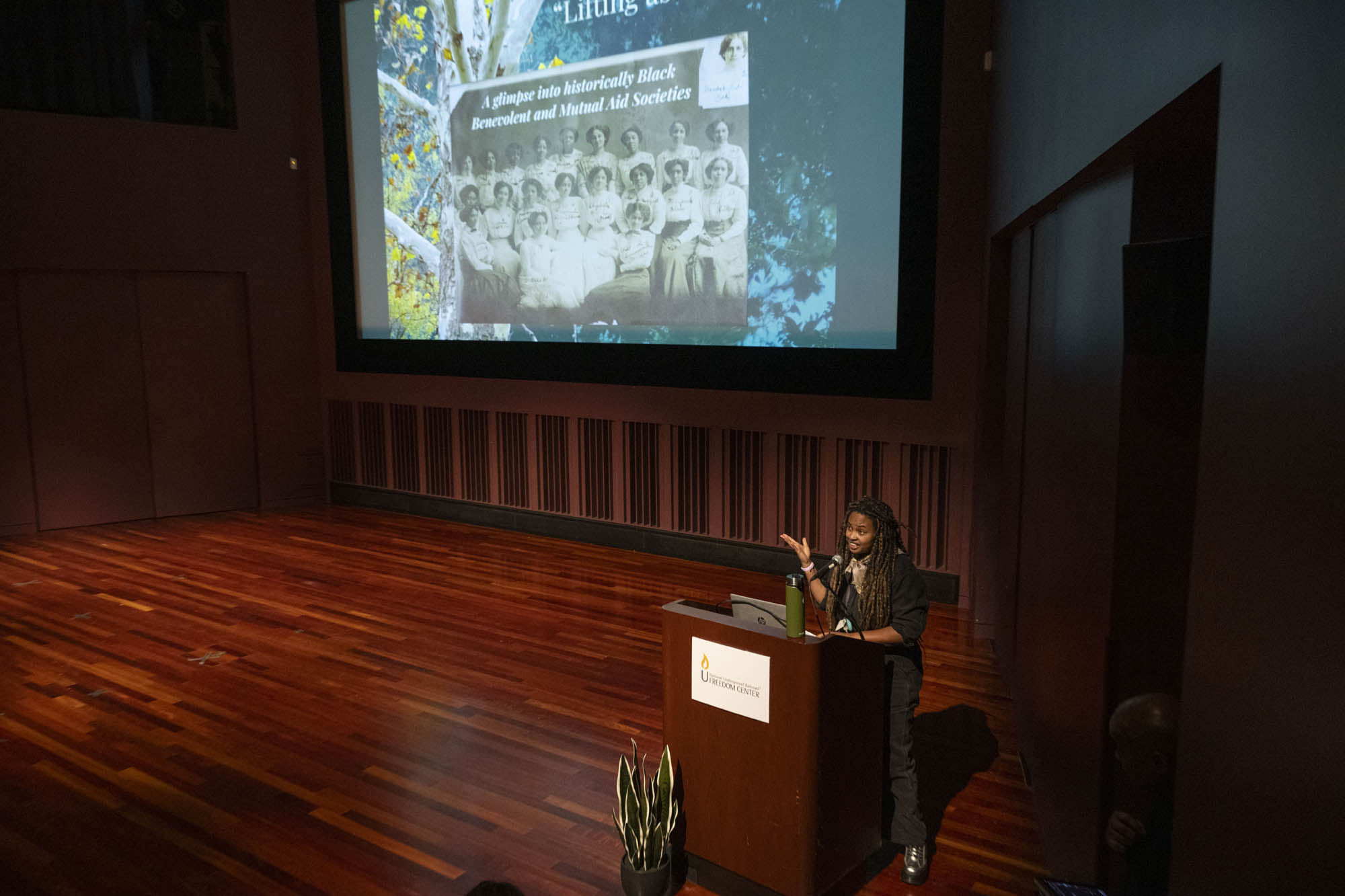
We’re excited for the start of all-new programs that delve deeper into historical narratives and their significance in modern, timely ways. On January 19, 2026, Trudy will present “Lifting as We Climb: A Glimpse into Historically Black Benevolent and Mutual Aid Societies”, exploring Cincinnati’s nineteenth- and twentieth-century history and encouraging ongoing community engagement. On February 17, 2026, she’ll present research at the Ohio Statehouse on the residents of Little Africa, Little Bucktown and Bucktown, showing just how accessible archival research can be.

One of our newest onboarded team members, Manager of Performance and Time-Based Programming Christian Casas, will also be leading a Workshop Series in February, April and June, bringing people together to learn of lesser-known historical figures, discuss their importance to American history, and how to use this knowledge to take action in ways both big and small.

Why This Matters
We hear you, and we know you know this: community engagement isn’t a one-off event; it’s a commitment. It takes genuine trust and an awareness of the value of maintaining and pursuing ethical, mutually-beneficial relationships. At the Freedom Center, we’re dedicated to understanding our community’s needs, promoting equity and supporting even more mission-aligned organizations with our belief that every conversation, workshop and presentation is a step toward building a stronger, more connected community.

“Truth, Trauma, Triumph” Documentary Now Streaming

Slide
Freedom Center Voices

December 4, 2025

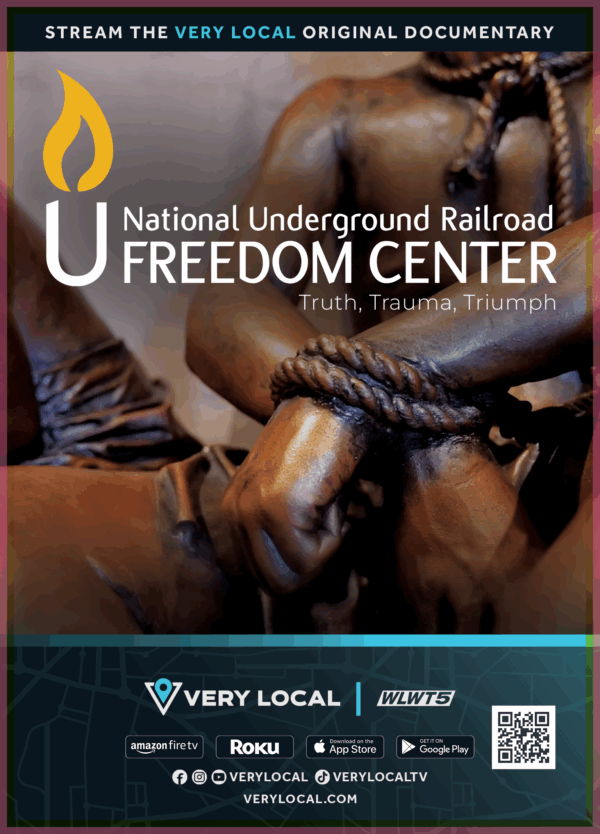
"The Freedom Center: Truth, Trauma, Triumph" Documentary Now Streaming

After a televised premiere on WLWT on December 3, a documentary about the National Underground Railroad Freedom Center is now available for streaming through Very Local.

"The Freedom Center: Truth, Trauma, Triumph" is a 30-minute documentary that pulls back the curtain on forgotten stories and surprising truths about the founding and start of the National Underground Railroad Freedom Center.

Through a mix of interviews and collected footage, "Truth, Trauma, Triumph" captures the journey of freedom in Cincinnati and beyond, with a call to action to learn more about the aspects of structural racism, how they manifest in our society, and the impact it has on individuals and communities for generations.

"I hope people will understand the valuable role that the Freedom Center plays, not only here in Cincinnati but also across the country,” Woodrow Keown, Jr., President and COO of the Freedom Center, told WLWT in an interview. "I hope they will be inspired to come to the Freedom Center and educate themselves around these issues of freedom, figure out what it is that they can do to go out and make the country better for everybody."

Watch the trailer below and stream this documentary now through the Very Local app.

A Reflection: East Fork Lake Heritage of Freedom Trail Ribbon Cutting

October 7, 2025

A Reflection: East Fork Lake Heritage of Freedom Trail Ribbon Cutting 

By Shawnee Turner, VP of Interpretation and Education

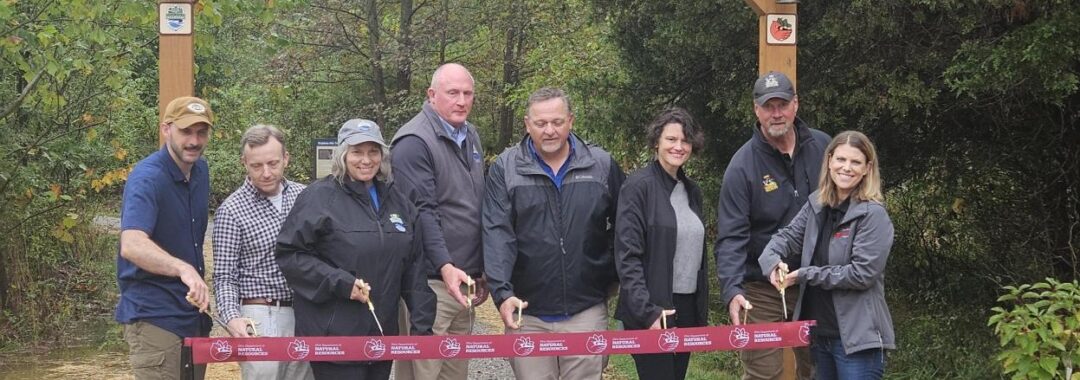
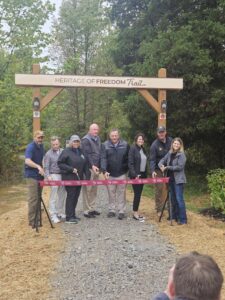
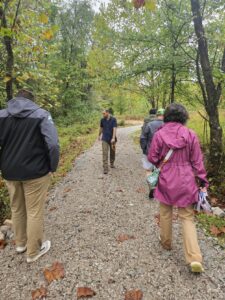
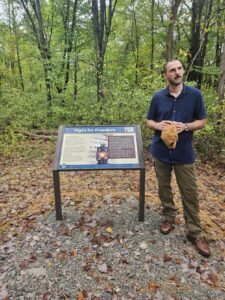
On October 7, the Freedom Center was invited to take part in the opening celebration of the Heritage of Freedom Trail, a half-mile path in East Fork State Park that explores Ohio’s pivotal role in the Underground Railroad. This is the second such trail organized by the Ohio Department of Natural Resources, beginning with the Alum Creek State Park, which opened in 2024.  

Along the short trail, you'll find various interpretive signs that share how freedom seekers once used Ohio’s wilderness as both a refuge and a route to liberation. Amongst the back-to-back work for the International Freedom Conductor Awards and America's River Roots, the invitation to reflect was a welcome breath for me.  

As we navigate uncertain times, the act of coming together in service and community becomes even more vital. We are grateful for the work that the Ohio Department of Natural Resources, Groundworks Ohio River Valley, Ohio State Parks, and so many others put into this project. Their efforts, and those of countless individuals and organizations across our community, remind us of the power of reflection, collective action, and the importance of  honoring history. 

We hope our friends and supporters of the Freedom Center will be able to make it out to the trail during this brisk fall. Below are my remarks from the ceremony: 

Good afternoon. Thank you to the Ohio Department of Natural Resources for asking the National Underground Railroad Freedom Center to be here today. I am honored to represent the Freedom Center and pleased to congratulate you on the opening of the Heritage of Freedom Trail. 

I love exploring the natural world. Walking trails like this one rejuvenates me and gives me peace. Often, I let my mind wander, imagining how those without our modern conveniences would navigate the deep valleys and caves, swift creeks and rivers, steep mountains and cliffs. I think about following the stars and the sun for direction, finding shelter and food. All the while finding connection with people generations before me in our shared awe and reverence.  

This remarkable trail will allow visitors that same connection. It gives people the opportunity to learn and reflect. The work you’ve undertaken joins a long list of recent accomplishments. As many of you know Ohio has the largest Underground Railroad network with over 100 sites, six being added this year. Ohio has done wonderful work maintaining this history by growing the Ohio Historical Underground Railroad. The Freedom Center hosted the Underground Railroad Gathering in September, which brought together scores of scholars and enthusiasts for several sessions, historical interpretations, documentaries, and networking. America’s River Roots, which kicks off today, is highlighting programming at the Freedom Center to incorporate Black experiences with the river. And the Freedom Journey App developed by River Roots, which will be maintained by the Freedom Center after the celebration, offers information on sites throughout Ohio, custom tours, and information on significant people and historical background. 

When I was a kid in the 1980s, I lived in a house on Westwood Avenue in the Cincinnati neighborhood of South Fairmount. If you know the area, a lot of work has been done there to reclaim the natural creek, Lick Run, that once flowed there into the Mill Creek, and then into the Ohio. I remember a man coming to our house from some university because he wanted to study our home and others in the area. It was constructed in 1852 and was positioned right on the street. It was built into a hillside. To enter, you walked into a door and up a long set of stairs that rain alongside a two-story “basement.” There was a large double opening on the street, much taller and wider than a normal garage, that I later learned was used to house carriages and horses. In the upper left corner of our “basement” was a squarish hole in the rock foundation, about 4’ x 4’ that was partially covered by a rotting wooden door. The man from the university thought our house could have been part of the UGRR. I was probably 10 when this happened. I would stare up at that corner and imagine hiding in that dark scary hole. I never went in—it must have been 20 feet off the ground. We moved a year or two after his visit and I never learned what the man discovered, if anything. Today, the house is gone. Demolished as part of the urban renewal project that brought back the creek. Part of the history of the house and its community now lost. 

When our history is lost, we lose more than stories — we lose community, identity, and truth. When we lose or ignore history, we erase the struggles and achievements of those who came before us, leaving gaps that weaken our sense of justice and connection. Knowing, understanding, and grappling with our history is vital because it joins us to the people and events that shaped our shared humanity. When we explore the past, we uncover not just the facts, but the emotions, choices, and courage that defined moments of profound struggle and change. History teaches us to see beyond ourselves — to comprehend the lives of those who came before us and the systems that shaped their realities. It challenges us to think critically about freedom, justice, and equality, and to recognize that the privileges and opportunities many enjoy today were built on the sacrifices of countless others who refused to accept oppression as fate. 

The history of the Underground Railroad is one of the most powerful examples of resistance, bravery, and solidarity in the face of injustice. It tells the story of enslaved people who risked everything for the chance to live freely, guided by faith, determination, and the courage to imagine a better life. It also honors those who helped them along the way—free Black people, abolitionists, and allies who defied laws and social norms to stand on the side of humanity. Each hidden path, coded song, and safe house represents a triumph of moral conviction over fear.  

Teaching this history is an act of social justice. It reminds us that freedom was not given—it was claimed through struggle and unity. We learn through this history that real change often begins with individuals who refuse to remain silent in the face of injustice. These lessons carry forward into our own time, inspiring us to confront inequality and to build communities rooted in empathy, compassion, and courage.  

As you step into the woods today, slow down and let the world around you fade. Feel the earth beneath your feet and the air moving around you, heavy with the scent of pine, rain, and moss. Imagine you are walking not for pleasure and curiosity, but for your life—seeking freedom under the cover of darkness. Each branch that cracks beneath your feet could alert someone to your presence. You listen for distant sounds—dogs, voices, footsteps—and steady your breath to stay silent. Your stomach growls, your body aches, but you keep moving. You may hear the call of the barred owl and know that a conductor is nearby. The North Star in the Drinking Gourd is your guide toward the river; the sycamore trees let you know you’re close. As you walk, contemplate the courage it took to trust the night, the land, and the kindness of strangers. Let the forest remind you of their strength, their faith, and their unyielding belief in freedom.