Easton Phillips

What Freedom Means to Suzanne Buzek

Slide
Freedom Center Voices
October 2, 2026

What Freedom Means

...to Suzanne Buzek, Sr. Director of Marketing & Communications

Civil liberties and educational institutions like museums are being threatened in today’s America. This season, we’ll be telling stories about freedom and the Freedom Center. Hear from Freedom Center staff, docents, volunteers, ambassadors and visitors (like you!) about what freedom means to them today in our new blog series. 

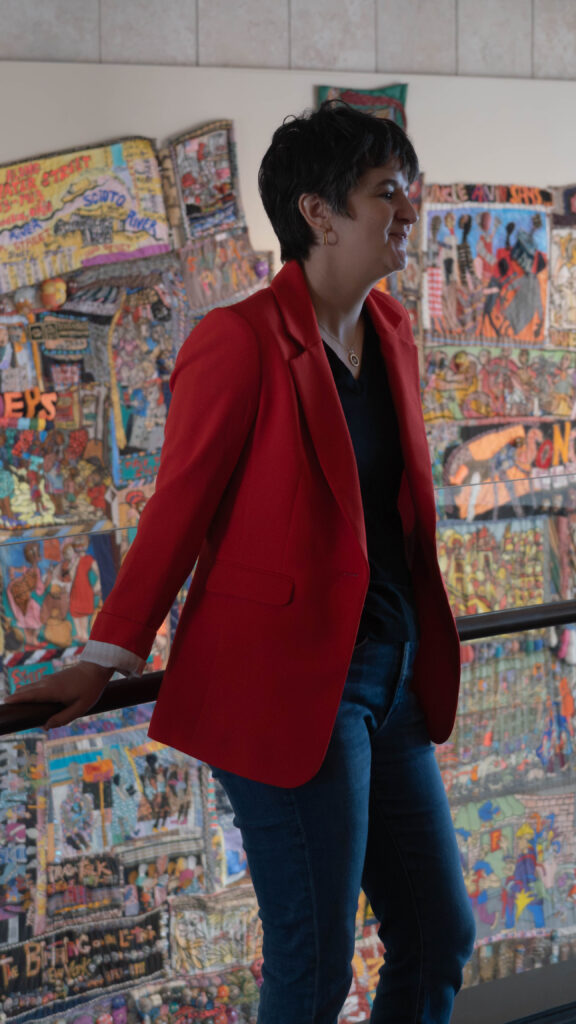
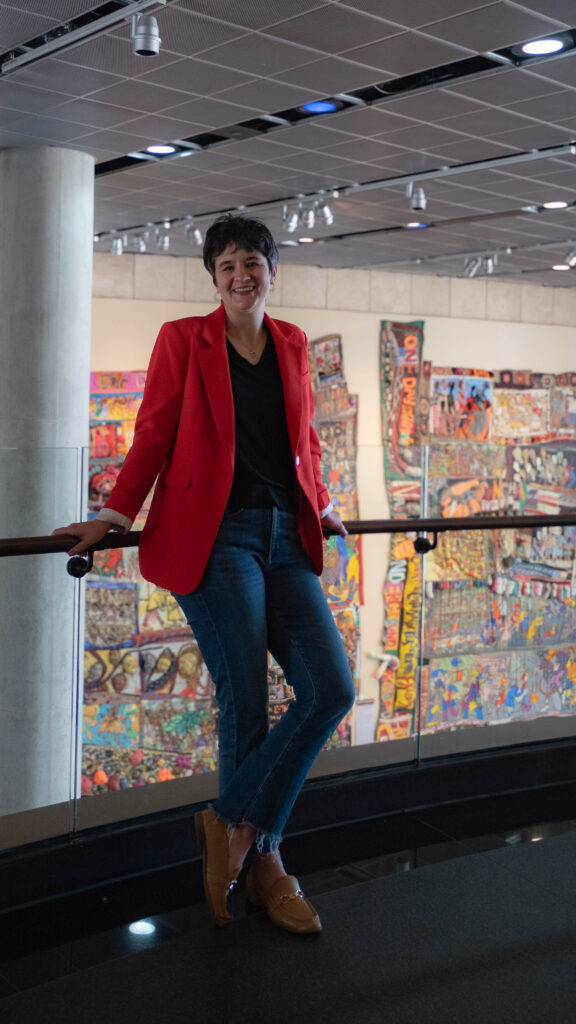
"'Freedom', to me, means the ability to self-realize and self-actualize. It’s self-determination. It means you have what you need to thrive. And perhaps the greatest act of freedom is helping someone else have what they need to thrive. 

Suzanne Buzek

"I learned early in life that everyone has a story. Everyone has heartbreak and tragedy. Everyone has this arc in their lifetime, and the arc has ups and downs. Times of humility and times of prosperity and abundance. Achievement and failure. And learning that at a young age sparked why I was curious about people and why I ultimately wanted to have a career that had writing of some sort, and why I chose to pursue communications and marketing. 

"And so, you know, being able to work in a place where we have so many stories and present so many stories about these people who would otherwise be lost to history... they would be nameless, faceless people that we don't know—and that we're able to pay tribute to them and their struggles and their achievements and their sacrifices—is really important to me. 

"It’s my hope is that people can connect, and resonate, and empathize with some of the choices people made when they maybe didn't have good options to choose from. And, [knowing] they made the choice that they could make in that moment, or at that time, or [overcoming], you know, some really desperate circumstances for the chance of something better. "

Support the Freedom Center with Suzanne

Everyday people can build the Underground Railroad—but it takes cooperation. Help us tell the story of freedom for generations to come. Donate today using the form below:

Easton Phillips

What Freedom Means to Easton Phillips

Slide
Freedom Center Voices
September 25, 2026

What Freedom Means

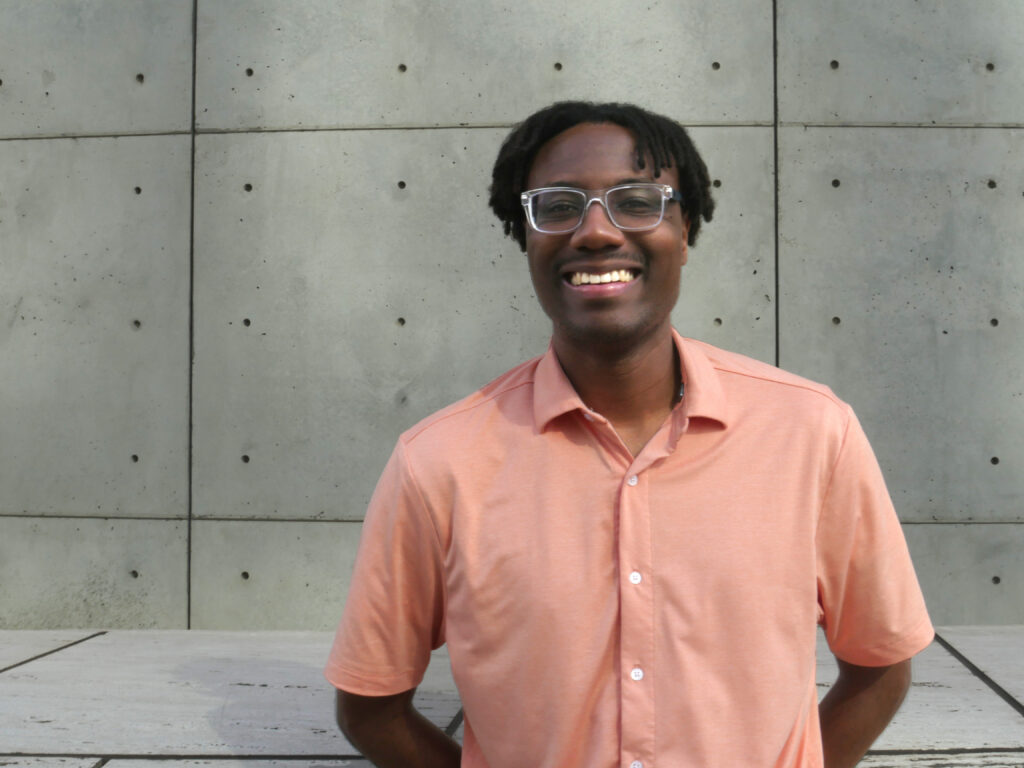
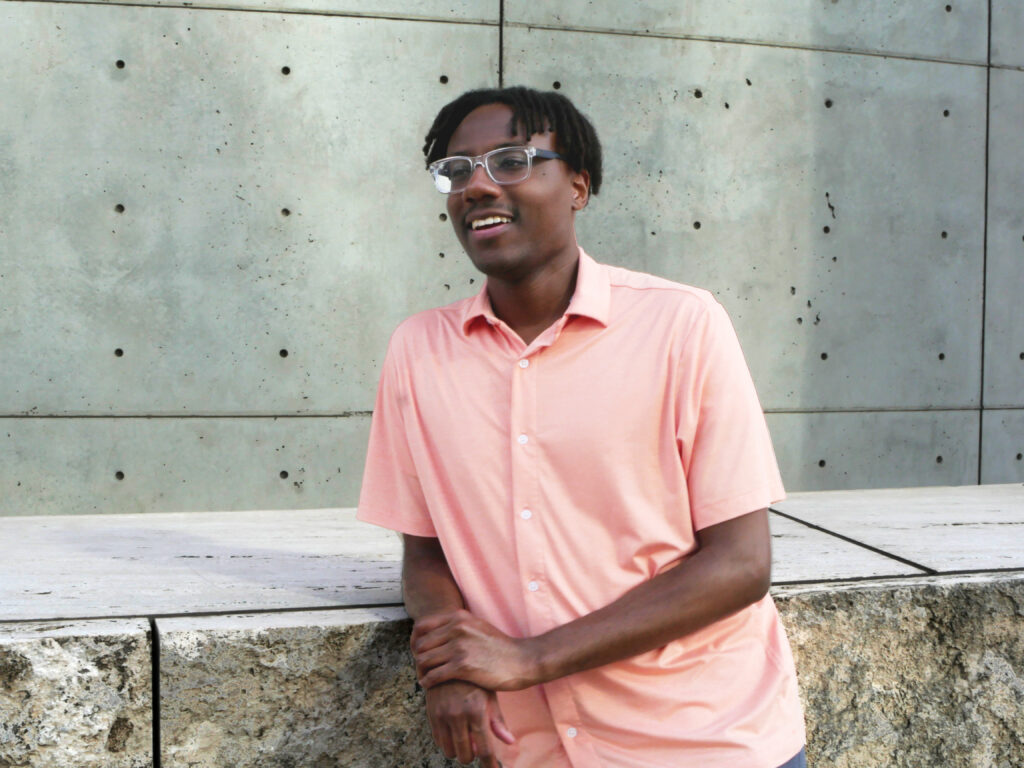
...to Easton Phillips, Manager of Visitor and Community Engagement

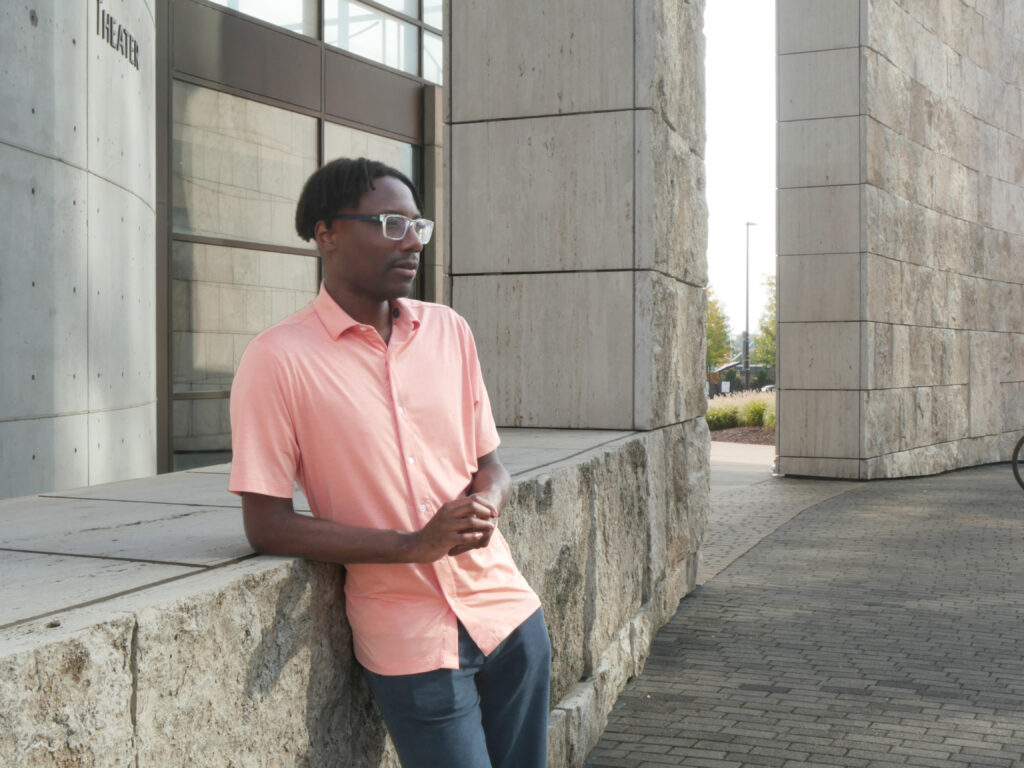
Easton Phillips

Civil liberties and educational institutions like museums are being threatened in today’s America. This season, we’ll be telling stories about freedom and the Freedom Center. Hear from Freedom Center staff, docents, volunteers, ambassadors and visitors (like you!) about what freedom means to them today in our new blog series. 

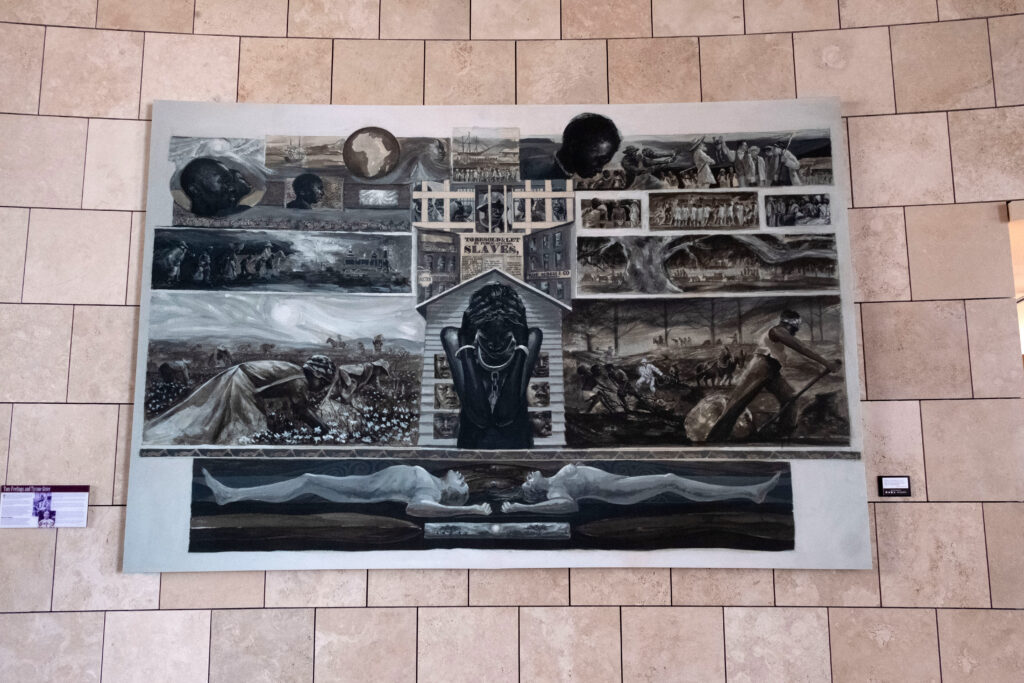
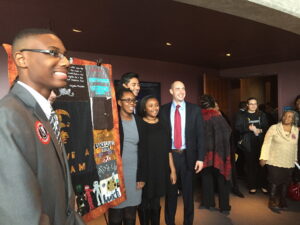
“So, I'm from Cincinnati originally; born and raised here. My parents took me to the Freedom Center when I was very young… probably in primary school, around second or third grade. I specifically remember the Tom Feelings mural. We had a docent talking to us, and she told us about the symbolism and the different interpretations of what the mural was supposed to be, what the mural is trying to get across, particularly pertaining to the two figures at the bottom of the mural.

Easton Phillips

“I remember being sad when she said that one of the interpretations is that the two individuals on the bottom have passed away, and yet they're still dreaming of home in Africa. But she also said that there's another interpretation that I kind of chose to pick instead, which was, it's symbolic of them going over in the middle passage. But it's almost like they're bringing Africa with them, because they have those African motifs on the bottom of the mural.

The Tom Feelings Mural at the Freedom Center

“And that was kind of the main thing that I took away was just this, this really, really, vast space of artistic interpretation. And I knew, even back then, that the Freedom Center was really important because my family never stopped talking about it. They really wanted me to be in touch with my history, you know, ‘Easton, this is how we as Black people came to this country. This is why we're here.’

And it was always very empowering. They made sure that, even though I went to a predominantly white school, I was in touch with what it meant to be a Black man in this country.”

Easton Phillips

“I think my deepest love for the Freedom Center, however, came when I joined the youth docent program. I originally did not want to be a youth docent. You know, my family is full of educators. So my mom was like, ‘Here's a new thing. You're going to do it.’ And it's October of 2014. I'm a, you know, I'm a sophomore in high school.

"I didn't want to do it because who wants to do this weird program where you’ve got to sacrifice your Saturdays? Who wants to do that? But, you know, at that point in my life, I figured that, as far as what I wanted to do, I just thought, again—family full of educators. I figured I would just pick a subject that I didn't necessarily hate and I would just teach that subject.

Easton Phillips

"So, I was just going to be a teacher, whatever. By the time I got to the Freedom Center and walked through the doors and started doing the Youth Docent program, and they taught us about what docents do and what exactly it means… We got in touch; very in touch with the history.

I just I never knew that there was a different way to educate, because I didn't know that there were careers within museum fields. I didn't know anything about the museum field. So by the time it was time for us to be put out onto the museum floor, I already realized working in a museum is what I wanted to do, and the Youth Docent program just kind of solidified that for me.

King Legacy Class of 2014

"Because of the Youth Docent program, I changed my major. I decided that when I go to college, I want to major in history because I wanted to keep going. I love talking to people, love having conversations, and kind of this empowering history that's empowering for me and sharing that with all these people. And, you know, the guests that walk into the Freedom Center; they have a knowledge about what's going on - they have a knowledge, they have a want to learn more, and they see the importance of the work we're doing.

Easton Phillips

"Why does it matter? It [the Freedom Center] matters a lot. Because I feel like a lot of people don't even realize what's here. A lot of people, when they talk about things to do around Cincinnati, they don't mention the Freedom Center. And it's a shame because they're missing out on all this history that happened right here beneath our feet. Just the fact that it's situated right here on the Banks is, you know—the symbolism is just- it's a beautiful, it's a beautiful space for a very important museum where we're having really important conversations.

"I would ask, at what other museum does the term “everyday people” mean so much? Because the Underground Railroad was built by everyday people. You know, when you hear ‘everyday people,’ you would think that [they] aren't important. But [what] they built, I mean, we're still talking about what they built all these years later. And it's because of those everyday people that we even have knowledge as to what happened on the Underground Railroad, because it was secretive.

"[The Underground Railroad] was always changing. It was illegal. And [the everyday people] literally carried the history with their actions. And they may not have seemed like big actions at the time they were doing them. And, you know, there's thousands of names that we’re never going to know because they weren't recorded, they didn't want to be recorded. And, you know, even the people that we do talk about all the time—you know, Harriet Tubman, Frederick Douglass—it wasn't glory that they were seeking. They were seeking justice, and they were doing things - trying to assist their own people and fighting something that was very unjust in their eyes, to the point where they'll defy the law in order to get this point across."

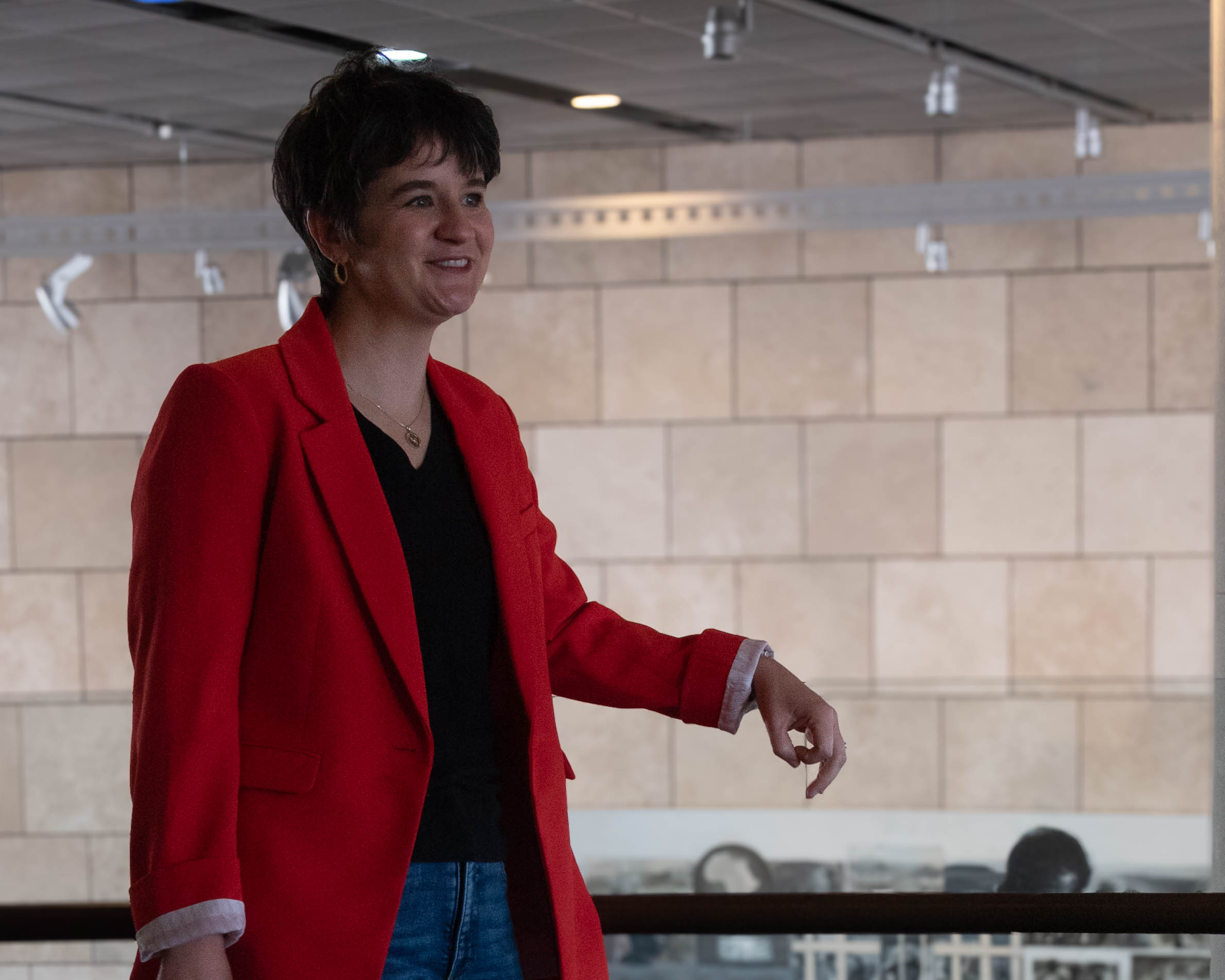
Easton Phillips

Support the Freedom Center with Easton

Everyday people can build the Underground Railroad—but it takes cooperation. For less than the cost of a cup of coffee, help us tell the story of freedom for generations to come. Donate today using the form below:

Ohio Fourth Grade History Pass – Free Admission for America’s 250

July 1, 2026

Fourth Graders Receive Free Admission to the Freedom Center during America's 250 Celebrations

Ohio 4th Grade History Pass program expands historical learning opportunities this summer

The Freedom Center is a proud participant of the Ohio 4th Grade History Pass program. Through this program, which runs until August 31, 2026, Ohio fourth grade students can receive free admission to participating history museums and historic sites when accompanied by a paid adult. 

During the month of July only, Ohio fourth grade students can bring up to three guests for free! Learn more about the Ohio 4th Grade History Pass program here.

How to Participate

1. Download the pass from the America 250-Ohio website. 

2. Accompanying adults can reserve their ticket online or purchase admission upon entry. 

3. Display the pass with your adult ticket for one (1) fourth grader to enter for free. 

Freedom Center Receives Two 2026 Emmy Nominations

June 30, 2026

Two Freedom Center Films Receive 2026 Emmy® Nominations

The films bring the voices of Cincinnatians, past and present, to the general public

The Freedom Center is proud to announce that two documentaries featuring the museum were nominated for Emmy® awards this year.

The Freedom Center: Truth, Trauma, Triumph was produced by the National Underground Railroad Freedom Center in partnership with Very Local. The 30-minute documentary explores the many meanings of freedom—some painful, some powerful—against a backdrop of the region's history, the museum's exhibits and the real stories of formerly enslaved Cincinnatians. 

Let's Talk Cincy: Freedom Center 30 Years, produced by local NBC affiliate WLWT, celebrates the museum's 30th anniversary through its legacy and impact. The 23-minute program takes viewers through the Freedom Center's history, delving into the social and cultural circumstances that led to the museum's creation and ending on an exploration of the museum's future and vision. 

"We're honored to have helped bring the voices of Cincinnatians past and present to the forefront, and to continue raising a beacon for all who seek freedom through their stories," said Woodrow Keown, president and COO of the Freedom Center. "These nominations show that the fight for freedom belongs to and benefits everyone, and we will continue that fight for decades to come."

The 2025 Ohio Valley Emmy® awards will be announced on July 25, 2026.