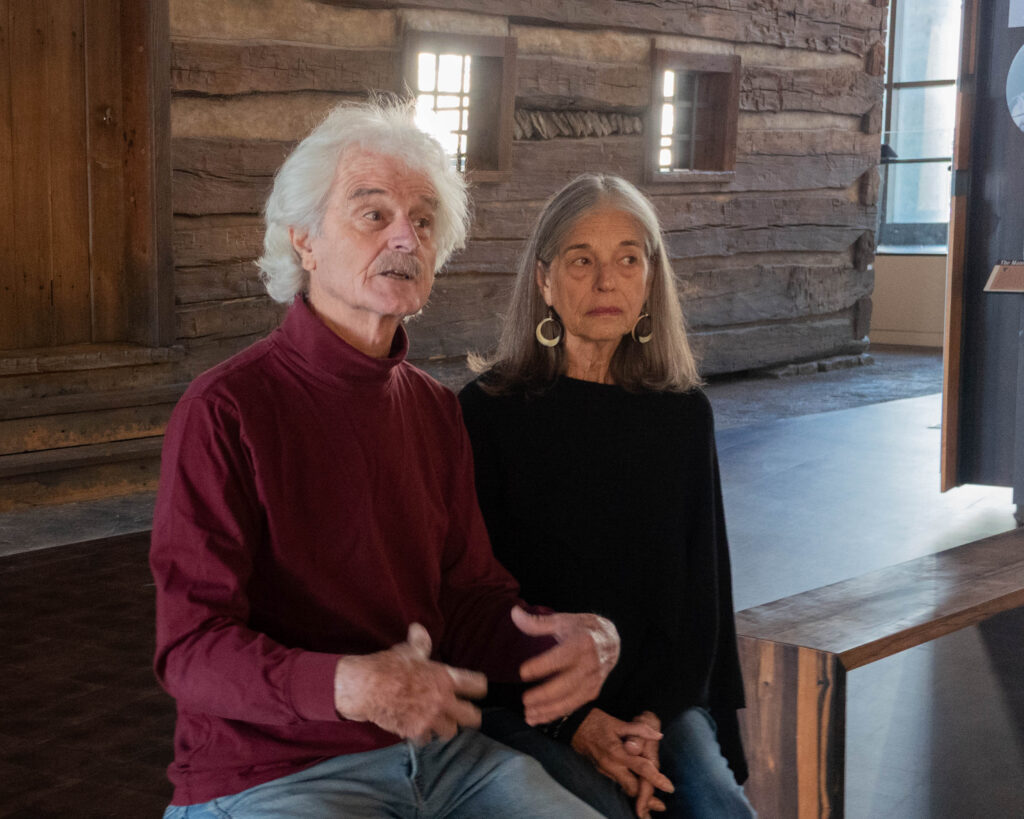
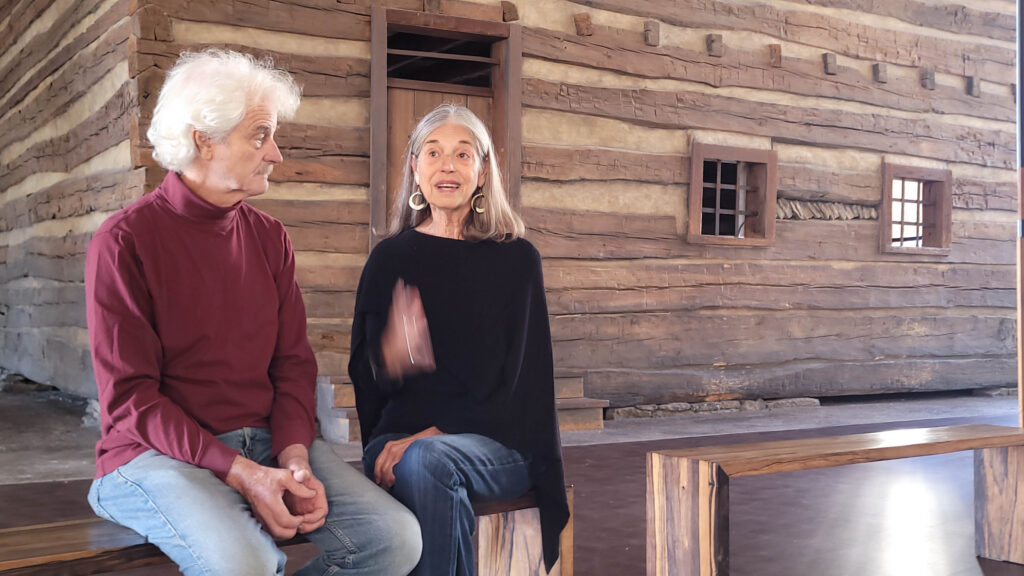
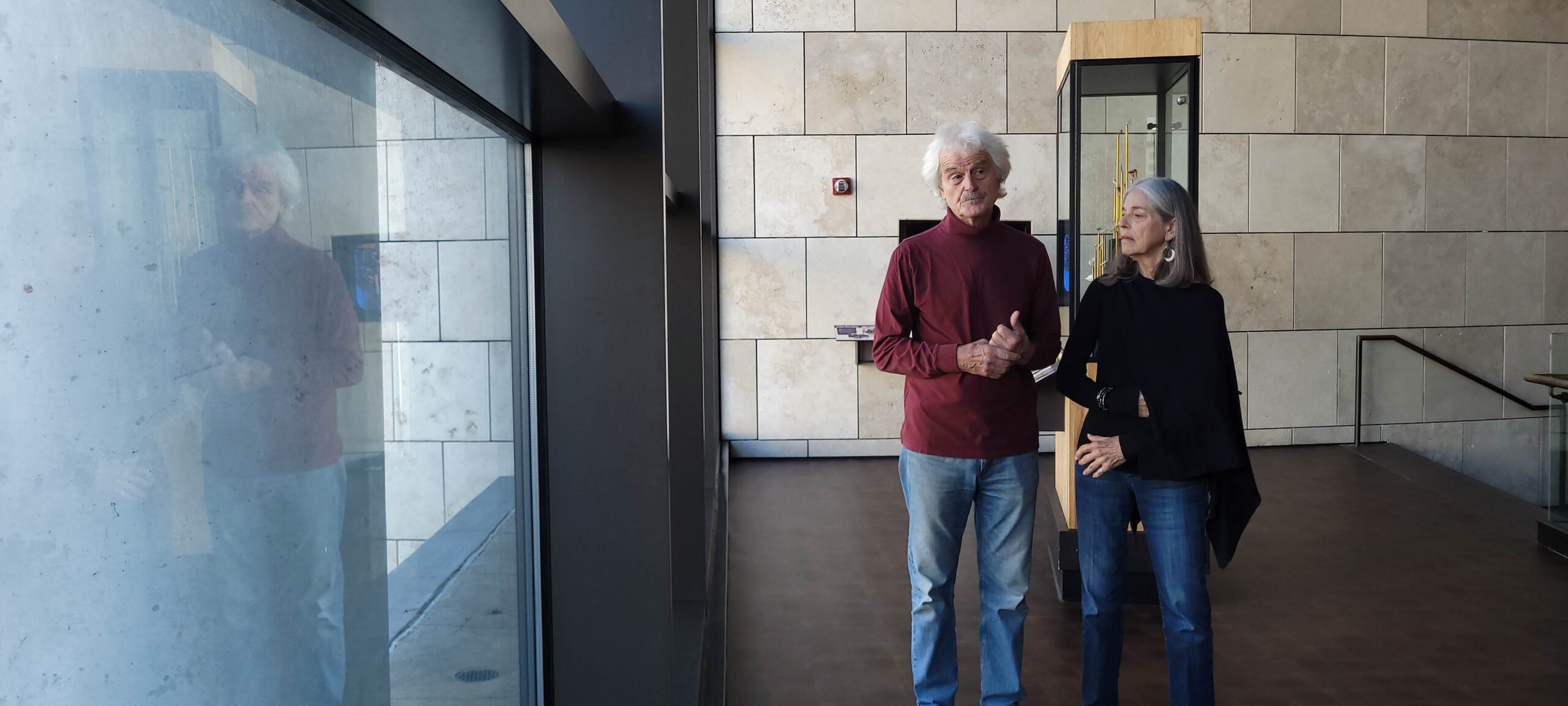
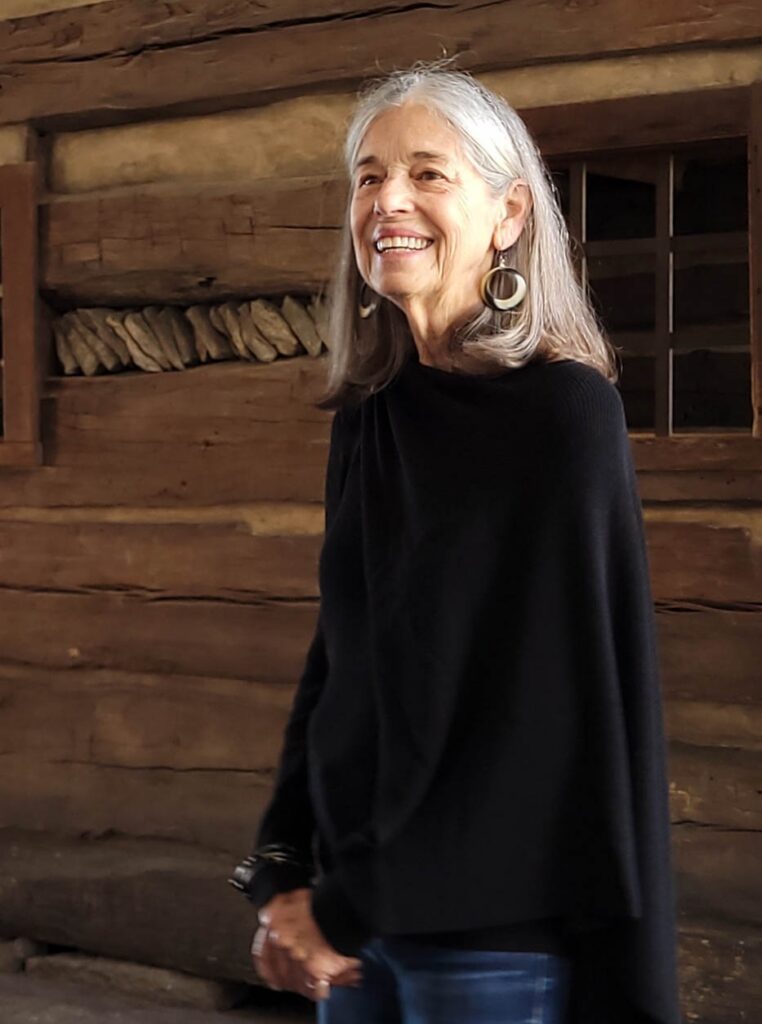
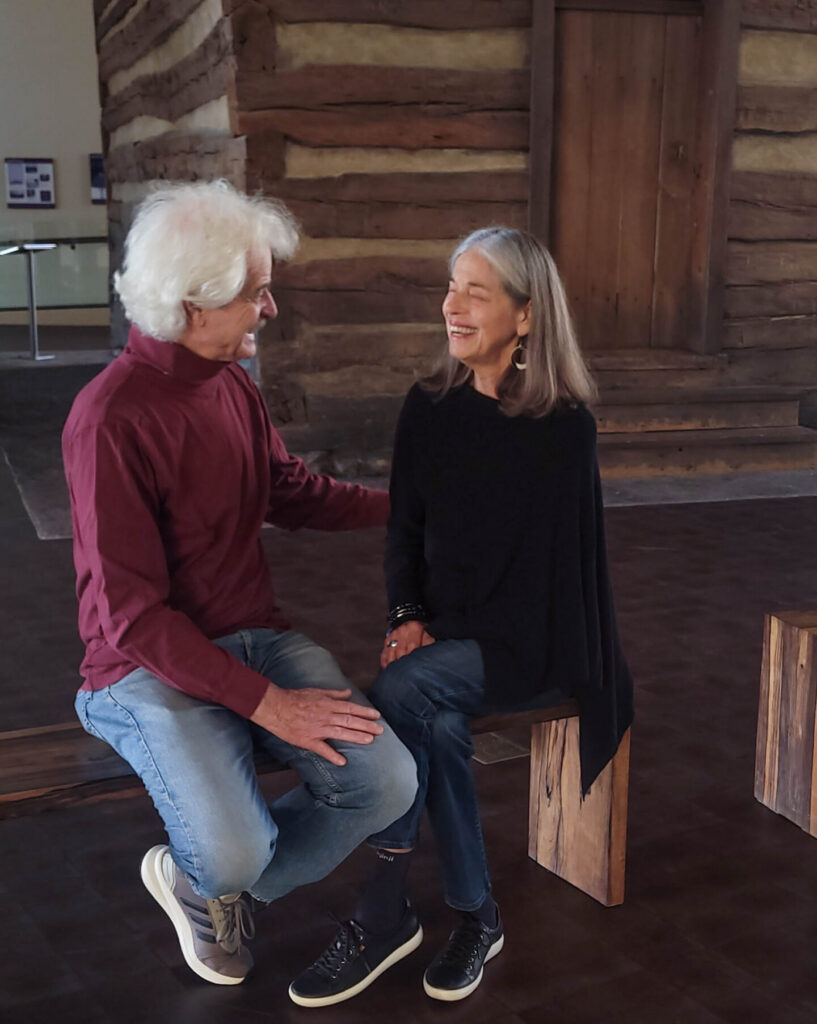
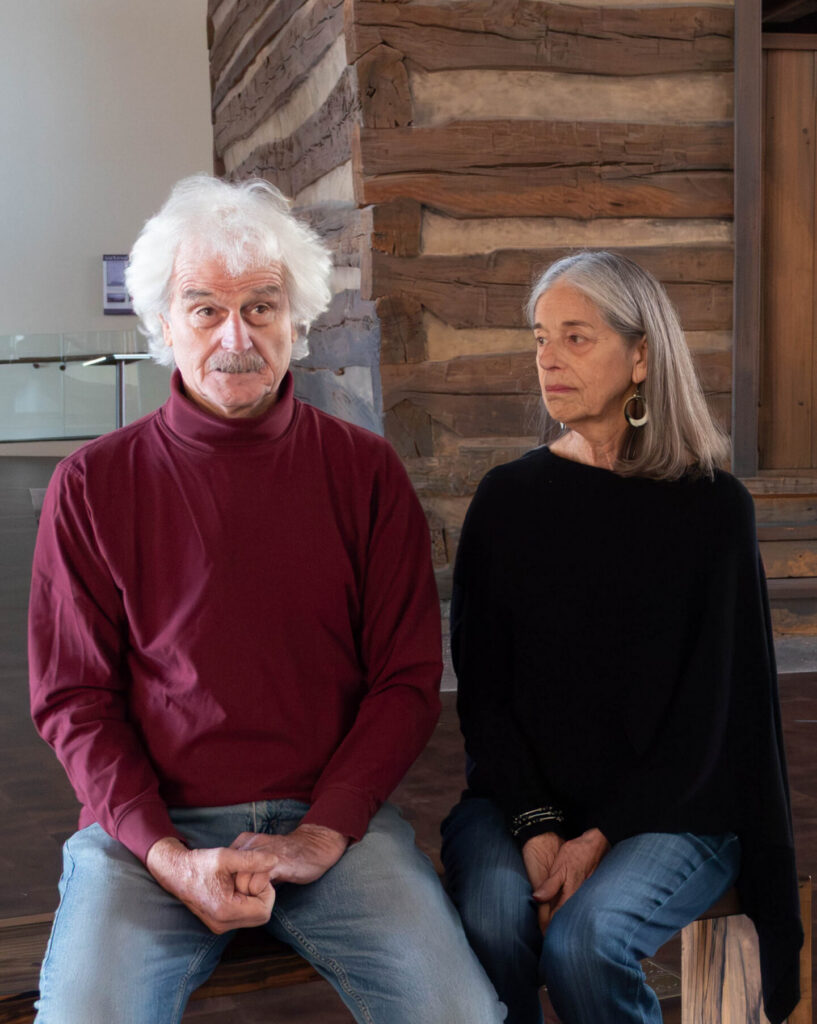
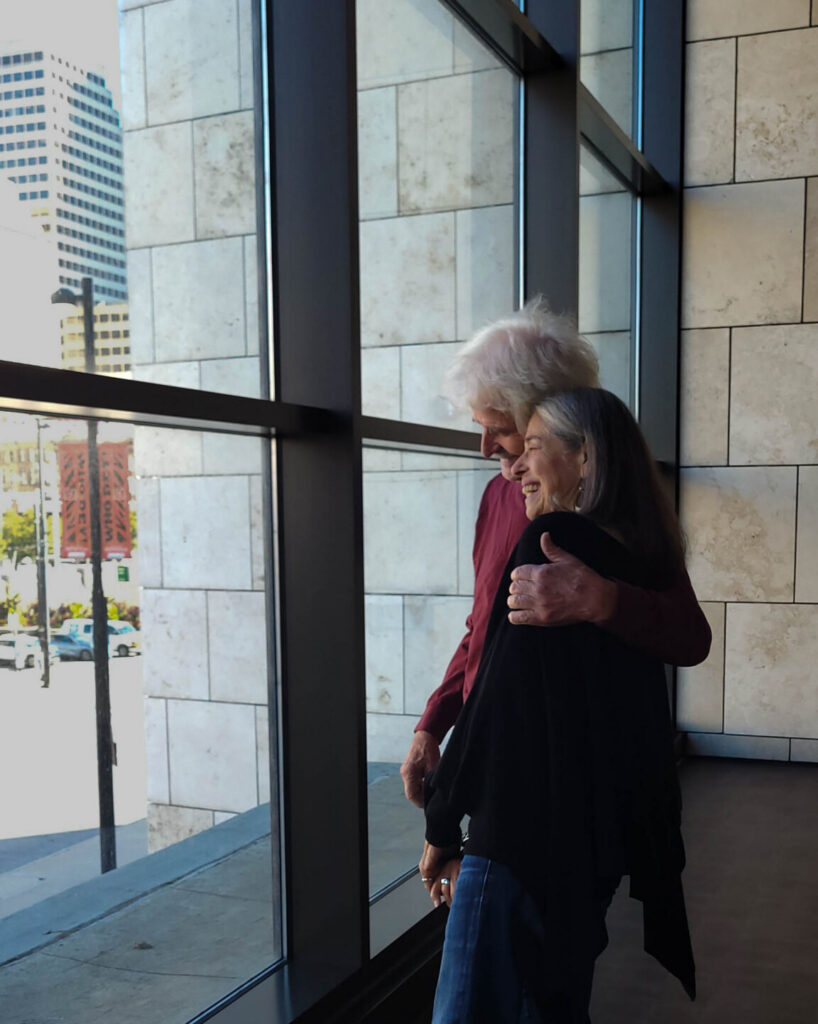
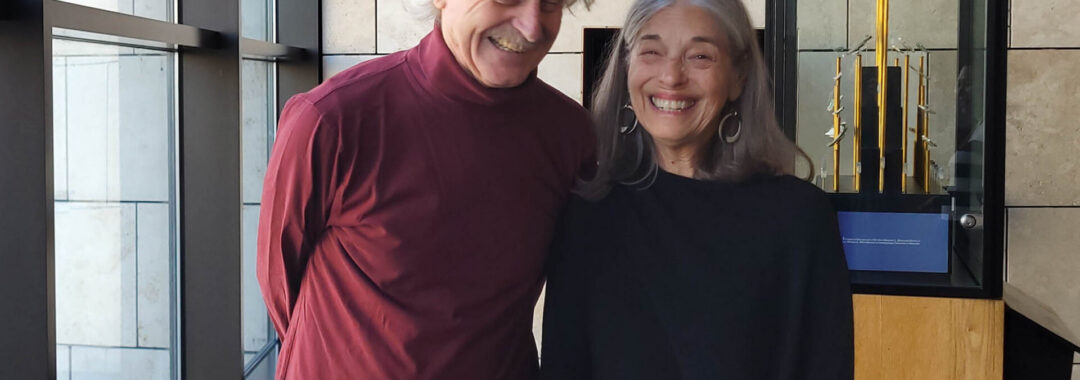
What Freedom Means to Bill and Anne Haxton

Slide
Freedom Center Voices
October 28, 2026

What Freedom Means

...to Bill and Anne Paxton, Freedom Center Volunteer Docents

Civil liberties and educational institutions like museums are being threatened in today’s America. This season, we’ll be telling stories about freedom and the Freedom Center. Hear from Freedom Center staff, docents, volunteers, ambassadors and visitors (like you!) about what freedom means to them today in our new blog series. 

So tell us a little bit about how you were introduced to the Freedom Center. What made you decide to start volunteering here?

Bill: "Oh. Let's see. Oh, it would have been… Was it Martin Luther King's birthday?"

Anne: "No, it was Patrick's wedding."

Bill: "So, we were here for a wedding, living in California at the time. And before the wedding, we had a free day, so we thought we would come here. We were staying in an AirBnB not too far from here, actually. So we came, and it was a very quiet day. We were going through the museum, kind of a slow pace.

"There happened to be three African-American women who were also here and going slowly through. We just happened to be taking about the same amount of time. You know, we were ahead of them for a while. They were ahead of us. And then we came down from the third floor to here, and Anne and I arrived at the Slave Pen before the three women and—

"Oh, gosh. It just really hit me hard. I kind of broke down, actually. And I was standing in front of the window sobbing, and these three women came up and just wrapped me up in a three-way hug and held me until I settled down. And one of the women just said something I hope never to forget. She said, 'A bridge doesn't mean anything unless someone chooses to cross it.'

"And so about four years later we moved to Cincinnati and as soon as we were settled, came down here and volunteered. That would have been 2024…"

Anne: "Just over two years."

Bill: "Yeah, two and a half years ago."
Anne: "I look at history in order to try to understand where we are, and how society is operating and, you know, functioning. And it just helps me put things in place. And it opens doors. I was thinking earlier, it's like, you know, one day you opened the door to a closet where you just sort of tossed things in that disappear and you kind of forget about them.

"And it's like that with our Constitution. It's really noble. The words, the ideals are amazing that a group of people came together and wrote that. But we're still really trying to live up to it. So, coming here to this museum allows me to share how I feel. And I learn so much every time I come, from other people and how they look at the past.

"It is our past, but it does affect our society today."

You're volunteering at a place named "the Freedom Center," but what does the word "freedom" really mean to you?

Bill: "You know, freedom really is one of those abstract concepts that actually is best described by learning about its absence.

"You know—freedom to move around. Freedom to make choices about your own life. Freedom to love who you want. Vote for who you want. And as I said, you know, we are living in a time now when some of these attributes of freedom are being replaced by its absence. You know, not so much for everybody, but for some groups of people. And, you know, when Anne was saying earlier about how noble and elevated the concepts of our Declaration of Independence and our Constitution are, the hypocrisy of American history kind of comes out in museums like this. This isn't the only one, but I believe for quite a long time that slavery actually created a wound in the American soul, which has not yet healed, because we have done a poor job of facing up to it.

"And museums like this—one of the reasons this means so much to me is that, you know, this gives us a place to face up to what we did as a nation and to try to heal that wound."

Anne: "I think, too, that freedom is a realization of how selfish we can be. That freedom also means learning how to compromise or even give way when what you might want personally stopped someone else from their own rights and freedoms. And so, it is a difficult lesson to learn from that point of view. And coming here and working at the museum, helping people realize that other people have a right to fight for more freedoms, they may not have as many as you, and they're going to fight harder to keep what little bit they have."

Bill: "Well, the last time I felt free was when you were describing a few moments ago what freedom meant to you. Really? I thought, oh, my gosh, that's beautiful. And I'm with this person. So I felt very that was liberating."

Anne: "Oh my goodness. Well, Bill and I have led an unusual life. I think you'd have to say. And ten years of our life was on a sailboat, and we gave material things up in order to have an experience. And that was freedom in a way, just, you know, moving forward and never knowing what the next day would bring."

Bill: "We sailed across the Pacific Ocean and back."

Anne: "Yeah. So little islands that no one visits. There's no airport. There's no shipping, you know, places for people to stop. But you drop in on people's lives and they're so happy all over the world to share their life with you. And life is so much simpler. I had someone once, oh, this is getting off the track. But someone once said to me, 'You Westerners are usually walking along the beach trying to get tan, you know, and looking for shells, and we go out and walk along the beach when we need to find another shoe, because one of our shoes broke.'

"And it's just such a new idea of how someone views a beach or someone who used life. And anyway, that was complete freedom, that period of our lives."

Bill: "I did remember something that’s right here.

"So, this was another very quiet day here at the museum, and I had just come down from third floor and was coming to the Slave Pen because I saw two young men come up to the little rope. So I opened the rope and we all went inside. One of the young men was probably six feet four inches tall and African American, and he just became so profoundly solemn that I realized, oh, you know, this is one of those times.

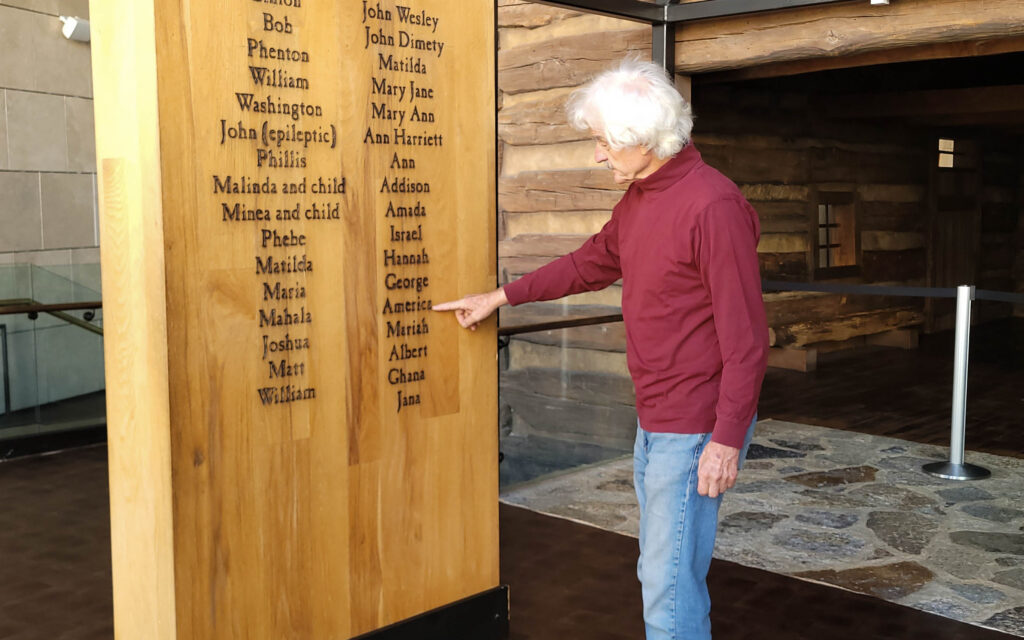
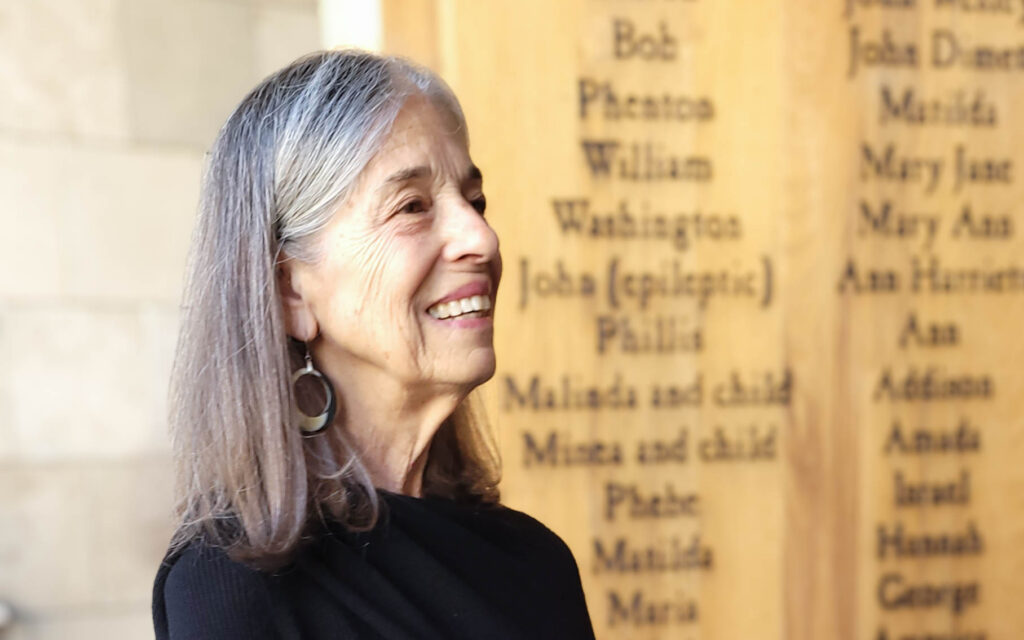
"[He] can't talk. You know, he's having his experience. And he was in for about five minutes and then came out. He came out and started looking at this, this panel, the names on here are the names of the enslaved people who were in the Slave Pen the day Anderson [the enslaver who built the pen] died. And he pointed at this name, America."

Bill: "Well, it turns out that this young man, actually his family was from Maysville, Kentucky, where the slave pen originally was. He had done some genealogical research and learned that back in the 1820s and 30s, he had an ancestor woman whose name was America.

"That was just… that was profound."

Bill: "Sometimes we do get tour groups here who I think are reluctant to come in. Not everybody comes voluntarily. They're part of a larger group. And the majority want to come and some don't. Shawnee [VP, Education and Interpretation] has been absolutely wonderful at how to deal with those kinds of delicate interactions with people who don't want to be here. 

"You know, we always want to reply and try to persuade somebody, but that does not work in this context. They have to be given a moment or the freedom to persuade themselves. And that's a that's just a different way of it."

Anne: "I have had a couple of high school groups who have come [to the museum] and were well prepared, I think. And when you have that magical moment of the interactive conversation between the students and yourself… That is so rewarding to be able to see these young adults and what their attitudes are and their thoughts and how they're approaching life. And so, for me, that is heartening significance.

"We'll make it through this."

Support the Freedom Center with Bill and Anne

Everyday people can build the Underground Railroad—but it takes cooperation. For less than the cost of a cup of coffee, help us tell the story of freedom for generations to come. Donate today using the form below:

Posted in Uncategorized.