World Day Against Trafficking in Persons

Slide
Freedom Center Voices

World Day Against Trafficking in Persons

Today is the World Day Against Trafficking in Persons. Designated by the United Nations in 2013, July 30 is observed globally every year to raise awareness about human trafficking, and to promote and protect of the rights of victims.

An Introduction

When you hear the term “human trafficking,” what does that actually mean? The term is defined as:

“The recruitment, transportation, transfer, harboring, or receipt of persons by improper means (such as force, abduction, fraud, or coercion) for an improper purpose.”

Human trafficking is a broad injustice that can take many forms. Some of these include domestic servitude, sex trafficking, forced labor, bonded labor, child labor and forced marriage. You learn more about each of these specific forms of slavery at EndSlaveryNow.org.

When discussing the scope of human trafficking, the numbers can be quite overwhelming. It’s estimated that between 21 million and 45 million people are enslaved in the world today. With staggering numbers and victims present in countries across the world (including the United States), it’s difficult to pinpoint how we can stop this cycle. What can we do to make an impact?

A Modern Abolitionist Struggle

 In 2012, President Obama stated:

“The outrage, of human trafficking . . . must be called by its true name – modern slavery.”

These words reflected an ongoing development in the US anti-trafficking movement—the shift toward viewing this movement an inclusive struggle against enslavement and oppression in all forms.

For much of its history, the anti-trafficking movement had been widely perceived as rescuing upper-class women from “white slavery”—specifically, sexual enslavement by foreign smugglers. However, many anti-trafficking activists will tell you that this is not the typical story. Brooke Hathaway-DeSantis, founder of End Slavery Now, points out that modern-day victims of sexual enslaved are rarely kidnapped or even smuggled from one place to another. Instead, they are most often lied to and deceived by traffickers who lure them with false promises of glamorous employment or supportive romantic relationships. For this reason, most victims and survivors of this form of trafficking are members of disadvantaged populations, such as poor immigrants and refugees, rather than middle class or wealthy people.

And while anti-trafficking activists are committed to fighting all forms of sexual exploitation, they will also tell you that forced labor is by far the most common form of modern-day enslavement worldwide. This doesn’t even include forced labor in prisons, which many consider to be another form of modern-day enslavement. For these reasons, most anti-trafficking activists today view the fight against modern-day enslavement to be as much about social justice as one against exploitation. It’s an abolitionist cause directly related to the struggle to end pre-Civil War chattel enslavement.

Who Are Anti-trafficking Activists?

Much like the pre-Civil War abolitionists, those fighting modern-day enslavement are a diverse group. They are comprised of law enforcement personnel, social workers, members of the clergy, academics, trafficking survivors, and politicians from both parties. They are ordinary people of all genders, gender identities, ethnicities, abilities, and sexual orientations. They agree on one important thing: nobody should be enslaved.
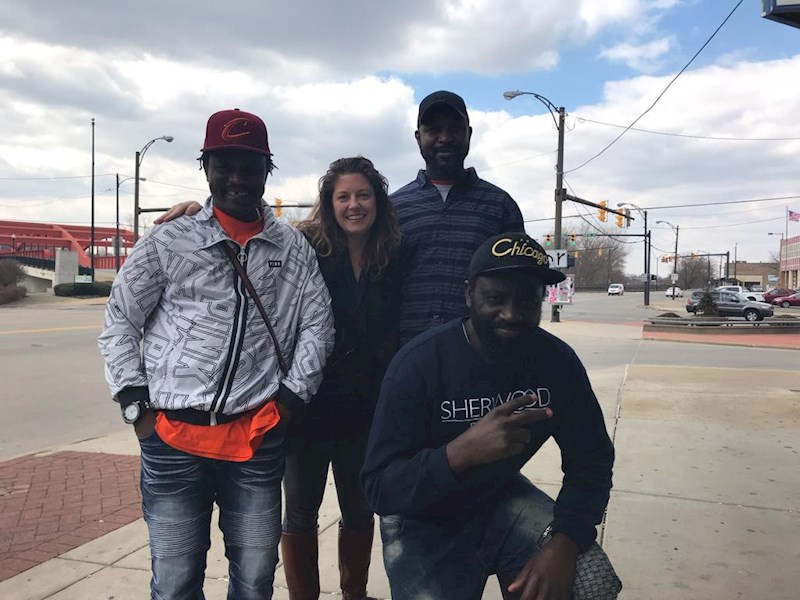
Photo: Mohamed Diaby and friends. Diaby is a refugee from forced labor in Mauritania who lives in Ohio. He has spoken at the Freedom Center about his fight against deportation.

A Call To Action

The National Underground Railroad Freedom Center invites you to become a modern-day abolitionist. We believe that while chattel enslavement of African Americans was a unique evil whose effects still linger, human trafficking results from inequalities that continue to exist in our society.

Start by checking out End Slavery Now, a project of the National Underground Railroad Freedom Center. You can sign up to receive a weekly action email with ideas on what you can do to fight against  modern-day enslavement. You can also visit the Polaris Project, a national organization dedicated to this fight, and the National Human Trafficking Network that operates a hotline – (888)-373-7888 – where you can report suspected instances of human trafficking.

It will take a monumental effort to end human trafficking, but please know that no action is too small to make a difference. Take the first step, educate yourself, get connected, bring your passion to the table—roll up your sleeves end help us end slavery for good.

---

Jonathan Turbin

Coordinator of Initiatives against Modern-Day Enslavement
National Underground Railroad Freedom Center

July 18, 1863: The Bravery of the 54th Massachusetts

Slide
Freedom Center Voices

July 18, 1863: The Bravery of the 54th Massachusetts

When southern states began to secede from the Union in 1860, talk of civil war was prevalent throughout the country. For African Americans, this war was about one thing—bringing an end to slavery. Frederick Douglass and other prominent African Americans petitioned Congress and President Lincoln to allow African American men to enlist in the military. Douglass’ words and determination laid heavy in the mind of the President.

“A war undertaken and brazenly carried on for the perpetual enslavement of colored men, calls logically and loudly for colored men to help suppress it.  Only a moderate share of sagacity was needed to see that the arm of the slave was the best defense against the arm of the slaveholder.”

- Frederick Douglass, “Men of Color, To Arms!” March 21, 1863

Storming-Fort-Wagner

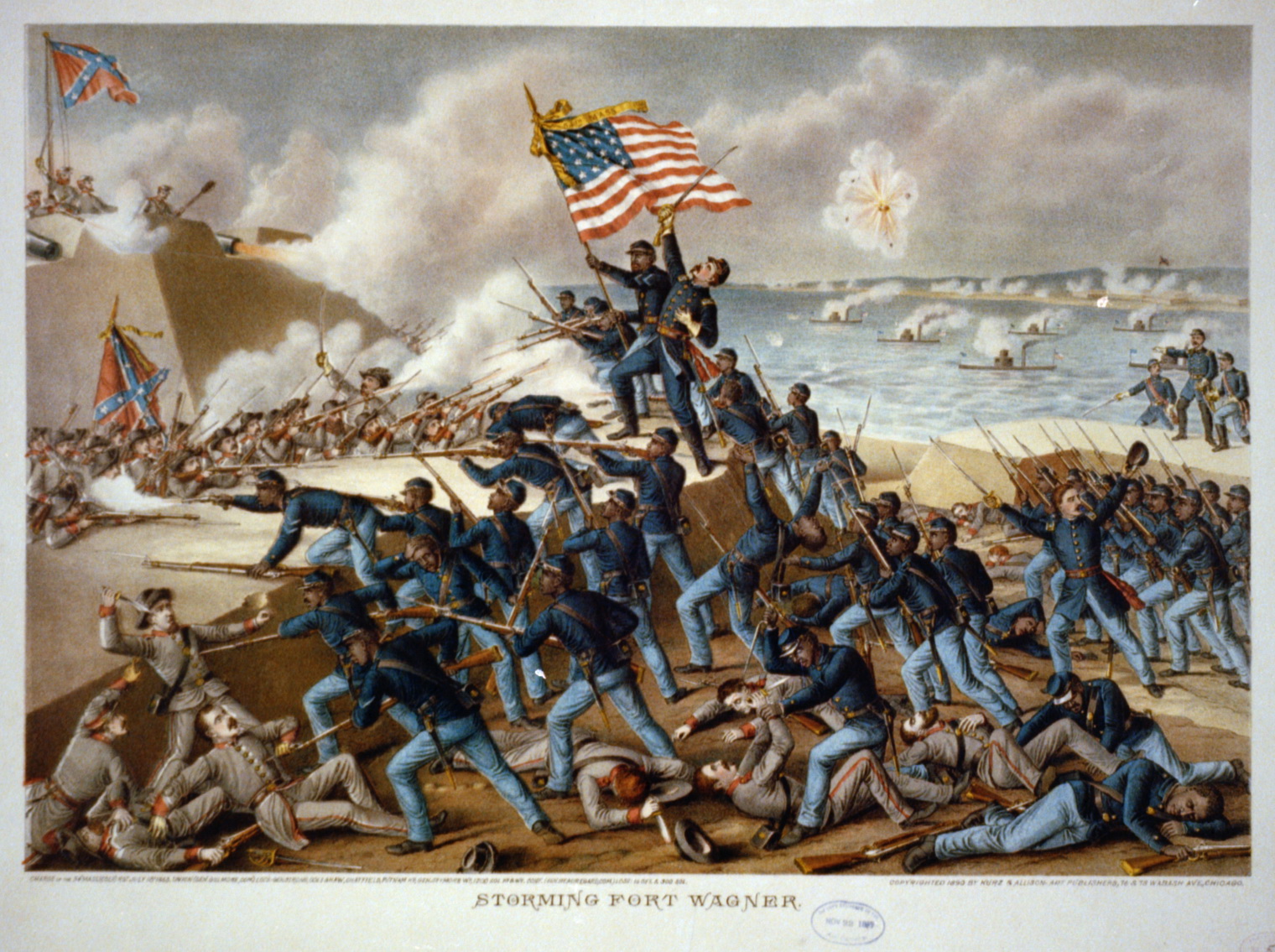
Storming Fort Wagner. Print shows Union soldiers storming the walls of Fort Wagner on Morris Island, South Carolina, and engaging some Confederate soldiers in hand-to-hand combat. Source: Library of Congress.

Laying the Ground Work

The first step in recruiting African Americans was the Second Confiscation and Militia Act which gave Lincoln the authority “to employ as many persons of African descent as he may deem necessary and proper for the suppression of this rebellion…in such manner as he may judge best for the public welfare.” This act formed a number of unofficial African American regiments in Louisiana, Kansas and South Carolina. However, it wasn’t until the Emancipation Proclamation was issued on January 1, 1863 that official African American regiments formed.

Forming The 54th Massachusetts

On January 26, 1863, Secretary of War Edwin Stanton authorized the official recruitment and formation of African American regiments. Shortly after, Massachusetts Governor John A. Andrew reached out to Boston’s African American and abolitionist communities to help with recruitment of soldiers to the Union Army. Excited by the news, these individuals worked tirelessly to recruit soldiers. Church sermons, public events, newspapers, posters and pamphlets were all used to promote recruitment. Frederick Douglass and Major Martin Robinson Delany also assisted with recruitment. Douglass’s two sons, Charles and Lewis, were some of the first to enlist.

Recruitment was so successful that over 1,000 men had volunteered by May 14, 1863. Volunteers came from all over the country, and even Canada and the Caribbean. This new regiment became the 54th Massachusetts, the second African American regiment of the United States Army. Roughly 25% of the volunteers were from southern states, many of them formerly enslaved.

Early Days

Trainings were done just outside of Boston at Camp Meigs, and the unit was commanded by Colonel Robert Shaw. Once training was complete, over 20,000 people (including Frederick Douglass and William Lloyd Garrison) gathered at Boston Commons on May 28, 1863 to send them off to active duty. The crowds cheered as the soldiers boarded the ship De Molay that was destined for South Carolina.

After weeks of manual labor and engaging in a small fight with Confederate troops on James Island, Colonel Shaw requested that his troops have the opportunity to lead the next assault against Confederate troops. When the 54th arrived outside of Fort Wagner, South Carolina on the evening of July 18, 1863, Colonel Shaw got his wish. That evening he told his men:

“I want you to prove yourselves… The eyes of thousands will look on what you do tonight.”

This was the moment they all had waited for. The opportunity to prove their valor—to fight for freedom.

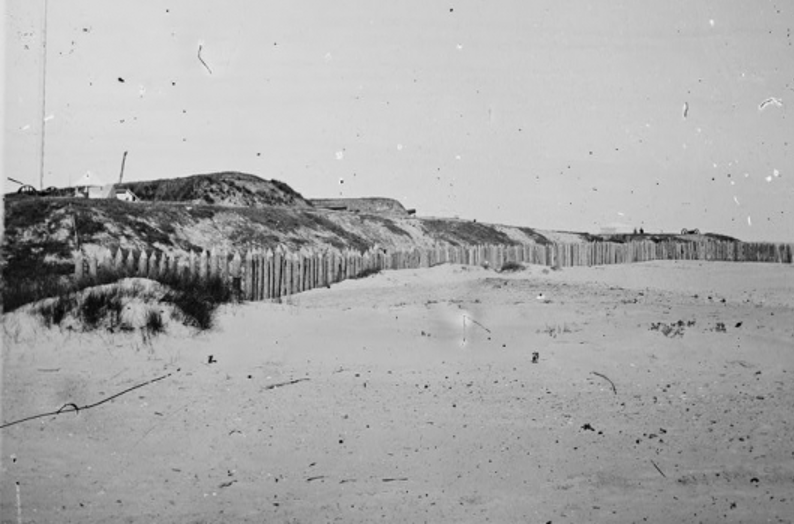
View of Forts Wagner and Gregg on Morris Island, evacuated by Confederates, September 6, 1863. Source: Library of Congress

The Assault at Fort Wagner

The 54th led the union assault. They advanced at dusk, bravely marching toward the Confederate line. When they got within 100 yards, Shaw gave the order to attack. Outgunned, the 54th was assaulted by a wall of bullets. Shaw witnessed the carnage and chaos, regrouped his men and led the charge over the outer wall of Ft. Wagner. Before the Colonel was shot and killed, his last words were, “Forward Fifty-Fourth!”

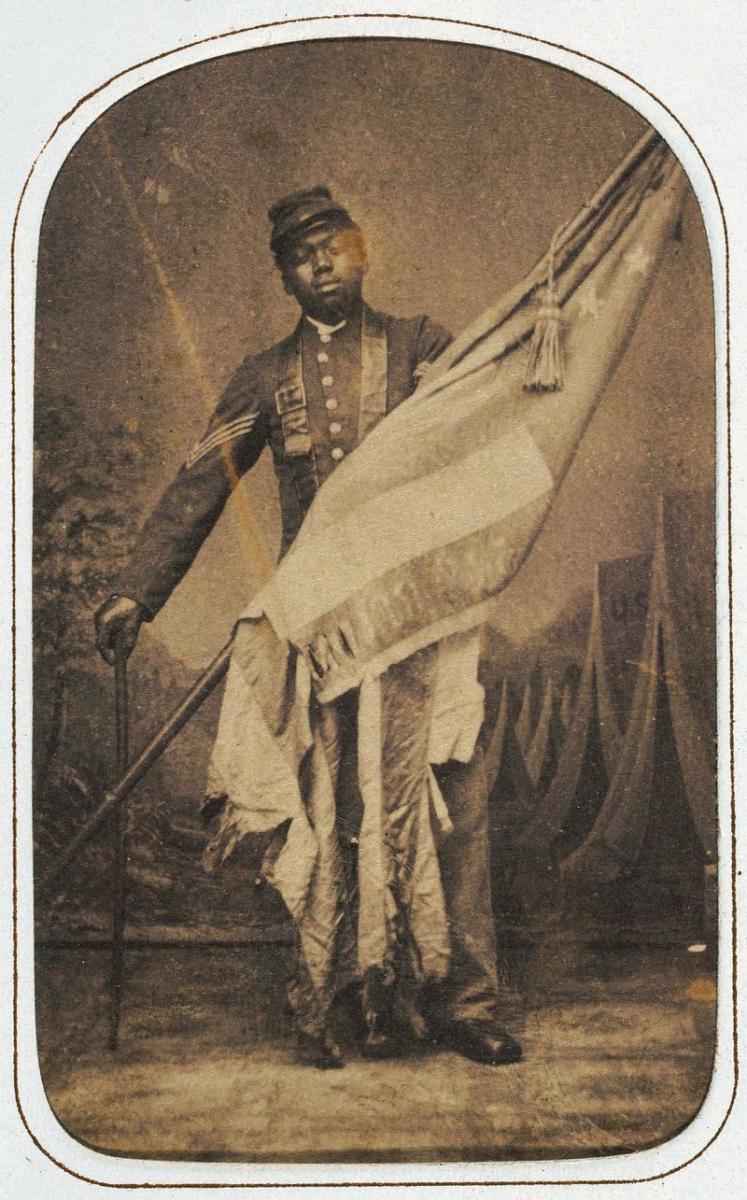
When the flag bearer was shot, Sergeant William H. Carney grabbed the flag before it could hit the ground. Despite suffering several serious gunshot wounds, Carney carried the symbol of the Union to the base of the fort where he planted the flag in the sand. Carney later told his fellow soldiers:

"As quick as a thought, I threw away my gun, seized the colors, and made my way to the head of the column."

His heroic efforts earned him the Medal of Honor—the first black recipient of the award in United States history.

Photograph of Sergeant William H. Carney, circa 1864. He was the first African American to receive the Medal of Honor.

Photograph of Sergeant William H. Carney, circa 1864. He was the first African American to receive the Medal of Honor.

Aftermath

Although the 54th fought valiantly, they were eventually repelled by Confederate troops and the union forces failed to take Ft. Wagner. Approximately 280 soldiers from the 54th were either killed, wounded, captured or missing. Some of captured men were sold into slavery. Yet despite the loss, the bravery shown by the 54th Massachusetts at the charge of Fort Wagner proved that African American troops were valuable, effective soldiers. This would be remembered as one of the most famous battles of the Civil War—inspiring artwork, poetry and songs for generations to come.

---

James Harrington

Manager of Interpretive Services
National Underground Railroad Freedom Center

Ida B. Wells: A Legacy of Justice Deferred

Slide
Freedom Center Voices

Ida B. Wells: A Legacy of Justice Deferred

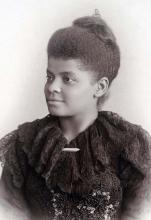
Ida B. Wells-Barnett rose to prominence in the 1890s, bringing international attention to the lynching of Black Americans in the South. After three of her friends were lynched in 1892, Wells became one of the most vocal anti-lynching activists in history.

Calvin McDowell, Thomas Moss, and Henry Stewart owned a local grocery store in Memphis, TN known as the People’s Grocery. Their economic success angered the white owners of a store across the street. On March 9, a group of white men gathered to confront McDowell, Moss, and Stewart. During the scuffle that followed, several of the white men received injuries and authorities arrested the three black business owners. A white mob subsequently broke into the jail, captured McDowell, Moss, and Stewart, and lynched them.

Anti-Lynching Campaign

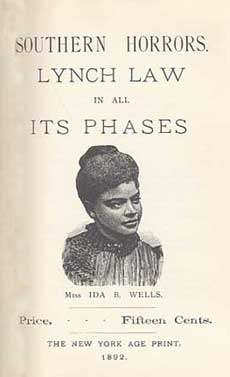
Incensed by the murder of her friends, Wells launched an extensive investigation into lynching. She published a pamphlet in 1892 titled Southern Horrors which detailed her findings. Her reporting highlighted the stories of lynching victims that challenged white authority or were able to successfully compete with whites in business or politics. As a result of her outspokenness, a mob destroyed her office at the local newspaper and threatened to kill her. She fled Memphis determined to continue her campaign to raise awareness about lynching. Wells took her efforts to England and established the British Anti-Lynching Society.

Photo: The pamphlet "Southern Horrors: Lynch Law in all Its Phases"

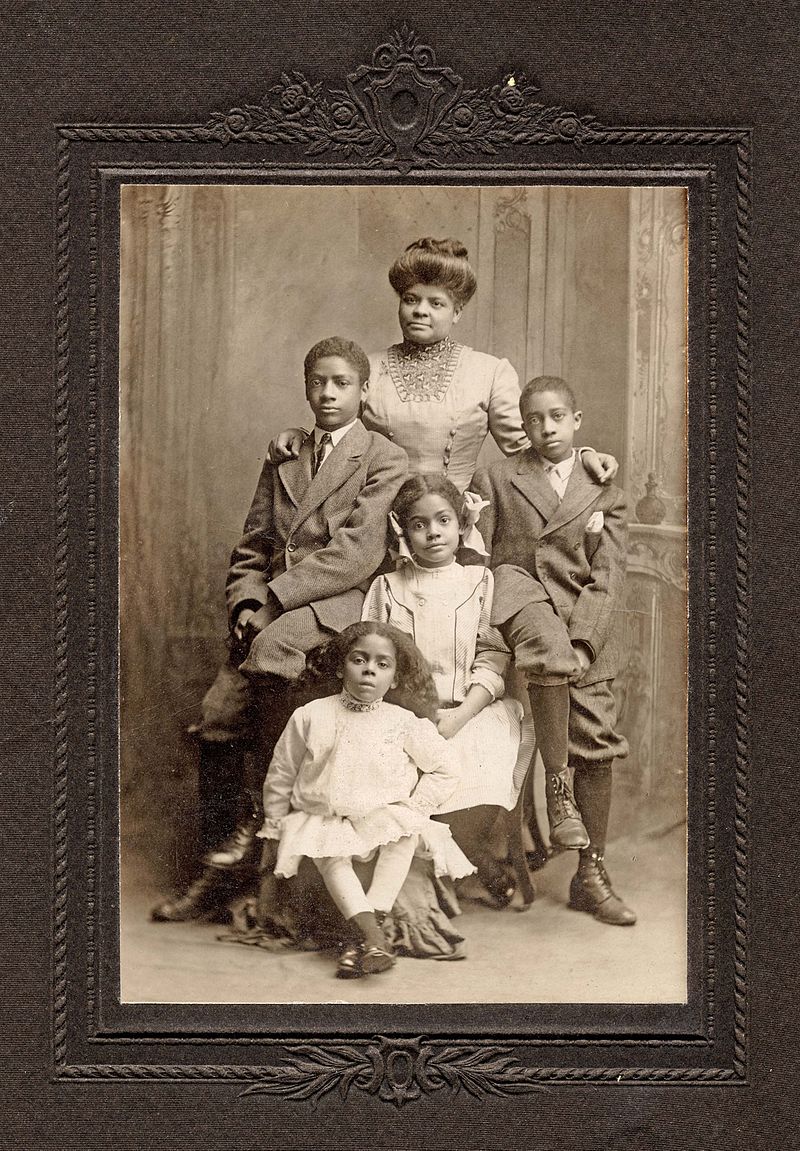
Following her tour in England, she returned to the U.S. and settled in Chicago, Illinois. In 1895, Wells married attorney and newspaper editor Ferdinand L. Barnett. Together, the couple had four children who Ida raised while balancing her activism for human rights.

Wells-Barnett gave one of her most significant speeches on lynching in January 1900. In this speech, she poignantly challenged America’s morality and tolerance for the degradation of black humanity.

“Our watchword has been 'the land of the free and the home of the brave.' Brave men do not gather by thousands to torture and murder a single individual, so gagged and bound he cannot make even feeble resistance or defense. Neither do brave men or women stand by and see such things done without compunction of conscience, nor read of them without protest. Our nation has been active and outspoken in its endeavors to right the wrongs of the Armenian Christian, the Russian Jew, the Irish Home Ruler, the native women of India, the Siberian exile, and the Cuban patriot. Surely it should be the nation’s duty to correct its own evils!”

Legacy

Ida also worked to advance other political causes. She helped launch the National Association of Colored Women (NACW) in 1896 and was a founding member of the National Association for the Advancement of Colored People (NAACP) in 1909. She also actively campaigned for women’s suffrage, establishing the first Black women’s suffrage club in Chicago— the Alpha Suffrage Club. When Wells-Barnett travelled abroad, she often challenged white suffragists who refused to acknowledge lynching. As a result, she was often criticized by women’s suffrage organizations in the United States.

The Dyer Anti-Lynching Bill

In 1918, with pressure from Wells-Barnett, Congressman Leonidas Dyer of Missouri first introduced his anti-lynching bill—known as the Dyer Bill —into Congress. The NAACP supported the passage of this bill from 1919 onward. The Dyer Bill was passed by the House of Representatives on January 26, 1922 and given a favorable report by the Senate Committee in July 1922. Even so, its passage was halted by a filibuster in the Senate. Efforts to pass similar legislation were not taken up again until the 1930s with the Costigan-Wagner Bill. The Dyer Bill influenced the text of anti-lynching legislation promoted by the NAACP into the 1950s, including the Costigan-Wagner Bill.

Photo: The pamphlet "Southern Horrors: Lynch Law in all Its Phases"

Photo: Ida with her children, 1909

If We Truly Value All Lives, Why Is This Still A Debate?

In 2020, animal cruelty is a federal crime. Yet the lynching of human beings as a federal crime is still a matter of debate among U.S. lawmakers today. The bill, called the Emmett Till Anti-lynching Act, was passed by the House in February 2020 by a vote of 410 to 4. It was backed by 99 Senators who urged for this change to address a crime that continues to terrorize Black Americans. However, in June 2020, the objections of a few influential lawmakers prevented the bill from becoming law.

It’s remarkable that lynching, which has a horrific legacy of targeted abuse and trauma toward Black Americans, is not yet considered a federal crime. History reveals that the divisions that continue to exist in this nation have long been centered on the inequitable treatment of Black Americans. Our laws are tied to this social construct of race, and I feel that’s why we see efforts to suppress meaningful changes to the law when it comes to matters of racial violence and justice—the same meaningful changes that Ida B. Wells-Barnett crusaded for over 100 years ago. Because of our inability as Americans to acknowledge and correct our painful history, it is my argument that her legacy remains deferred today.

Honor Ida B. Wells Today

Do you think Congress should pass the Emmett Till Anti-Lynching Act? Become a part of the conversation by adding your name to the Change.org petition urging Congress to pass the Anti-Lynching bill now. You can find the petition here: https://www.change.org/p/rand-paul-pass-the-anti-lynching-bill-now

---

Christopher Miller

Senior Director of Education & Community Engagement
National Underground Railroad Freedom Center

Singing an Anthem is Not Enough

Slide
Freedom Center Voices

Singing an Anthem is Not Enough

There has been a mixed response to the NFL’s recent announcement to have Lift Every Voice and Sing performed before every week 1 kickoff. It’s my opinion that performing this anthem at sporting events is a nice symbolic gesture, but it does not actively dismantle any of the structural racism that permeates nearly every sector of our society. The recent uprisings across the country are a direct response to continued systemic inequity, abuse and violence enabled by racist ideologies and policies. Deep-rooted changes are required for genuine progress.

In learning from authentic accounts, as opposed to tales of nostalgia, it’s critical for us to unpack the social need and desire for anthems. The Star-Spangled Banner has only been the national anthem for 89 years, while Lift Every Voice and Sing has been an anthem embraced by people of color for at least 111 years. Very few Americans are aware of this reality.

The Star Spangled Banner

In 1814, Francis Scott Key wrote a poem that would become the lyrics to The Star-Spangled Banner. Key’s poem reflected his account of the War of 1812. While the first verse of The Star-Spangled Banner is most widely known, the last three verses are generally omitted from the American consciousness. This is largely due to fact that the other verses could be interpreted as supporting slavery and white supremacy.

In 1916, a year before the U.S. entered World War I, President Woodrow Wilson signed an executive order designating The Star-Spangled Banner as the national anthem. It was sung publicly for the first time at the 1918 World Series between the Boston Red Sox and the Chicago Cubs. It’s important to note that this moment happened in the midst of World War I, when there was a need to boost the morale of America’s mainstream with a unifying anthem.

The US Congress did not confirm the executive order to adopt The Star-Spangled Banner until 1931 during the Great Depression. Timing is everything. Once again, the argument could be made that this gesture was intended to boost the nation’s morale in a turbulent moment.

Knowing this history, we must ask ourselves this question today—how can Black Americans embrace an anthem tied to an exclusionary perspective of freedom?

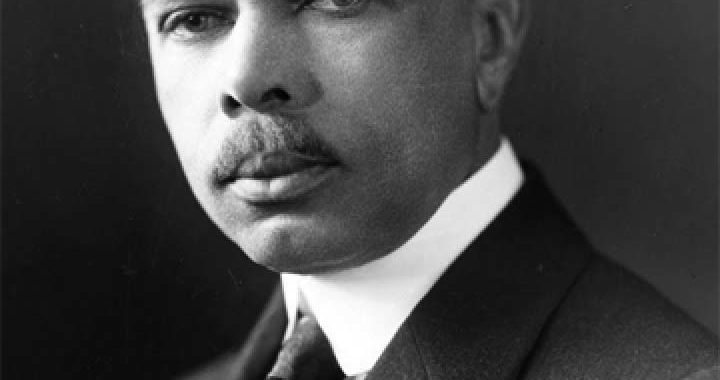
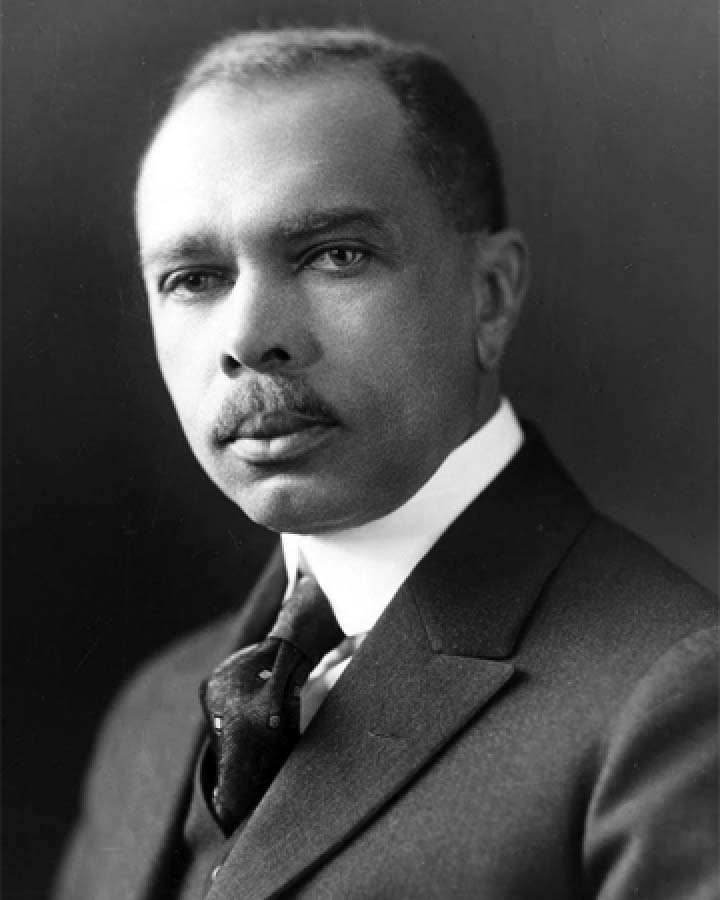
Image: Portrait of James Weldon Johnson

Image: Portrait of James Weldon Johnson

Lift Every Voice and Sing

In comparison, the anthem Lift Every Voice and Sing holds a tone and tenor of universality and inclusion. James Weldon Johnson, an influential novelist, poet, composer, educator, diplomat, lawyer, social critic, and civil rights activist, wrote the lyrics to Lift Every Voice and Sing in 1900. Like The Star-Spangled Banner, it was initially a poem. It served as a tribute to the endurance, persistence, and restless hope for justice and equity in America.